Search results
Search for "quartz" in Full Text gives 415 result(s) in Beilstein Journal of Nanotechnology. Showing first 200.
Evolution of Ag nanostructures created from thin films: UV–vis absorption and its theoretical predictions
Beilstein J. Nanotechnol. 2020, 11, 494–507, doi:10.3762/bjnano.11.40
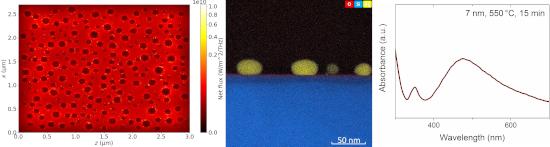
- measured in situ using a quartz crystal microbalance. To form nanostructures, the as-prepared films were put into a hot furnace and annealed in argon atmosphere at different temperatures for different periods of time. The surface morphology of the samples was analyzed using a FEI Quanta FEG 250 SEM




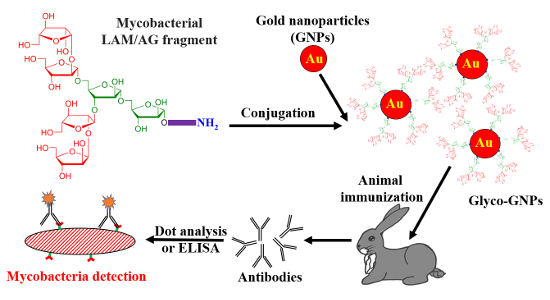
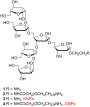
Preparation and in vivo evaluation of glyco-gold nanoparticles carrying synthetic mycobacterial hexaarabinofuranoside
Beilstein J. Nanotechnol. 2020, 11, 480–493, doi:10.3762/bjnano.11.39
- contents. The solution was allowed to cool by incubation at room temperature for 15 min. Absorbance was measured in 1 cm quartz cuvettes on a Specord 250 spectrophotometer (Analytik, Jena, Germany) at 490 nm using solutions of the parent glycoside 1 for calibration. The calculation also took into
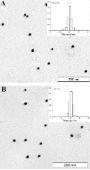


Nanoparticles based on the zwitterionic pillar[5]arene and Ag+: synthesis, self-assembly and cytotoxicity in the human lung cancer cell line A549
Beilstein J. Nanotechnol. 2020, 11, 421–431, doi:10.3762/bjnano.11.33
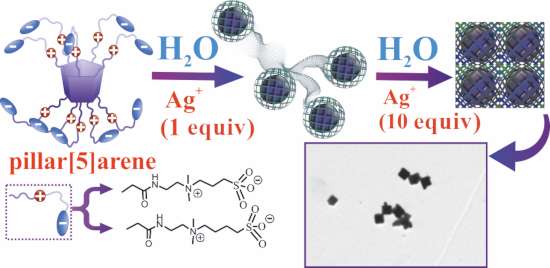
- out after mixing the solutions at 293 K. Dynamic light scattering (DLS) The particle size distribution formed as a result of self-association of the pillar[5]arenes 2–4 was determined at 20 °С by dynamic light scattering using a nanoparticle size analyzer (Zetasizer Nano ZS, Malvern) in quartz
- cuvettes. The instrument contains a 4 mW He–Ne laser operating at a wavelength of 633 nm and incorporates noninvasive backscatter optics (NIBS). The measurements were performed at the detection angle of 173° and the software automatically determined the measurement position within the quartz cuvette. The


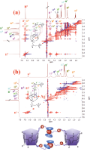


Poly(1-vinylimidazole) polyplexes as novel therapeutic gene carriers for lung cancer therapy
Beilstein J. Nanotechnol. 2020, 11, 354–369, doi:10.3762/bjnano.11.26
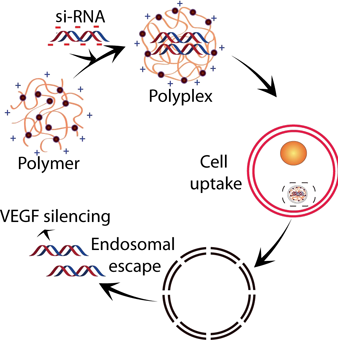
- the measurements. The measurements were made using a quartz microcell of 1 mL capacity and 3 mm path length. Clear disposable cells were employed for zeta potential measurements. All measurements were performed for each sample in triplicates 20 min after sample preparation at 25 °C. Electrophoresis


Mobility of charge carriers in self-assembled monolayers
Beilstein J. Nanotechnol. 2019, 10, 2449–2458, doi:10.3762/bjnano.10.235
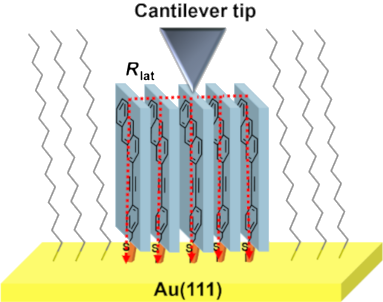
- evaporation chamber. The thickness and deposition rate (10 Å s−1) were monitored using a quartz crystal microbalance. After evaporation of Au, the substrates were cooled and the chamber was backfilled with nitrogen. The substrates were stored under argon and flame-annealed in a butane/oxygen flame immediately
- adhesion layer. The thickness and deposition rate (10 Å s−1) were monitored using a quartz crystal microbalance. Between substrate preparation and SAM formation, the substrates were stored in an argon atmosphere. The formation of the PAT monolayers on the gold silicon wafer was described above. Grafting


Self-assembly of a terbium(III) 1D coordination polymer on mica
Beilstein J. Nanotechnol. 2019, 10, 2440–2448, doi:10.3762/bjnano.10.234
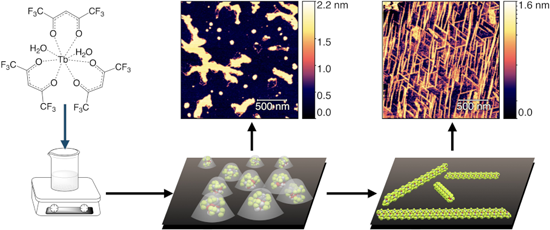
- holder with a quartz window. The bulk sample was positioned following the same geometry as used for the mica substrate (in reflection mode at 90°). The emission lifetime was measured using the TSPC module and a pulsed Xe source at 339 nm. The luminescence measurements of the liquid samples were performed
- using a standard 1 cm quartz cuvette containing a 10−5 M solution of [Tb(hfac)3·2H2O]. Appropriate filters were used to remove residual lamp excitation, scattered light and associated harmonics. The emission lifetime was measured using the TSPC module and a pulsed Xe source at 312 nm for the water


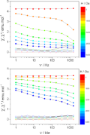


Coating of upconversion nanoparticles with silica nanoshells of 5–250 nm thickness
Beilstein J. Nanotechnol. 2019, 10, 2410–2421, doi:10.3762/bjnano.10.231
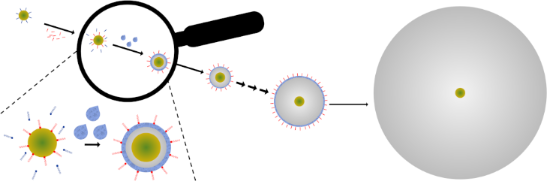
- laser diode from Insaneware-Robert Nowak and an Edinburgh Instruments spectrofluorometer FLS-980 equipped with an electrically modulated 8 W 978 nm laser diode (950 μs long square pulses) and a red-extended photomultiplier tube (Hamamatsu R2658P). Quartz glass cuvettes (QS Suprasil, 5 mm, Hellma or VWR


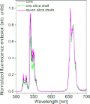
Design of a nanostructured mucoadhesive system containing curcumin for buccal application: from physicochemical to biological aspects
Beilstein J. Nanotechnol. 2019, 10, 2304–2328, doi:10.3762/bjnano.10.222
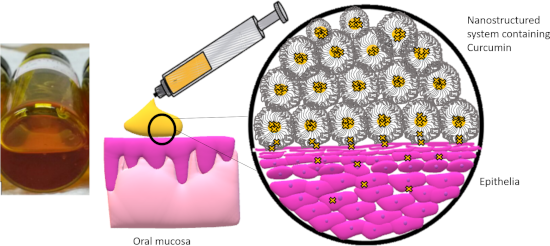


Improved adsorption and degradation performance by S-doping of (001)-TiO2
Beilstein J. Nanotechnol. 2019, 10, 2116–2127, doi:10.3762/bjnano.10.206
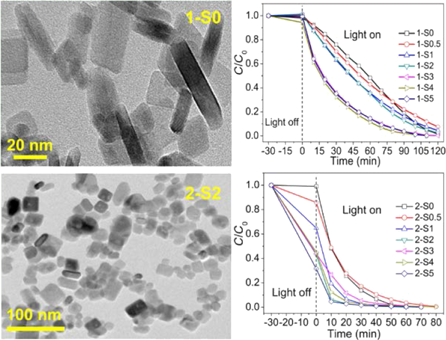
- , the desired amount of thiourea (99%, Aladdin) was added; the molar ratio of S in the thiourea to Ti in TiO2 (RS/Ti) was chosen 0, 0.5, 1, 2, 3, 4 and 5. After magnetic stirring for 30 min, the solution was transferred to a 120 mL quartz crucible that was subsequently placed inside a 500 mL Hastelloy
- autoclave, and 150 mL of deionized water was added to the autoclave. The autoclave was then heated to 180 °C or 250 °C and maintained at this temperature for 12 h. The reaction occurred in the quartz crucible under the environment of high-temperature vapor of deionized water. The thermal chemical vapor




Ion mobility and material transport on KBr in air as a function of the relative humidity
Beilstein J. Nanotechnol. 2019, 10, 2084–2093, doi:10.3762/bjnano.10.203
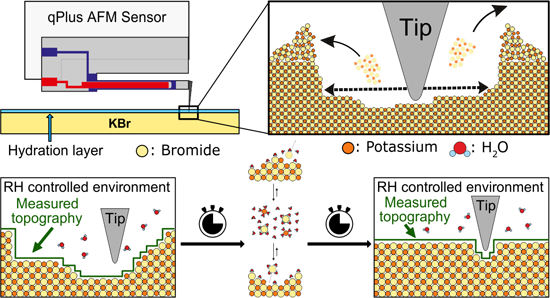
- range for each experiment. Experimental For the experiments we used a custom-designed AFM equipped with a qPlus sensor. The qPlus sensor is a stiff (k = 1800 N/m) self-sensing quartz sensor with a resonance frequency around f0 = 32 kHz. It has enabled unprecedented results in low-temperature AFM, such


Synthesis of highly active ETS-10-based titanosilicate for heterogeneously catalyzed transesterification of triglycerides
Beilstein J. Nanotechnol. 2019, 10, 2039–2061, doi:10.3762/bjnano.10.200
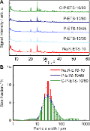
- ETS-4, AM-1 and quartz were detected (see also SEM data in Figure 3). The corresponding reflections at angles of 2θ are seen at, for example, 29.9° and 7.6° from ETS-4, 35.6° and 49.2° from AM-1, and 13.1° and 30.4° from quartz. The quantification of the presence of each phase in the prepared batch
- , as well as the results of the studies aimed at minimization of the amount of quartz and alternative titanosilicate phases employed during the synthesis of ETS-10 are described in section S6 of Supporting Information File 1. The presence of sharp peaks in the diffractogram (e.g., 0.15° FWHM for the
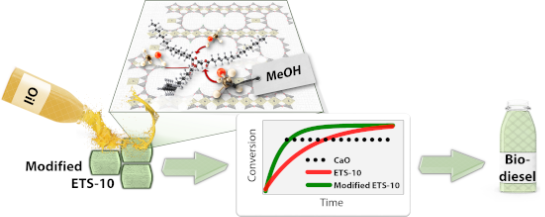
- alternative phases (such as ETS-4, AM-1, or quartz) appearing as side products. This was confirmed by X-ray diffractograms and TEM, revealing the high crystallinity of the material. Post-synthetic treatment with H2O2 at 423 K led to the successful introduction of mesopores in the range of 4–40 nm








Review of advanced sensor devices employing nanoarchitectonics concepts
Beilstein J. Nanotechnol. 2019, 10, 2014–2030, doi:10.3762/bjnano.10.198

- nanostructured materials with exotic properties [198] undoubtedly have important contributions. In addition, mass-sensitive sensors, quartz and crystal microbalance [199] are are useful for many substances because mass changes and alteration of viscoelasticity such as phase transition [200] are common over all





Gold-coated plant virus as computed tomography imaging contrast agent
Beilstein J. Nanotechnol. 2019, 10, 1983–1993, doi:10.3762/bjnano.10.195
- particles per milliliter as determined by NTA. The solution was diluted to obtain ca. 3500 NPs in the quartz cuvette (300 μL) of the instruments under laminar flow. Of these 3500 NPs ca. 100–200 NPs are illuminated at any given time as determined from still images of the recorded video using ImageJ software
- . 100 nm [36]. Spectroscopic analyses were recorded at ambient temperature (21–28 °C) using quartz cuvettes with an optical path length of 1 cm. Dynamic light scattering DLS measurements were carried out on a Wyatt DynaProTM DP-801 system coupled with Dynamics V7.0.0.95 software. Measurements were
- recorded with the following settings: 20 mW He–Ne laser, λ0 = 780 nm, scattering angle θ = 90°, molar refractive index of 1.33; viscosity of 0.8872 at 25 °C; the attenuator was set up automatically and ranged between 6 to 9. Corresponding quartz cells were flushed with deionized water followed by a 1% (v/v




Long-term entrapment and temperature-controlled-release of SF6 gas in metal–organic frameworks (MOFs)
Beilstein J. Nanotechnol. 2019, 10, 1851–1859, doi:10.3762/bjnano.10.180
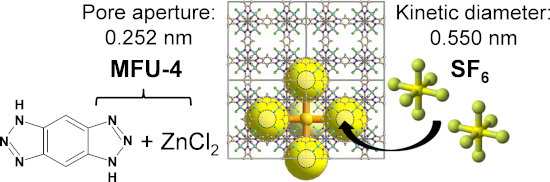
- was followed by a BelCat-B catalyst analyzer (Bel Japan, Inc.) coupled with a mass spectrometer (OmniStar GSD 320, Pfeiffer Vacuum). The sample was placed between two plugs of quartz wool in a quartz glass reactor and heated up to 500 °C (10 K·min−1) under a flow of helium (30 mL·min−1). The


Chiral nanostructures self-assembled from nitrocinnamic amide amphiphiles: substituent and solvent effects
Beilstein J. Nanotechnol. 2019, 10, 1608–1617, doi:10.3762/bjnano.10.156
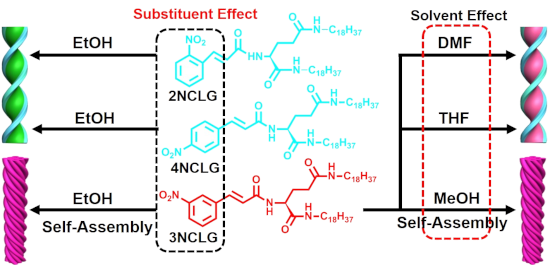
- kV. UV–vis spectra were recorded with a Hitachi U-3900 spectrophotometer in quartz cuvettes (light path 0.1 mm and 1 cm). CD spectra were measured with a JASCO J-810 CD spectrophotometer in quartz cuvettes with a 0.1 mm path length over a range of 200–800 nm. XRD analysis was performed on a Rigaku D




Materials nanoarchitectonics at two-dimensional liquid interfaces
Beilstein J. Nanotechnol. 2019, 10, 1559–1587, doi:10.3762/bjnano.10.153
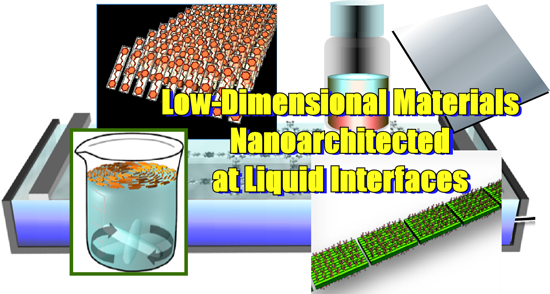
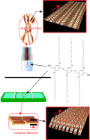
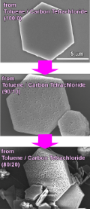
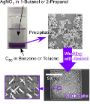
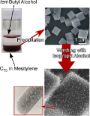
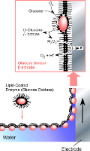
- carbonized at 2000 °C in vacuum, resulting in morphology-preserved one-dimensional carbon materials with sp2-hybridised π-electron-rich robust frameworks (Figure 16). Due to their highly aromatic nature, microbalance sensors with the synthesized one-dimensional carbon materials on a quartz crystal
- liquid–liquid interfacial precipitation from 2-propanol and C60 solution in dodecylbenzene as reported by Shrestha and co-workers (Figure 17) [247]. Quartz crystal microbalance sensors coated with the bitter-melon-shaped objects exhibited excellent sensing properties for aromatic vapours with
- . Quartz crystal microbalance sensors modified with these hierarchic C70 assemblies exhibited an excellent sensitivity to aromatic molecules in their vapour phase probably due to facile diffusion through the porous structure, high surface-area contact and advantageous π–π interaction. The formation of low












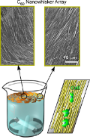

Rapid thermal annealing for high-quality ITO thin films deposited by radio-frequency magnetron sputtering
Beilstein J. Nanotechnol. 2019, 10, 1511–1522, doi:10.3762/bjnano.10.149
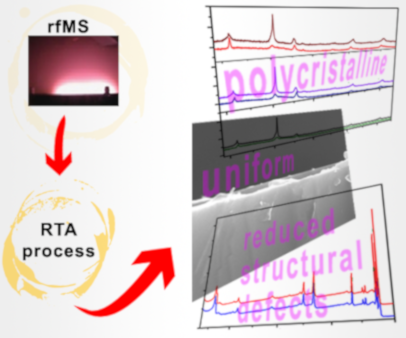
- , electrical and optical properties, making them highly suitable for use as efficient electrodes in photovoltaic devices. Experimental Indium tin oxide (ITO) films with thicknesses ranging from 230 to 370 nm were deposited by radio-frequency magnetron sputtering (rfMS). Quartz substrates (commercially
- samples were measured with a thickness monitor, provided by a quartz crystal as a basic transducer. The crystal is excited in mechanical motion with an external oscillator. When the film reaches the preprogrammed thickness value, the shutter located above the target automatically closes. After deposition
- predefined thickness values. Scanning electron microscopy (SEM) investigations (FEI Quanta) were performed to observe the structures and morphology of the deposited surfaces. Given that the thickness of the quartz substrate is much greater than that of the ITO conductive film, a thin layer of gold was


Growth of lithium hydride thin films from solutions: Towards solution atomic layer deposition of lithiated films
Beilstein J. Nanotechnol. 2019, 10, 1443–1451, doi:10.3762/bjnano.10.142
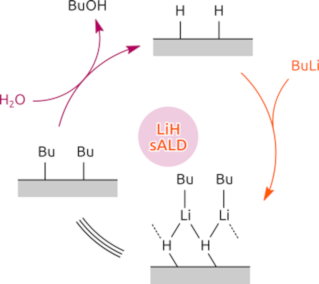
- homogeneous air-sensitive thin films, characterized by using ellipsometry, grazing incidence X-ray diffraction (GIXRD), in situ quartz crystal microbalance, and scanning electron microscopy, was observed. Lithium hydride diffraction peaks have been observed in as-deposited films by GIXRD. X-ray photoelectron
- chemistry, a quartz crystal microbalance (QCM) system was installed behind the exit of the deposition setup with tubing of minimal length (2 cm), effectively allowing the deposition to occur on the QCM crystal as well. The waste pumped out of the QCM chamber was immediately neutralized with ethanol
- scan speed was changed as necessary. Ellipsometry measurements were performed using SENTECH SENpro ellipsometer, using the included halogen lamp. Frequency measurements on a quartz crystal were performed in situ using an OpenQCM module at 10 MHz. Results and Discussion Structure and possible reaction


Gas sensing properties of individual SnO2 nanowires and SnO2 sol–gel nanocomposites
Beilstein J. Nanotechnol. 2019, 10, 1380–1390, doi:10.3762/bjnano.10.136
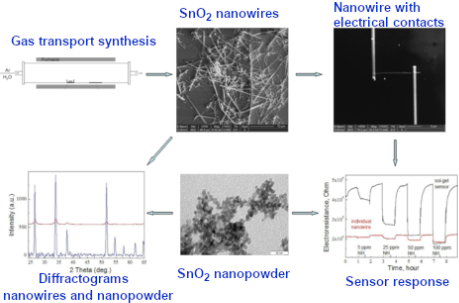
- the surface of the quartz tube and on quartz substrates (Figure 1a,b). The diameter of the nanowires ranged between 15 and 150 nm (Figure 1c). SnO2 nanopowder synthesis The precipitation method, reported in [30], was used to synthesize nanodispersed tin dioxide. Tin(II) acetate was dissolved in




Highly ordered mesoporous silica film nanocomposites containing gold nanoparticles for the catalytic reduction of 4-nitrophenol
Beilstein J. Nanotechnol. 2019, 10, 1368–1379, doi:10.3762/bjnano.10.135
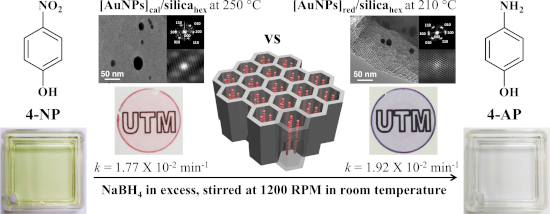
- Mettler-Toledo TGA/SDTA851e device at a heating rate of 10 °C min−1. For the fabrication, the sol–gel solution was spin-coated on a quartz plate using a Laurell spin coater, model WS-400-6NPP-LITE. Calcination was carried out under atmospheric conditions using a Nabertherm model LE6/11 muffle furnace
- (ICP-OES) on an Agilent model 700 series spectrometer where the samples were digested in 5 wt % aqua regia. The catalytic performance was studied via a Shimadzu DR UV–vis spectrophotometer (UV-2600) under liquid set-up with the fast scanning method using a standard 3 mL quartz cell. Fabrication of


A biomimetic nanofluidic diode based on surface-modified polymeric carbon nitride nanotubes
Beilstein J. Nanotechnol. 2019, 10, 1316–1323, doi:10.3762/bjnano.10.130
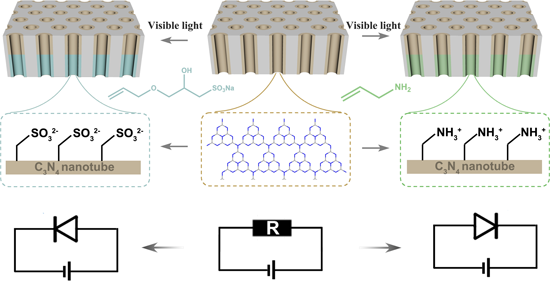
- purchased from Merck Millipore. Characterizations: The released CNNM was transferred to a quartz glass substrate and analyzed. X-ray photoelectron spectroscopy (XPS) was performed by an ESCALab220i-XL electron spectrometer from VG Scientific using 300W Al Kα radiation, while the base pressure was about 3
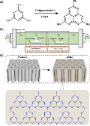


Playing with covalent triazine framework tiles for improved CO2 adsorption properties and catalytic performance
Beilstein J. Nanotechnol. 2019, 10, 1217–1227, doi:10.3762/bjnano.10.121

- used in large excess with respect to the monomer (ZnCl2/monomer = 5:1 molar ratio). After a sequential heating of the monomer/salt mixture at 400 °C and 600 °C for 10 + 10 h in sealed quartz ampules, CTFs have been isolated as amorphous and partially carbonized frameworks. The as-prepared samples
- undoped C-networks reported so far as metal-free catalysts in the same process. Experimental Materials and methods Synthesis of CTF1–5. CTF materials have been synthesized via ionothermal synthesis in quartz glass ampules according to literature procedures [22]. In a general procedure, CTF1–3 were
- prepared as follows: 3 g of the selected monomer (I, II or III) were thoroughly mixed and finely ground with 5 equiv of ZnCl2 within a glovebox and transferred into a quartz ampule (12 cm height and 3 cm diameter). After drying the material under vacuum for at least 3 h, the ampule was flame-sealed, placed


Synthesis and characterization of quaternary La(Sr)S–TaS2 misfit-layered nanotubes
Beilstein J. Nanotechnol. 2019, 10, 1112–1124, doi:10.3762/bjnano.10.111
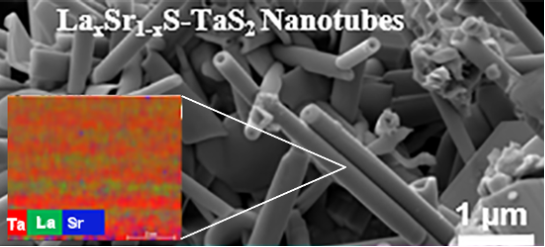
- (Sigma-Aldrich Chemicals 99.99%). The mixtures were mechanically ground under inert atmosphere in a glove box and charged into quartz ampoules. The ampoules were evacuated and sealed under a vacuum on the order of 1 × 10⁻⁵ Torr and placed in a preheated two-zone vertical furnace. The annealing was


Scavenging of reactive oxygen species by phenolic compound-modified maghemite nanoparticles
Beilstein J. Nanotechnol. 2019, 10, 1073–1088, doi:10.3762/bjnano.10.108
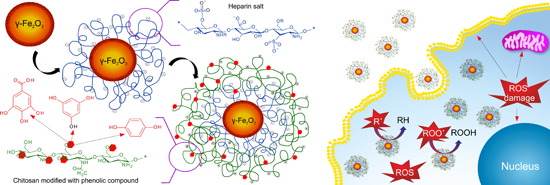
- (10–260 K) and magnetic field (up to 5.5 T) was obtained for colloids frozen in quartz tubes using an MPMS superconducting quantum interference device (SQUID; Quantum Design; San Diego, CA, USA). The temperature dependence was analyzed using zero-field-cooled (ZF-C) and field-cooled (F-C) measurements





Revisiting semicontinuous silver films as surface-enhanced Raman spectroscopy substrates
Beilstein J. Nanotechnol. 2019, 10, 1048–1055, doi:10.3762/bjnano.10.105
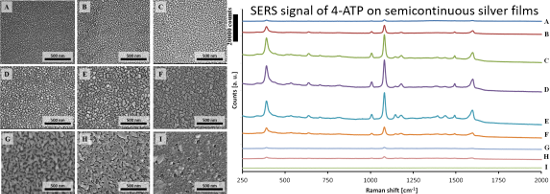
- quartz crystal microbalance. Characterization of semicontinuous silver films Optical properties of SSFs were characterized using UV–vis–NIR Perkin Elmer Lambda 900 spectrometer. Transmittance was measured using a standard detector, while reflectance was measured with an integrating sphere module