Search results
Search for "saline" in Full Text gives 215 result(s) in Beilstein Journal of Nanotechnology. Showing first 200.
Nanoconjugates of a calixresorcinarene derivative with methoxy poly(ethylene glycol) fragments for drug encapsulation
Beilstein J. Nanotechnol. 2018, 9, 2057–2070, doi:10.3762/bjnano.9.195
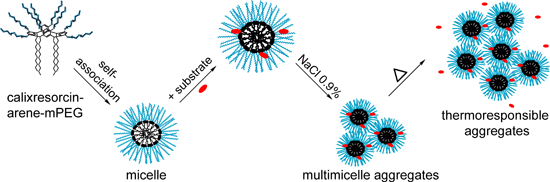
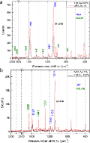
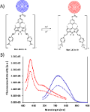
- -buffered saline, the micelles of the macrocycle acquire thermoresponsive properties and exhibit a temperature-controlled release of doxorubicin in vitro. The combination of the low toxicity and the encapsulation properties of the obtained calixresorcinarene–mPEG conjugate shows promising potential for the
- a phase separation up to 90 °C, while solutions of 3 in a physiological solution of sodium chloride (0.9% NaCl) solution or in phosphate-buffered saline (PBS, pH 7.4) clouded at 60 °C (Figure 4a). DLS method showed that an increase of the particle size of 3 in the presence of salts occurred already
- at room temperature (Figure 4c, Figure S10, Supporting Information File 1). In the 0.9% NaCl solution a monomodal particle size distribution was observed (Table S1, Supporting Information File 1). TEM images of dried saline solution of 3 confirmed the growing of the macrocycle particle size to about


Biomimetic and biodegradable cellulose acetate scaffolds loaded with dexamethasone for bone implants
Beilstein J. Nanotechnol. 2018, 9, 1986–1994, doi:10.3762/bjnano.9.189
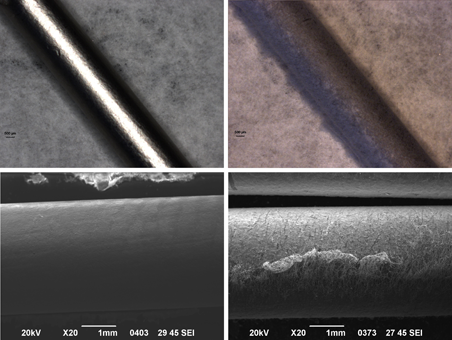
- -Aldrich, Germany. N,N-Dimethylacetamide was obtained from Chem-Lab NV, Belgium. In MTT assay the cells used in this study were mice fibroblasts (L929) and phosphate-buffered saline (PBS), Dulbecco’s Modifies Eagle Medium (DMEM), 10% fetal bovine serum (FBS) and antibiotics were obtained from Gibco® Cell


Preparation of micro/nanopatterned gelatins crosslinked with genipin for biocompatible dental implants
Beilstein J. Nanotechnol. 2018, 9, 1735–1754, doi:10.3762/bjnano.9.165






Noble metal-modified titania with visible-light activity for the decomposition of microorganisms
Beilstein J. Nanotechnol. 2018, 9, 829–841, doi:10.3762/bjnano.9.77
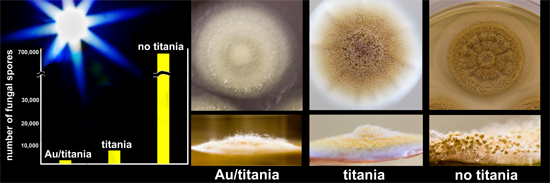
- g/L 10 µL/disc) were placed at different locations on the culture plates. The control discs were impregnated with saline solution (0.9% NaCl). One part of the plates was incubated in the dark, while another part was exposed to the indoor light. The natural indoor light from windows (intensity of ca


Heavy-metal detectors based on modified ferrite nanoparticles
Beilstein J. Nanotechnol. 2018, 9, 762–770, doi:10.3762/bjnano.9.69
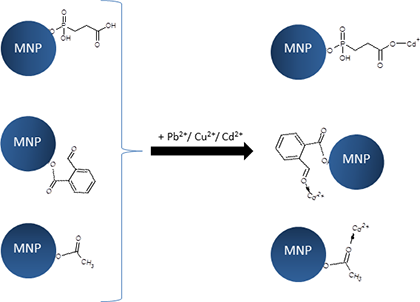
- ). CoCl2 (anhydrous), tetrabutylammonium hydroxide (TBAOH) (40% in water), phthalic anhydride (PA), 3-phosphonopropionic acid (3-PPA), 16-phosphonohexadecanoic acid (16-PHDA) and phosphate-buffered saline (PBS) were received from Sigma-Aldrich. Apparatus The structure and morphology of nanoparticles used


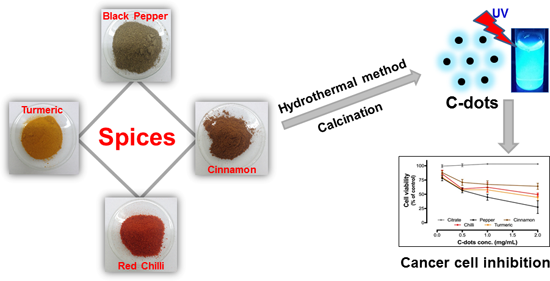
Green synthesis of fluorescent carbon dots from spices for in vitro imaging and tumour cell growth inhibition
Beilstein J. Nanotechnol. 2018, 9, 530–544, doi:10.3762/bjnano.9.51
- , antibiotic mixture of penicillin/streptomycin (10,000 U·mL−1/10,000 μg·mL−1), fungizone (250 μg·mL−1), human transferrin (4 mg·mL−1) and phosphate buffered saline solution (1× PBS) were obtained from GIBCO Invitrogen (Barcelona, Spain). Fetal bovine serum (FBS) was obtained from HyClone GE Healthcare (United


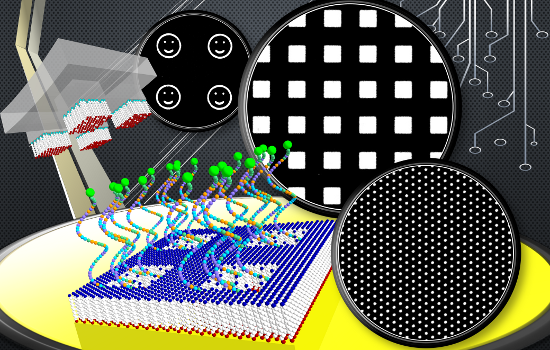
Wafer-scale bioactive substrate patterning by chemical lift-off lithography
Beilstein J. Nanotechnol. 2018, 9, 311–320, doi:10.3762/bjnano.9.31
- (TRIS) and tris(2-carboxyethyl)phosphine (TCEP) were obtained from Acros Organics (Geel, Belgium). Bovine serum albumin (BSA), and 10× phosphate buffered saline (PBS) containing 1.37 M NaCl, 0.027 M KCl, 0.10 M Na2HPO4, and 0.018 M KH2PO4 were purchased from Bioman Scientific Co., Ltd (Taipei, Taiwan


Patterning of supported gold monolayers via chemical lift-off lithography
Beilstein J. Nanotechnol. 2017, 8, 2648–2661, doi:10.3762/bjnano.8.265
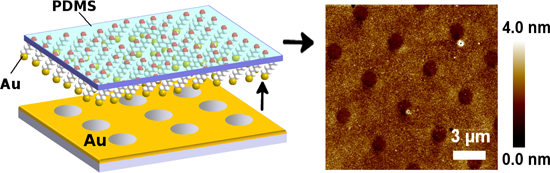
- solutions. Immediately prior to experiments, the DNA stock solutions were diluted 1:100 with 1× phosphate buffered saline (PBS) ([NaCl] = 138 mM, [KCl] = 2.7 mM, and [MgCl2] = 5 mM) pH 7.4 (Sigma-Aldrich, St. Louis, MO, USA) to make 1 µM solutions. The patterns of Au–alkanethiolate monolayers on flat PDMS


Strategy to discover full-length amyloid-beta peptide ligands using high-efficiency microarray technology
Beilstein J. Nanotechnol. 2017, 8, 2446–2453, doi:10.3762/bjnano.8.243
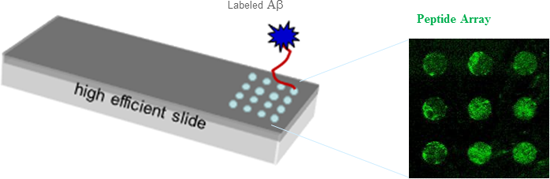
- our laboratory. Experimental Chemicals Phosphate-buffered saline, hydrogen peroxide (29%), ammonium hydroxide (25%), hydrochloric acid (37%), methanol, dimethyl sulfoxide (DMSO), anhydrous toluene and 3-glycidyloxypropyltrimethoxysilane (GOPs) were acquired from Sigma-Aldrich. Bovine serum albumin
- dispensed onto carbon-coated copper grids for electron microscopy (Cy3-Aβ40 conjugate was dissolved in a saline phosphate buffer containing 10 vol % of DMSO, 0.01 M Phosphate, 0.154 M sodium chloride, pH 7.4). To replicate the experimental conditions involved in a typical peptide microarray assay performed
- operating at 200 kV accelerating voltage. Preparation of peptide microarray KLVFF and Semax peptides were dissolved in phosphate buffer at a concentration of 1 mg/mL and aliquots were stored at −80 °C until use. Cy3-Aβ40 conjugate was dissolved in a saline phosphate buffer containing 10 vol % of DMSO (0.01


Involvement of two uptake mechanisms of gold and iron oxide nanoparticles in a co-exposure scenario using mouse macrophages
Beilstein J. Nanotechnol. 2017, 8, 2396–2409, doi:10.3762/bjnano.8.239
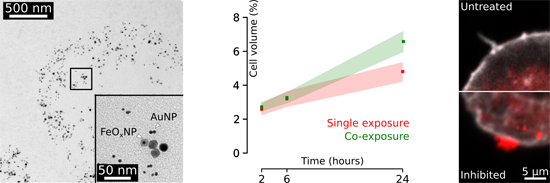
- , ethanol, and deionized water, phosphate-buffered saline (PBS) at a 10× solution, electron microscopy grade glutaraldehyde (GA) 25% solution, D-saccharose, glycine, biotin-free and molecular biology grade albumin fraction V (BSA), and sodium cacodylate trihydrate were obtained from Carl Roth GmbH + Co. KG
- , Sigma-Aldrich) was used to inhibit phagocytosis and micropinocytosis. Cell fixation and labelling for laser scanning microscopy (LSM) To label the proteins involved in endocytotic uptake, the cells were fixed with 4% paraformaldehyde (PFA, Sigma-Aldrich, Switzerland) in phosphate-buffered saline (PBS
- × phosphate-buffered saline (PBS). After 1 h of staining (in the dark at RT) and three washing cycles with 1× PBS the cells were mounted using Glycergel mounting media (C0563, Dako, Baar, Switzerland). For live-cell imaging, cells were seeded in a Lab-TekTM II chambered cover glass four-well chamber (1.5



Carbon nano-onions as fluorescent on/off modulated nanoprobes for diagnostics
Beilstein J. Nanotechnol. 2017, 8, 1878–1888, doi:10.3762/bjnano.8.188
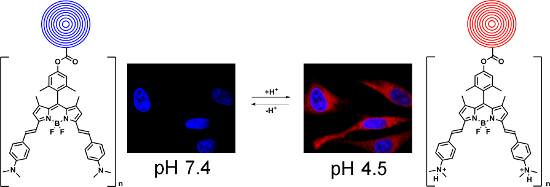
- with 5% CO2. Cells were incubated with 20 μg mL−1 of fluo-CNOs for 2, 5, 12, 24 and 48 h. As a control, the cells were left untreated (data not shown). After incubation, the cells were rinsed three times with phosphate buffered saline (PBS) (0.1 M, pH 7.4), fixed in a combination of paraformaldehyde (3




Uptake and intracellular accumulation of diamond nanoparticles – a metabolic and cytotoxic study
Beilstein J. Nanotechnol. 2017, 8, 1649–1657, doi:10.3762/bjnano.8.165
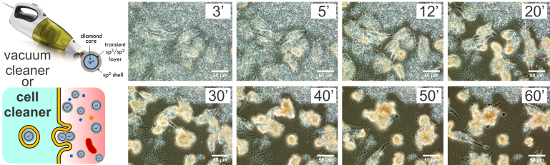
- samples were then washed with phosphate buffered saline and were fixed with 4% paraformaldehyde for 10 min. The nuclei of the fixed cells were then stained using Hoechst 33258 dye for cell counting. Micrographs of the stained nuclei were acquired using an IX71 microscope (Olympus, Japan) with a 10× lens


Parylene C as a versatile dielectric material for organic field-effect transistors
Beilstein J. Nanotechnol. 2017, 8, 1532–1545, doi:10.3762/bjnano.8.155
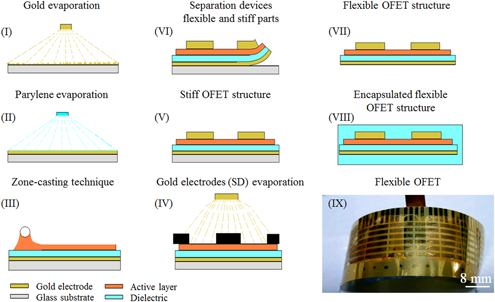
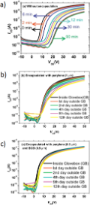
- studies were carried out in an especially prepared chamber containing saline, either sterile or plasma-incubated at 37 °C, in order to reproduce the natural environmental. In vivo testing was performed by an implementation of multiple electrode systems in monkey motor cortex [65]. In these studies, an




A biofunctionalizable ink platform composed of catechol-modified chitosan and reduced graphene oxide/platinum nanocomposite
Beilstein J. Nanotechnol. 2017, 8, 1508–1514, doi:10.3762/bjnano.8.151
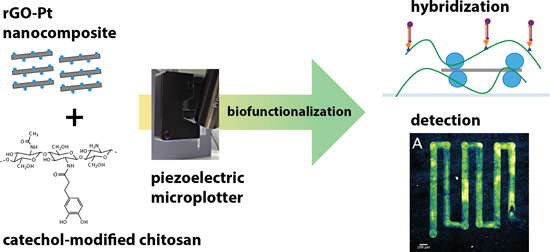
- )), followed by three washes in distilled water. Finally, the Cy3-labelled PCR product (amplified complementary DNA extracted from GBS positive (GBS+) clinical isolates or non-complementary negative control) in hybridization buffer (5× saline-sodium citrate buffer (SSC), 0.1% SDS, 10% formamide) was incubated


Development of polycationic amphiphilic cyclodextrin nanoparticles for anticancer drug delivery
Beilstein J. Nanotechnol. 2017, 8, 1457–1468, doi:10.3762/bjnano.8.145
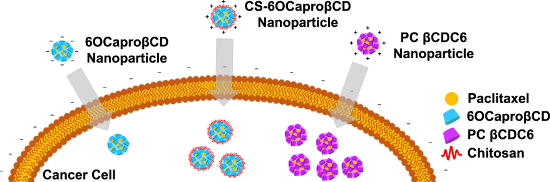
- Cremophor EL®, which is known to be the cause of severe side effects including nephrotoxicity, neurotoxicity and hypersensitivity reactions [5][6]. Other major problems encountered in the clinical administration of PCX are rapid recrystallization of the drug as a result of dilution in isotonic saline or
- lipophilic groups [48][49]. Due to this phenomenon, PCX is recrystallized in minutes as a result of dilution in isotonic saline solution for intravenous (iv) infusion, which is the preferred delivery route for chemotherapy. This is one of the main problems of clinical application of PCX. In the light of the


Low uptake of silica nanoparticles in Caco-2 intestinal epithelial barriers
Beilstein J. Nanotechnol. 2017, 8, 1396–1406, doi:10.3762/bjnano.8.141
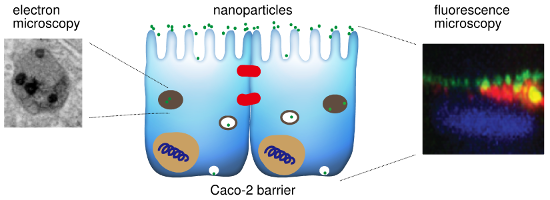
- cytometry. After exposure to 100 µg/mL nanoparticles dispersed in the absence and presence of 10 % FBS, the dispersions were removed from each well and cells were rinsed twice with fresh phosphate buffered saline (PBS). Then, 1 mL 0.1% trypsin-ethylenediaminetetraacetic acid (EDTA) solution was added and


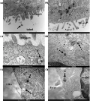

Bright fluorescent silica-nanoparticle probes for high-resolution STED and confocal microscopy
Beilstein J. Nanotechnol. 2017, 8, 1283–1296, doi:10.3762/bjnano.8.130
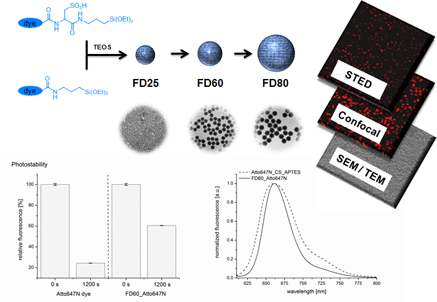
- °C, 9% CO2). The cells were seeded on cover slips with a density of 1·105 cells per cm2 and allowed to attach for 24 h. After 24 h of incubation in presence of the nanoparticles, the medium was removed and the cells were washed two times with Dulbecco's phosphate-buffered saline (DPBS, Gibco, USA


Characterization of ferrite nanoparticles for preparation of biocomposites
Beilstein J. Nanotechnol. 2017, 8, 1257–1265, doi:10.3762/bjnano.8.127
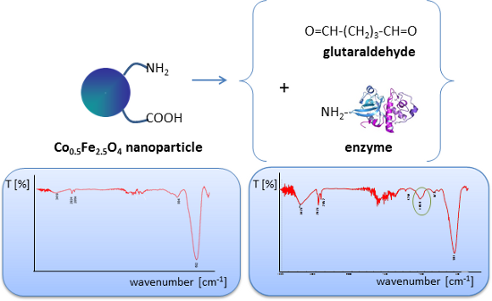
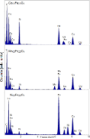
- of Tris-HCl or phosphate-buffered saline (PBS), all purchased from Sigma-Aldrich. The quality of the ferrite nanoparticle cores was analyzed by transmission electron microscope (TEM) on a Tecnai G2 X-TWIN type from FEI. For such purposes, a drop of diluted in ethanol particles was drop-casted on a Cu



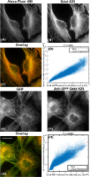
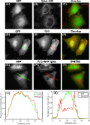
Evaluation of quantum dot conjugated antibodies for immunofluorescent labelling of cellular targets
Beilstein J. Nanotechnol. 2017, 8, 1238–1249, doi:10.3762/bjnano.8.125
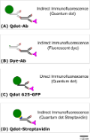
- of the immunofluorescence procedure is shown in Figure 8. Briefly, cells were seeded onto glass coverslips and grown until confluent, washed once in phosphate buffered saline (PBS) (37 °C), and fixed in 4% (w/v) paraformaldehyde (PFA) for 10 min or 100% ice cold methanol (5 min). Cells were washed 3




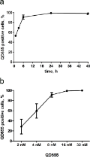
Nano-engineered skin mesenchymal stem cells: potential vehicles for tumour-targeted quantum-dot delivery
Beilstein J. Nanotechnol. 2017, 8, 1218–1230, doi:10.3762/bjnano.8.123
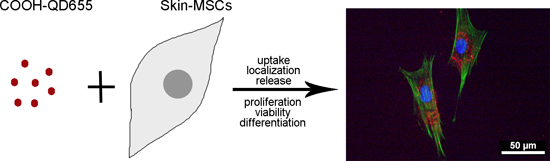
- were washed with cold phosphate-buffered saline (PBS), cut into 4–6 mm2 pieces and incubated in 0.6 U/mL dispase (Roche, Switzerland) for 1–3 h at 37 °C to remove the epidermis. Dermis was minced manually before enzymatic digestion with 0.62 Wunsch U/mL Liberase Blendzyme 1 (Roche, Switzerland) for 30





Phospholipid arrays on porous polymer coatings generated by micro-contact spotting
Beilstein J. Nanotechnol. 2017, 8, 715–722, doi:10.3762/bjnano.8.75
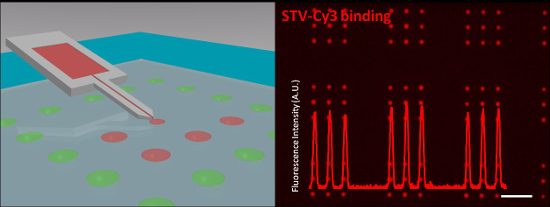
- ]. After spotting, the arrays were blocked with 10% bovine serum albumin (BSA) to reduce unspecific binding of the protein to the polymer. Next, samples were washed and incubated for 1 h with 0.5 µg solution of STV-FITC in phosphate buffered saline (PBS). The observed STV-FITC fluorescence is homogenous


Silicon microgrooves for contact guidance of human aortic endothelial cells
Beilstein J. Nanotechnol. 2017, 8, 675–681, doi:10.3762/bjnano.8.72
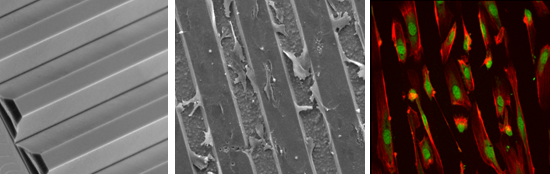
- , Sigma-Aldrich) in a 10 mg/mL solution in phosphate-buffered saline (PBS; pH 7.4) at 4 °C overnight. The substrate was thoroughly washed with PBS and dried with a nitrogen flow. Cell seeding and culture As described before [32][33], HAECs were purchased from Cascade Biologics TM (Portland, USA) and at


Uptake of the proteins HTRA1 and HTRA2 by cells mediated by calcium phosphate nanoparticles
Beilstein J. Nanotechnol. 2017, 8, 381–393, doi:10.3762/bjnano.8.40
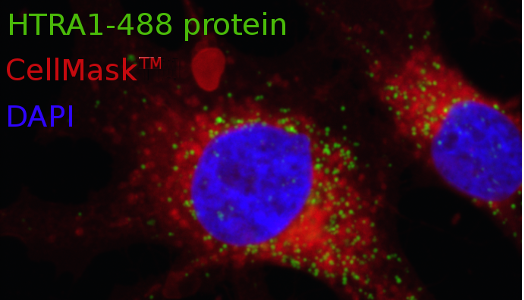
- were incubated for 3 h (unless indicated otherwise). Subsequently, the cell culture medium was removed. The cells were washed three times with phosphate-buffered saline (PBS). Therefore, only the nanoparticles that either had been taken up by the cells or were strongly adsorbed on the cellular surface


Comparison of four functionalization methods of gold nanoparticles for enhancing the enzyme-linked immunosorbent assay (ELISA)
Beilstein J. Nanotechnol. 2017, 8, 244–253, doi:10.3762/bjnano.8.27
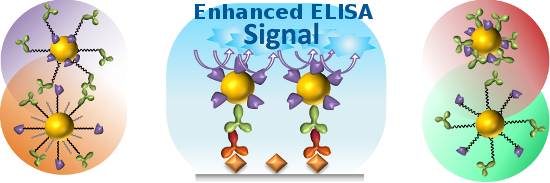
- the adsorption and directional procedure described above. 96-Multiwell plates were coated with a fixed concentration of rabbit IgG (1 μg/mL) 1 h at 37 °C in 10 mM carbonate buffer pH 9.6. Afterwards, these plates were washed one time with phosphate buffer saline (PBST, 0.5% Tween 20), blocked with 1


Surface-enhanced Raman scattering of self-assembled thiol monolayers and supported lipid membranes on thin anodic porous alumina
Beilstein J. Nanotechnol. 2017, 8, 74–81, doi:10.3762/bjnano.8.8
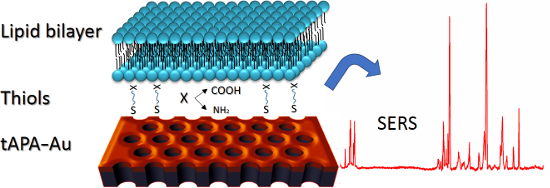
- living cells, we decided to test the tAPA–Au SERS-active substrates on SLBs in phosphate-buffered saline (PBS) buffer solution, which provide an excellent model system to mimic the native cellular membranes [22]. In the present work, the fabrication and modification of tAPA aiming at its exploitation as