Search results
Search for "sensors" in Full Text gives 611 result(s) in Beilstein Journal of Nanotechnology. Showing first 200.
A chemiresistive sensor array based on polyaniline nanocomposites and machine learning classification
Beilstein J. Nanotechnol. 2022, 13, 411–423, doi:10.3762/bjnano.13.34
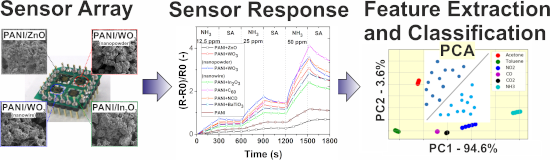
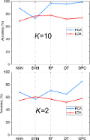
- composed by seven different conductive sensors with composite sensing layers are measured and analyzed using machine learning. Statistical tools, such as principal component analysis and linear discriminant analysis, are used as dimensionality reduction methods. Five different classification methods
- oxides, and various volatile organic compounds, is crucial in automotive, defense, aviation, chemical, medicine, and food industries [1][2]. Research on chemical sensors is currently focused on the fabrication of multisensor arrays for enhanced detection and identification of various chemical compounds
- (carbon nanotubes (CNT), SnO2, TiO2) materials in a gas sensors based on nanocomposite layers with good sensitivity, temperature stability, reversibility, which was operating at room temperature. Herein, we extended our study by applying other nanocomposite sensing layers, namely PANI/ZnO, PANI/WO3




Electrostatic pull-in application in flexible devices: A review
Beilstein J. Nanotechnol. 2022, 13, 390–403, doi:10.3762/bjnano.13.32
- /NEMS devices. Similar to the triboelectric effect, the pyroelectric effect can also be used as an energy source for microscale energy systems with NEM switches for corresponding sensors and actuators. Microscale robotics can be used to navigate and explore narrow spaces and manipulate microscale parts
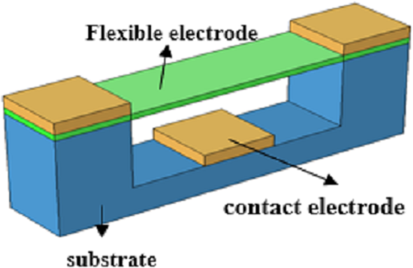
- systems as sensors and actuators. However, most of the current research focuses on the use of flexible components. Also, there is some research on fully flexible devices, which still need further development. The lumped parameters model of the pull-in phenomenon between parallel plates. Figure 1 was


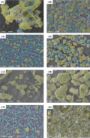
The effect of metal surface nanomorphology on the output performance of a TENG
Beilstein J. Nanotechnol. 2022, 13, 298–312, doi:10.3762/bjnano.13.25
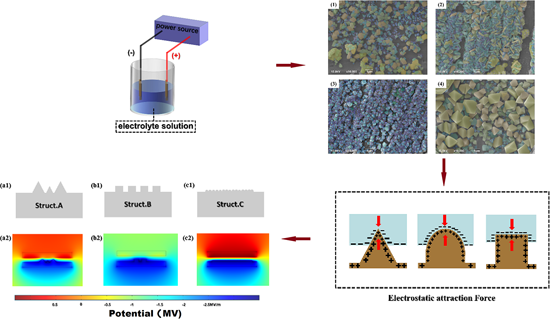
- barrier of electron transfer, thus, enabling electron flow from insulator to metal (vice versa) or from an insulator to another insulator. TENGs are miniaturized and portable. They generate current by collecting tiny amounts of energy and supply power for microelectronic devices and sensors. Wind energy




Impact of device design on the electronic and optoelectronic properties of integrated Ru-terpyridine complexes
Beilstein J. Nanotechnol. 2022, 13, 219–229, doi:10.3762/bjnano.13.16
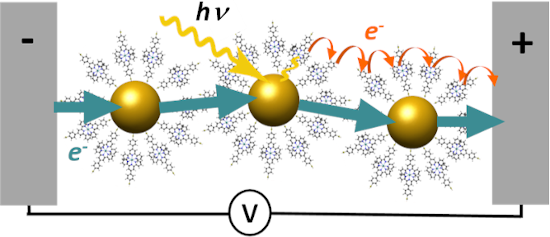
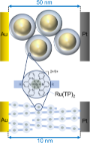
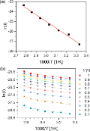
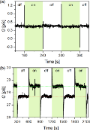
- of the respective devices. Our results reveal that the intrinsic properties of Ru(TP)2 complexes can be well preserved in Ru(TP)2–AuNP devices. We are convinced that this kind of devices based on functionalized AuNPs reveals the potential for the application in nanoelectronics or as sensors and we


Engineered titania nanomaterials in advanced clinical applications
Beilstein J. Nanotechnol. 2022, 13, 201–218, doi:10.3762/bjnano.13.15
- shell for the selective and rapid capture of peptides from human serum and urine samples [17]. Many studies have been published on using TiO2 nanotubes as photoelectrochemical glucose sensors for health purposes [18][19][20]. The present review focuses on contemporary research of TiO2 nanoparticles and


Piezoelectric nanogenerator for bio-mechanical strain measurement
Beilstein J. Nanotechnol. 2022, 13, 192–200, doi:10.3762/bjnano.13.14
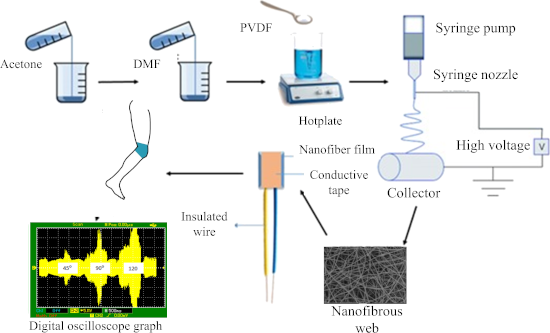
- . Piezoelectric materials offer advantages as transducers, sensors, and energy-harvesting devices. Commonly, ceramics and quartz are used in such applications. However, polymeric piezoelectric materials have the advantage that they can be converted into any shape and size. In smart textiles, polyvinylidene
- 2020. The integration of electronically active fibers or yarns in textile substrates is the basis of smart textiles [3]. Textile-based sensors and electrodes are composed of conductive fibers, threads, or fabrics [4]. Their use for physiological and medical examination has been rising rapidly in the
- last couple of years. Textile-based sensors, being flexible, are easy to fit in a garment and create no barrier to the wearer. Nowadays, wearable sensors based on conductive threads and conductive polymers are capable of measuring vital signs of the human body [4][5]. Tognetti et al. [6] designed and


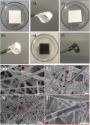
A comprehensive review on electrospun nanohybrid membranes for wastewater treatment
Beilstein J. Nanotechnol. 2022, 13, 137–159, doi:10.3762/bjnano.13.10




A photonic crystal material for the online detection of nonpolar hydrocarbon vapors
Beilstein J. Nanotechnol. 2022, 13, 127–136, doi:10.3762/bjnano.13.9
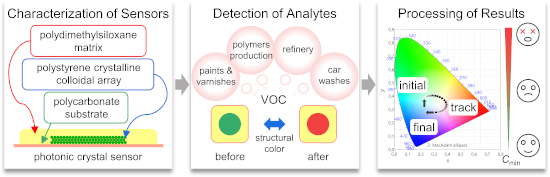
- nanotechnology allows us to create conceptually new test systems for chemical analyses and to develop sensitive and compact sensors for various types of substances. However, at present, there are very few commercially available compact sensors for the determination of toxic and carcinogenic substances, such as
- ) used for chemical sensors can be divided into three groups depending upon their structure, that is, one-dimensional (1D), two-dimensional (2D), and three-dimensional (3D) [1][2][3][4][5][6][7][8][9][10]. 2D and 3D structures used as chemical sensors are studied in most projects. 2D structures consist
- ) formation of a sensitive polymer matrix, (b) impregnation of the reagent, (c) immobilization of the reagent and (d) preparation of the sensor elements from molecularly imprinted polymers. Organic solvents are usually detected by using polymer matrix sensors (Table 1) through matrix interaction [7][8][9][15


Tin dioxide nanomaterial-based photocatalysts for nitrogen oxide oxidation: a review
Beilstein J. Nanotechnol. 2022, 13, 96–113, doi:10.3762/bjnano.13.7
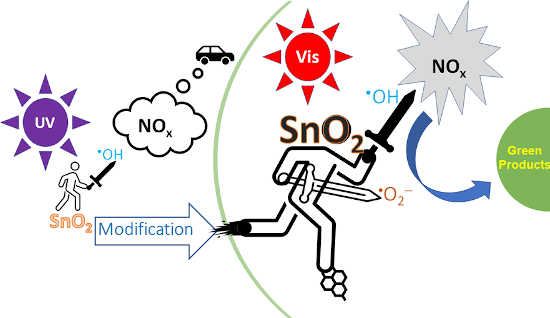
- , Copyright (2005), with permission from Elsevier. This content is not subject to CC BY 4.0. The conversion processes of NO on perfect SnO2(110), SnO2−x(110) and O2 + SnO2−x(110) surfaces. Figure 5 was reprinted from [54], Sensors and Actuators B: Chemical, vol. 221, by Xu, G.; Zhang, L.; He, C.; Ma, D.; Lu


Theranostic potential of self-luminescent branched polyethyleneimine-coated superparamagnetic iron oxide nanoparticles
Beilstein J. Nanotechnol. 2022, 13, 82–95, doi:10.3762/bjnano.13.6
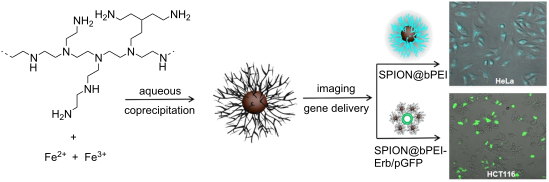
- sodium; superparamagnetic iron oxide nanoparticles; Introduction Luminescent materials are of great interest in biotechnology and medicine since they can be utilized in sensors, labelling, and imaging [1][2][3][4][5]. Luminescent proteins, luminescent synthetic polymers, and quantum dots are the most





Enhancement of the piezoelectric coefficient in PVDF-TrFe/CoFe2O4 nanocomposites through DC magnetic poling
Beilstein J. Nanotechnol. 2021, 12, 1262–1270, doi:10.3762/bjnano.12.93
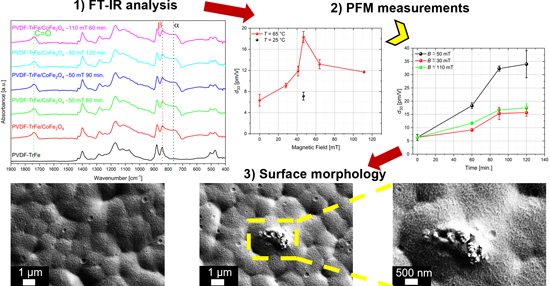
- the development of energy harvesters and sensors. Among the piezoelectric materials, special attention has been paid to electroactive polymers such as poly(vinylidene fluoride) (PVDF) and its copolymer poly(vinylidene fluoride-co-trifluoroethylene) (PVDF-TrFe), which is one of the most extensively
- the use of a top electrode or of high magnetic fields (the maximum value of d33 was obtained at 50 mT, using a current of 0.4 A) making the PVDF-TrFE/CoFe2O4 nanocomposite suitable for the fabrication of highly efficient devices for energy harvesting and wearable sensors. Keywords: CoFe2O4; magnetic
- in the fabrication of energy harvesting devices or wearable sensors for flexible electronics applications. Experimental The PVDF-TrFe/CoFe2O4 nanocomposite thin films were produced through spin coating. The CoFe2O4 nanoparticles (Sigma-Aldrich, 99%) were dispersed in N,N-dimethylformamide (DMF, Sigma


Impact of electron–phonon coupling on electron transport through T-shaped arrangements of quantum dots in the Kondo regime
Beilstein J. Nanotechnol. 2021, 12, 1209–1225, doi:10.3762/bjnano.12.89
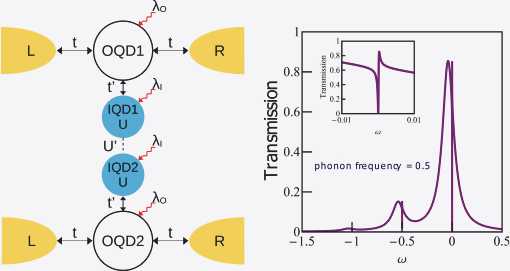
- ultrafast sensors, actuators, and signal processing components. Of special interest are molecular systems because molecules due to their softness easily deform during tunneling processes, giving rise to excitation of local phonon modes. The polaronic transport through molecular systems has been recently


Morphology-driven gas sensing by fabricated fractals: A review
Beilstein J. Nanotechnol. 2021, 12, 1187–1208, doi:10.3762/bjnano.12.88
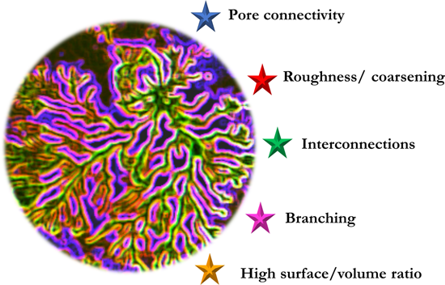
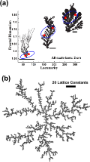
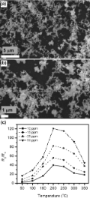
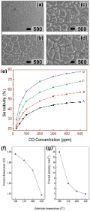
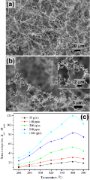
- connectors that structurally bridge the gap between the nano- and the macroscopic worlds and have a hybrid structure of pores and repeating units. This article presents a comprehensive review on inorganic fabricated fractals (fab-fracs) synthesized in labs and employed as gas sensors across materials
- to be possessing better gas sensing capabilities. Fab-fracs with these salient features will help in designing the commercial gas sensors with better performance. Keywords: adsorption sites; fabricated fractal; fractal dimension; gas sensor; morphology; pore network; recovery time; response time
- incidents due to the effusion of toxic vapors in the environment [1][2][3][4]. Such gas tragedies worldwide in the form of chemical leaks, smoke from fire accidents, and gas leaks from sewage systems, mines and industries, highlight the need of installing efficient gas sensors capable of detecting a range










An overview of microneedle applications, materials, and fabrication methods
Beilstein J. Nanotechnol. 2021, 12, 1034–1046, doi:10.3762/bjnano.12.77
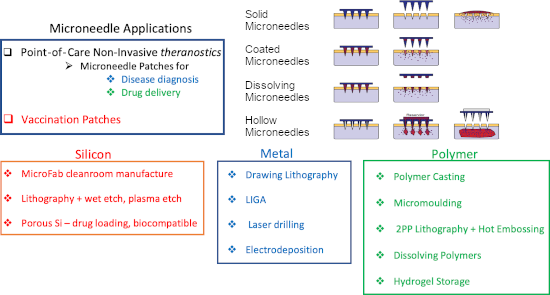
- surface. Fabrication of two-dimensional arrays of in-plane microneedles is very difficult, but it is easier to integrate in-plane microneedles with micropumps, sensors, microfluid chips, and electronic circuitry. On the other hand, it is significantly more convenient to fabricate arrays of out-of-plane
- cross-section of brain displaying cells (Hoechst staining), astrocytes (GFAP staining), and neurons (cresyl violet staining) at the insertion location of the microneedle [66]. Figure 3a–h were reprinted from [66], Sensors and Actuators B, Chemical, vol. 209, by Lee, H. J.; Son, Y.; Kim, D.; Kim, Y. K


A Au/CuNiCoS4/p-Si photodiode: electrical and morphological characterization
Beilstein J. Nanotechnol. 2021, 12, 984–994, doi:10.3762/bjnano.12.74
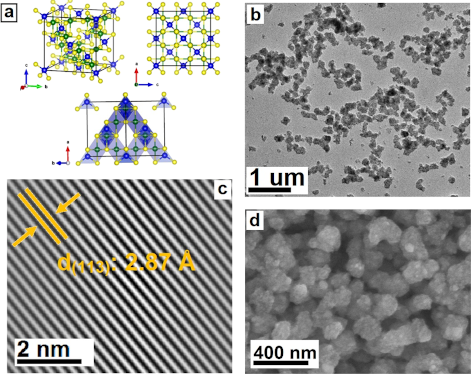
- great attention due their unique electronic, magnetic, optical, and gas sensing properties. Spinel compounds can be employed in data storage applications, lithium-ion batteries, gas sensors, and medical diagnostics [1][2]. Spinels have a cubic crystal structure with the general chemical formula AB2X4



Uniform arrays of gold nanoelectrodes with tuneable recess depth
Beilstein J. Nanotechnol. 2021, 12, 957–964, doi:10.3762/bjnano.12.72
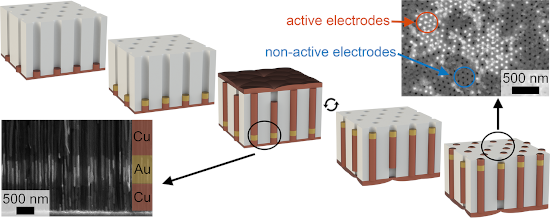
- decreased to 0.64 ± 0.09 µm (Figure 1f). It is worth noting that a decrease in LCu1 value leads to a significant reduction of the absolute length deviation. Segment 2 – gold The high chemical stability of Au makes it an intrinsic material for electrochemical sensors and has motivated the choice of this
- the active recessed nanoelectrodes was quantified. It was shown that 45 ± 15% of electrodes have electrical contact with the current collector. The obtained recessed NEAs are prospective for creating electrochemical sensors, in which the template sterically stabilizes the sensing material. It is


Self-assembly of Eucalyptus gunnii wax tubules and pure ß-diketone on HOPG and glass
Beilstein J. Nanotechnol. 2021, 12, 939–949, doi:10.3762/bjnano.12.70
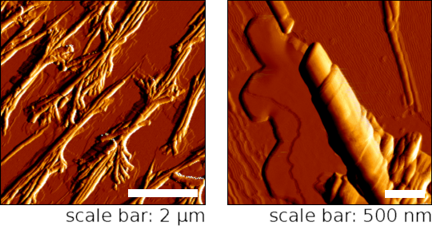
- solvent and were done in tapping mode with tapping-mode cantilevers (Tap300-G, Budget Sensors, Sofia, Bulgaria). The scan rates ranged from 0.7 to 2.3 Hz and the scan sizes from 3 × 3 to 10 × 10 µm. The maximum possible set point was used (approx. 60–70% of drive amplitude). Obtained topography and




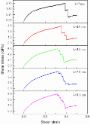
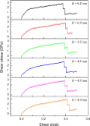
Effects of temperature and repeat layer spacing on mechanical properties of graphene/polycrystalline copper nanolaminated composites under shear loading
Beilstein J. Nanotechnol. 2021, 12, 863–877, doi:10.3762/bjnano.12.65
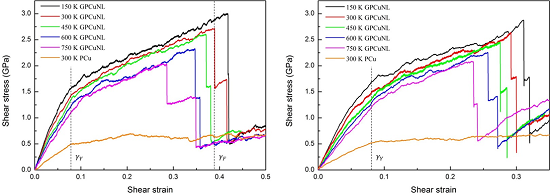
- properties in various fields, such as supercapacitors, integrated electrodes, catalysis, and sensors [10][11][12][13]. Furthermore, the interaction between graphene and matrix materials directly affects the mechanical properties of composites [14]. The van der Waals force between graphene and metals can










Comprehensive review on ultrasound-responsive theranostic nanomaterials: mechanisms, structures and medical applications
Beilstein J. Nanotechnol. 2021, 12, 808–862, doi:10.3762/bjnano.12.64
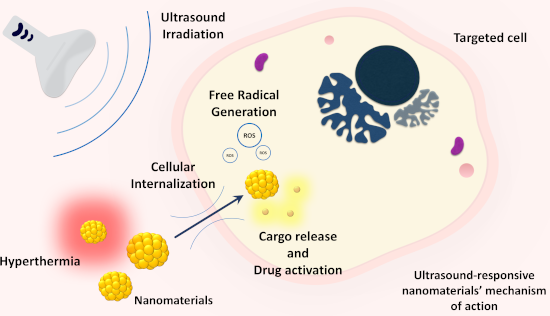
- more different stimuli, which can be chemical, biochemical, or physical in nature. These smart/intelligent systems have many advantages and unique potential in drug delivery, tissue engineering, diagnosis, or biological sensors [4]. In order to produce stimulus-responsive platforms, we need to design


Recent progress in magnetic applications for micro- and nanorobots
Beilstein J. Nanotechnol. 2021, 12, 744–755, doi:10.3762/bjnano.12.58
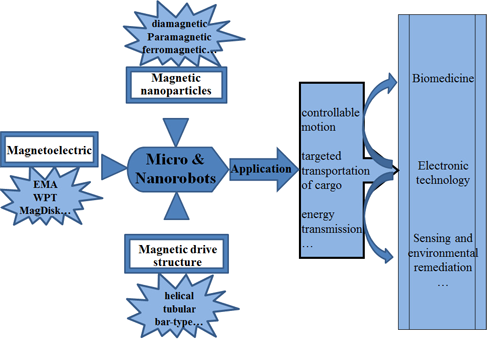
- with different magnetisms with applications in, for example, energy-saving logic, sensors, environmental remediation, and data storage [52]. Chen et al. [53] studied compensated magnetic heterostructures containing ferrimagnetic CoGd alloys and antiferromagnetic IrMn layers. The terahertz emission from


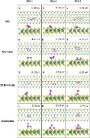
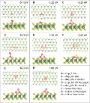
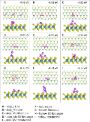
Prediction of Co and Ru nanocluster morphology on 2D MoS2 from interaction energies
Beilstein J. Nanotechnol. 2021, 12, 704–724, doi:10.3762/bjnano.12.56
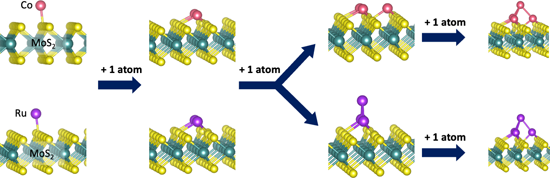
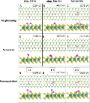
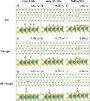
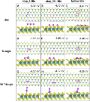
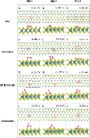
- can be exfoliated into 2D sheets continue to generate significant interest across various disciplines, including batteries [1][2], catalysis [3][4], electronics [5][6][7][8][9][10], photonics [11][12], and sensors [13][14][15][16]. This is due in part to the interesting properties of these 2D


Nanogenerator-based self-powered sensors for data collection
Beilstein J. Nanotechnol. 2021, 12, 680–693, doi:10.3762/bjnano.12.54
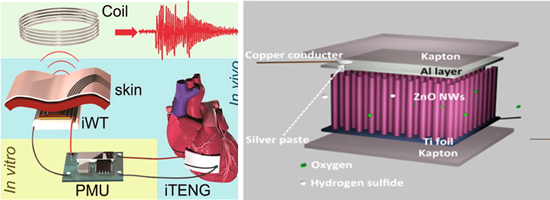
- , Swansea University, Swansea, SA1 8EN, UK 10.3762/bjnano.12.54 Abstract Self-powered sensors can provide energy and environmental data for applications regarding the Internet of Things, big data, and artificial intelligence. Nanogenerators provide excellent material compatibility, which also leads to a
- rich variety of nanogenerator-based self-powered sensors. This article reviews the development of nanogenerator-based self-powered sensors for the collection of human physiological data and external environmental data. Nanogenerator-based self-powered sensors can be designed to detect physiological
- data as wearable and implantable devices. Nanogenerator-based self-powered sensors are a solution for collecting data and expanding data dimensions in a future intelligent society. The future key challenges and potential solutions regarding nanogenerator-based self-powered sensors are discussed




Properties of graphene deposited on GaN nanowires: influence of nanowire roughness, self-induced nanogating and defects
Beilstein J. Nanotechnol. 2021, 12, 566–577, doi:10.3762/bjnano.12.47
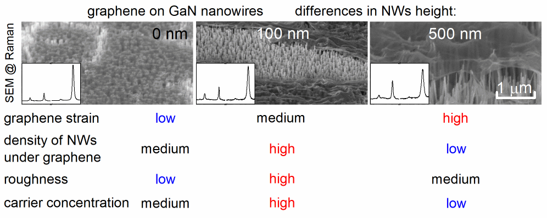
- interesting experimental material to study [1][2][3]. Importantly, it is a promising material for new kinds of low-dimensional transistors, gas sensors, ultra-capacitors, electrodes for solar cells, and for van der Waals heterostructures. In order to construct these devices, an interaction between graphene
- mobility and, consequently, graphene conductivity. On the other hand, chemical functionalization of graphene may improve the sensitivity of graphene-based sensors [6]. Therefore, the control of density and types of defects in graphene might be a new way to prepare efficient molecular sensors. Systems




Determining amplitude and tilt of a lateral force microscopy sensor
Beilstein J. Nanotechnol. 2021, 12, 517–524, doi:10.3762/bjnano.12.42
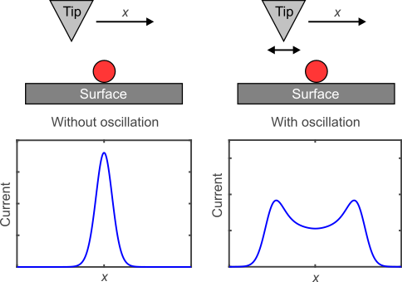
- frequency-modulation atomic force microscopy, the tip oscillates parallel to the surface. Existing amplitude calibration methods are not applicable for mechanically excited LFM sensors at low temperature. Moreover, a slight angular offset of the oscillation direction (tilt) has a significant influence on
- energy to excite the sensor is very small and mechanical vibrations can dominate the excitation [19]. For low-temperature LFM, the lattice of the substrate can be used to calibrate the amplitude if the periodicity of the lateral features is known [20]. For electrically excited piezoelectric-based sensors


Simulation of gas sensing with a triboelectric nanogenerator
Beilstein J. Nanotechnol. 2021, 12, 507–516, doi:10.3762/bjnano.12.41
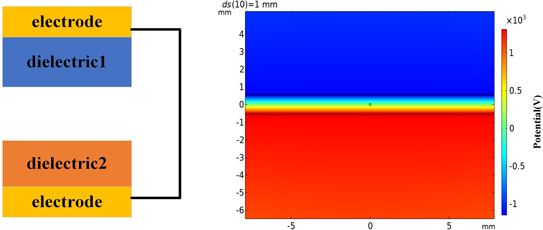
- can also be used as sensors [22]. TENGs, originally proposed by Prof. Zhongling Wang [23], are microgenerators that convert mechanical energy into electrical energy based on the triboelectric effect [24]. In most TENG simulations, a triboelectric polymer material is in direct contact with an electrode
- [40]. It is attractive that, in addition to providing power for electronic devices, TENGs can also be used as self-powered sensors for pressure, vibration, speed, chemicals, and body motion. Regarding leaks in gas pipelines or harmful gases in underground coal mines, it is necessary to detect the
- presence of a specific gas or the content of gas in ambient air. Therefore, gas sensors are usually indispensable in safety systems. Ordinary sensors need to be charged externally, and once the power is used up, the gas sensor loses its function. TENGs generate electricity that can be used for developing