


Search results
Search for "thiol" in Full Text gives 179 result(s) in Beilstein Journal of Nanotechnology.
Comparative evaluation of the impact on endothelial cells induced by different nanoparticle structures and functionalization
Beilstein J. Nanotechnol. 2015, 6, 300–312, doi:10.3762/bjnano.6.28
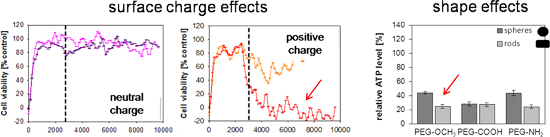
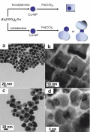
- cetyltrimetylammonium bromide (CTAB) in water. Furthermore, we investigated the effects of GNP that were linked to thiol-terminated polyethylene glycol (SH-PEG, MW of PEG: 5 kDa) with different reactive groups: cationic (-NH2), anionic (-COOH) or neutral (-OCH3). 2) Asymmetric Au@metal oxide nanoparticles have an


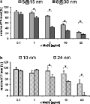


Mechanical properties of MDCK II cells exposed to gold nanorods
Beilstein J. Nanotechnol. 2015, 6, 223–231, doi:10.3762/bjnano.6.21
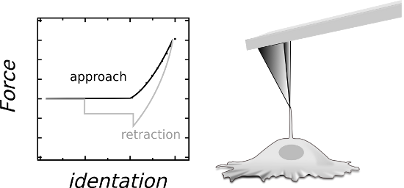
- (DNA, proteins, antibodies) with functional groups using self-assembly techniques relying on gold–thiol interaction. Since these NPs are engineered to interact with living cells it is essential to prove if there is no adverse impact on cell viability [5][10]. Prerequisite for successful medical


Functionalization of α-synuclein fibrils
Beilstein J. Nanotechnol. 2015, 6, 124–133, doi:10.3762/bjnano.6.12
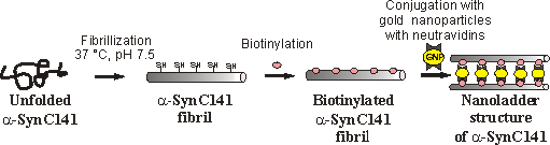
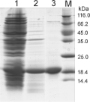
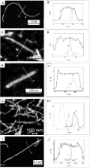
- -synuclein that contains an additional cysteine residue. The fibrils have been biotinylated via thiol groups and subsequently joined with neutravidin-conjugated gold nanoparticles. Atomic force microscopy and transmission electron microscopy confirmed the expected structure – nanoladders. The ability of
- ). Sulfhydryl-reactive, biotin maleimide was used to modify the free –SH groups. Biotinylation was performed in PBS buffer (pH 7.5) and a 5-fold molar excess of biotin reagent was added to the mixture. To remove the excess of biotin, the α-SynC141 fibril sample was dialyzed. The concentration of thiol groups in
- the samples, which depends on the modification step, was monitored using TNB reagent (Table 1). Less than 1% of free thiol groups were detected both in the initial solution of α-SynC141 and after the fibrillization. Notwithstanding that, the main fraction of the initial solution of α-SynC141 contained


Synthesis and characterization of fluorescence-labelled silica core-shell and noble metal-decorated ceria nanoparticles
Beilstein J. Nanotechnol. 2014, 5, 2413–2423, doi:10.3762/bjnano.5.251
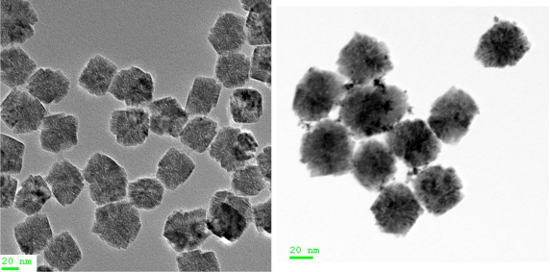
- and characterization of fluorescent silica and ceria nanoparticles. Synthetic methods for labelling of silica and polyorganosiloxane/silica core–shell nanoparticles with perylenediimide derivatives are described, as well as the modification of the shell with thiol groups. Photometric methods for the
- determination of the number of thiol groups and an estimate for the number of fluorescent molecules per nanoparticles, including a scattering correction, have been developed. Ceria nanoparticles decorated with noble metals (Pt, Pd, Rh) are models for the decomposition products of automobile catalytic converters
- molecules are reasonably separated from each other without the danger of self-quenching of the fluorescence. During the process of formation of the primary shell one can easily modify the surface without influencing the fluorescent core. Thus, we introduced thiol (–SH) groups at or near the surface by


Inorganic Janus particles for biomedical applications
Beilstein J. Nanotechnol. 2014, 5, 2346–2362, doi:10.3762/bjnano.5.244
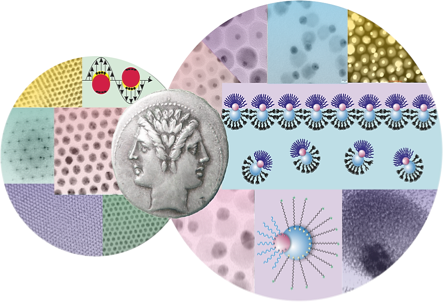
- parameters, such as switching to more polar solvents to compensate the electron deficiency for Au@Fe3O4 flowerlike particles [81], or for Au@MnO flowerlike particles in situ formation of gold particles without surface protection caused by thiol addition [58]. Phase-separated vs ternary-phase nanoparticles
- surface, only the metal oxide domain is encapsulated leaving the hydrophobic character of the gold domain untouched (Figure 15). This selectivity is enhanced due to the functionalization of the gold domain with a thiol, which can be performed either prior to the growth of manganese oxide or after
- formation of the iron oxide component. Wu et al. pointed out that a thiol passivation of the surface is crucial for retaining the Janus character due to the two different surfaces [38]. This was demonstrated by complete encapsulation of Au@Fe3O4 as well as Ag@Fe2O3 nanoparticles with a silica shell [103






Advanced atomic force microscopy techniques II
Beilstein J. Nanotechnol. 2014, 5, 2326–2327, doi:10.3762/bjnano.5.241

- force microscopy [8] are presented as well as molecular structures such as the self-assembly of multidentate organothiols onto Au(111), which were studied in situ by using scanning probe nanolithography and time-lapse AFM [9]. Patterns of thiol-based self-assembled monolayers for the site-selective
Effects of surface functionalization on the adsorption of human serum albumin onto nanoparticles – a fluorescence correlation spectroscopy study
Beilstein J. Nanotechnol. 2014, 5, 2036–2047, doi:10.3762/bjnano.5.212
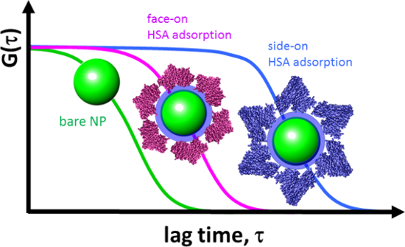
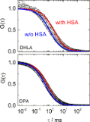
- around the NPs, so that intrusion of proteins into the layer, which may happen with polymeric shells, can be excluded. Cysteamine molecules, which feature primary amine groups, were covalently bound to the QD surface via their thiol groups (see Experimental) to obtain positively charged QDs
- adsorption via the positive region on negatively charged QDs results in a radius increase of 3.2 nm; right: a corona thicker than 3.2 nm is generated by adsorption in a more random orientation. NP surface ligands employed in the present study. They associate with the CdSe/ZnS QD surface via their thiol group



PVP-coated, negatively charged silver nanoparticles: A multi-center study of their physicochemical characteristics, cell culture and in vivo experiments
Beilstein J. Nanotechnol. 2014, 5, 1944–1965, doi:10.3762/bjnano.5.205

- assume that this is due to a strong binding of the thiol group to the silver metal surface, which prevents the dissolution by passivation. Glucose, which is often used in syntheses to reduce silver ions to silver metal, has a decelerating effect but leads to a similar fraction of silver being finally


Towards bottom-up nanopatterning of Prussian blue analogues
Beilstein J. Nanotechnol. 2014, 5, 1933–1943, doi:10.3762/bjnano.5.204
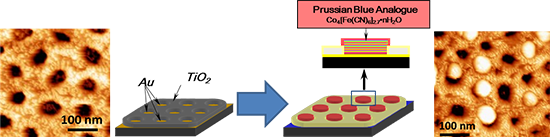
- rinsing (Figure 7a), the spectrum exhibit two doublets that can be assigned to a free thiol function and a thiolate species bound to the gold surface [25][26]. After rinsing, the band characteristic of the free function has disappeared (Figure 7b). But, the band corresponding to bound thiolate species


High speed e-beam lithography for gold nanoarray fabrication and use in nanotechnology
Beilstein J. Nanotechnol. 2014, 5, 1918–1925, doi:10.3762/bjnano.5.202
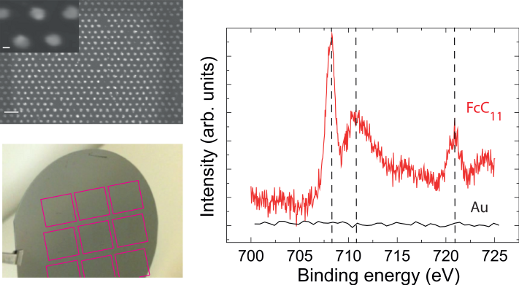
- . By comparing the four different techniques, we evidence the limiting parameters for the writing speed. Wafer-scale fabrication of such arrays with 50 nm pitch allowed XPS analysis of a ferrocenylalkyl thiol self-assembled monolayer coated gold nanoarray. Keywords: gold nanodot; gold nanoparticle
- ) for XPS characterization. Details for XPS measurements can be found in the Experimental section. We have selected the Ferrocene-thiol electroactive molecule, an important model system for the formation of electronic devices based self-assembly and biological sensors. XPS spectra have been well studied


Nanocrystalline ceria coatings on solid oxide fuel cell anodes: the role of organic surfactant pretreatments on coating microstructures and sulfur tolerance
Beilstein J. Nanotechnol. 2014, 5, 1712–1724, doi:10.3762/bjnano.5.181

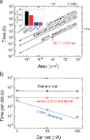
- alkyl bromide to a sulfonate functionality. The ceria coatings deposited after the thiol pretreatment, and on anodes with no pretreatment, were continuous and uniform, with thicknesses of 60–170 nm and 100–140 nm, respectively, and those cells exhibited better lifetime performance and sulfur tolerance
- thiol surfactant treatment Treatment 4: ceria coating after sulfonate surfactant treatment Effects of sulfur exposure on cell performance The initial value of current density for each cell was chosen to give an output voltage of 0.7 V. If voltage dropped by more than 10% in a 24 h period, the current
- ). The Ni:Ce atomic ratio was 2.60 (27.8 atom % Ce) (Table 1). On thiol-treated anodes (treatment 3; Figure 5c) the ceria coating was uniform and continuous. Cracks in the coating were occasionally evident at the grain boundaries. The Ni:Ce atomic ratio was 2.01 (33.2 atom % Ce) (Table 1). On sulfonate


In vitro and in vivo interactions of selected nanoparticles with rodent serum proteins and their consequences in biokinetics
Beilstein J. Nanotechnol. 2014, 5, 1699–1711, doi:10.3762/bjnano.5.180
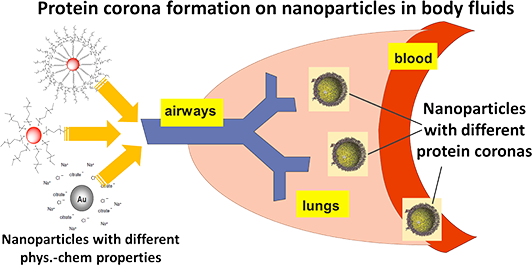
- . Therefore, we studied the role of five different surface modifications on monodisperse AuNP of 5 nm core diameter (i.e., the diameter as determined by transmission electron microscopy). As surface ligands we chose: citric acid (as supplied by the manufacturer), bis(p-sulfonatophenyl)phenylphosphine, a thiol
- factor of 2 of the median diameter prior to incubation. This contrasts DLS and AFM measurements, which yielded larger diameters of the AuNP surface-modified with large molecules (bis(p-sulfonatophenyl)phenylphosphine, thiol-PEG, polymer shell with or without amino-PEG) even in PBS or distilled water. The


Non-covalent and reversible functionalization of carbon nanotubes
Beilstein J. Nanotechnol. 2014, 5, 1675–1690, doi:10.3762/bjnano.5.178
- favorably exploited for CNTs precipitation/dispersion cycles. Ortiz-Acevedo et al. obtained a diameter-selective solubilization of SWCNTs by using cyclic peptides containing thiol groups [101]. The oxidation induces polymerization of the peptides which wrap around the nanotube achieving a size-selective



The influence of molecular mobility on the properties of networks of gold nanoparticles and organic ligands
Beilstein J. Nanotechnol. 2014, 5, 1664–1674, doi:10.3762/bjnano.5.177
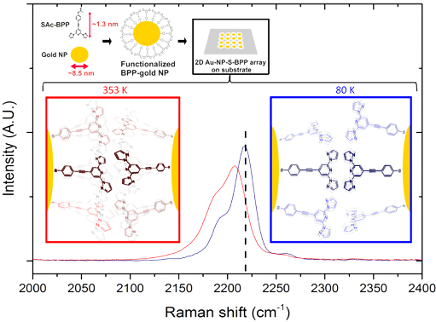
- switchable molecular devices [11][12]. The process can also be used for non-thiol ligands [13]. Here, we extend this self-assembly procedure beyond alkanes, making use of an attractive class of molecular ligands. Molecules of the tridentate 2,6-bi(pyrazolyl)pyridine (BPP) group are well known to act as weak
- with acetyl-protected thiol anchoring groups facilitates the contact to noble and coinage metal electrodes [18]. In this study, we report on the fabrication of 2D single-layer ligand–gold nanoparticle arrays (and multilayer ligand–gold nanoparticle networks) formed by gold nanoparticles covered by
- 1367–1380 cm−1, are no longer evident in the SERS spectrum of the Au-NP–S-BPP arrays. This strongly suggests that the thiol is bound to the gold after surface-mediated hydrolysis of the acetate group. The dominance of key benzenethiol modes in the SERS spectrum is also indicative of binding via thiol




Current state of laser synthesis of metal and alloy nanoparticles as ligand-free reference materials for nano-toxicological assays
Beilstein J. Nanotechnol. 2014, 5, 1523–1541, doi:10.3762/bjnano.5.165
- . However, previous examination in this context revealed decreased motility of spermatozoa incubated with gold nanoparticles in serum-free medium. These results were associated with membrane attachment of aggregated nanoparticles blocking surface thiol groups involved in sperm movement [147], which probably


Purification of ethanol for highly sensitive self-assembly experiments
Beilstein J. Nanotechnol. 2014, 5, 1254–1260, doi:10.3762/bjnano.5.139
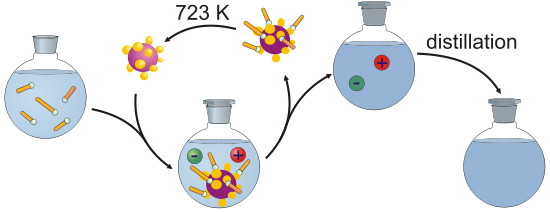
- test, one gram of the zeolite loaded with different amounts of gold-NPs was stirred into solutions of dodecanethiol in ethanol. After ten minutes, the solution was tested for remaining thiol using Ellman’s reagent. By increasing the concentrations of the solutions in small steps until the test became
- increasing gold content. This is probably due to partial melting and subsequent coalescence of the gold-NPs [39], which results in a smaller surface to bulk ratio, i.e., a lower fraction of thiol binding sites. In contrast to this, the dodecanethiol uptake capacity of zeolite-supported gold-NPs pyrolyzed at
- regeneration at different temperatures are plotted against the number of loading-regeneration cycles. The thiol uptake capacities of the three samples remain essentially constant, though the data show some scattering, which at least partially is due to the fact that the uptake was measured in a stepwise manner

Classical molecular dynamics investigations of biphenyl-based carbon nanomembranes
Beilstein J. Nanotechnol. 2014, 5, 865–871, doi:10.3762/bjnano.5.98
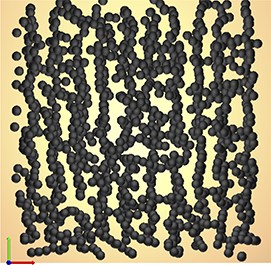
- induce strong correlations of binding sites of neighboring biphenyls [17]. For such an investigation classical potentials for hydrocarbons would have to be used [13][14]. The thiol groups as well as the metallic support are absent in our simulation. Since the initial state is an overall planar


In vitro toxicity and bioimaging studies of gold nanorods formulations coated with biofunctional thiol-PEG molecules and Pluronic block copolymers
Beilstein J. Nanotechnol. 2014, 5, 546–553, doi:10.3762/bjnano.5.64
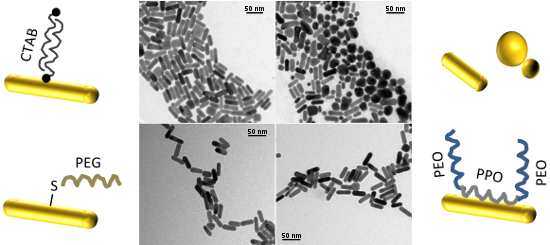
- functional thiol-poly(ethylene glycol) (PEG-SH) molecules and Pluronic block copolymers (PEO–PPO–PEO) (see chemical formula of PEG-SH and Pluronic (PEO–PPO–PEO) in Supporting Information File 1, Figure S1) are commonly used to prepare non-ionic polymer encapsulated AuNRs with a stealth property for in vivo
- by means of the chemisorption process between the thiol moiety and the gold particle surface [24][25]. Pluronic is a commercially available triblock copolymer with a hydrophobic segment of poly(propylene oxide) (PPO) polymer sandwiched between two hydrophilic segments of PEO. In our previous study


One-step synthesis of high quality kesterite Cu2ZnSnS4 nanocrystals – a hydrothermal approach
Beilstein J. Nanotechnol. 2014, 5, 438–446, doi:10.3762/bjnano.5.51
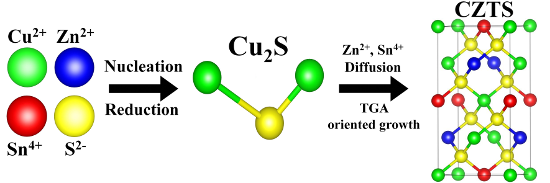
- complexes prior to the hydrothermal reaction [22][23]. However, the formation of Cu7S4 and Cu1.8S compounds in our case suggests that Cu2+ is reduced to Cu+ by interaction with the –SH (thiol) group of TGA (oxidation of TGA to dithiodiglycolate) [27]. The XRD pattern of the precipitate collected from the




Nanoscale patterning of a self-assembled monolayer by modification of the molecule–substrate bond
Beilstein J. Nanotechnol. 2014, 5, 258–267, doi:10.3762/bjnano.5.28
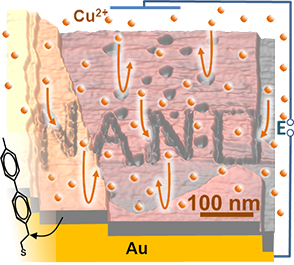
- followed by adsorption of AdSH. The appearance of Au adatom islands upon the thiol exchange suggests that the interfacial structures of BP2 and AdSH SAMs are different. Keywords: copper; electrodeposition; gold adatoms; nanolithography; negative resist; Introduction The applications of organic adsorbates
- reductive desorption of the less tightly bound thiol molecules in the UPD-free Au areas to yield either nanoporous SAMs or binary SAMs in the case of backfilling with a second type of thiol [11]. So far, however, this approach has been lacking control as UPD is mediated by random defects [24][26][27] which
- perfection [24][28][29][30], as a consequence of the specific molecular architecture characterised by an aromatic moiety linked to the thiol head group by a short aliphatic chain (see Figure 1a). Designing the molecules such that different factors that determine the enthalpy of the system compete to some


Fabrication of carbon nanomembranes by helium ion beam lithography
Beilstein J. Nanotechnol. 2014, 5, 188–194, doi:10.3762/bjnano.5.20
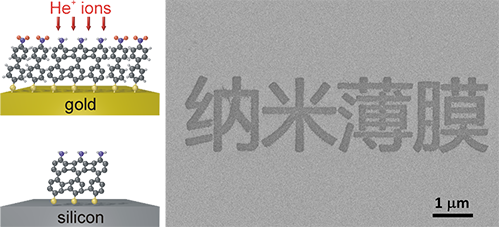
- approaches have been used to exploit the capabilities of HIM, such as ion milling [21], scanning helium ion beam lithography (SHIBL) [22], and helium ion beam induced deposition (HIBID) [20]. Here we used 4'-nitro-1,1'-biphenyl-4-thiol (NBPT) as a molecular precursor to form SAMs on a Au substrate and
- , this is due to the energy distribution of helium ion excited secondary electrons being shifted to lower energies. Experimental Preparation of self-assembled monolayers For the preparation of 4'-nitro-1,1'-biphenyl-4-thiol (NBPT) SAMs we used a 300 nm polycrystalline Au layer with (111) crystal planes


Surface assembly and nanofabrication of 1,1,1-tris(mercaptomethyl)heptadecane on Au(111) studied with time-lapse atomic force microscopy
Beilstein J. Nanotechnol. 2014, 5, 26–35, doi:10.3762/bjnano.5.3
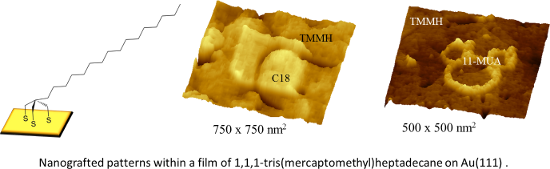
- thiols were found to assemble slowly, requiring more than six hours to generate films. A clean gold substrate was first imaged in ethanolic media using liquid AFM. Next, a 0.01 mM solution of multidentate thiol was injected into the liquid cell. As time progressed, molecular-level details of the surface
- –Au bonds to the substrate. Keywords: liquid AFM; multidentate; nanografting; nanolithography; self-assembly; Introduction Multidentate thiol-based adsorbates attach to gold surfaces through multiple bonds that provide enhanced stability to self-assembled monolayers (SAMs) [1][2]. Although detailed
- investigations of monodentate thiol-based SAMs have been widely reported, relatively few studies of SAMs derived from bidentate or tridentate thiol adsorbates are available. One might predict that the bulkier headgroups of multidentate adsorbates would strongly influence the kinetics, stability, and surface


Energy transfer in complexes of water-soluble quantum dots and chlorin e6 molecules in different environments
Beilstein J. Nanotechnol. 2013, 4, 895–902, doi:10.3762/bjnano.4.101
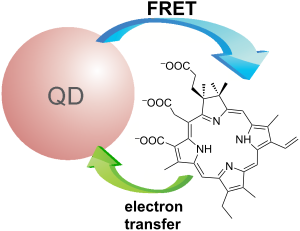
- -terminated polyethylene glycol (PEG-OH)thiol and amino-terminated polyethylene glycol (PEG-NH2)thiol with a ratio of 3 to 1. This enables to obtain stable colloidal solutions of quantum dots. Then the covalent binding of the QD surface amino groups with the Ce6 carboxyl functional groups using EDAC as a


Site-selective growth of surface-anchored metal-organic frameworks on self-assembled monolayer patterns prepared by AFM nanografting
Beilstein J. Nanotechnol. 2013, 4, 638–648, doi:10.3762/bjnano.4.71
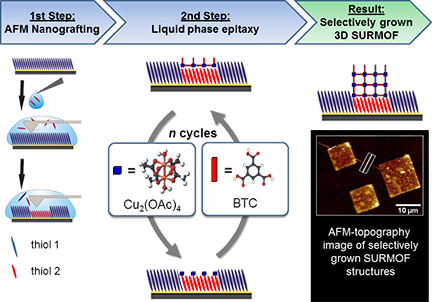
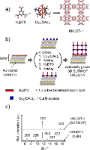
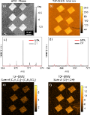
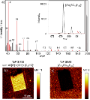
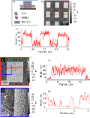
- the orientation of the SURMOF. Here, we demonstrate for the first time the site-selective growth of the SURMOF HKUST-1 on thiol-based self-assembled monolayers patterned by the nanografting technique, with an atomic force microscope as a structuring tool. Two different approaches were applied: The
- in-situ synthesis, which was introduced by Bein et al. [15]. In this synthesis the MOF crystals are grown by dipping a gold coated substrate, which is terminated with a thiol-based self-assembled monolayer (SAM), into a solution containing a mixture of the metal nodes and the organic linkers. As a
- gold coated substrate is modified by the deposition of a thiol-based SAM, that carries either an –OH, a –COOH or a pyridine unit. The SAM, and in particular its surface termination, plays a crucial role in this context and also determines the growth direction of the SURMOF [14][15]. On a CH3-terminated





Apertureless scanning near-field optical microscopy of sparsely labeled tobacco mosaic viruses and the intermediate filament desmin
Beilstein J. Nanotechnol. 2013, 4, 510–516, doi:10.3762/bjnano.4.60
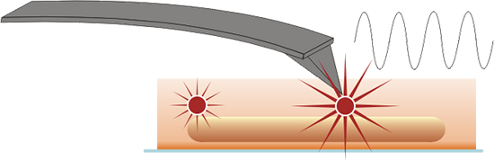
- single thiol-group on every capsid protein subunit of the virus surface (TMVCys, 2130 coupling sites per viral nanotube), is used [31]. The labeling procedure is performed with a substoichiometric molar ratio of 0.02:1 of Atto740 maleimide (Sigma-Aldrich, München, Germany) to viral capsid protein, in





