


Search results
Search for "biomedical applications" in Full Text gives 231 result(s) in Beilstein Journal of Nanotechnology. Showing first 200.
Synthesis and functionalization of NaGdF4:Yb,Er@NaGdF4 core–shell nanoparticles for possible application as multimodal contrast agents
Beilstein J. Nanotechnol. 2017, 8, 1815–1824, doi:10.3762/bjnano.8.183
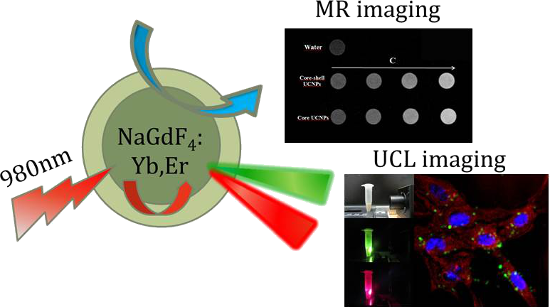
- biologically active molecules, UCNPs could be multifunctional in both therapy and diagnostics (theranostics) [9]. However, biomedical applications require ultrasmall multifunctional nanoparticles to be hydrophilic, biocompatible and have intense upconversion emission and efficient paramagnetic properties


Laser processing of thin-film multilayer structures: comparison between a 3D thermal model and experimental results
Beilstein J. Nanotechnol. 2017, 8, 1749–1759, doi:10.3762/bjnano.8.176
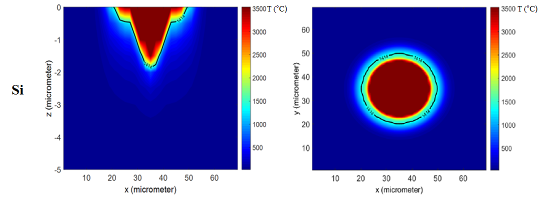
- can have many potential applications including patterning the cell growth for biomedical applications and controlling the grain size in fabrication of polycrystalline silicon (poly-Si) thin-film transistors (TFTs). Keywords: 3D transient modelling; heat transfer; laser materials processing





Near-infrared-responsive, superparamagnetic Au@Co nanochains
Beilstein J. Nanotechnol. 2017, 8, 1680–1687, doi:10.3762/bjnano.8.168
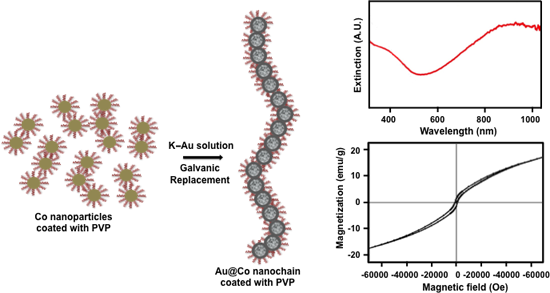
- external magnetic field. Furthermore, the NIR-responsive capability (optical extinction maximum at ca. 900 nm) combined with their magnetic properties can plausibly be harnessed in nanotechnology-based biomedical applications, such as photo-thermally modulated drug delivery, photonic devices, and photo
- unique new choice for biomedical applications in which such dual functional properties can be utilized. Experimental Materials Cobalt chloride (Baker), polyvinylpyrrolidone (MW ≈ 50000, Aldrich), sodium borohydride (Aldrich), potassium carbonate (Aldrich), hydrogen tetrachloroaurate(III) hydrate (Strem


Uptake and intracellular accumulation of diamond nanoparticles – a metabolic and cytotoxic study
Beilstein J. Nanotechnol. 2017, 8, 1649–1657, doi:10.3762/bjnano.8.165
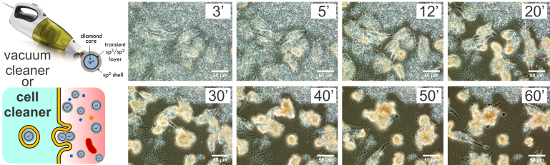
- are tailorable on demand [2]. This work investigates the use of diamond nanomaterials, or nanodiamonds (NDs), especially in life sciences, tissue engineering and regenerative medicine [3][4][5][6]. Diamond is biocompatible [7][8], and for advanced biomedical applications, it is particularly promising


Surface functionalization of 3D-printed plastics via initiated chemical vapor deposition
Beilstein J. Nanotechnol. 2017, 8, 1629–1636, doi:10.3762/bjnano.8.162
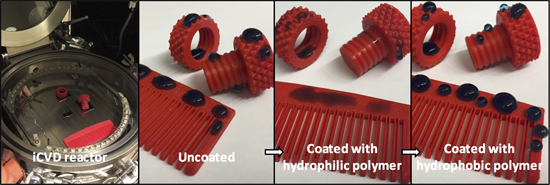
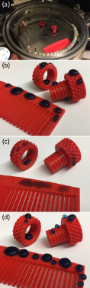
- , and prior use in biomedical applications [33]. A silicon wafer piece was placed under the substrate to visually observe the penetration of polymer through the lattice. To measure the change in hydrophobicity of the 7.5 mm PLA lattice after the deposition of PPFDA, contact angle changes were monitored
- biomedical applications [35][36]. However, because PHEMA is water soluble, the cross-linker EGDA was incorporated during the deposition to ensure that the hydrophilic polymer coating would not dissolve in water. As shown in Figure 4, an uncoated PLA lattice did not sink in water, despite PLA having a density



Calcium fluoride based multifunctional nanoparticles for multimodal imaging
Beilstein J. Nanotechnol. 2017, 8, 1484–1493, doi:10.3762/bjnano.8.148
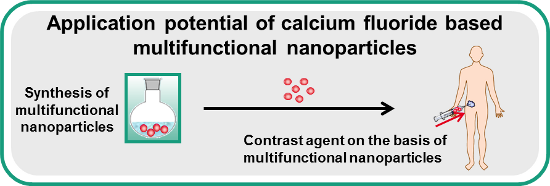
- materials [15][16]. Other than fluoride NP systems doped with rare earth elements, such as LaF3:Ln3+, CeF3:Tb3+, NaYF4:(Yb3+,Er3+), NaGdF4:(Yb3+,Er3+), which were actively investigated during last decades for biomedical applications [17][18][19][20][21][22], alkaline earth metal fluorides such as CaF2
- fluorolytic sol–gel process [33]. The stability and biocompatibility of CaF2 makes it an attractive material for biomedical applications [28][29]. In addition, due to the high capacity to accept lanthanide ions, CaF2 is suitable for the preparation of CAs for multimodal imaging [24]. In this study, we report


Carbon nanomaterials sensitize prostate cancer cells to docetaxel and mitomycin C via induction of apoptosis and inhibition of proliferation
Beilstein J. Nanotechnol. 2017, 8, 1307–1317, doi:10.3762/bjnano.8.132
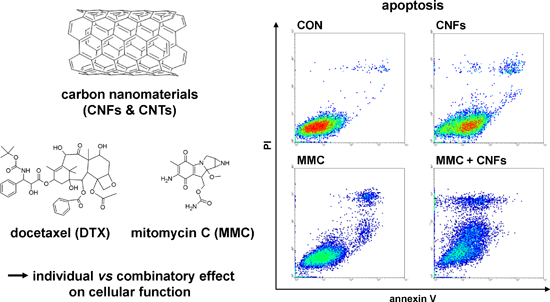
- last decades, various nanoparticles such as carbon nanotubes (CNTs) and carbon nanofibers (CNFs) have been extensively investigated for their utilization as drug carriers and delivery vehicles. They possess great potential for such biomedical applications based on their ability to be loaded with
- complex drug delivery systems at the tumor site would minimize systemic resorption and deleterious effects to healthy tissues. Carbon nanomaterials such as CNFs and CNTs represent a much investigated option for such biomedical applications. In addition to facilitate a passive targeting, various studies


Recombinant DNA technology and click chemistry: a powerful combination for generating a hybrid elastin-like-statherin hydrogel to control calcium phosphate mineralization
Beilstein J. Nanotechnol. 2017, 8, 772–783, doi:10.3762/bjnano.8.80
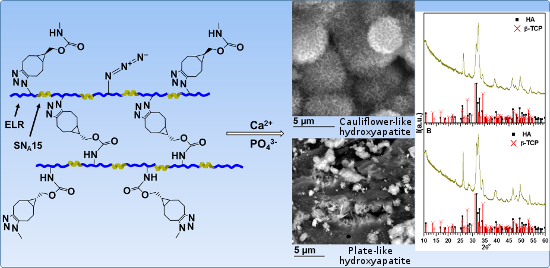
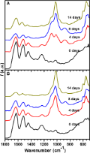
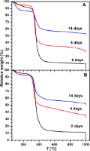
- biomedical applications as it avoids problems with toxic reagents. XRD provides two significant results, indicating that the ELR-based hydrogels affect the CP mineralization process. The first one is the phase-incubation time dependence. After mineralization for 4 days, the peaks observed at 29.73, 31.08
- biomedical applications. At the same time, these materials, at the insoluble state, have the ability to control the formation of CP in terms of both phase and morphology, different from the ones formed at the soluble state. Conclusion The present work shows the merit of using the in situ-inhibition CP



Phospholipid arrays on porous polymer coatings generated by micro-contact spotting
Beilstein J. Nanotechnol. 2017, 8, 715–722, doi:10.3762/bjnano.8.75
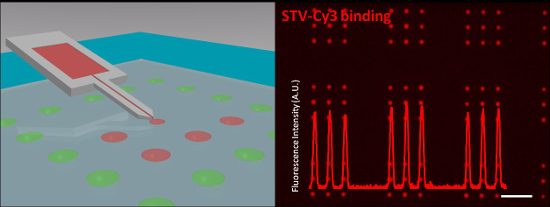
- portfolio of HEMA polymer applications emphasizes the use of this solid substrate as a very attractive platform for a variety of biomedical applications. The combination of microfluidic settings and phospholipid arrays on solid supports like HEMA polymer may also prove fruitful for a multitude of sensing


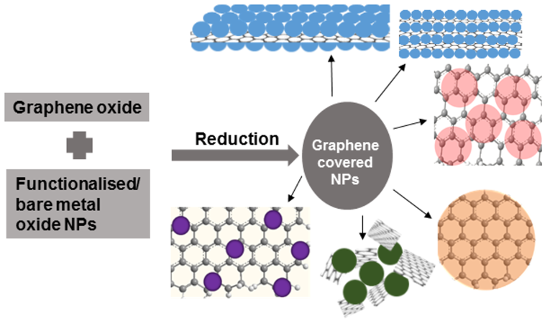
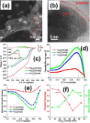
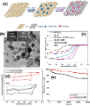
Synthesis of graphene–transition metal oxide hybrid nanoparticles and their application in various fields
Beilstein J. Nanotechnol. 2017, 8, 688–714, doi:10.3762/bjnano.8.74






Silicon microgrooves for contact guidance of human aortic endothelial cells
Beilstein J. Nanotechnol. 2017, 8, 675–681, doi:10.3762/bjnano.8.72
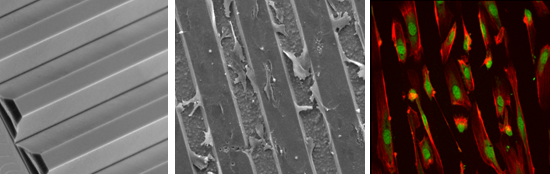
- that allows one to link bioconjugators such as collagen [30]. Collagen is an attractive tool for biomedical applications as it is the most abundant protein in mammalian tissues [31]. We have recently reported the development of collagen-coated silicon-based microstructures, classified as nanoporous


Dispersion of single-wall carbon nanotubes with supramolecular Congo red – properties of the complexes and mechanism of the interaction
Beilstein J. Nanotechnol. 2017, 8, 636–648, doi:10.3762/bjnano.8.68
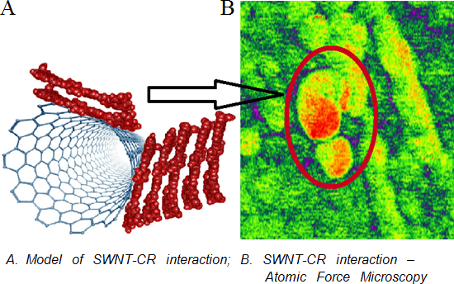
- and form supramolecular and protruding structures. This explains the high CR binding capacity of carbon nanotubes. The presented system – containing SWNTs covered with CR – offers a wide range of biomedical applications. Keywords: Congo red; single-wall carbon nanotubes; supramolecular compounds


Comparison of four methods for the biofunctionalization of gold nanorods by the introduction of sulfhydryl groups to antibodies
Beilstein J. Nanotechnol. 2017, 8, 372–380, doi:10.3762/bjnano.8.39
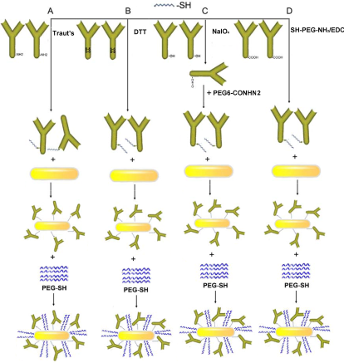
- biomedical applications. Given that thiol moieties have a high affinity to conjugate with gold surfaces via Au–S bonds, chemically modifying biological molecules, such as antibodies, which anchors them to gold surface through Au–S interaction, is regarded as attractive. In our previous work, we reported a


Nanoscale isoindigo-carriers: self-assembly and tunable properties
Beilstein J. Nanotechnol. 2017, 8, 313–324, doi:10.3762/bjnano.8.34
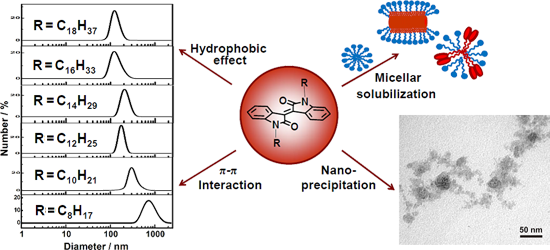
- electrical properties [1][2][3][4][5]. This makes possible to develop new technologies for biodiagnostics, biomedical applications, including photothermal therapy [6][7][8], study of biomembranes [9] and dynamically probing cells [10][11]. (ii) These heterocyclic compounds found applications in various

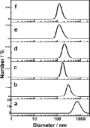


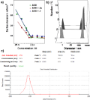

Functionalized TiO2 nanoparticles by single-step hydrothermal synthesis: the role of the silane coupling agents
Beilstein J. Nanotechnol. 2017, 8, 304–312, doi:10.3762/bjnano.8.33
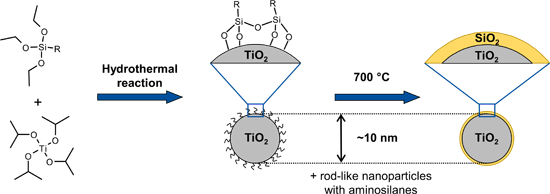
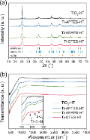
- Because of the high surface-to-volume ratio, the intrinsic properties of titanium dioxide (TiO2) nanoparticles have led to exploitation in many fields such as in photocatalysis [1], solar cells [2], and in biomedical applications [3]. The naturally occurring phases of TiO2 are rutile (thermodynamically



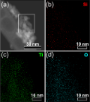
From iron coordination compounds to metal oxide nanoparticles
Beilstein J. Nanotechnol. 2016, 7, 2074–2087, doi:10.3762/bjnano.7.198
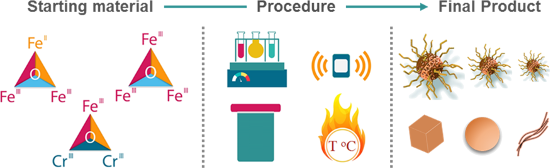
- surfaces are often used for biomedical applications (e.g., biosensing, hyperthermia and MRI) [10]. In biomedical applications, the morphology of the nanoparticle significantly influences both pharmacokinetics and cell uptake [11]. Nanoparticles are also preferred as fillers for polymers to induce certain


Facile fabrication of luminescent organic dots by thermolysis of citric acid in urea melt, and their use for cell staining and polyelectrolyte microcapsule labelling
Beilstein J. Nanotechnol. 2016, 7, 1905–1917, doi:10.3762/bjnano.7.182
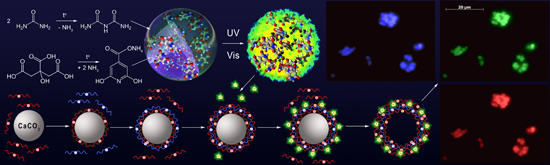
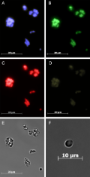
- crystals (quantum dots, Q-dots) are a good alternative to common fluorescent dyes in a variety of biomedical applications, mainly due to their high photostability and relatively large Stokes shift [1][2][3], but Q-dots typically contain heavy metals (lead, cadmium) and chalcogens (selenium, tellurium
- of luminescent C-dots in 2004 [18], the number of annual peer-reviewed publications on the biomedical applications of C-dots dramatically increases – especially in comparison with the relatively smooth growth of publications on other fluorescent nanoparticles (for instance, REE-based). Typically, С




3D printing of mineral–polymer bone substitutes based on sodium alginate and calcium phosphate
Beilstein J. Nanotechnol. 2016, 7, 1794–1799, doi:10.3762/bjnano.7.172
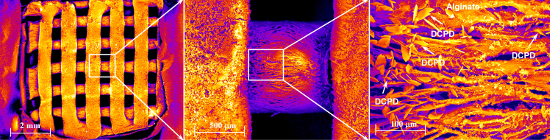
- pores sizes and good interconnectivity, which are of great importance for the design of 3D bone substitutes for biomedical applications. The CP phase was formed upon mixing of the polymer slurry containing ammonium hydrogen phosphate with a calcium chloride aqueous solution during the printing process


Influence of hydrothermal synthesis parameters on the properties of hydroxyapatite nanoparticles
Beilstein J. Nanotechnol. 2016, 7, 1586–1601, doi:10.3762/bjnano.7.153
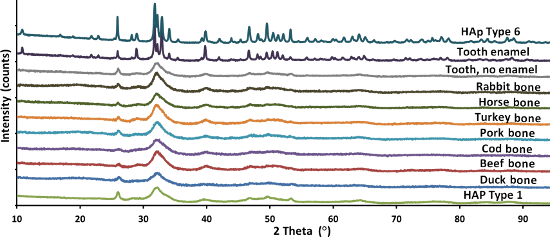
- nanoparticles (nano-HAp) are better positioned to serve as an apatite substitute of bone in biomedical applications than micrometer-sized hydroxyapatite (micro-HAp) [8]. The impact of nano-HAp particles with different morphology on highly malignant melanoma cells was analyzed. The obtained results showed that


Effect of tetramethylammonium hydroxide/isopropyl alcohol wet etching on geometry and surface roughness of silicon nanowires fabricated by AFM lithography
Beilstein J. Nanotechnol. 2016, 7, 1461–1470, doi:10.3762/bjnano.7.138
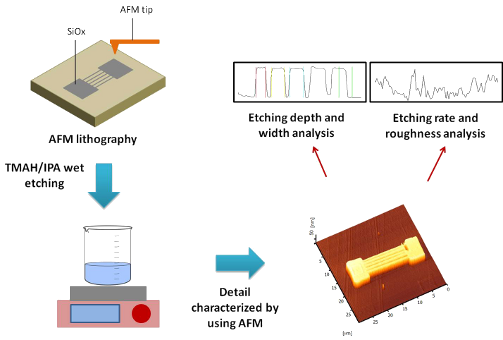
- requirements of SOI applications have been developed. The geometry and surface roughness of the devices are the factors that must be improved in order to upgrade the possible device performance in many fields, such as biomedical applications. The etching process has been studied by many researchers in order to




Viability and proliferation of endothelial cells upon exposure to GaN nanoparticles
Beilstein J. Nanotechnol. 2016, 7, 1330–1337, doi:10.3762/bjnano.7.124
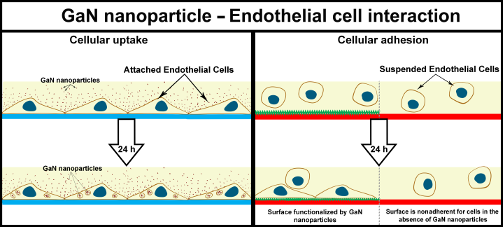
- ]. Nanoparticle-based systems are the best choice for biomedical applications not only due to their small size (from 1 to 100 nm), but also due to their potency, which results from their high surface area for active molecules. Over the last decade, many studies have been performed on the interaction between
- carbon nanotubes (MWCNTs) with a diameter less than 30 nm are less toxic than particles larger than 50 nm [6]. Nearly all current and future biomedical applications implicate intravascular transport of nanoparticles, thereby blood is the predominant carrier for nanoparticles and nanoparticle clusters
- , which make it promising for biomedical applications. Recently, it was shown that GaN does not require surface treatment for biocompatibility [18]. Bulk GaN is nontoxic for cells with or without peptide functionalization of the surface, with only very low amounts of gallium being released during the cell



Straightforward and robust synthesis of monodisperse surface-functionalized gold nanoclusters
Beilstein J. Nanotechnol. 2016, 7, 1278–1283, doi:10.3762/bjnano.7.118
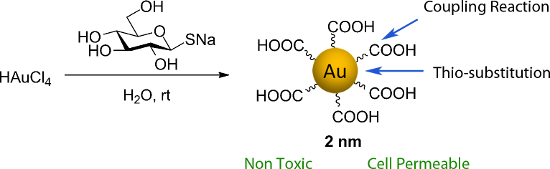
- serves to functionalize the nanoclusters. The resulting non-cytotoxic nanoclusters are taken up by cells and constitute a tuneable platform for biomedical applications including drug delivery. Keywords: biomedical applications; carbohydrates; functionalization; gold nanoclusters; robust; Findings


Multiwalled carbon nanotube hybrids as MRI contrast agents
Beilstein J. Nanotechnol. 2016, 7, 1086–1103, doi:10.3762/bjnano.7.102
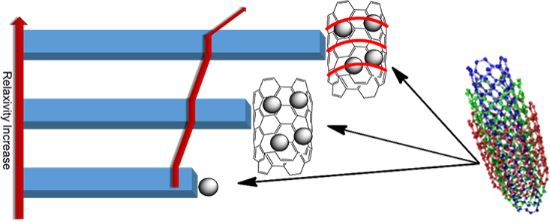
- , the unique combination of features that is found in nanoparticles has opened up a new era of biomaterials. These offer several advantages of great importance to biomedical applications, e.g., the possibility of appropriate size and shape designed for the desired target, modulation of their



The role of morphology and coupling of gold nanoparticles in optical breakdown during picosecond pulse exposures
Beilstein J. Nanotechnol. 2016, 7, 869–880, doi:10.3762/bjnano.7.79
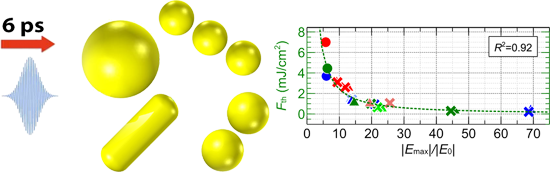
- (LIB) effect [17]. Nanostructure fabrication [18], cell nanosurgery [19], and laser-induced breakdown spectroscopy [20][21] are applications where the use of nanoparticles for LIB enhancement has produced promising results. In biomedical applications, nanoparticle-mediated LIB is a non-linear laser

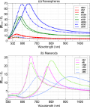

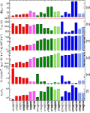


Facile synthesis of water-soluble carbon nano-onions under alkaline conditions
Beilstein J. Nanotechnol. 2016, 7, 758–766, doi:10.3762/bjnano.7.67
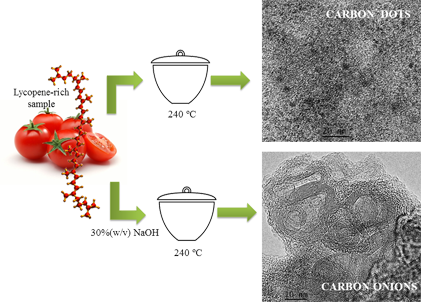
- ) properties, such as broad excitation spectra, tunable emission wavelength and stable PL, high stability against photobleaching, C-dots are attracting considerable attention in analytical sensing, bioimaging, photo-reduction of metals and biomedical applications [2][3][4][5][6]. C-dots may be
- conventional synthetic methods such as arc-discharge and chemical vapor deposition are insoluble in water, which restricts their use in analytical, biological and biomedical applications. Our results showed that water-soluble C-onions could be prepared by a simple carbonization method using tomatoes as carbon





