Search results
Search for "development" in Full Text gives 1358 result(s) in Beilstein Journal of Nanotechnology. Showing first 200.
Biomimetic nanocarriers: integrating natural functions for advanced therapeutic applications
Beilstein J. Nanotechnol. 2024, 15, 1619–1626, doi:10.3762/bjnano.15.127

- therapeutical characteristics as demonstrated in Figure 1-1. In the field of drug delivery, properties such as size, surface-to-volume ratio, and biocompatibility have driven the development of nanoscale-based devices [6][7][8][9]. Nanocompounds offer a strategic approach to addressing or at least improving the
- , leukocytes, stem cells, tumor components) or other biocomponents (e.g., platelets), can enhance the functionality of carriers and meet the requirements for human applications [19]. The cellular membranes of cancer cells exhibit adhesion molecules crucial to cancer development and metastasis. Heterotypic or


Natural nanofibers embedded in the seed mucilage envelope: composite hydrogels with specific adhesive and frictional properties
Beilstein J. Nanotechnol. 2024, 15, 1603–1618, doi:10.3762/bjnano.15.126
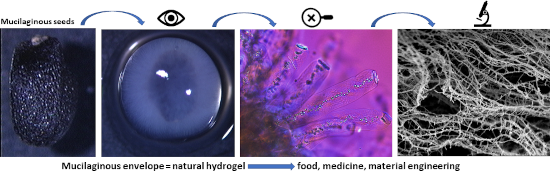
- diverse plant organs, such as seeds, fruits, flowers, and leaves, and are involved in the defence of the plant against herbivore animals, fungi, and viruses [112][113]. Phenolic compounds are very abundant substances in seeds, playing an important role in their development and maturation. They are


Liver-targeting iron oxide nanoparticles and their complexes with plant extracts for biocompatibility
Beilstein J. Nanotechnol. 2024, 15, 1593–1602, doi:10.3762/bjnano.15.125
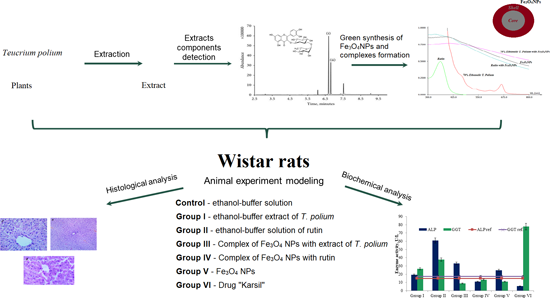
- , biochemistry, biophysics, and other disciplines within biology and medicine [1][2][3][4][5]. The development of nanotechnology has provided resources for various applications in the medical field, leading to significant advances in diagnosis, biological detection, therapy, and drug delivery [6][7][8][9]. An
- and toxicity effects; as of May 2024, the website clinicaltrials.gov listed data on the development of 51 clinical protocols involving iron oxides NPs [25][26][27]. Surface chemistry and delivery route of MNPs affect their biodistribution patterns and circulation time in the body [28]. It is known
- the overall therapeutic and/or prophylactic effect. Therefore, the combined use of biocompatible NPs and medicinal plant extracts makes it potentially possible to achieve breakthroughs regarding new approaches to the treatment and prevention of diseases. The development of such complexes is a relevant


Facile synthesis of size-tunable L-carnosine-capped silver nanoparticles and their role in metal ion sensing and catalytic degradation of p-nitrophenol
Beilstein J. Nanotechnol. 2024, 15, 1576–1592, doi:10.3762/bjnano.15.124
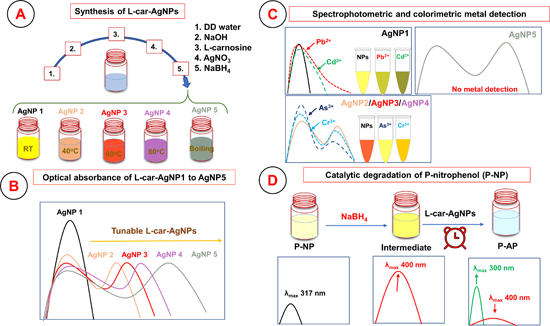
- with various contaminants. Keywords: catalysis; heavy metals; ʟ-carnosine; p-nitrophenol; silver nanoparticles; Introduction The persistent rise in environmental pollution, notably from heavy metal ions and organic pollutants, has propelled the development of innovative and efficient environmental
- nanotechnology have ushered in the development of nanoparticle-based systems that offer promising alternatives because of their simplicity, cost-effectiveness, and potential for real-time applications. Plasmonic nanoparticles, such as silver, have been widely explored for their unique plasmonic and catalytic
- detection and development of a sensing probe, quantification of the detection limit for Cd2+ and Pb2+ using ʟ-car-AgNP1 was carried out, and LOD and LOQ were calculated. In Figure 7c and Figure 7e, only a single metal (i.e., Cd2+ or Pb2+) was added to ʟ-car-AgNP1, and the changes as functions of the metal




Green synthesis of silver nanoparticles derived from algae and their larvicidal properties to control Aedes aegypti
Beilstein J. Nanotechnol. 2024, 15, 1566–1575, doi:10.3762/bjnano.15.123
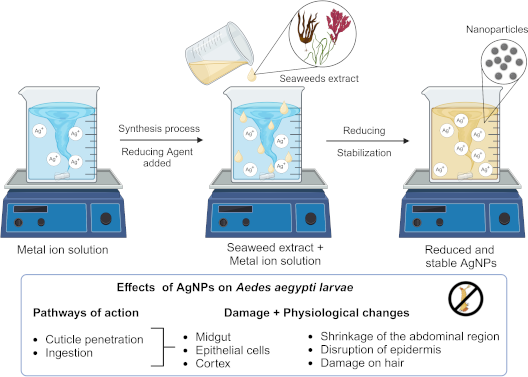
- cost and sustainable biosynthesis. In the perspective of using AgNPs in the development of novel insecticides for vector control, this review deals with the eco-friendly synthesis of AgNPs through seaweed extracts as reducing and stabilizing agents. In addition, assessment of toxicity of these
- generally preferred in vector control because of a less deleterious effect on non-target organisms and their inherent biodegradability. The development of sustainable pest control tools is a challenge for researchers and public health authorities [20]. Seaweed extracts are composed of bioactive agents such
- reducing agent [34]. In this way, the green synthesis of nanoparticles has expanded in nanoscience and nanotechnology [35]. Synthesis of silver nanoparticles using algae Green nanoparticle synthesis is the design and development of strategies for the production of nanoparticles to reduce the use or


Ultrablack color in velvet ant cuticle
Beilstein J. Nanotechnol. 2024, 15, 1554–1565, doi:10.3762/bjnano.15.122

- examples observed in some organisms, scientists are committed to unraveling the mechanisms underlying the development of ultrablack technical surfaces, seeking to replicate such structures in synthetic and natural materials with equivalent properties [3][4][5][6][7][8]. Ultrablack colors are a rare
- development of these ultrablack surfaces, with the goal of replicating such structures in synthetic materials possessing analogous properties [3][5][6][15]. In conclusion, the study of ultrablack coloration in animals, such as T. bifurca, reveals the intricate interplay between structural microfeatures and
- Council for Scientific and Technological Development - CNPq (proc.142299/2020-0) and Minas Gerais State Research Support Foundation - FAPEMIG (proc. APQ-05401-23). RGF thanks CNPq (Proc. 312847/2022-0) for a productivity grant. We thank the Public Prosecutor's Office of Minas Gerais (MPMG, through the



The round-robin approach applied to nanoinformatics: consensus prediction of nanomaterials zeta potential
Beilstein J. Nanotechnol. 2024, 15, 1536–1553, doi:10.3762/bjnano.15.121
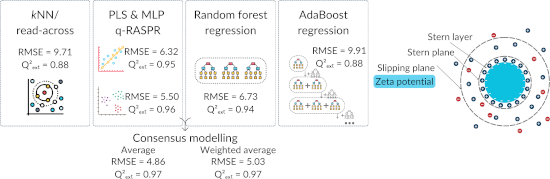
- NMs’ properties when small datasets are available [4][5][6]. These in silico methodologies can be used in the early steps of the “safe-and-sustainable by design” framework and in the development of novel NMs to filter out unpromising candidates and prioritize NMs with desired properties. The rational
- of nanoinformatics, various consensus approaches have been proposed over the past years for the prediction of different NM endpoints, such as NMs’ cellular uptake [20], zeta potential (ZP) [16], and electrophoretic mobility [21]. The complexity of predictive models requires the development of
- sought that nanoinformatics models comply with a set of predefined criteria, often supplemented by statistical methods recommended by the Organisation for Economic Co-operation and Development (OECD) [22] and the European Chemicals Agency (ECHA) [23]. In addition, there is a growing effort from various


Electrochemical nanostructured CuBTC/FeBTC MOF composite sensor for enrofloxacin detection
Beilstein J. Nanotechnol. 2024, 15, 1522–1535, doi:10.3762/bjnano.15.120
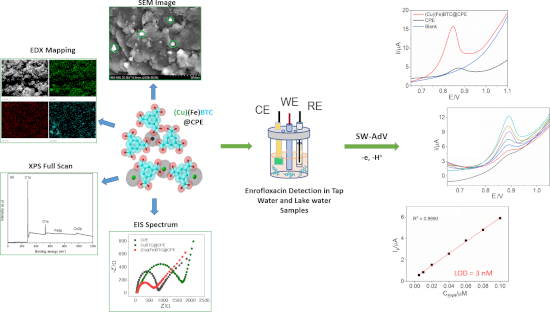
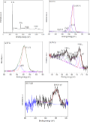
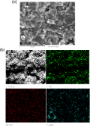
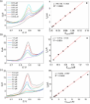
- Polymer and Composite Materials, Ho Chi Minh City University of Technology, Vietnam National University, Ho Chi Minh City, 70000, Vietnam Center for High Technology Research and Development, Vietnam Academy of Science and Technology, 18 Hoang Quoc Viet Street, Cau Giay District, Ha Noi, Vietnam 10.3762





Integrating high-performance computing, machine learning, data management workflows, and infrastructures for multiscale simulations and nanomaterials technologies
Beilstein J. Nanotechnol. 2024, 15, 1498–1521, doi:10.3762/bjnano.15.119
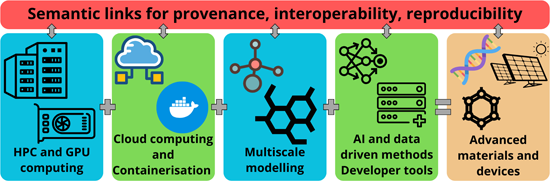
- across a diverse range of tools. The paper explores the distinctive features of digital and data-centric approaches and technologies for materials development. It highlights the role of digital twins in research, particularly in the realm of nanomaterials development and examines the impact of knowledge
- engineering in establishing data and information standards to facilitate interoperability. Furthermore, the paper explores the role of deployment technologies in managing HPC infrastructures. It also addresses the pairing of these technologies with user-friendly development tools to support the adoption of
- efficiency of materials research. The integration of digital technologies into materials science has, thus, opened up exciting new possibilities for materials design, discovery, and innovation [14]. New, fully digitalized research directions for materials development are therefore emerging at the convergence


Polymer lipid hybrid nanoparticles for phytochemical delivery: challenges, progress, and future prospects
Beilstein J. Nanotechnol. 2024, 15, 1473–1497, doi:10.3762/bjnano.15.118
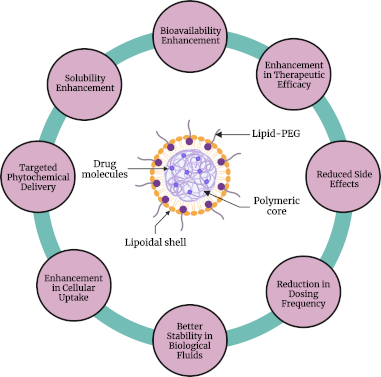
- , rapid metabolism, and instability under physiological conditions [9][10][11]. These challenges necessitate the development of advanced delivery systems to harness the full potential of phytochemicals in therapeutic applications. Polymer lipid hybrid nanoparticles (PLHNPs) represent an innovative class
- therapeutic efficacy [44]. The development of PLHNPs for phytochemical delivery holds significant promise across various biomedical applications. PLHNPs can be utilized in cancer therapy, cardiovascular disease management, neurodegenerative disorder treatment, and other areas of medicine where phytochemicals
- within the hybrid system. During the development of LPHNPs, different physicochemical characteristics such as size, loading capacity, charge, solubility, release, and colloidal stability can be modulated by modification in the polymer/lipid ratio [45][46][47]. Monolithic PLHNPs Monolithic PLHNPs are the


Lithium niobate on insulator: an emerging nanophotonic crystal for optimized light control
Beilstein J. Nanotechnol. 2024, 15, 1415–1426, doi:10.3762/bjnano.15.114
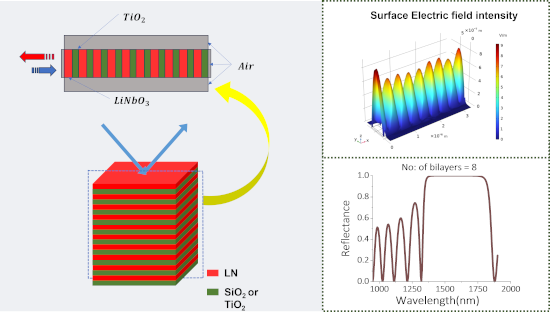
- Bragg reflectors can be miniaturized onto photonic chips, facilitating the development of integrated and scalable classical and quantum circuits, and they can be fabricated from various materials, allowing for integration with different platforms and functionalities within quantum information processing
- (QIP) systems. Despite the challenges such as fabrication complexity [6] and loss mitigation scalability to complex circuits [7], the potential benefits of DBRs for QIP applications continue to drive research and development in this field [8]. As fabrication techniques and material systems develop
- ]. However, a major challenge in their development is maximizing the light that escapes the micro-LED. By incorporating a DBR onto the bottom of a flip-chip micro-LED, engineers can capture light that would normally be lost downward and redirect it upwards, significantly improving the overall light output


Nanotechnological approaches for efficient N2B delivery: from small-molecule drugs to biopharmaceuticals
Beilstein J. Nanotechnol. 2024, 15, 1400–1414, doi:10.3762/bjnano.15.113
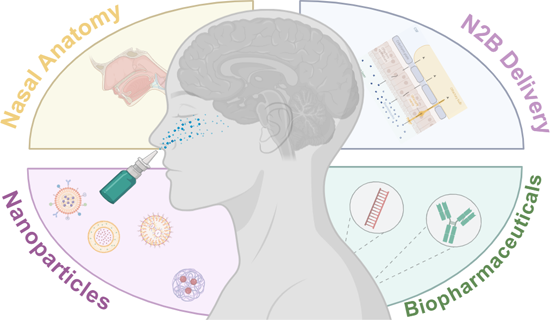
- the last decade and has become more attractive, especially with the COVID-19 pandemic vaccine development research [36]. The anatomy of the nose allows for noninvasive administration and plays a critical role in intranasal delivery [37]. The nasal cavity has a highly vascularized anatomy and offers a
- availability, SLNs and NLCs have been previously studied for delivery through the BBB [104][105]. SLNs and NLCs were also in focus for the development of intranasal formulations. For instance, rotigotine, a drug with low oral bioavailability, was loaded in SLNs to be tested against Parkinson’s disease. The
- an even higher drug concentration compared to previously presented differences in drug bioavailability in the brain after intravenous and intranasal administration using NLCs by Patel et al. and Zafar and colleagues. This could be attributed to the formulation development and the small globule size


Various CVD-grown ZnO nanostructures for nanodevices and interdisciplinary applications
Beilstein J. Nanotechnol. 2024, 15, 1390–1399, doi:10.3762/bjnano.15.112
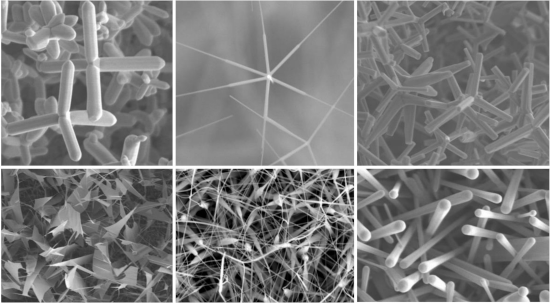
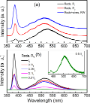
- Institute of Research and Development, Duy Tan University, Da Nang 550000, Vietnam Faculty of Environmental and Natural Sciences, Duy Tan University, Da Nang 550000, Vietnam 10.3762/bjnano.15.112 Abstract This work presents a simple chemical vapour deposition (CVD) method to grow ZnO nanostructures. By
- results prove that ZnO exhibits many novel nanostructures that can foster the development of next-generation optoelectronic nanodevices and new applications in biological and biomedical fields. Keywords: chemical vapour deposition; electron microscopy; Raman and photoluminescent spectra; ZnO
- ordering can also be established in ZnO lattices upon doping with transition-metal and/or rare-earth elements (known as magnetic semiconductors, DMSs). This is expected to enable the development of next-generation spintronic devices [14] applicable to quantum and neuromorphic computing for artificial



A biomimetic approach towards a universal slippery liquid infused surface coating
Beilstein J. Nanotechnol. 2024, 15, 1376–1389, doi:10.3762/bjnano.15.111
- immediately prior to use. Contact angle measurements during the development of SLIPS coatings. Plot of the static water contact angles for each layer of the coating across the three substrates. Black squares represent COC, yellow circles show Si, and green triangles denote SS. Points are reported as the mean




Green synthesis of carbon dot structures from Rheum Ribes and Schottky diode fabrication
Beilstein J. Nanotechnol. 2024, 15, 1369–1375, doi:10.3762/bjnano.15.110
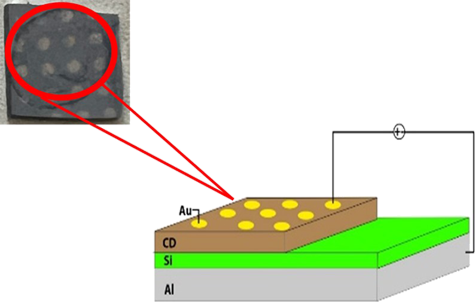
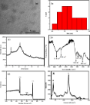
- are quite limited in the literature, which shows the importance of conducting this study. Hence, this study is to discuss the usability of CDs in a diode structure and does not focus on the development of device parameters in the literature. The results obtained from this study are important in terms




Investigation of Hf/Ti bilayers for the development of transition-edge sensor microcalorimeters
Beilstein J. Nanotechnol. 2024, 15, 1353–1361, doi:10.3762/bjnano.15.108

- of Hf is lower than that of Ti, another widely used TES material. This means that the same amount of energy will give a higher temperature change in hafnium than in titanium-based TES. The listed points make hafnium a promising material for TES development. In this work, Hf/Ti bilayer bridges of
- compared to the full-size films. This is because at the edges of the structure, the film thickness may differ from that at the center. Smooth edges are also necessary for good contact with subsequent layers. For this reason, special attention is paid to the development of technology for creating structures
- would lead to an even larger increase of δE with volume. Conclusion Bridges made of bilayers of hafnium with a thin top layer of titanium were fabricated and measured. The formation of such bridges by a photolithographic lift-off process is the next step in the development of TES microcalorimeters after


Hymenoptera and biomimetic surfaces: insights and innovations
Beilstein J. Nanotechnol. 2024, 15, 1333–1352, doi:10.3762/bjnano.15.107
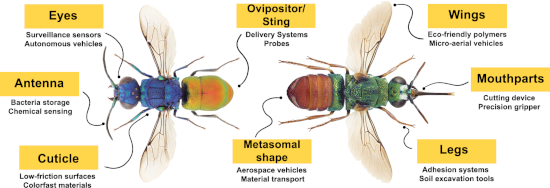
- of some species reduce friction and wear, inspiring the development of low-friction materials and coatings. By mimicking these natural textures, it is possible to create synthetic materials that exhibit similar friction-reducing properties, leading to significant advancements in mechanical efficiency
- modulus [61]. Understanding the mechanical properties and composition of leafcutter ant mandibles could offer valuable insights into biomimetic design principles, potentially inspiring the development of innovative tools and instruments with enhanced performance and adaptability for various applications
- sizes using different regions of the mandible [70]. This ingenious natural design could inspire the development of multifunctional robotic grippers, offering improved stability and adaptability in handling diverse objects [70]. The specialized mandibular morphology and task-specific bite mechanics






Nanoarchitectonics with cetrimonium bromide on metal nanoparticles for linker-free detection of toxic metal ions and catalytic degradation of 4-nitrophenol
Beilstein J. Nanotechnol. 2024, 15, 1312–1332, doi:10.3762/bjnano.15.106
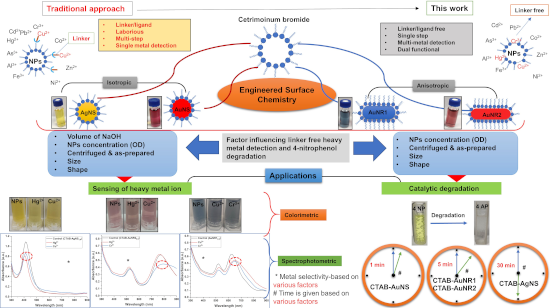
- degradation, requiring additional surface modifications using linker molecules, thereby increasing process complexity and cost. To overcome these limitations, there is a critical need for the development of an easy-to-use, dual-functional, linker-free nanosystem capable of simultaneous detection of heavy




Interaction of graphene oxide with tannic acid: computational modeling and toxicity mitigation in C. elegans
Beilstein J. Nanotechnol. 2024, 15, 1297–1311, doi:10.3762/bjnano.15.105
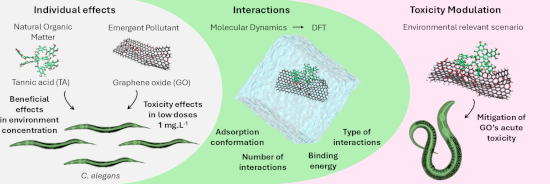
- toxicity and highlight the potential of tannic acid for the synthesis and surface functionalization of graphene-based nanomaterials, offering insights into safer nanotechnology development. Keywords: biodistribution; density functional theory; ecotoxicity; molecular dynamics; surface interactions
- to GO causes significant damage to intestinal microvilli cells . Furthermore, Dou et al. [53] showed that GO triggers cell autophagy as a protective response to the material. Apoptosis was observed in germline cells, indicating that GO can damage gonad development and reduce the reproduction rate of
- contained ≈20 young adult C. elegans, that is worms between the stages L2 and L3 of development, approximately 30 h of age, obtained through the synchronization procedure described in [14][84]. The worms were exposed to GO at final concentrations of 0.0001, 0.001, 0.01, 0.1, 1.0, 5.0, and 10 mg·L−1 in EPA


Mn-doped ZnO nanopowders prepared by sol–gel and microwave-assisted sol–gel methods and their photocatalytic properties
Beilstein J. Nanotechnol. 2024, 15, 1283–1296, doi:10.3762/bjnano.15.104
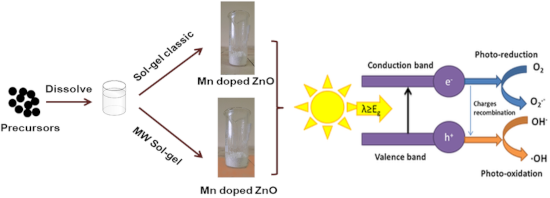
- semiconductor with many versatile and attractive applications in optical, optoelectronic, and photocatalytic fields [35][36][37]. The doping of ZnO with Mn can lead to the development of multifunctional nanostructures, such as room-temperature ferromagnetic materials with potential applications in spintronics


New design of operational MEMS bridges for measurements of properties of FEBID-based nanostructures
Beilstein J. Nanotechnol. 2024, 15, 1273–1282, doi:10.3762/bjnano.15.103
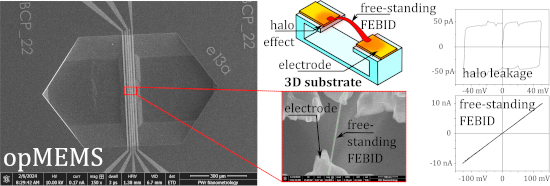
- Photonics, Łukasiewicz Research Network, Lotników 32/46, 02-668, Warsaw, Poland 10.3762/bjnano.15.103 Abstract Focused electron beam-induced deposition (FEBID) is a novel technique for the development of multimaterial nanostructures. More importantly, it is applicable to the fabrication of free-standing
- implantation can occur [45][48], leading to the development of a strained layer. All in all, FIB straining becomes an indispensable tool in the case of opMEMS. The Helios NanoLab 600i was supplemented with additional measuring equipment. A sample connector was placed inside the vacuum chamber. Coaxially


The role of a tantalum interlayer in enhancing the properties of Fe3O4 thin films
Beilstein J. Nanotechnol. 2024, 15, 1253–1259, doi:10.3762/bjnano.15.101

- indicates the potential to facilitate the development of novel magnetic and spintronic architectures. Results and Discussion AFM and line-cut method were used to examine the surface morphology and grain sizes of the Fe3O4 films that were formed on SiO2/Si(100), MgO(100), and MgO/Ta/SiO2/Si(100) multilayer


Dual-functionalized architecture enables stable and tumor cell-specific SiO2NPs in complex biological fluids
Beilstein J. Nanotechnol. 2024, 15, 1238–1252, doi:10.3762/bjnano.15.100
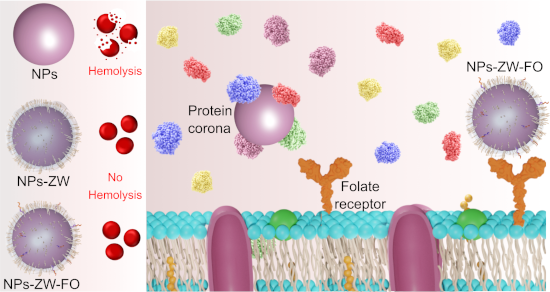
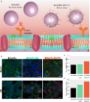
- nanoparticles are not hemolytic. Remarkably, the functionalized SiO2NPs are more internalized by tumor cells than their healthy counterparts. Investigations of this nature play a crucial role in garnering results with greater reliability, allowing the development of nanoparticle-based pharmaceutical drugs that
- . One-way and two-way analysis of variance (ANOVA) and Tukey’s test were used to compare three or more parametric data. Differences were considered significant when p < 0.05. All statistical calculations were carried out using the R program version 3.6.2 (R Development Core Team, 2019). Results and


Realizing active targeting in cancer nanomedicine with ultrasmall nanoparticles
Beilstein J. Nanotechnol. 2024, 15, 1208–1226, doi:10.3762/bjnano.15.98
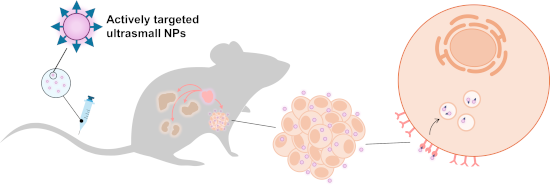
- with AuNC-DOX-cRGD-AS1411. 5.6 Chemokine receptor ligands/chemokine receptors Recently, Zhao et al. reported the development of a chemokine receptor 2 (CCR2)-targeted and renal clearable radiolabeled gold nanocluster, 64Cu-AuNCs-ECL1i, for triple negative breast cancer (TNBC) PET imaging [135] (Figure
- signaling axis plays a crucial role in cancer development by facilitating the proliferation and invasion of tumor cells and recruiting immunosuppressive cells, thus representing a significant opportunity for targeted therapy [160]. Results from a mouse model of TNBC showed improved tumor uptake of 64Cu
- ][168]. The prevalence of silica-based NPs in these trials is justified by their FDA approval as an investigational new drug for oncologic applications since 2011. Table 3 lists the usNPs in clinical development, as found on the website https://ClinicalTrials.gov. Conclusion Ultrasmall NPs represent a


A low-kiloelectronvolt focused ion beam strategy for processing low-thermal-conductance materials with nanoampere currents
Beilstein J. Nanotechnol. 2024, 15, 1197–1207, doi:10.3762/bjnano.15.97

- community. This is partly due to the increased use of FIB-SEMs in biology as well as the development of complex materials, such as polymers, which need to be analyzed. The work presented here looks at the physics behind the ion beam–sample interactions and the effect of the incident ion energy (set by the