Search results
Search for "drug delivery" in Full Text gives 371 result(s) in Beilstein Journal of Nanotechnology. Showing first 200.
Self-assembly of amino acids toward functional biomaterials
Beilstein J. Nanotechnol. 2021, 12, 1140–1150, doi:10.3762/bjnano.12.85
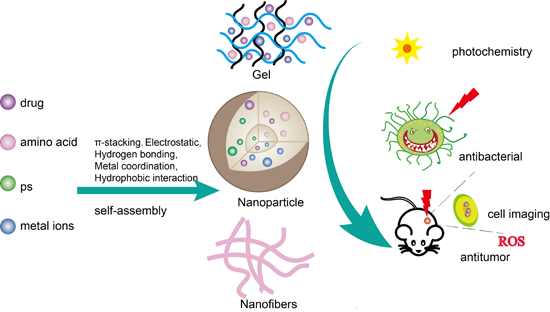
- biomaterials; intermolecular interactions; self-assembly; Review Introduction Biomaterials play a crucial role in the treatment of diseases and health care and have been widely used in prostheses and drug delivery devices [1]. Clinical applications of biomaterials include the use of metals, ceramics, and
- in vivo [28] compared with the self-assembly of large molecules, such as proteins and peptides. Importantly, amino acids or amino acid derivatives may be self-assembled with other components to form functional architectures, such as drug delivery systems, light collection systems, and imaging systems
- physical and chemical properties, and great potential in cell culture, photocatalysis, drug delivery, and antibacterial applications [27]. The Fmoc modification of a single amino acid is the simplest building block, among which Fmoc-phenylalanine is the most studied due to its good hydrocoagulant

pH-driven enhancement of anti-tubercular drug loading on iron oxide nanoparticles for drug delivery in macrophages
Beilstein J. Nanotechnol. 2021, 12, 1127–1139, doi:10.3762/bjnano.12.84
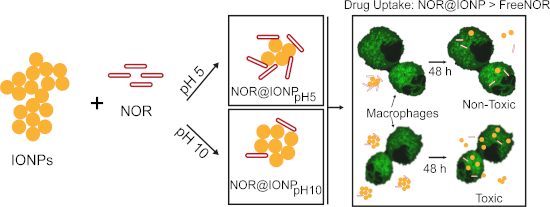
- deployment in drug delivery is contingent upon controlled drug loading and a desired release profile, with simultaneous biocompatibility and cellular targeting. Iron oxide nanoparticles (IONPs), being biocompatible, are used as drug carriers. However, to prevent aggregation of bare IONPs, they are coated
- the center-stage in drug delivery applications, wherein they can improve drug pharmacokinetics and pharmacodynamics and may also increase drug accumulation in both animal cells and bacteria, proving beneficial to overcome drug resistance [1][2]. Iron oxide nanoparticles (IONPs), due to their
- biocompatibility and magnetic properties, have found applications in drug delivery, magnetic resonance imaging and treatment of iron deficiencies [3][4][5][6]. The property of hyperthermia has been found to be beneficial in localized drug release, particularly in cancer therapy [7]. In anti-cancer therapy, IONPs



Use of nanosystems to improve the anticancer effects of curcumin
Beilstein J. Nanotechnol. 2021, 12, 1047–1062, doi:10.3762/bjnano.12.78
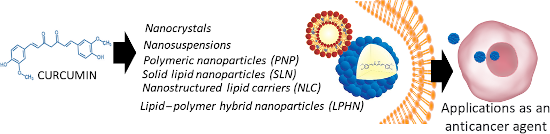
- materials for nanomedical applications. Imaging-guided drug delivery of CUR-based nanosystems may also directly target specific cells, thereby increasing the therapeutic and chemopreventive efficacy of this versatile compound. Keywords: nanocarrier; nanoformulations; nanosized delivery systems; phenolic
- improved pharmacokinetics. Their hydrophobicity makes them promising to achieve controlled release and targeted drug delivery to the mononuclear phagocyte system [65]. Effects on the stability of SLN have been reported during storage, mostly due to loss of the solid crystalline structure, which can cause
- of nanosystems, precise drug delivery, and sustained release support their recommendation to be used as a drug delivery mechanism to induce apoptosis due to hyperthermia (41.85 °C) [136] and higher drug concentration at the target site [138]. Photodynamic nanosystems. Photodynamic therapy is based on


An overview of microneedle applications, materials, and fabrication methods
Beilstein J. Nanotechnol. 2021, 12, 1034–1046, doi:10.3762/bjnano.12.77
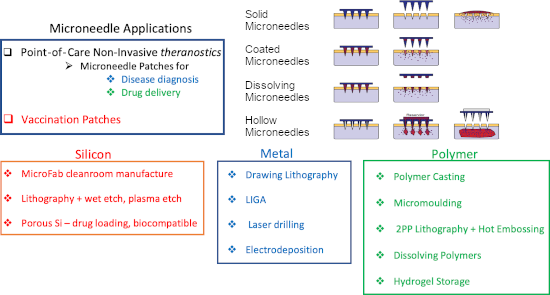
- expand the scope for delivery of vaccines and therapeutic agents through the skin and withdrawing biofluids for point-of-care diagnostics – so-called theranostics. Unskilled and painless applications of microneedle patches for blood collection or drug delivery are two of the advantages of microneedle
- arrays over hypodermic needles. Developing the necessary microneedle fabrication processes has the potential to dramatically impact the health care delivery system by changing the landscape of fluid sampling and subcutaneous drug delivery. Microneedle designs which range from sub-micron to millimetre
- microneedle systems applications, designs, material selection, and manufacturing methods. Keywords: drug delivery; microelectromechanical systems (MEMS); microfabrication; microneedles; point-of-care diagnostics; Introduction The concept of microneedle structures to penetrate painlessly the outermost layer


The role of deep eutectic solvents and carrageenan in synthesizing biocompatible anisotropic metal nanoparticles
Beilstein J. Nanotechnol. 2021, 12, 924–938, doi:10.3762/bjnano.12.69
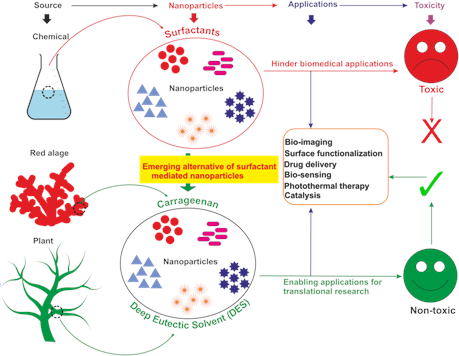
- variations and flexibility of tuning the size and shape of the metal nanoparticles at the nanoscale made them promising candidates for biomedical applications such as therapeutics, diagnostics, and drug delivery. However, safety and risk assessment of the nanomaterials for clinical purposes are yet to be
- , these nanomaterials are far away from a substantial use in biological applications due to toxic capping agents employed during synthesis. Several counterparts such as polymers, lipids, and chitosan-based nanoparticles are extensively explored in drug delivery and therapeutic applications due to their
- the use of carrageenan in nanobiotechnology, indicating that it is a safe approach in synthesizing biocompatible nanomaterials. Carrageenans were either used in synthesis as a capping agent or as functional molecule for nanoparticle stabilization and targeted drug delivery. In contrast, nanomaterials


Comprehensive review on ultrasound-responsive theranostic nanomaterials: mechanisms, structures and medical applications
Beilstein J. Nanotechnol. 2021, 12, 808–862, doi:10.3762/bjnano.12.64
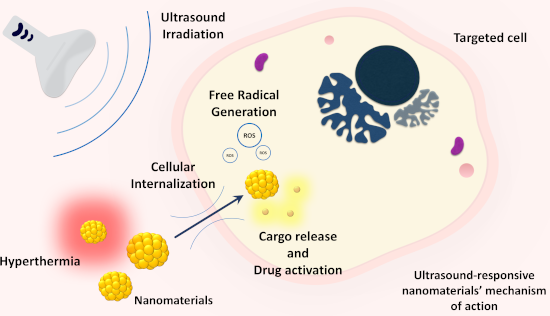
- therapy; sonoporation; theranostics; ultrasound; ultrasound responsive nanomaterials; Review Introduction Smart drug delivery vehicles It is well known that the administration of most anticancer drugs can produce considerable systemic toxicity, which in some cases can be dose-limiting. Whether oral
- efficiency [1]. To overcome the limitations and drawbacks of conventional drugs, such as uncontrolled release and nonspecific biodistribution, drug delivery systems (DDS) such as liposomes, polymeric nanoparticles, or nanoemulsions (NEs) have been extensively explored. However, even conventional DDS often
- therapeutic efficacy, and decrease undesirable systemic side effects [2]. Smart DDS (also known as stimulus-responsive drug delivery platforms) can be traced back to the late 1970s when thermosensitive liposomes were introduced. These liposomes could locally release drugs in response to externally applied


Recent progress in actuation technologies of micro/nanorobots
Beilstein J. Nanotechnol. 2021, 12, 756–765, doi:10.3762/bjnano.12.59
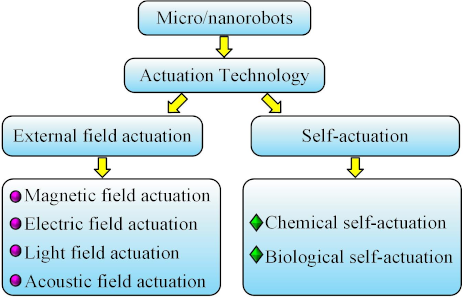
- contrast, micro/nanorobots can operate non-invasively in small, inaccessible spaces and play an important role in biomedicine and other fields, such as targeted drug delivery to treat cancer [1][2][3][4][5][6], nanosurgery [7][8], and environmental treatment [9][10][11]. In 1959, Feynman [12] first
- targeted drug delivery. Li et al. [19] designed a fish-like magnetic actuation micro/nanorobot with a passive gold segment as the head, two active nickel segments as the body, and one passive gold segment as the caudal fin, all connected by a flexible structure of porous silver. The swimming mode of the
- swing and spiral motion. At the same time, by applying a suitable magnetic field, the nanoeel can be accurately guided to a target location for drug release. Under a magnetic field of 10 mT and 7 Hz, drug delivery to cancer cells could be achieved. The efficiency of killing cancer cells is 35% in the


Recent progress in magnetic applications for micro- and nanorobots
Beilstein J. Nanotechnol. 2021, 12, 744–755, doi:10.3762/bjnano.12.58
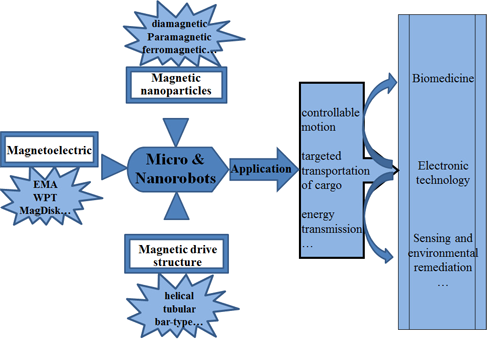
- structure had a higher motion speed and could effectively suppress lateral drifting motion. In addition, MNRs with a hollow tubular structure [29], which could facilitate drug delivery and realize effective treatment of cancer by loading and releasing anticancer drugs, were proposed and fabricated. At the
- properties of magnetic materials for MNRs. Currently, mainly paramagnetic [33] and diamagnetic [34] nanoparticles are used. Next, we will focus on these two classes of materials. Paramagnetic nanoparticles Paramagnetic nanoparticles [35] can be used for drug delivery with MNRs. When exposed to external
- operating frequency range. Targeted treatment and controlled drug delivery with MNRs have been achieved [74][75]. For locomotion and drug delivery, the same external power sources should be chosen, if possible. Chen et al. [76] proposed a hybrid magnetoelectric nanowire for MNR applications, which could use


Fate and transformation of silver nanoparticles in different biological conditions
Beilstein J. Nanotechnol. 2021, 12, 665–679, doi:10.3762/bjnano.12.53
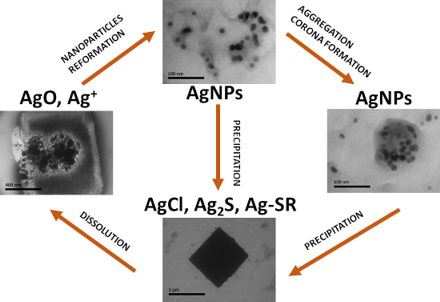
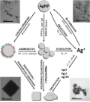
- , which listed more than 100 AgNP-containing food products [4]. The biomedical use of AgNPs represents the largest proportion of the market share [1] encompassing antimicrobial coatings on medical devices (catheters, stents, implants), wound dressings, targeted drug delivery, cancer therapy and




The impact of molecular tumor profiling on the design strategies for targeting myeloid leukemia and EGFR/CD44-positive solid tumors
Beilstein J. Nanotechnol. 2021, 12, 375–401, doi:10.3762/bjnano.12.31
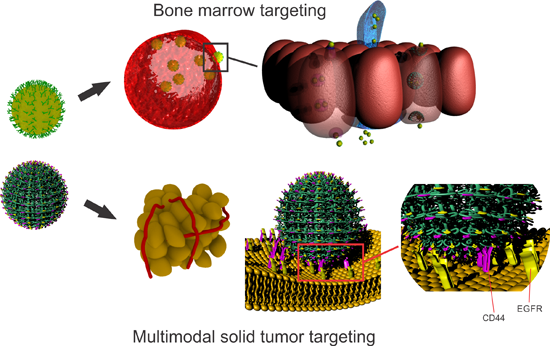
- efficacy of the cancer treatment. This article will focus on novel design strategies for nanoscale drug delivery systems, based on the unique molecular signatures of myeloid leukemia and EGFR/CD44-positive solid tumors, and the impact of novel discoveries in molecular tumor profiles on future
- smart nanoscale drug delivery carriers with increased selectivity and multistage targeting capabilities has emerged. Common cancer signatures and the synthesis of ligands with high avidity for the overexpressed cancer cell receptors are a valuable addition to the general targeting concepts. Important
- of individualized tumor signatures for a personalized therapy against cancers. The greatest interest regarding the development of targeted nanoscale drug delivery systems is related to solid tumors. However, liquid tumor targeting can greatly benefit from the application of nanomedicines during


Doxorubicin-loaded gold nanorods: a multifunctional chemo-photothermal nanoplatform for cancer management
Beilstein J. Nanotechnol. 2021, 12, 295–303, doi:10.3762/bjnano.12.24
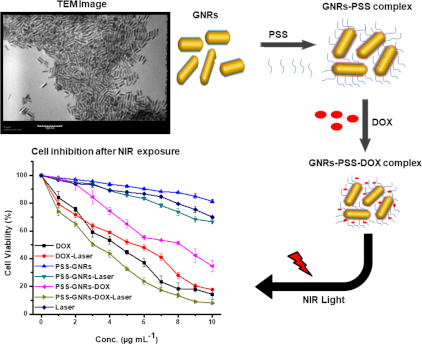
- urgently needed to kill cancerous cells without damaging normal cells or tissues. One approach is to selectively remove cancer cells using the advanced drug delivery systems. These carrier systems hold sufficient amounts of the drug with prolonged circulation time and sustained drug release at the tumor
- control is triggered under local hyperthermic conditions induced by NIR laser irradiation. Heat from the GNR surface not only promotes drug delivery into the tumor, but also increases the drug toxicity to tumor cells by the hyperthermic effect. A significantly higher cell death rate was achieved in the
- -conjugated gold nanorods are highly biocompatible vehicles for sustained drug delivery, reduce cardiotoxicity in vivo, and have high photothermal efficacy [34]. A previous report showed that DOX-loaded tiopronin-coated gold nanoparticles (Au-TIOP-DOX) had a better efficacy in killing cancer cells than free


Characterization, bio-uptake and toxicity of polymer-coated silver nanoparticles and their interaction with human peripheral blood mononuclear cells
Beilstein J. Nanotechnol. 2021, 12, 282–294, doi:10.3762/bjnano.12.23
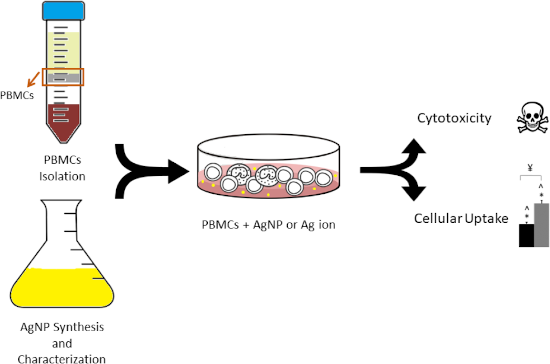
- applications [2]. NPs are present in numerous commercial products such as cosmetics, electronics, and textiles. Also, they are widely used in industry, including various biomedical and drug-delivery applications for the treatment of diseases [3][4][5][6]. Silver nanoparticles (AgNPs) are one of the most

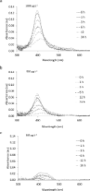


Differences in surface chemistry of iron oxide nanoparticles result in different routes of internalization
Beilstein J. Nanotechnol. 2021, 12, 270–281, doi:10.3762/bjnano.12.22
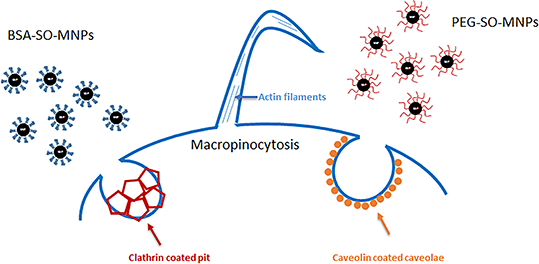
- valuable in vitro model of human alveolar epithelial type-2 cells [21], which are considered as drivers of lung fibrosis [22] and lung tumor development [23]. Inhalation therapy represents a prospective non-invasive curative modality for lung cancer and a therapy for other lung illnesses [24]. Drug
- delivery through the inhalation of nanoparticles is a promising treatment modality against lung cancers conferring high pulmonary drug concentrations while minimizing the side effects [25]. The internalized amount of the tested MNPs in A549 cells in the presence of compounds that inhibit either endocytosis


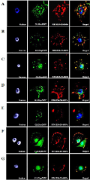

A review on the green and sustainable synthesis of silver nanoparticles and one-dimensional silver nanostructures
Beilstein J. Nanotechnol. 2021, 12, 102–136, doi:10.3762/bjnano.12.9
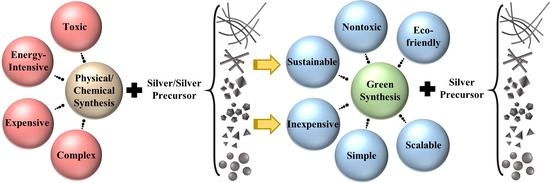
- be seen in the development of antimicrobial agents, biosensors, optics, solar energy, and drug delivery [267][268][269]. 3.2 Fungi-mediated synthesis Fungal species have demonstrated significant potential for the synthesis of AgNPs. Their high binding and bioaccumulation capacity, intracellular
- nanostructures; Review 1 Introduction Nanotechnology has been ubiquitously applied in almost every scientific discipline. Nanomaterials have been utilized in innumerable applications due to their unique characteristics. Novel, successful applications of nanomaterials and nanostructures can be seen in drug
- delivery [1][2][3][4][5][6], nanomedicine [7][8][9][10], food packaging [11][12][13], aseptic procedures [14][15][16], correlative microscopy [17], imaging [18][19][20][21][22], optics [23][24], microelectronics [25][26][27], three dimensional (3D) printing [27][28][29][30][31], renewable energy [32][33


Effect of different silica coatings on the toxicity of upconversion nanoparticles on RAW 264.7 macrophage cells
Beilstein J. Nanotechnol. 2021, 12, 35–48, doi:10.3762/bjnano.12.3
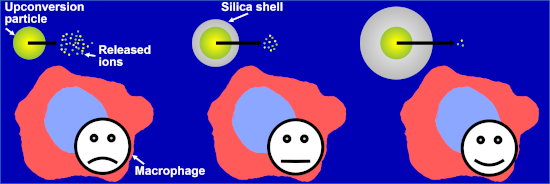
- chemical inertness and relatively low toxicity are also claimed advantages [7][10][11]. Due to these unique features, UCNPs have already been used in medical and biological applications, such as multimodal bioimaging, drug delivery, photodynamic therapy, and biosensing [9][12][13][14][15][16][17]. However


PEG/PEI-functionalized single-walled carbon nanotubes as delivery carriers for doxorubicin: synthesis, characterization, and in vitro evaluation
Beilstein J. Nanotechnol. 2020, 11, 1728–1741, doi:10.3762/bjnano.11.155
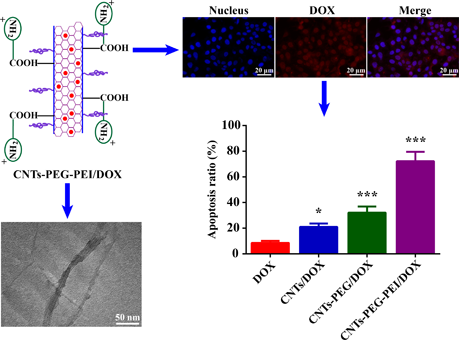
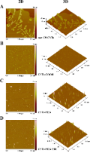
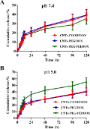
- of Chemistry and Molecular Engineering, Zhengzhou University, Zhengzhou, P. R. China 10.3762/bjnano.11.155 Abstract Single-walled carbon nanotubes (SWCNTs) have attracted great interest regarding drug-delivery applications. However, their application has been limited by some inherent disadvantages
- enhance the dispersion of particles by electrostatic repulsion [25][30]. Cellular entry and uptake of these carriers can be considerably enhanced by cationic modification and passive drug delivery to a tumor site due to high membrane binding avidity can be achieved. In this study, SWCNTs conjugated with
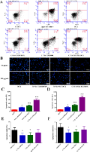
- dissolve the formazan crystals. The absorbance of the final solution was measured at a wavelength of 570 nm using a microplate spectrophotometer (SpectraMax iD5) to calculate the cell viability. Groups without treatment were used as control. Cellular uptake of DOX-loaded nanocarriers The drug delivery in




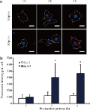
Cardiomyocyte uptake mechanism of a hydroxyapatite nanoparticle mediated gene delivery system
Beilstein J. Nanotechnol. 2020, 11, 1685–1692, doi:10.3762/bjnano.11.150
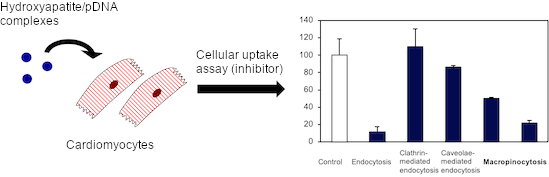
- medical and dental applications, such as dental implants, orthopedics, and drug delivery systems, since it has similar elements found in bone and teeth. In addition, CaP stabilizes the nucleic acid against nuclease degradation, forms ionic interactions with the phosphates of DNA, and its biodegradation is


Oxidation of Au/Ag films by oxygen plasma: phase separation and generation of nanoporosity
Beilstein J. Nanotechnol. 2020, 11, 1608–1614, doi:10.3762/bjnano.11.143
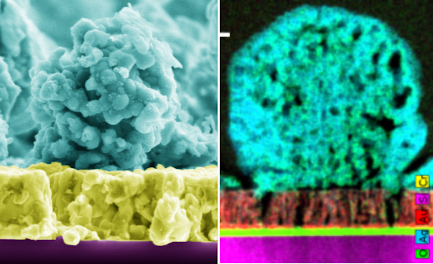
- oxide [1][2]. With the recent advancements in nanotechnology, this unique phenomenon received more attention since it can be used to generate nanoporous materials which are applicable in many areas, including drug delivery, biotechnology and sensor development. The interest in nanoporous materials


Detecting stable adsorbates of (1S)-camphor on Cu(111) with Bayesian optimization
Beilstein J. Nanotechnol. 2020, 11, 1577–1589, doi:10.3762/bjnano.11.140
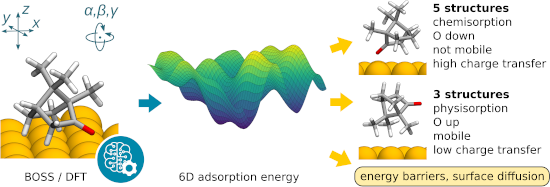
- have been studied extensively for applications in tissue engineering [2] and drug delivery [3]. To optimize the functional properties of these materials, we need detailed knowledge of their atomic structure. Of particular interest is the hybrid interface, which has a central role in defining the


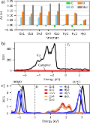
Electrokinetic characterization of synthetic protein nanoparticles
Beilstein J. Nanotechnol. 2020, 11, 1556–1567, doi:10.3762/bjnano.11.138
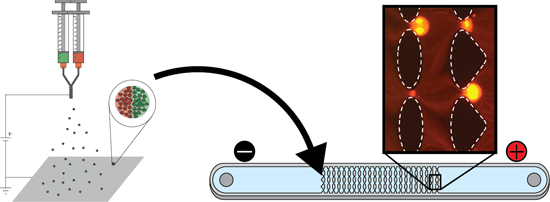
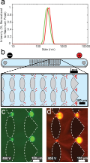
- treatment of a wide variety of diseases. However, the slow progress in the field has resulted in relatively few therapies being translated into the clinic. Anisotropic synthetic protein nanoparticles (ASPNPs) show potential as a next-generation drug-delivery technology, due to their biocompatibility
- ; bicompartmental particles; dielectrophoresis; electrokinetics; electrophoresis; electro-osmosis; microfluidics; protein nanoparticles; Introduction Over the past 30 years, nanoparticles have been developed for a wide variety of scientific applications, ranging from medical imaging to drug delivery and enzyme



Transient coating of γ-Fe2O3 nanoparticles with glutamate for its delivery to and removal from brain nerve terminals
Beilstein J. Nanotechnol. 2020, 11, 1381–1393, doi:10.3762/bjnano.11.122
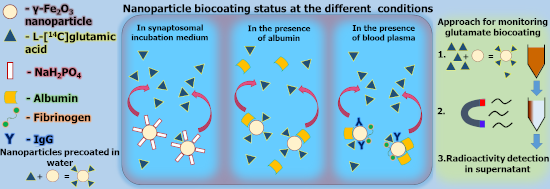
- neurological disorders. Excessive ambient glutamate concentration is a characteristic feature of, among others, stroke, brain trauma, epilepsy, and seizure development. Superparamagnetic γ-Fe2O3 nanoparticles are very promising in targeted drug delivery, cancer therapy, diagnostics, and hyperthermia treatment
- the nanoparticles [26]. Abakumov et al. revealed that nanoparticles coated with bovine serum albumin can be used for glioma visualization and drug delivery of anticancer therapeutics [34]. Analysis of the biocoating formation at the surface of nanoparticles is crucial for understanding the mechanisms


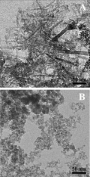
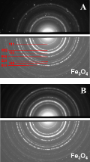
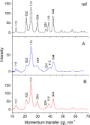
Magnetic-field-assisted synthesis of anisotropic iron oxide particles: Effect of pH
Beilstein J. Nanotechnol. 2020, 11, 1230–1241, doi:10.3762/bjnano.11.107
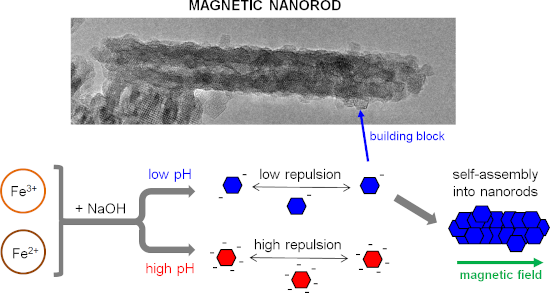
- environmental benigness [4][5][6][7][8]. These nanomaterials can be exploited in a variety of applications, including magnetic data storage [9], magnetic resonance imaging (MRI) [6][10][11][12], hyperthermia [6][13][14][15], magnetic separation [16], targeted drug delivery [6][16][17][18][19], lithium-ion
- cells [16]. Nanorods have been demonstrated to be effective in mechanically triggering tumoral cell death upon the application of low-frequency magnetic fields [24][25], which has not yet been observed in their spherical counterparts. In drug delivery, the elongated particles demonstrate a stronger






Straightforward synthesis of gold nanoparticles by adding water to an engineered small dendrimer
Beilstein J. Nanotechnol. 2020, 11, 1110–1118, doi:10.3762/bjnano.11.95
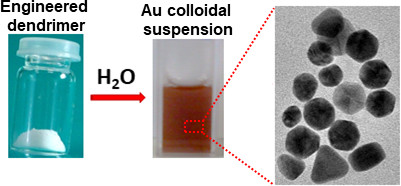
- here at room temperature. Even though a better control of the polydispersity is desirable, other gold nanoparticles of relatively high dispersity have been recently used for drug delivery in three different cell lines [68]. Conclusion In conclusion, we have shown for the first time that a single


Applications of superparamagnetic iron oxide nanoparticles in drug and therapeutic delivery, and biotechnological advancements
Beilstein J. Nanotechnol. 2020, 11, 1092–1109, doi:10.3762/bjnano.11.94
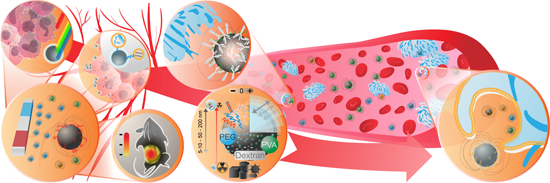
- therapeutic efficacy, and safety studies. Keywords: drug delivery; drug targeting; endocytosis; medical; nanoparticles; superparamagnetic iron oxide nanoparticles (SPIONs); toxicity; Introduction Nanoencapsulation technologies have been researched over the past several decades and have been widely
- microscopy (EM), iron oxide magnetic beads for the separation of cells and molecules, gold and silver nanoparticles as fiducials for EM, for immuno-EM labeling and surface-enhanced Raman spectroscopy, or for gene transfection, liposomes for drug delivery, and gadolinium or iron oxide nanoparticles for
- well. It reduces the hyperthermia capabilities of nanoparticles because it lowers the magnetic saturation and it can also alter the stability of the nanoparticles [79]. For drug delivery the surface functionalization is critical. Studies have shown that covalent binding of drugs can enable slow drug


A few-layer graphene/chlorin e6 hybrid nanomaterial and its application in photodynamic therapy against Candida albicans
Beilstein J. Nanotechnol. 2020, 11, 1054–1061, doi:10.3762/bjnano.11.90
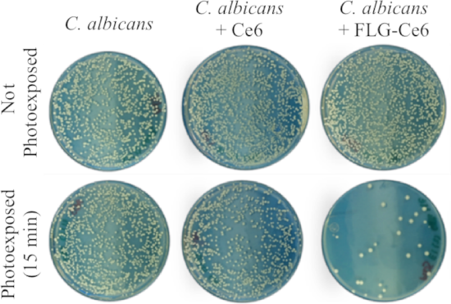
- biological applications, such as biosensors, protein detection, bioimaging and drug delivery [17][18]. In recent years, graphene nanoparticles have been used in many different applications ranging from enhanced spectroscopy techniques, coatings, polymeric composites, sensors, drug delivery systems and others