


Search results
Search for "photocatalytic" in Full Text gives 213 result(s) in Beilstein Journal of Nanotechnology. Showing first 200.
Sb2S3 grown by ultrasonic spray pyrolysis and its application in a hybrid solar cell
Beilstein J. Nanotechnol. 2016, 7, 1662–1673, doi:10.3762/bjnano.7.158
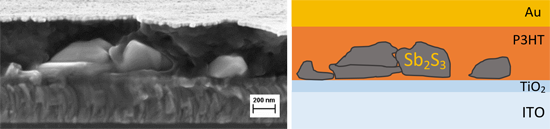
- near the TiO2/P3HT interface [61], adsorbed oxygen released during light soaking from TiO2 and photocatalytic effects due to the presence of TiO2 [40][52][61]. An SEM image of the cross-section of the glass/ITO/TiO2/Sb2S3 structure, of the glass/ITO/TiO2/Sb2S3/P3HT/Au structure, and a sketch of the




Hydrophilic silver nanoparticles with tunable optical properties: application for the detection of heavy metals in water
Beilstein J. Nanotechnol. 2016, 7, 1654–1661, doi:10.3762/bjnano.7.157
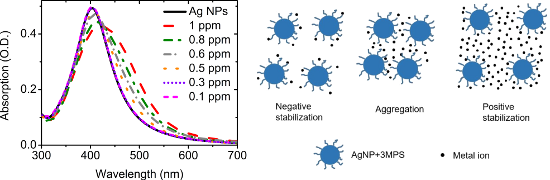
- become very popular in the last years in many fields because of their unique electronic, optical, magnetic and photocatalytic properties and for their large surface-to-volume ratio, which allows very good interaction with the external environment [1][2][3][4][5][6]. These properties can be exploited in


High performance Ce-doped ZnO nanorods for sunlight-driven photocatalysis
Beilstein J. Nanotechnol. 2016, 7, 1338–1349, doi:10.3762/bjnano.7.125
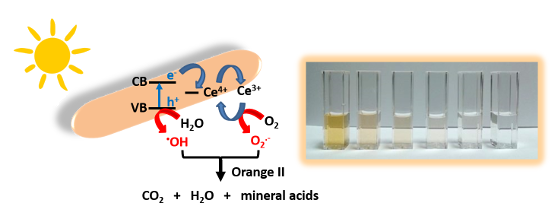
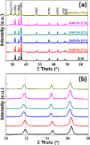
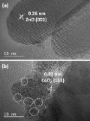
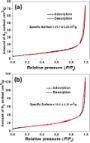
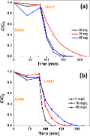
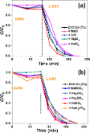
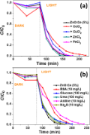
- by XRD, SEM, TEM, XPS, BET, DRS and Raman spectroscopy. 5% Ce-doped ZnO rods with an average length of 130 nm and a diameter of 23 nm exhibit the highest photocatalytic activity for the degradation of the Orange II dye under solar light irradiation. The high photocatalytic activity is ascribed to the
- no marked detrimental effect on the photocatalytic activity was observed. Finally, recyclability experiments demonstrate that ZnO:Ce rods are a stable solar-light photocatalyst. Keywords: Ce doping; photocatalysis; solvothermal synthesis; ZnO rods; Introduction Due to the increasing pollution of
- = 3.37 eV at room temperature) and can only be activated by UV light with a wavelength equal or lower than 385 nm to trigger the e−/h+ separation. Second, ZnO suffers from a low photocatalytic efficiency due to the easy recombination of the photogenerated e−/h+ pairs, which limits the diffusion of charge







Manufacturing and investigation of physical properties of polyacrylonitrile nanofibre composites with SiO2, TiO2 and Bi2O3 nanoparticles
Beilstein J. Nanotechnol. 2016, 7, 1141–1155, doi:10.3762/bjnano.7.106
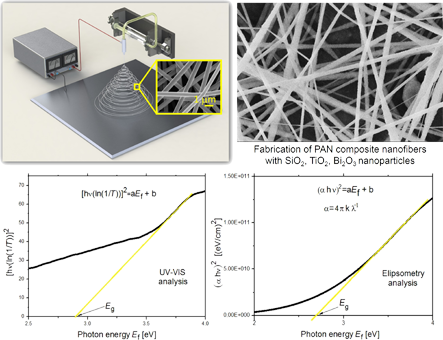
- batteries [21][22][23][24]. Studies on nanofibre composite mats of PAN/TiO2 have shown large photocatalytic efficiency under ultraviolet light and the potential use of these mats as catalyst in the decomposition of phenol, airborne aromatic compounds and methylene blue [25][26][27][28]. However, PAN/Bi2O3
- mentioned that the authors made an attempt to manufacture and investigate the properties of the PAN nanofibres reinforced with bismuth oxide nanoparticles, about which there is no literature data. Because of the good photocatalytic properties of Bi2O3 nanoparticles, nanofibres of PAN/Bi2O3 may be a more



Fast diffusion of silver in TiO2 nanotube arrays
Beilstein J. Nanotechnol. 2016, 7, 1129–1140, doi:10.3762/bjnano.7.105
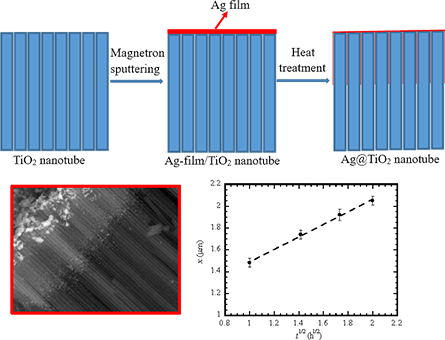
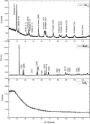
- migration of atoms (dopants), which determine the functionality of TiO2-based materials. Although recent success in improving the photocatalytic activity and energy storage of Li ions in TiO2-based materials has been reported [26][27][28][29], the understanding of the migration of atoms (dopants) in TiO2


Selective photocatalytic reduction of CO2 to methanol in CuO-loaded NaTaO3 nanocubes in isopropanol
Beilstein J. Nanotechnol. 2016, 7, 776–783, doi:10.3762/bjnano.7.69
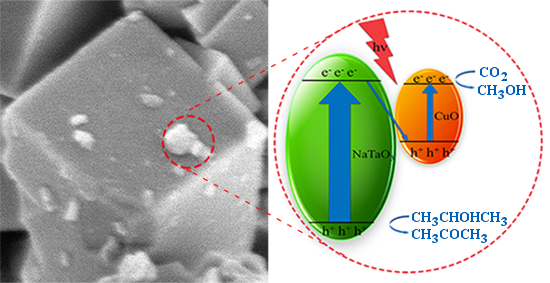
- can be solved simultaneously [3][4][5][6][7]. For this purpose, the photocatalytic conversion of CO2 to fuel is particularly emphasized. In 1979, Inoue et al. [8] first reported the photocatalytic reduction of CO2 in aqueous solution using several semiconductor materials (WO3, TiO2, ZnO, CdS, GaP and
- efficiently split water. In the 21st century, the study of Ta catalysts for the reduction of CO2 began. Kentaro Teramura et al. [15] prepared ATaO3 (A = Li, Na, K) compounds using a solid state reaction (SSR) method to reduce CO2 in the presence of H2. The only product was CO and the order of photocatalytic
- activity. Jeffrey C. S. Wu et al. [18] prepared NiO-loaded InTaO4 photocatalysts by a sol–gel method and carried out the photocatalytic reduction of CO2 in a self-made optical fiber reactor filled with 0.2 mol/L NaOH solution. The formation rate of methanol was 11.1 μmol/(g·h) under halogen lamp


Hierarchical coassembly of DNA–triptycene hybrid molecular building blocks and zinc protoporphyrin IX
Beilstein J. Nanotechnol. 2016, 7, 697–707, doi:10.3762/bjnano.7.62
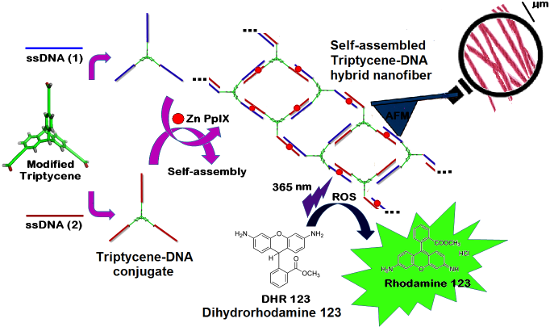
- block of the nanofibers. A notable change in photocatalytic efficiency of Zn PpIX was observed when it was inside the TPA–DNA scaffold. The significant increase in ROS generation by Zn PpIX when trapped in this biocompatible DNA–TPA hybrid nanofiber may be an effective tool to explore photodynamic
- therapy (PDT) applications as well as photocatalytic reactions. Keywords: DNA nanostructure; DNA–organic hybrid; DNA self-assembly; 2,6,14-triptycenetripropiolic acid; zinc protoporphyrin IX; Introduction Hybrid nanomaterials resulting from the covalent conjugation of DNA with organic molecules [1][2][3
- . We also report excellent photocatalytic activity of these composite nanostructures wherein the oxidation of dihydrorhodamine 123 (DHR 123) into rhodamine 123 (R 123) under UV irradiation has been studied in aqueous environment. Furthermore, these composites exhibit higher catalytic activity with


Unraveling the neurotoxicity of titanium dioxide nanoparticles: focusing on molecular mechanisms
Beilstein J. Nanotechnol. 2016, 7, 645–654, doi:10.3762/bjnano.7.57
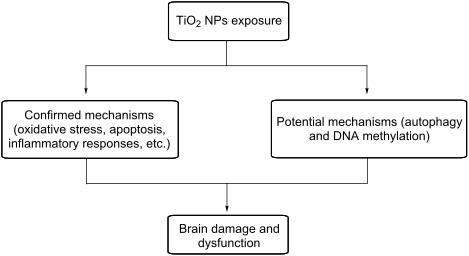
- characteristics [1] including antibacterial, ultraviolet-absorbing, photocatalytic, and self-cleaning properties [2]. Thus, TiO2 NPs are widely used in cosmetics, sun screens, ceramics, paints, packaging, lithium batteries, the food industry, and in medical applications [3]. However, the rapid development of
Impact of ultrasonic dispersion on the photocatalytic activity of titania aggregates
Beilstein J. Nanotechnol. 2015, 6, 2423–2430, doi:10.3762/bjnano.6.250
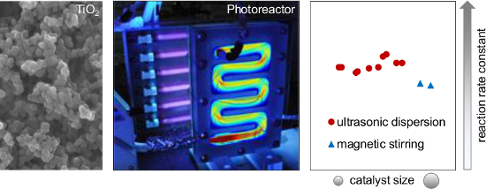
- effectiveness of photocatalytic materials increases with the specific surface area, thus nanoscale photocatalyst particles are preferred. However, such nanomaterials are frequently found in an aggregated state, which may reduce the photocatalytic activity due to internal obscuration and the extended diffusion
- path of the molecules to be treated. This paper investigates the effect of aggregate size on the photocatalytic activity of pyrogenic titania (Aeroxide® P25, Evonik), which is widely used in fundamental photocatalysis research. Well-defined and reproducible aggregate sizes were achieved by ultrasonic
- dispersion. The photocatalytic activity was examined by the color removal of methylene blue (MB) with a laboratory-scale setup based on a plug flow reactor (PFR) and planar UV illumination. The process parameters such as flow regime, optical path length and UV intensity are well-defined and can be varied


Electrochemical coating of dental implants with anodic porous titania for enhanced osteointegration
Beilstein J. Nanotechnol. 2015, 6, 2183–2192, doi:10.3762/bjnano.6.224
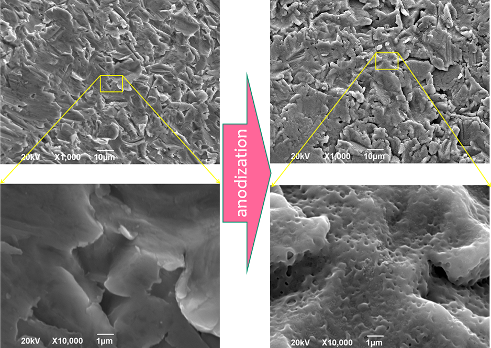
- , following the success of nanostructured anodic porous alumina, anodic porous titania has also attracted the interest of academic researchers. This material, investigated mainly for its photocatalytic properties and for applications in solar cells, is usually obtained from the anodization of ultrapure


A single-source precursor route to anisotropic halogen-doped zinc oxide particles as a promising candidate for new transparent conducting oxide materials
Beilstein J. Nanotechnol. 2015, 6, 2161–2172, doi:10.3762/bjnano.6.222
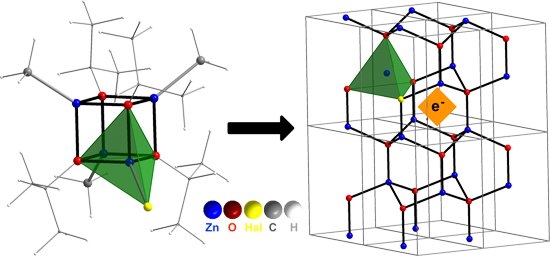
- indispensable constituents in important technological devices such as flat panel displays, touch screens, solar cells and photocatalytic systems [1][2][3][4]. Among the different materials used for this purpose [5] such as carbon nanostructures [6][7][8], silver nanowires [9][10] or conducting polymers [11



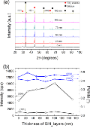
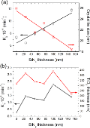
Effect of SiNx diffusion barrier thickness on the structural properties and photocatalytic activity of TiO2 films obtained by sol–gel dip coating and reactive magnetron sputtering
Beilstein J. Nanotechnol. 2015, 6, 2039–2045, doi:10.3762/bjnano.6.207
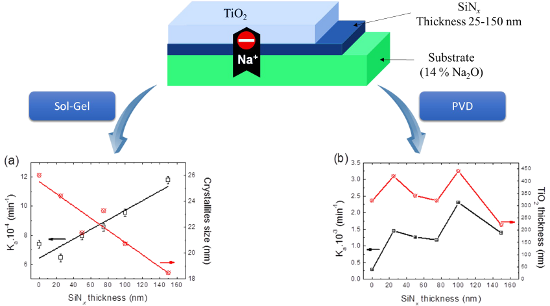
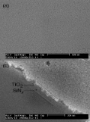
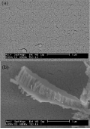
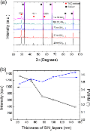
- effect of the thickness of the silicon nitride (SiNx) diffusion barrier on the structural and photocatalytic efficiency of TiO2 films obtained with different processes. We show that the structural and photocatalytic efficiency of TiO2 films produced using soft chemistry (sol–gel) and physical methods
- showed no dependence on the thickness of the SiNx barrier diffusion. The SiNx barrier diffusion showed a beneficial effect on the photocatalytic efficiency of TiO2 films regardless of the synthesis method used. The proposed mechanism leading to the improvement in the photocatalytic efficiency of the TiO2
- required in order to obtain the photoactive anatase phase. However, Na+ ions have a detrimental effect on the photocatalytic efficiency of TiO2 [3][4][7]. The poisoning effect of the Na+ ions on the photocatalytic activity occurs in different ways and depends on their concentration, for example: (a) Na
Temperature-dependent breakdown of hydrogen peroxide-treated ZnO and TiO2 nanoparticle agglomerates
Beilstein J. Nanotechnol. 2015, 6, 1897–1903, doi:10.3762/bjnano.6.193
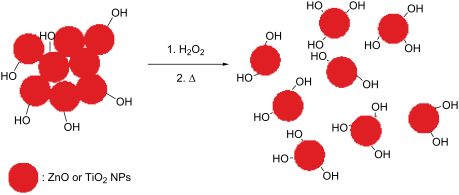
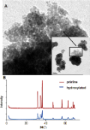
- photocatalytic activity of the NPs [23]. The objective of this study is to disintegrate MONP agglomerates using heat and H2O2 treatment without the use of any additional chemicals. ZnO and TiO2 NPs were chosen due to their widespread use in several industrial applications. The H2O2 treatment not only eliminates




Radiation losses in the microwave Ku band in magneto-electric nanocomposites
Beilstein J. Nanotechnol. 2015, 6, 1700–1707, doi:10.3762/bjnano.6.173
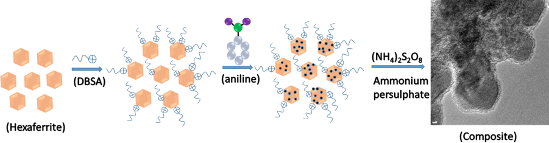
- interesting material with variable properties and a large anisotropy field having a magnetic resonance in the range of 2–52 GHz. Also, at the nano-scale, its optical properties [19], magnetic properties [20][21], piezo-electric properties [22], photocatalytic properties [23], gas-sensing properties [24


High photocatalytic activity of V-doped SrTiO3 porous nanofibers produced from a combined electrospinning and thermal diffusion process
Beilstein J. Nanotechnol. 2015, 6, 1281–1286, doi:10.3762/bjnano.6.132
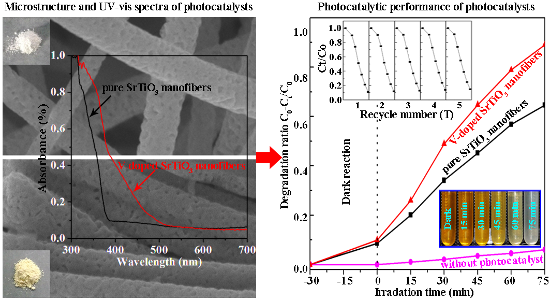
- uniform, porous, fibrous structure, but also that some V5+ ions are introduced into the SrTiO3 lattice. The photocatalytic capability of V-doped SrTiO3 porous nanofibers was evaluated through photodegrading methyl orange (MO) in aqueous solution under artificial UV–vis light. The results indicated that V
- -doped SrTiO3 porous nanofibers have excellent catalytic efficiency. Furthermore, the excellent catalytic activity was maintained even after five cycle tests, indicating that they have outstanding photocatalytic endurance. It is suggested that the excellent photocatalytic performance of doped SrTiO3
- species, such as hydroxyl radicals (·OH) and superoxide anions (O2−). Since Fujishima and Honda first reported photo-electrochemical water splitting using a TiO2 electrode [7], many studies have been carried out on photocatalytic pollutant removal and electronic structures of semiconductors containing d0
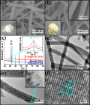


Effects of swift heavy ion irradiation on structural, optical and photocatalytic properties of ZnO–CuO nanocomposites prepared by carbothermal evaporation method
Beilstein J. Nanotechnol. 2015, 6, 928–937, doi:10.3762/bjnano.6.96
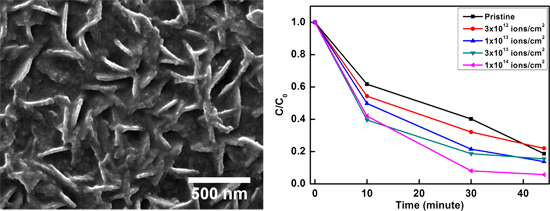
- absorption spectroscopy and Raman spectroscopy. XRD studies showed the presence of ZnO and CuO nanostructures in the nanocomposites. FESEM images revealed the presence of nanosheets and nanorods in the nanocomposites. The photocatalytic activity of ZnO–CuO nanocomposites was evaluated on the basis of
- degradation of methylene blue (MB) and methyl orange (MO) dyes under sun light irradiation and it was observed that swift heavy ion irradiation results in significant enhancement in the photocatalytic efficiency of ZnO–CuO nanocomposites towards degradation of MB and MO dyes. The possible mechanism for the
- enhanced photocatalytic activity of ZnO–CuO nanocomposites is proposed. We attribute the observed enhanced photocatalytic activity of ZnO–CuO nanocomposites to the combined effects of improved sun light utilization and suppression of the recombination of photogenerated charge carriers in ZnO–CuO



Transformation of hydrogen titanate nanoribbons to TiO2 nanoribbons and the influence of the transformation strategies on the photocatalytic performance
Beilstein J. Nanotechnol. 2015, 6, 831–844, doi:10.3762/bjnano.6.86
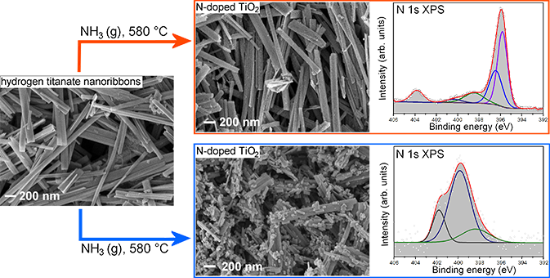
- spectroscopy. According to electron paramagnetic resonance measurements the calcination in the reductive atmosphere also resulted in a partial reduction of Ti4+ to Ti3+. The photocatalytic performance of the derived TiO2 NRs was estimated on the basis of the photocatalytic oxidation of isopropanol. After
- calcinating in air, the photocatalytic performance of the investigated TiO2 NRs increased with an increased content of anatase. In contrast, the photocatalytic performance of the N-doped TiO2 NRs showed no dependence on the calcination temperature. An additional comparison showed that the N-doping
- significantly suppressed the photocatalytic performance of the TiO2 NRs, i.e., by 3 to almost 10 times, in comparison with the TiO2 NRs derived by calcination in air. On the other hand, the photocatalytic performance of the hydrothermally derived TiO2 NRs was additionally improved by a subsequent heat treatment




Morphological and structural characterization of single-crystal ZnO nanorod arrays on flexible and non-flexible substrates
Beilstein J. Nanotechnol. 2015, 6, 720–725, doi:10.3762/bjnano.6.73
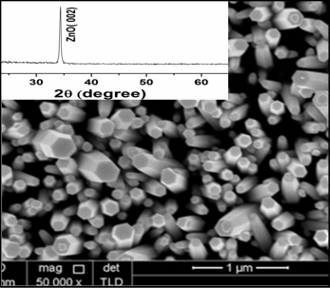
- , and nanoneedles, among many other forms [3][4][5]. However, the majority of the resulting structures are amorphous and require high-temperature heat treatment to induce crystallinity. The need for heat treatment limits their use with temperature-sensitive materials, such polymeric photocatalytic


Tm-doped TiO2 and Tm2Ti2O7 pyrochlore nanoparticles: enhancing the photocatalytic activity of rutile with a pyrochlore phase
Beilstein J. Nanotechnol. 2015, 6, 605–616, doi:10.3762/bjnano.6.62
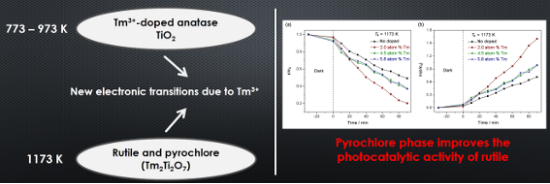
- obtained with a predominant rutile phase. The photodegradation of methylene blue showed that this pyrochlore phase enhanced the photocatalytic activity of the rutile phase. Keywords: nanoparticles; photocatalysis; pyrochlore; titanium dioxide; thulium; Introduction TiO2 is one of the most efficient
- semiconductors used as a photocatalyst for the degradation of organic compounds. This is due to its high chemical and biological stability, low cost, excellent electronic and optical properties, and the strong oxidation capacity of its photogenerated holes [1][2]. Photocatalytic activity depends on several
- [5]. TiO2 doping with metallic elements has also been reported, using for example niobium [6], silver [7] or copper [8] as dopants. Many pyrochlore-type compounds (A2B2O7) have been studied to evaluate their semiconductor properties for photocatalytic applications. For example, it is possible to find


Novel ZnO:Ag nanocomposites induce significant oxidative stress in human fibroblast malignant melanoma (Ht144) cells
Beilstein J. Nanotechnol. 2015, 6, 570–582, doi:10.3762/bjnano.6.59
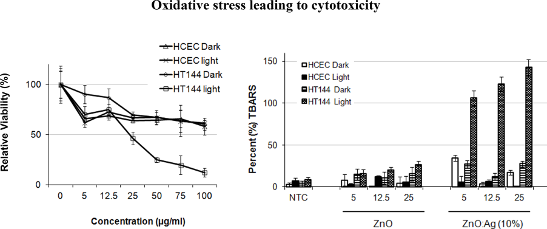
- .6.59 Abstract The use of photoactive nanoparticles (NPs) such as zinc oxide (ZnO) and its nanocomposites has become a promising anticancer strategy. However, ZnO has a low photocatalytic decomposition rate and the incorporation of metal ions such as silver (Ag) improves their activity. Here different
- . The NPs were investigated with regard to their different photocatalytic cytotoxic effects in human malignant melanoma (HT144) and normal (HCEC) cells. The ZnO:Ag nanocomposites killed cancer cells more efficiently than normal cells under daylight exposure. Nanocomposites having higher Ag content (10
- photocatalytic decomposition process is slow and needs to be improved [24]. Therefore, it is interesting to enhance their photocatalytic ability and anticancer activity by forming nanocomposites with other materials, including metal ions such as silver (Ag) or iron (Fe) ions [25]. The ZnO:Ag nanocomposites




Palladium nanoparticles anchored to anatase TiO2 for enhanced surface plasmon resonance-stimulated, visible-light-driven photocatalytic activity
Beilstein J. Nanotechnol. 2015, 6, 428–437, doi:10.3762/bjnano.6.43
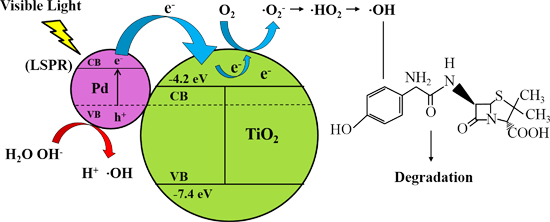
- with controlled Pd NPs size ranging between 17 and 29 nm onto the surface of TiO2. Thus, it gives the characteristic for Pd NPs to absorb light in the visible region obtained through localized surface plasmon resonance (LSPRs). Apparently, the photocatalytic activity of the prepared photocatalysts was
- reusability trend proved the photostability of the prepared photocatalysts. Hence, the study provides a new insight about the modification of TiO2 with noble metals in order to enhance the absorption in the visible-light region for superior photocatalytic performance. Keywords: endocrine disrupting compound
- ; nano photocatalysts; noble metal; photodeposition; sunlight; Introduction Heterogeneous photocatalysts that employ TiO2 as metal oxide photocatalyst have raised the interest of many researchers since the discovery of the photocatalytic splitting of water under UV light irradiation by Fujishima and


Interaction of dermatologically relevant nanoparticles with skin cells and skin
Beilstein J. Nanotechnol. 2014, 5, 2363–2373, doi:10.3762/bjnano.5.245
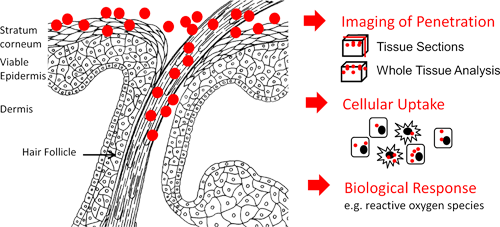
- cause particle disintegration leading to a reduction of the size of the particles with an increased likelihood of penetration [32] or it can trigger photocatalytic processes which cause secondary harm to skin cells [33][34]. Identification of factors which influence cellular uptake In our studies, the


Inorganic Janus particles for biomedical applications
Beilstein J. Nanotechnol. 2014, 5, 2346–2362, doi:10.3762/bjnano.5.244

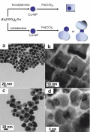
- d) embedding of the final hybrid particle at the interface in a PS-PMMA blend. Reprinted with permission from [34]. Copyright 2013 Elsevier. a) Proposed photocatalytic process for efficient hydrogen generation using the Janus Au@TiO2 nanostructures, based on excitation of the LSPR under visible






Influence of stabilising agents and pH on the size of SnO2 nanoparticles
Beilstein J. Nanotechnol. 2014, 5, 2192–2201, doi:10.3762/bjnano.5.228
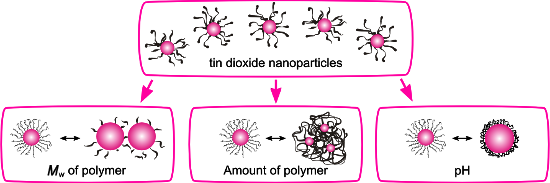
- dioxide; Introduction Tin dioxide is an n-type semiconductor with a band gap width of 3.6 eV. It is characterised by good photocatalytic properties and in its presence, decomposition of an organic dye in the visible range of the electromagnetic spectrum may takes place [1]. Moreover, SnO2 is widely used
- loss of the typical characteristic properties of nanomaterials, for example, the specific sensor or photocatalytic properties. For this reason, colloidal metal oxide nanoparticles (regardless of the synthesis method) require the use of a stabilising agent to fully maintain a high state of dispersion


Nanomanipulation and environmental nanotechnology
Beilstein J. Nanotechnol. 2014, 5, 2079–2080, doi:10.3762/bjnano.5.216

- processes. For example, the photocatalytic degradation of pollutants can be interpreted using density functional theory. On a different scale, AFM measurements in liquid environments can be supported by advanced contact mechanics models including the squeeze-out of wetting fluids. Adhesion of fluorite



