


Search results
Search for "LED" in Full Text gives 775 result(s) in Beilstein Journal of Nanotechnology. Showing first 200.
Modeling a multiple-chain emeraldine gas sensor for NH3 and NO2 detection
Beilstein J. Nanotechnol. 2022, 13, 721–729, doi:10.3762/bjnano.13.64
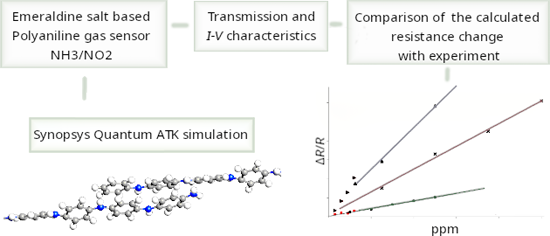
- polyaniline resistance values led to unequal resistance differences. The numerical values for NO2 in Figure 9 have slightly stronger slopes than the linear trend of the experimental data. This effect arises from the limitation of the numerical model as explained above. In the experiment, the PANI sensor was


Reliable fabrication of transparent conducting films by cascade centrifugation and Langmuir–Blodgett deposition of electrochemically exfoliated graphene
Beilstein J. Nanotechnol. 2022, 13, 666–674, doi:10.3762/bjnano.13.58
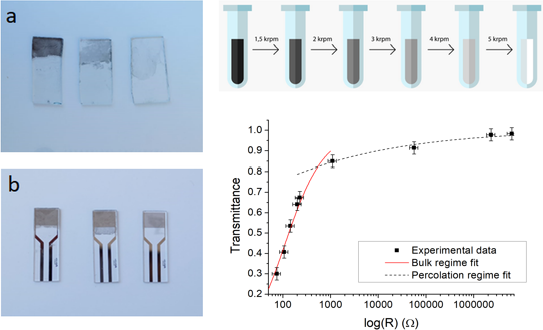
- (DMEU), and ortho-dichlorobenzene (o-DCB) [12][17][18]. Exfoliation in NMP has led to minimally oxidized graphene sheets with approximately 28% monolayer flakes, and more than 75% of sheets with a thickness of less than six layers [12]. An alternative to LPE that has subsequently been developed is


Stimuli-responsive polypeptide nanogels for trypsin inhibition
Beilstein J. Nanotechnol. 2022, 13, 538–548, doi:10.3762/bjnano.13.45
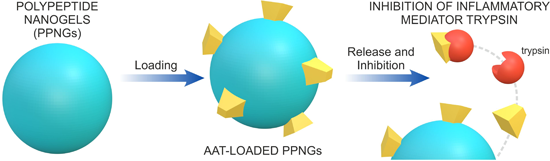
- network due to predominant polymer–medium interactions [27]. The subsequent increase of pH to 7.4 led to the decrease of DH of PHEG-Tyr nanogel to 131 nm driven by stronger polymer–polymer interactions including hydrophobic interactions and hydrogen bonds, leading to a shrinkage of the PHEG-Tyr nanogel


Influence of thickness and morphology of MoS2 on the performance of counter electrodes in dye-sensitized solar cells
Beilstein J. Nanotechnol. 2022, 13, 528–537, doi:10.3762/bjnano.13.44
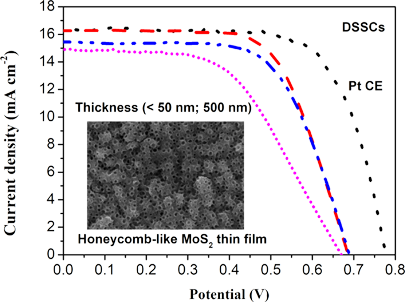
- DSSCs, which has led researchers to explore efficient cathode materials for DSSCs beyond platinum. To date, Pt replacement materials are divided into three categories, namely carbonaceous materials [2][3][4][5], conductive polymers [5], and transition metal compounds [6][7][8]. Transition metal


Zinc oxide nanostructures for fluorescence and Raman signal enhancement: a review
Beilstein J. Nanotechnol. 2022, 13, 472–490, doi:10.3762/bjnano.13.40
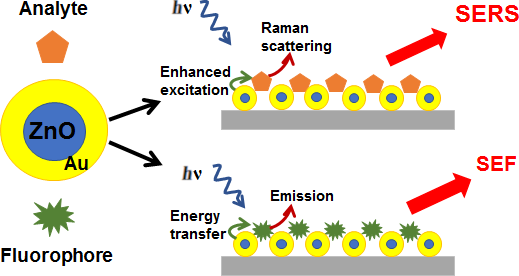
- . With increasing the glycol chain length, the average particle size of ZnO is also increased [27]. Employing ethylene glycol as a polyol led to assembled hollow sphere structures, while diethylene glycol resulted in elliptical nanorod structures [29]. The simplicity and environmentally friendly
- deposition followed by a modified low-temperature solution approach consisted of long ZnO whiskers and numerous stacked ZnO nanoflakes, with plenty of corners and edges where Ag NPs could be deposited. Further hydrogenation was introduced in order to increase the surface area of ZnO nanostructures and led to
- (ZnO) and the metal. [71] showed that ZnO NRs with Ag-based substrates presented an enhancement of the Raman signal by acquiring a charge equilibration between the Fermi level of the metal and the CB of the ZnO. Excitation with visible light led to the following mechanism (Figure 4): The electrons from




Tubular glassy carbon microneedles with fullerene-like tips for biomedical applications
Beilstein J. Nanotechnol. 2022, 13, 455–461, doi:10.3762/bjnano.13.38
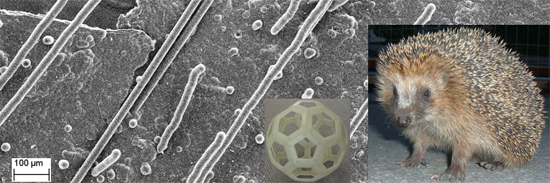
- led to many advanced technological applications [1]. The use of glassy carbon as an electrode material in electrochemistry is probably its best-known application. However, understanding the microstructure of glassy carbon is far from straightforward, therefore, this continues to be an area of active


Micro- and nanotechnology in biomedical engineering for cartilage tissue regeneration in osteoarthritis
Beilstein J. Nanotechnol. 2022, 13, 363–389, doi:10.3762/bjnano.13.31
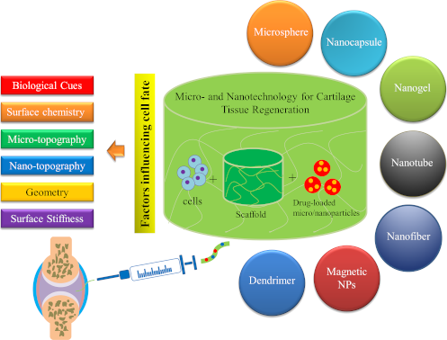
- scaffold led to a decrease in the average fiber diameter, an increase in hydrophilicity and tensile strength, without adversely affecting its porosity percentage and mechanical strength. Moreover, the results showed that the presence of COOH-functionalized MWCNTs as a reinforcement in the scaffold had no
- actuators with tunable linear contractile actuation and cardiac pumping ability (Figure 4). This unique property of CNTs was also used to improve the functions of chondrocytes encapsulated in a polycarbonate urethane nanocomposite in which electrical stimulation led to enhanced cell densities [133]. CNTs
- and increased biocompatibility when human dermal fibroblasts were seeded on the scaffold or encapsulated in the hydrogel. Incorporation of HNTs into alginate hydrogel also yielded enhanced mechanical properties and scaffold density [147]. HNTs led to a decreased water swelling ratio of alginate


Interfacial nanoarchitectonics for ZIF-8 membranes with enhanced gas separation
Beilstein J. Nanotechnol. 2022, 13, 313–324, doi:10.3762/bjnano.13.26
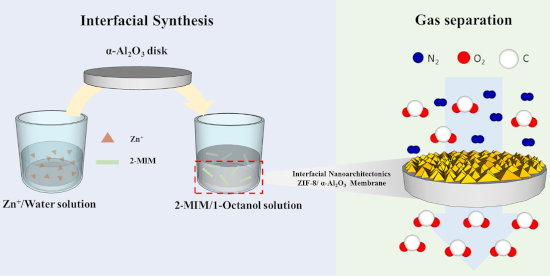
- led to a higher crystallinity structure of ZIF-8, the surface of the membrane synthesized at 120 °C displayed exposed α-Al2O3 particles about 3 μm in length (Figure 3c). The uneven formation of ZIF-8 crystals on the membrane surface can be ascribed to the vapor bubbles from boiling water at 120 °C
- reaction temperature led to higher crystallinity. A further increase of the reaction temperature to 120 °C caused a decrease of the separation factor to 1.77, which was due to the unstable liquid–liquid interface under boiling. In addition, the elevated temperature increased water/1-octanol solubility and


Systematic studies into uniform synthetic protein nanoparticles
Beilstein J. Nanotechnol. 2022, 13, 274–283, doi:10.3762/bjnano.13.22
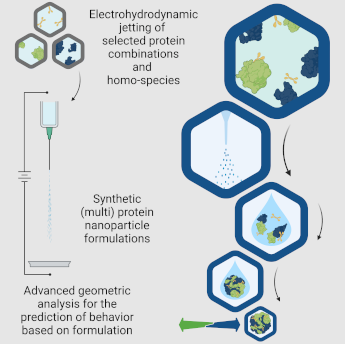
- . Paclitaxel was traditionally formulated through solubilization with harsh solvents, which led to adverse side effects and special administration instrumentation [9]. While AbraxaneTM was first FDA-approved for the treatment of metastatic breast cancer, it has since been investigated for other cancers


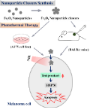
Photothermal ablation of murine melanomas by Fe3O4 nanoparticle clusters
Beilstein J. Nanotechnol. 2022, 13, 255–264, doi:10.3762/bjnano.13.20
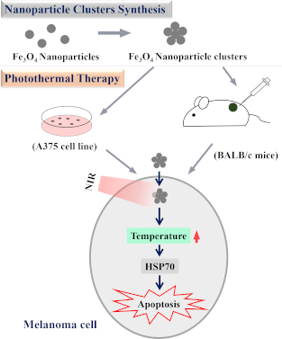
- the photothermal effect was mainly attributed to Fe3O4 NPCs. As expected, stronger power densities led to markedly higher temperatures (Figure 2b). Altogether, our results support a rapid and strong photothermal conversion capacity of Fe3O4 NPCs that carry beneficial potential as photothermal agents
- combination with NIR irradiation, Fe3O4 NPCs led to significant cell death in a dosage-dependent manner, with the efficacious concentrations starting at as low as 0.0625 mg/mL (Figure 3c). The strongest effect was observed for 0.25 mg/mL NPCs, which, when compared to saline-alone control, reduced cell
- line and in vivo research using xenografted BALB/c mice model confirmed these nanoclusters, under NIR irradiation, led to overt cellular apoptosis and halted growth of implanted tumor xenografts at concentrations that did not elicit cytotoxicity when administered alone. Mechanistically, we discovered


Effects of drug concentration and PLGA addition on the properties of electrospun ampicillin trihydrate-loaded PLA nanofibers
Beilstein J. Nanotechnol. 2022, 13, 245–254, doi:10.3762/bjnano.13.19
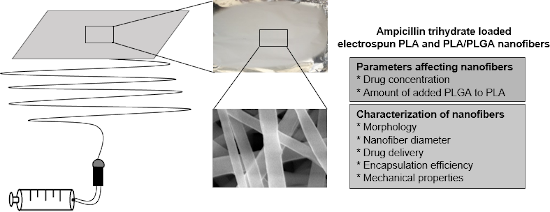
- examine the effects of PLGA addition on PLA nanofibers, PLA/PLGA nanofibers were produced by replacing 20 to 80% of PLA with PLGA in the F2 coded formulation containing 8% of drug. As seen in Table 2, the diameters of the PLA/PLGA nanofibers range from 447 to 820 nm. The addition of PLGA to PLA led to an
- al. stated that combined use of PLA and PLGA, compared to the use of PLA or PLGA alone, improved the mechanical properties and led to the production of more rigid structures with higher tensile strength [7]. In our previous study, the values of the mechanical properties of PLA/PCL nanofibers were
- 4% to 12%) in the PLA nanofiber led to an increase in the nanofiber diameter and resulted in a higher burst effect and faster drug release. F2 coded nanofiber was chosen as the ideal PLA nanofiber with ideal drug concentration (8%) due to its favorable encapsulation efficiency, nanofiber diameter


Engineered titania nanomaterials in advanced clinical applications
Beilstein J. Nanotechnol. 2022, 13, 201–218, doi:10.3762/bjnano.13.15
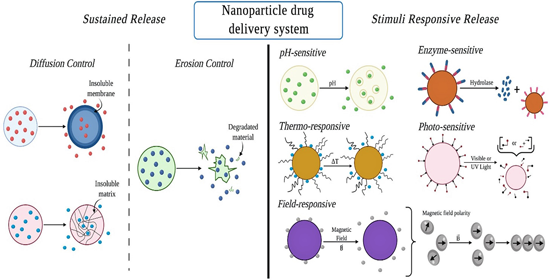
- reported by Rehman [8], who used the photodynamic properties of TiO2 for killing HeLa cancer cells. The hydrophobic nature of photosensitizers commonly used in photodynamic therapy led to selectivity and aggregation issues that jeopardize their effectiveness. Therefore, TiO2 nanoparticles (nps), which
- with antibiotics is widespread. Antibiotics are proven to be highly efficient, but their uncontrolled use has led to the emergence of antibiotic-resistant species that do not respond to any existing drug. Even though new classes of antibiotics are constantly being developed, resistance to any class of
- therapeutic molecules) in the gastrointestinal tract. These inherent limitations led to the development of nanomedicines as potent drug delivery vehicles approved for medicinal use and treatment of life-threatening diseases. Several types of nps, such as liposomal, polymer-based, terpenoid-based, and


A comprehensive review on electrospun nanohybrid membranes for wastewater treatment
Beilstein J. Nanotechnol. 2022, 13, 137–159, doi:10.3762/bjnano.13.10
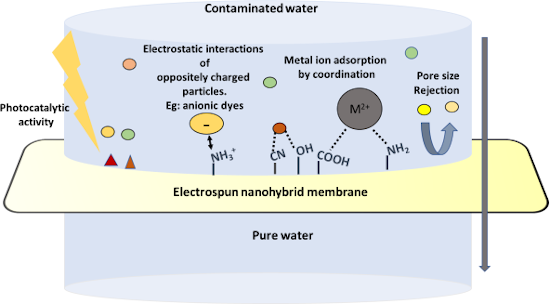
- -workers compared an electrospun PVDF/PMMA MF membrane with a conventionally cast membrane [57]. The electrospun membrane showed higher water permeability and high porosity compared to the cast membrane. Also, the electrospun membrane had a smoother surface, which led to less fouling. Most of the




Bacterial safety study of the production process of hemoglobin-based oxygen carriers
Beilstein J. Nanotechnol. 2022, 13, 114–126, doi:10.3762/bjnano.13.8
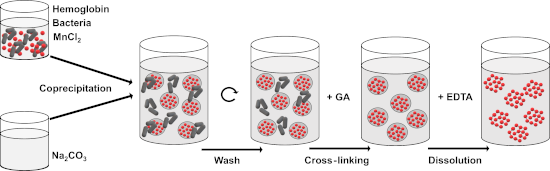
- , the sterility of the final product is not guaranteed. Terminal sterilization of hemoglobin as well as particle suspension with standard methods of heat inactivation, UV-C irradiation, or gamma irradiation all led to a denaturation of the hemoglobin or to an enormous formation of methemoglobin due to
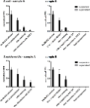
- higher phagocytosis rate of HbMP and led to an increased amount of methemoglobin [51]. Effect of EDTA on bacterial growth E. coli (Figure 4A) and S. epidermidis (Figure 4B) were cultivated in growth medium containing 0.2 M of EDTA at 37 °C. In contrast to the experiments in which glutaraldehyde was added
- , here both bacterial strains showed no growth compared to controls in media without additives. The bacterial growth, as determined by the optical density of the sample, was equivalent to that of the negative control in peracetic acid. The addition of EDTA to the growth medium led to a complete


Tin dioxide nanomaterial-based photocatalysts for nitrogen oxide oxidation: a review
Beilstein J. Nanotechnol. 2022, 13, 96–113, doi:10.3762/bjnano.13.7
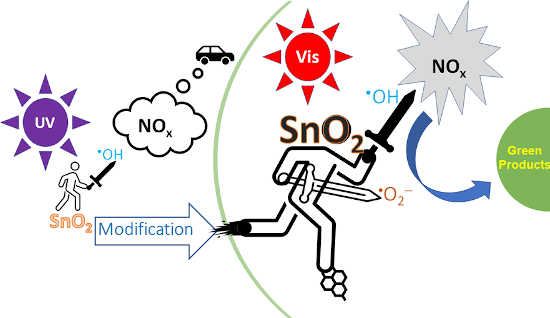
- -19 pandemic in China that led to a reduction of NO2, O3, and PM2.5 concentrations globally, resulting in ca. 32,000 avoided premature mortalities, including ca. 21,000 in China [6]. Therefore, the control, treatment, and conversion of NOx to green products greatly interested the scientific community
- and acetone [75]. The presence of graphene induces the formation of SnO2 and introduces Sn vacancies, which supports the electron transfer from the CB of Zn2SnO4 to oxygen under visible light irradiation (Figure 12). The authors only used a visible light LED with low power (3 W) and obtained a high


Sputtering onto liquids: a critical review
Beilstein J. Nanotechnol. 2022, 13, 10–53, doi:10.3762/bjnano.13.2
- is the important contribution by Huang et al. [96], who proved the autocatalytic nature of NP growth by an easy experimental test. They introduced Ag NPs to a solution containing Ag ions and a reducer. This led to a significant increase in the process rate due to the reduction of Ag ions on the NP






Measurement of polarization effects in dual-phase ceria-based oxygen permeation membranes using Kelvin probe force microscopy
Beilstein J. Nanotechnol. 2021, 12, 1380–1391, doi:10.3762/bjnano.12.102
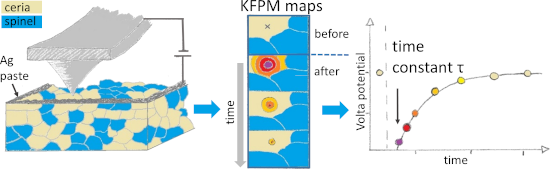
- ceria materials led to a more positive surface potential in the direct vicinity of the contact area, while a negative voltage led to a more negative surface potential. The surface potential gradient was also shown to be reversible over time as long as the applied voltage was kept in a certain range. The
- tip bias of +3 V led to a locally increased surface potential reaction, which decreased over time. For a tip bias of +1 V, in some cases, there was not only an area with an increased surface potential in direct vicinity to the contact area, but an area with a reduced surface potential close to this
- the sample with a negative bias referring to the AFM tip led to a lowered surface potential in the direct vicinity of the contact, which is in good accordance with the results previously published for single-phase ceria materials [21][22][23][24][25]. Similar to the effect observed with +1 V


Identifying diverse metal oxide nanomaterials with lethal effects on embryonic zebrafish using machine learning
Beilstein J. Nanotechnol. 2021, 12, 1297–1325, doi:10.3762/bjnano.12.97
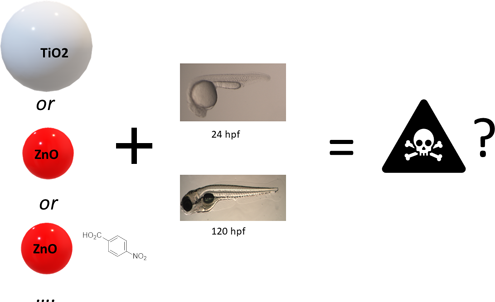
- this. However, limited data were available from the NBI Knowledgebase for true external validation. In total, seven metal oxide ENMs were identified, by relaxing certain selection criteria, which led to these not being included in the initial set of 44 used for model development and cross-validation


Plasmon-enhanced photoluminescence from TiO2 and TeO2 thin films doped by Eu3+ for optoelectronic applications
Beilstein J. Nanotechnol. 2021, 12, 1271–1278, doi:10.3762/bjnano.12.94
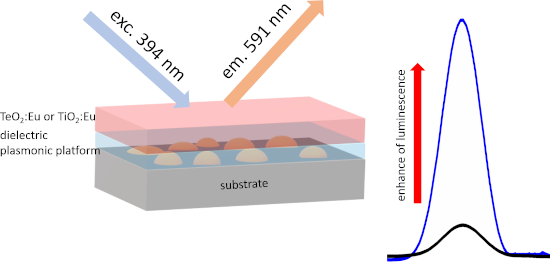
- + and Eu2+ ions [31][32]. The Eu 4d doublet separation was considered as 5.7 eV for Eu3+ and 5.6 eV for Eu2+. The doublet that is assigned to Eu3+ ions dominates over the Eu2+ doublet. This led to the conclusion that the quantity of Eu3+ ions far exceeds that of Eu2+ ions. The calculated ratio Eu3+/Eu2
- centrosymmetric structures. This led to the conclusion that there might be some nanocrystal areas in the TiO2:Eu films. It is in line with our previous structural investigations. XRD measurements showed an amorphous or nanocrystalline structure of the oxide layers deposited by magnetron sputtering [31]. The


Morphology-driven gas sensing by fabricated fractals: A review
Beilstein J. Nanotechnol. 2021, 12, 1187–1208, doi:10.3762/bjnano.12.88
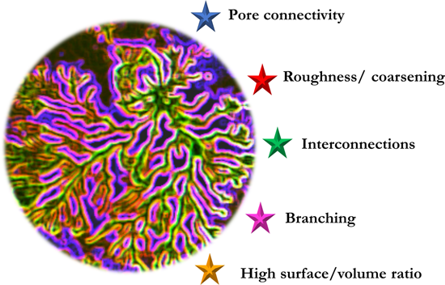
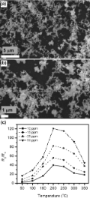
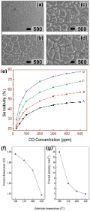
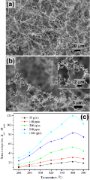
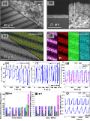
- ; Introduction The industrial sector and its related activities have led to various forms of pollution that compounding up with time. One of the biggest challenges is to control air pollution as it directly affects the respiratory tract and may result in sudden fatalities. History has seen many unfortunate
- , NO2 and SO2 gases at 100 ppm gas at 350 degree centigrade. Though the morphology of the fractals did not change appreciably, Pt doping led to faster response and recovery times. This could be due to the excellent interaction of Pt with hydrogen via the established spillover effect that catalyzes
- pits. The self-organization of structures was attributed to tin chloride, which led to a larger size of the pits, while copper oxide led to the formation of hillocks in the film. The D values of the samples were in the range of 2.00–2.24. For the Sn/Cu = 6 ratio, the fractal dimension was 2.0, and the








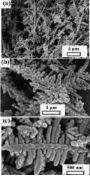
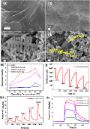

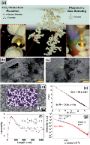
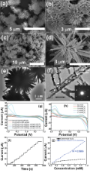

Criteria ruling particle agglomeration
Beilstein J. Nanotechnol. 2021, 12, 1093–1100, doi:10.3762/bjnano.12.81
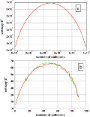
- configuration. In the range between 0.3Ntot and 0.35Ntot iteration steps, which is equivalent to collisions between particles, the calculation was stopped, because each additional collision led to a configuration with reduced entropy. Consequently, the side condition that allows only collisions leading to an
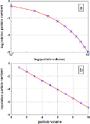
- reduction of the free enthalpy. As the rules for the agglomerations were, in comparison to the entropy case, not altered, the distribution function of the particle sizes is identical to the one obtained in the entropy case. The calculations led to changes of the enthalpy as function of the number of




Assessment of the optical and electrical properties of light-emitting diodes containing carbon-based nanostructures and plasmonic nanoparticles: a review
Beilstein J. Nanotechnol. 2021, 12, 1078–1092, doi:10.3762/bjnano.12.80
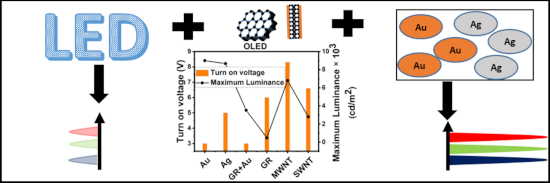
- Keshav Nagpal Erwan Rauwel Frederique Ducroquet Protima Rauwel Institute of Technology, Estonian University of Life Sciences, Kreutzwaldi 56/1, 51014 Tartu, Estonia Université Grenoble Alpes, IMEP-LaHC, 38016 Grenoble, France 10.3762/bjnano.12.80 Abstract Light-emitting diodes (LED) are widely
- employed in display applications and lighting systems. Further research on LED that incorporates carbon nanostructures and metal nanoparticles exhibiting surface plasmon resonance has demonstrated a significant improvement in device performance. These devices offer lower turn-on voltages, higher external
- . This review surveys the diverse possibilities to combine various inorganic, organic, and carbon nanostructures along with plasmonic nanoparticles. Such combinations would allow an enhancement in the overall properties of LED. Keywords: carbon nanotubes (CNT); graphene; light-emitting diodes (LED


A new method for obtaining model-free viscoelastic material properties from atomic force microscopy experiments using discrete integral transform techniques
Beilstein J. Nanotechnol. 2021, 12, 1063–1077, doi:10.3762/bjnano.12.79
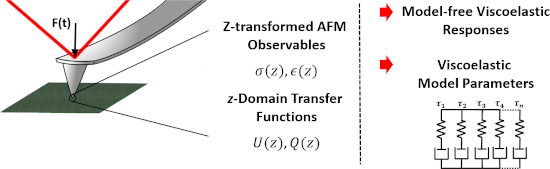
- appropriate for the analysis of viscoelasticity. Guided by the same motivation that has led the classical rheology field to rely on the more general Laplace transform technique for analytical treatments, we rely on the Z-transform to accomplish viscoelastic extraction for finite discrete experimental data


Use of nanosystems to improve the anticancer effects of curcumin
Beilstein J. Nanotechnol. 2021, 12, 1047–1062, doi:10.3762/bjnano.12.78
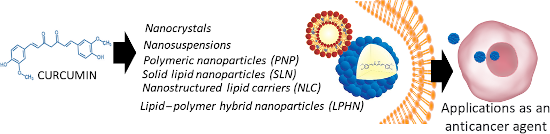
- inhibiting nitric oxide in cancer cells [14]. Dev et al. [142] reported that CUR-loaded BSA nanoparticles (6 µM) exposed to blue LED light inhibited the growth of glioblastoma stem cells better than F-CUR, which was attributed to an improved sustained intracellular release of CUR. Curcumin-loaded PLGA [poly


Revealing the formation mechanism and band gap tuning of Sb2S3 nanoparticles
Beilstein J. Nanotechnol. 2021, 12, 1021–1033, doi:10.3762/bjnano.12.76
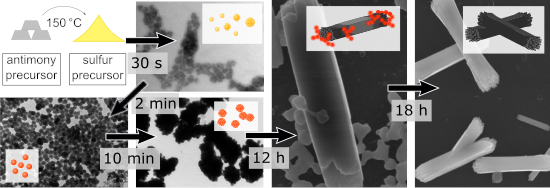
- and 35 nm (Figure 4b), with the particle fraction of a size around 35 nm found more frequently (Figure 4c). Together with the finding that the type I nanoparticles were also around 35 nm in diameter (see Figure 1), this led to the assumption that there was an aggregation and merging step from the type





