


Search results
Search for "adsorption" in Full Text gives 858 result(s) in Beilstein Journal of Nanotechnology. Showing first 200.
Self-assembly of C60 on a ZnTPP/Fe(001)–p(1 × 1)O substrate: observation of a quasi-freestanding C60 monolayer
Beilstein J. Nanotechnol. 2022, 13, 857–864, doi:10.3762/bjnano.13.76
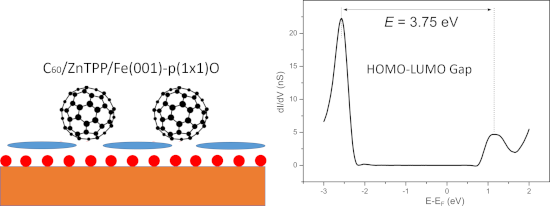
- aspect is the electronic coupling between the molecules and the metallic substrate. In this case, the key parameter is the adsorption energy (Ea), which is defined as the energy required to desorb a molecule from the surface. A high Ea is characteristic of molecules chemisorbed on the substrate, where a
- relevant charge transfer between the overlayer and the substrate occurs. In contrast, a low Ea is characteristic of physisorbed molecules, for which the adsorption is mediated by the weak van der Waals interaction with the substrate. Chemisorption is the typical scenario for molecules stabilized on
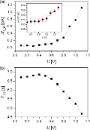
- ascribed to charge transfer from ZnTPP to the Fe(001)–p(1 × 1)O substrate. When 1 ML of C60 is added, the variation of the work function is within the experimental error, indicating a negligible charge transfer on the surface region upon C60 adsorption. The electronic properties of C60 adsorbed on ZnTPP


Temperature and chemical effects on the interfacial energy between a Ga–In–Sn eutectic liquid alloy and nanoscopic asperities
Beilstein J. Nanotechnol. 2022, 13, 817–827, doi:10.3762/bjnano.13.72
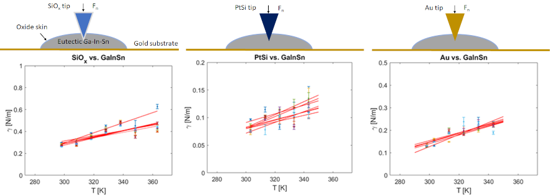
- drop is not disrupted during application onto a substrate. In contrast, when the oxide skin breaks, new oxide forms at the solid–liquid interface with a substrate, which results in adhesion. Also, the wetting of a liquid Ga–In alloy has been related to the adsorption energy of gallium on three
- different substrates (steel, gold, and Al) [13], with the wetting becoming better as the adsorption energy of gallium onto the substrate becomes more negative. In the case of Fe and Cu substrates, it was observed that liquid gallium reacts with the substrate to form an intermetallic layer at the gallium
- the meniscus flow of the eutectic Ga–In–Sn melt upon retraction, the adsorption of a thin water layer is likely to modify the surface energy of the liquid neck upon pulling and affect the above results. The analysis of the interfacial energy from AFM adhesion measurements is thus complicated by the



Recent advances in nanoarchitectures of monocrystalline coordination polymers through confined assembly
Beilstein J. Nanotechnol. 2022, 13, 763–777, doi:10.3762/bjnano.13.67

- creating meso–macro channels without destroying most of the micropores. This can be achieved by removing emulsion networks from the single crystal [116]. The obtained HKUST-1 crystals contained bimodal or trimodal pores, which facilitated adsorption and enabled a fast Friedländer reaction. When the
- demonstrated in millimeter-sized superstructures formed by ZIF-8 or UiO-66 [131]. Owing to the porous structure of the monocrystalline coordination polymers. The dielectric constant of the particles may be changed upon adsorption of molecules such as organic vapor. This can lead to a change of the structural




Hierarchical Bi2WO6/TiO2-nanotube composites derived from natural cellulose for visible-light photocatalytic treatment of pollutants
Beilstein J. Nanotechnol. 2022, 13, 745–762, doi:10.3762/bjnano.13.66
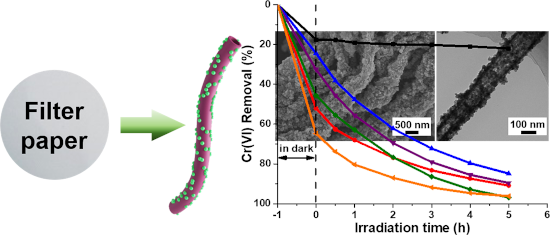
- using a reference to the peak of the surface adventitious carbon (284.8 eV) in the high-resolution spectrum of the C 1s region. The N2 adsorption−desorption isotherms were recorded at −196 °C on a Micromeritics ASAP 2020 analyzer, while the specific surface area and pore distribution curve were
- 5.0 cm from the quartz tube reactor. The photocatalyst (10.0 mg) was dispersed in the pollutant solution (20.0 mL, 10.0 mg·L−1) and stirred in the dark for 1 h to guarantee the adsorption−desorption equilibrium. Then, the visible light was switched on, and the suspension containing photocatalyst and
- irradiation for t hours, after the achievement of the adsorption−desorption equilibrium, and at the initial moment (10.0 mg·L−1), respectively. The photocatalytic stabilities of the cellulose-derived Bi2WO6/TiO2-NT nanocomposites on the photocatalytic reduction of Cr(VI) or degradation of RhB were confirmed


A nonenzymatic reduced graphene oxide-based nanosensor for parathion
Beilstein J. Nanotechnol. 2022, 13, 730–744, doi:10.3762/bjnano.13.65
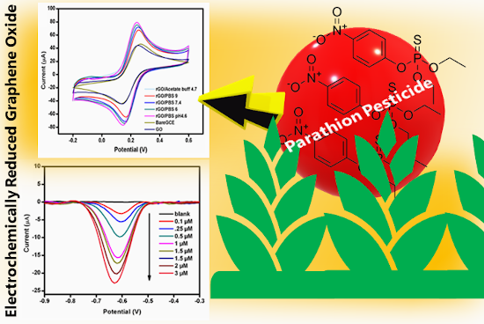
- the scan rate suggests a surface-confined diffusion-controlled electrocatalytic process [21]. The slope of log Ipc as a function of log ν is 0.611 (>0.5), which confirms an adsorption-based reduction of PT on the modified electrode surface (Figure 7B). The reduction peak potential was shifted towards
- on PT sensing in environmental samples. Other interfering OP (acephate, chlorpyrifos) and organochloride (dicofol, lindane) pesticides also did not significantly affect the response current of PT reduction as they have different redox potential and adsorption potential on the modified electrode


Modeling a multiple-chain emeraldine gas sensor for NH3 and NO2 detection
Beilstein J. Nanotechnol. 2022, 13, 721–729, doi:10.3762/bjnano.13.64
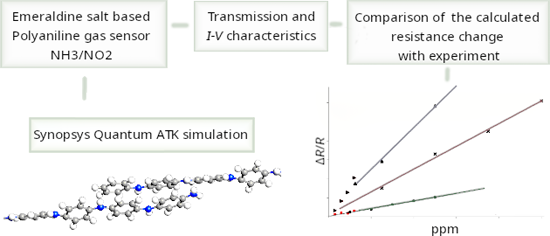
- gradient approximated (GGA) Perdew–Burke–Ernzerhof (PBE) exchange–correlation functional was used. Guo et al. [5] investigated the graphene/polyaniline adsorption energy of NH3, CO, NO, and H2 using DFT and molecular dynamics computations. From this, graphene/PANI is highly sensitive to NH3 in comparison


Nanoarchitectonics of the cathode to improve the reversibility of Li–O2 batteries
Beilstein J. Nanotechnol. 2022, 13, 689–698, doi:10.3762/bjnano.13.61
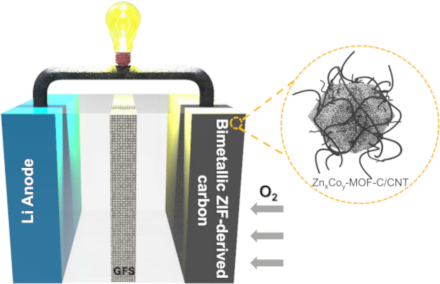
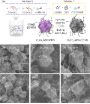
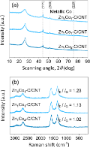
- the Zn/Co ratio during synthesis. The composite with higher Zn content has a larger BET surface area and micropore volume but a smaller mesopore volume, as compared in Figure 5c and Supporting Information File 1, Table S1. According to the adsorption–desorption hysteresis curves, the Zn1Co4–C/CNT


Comparative molecular dynamics simulations of thermal conductivities of aqueous and hydrocarbon nanofluids
Beilstein J. Nanotechnol. 2022, 13, 620–628, doi:10.3762/bjnano.13.54
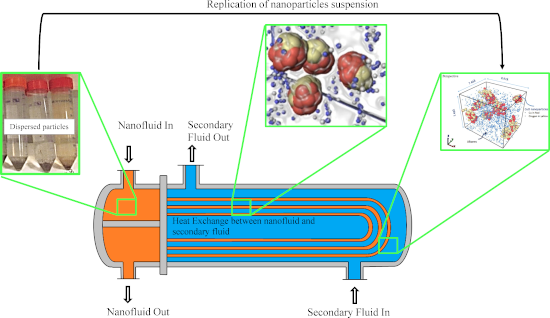
- that a local micro-convection is induced in the base fluid due to the Brownian motion of nanoparticles, which increases both mixing and heat transport within the nanofluid [16][17]. Later, several studies demonstrated that interactions between liquid atoms and nanoparticles (i.e., a liquid adsorption


Sodium doping in brookite TiO2 enhances its photocatalytic activity
Beilstein J. Nanotechnol. 2022, 13, 599–609, doi:10.3762/bjnano.13.52
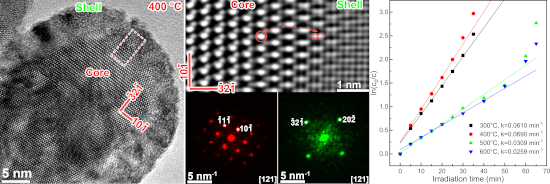
- magnetically stirred for 30 min in the dark to equilibrate the adsorption and desorption of MB on the surface of the crystallites. After switching on the UV light, samples were periodically collected and centrifuged. The concentration of the MB solution was analyzed based on the characteristic absorption peak


Stimuli-responsive polypeptide nanogels for trypsin inhibition
Beilstein J. Nanotechnol. 2022, 13, 538–548, doi:10.3762/bjnano.13.45
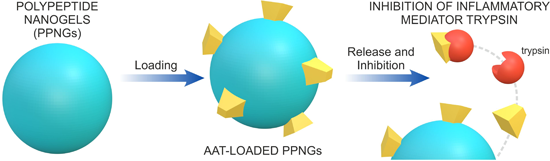
- substituents compared to PHEG-Tyr nanogel [25]. This assumption is also supported by the DH dependence (Figure 3a) showing a DH maximum at pH 7.4. Adsorption and release of BSA and AAT Next, optimization studies of in vitro loading of 125I-radiolabeled BSA as a model protein and its release from PHEG-Tyr and
- of BSA (pI 4.7) and, thus, BSA adsorption is driven by electrostatic and hydrophobic interactions [30][31]. PHEG-Tyr nanogel was incubated with three different 125I-radiolabeled BSA concentrations (1, 0.75, and 0.5 mg/mL), and the loading efficiency was found to be low, that is, 2.1% (21 µg/mL), 1.9
- interaction [35][36]. Our observation indicates that the adsorption of 125I-radiolabeled BSA onto Nα-Lys-NG is mainly driven by hydrophobic interaction. At higher initial concentrations of 125I-radiolabeled BSA, both polypeptide nanogels, Nα-Lys-NG and PHEG-Tyr, are quickly saturated and unable to adsorb


Zinc oxide nanostructures for fluorescence and Raman signal enhancement: a review
Beilstein J. Nanotechnol. 2022, 13, 472–490, doi:10.3762/bjnano.13.40
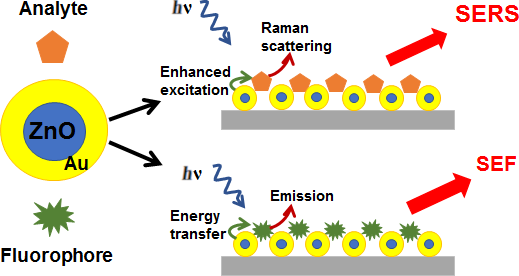
- a higher adsorption of analyte molecules, increasing the EF from 106 (before) to 108 (after hydrogenation) [43]. The charge transfer effect was probably increased as well since the hydrogenation introduced lattice defects that could alter the energy band structure of ZnO, promoting charge separation
- promoted strong light confinement, and the increased number of adsorption sites due to the branched ZnO nanostructures. Despite the fact that ZnO is a non-plasmonic semiconductor material, it can elicit a degree of SERS effect via chemical enhancement of atomic vibrational modes of the analyte. Kim et al




Investigation of electron-induced cross-linking of self-assembled monolayers by scanning tunneling microscopy
Beilstein J. Nanotechnol. 2022, 13, 462–471, doi:10.3762/bjnano.13.39
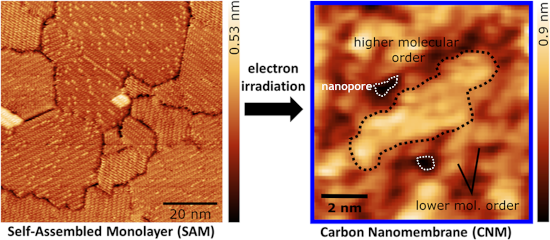
- ][9]. Self-assembled monolayers (SAMs) are ordered molecular assemblies formed by the adsorption of amphiphilic organic molecules on a solid surface [10][11][12]. Self-assembled monolayers are model systems that enable a fundamental understanding of self-organization and provide a versatile path to


A chemiresistive sensor array based on polyaniline nanocomposites and machine learning classification
Beilstein J. Nanotechnol. 2022, 13, 411–423, doi:10.3762/bjnano.13.34
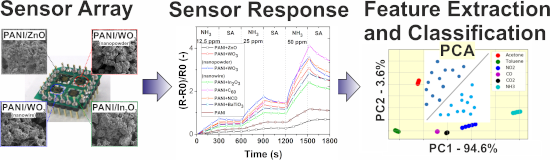
- arrays were exposed to various relative humidity levels ranging from 20% to 80% (Figure 10). The obtained results show a decreasing sensor response with increasing RH% value. This change in response toward relative humidity is due to the adsorption of water molecules and an increase of charge




Electrostatic pull-in application in flexible devices: A review
Beilstein J. Nanotechnol. 2022, 13, 390–403, doi:10.3762/bjnano.13.32
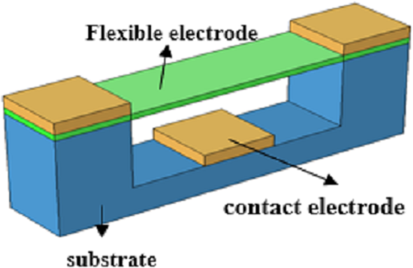
- et al. [33] used molecular dynamics to compare the adsorption energies of GR-Au and GR-GR structures. The GR-GR structure has a higher adsorption energy of 307 mJ/m2. Mizuta et al. [7][35] assumed that the use of a GR-GR electrode structure could avoid the uncontrollable microscale interactions


Micro- and nanotechnology in biomedical engineering for cartilage tissue regeneration in osteoarthritis
Beilstein J. Nanotechnol. 2022, 13, 363–389, doi:10.3762/bjnano.13.31
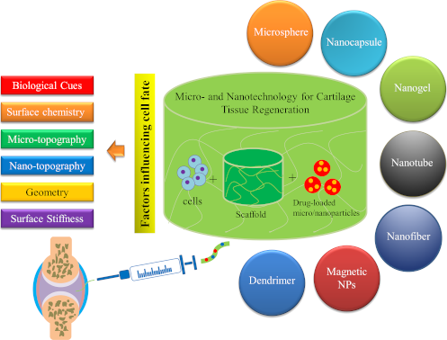
- , poly(propylene fumarate) (PPF) nanocomposites containing BNNTs showed increased mechanical reinforcement, higher adsorption of collagen I protein, excellent cell attachment as well as ECM deposition compared to the PPF control [144]. Halloysite clay, a natural aluminosilicate material, is an


Interfacial nanoarchitectonics for ZIF-8 membranes with enhanced gas separation
Beilstein J. Nanotechnol. 2022, 13, 313–324, doi:10.3762/bjnano.13.26
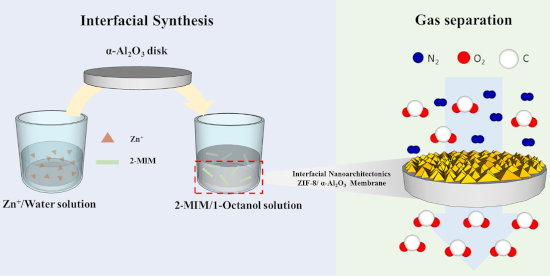
- natural gas) with high efficiency is needed. Membrane-based separation offers a great potential for online CO2 sequestration in view of its high energy efficiency, small carbon footprint, and competitive cost compared to traditional separation processes, such as distillation and adsorption [5]. The
- intercrystalline defect formation in MOFs can have either positive or negative effects on the separation performance. Point defects and extended defects may increase the number of adsorption sites in MOFs [35], while missing linkers may provide low-resistance diffusion pathways by increasing the porosity of the
- membranes synthesized in this work (Figure 8b). The type of MOF has an influence on the gas separation performance, for instance, CAU-1 exhibits a higher CO2 adsorption capacity than ZIF-8 [45], which may lead to a higher gas permeance. Compared with MOF mixed-matrix membranes (MMMs), ZIF-8 membranes


Impact of device design on the electronic and optoelectronic properties of integrated Ru-terpyridine complexes
Beilstein J. Nanotechnol. 2022, 13, 219–229, doi:10.3762/bjnano.13.16
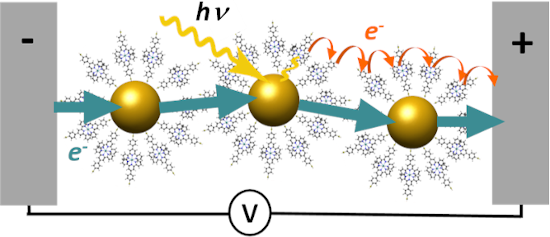
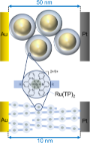
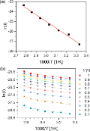
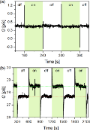
- with the C 1s and Ru 3d5/2 spectra, while the O 1s peak for growth steps (i) and (iii) points to the sporadic adsorption of ethanol to the terminal TP groups [29][30]. Thus, the XP spectra prove, in addition to earlier published results based on other spectroscopic methods, that the desired wire growth


Engineered titania nanomaterials in advanced clinical applications
Beilstein J. Nanotechnol. 2022, 13, 201–218, doi:10.3762/bjnano.13.15
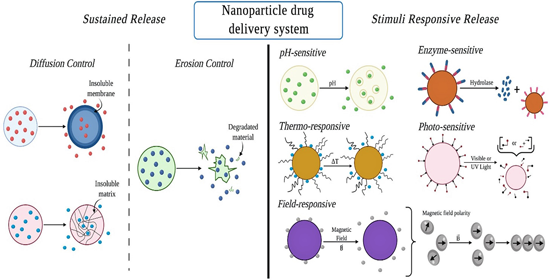
- found that nps smaller than 100 nm produce more ROS due to their higher surface area [29]. Properties of nps such as surface charge density and zeta potential are influential in determining their reactivity, agglomeration properties, interaction with cells, stability in complex media, and adsorption of
- got adsorbed on the nanotube surface and that the nanotopography plays an important role in their selective adsorption and maintenance of biological function [34]. It has been reported that the small size of the nanotubes seems to speed up cell adhesion by providing an effective length scale for
- integrin clustering and focal adhesion development. In this context, Chen et al. employed the adsorption of functional proteins (bone morphogenetic protein 2 and sclerostin antibody) to modify TiO2 nanotube arrays to repair bone fractures [35]. The PC alters biodistribution, biological identity and


Piezoelectric nanogenerator for bio-mechanical strain measurement
Beilstein J. Nanotechnol. 2022, 13, 192–200, doi:10.3762/bjnano.13.14
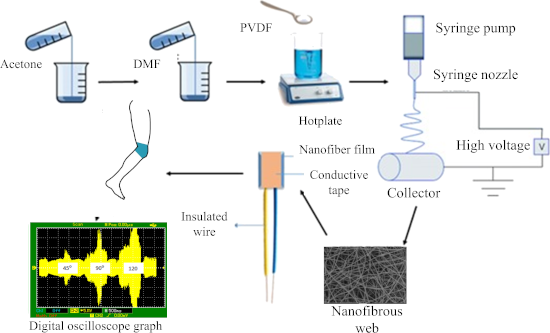
- [28], wound dressings [29], sound adsorption [30], cosmetics [31], and sensor devices [32][33][34]. In filtration processes, electrospun nanofibers can be employed for removing volatile organic compounds (VOCs) from the atmosphere. To protect people from bacteria, viruses, smog, and dust, nanofibers


Thermal oxidation process on Si(113)-(3 × 2) investigated using high-temperature scanning tunneling microscopy
Beilstein J. Nanotechnol. 2022, 13, 172–181, doi:10.3762/bjnano.13.12
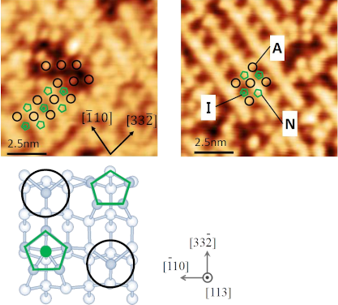
- remains unreacted, still imaged as a bright protrusion. There are three backbonds at each adatom site. The existence of the tilted pairs (Pair 1, Pair 2) may suggest that the adsorption sites of oxygen at the backbond site should have a certain preference. The pair corresponds to one adatom and a pentamer
- existence of a certain oxidation pattern indicates that the preferential adsorption site should be related to the strain induced by the pre-adsorbed oxygen atoms. In the case of Si(111), it has been shown that one oxygen atom at the backbond of a similar adatom site is the common first product for oxidation
- [20]. Hence, it is reasonable to postulate that a similar structure is formed at the adatom site on Si(113)-(3 × 2). Similarly, it is also reasonable to postulate that the oxidized position inside the pentamer site is antisymmetric to produce a tilted pair. In [18], a dissociative adsorption model of




A comprehensive review on electrospun nanohybrid membranes for wastewater treatment
Beilstein J. Nanotechnol. 2022, 13, 137–159, doi:10.3762/bjnano.13.10
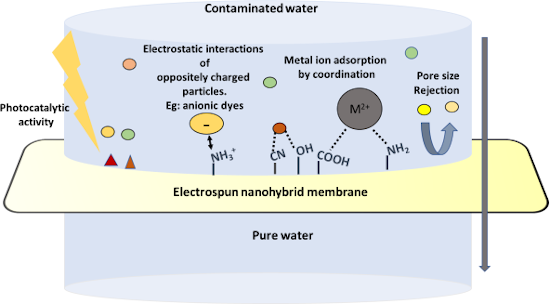
- functional specific nanosized additives to be used in various water remediation membrane techniques. The adsorption, filtration, photocatalytic, and bactericidal capabilities of the hybrid membranes in removing common major water pollutants such as metal ions, dyes, oils, and biological pollutants have been
- into cross-linked polyvinylpyrrolidone (PVP) [15]. ENH membranes, along with their high porosity and high aspect ratio, possess a high permeation ability, adsorbability, and selectivity, which makes them excellent for environmental remediation, specifically for the adsorption and filtration of
- after exiting the needle under low relative humidity. It is, thus, exposed to voltage-induced stretching only for a brief period of time. At high relative humidities, solidification happens slowly due to the competition between the evaporation of the solvent and the adsorption of water on the




Tin dioxide nanomaterial-based photocatalysts for nitrogen oxide oxidation: a review
Beilstein J. Nanotechnol. 2022, 13, 96–113, doi:10.3762/bjnano.13.7
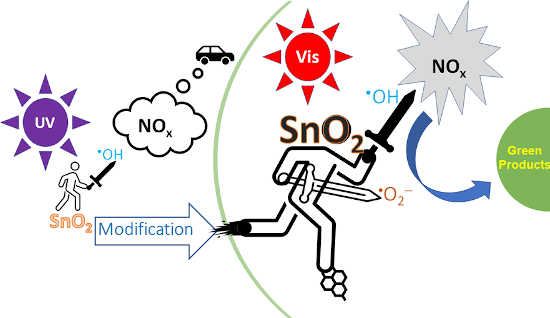
- in recent years. There are many methods for controlling and removing NOx, such as reducing the burning temperature, reducing the residence time at peak temperature, chemical reduction or oxidation of NOx, removal of nitrogen from combustion fuels, and sorption, both adsorption and absorption [7][8
- photocatalytic NO removal under solar light for the first time. Furthermore, they found that the introduction of SnO2 NPs increases the photostability of PANI during the photocatalytic process, which holds great potential for scalable manufacturing. Also, this work thoroughly discussed the adsorption and
- study also indicated that hydrogen bonds between NO and PANI increased the adsorption of NO on the SnO2/PANI surface, leading to enhanced photocatalysis. However, the photocatalytic stability of SnO2/PANI is still a challenging problem. Enesca et al. [29] developed photoactive heterostructures based on


Theranostic potential of self-luminescent branched polyethyleneimine-coated superparamagnetic iron oxide nanoparticles
Beilstein J. Nanotechnol. 2022, 13, 82–95, doi:10.3762/bjnano.13.6
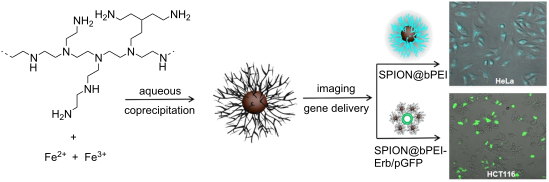
- , which may be partially due to a decreased overall positive charge upon adsorption of some amine groups to the crystal surface [53] and maybe partially due to the oxidation of amine groups as we have previously determined for SPION@bPEI [35][54]. Indeed, this is quite a notable advancement since there is




Sputtering onto liquids: a critical review
Beilstein J. Nanotechnol. 2022, 13, 10–53, doi:10.3762/bjnano.13.2
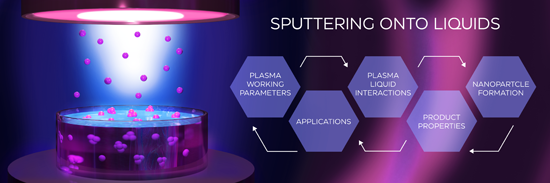
- ][111] and many other parameters such as solvent viscosity, species diffusion coefficients, and adsorption of protective ligands onto NP surface [79]. So, variations of the “room temperature” in different laboratories might explain the different sizes and stability of obtained NPs. Light. The level of






Topographic signatures and manipulations of Fe atoms, CO molecules and NaCl islands on superconducting Pb(111)
Beilstein J. Nanotechnol. 2022, 13, 1–9, doi:10.3762/bjnano.13.1
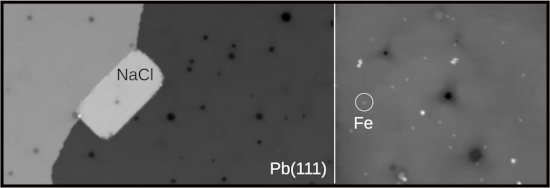
- with functionalized tips. We report on the topographic signatures observed by scanning tunneling microscopy (STM) of carbon monoxide (CO) molecules, iron (Fe) atoms and sodium chloride (NaCl) islands deposited on superconducting Pb(111). For the CO adsorption a comparison with the Pb(110) substrate is
- low temperature. This differs distinctly from the adsorption on Pb(110), which has also been performed. In contrast, NaCl islands and single Fe atoms are more stable. Nevertheless, a general propensity for a tip-induced displacement of these adsorbates on the Pb(111) surface can be fulfilled. We
- clean and sharp Pb tip was then prepared at low temperature by repeated indentations into the surface. STM images were acquired in constant-current mode with the bias voltage applied to the tip. All experimental data were analysed by using Gwyddion [48]. Results and Discussion CO adsorption on Pb(111





