


Search results
Search for "efficiency" in Full Text gives 1038 result(s) in Beilstein Journal of Nanotechnology. Showing first 200.
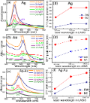
Effect of wavelength and liquid on formation of Ag, Au, Ag/Au nanoparticles via picosecond laser ablation and SERS-based detection of DMMP
Beilstein J. Nanotechnol. 2024, 15, 1054–1069, doi:10.3762/bjnano.15.86

- detect chemical warfare agent (CWA) simulants such as methyl salicylate (a CWA simulant for sulfur mustard) and dimethyl methyl phosphonate (has some structural similarities to the G-series nerve agents) at different laser excitations (325, 532, and 633 nm). A notably higher SERS efficiency for CWA
- media [27][28][29]. The SERS substrate efficiency mainly depends on the material, size, and shape of the NPs. Recent terrorist activities involving explosives and chemical warfare agents highlight the urgent need for sensitive and selective chemical sensors. These sensors must be using low power and be
- efficiency and yield of the LASiS process [4][50]. The study reported by Shukri et al. [51] pointed out a size reduction in Au NPs from 19 to 12 nm by decreasing the input laser wavelengths, changing from 1064 to 532 nm in DW. Solati et al. [52] observed a significant increase in the mean size of Ag NPs from


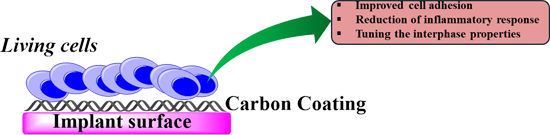
Interface properties of nanostructured carbon-coated biological implants: an overview
Beilstein J. Nanotechnol. 2024, 15, 1041–1053, doi:10.3762/bjnano.15.85
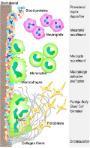
- temperature because the higher number of phonons increases the efficiency of thermal transport [75]. NDs show also exceptional mechanical strength and low chemical reactivity, making them sound candidates for thin film coatings [76]. These properties are counterbalanced by a low electrical conductivity due to



Bolometric IR photoresponse based on a 3D micro-nano integrated CNT architecture
Beilstein J. Nanotechnol. 2024, 15, 1030–1040, doi:10.3762/bjnano.15.84
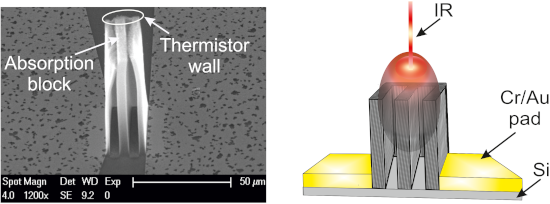
- is the bias current, R is the resistance of the bolometer, α = (dR/dT)/R is the TCR, η is the absorption efficiency, G is the thermal conductance to the substrate, ω is the angular modulation frequency, τ = 1/(2πfcut−off) is the time constant of the detector, and fcut−off is the frequency at 70


Recent progress on field-effect transistor-based biosensors: device perspective
Beilstein J. Nanotechnol. 2024, 15, 977–994, doi:10.3762/bjnano.15.80
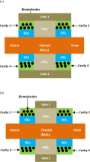
- inner and outer gate cavity regions is set to 10 nm [63]. Therefore, the physical properties of the biosensor have been analyzed via source-channel junction electrostatics and thermionic emission. The effect of applying biasing conditions on the efficiency of the transduction is also investigated. It
- scalability, which improves reliability as a hot electron impact is significantly reduced at lower operating bias voltages. Hence, it offers higher power efficiency and reliability. 2.2.21 Overlap gate-on-drain TFET-based biosensors. An overlap gate-on-drain (OGOD) TFET-based biosensor has been reported by




Therapeutic effect of F127-folate@PLGA/CHL/IR780 nanoparticles on folate receptor-expressing cancer cells
Beilstein J. Nanotechnol. 2024, 15, 954–964, doi:10.3762/bjnano.15.78
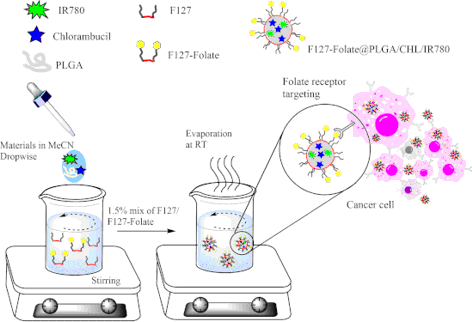
- copolymer has been utilized in many studies to develop a carrier that is effective for both treatment and diagnostics [8][9]. Its delivery efficiency can be improved by modifying the substance with targeted ligands such as folic acid, RGD, or antibodies [10][11]. Folic acid is one of the most common ligands
- /IR780 (10 μL) suspension was loaded on a silica film for 1 min, and water was allowed to evaporate. Then, the nanoparticles were coated with titanium, and the SEM images were acquired using a FE-SEM S4800 HITACHI, Japan. Drug loading efficiency The F127-folate@PLGA/CHL/IR780 suspension was freeze-dried
- folate to the terminal PEO block increased the targeting efficiency. The externalization of the PEO chain would enhance the likelihood of folate binding to the overexpressed folate receptor on the surface of cancer cells. The difference in zeta potential between F127-folate@PLGA/CHL/IR780 and F127@PLGA



Electrospun nanofibers: building blocks for the repair of bone tissue
Beilstein J. Nanotechnol. 2024, 15, 941–953, doi:10.3762/bjnano.15.77
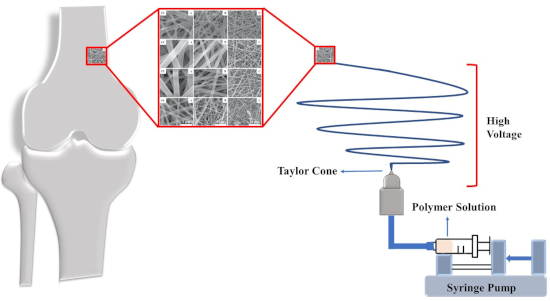
- to the healing process through their porous and flexible three-dimensional structure. They can increase the permeability of gases and liquids and reduce infection by bacteria because of their high filtration efficiency. Also, there is the great possibility of adding other functional moieties into the
- regeneration of damaged bone tissue can take several weeks or even months, it is important to select a polymeric matrix capable of releasing drugs over an extended period of time to achieve optimum therapeutic efficiency. The polymer must also be chosen in accordance with the targeted release mechanism. It is
- for bone regeneration. Small fiber diameter, high surface area-to-volume ratio, high porosity, and the nanoscale biological structure of the natural extracellular matrix give nanofibers superiority in the treatment of bone regeneration and increase the treatment efficiency. Polymeric nanofibers can be


Identification of structural features of surface modifiers in engineered nanostructured metal oxides regarding cell uptake through ML-based classification
Beilstein J. Nanotechnol. 2024, 15, 909–924, doi:10.3762/bjnano.15.75
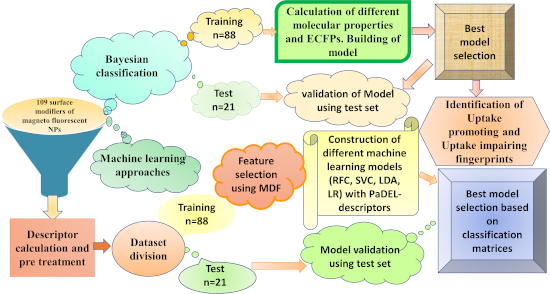
- governing the cellular uptake of ENMOs. The study will direct scientists in the design of ENMOs of higher cellular uptake efficiency for better therapeutic response. Keywords: Bayesian classification; cellular uptake; machine learning; nanoparticles (NPs); Introduction In recent years, the rapid
- implications for the rational design of ENMOs with tailored properties for biomedical applications, ensuring their higher efficiency. Materials and Methods Preparation of datasets The current study was performed employing the experimental cellular uptake data of 109 chemically attached surface modifiers of


Investigation on drag reduction on rotating blade surfaces with microtextures
Beilstein J. Nanotechnol. 2024, 15, 833–853, doi:10.3762/bjnano.15.70
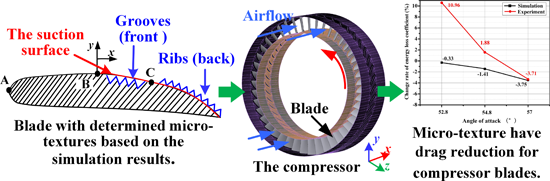
- the cooling capability of turbine blades by adding grooves to the blade tips of axial turbines. Experimental and numerical simulation results showed that the addition of grooves increased turbine efficiency by 0.2% and 0.38%, respectively. In order to reduce aerodynamic losses in turbines caused by
- tip leakage, Parkash et al. [19] added grooves at the blade tips and verified their effectiveness through computational fluid dynamics (CFD) simulations. After the incorporation of grooves, the turbine efficiency improved by 0.1% to 0.2%. It is evident that arranging microstructures on blade surfaces
- improve the processing efficiency. Third, the high-quality blade models were obtained by finishing the rough blade models. Finally, the microtextures were machined on the blade surfaces; this step was also divided into roughening and finishing because the end milling tool would break if the tool with a


Intermixing of MoS2 and WS2 photocatalysts toward methylene blue photodegradation
Beilstein J. Nanotechnol. 2024, 15, 817–829, doi:10.3762/bjnano.15.68
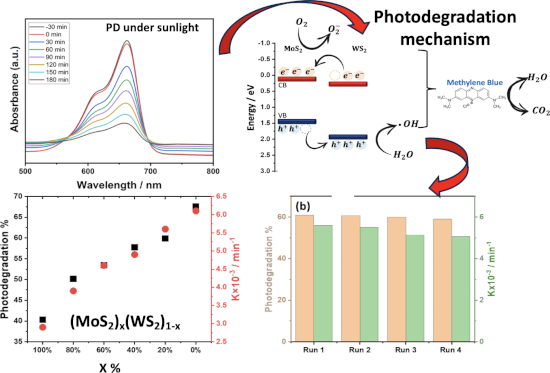
- are evaluated for photodegradation (PD) of methylene blue under solar simulator irradiation. Our findings revealed that WS2 exhibited the highest PD efficiency of 67.6% and achieved an impressive PD rate constant of 6.1 × 10⁻³ min−1. Conversely, MoS2 displayed a somewhat lower PD performance of 43.5
- % but demonstrated remarkable stability. The intriguing result of this study relies on the synergetic effect observed when both MoS2 and WS2 are combined in a ratio of 20% of MoS2 and 80% of WS2. This precise blend resulted in an optimized PD efficiency and exceptional stability reaching 97% upon
- oxidative polymerization achieved a photodegradation efficiency of 96.15% in 180 min by using 100 mg of the catalyst to degrade 5 mg/L of MB [25]. Nevertheless, most of the reported studies concerned the use of complex heterostructure-based devices and a very high quantity of catalysts, which is not


Effect of repeating hydrothermal growth processes and rapid thermal annealing on CuO thin film properties
Beilstein J. Nanotechnol. 2024, 15, 743–754, doi:10.3762/bjnano.15.62
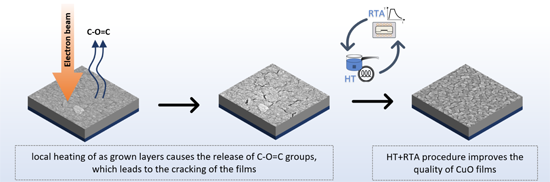
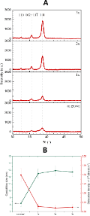
- execution in an open system, accomplishing synthesis within significantly shorter durations (from 48 s up to 6 min) than those reported in the aforementioned literature [48]. Mild growth conditions enhance the appeal of the technology by fostering energy efficiency, cost-effectiveness, and safety. It aligns




Gold nanomakura: nanoarchitectonics and their photothermal response in association with carrageenan hydrogels
Beilstein J. Nanotechnol. 2024, 15, 678–693, doi:10.3762/bjnano.15.56

- NIR/IR region enhances the efficiency of light absorption and scattering, which is a million times more intense than that of conventionally used organic dyes [15]. The NIR/IR wavelengths have the ability to penetrate biological tissues without using invasive modalities for diagnostic or therapeutic






Functional fibrillar interfaces: Biological hair as inspiration across scales
Beilstein J. Nanotechnol. 2024, 15, 664–677, doi:10.3762/bjnano.15.55
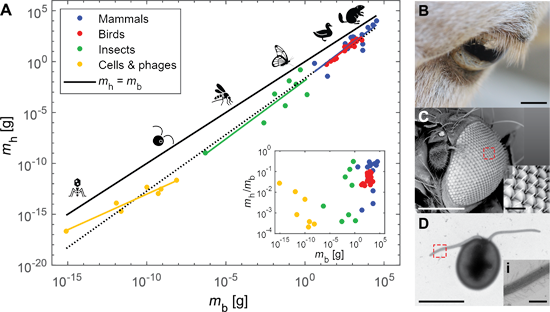
- , swimming at 10 µm·s−1) will stop immediately, that is, within 10−6 s and 10−10 m [100]. In this viscosity-dominated regime, because there is no inertia to depend on, microorganisms must constantly deform body parts in a non-time-reversible fashion to swim. Therefore, swimming efficiency depends on the
- circular trajectories hinders the cell’s ability to explore the surface thoroughly. Thus, possibly with the help of the other hairs, E. coli near the surface can transiently attach to the surface to break the circular trajectories, thus, pushing their exploration efficiency close to the theoretical optimum


Laser synthesis of nanoparticles in organic solvents – products, reactions, and perspectives
Beilstein J. Nanotechnol. 2024, 15, 638–663, doi:10.3762/bjnano.15.54
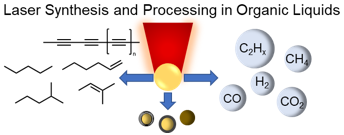
- efficiency and gas formation. Scaramuzza et al. found varying ablation rates and cavitation bubble sizes depending on the used additive–solvent combination [20], and Zhang et al. found higher yields of gases when working in ethanol–water mixtures [44]. This enhanced gas production can be used to alter the





Radiofrequency enhances drug release from responsive nanoflowers for hepatocellular carcinoma therapy
Beilstein J. Nanotechnol. 2024, 15, 569–579, doi:10.3762/bjnano.15.49
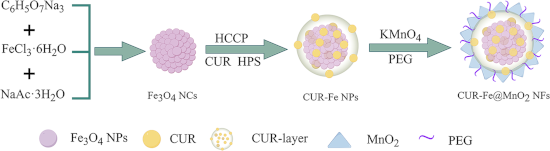
- ). The special structure of nanoflowers improves the stability and efficiency of the surface reaction [24]. Furthermore, prior research has verified that radiofrequency (RF) hyperthermia can significantly improve the sensitivity of cancer cells to chemotherapy at approximately 42 °C [25][26][27
- can alleviate tumor hypoxia and regulate TME to improve antitumor efficiency. In addition, PEG-modified NFs may significantly enhance passive targeting and retention via the EPR effect, thus enhancing their efficacy in cancer treatment [30]. The Fe3O4 NCs, Fe3O4 NCs-CUR layer nanoparticles (CUR-Fe NPs
- this percentage increased to 42% at pH 5.0 (Figure 4a). These results indicate that RF heating enhances degradation of NFs. Due to their structure, CUR-Fe@MnO2 NFs efficiently increased the drug loading efficiency (DLE) of CUR and improved its stability. The drug encapsulation efficiency (DEE) and DLE


Photocatalytic degradation of methylene blue under visible light by cobalt ferrite nanoparticles/graphene quantum dots
Beilstein J. Nanotechnol. 2024, 15, 475–489, doi:10.3762/bjnano.15.43
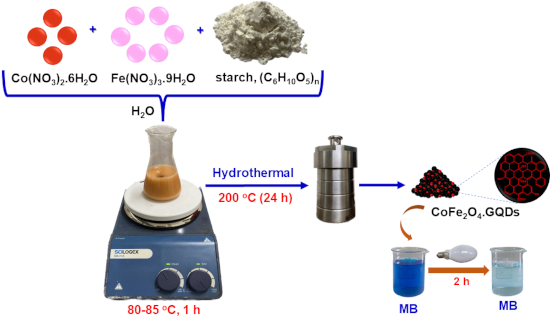
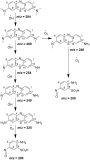
- degradation of methylene blue (MB) under visible light. The catalyst can be recycled with an external magnetic field and displays suitable stability. Also, it was reused in three successive experiments with a loss of efficiency of about 5%. The CF/GQDs are considered as an efficient photocatalyst for MB
- the supernatant, the MB concentration was determined via absorption spectroscopy at a wavelength of 664 nm. The photochemical degradation efficiency of MB was calculated according to formula where C0 and Ct are the MB concentration at the beginning and at time t, respectively. Effect of pH value The
- . Then, the material was separated from the solution, and the MB concentration was determined to evaluate the MB decomposition efficiency. Reusability Reusability and stability of the CoFe2O4/GQDs were assessed in three cycles of 120 min. After each cycle, the catalyst was separated from the MB solution




Fabrication of nanocrystal forms of ᴅ-cycloserine and their application for transdermal and enteric drug delivery systems
Beilstein J. Nanotechnol. 2024, 15, 465–474, doi:10.3762/bjnano.15.42
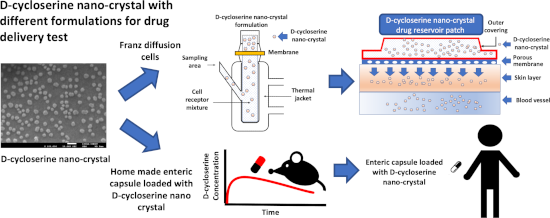
- observed in similar formulations loaded with DCS nanocrystals. The DCS nanocrystals exhibited substantially higher performance in transdermal delivery efficiency compared to that of commercial DCS powder. As shown in Table 2 and Figure 4, in the long-term release experiment, DCS nanocrystals (Formulation B


Sidewall angle tuning in focused electron beam-induced processing
Beilstein J. Nanotechnol. 2024, 15, 447–456, doi:10.3762/bjnano.15.40
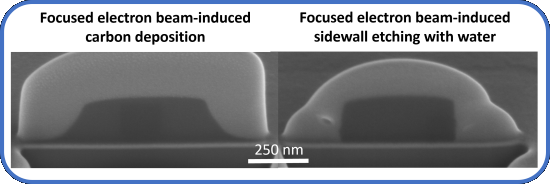
- occurs when the electron energy matches that of an anion state. Other dissociation channels, such as neutral dissociation (ND) and dissociative ionization (DI), are threshold processes, but their efficiency declines above roughly 100 eV because the interaction time with the molecule becomes too short




Classification and application of metal-based nanoantioxidants in medicine and healthcare
Beilstein J. Nanotechnol. 2024, 15, 396–415, doi:10.3762/bjnano.15.36
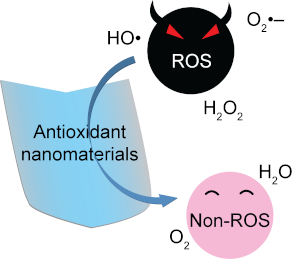
- sites are responsible for the adsorption, activation, and dissociation of the reactants, while the desorption occurs at the gold sites. The combination of multiple metals significantly improves the catalytic efficiency through synergistic effects. The nanocomposites not only disrupt the redox
- better anti-aging properties than natural curcumin. By encapsulating curcumin in nanocarriers or by conjugating it to metal oxide nanoparticles, the solubility and bioavailability of curcumin have been substantially improved, leading to a rise in its pharmacological efficiency [136][137][138][139


Nanomedicines against Chagas disease: a critical review
Beilstein J. Nanotechnol. 2024, 15, 333–349, doi:10.3762/bjnano.15.30
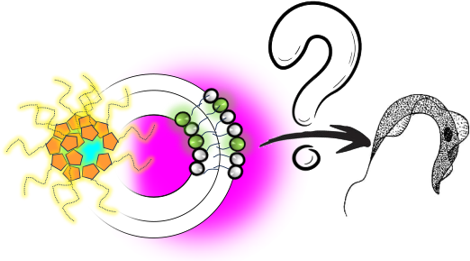
- and particular factors leading to this situation. General barriers to the development of nanomedicines Typical challenges in pharmaceutical development result from low efficiency and high attrition rate [109]. Unfortunately, these challenges are magnified in nanomedicine development [1][82][110], and

Determining by Raman spectroscopy the average thickness and N-layer-specific surface coverages of MoS2 thin films with domains much smaller than the laser spot size
Beilstein J. Nanotechnol. 2024, 15, 279–296, doi:10.3762/bjnano.15.26
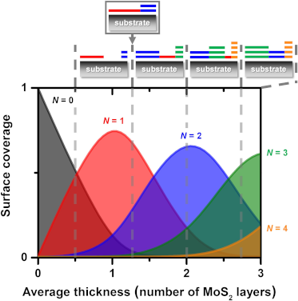
- were obtained by using a Pλ around 0.1 mW chosen as a good compromise between mitigating laser effects and maintaining measurement efficiency to ensure the accuracy of the Raman criteria discussed in the next part of this paper. In summary, unless specified otherwise, all Raman spectra reported and


Vinorelbine-loaded multifunctional magnetic nanoparticles as anticancer drug delivery systems: synthesis, characterization, and in vitro release study
Beilstein J. Nanotechnol. 2024, 15, 256–269, doi:10.3762/bjnano.15.24
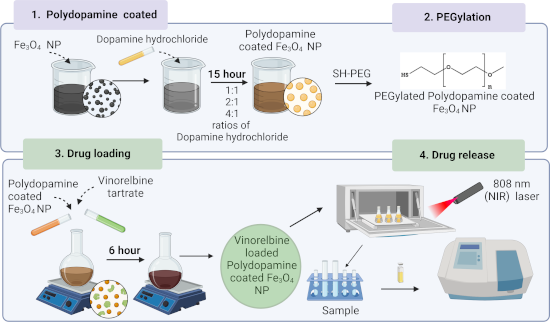
- neurotransmitter naturally occurring in the brain and can spontaneously polymerize into polydopamine (PDA) under alkaline conditions without oxidants [22]. Polydopamine can form a coating with biocompatibility advantages, achieving up to 40% photothermal conversion efficiency, nanoscale dimensions, and
- customizable morphology [23][24]. Additionally, the photothermal conversion efficiency of PDA, PDA concentration, reaction time, and PDA thickness can be adjusted. Importantly, PDA exhibits a 40% photothermal conversion rate with excellent photothermal stability, indicating its significant potential as a NIR
- morphology and a size of 18 nm. After coating with PDA at different ratios, the size reaches up to 28, 61, and 225 nm. Another point is that PEGylation has been applied using SH-PEG polymer to enhance biocompatibility. Notably, our study demonstrates a significantly higher drug loading efficiency of 98


Design, fabrication, and characterization of kinetic-inductive force sensors for scanning probe applications
Beilstein J. Nanotechnol. 2024, 15, 242–255, doi:10.3762/bjnano.15.23
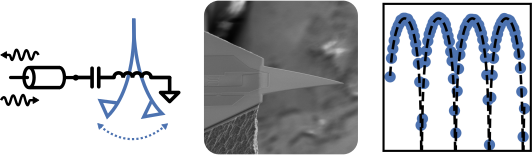
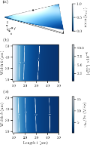
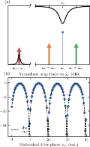
- ωm, quality factor Qm, and spring constant k of the cantilever. These trade-offs affect the transduction efficiency and force sensitivity. Although a large single-photon coupling rate g0 is desirable, we prioritize a cavity that we can pump to large intra-cavity photon numbers while maintaining



Quantitative wear evaluation of tips based on sharp structures
Beilstein J. Nanotechnol. 2024, 15, 230–241, doi:10.3762/bjnano.15.22
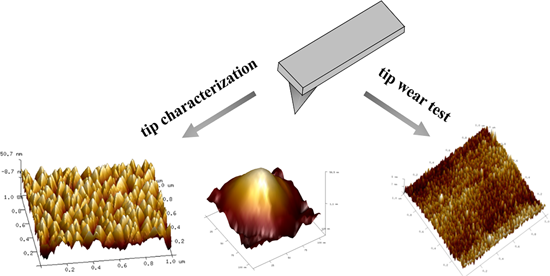
- topography accurately. In contrast to the blind reconstruction algorithm, when using sharp structures to characterize the tip topography, the tip morphology is mainly reflected in the sharp feature structures on the sample. Figure 2 illustrates the modeling process. To enhance accuracy and efficiency of




Multiscale modelling of biomolecular corona formation on metallic surfaces
Beilstein J. Nanotechnol. 2024, 15, 215–229, doi:10.3762/bjnano.15.21
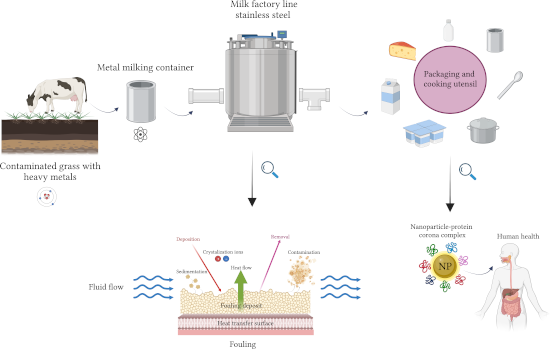
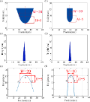
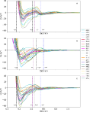
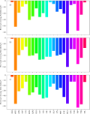
- , this improved algorithm addresses computational efficiency concerns and more accurately represents long-term scenarios during protein corona formation. As shown in the Figure, these algorithmic improvements have a profound impact on the mass concentration of milk proteins on metallic surfaces




Nanocarrier systems loaded with IR780, iron oxide nanoparticles and chlorambucil for cancer theragnostics
Beilstein J. Nanotechnol. 2024, 15, 180–189, doi:10.3762/bjnano.15.17
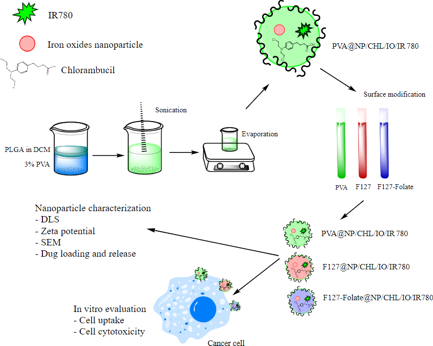
- tumor treatment [27], and PLGA-chlorambucil nanoparticles have been developed for the treatment of breast cancer [28]. Due to the efficiency of CHL in cancer treatment, CHL has been used as a drug model in order to evaluate our formulated NPs. Therefore, in this study, we propose to develop a carrier
- purification and freeze-drying. The results showed that there was approx. 0.5% of CHL in the NPs (Table 2). The encapsulation efficiency of the single emulsion was approx. 5%. However, it was reported that the encapsulation efficiency could be increased up to 92% using the double emulsion method [28] or to 70





