


Search results
Search for "gold Nanoparticles" in Full Text gives 248 result(s) in Beilstein Journal of Nanotechnology. Showing first 200.
Time-dependent growth of crystalline Au0-nanoparticles in cyanobacteria as self-reproducing bioreactors: 2. Anabaena cylindrica
Beilstein J. Nanotechnol. 2016, 7, 312–327, doi:10.3762/bjnano.7.30
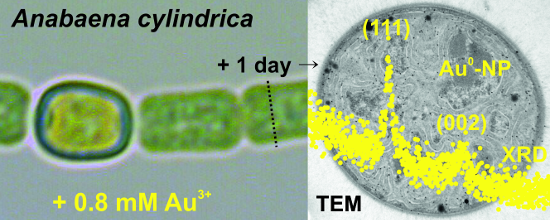
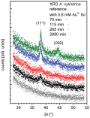
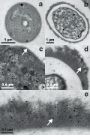
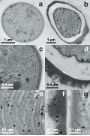
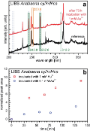
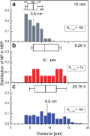
- (XRD), transmission electron microscopy (TEM) and laser-induced breakdown spectroscopy (LIBS) are applied to monitor the time-dependent development of gold nanoparticles for up to 40 hours. Some vegetative cells (VC) are filled with nanoparticles within minutes, while the extracellular polymeric
- nanoparticles are found to be located along the thylakoid membranes. Keywords: biosynthesis; gold nanoparticles; laser-induced breakdown spectroscopy (LIBS); transmission electron microscopy (TEM); X-ray powder diffraction (XRD); Introduction Precious metallic nanoparticles are of steadily increasing interest
- these advantages still little is known about non-hazardous cyanobacteria as self-reproducing bioreactors for the production of nanoparticles. Brayner et al. showed that gold nanoparticles are enriched around heterocysts for Anabaena flos-aquae strain ALCP B24 from the culture collection of MNHN (Muséum



Synthesis and applications of carbon nanomaterials for energy generation and storage
Beilstein J. Nanotechnol. 2016, 7, 149–196, doi:10.3762/bjnano.7.17
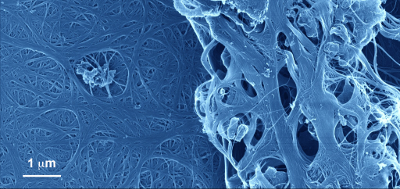
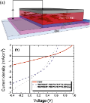
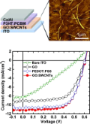
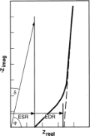
- methods such as printing and roll-to-roll techniques, are ideal for the development of flexible devices for energy generation and storage – the key to the portable electronics of the future. Keywords: carbon; carbon nanotubes; current collector; energy; fullerenes; gold nanoparticles; graphene















Evaluation of gas-sensing properties of ZnO nanostructures electrochemically doped with Au nanophases
Beilstein J. Nanotechnol. 2016, 7, 22–31, doi:10.3762/bjnano.7.3
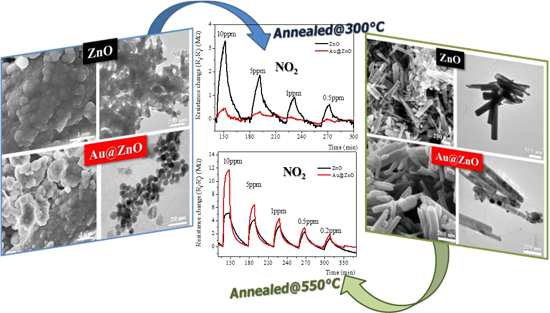
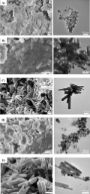
- stabilized gold nanoparticles (Au NPs) directly on the surface of nanostructured ZnO powders, previously synthesized through a sol–gel process. The effect of thermal annealing temperatures (300 and 550 °C) on chemical, morphological, and structural properties of pristine and Au-doped ZnO nancomposites (Au




Controlled graphene oxide assembly on silver nanocube monolayers for SERS detection: dependence on nanocube packing procedure
Beilstein J. Nanotechnol. 2016, 7, 9–21, doi:10.3762/bjnano.7.2
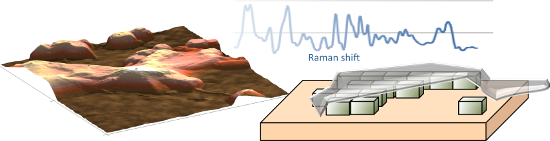
- SERS effect has been demonstrated to be strictly dependent on the gap distance of adjacent nanostructures, commonly termed "hot spots", and many different approaches have been proposed for their production. Early methods rely on the random aggregation of silver or gold nanoparticles induced by a salt


Chemiresistive/SERS dual sensor based on densely packed gold nanoparticles
Beilstein J. Nanotechnol. 2015, 6, 2498–2503, doi:10.3762/bjnano.6.259
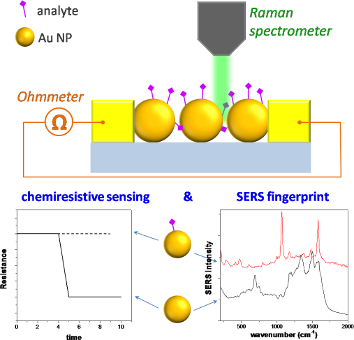
- which molecules are optically detected according to their vibrational spectroscopic fingerprint. Despite different concepts are involved, one can find in the literature examples from both categories reporting sensors made of gold nanoparticles. The same building blocks appear because both sensor classes
- share a common principle: nanometric interparticle gaps are needed, for electron tunneling in chemiresistors, and for enhancing electromagnetic fields by plasmon coupling in SERS-based sensors. By exploiting such nano-gaps in self-assembled films of gold nanoparticles, we demonstrate the proof of
- concept of a dual electrical/optical sensor, with both chemiresistive and SERS capabilities. The proposed device is realized by self-assembling 15 nm gold nanoparticles into few micrometers-wide strips across commercially available interdigitated electrodes. The dual-mode operation of the device is


Self-organization of gold nanoparticles on silanated surfaces
Beilstein J. Nanotechnol. 2015, 6, 2345–2353, doi:10.3762/bjnano.6.242
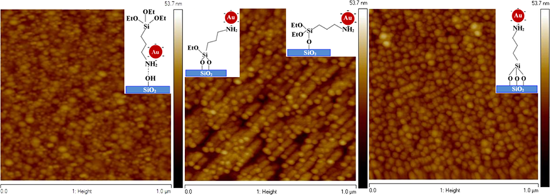
- of Oman Functional Materials Division, School of Information and Communication Technology, KTH Royal Institute of Technology, Isafjordsgatan 22, SE-164 40 Kista Stockholm, Sweden 10.3762/bjnano.6.242 Abstract The self-organization of monolayer gold nanoparticles (AuNPs) on 3
- are fundamentally important and also can be applied for designing and modelling of surface plasmon resonance based sensor applications. Keywords: 3-aminopropyletriethoxysilane; electrostatic interaction; functionalization; gold nanoparticles; self-assembled monolayer; self-organization; Introduction
- deposition of APTES molecules [7]. Thus, NH2-terminated APTES deposition on any substrate is extremely important for further surface modification. Gold nanoparticles (AuNPs) have unique physical, chemical and electrical properties that differ from the bulk due to the quantum confinement effects in small


Fabrication of hybrid nanocomposite scaffolds by incorporating ligand-free hydroxyapatite nanoparticles into biodegradable polymer scaffolds and release studies
Beilstein J. Nanotechnol. 2015, 6, 2217–2223, doi:10.3762/bjnano.6.227
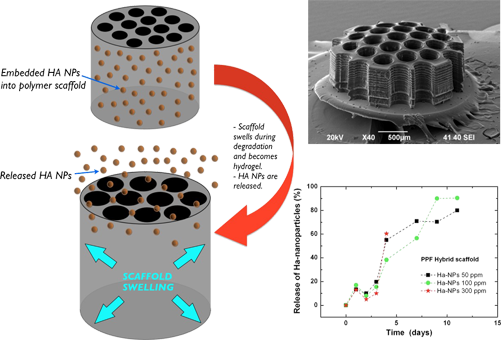
- achieved for the most crucial first two weeks of the healing process. Experimental Poly(propylene fumarate) Poly(propylene fumarate) (PPF) has been chosen as the carrier for the HA nanoparticles following our previous success with gold nanoparticles (Au NPs) [19]. PPF itself is a versatile synthetic


Electrochemical behavior of polypyrrol/AuNP composites deposited by different electrochemical methods: sensing properties towards catechol
Beilstein J. Nanotechnol. 2015, 6, 2052–2061, doi:10.3762/bjnano.6.209
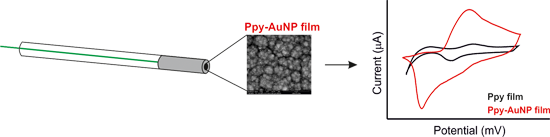
- the electrooxidation of the pyrrole monomer in the presence of colloidal gold nanoparticles, referred to as trapping method (T), and the second one by electrodeposition of both components from one solution containing the monomer and a gold salt, referred to as cogeneration method (C). In both cases
- , electrodeposition was carried out through galvanostatic and potentiostatic methods and using platinum (Pt) or stainless steel (SS) as substrates. Scanning electron microscopy (SEM) demonstrated that in all cases gold nanoparticles of similar size were uniformly dispersed in the Ppy matrix. The amount of AuNPs
- effects are not so pronounced on stainless steel, but acceptable LOD are attained with lower price sensors. Keywords: catechol; conducting polymers; electropolymerization; gold nanoparticles (AuNPs); polypyrrole; Introduction Polypyrrole (Ppy) is one of the most extensively studied, conducting polymers


Optimized design of a nanostructured SPCE-based multipurpose biosensing platform formed by ferrocene-tethered electrochemically-deposited cauliflower-shaped gold nanoparticles
Beilstein J. Nanotechnol. 2015, 6, 1840–1852, doi:10.3762/bjnano.6.187
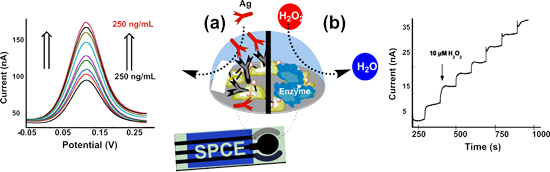
- structured with cauliflower-shaped gold nanoparticles (cfAuNPs) and we show its applications in immunosensing and enzyme-based detection. The electrochemical reduction of Au(III) allows for the electrodeposition of highly dispersed cauliflower-shaped gold nanoparticles on the surface of screen-printed carbon
- pertaining to enzymatic kinetics studies. The levels of hIgG in human serum and H2O2 in honey were successfully determined and served as assessment tools of the applicability of the platforms for real samples analysis. Keywords: cauliflower-shaped gold nanoparticles; enzymatic detection; IgG sensing
- concentrations of, e.g., biologically active analytes and disease-related biomarkers [9][10]. Many electrochemical biosensors use ferrocene to transduce the biological reactions into readily measurable electrical signals [11][12]. For instance, Chen and Diao developed a glucose biosensor using gold nanoparticles


The eNanoMapper database for nanomaterial safety information
Beilstein J. Nanotechnol. 2015, 6, 1609–1634, doi:10.3762/bjnano.6.165

- association of a 105-member library of surface-modified gold nanoparticles (see Figure 3). 785 distinct serum proteins were identified by LC-MS/MS, from which 129 were suitable for relative quantification. The fingerprint of serum proteins was defined by the relative abundance of each protein on a


Scalable, high performance, enzymatic cathodes based on nanoimprint lithography
Beilstein J. Nanotechnol. 2015, 6, 1377–1384, doi:10.3762/bjnano.6.142
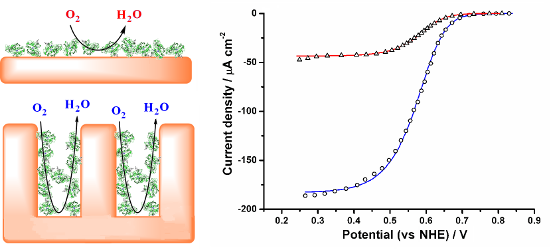
- found to be equal to 27 s−1. It appears that the heterogeneous electron transfer rate for the adsorbed BOx does not depend on electrode nanostructuring. These results are in excellent agreement with our previously published data concerning the influence of gold nanoparticles on enzymatic bio


Formation of substrate-based gold nanocage chains through dealloying with nitric acid
Beilstein J. Nanotechnol. 2015, 6, 1362–1368, doi:10.3762/bjnano.6.140
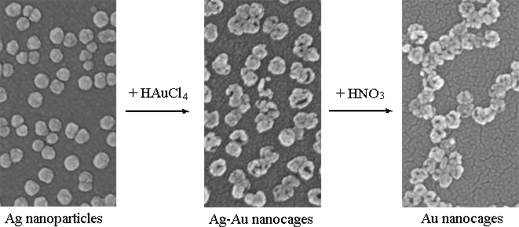
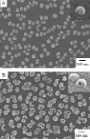
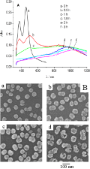
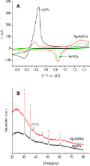
- . 16%) [31]. A slow reaction could avoid the removal of the nanocages from the solid substrate. The gaseous product of the reaction may be the force to move the nanoparticles and the affinity between the gold nanoparticles may be the driving force of the chain formation. However, the details of the

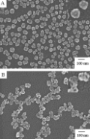
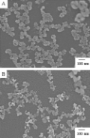
Synthesis, characterization and in vitro effects of 7 nm alloyed silver–gold nanoparticles
Beilstein J. Nanotechnol. 2015, 6, 1212–1220, doi:10.3762/bjnano.6.124
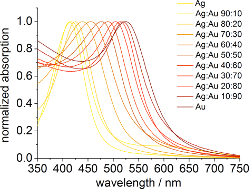
- Simon Ristig Svitlana Chernousova Wolfgang Meyer-Zaika Matthias Epple Inorganic Chemistry and Center for Nanointegration Duisburg-Essen (CeNIDE), University of Duisburg-Essen, 45117 Essen, Germany 10.3762/bjnano.6.124 Abstract Alloyed silver–gold nanoparticles were prepared in nine different
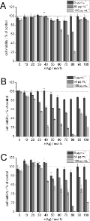
- ) showed spherical, monodisperse, colloidally stable silver–gold nanoparticles of ≈7 nm diameter with measured molar metal compositions very close to the theoretical values. The examination of the nanoparticle cytotoxicity towards HeLa cells and human mesenchymal stem cells (hMSCs) showed that the toxicity
- scientific studies due to their distinct physicochemical properties [1][2]. Apart from their catalytic and optical features, in particular, silver and gold nanoparticles have begun to play a major role in biochemistry, biology and medicine [3][4][5]. Silver nanoparticles are known to be highly toxic towards


Improved optical limiting performance of laser-ablation-generated metal nanoparticles due to silica-microsphere-induced local field enhancement
Beilstein J. Nanotechnol. 2015, 6, 1199–1204, doi:10.3762/bjnano.6.122
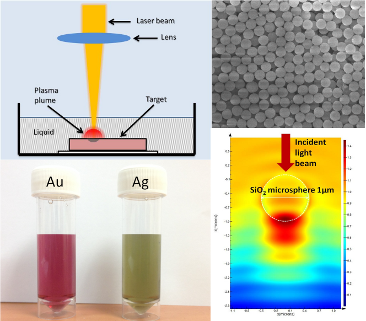
- was believed to be due to nonlinear scattering. Polavarapu et al. [21] have shown that nonlinear absorption was not significant for the gold nanoparticles in water. At low laser fluence, the nanoparticle dispersion is almost transparent to the laser light and thus the laser light exhibits a linear
- threshold is about 1.6 J/cm2. Hence, by adding the silica microspheres, the optical limiting threshold is lowered by 4.6 J/cm2. Figure 3b shows the normalized nonlinear transmittance of the samples (gold nanoparticles and gold/silica nanocomposites) upon excitation with ns laser pulses at 1064 nm. The input
- nanoparticle dispersion is almost transparent upon illumination by laser light at low laser fluence. (b) The optical limiting effect of the nanoparticles appears when microbubbles are formed at high laser fluence. Optical limiting (OL) response and normalized transmittance curves of (a,b) gold nanoparticles


Patterning technique for gold nanoparticles on substrates using a focused electron beam
Beilstein J. Nanotechnol. 2015, 6, 1010–1015, doi:10.3762/bjnano.6.104
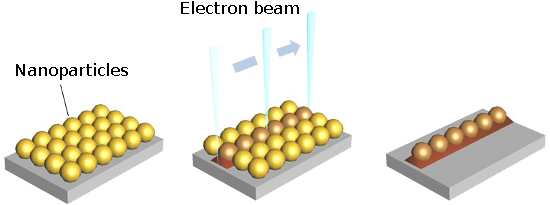
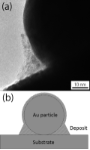
- , Midori-ku, Yokohama, 226-8502, Japan 10.3762/bjnano.6.104 Abstract We propose a novel patterning technique for gold nanoparticles on substrates that combines a chemical reaction with electron beam irradiation. First, gold nanoparticles are placed in a two-dimensional arrangement on the substrate. Then
- , particular nanoparticles are fixed on the substrate by irradiation with a focused electron beam to produce a desired pattern. Finally, the unfixed nanoparticles are removed. Using this technique, an array of gold nanoparticles, for example, in the form of a line or patterned over an area, are prepared on the
- substrate. This technique could contribute to the fabrication of plasmonic devices and other applications that require the controlled placement of gold nanoparticles on substrates. Keywords: electron beam; gold; nanoparticle array; Introduction Plasmonic waveguides and circuits utilizing localized surface




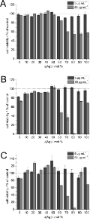
Influence of gold, silver and gold–silver alloy nanoparticles on germ cell function and embryo development
Beilstein J. Nanotechnol. 2015, 6, 651–664, doi:10.3762/bjnano.6.66
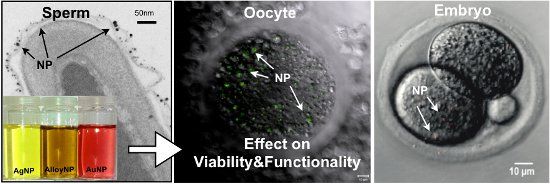
- fertility parameters deteriorated after co-incubation with ligand free gold nanoparticles. However, the effect could be alleviated by bio-coating the nanoparticles, which even applies to silver and silver-rich alloy nanoparticles. The most sensitive test system appeared to be in vitro oocyte maturation
- nanoparticles. In a multigenerational study using gold nanoparticles in an caenorhabditis elegans model it was recently shown that after oral nanoparticle exposure reproduction rate was clearly affected in the F2 generation [1]. While many reprotoxicological examinations are performed as clinical or animal
- evolved sufficiently to allow for the mass production of engineered nanoparticles. Due to their fascinating optical, chemical and physical properties they quickly found their way into many products. With regard to gold nanoparticles this applies particularly to biomedical purposes such as cancer imaging





Filling of carbon nanotubes and nanofibres
Beilstein J. Nanotechnol. 2015, 6, 508–516, doi:10.3762/bjnano.6.53
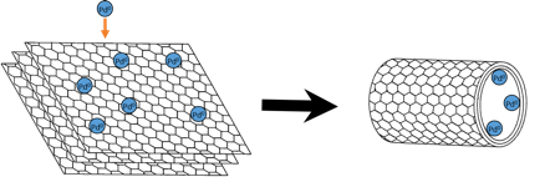
- [71]. MWCNT samples decorated with gold nanoparticles on the interior and exterior surfaces were produced by first functionalizing the CNTs with carboxylic acid groups [65]. This was followed by sonication of the functionalized MWCNTs in water and application of a large (225 V) potential across two
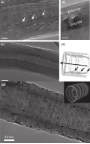
- ) Transmission electron micrograph of the filled CNFs with gold nanoparticles. Inset: a computer generated model. Reprinted with permission from [30], copyright 2012 Wiley-VCH.


Raman spectroscopy as a tool to investigate the structure and electronic properties of carbon-atom wires
Beilstein J. Nanotechnol. 2015, 6, 480–491, doi:10.3762/bjnano.6.49
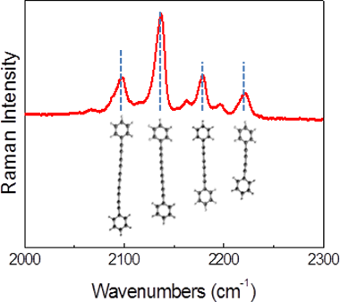
- spectrum. A shift in the main Raman peak locations is accompanied by the appearance of new spectral features at lower wavenumbers (below 2000 cm−1), as shown in Figure 6 for the case of silver nanoparticles. This occurs also in the case of gold nanoparticles for different excitation wavelengths ranging


Comparative evaluation of the impact on endothelial cells induced by different nanoparticle structures and functionalization
Beilstein J. Nanotechnol. 2015, 6, 300–312, doi:10.3762/bjnano.6.28
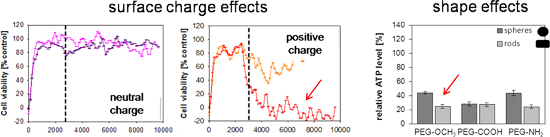
- nanoparticles on endothelial cells. Our findings will help to design new nanoparticles with optimized properties concerning biocompatibility and uptake behavior with respect to the respective intended application. Keywords: cell viability; gold nanoparticles; internalization; Janus particles; quantum dots
- positive). Gold nanoparticles exhibit strong light scattering and absorption at their resonance wavelength due to their plasmonic properties [1][2]. Thus, these particles are used for optical imaging approaches [3][4]. Moreover, applications as contrast media for CT [5][6] and for selective cell targeting
- [7] are suggested. Gold nanorods were shown to have better optical imaging properties compared to spherical gold nanoparticles [8][9][10]. Importantly, the cytotoxicity of gold nanoparticles depends on the surface coating. Cetyltrimethylammonium bromide (CTAB), an important material during synthesis




Green preparation and spectroscopic characterization of plasmonic silver nanoparticles using fruits as reducing agents
Beilstein J. Nanotechnol. 2015, 6, 293–299, doi:10.3762/bjnano.6.27
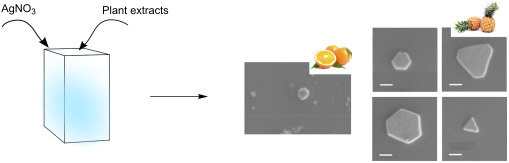
- capability to reduce silver and gold salts and to create silver and gold nanoparticles. We report the preparation of silver nanoparticles with sizes between 10 and 300 nm from silver nitrate using fruit extract collected from pineapples and oranges as reducing agents. The evolvement of a characteristic
- process. The most popular process among the bottom up methods might be the preparation of silver and gold nanoparticles in aqueous solution by the reduction of silver and gold salts using sodium citrate or sodium borohydride as reducing agent [9]. Recently it has been identified that also plant extracts
- have the capability to reduce silver and gold salts and to create silver and gold nanoparticles [10][11][12][13][14][15][16][17][18][19]. Many different chemical compounds are present in various parts of different plants. Polysaccharides, phenolics, flavoids to mention only a few, could serve as


Mechanical properties of MDCK II cells exposed to gold nanorods
Beilstein J. Nanotechnol. 2015, 6, 223–231, doi:10.3762/bjnano.6.21
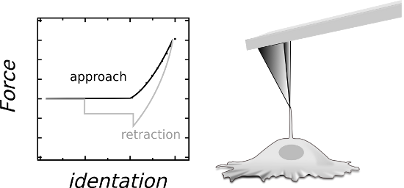
- /bjnano.6.21 Abstract Background: The impact of gold nanoparticles on cell viability has been extensively studied in the past. Size, shape and surface functionalization including opsonization of gold particles ranging from a few nanometers to hundreds of nanometers are among the most crucial parameters
- CTAB coated rods suggesting an increase in acoustic load corresponding to a larger stiffness (storage modulus). Keywords: atomic force microscopy; CTAB; gold nanorods; membrane tension; MDCK II cells; QCM; Introduction The interest in gold nanoparticles (NP) for biomedical applications in the field
- simultaneously the resonance frequency and dissipated energy of the quartz crystal covered with cells and reveals information about the viscoelastic properties of these cells as well as the distance from the quartz surface [24]. In the work presented here we investigated the influence of gold nanoparticles on


Caveolin-1 and CDC42 mediated endocytosis of silica-coated iron oxide nanoparticles in HeLa cells
Beilstein J. Nanotechnol. 2015, 6, 167–176, doi:10.3762/bjnano.6.16
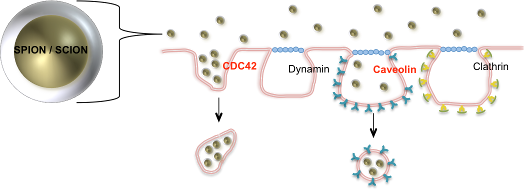
- was chosen as a model cell line. Hela cells are a well-established malignant cell line, which was widely used to study the uptake of iron oxide nanoparticles [18][21][24][32], gold nanoparticles [33][34] and other particle systems like quantum dots [35] or polymer particles [36][37]. To gain insights
- of nanoparticles by HeLa cells is consistent with the literature. It was shown, that polyethyleneimine gold nanoparticles around 40 nm [33], gold nanoparticles of 4.5 nm [34] and conjugated polymer nanoparticles [36] are internalized through Caveolin dependent pathways. The same was observed for
- human alveolar epithelial cells and polystyrene nanoparticles around 100 nm [38] as well as polymer coated gold nanoparticles with a core size around 13 nm [39]. On the other hand there are studies showing the uptake of different nanoparticles by HeLa cells such as quantum dots [35], PEG-PLA particles


Functionalization of α-synuclein fibrils
Beilstein J. Nanotechnol. 2015, 6, 124–133, doi:10.3762/bjnano.6.12
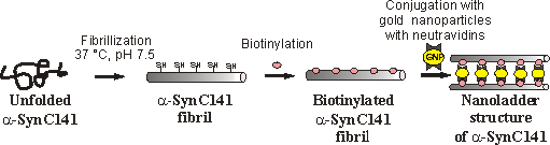
- -synuclein that contains an additional cysteine residue. The fibrils have been biotinylated via thiol groups and subsequently joined with neutravidin-conjugated gold nanoparticles. Atomic force microscopy and transmission electron microscopy confirmed the expected structure – nanoladders. The ability of
- fibrils (and of the additional components) to assemble into such complex structures offers new opportunities for fabricating novel hybrid materials or devices. Keywords: α-synuclein; atomic force microscopy; gold nanoparticles; nanostructures; self-assembly; Introduction Due to their ability to form
- modification of the target protein. Novel well-ordered multicomponent nanoderivatives have been constructed by labelling α-SynC141 fibrils with biotin. The biotinylated fibrils have been further assembled with neutravidin-conjugated gold nanoparticles. The resulting structures were evaluated by AFM and TEM


Bright photoluminescence from ordered arrays of SiGe nanowires grown on Si(111)
Beilstein J. Nanotechnol. 2014, 5, 2498–2504, doi:10.3762/bjnano.5.259
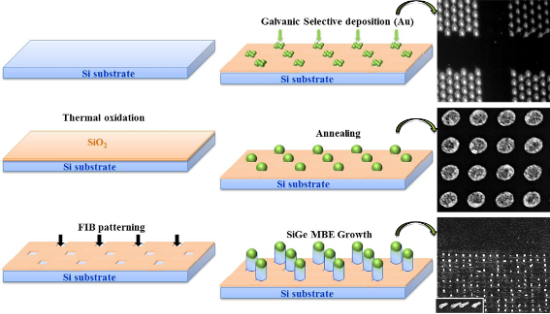
- positioned [28]. We have evolved an efficient and simple electrochemical process that joins focused-ion-beam (FIB) lithography and galvanic reaction to selectively prepare gold nanoparticles in well-defined locations. Afterwards these nanoparticles are used for the molecular beam epitaxy (MBE) growth of


Mammalian cell growth on gold nanoparticle-decorated substrates is influenced by the nanoparticle coating
Beilstein J. Nanotechnol. 2014, 5, 2479–2488, doi:10.3762/bjnano.5.257
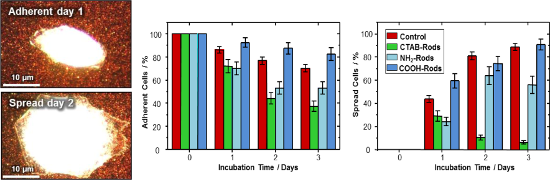
- ; gold; nanoparticles; Introduction Over the last decade, the biomedical applications for gold nanoparticles have become increasingly diverse due to their small size and plasmonic nature [1]. The plasmon resonance wavelength of the nanoparticle, which exhibits strong light scattering and absorption, can
- be controlled by synthesis conditions [2] in order to match the “optical window” of biological tissue in the wavelength region of 650–900 nm [3]. Therefore, gold nanoparticles can be used, for example, as biosensors [4][5], as delivery systems [6][7], as contrast agents in imaging [8][9], and as
- special functionality), this study is focused on the impact of basolateral exposure of gold nanoparticles on epithelial cells. Here, epithelial cells were exposed to nanoparticles adsorbed onto a surface. Since MDCK II cells exhibit caveolae only basolaterally, it is conceivable that internalization is





