


Search results
Search for "in situ" in Full Text gives 552 result(s) in Beilstein Journal of Nanotechnology. Showing first 200.
Using gold nanoparticles to detect single-nucleotide polymorphisms: toward liquid biopsy
Beilstein J. Nanotechnol. 2020, 11, 263–284, doi:10.3762/bjnano.11.20
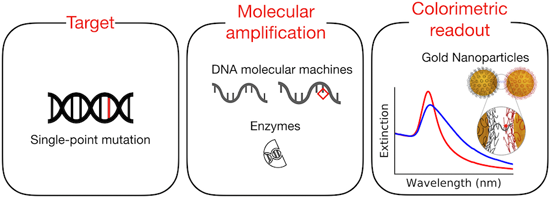
- -art of advanced techniques in the field of genomics such as digital PCR, next generation sequencing (NGS), fluorescence in situ hybridization (FISH) and BEAMing. These facilitate the fast design of mutational profiles of tumor DNA, helping the prioritization of anti-cancer therapy. Although these




High-performance asymmetric supercapacitor made of NiMoO4 nanorods@Co3O4 on a cellulose-based carbon aerogel
Beilstein J. Nanotechnol. 2020, 11, 240–251, doi:10.3762/bjnano.11.18
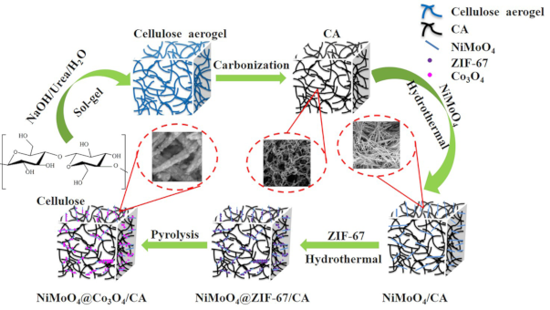
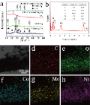
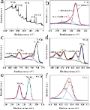
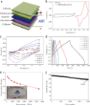
- uniformly filled the 3D network of CA, providing plenty of sites for coupling with ZIF-67. Third, ZIF-67 was in situ crystallized on the surface of the NiMoO4/CA skeleton by a hydrothermal method. Finally, after the pyrolysis of the NiMoO4@ZIF-67/CA precursor at 350 °C for 2 h under air atmosphere, the
- washed with deionized water for several times. Finally, the dried precipitates were annealed at 400 °C for 2 h under air to obtain the NiMoO4/CA samples. Fabrication of the NiMoO4@Co3O4/CA ternary composite The in situ crystallization of ZIF-67 on the surface of NiMoO4/CA was carried out as follows




Rational design of block copolymer self-assemblies in photodynamic therapy
Beilstein J. Nanotechnol. 2020, 11, 180–212, doi:10.3762/bjnano.11.15
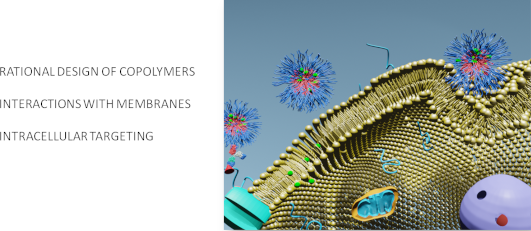
- focus on the benefits provided by block copolymers in photodynamic therapy (PDT), as described schematically in Figure 1 [15]. Its concept lies in the use of photosensitizing molecules that have the ability to transfer their energy to oxygen upon irradiation, leading to the in situ formation of reactive
- , different solutions have been recently proposed (see below in Figure 6) in order to (i) deliver oxygen in tumor tissues by using oxygen “shuttles”; (ii) produce oxygen in situ using chemical or photothermal reactions or (iii) circumvent the use of oxygen. Details of these solutions are as follows: Taking






Synthesis of amorphous and graphitized porous nitrogen-doped carbon spheres as oxygen reduction reaction catalysts
Beilstein J. Nanotechnol. 2020, 11, 1–15, doi:10.3762/bjnano.11.1
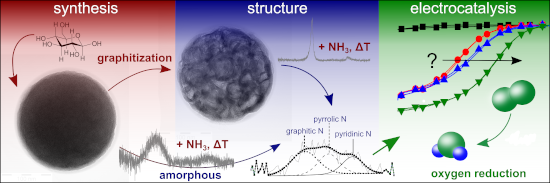
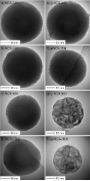
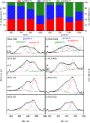
- and characterization of N-doped carbon spheres as possible ORR catalysts. Before presenting our results, we will briefly summarize relevant previous findings. There are two main strategies for the synthesis of N-doped carbons: first, in situ doping with nitrogen, employing C- and N-containing
- precursors directly in the synthesis of the material, which leads to the direct formation of C–N bonds; and second, post-synthesis N-doping via substitutional incorporation of N into the carbon lattice of as-synthesized carbon materials with a reactive nitrogen-containing agent. Established in situ syntheses




Advanced hybrid nanomaterials
Beilstein J. Nanotechnol. 2019, 10, 2563–2567, doi:10.3762/bjnano.10.247

- for sensing or corrosion protection. To understand composite formation of a complex hybrid assembly, high quality characterization is paramount. An example is small angle X-ray scattering (SAXS), which was used in the work “Mechanism of silica–lysozyme composite formation unraveled by in situ fast
- SAXS” to identify and characterize subtle interparticle interactions [24]. This study shows that fast in situ synchrotron SAXS provides an understanding of lysozyme deformation molecules during aggregation. All these contributions indicate a marked interest of current research in hybrid materials for
Antimony deposition onto Au(111) and insertion of Mg
Beilstein J. Nanotechnol. 2019, 10, 2541–2552, doi:10.3762/bjnano.10.245
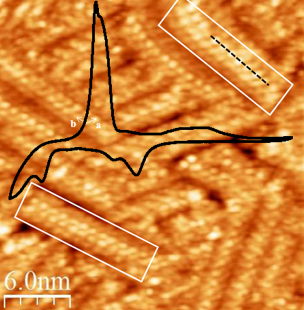
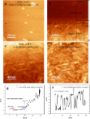
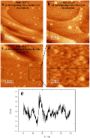
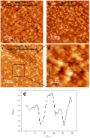
- ) species on a Au(111) surface by an in situ STM [11] and Wu et al. [12] also investigated the electrodeposition of Sb on Au(111). It has been found that the formed adlayer has a structure on Au(111). The second process is the UPD process or the reduction of oxygenous Sb(III) species, which are from the
- resembles that of thin layer cells [28]. A further difference is that both anodic processes are shifted in positive direction by 50 mV, which might be due to some instability of the pseudo-reference electrode. An in situ observation of Sb underpotential deposition/dissolution on/from the Au(111) surface in





Abrupt elastic-to-plastic transition in pentagonal nanowires under bending
Beilstein J. Nanotechnol. 2019, 10, 2468–2476, doi:10.3762/bjnano.10.237
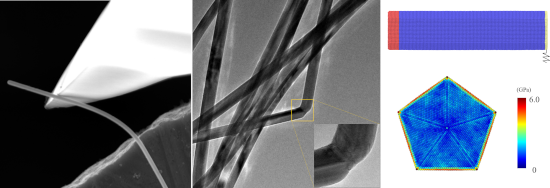
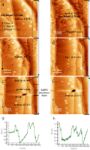
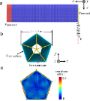
- the present work, we challenged the explanation given by Peng et al. and performed in-situ SEM bending and breaking of Ag in order to determine if the visible profile of the NWs is related to the brittle-like mechanical deformation rather that the joining of two NWs together. Experiments were also



Design of a nanostructured mucoadhesive system containing curcumin for buccal application: from physicochemical to biological aspects
Beilstein J. Nanotechnol. 2019, 10, 2304–2328, doi:10.3762/bjnano.10.222
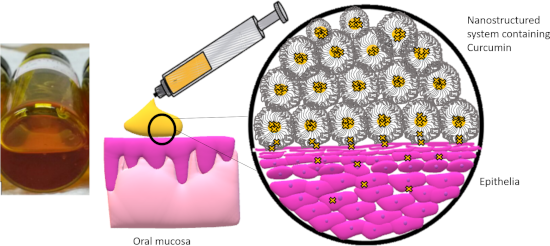
- application over the initial stages (Stage 0 – carcinoma in situ, Stage I – less than 2 cm tumor and Stage II – more than 2 and less than 4 cm tumor) after surgical procedure. Additionally, localized and initial tumors enable the choice of less aggressive treatments, such as the administration of


Adsorption and desorption of self-assembled L-cysteine monolayers on nanoporous gold monitored by in situ resistometry
Beilstein J. Nanotechnol. 2019, 10, 2275–2279, doi:10.3762/bjnano.10.219
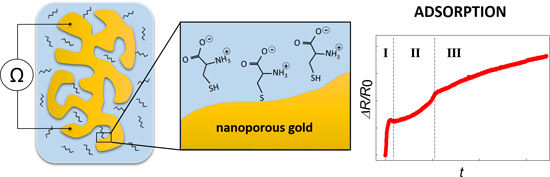
- approaches to modify a gold surface. However, only few techniques are capable of characterizing the formation of these monolayers on porous substrates. Here, we present a method to in situ monitor the adsorption and desorption of self-assembled monolayers on nanoporous gold by resistometry, using cysteine as
- accompanied by additional adsorption takes place. The successful binding of cysteine on the Au surface was confirmed by cyclic voltammetry, which showed a significant decrease of the double-layer capacitance. Also, the electrochemically controlled desorption of cysteine was monitored by concomitant in situ
- resistometry. From the desorption peak related to the (111) surface of the structure, which is associated with a resistance change of 4.8%, an initial surface coverage of 0.48 monolayers of cysteine could be estimated. Keywords: L-cysteine; in situ resistometry; nanoporous gold; self-assembled monolayer (SAM

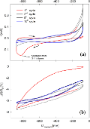
Ultrathin Ni1−xCoxS2 nanoflakes as high energy density electrode materials for asymmetric supercapacitors
Beilstein J. Nanotechnol. 2019, 10, 2207–2216, doi:10.3762/bjnano.10.213
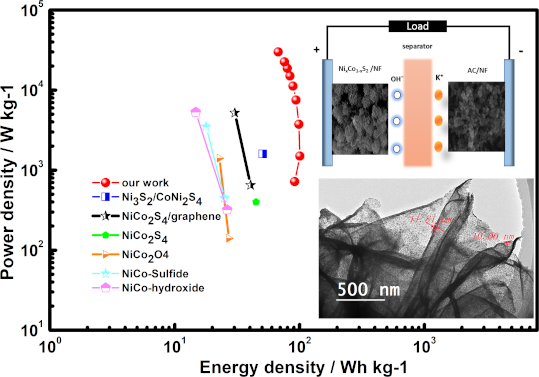
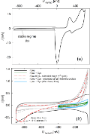
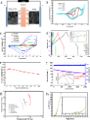
- energy density of 67.5 Wh·kg−1) and excellent cycling stability. This approach can be a low-cost way to mass-produce high-performance electrode materials for supercapacitors. Keywords: electrode materials; high energy density; in situ phase transformation; NiCo sulfide; supercapacitors; ultrathin


Mannosylated brush copolymers based on poly(ethylene glycol) and poly(ε-caprolactone) as multivalent lectin-binding nanomaterials
Beilstein J. Nanotechnol. 2019, 10, 2192–2206, doi:10.3762/bjnano.10.212
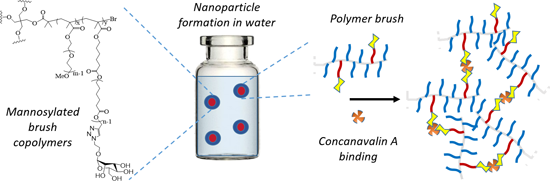
- -mannopyranoside (3), synthesized as already reported [32] (see Supporting Information File 1, Figure S1).The reaction conditions for the CuAAC were chosen according to [33]. In particular, the catalytic copper species was produced in situ by reducing copper(II) sulfate pentahydrate with sodium ascorbate, in the



Review of advanced sensor devices employing nanoarchitectonics concepts
Beilstein J. Nanotechnol. 2019, 10, 2014–2030, doi:10.3762/bjnano.10.198
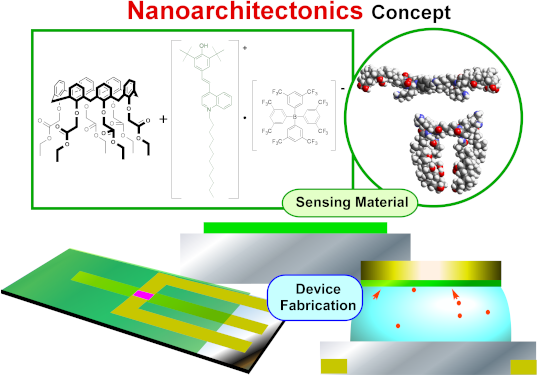
- could be applicable for demands requiring the evaluation of small normal pressures even on dynamic surfaces such as natural tissues and is expected to be useful for in situ biomedical digital monitoring, such as palpation for breast cancer. Triboelectric nanogenerators to convert mechanical energy to





First principles modeling of pure black phosphorus devices under pressure
Beilstein J. Nanotechnol. 2019, 10, 1943–1951, doi:10.3762/bjnano.10.190
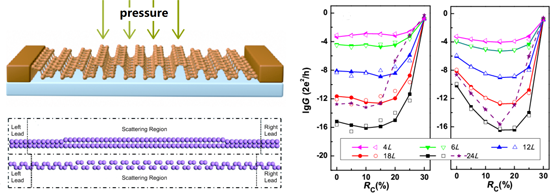
- orthorhombic semiconductor to a simple cubic metal with increasing pressure by performing in situ ADXRD and Raman spectroscopy with the assistance of a DAC apparatus. They also carried out first principles calculations to interpret the metallic behavior of BP under pressure. Pablo et al. investigated the




Engineered superparamagnetic iron oxide nanoparticles (SPIONs) for dual-modality imaging of intracranial glioblastoma via EGFRvIII targeting
Beilstein J. Nanotechnol. 2019, 10, 1860–1872, doi:10.3762/bjnano.10.181
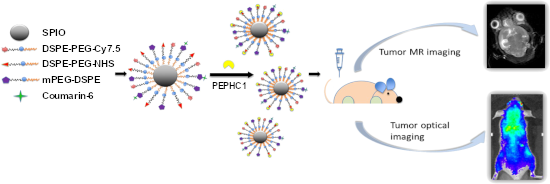
- humidified ecosystem containing 5% CO2. Male Balb/c nude mice of 20 g were bought from SLAC Lab Animal Ltd. (Shanghai, China) and raised in SPF level environments. The intracranial in situ glioblastoma model of mice was constructed in step with a slightly modified, previous report [38]. Briefly, 5 × 10⁵




Nanoarchitectonics meets cell surface engineering: shape recognition of human cells by halloysite-doped silica cell imprints
Beilstein J. Nanotechnol. 2019, 10, 1818–1825, doi:10.3762/bjnano.10.176
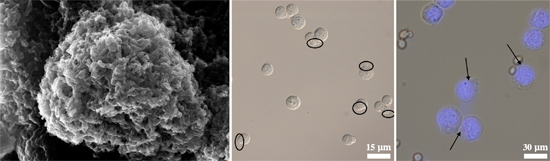
- previously published protocol [24][25]. Silica/halloysite-decorated HeLa cells were then imaged in situ with optical fluorescence microscopy. A typical image is shown in Figure 2A demonstrating the preserved cell morphology and characteristic nuclear DAPI stain. Next, we imaged the silica/halloysite


Biocatalytic oligomerization-induced self-assembly of crystalline cellulose oligomers into nanoribbon networks assisted by organic solvents
Beilstein J. Nanotechnol. 2019, 10, 1778–1788, doi:10.3762/bjnano.10.173
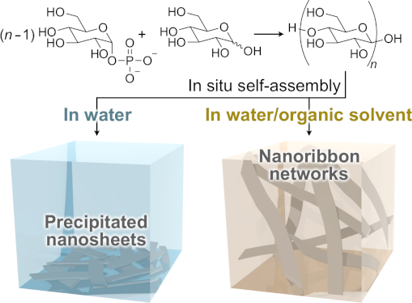
- synthesized cellulose oligomers (also known as cellodextrin) self-assemble in situ into unique nanostructures. In addition to the plain cellulose oligomer, cellulose oligomer derivatives bearing azido [34], alkyl [35], oligo(ethylene glycol) [36], vinyl [37][38], and amino [39][40] groups at the terminal have





Growth dynamics and light scattering of gold nanoparticles in situ synthesized at high concentration in thin polymer films
Beilstein J. Nanotechnol. 2019, 10, 1768–1777, doi:10.3762/bjnano.10.172
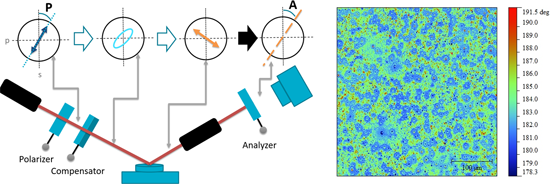
- nanocomposites, which globally belong to two categories: the synthesis of NPs in a liquid medium, which provides good control during their growth, or the in situ synthesis of NPs, e.g., by thermal annealing of a noble metal-doped solid phase such as HAuCl4-doped polymer films. In the latter approach there is
- simpler. In a single step, both the gold salt and the polymer are mixed to prepare the nanocomposite. The simplicity of the method is regarded as a great advantage for the production of nanocomposites for various applications in nano-optics. The principle of in situ methods is the use of one of the matrix
- is another advantage of the in situ synthesis since it avoids the use of additional stabilizers such as citrate ions or sodium borohydride. The thermal annealing process allows for a reduction of the metal cations. Once in their neutral state, the metal atoms have to diffuse in the polymer matrix and


The impact of crystal size and temperature on the adsorption-induced flexibility of the Zr-based metal–organic framework DUT-98
Beilstein J. Nanotechnol. 2019, 10, 1737–1744, doi:10.3762/bjnano.10.169
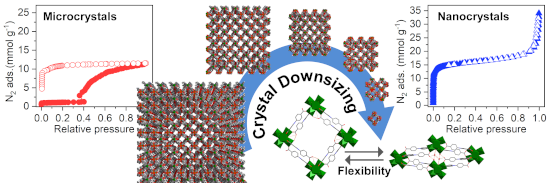
- -dependent steep water uptake of up to 20 mmol g−1 at 0.5 p/p0 with potential for water harvesting and heat pump applications. We furthermore investigate the temperature-induced structural transition by in situ powder X-ray diffraction. At temperatures beyond 110 °C, the open-pore state of the nanometer
- supported by the loss of lattice water molecules [23]. Because the crystal downsizing allows for the preservation of the desolvated DUT-98op phase, we investigated the impact of elevated temperature on the structural transition in DUT-98op via in situ variable-temperature PXRD. The experiments were
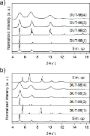
- supercritical solvent removal. Water physisorption experiments at 298 K on: a) DUT-98(1)–(4) and c) DUT-98(3) after cycling and after thermal treatment. (Filled symbols: adsorption, open symbols: desorption). In situ temperature-variable PXRD of: b) DUT-98(2) and d) DUt-98(2) cycled at lower temperature



Layered double hydroxide/sepiolite hybrid nanoarchitectures for the controlled release of herbicides
Beilstein J. Nanotechnol. 2019, 10, 1679–1690, doi:10.3762/bjnano.10.163
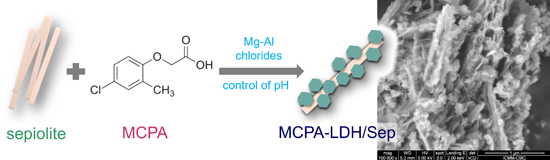
- nanoparticulated solids to the in situ generation of nanoparticles in the presence of the clay [14]. One of the key points in these strategies is to reach a good disaggregation of the fibrous particles to favor the exposition of the clay surface for the assembly with other particles, either present in the medium
- used strategies included wet impregnation and layer-by-layer approaches to produce diverse type of multilayer heterostructures, e.g., ZnCr-LDH/TiO2 films [30], in situ formation of the LDH in presence of other nanoparticles, e.g., sepiolite [31], and reconstruction of the LDH from parent “layered


Nanoporous smartPearls for dermal application – Identification of optimal silica types and a scalable production process as prerequisites for marketed products
Beilstein J. Nanotechnol. 2019, 10, 1666–1678, doi:10.3762/bjnano.10.162
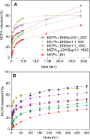
- rutin active agent powder and the rutin smartPearls was monitored over one hour in 0.15 molar NaCl solution using in situ UV–vis measurements (Sirius inForm®, UK) with a fiber optic collector and a path length of 5 mm. The 0.15 molar NaCl solution was placed in a beaker and the aqueous phase was
- curves). Apart from the nanometer-sized material, the general high values reported in the literature can be attributed to dissolution in a higher pH (6.8) and at a higher temperature (37 °C) than that used in this study (pH 5.5 for skin products and 25 °C). Additionally, the in situ measurement with
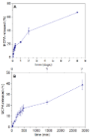
- rutin after extraction from silica SP53D (left) and 72 FP (right) with rutin loadings of 20%, 25%, 28% and 30%, as measured with HPLC (blue) and spectrophotometry (green). The standard deviation is shown as the mean of all measurements (HPLC n = 2, UV n = 1). In situ determined saturation solubility of




Subsurface imaging of flexible circuits via contact resonance atomic force microscopy
Beilstein J. Nanotechnol. 2019, 10, 1636–1647, doi:10.3762/bjnano.10.159
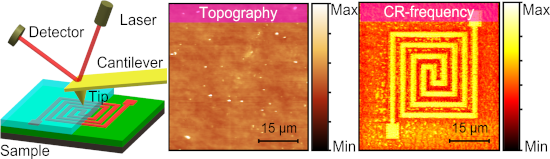
- using CR-AFM, which indicates its excellent capability of imaging tiny defects smaller than 100 nm. These investigations demonstrate a nondestructive yet high spatial resolution CR-AFM method for systematic, in situ and ex situ diagnosis of flexible circuits. (a) Schematic illustration of CR-AFM imaging



Kelvin probe force microscopy work function characterization of transition metal oxide crystals under ongoing reduction and oxidation
Beilstein J. Nanotechnol. 2019, 10, 1596–1607, doi:10.3762/bjnano.10.155
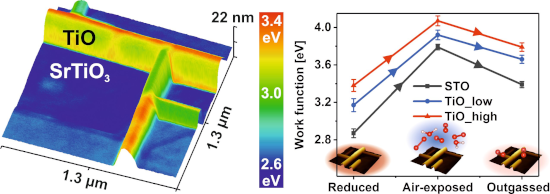
- known that water molecules present in the ambient air form a dipole layer, which can give rise to an effective surface potential [49]. To reduce the impact of weakly interacting adsorbates, in the next step, the sample underwent in situ UHV annealing, which implicated a WF decrease of both TiO and
- , this is a first indirect observation of the high potential of such a structure. After in situ annealing to 230 °C, the work function of TiO nanowires drops by 0.2 eV, in contrast to the 0.35 eV decrease for the SrTiO3(100) surface. A temperature of 230 °C was chosen to enable desorption of the most
- reached on the STO surface (below 10−20 mbar). As a result of the high-temperature reduction (1150 °C, 1 h) under such conditions, a macroscopic network of nanowires was formed. After slow cooling down to room temperature, the samples were transferred in situ to the microscope chamber of an Omicron RT STM


Unipolar magnetic field pulses as an advantageous tool for ultrafast operations in superconducting Josephson “atoms”
Beilstein J. Nanotechnol. 2019, 10, 1548–1558, doi:10.3762/bjnano.10.152
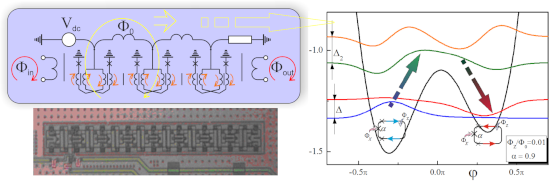
- logic (ASL) circuits broadly used, e.g., to control qubits in D-Wave Systems quantum processors [32]. While ASL circuits are distinguished by their ultimate energy efficiency, the shape of the magnetic signal transferred by ASL transmission line can be easily tuned in situ. In comparison with a


High-temperature resistive gas sensors based on ZnO/SiC nanocomposites
Beilstein J. Nanotechnol. 2019, 10, 1537–1547, doi:10.3762/bjnano.10.151
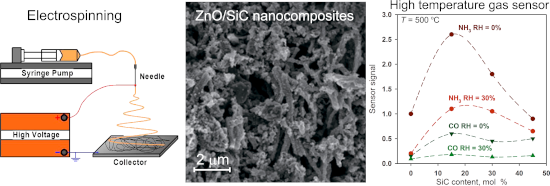
- (XPS). The electrophysical and gas sensing properties of the materials were investigated by in situ conductivity measurements in the presence of the reducing gases CO and NH3 (20 ppm), in dry conditions (relative humidity at 25 °C RH25 = 0) and in humid air (RH25 = 30%) in the temperature range 400–550
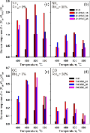
- sensor properties of the synthesized materials were investigated by in situ conductivity measurements. Figure 8 shows the change in the resistance of ZnO nanofibers and ZnO/SiC nanocomposites with a periodic change in the composition of the gas phase in the presence of NH3 (Figure 8a,b) and CO (Figure 8c
- sensor tests were performed by in situ conductivity measurements in an automatic set up with a flow chamber. The sensor resistance was measured at 1.3 V DC-voltage in situ under a controlled gas flow of 100 ± 0.1 mL/min at a temperature fixed in the range of 400–550 °C. Purified air with a pre-assigned



Growth of lithium hydride thin films from solutions: Towards solution atomic layer deposition of lithiated films
Beilstein J. Nanotechnol. 2019, 10, 1443–1451, doi:10.3762/bjnano.10.142
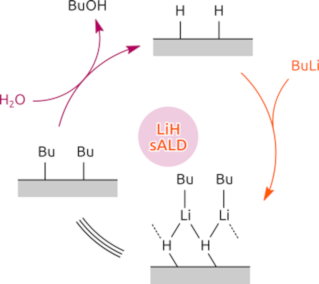
- homogeneous air-sensitive thin films, characterized by using ellipsometry, grazing incidence X-ray diffraction (GIXRD), in situ quartz crystal microbalance, and scanning electron microscopy, was observed. Lithium hydride diffraction peaks have been observed in as-deposited films by GIXRD. X-ray photoelectron
- scan speed was changed as necessary. Ellipsometry measurements were performed using SENTECH SENpro ellipsometer, using the included halogen lamp. Frequency measurements on a quartz crystal were performed in situ using an OpenQCM module at 10 MHz. Results and Discussion Structure and possible reaction
- crystalline when deposited at room temperature, making further post-processing unnecessary. The air sensitivity of this solid requires in situ materials characterization using methods such as spectroscopic ellipsometry, XPS and Auger spectroscopy. Further development of the process, especially more





