Search results
Search for "membranes" in Full Text gives 377 result(s) in Beilstein Journal of Nanotechnology. Showing first 200.
Microbubbles decorated with dendronized magnetic nanoparticles for biomedical imaging: effective stabilization via fluorous interactions
Beilstein J. Nanotechnol. 2019, 10, 2103–2115, doi:10.3762/bjnano.10.205
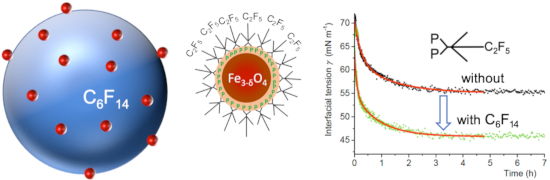
- and some limitations [25]. In both cases, the shells can be custom-made to enhance stability, circulation duration, drug-loading capacity and release rate, targeting the fusion with cell membranes [24]. Both types of constructs are generally more stable, but less echogenic than “true” gas microbubbles


Incorporation of doxorubicin in different polymer nanoparticles and their anticancer activity
Beilstein J. Nanotechnol. 2019, 10, 2062–2072, doi:10.3762/bjnano.10.201
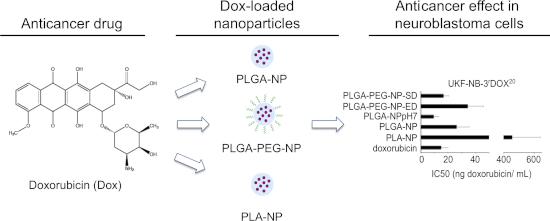
- suspensions were diluted with purified water to 0.25 mg/mL. The suspension was dripped on a filter (MF-Millipore™ membrane filter VSWP, 0.1 µm) and dried for 24 h in a desiccator. Afterwards, the membranes were sputtered with gold under argon atmosphere (SCD 040, BAL-TEC, Balzers, Liechtenstein). The SEM





Review of advanced sensor devices employing nanoarchitectonics concepts
Beilstein J. Nanotechnol. 2019, 10, 2014–2030, doi:10.3762/bjnano.10.198
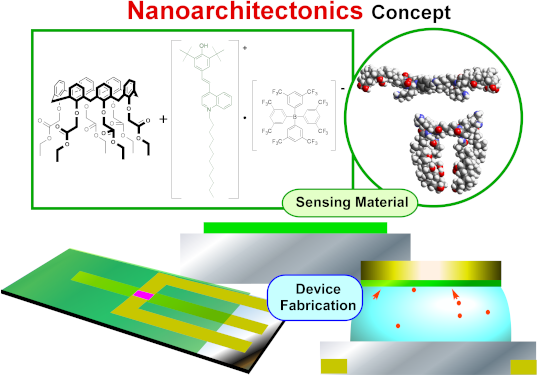
- and resulted in a highly sensitive sensing material for aniline vapor [125]. Layer-by-layer structures of mesoporous carbon capsules can work as sensing membranes capable of selectively sensing through the doping of secondary sensing units [126]. As an emerging nanoporous material, metal–organic





Gold-coated plant virus as computed tomography imaging contrast agent
Beilstein J. Nanotechnol. 2019, 10, 1983–1993, doi:10.3762/bjnano.10.195
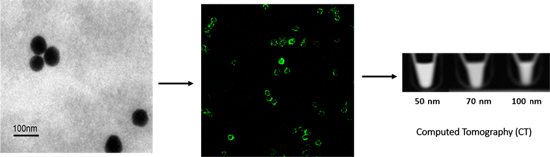
- , other contrast agents. Au-CPMV-labeled cell tracking has great potential for use in clinical studies. Experimental Materials Poly(allylamine hydrochloride) (PAH, MW ≈ 15,000), hydrogen tetrachloroaurate trihydrate 99.9%+, sodium chloride, 50 and 100 kDa cut-off Millipore filter membranes, potassium
- (1 mg/mL; supplemented with 250 mM NaCl) over 5–10 min under continuous stirring at 500–800 rpm at ambient temperature. PAHCPMV particles were washed four times with DD water (15 mL each) on 50 kDa cut-off Millipore filter membranes, followed by dialysis with 12,400 molecular weight cut-off (MWCO
- using 100 kDa dialysis membranes. VCAM1-PEG5000Au-CPMV Carboxyl-PEG5000Au-CPMV were buffer-exchanged using 14000 kDa dialysis bags in 2-(N-morpholino)ethanesulfonic acid (MES) buffer, pH 6.0 for 12–14 h. To Carboxyl-PEG5000Au-CPMV (100 μL, ca. 1 mg/mL), aqueous EDC (50 μL, 200 mM) and aqueous (N




Synthesis and potent cytotoxic activity of a novel diosgenin derivative and its phytosomes against lung cancer cells
Beilstein J. Nanotechnol. 2019, 10, 1933–1942, doi:10.3762/bjnano.10.189
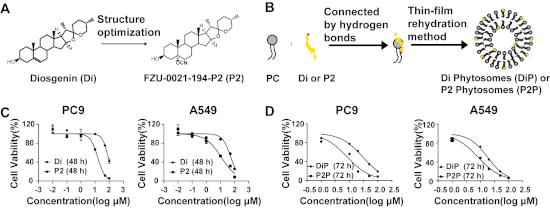
- of liposomal membranes [34]. The existence of cholesterol analogues Di and P2 in phytosomes could improve the structural stability of phytosomes. The zeta potential values of DiP and P2P were −6.4 and −4.0 mV, respectively. Because the negatively charged particles interact weakly with negatively
- charged cell membranes, anionic nanoparticles could have less cytotoxicity than cationic ones [35]. In addition, it was reported that anionic nanoparticles could be inclined to interact with the lung surfactant yielding a better access into lung cells [36]. Therefore, the phytosomes we prepared with sizes



Processing nanoporous organic polymers in liquid amines
Beilstein J. Nanotechnol. 2019, 10, 1844–1850, doi:10.3762/bjnano.10.179
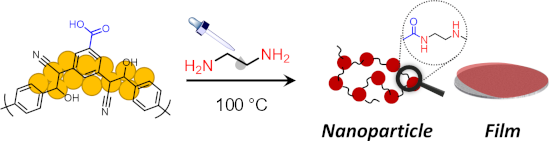
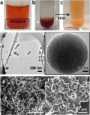
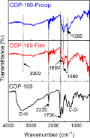
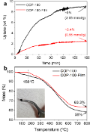
- can be hardly processed into the desired morphologies such as small particulates, films, and membranes because of the insolubility. So far, the generation of nanoparticles and films made out of nanoporous polymers have been mostly done through initial synthetic controls such as miniemulsion
- membranes processed from nanoporous polymers should be tested for gas/liquid adsorption applications [31], as the functionalities of nanoporous polymers remain intact even after the processing. The remaining amines and newly formed amide functionalities in the nanoporous polymers would provide an additional



Microfluidic manufacturing of different niosomes nanoparticles for curcumin encapsulation: Physical characteristics, encapsulation efficacy, and drug release
Beilstein J. Nanotechnol. 2019, 10, 1826–1832, doi:10.3762/bjnano.10.177
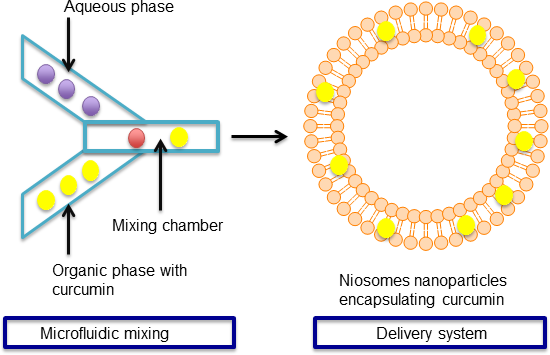
- molecules are encapsulated in the aqueous compartment, while hydrophobic molecules are embedded in the membrane [16]. The EE of hydrophobic molecules is majorly affected by the lamellarity of the niosome membranes. Because the niosomes discussed here are unilamellar, the main factor that seems to affect the
- dependent on the bilayer membrane fluidity where higher encapsulation values can be achieved with less rigid membranes [17]. In addition, higher chol concentrations might compete with the hydrophobic molecules and prevent its encapsulation during the self-assemble of the lipid components into the bilayer
- structure [18]. Based on that, the increase in the FRR from 1:1 to 3:1 will result in a lower chol concentration in the final preparation, which means less rigid membranes and higher encapsulation values for hydrophobic curcumin. This explains the observed EE results. Gupta et al. prepared niosomes composed


Nanoarchitectonics meets cell surface engineering: shape recognition of human cells by halloysite-doped silica cell imprints
Beilstein J. Nanotechnol. 2019, 10, 1818–1825, doi:10.3762/bjnano.10.176
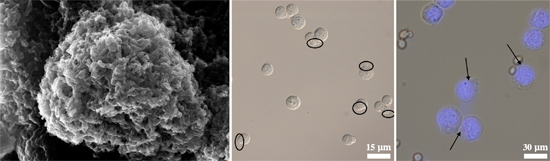
- -assembly of miniature building blocks to form biomimetic soft or rigid shells to encapsulate live cells rendering them with additional functionalities [7]. In general, there are three principal routes to engineer the cell walls or membranes of live cells: 1) deposition of charged or neutral polymers (that


Toxicity and safety study of silver and gold nanoparticles functionalized with cysteine and glutathione
Beilstein J. Nanotechnol. 2019, 10, 1802–1817, doi:10.3762/bjnano.10.175
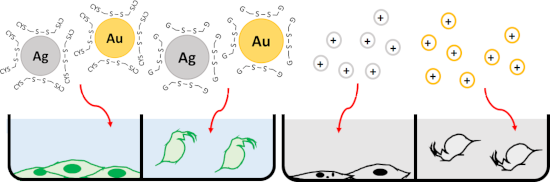
- studies indicating that AgNPs negatively impact cell membranes, interfere with signaling pathways, disrupt the cell cycle, and cause mitochondrial dysfunction, oxidative stress, DNA damage and apoptosis [7][8][9]. Many reports on AgNP toxicity attribute it fully or partially to dissolved or released ionic
- -aminoactinomycin D (7-AAD) staining. Annexin V binds phosphatidylserine, which can only be found on the outer leaflet of cell membranes during apoptosis, while 7-AAD is a DNA-binding agent that cannot penetrate the membrane of living cells and can only stain dead or late apoptotic ones. The treatment involved 24 h


Lipid nanostructures for antioxidant delivery: a comparative preformulation study
Beilstein J. Nanotechnol. 2019, 10, 1789–1801, doi:10.3762/bjnano.10.174
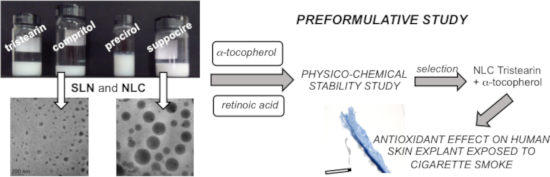
- test methods suitable for assessing product efficacy and safety [15]. Vitamin E is a potent antioxidant, able to counteract the reactive oxygen species production during fat oxidation and free radical propagation – indeed it can protect the cell membranes from free radical attack, acting against lipid
- 10% sodium dodecyl sulfate polyacrylamide gel (SDS-PAGE) and then transferred onto nitrocellulose membranes. Blots were blocked in PBS containing 0.5% Tween 20 and 5% not-fat milk (BioRad). The membranes were incubated overnight at 4 °C with the appropriate primary antibody HO-1 (Abcam, Cambridge, UK
- ). The membranes were then incubated with horseradish peroxidase conjugated secondary antibody for 1 h at RT, and the bound antibodies were detected in a chemiluminescent reaction (ECL, BioRad). Chemiluminescence was detected on a ChemiDoc imager (BioRad) [45]. The blots were reprobed with β-actin as the

TiO2/GO-coated functional separator to suppress polysulfide migration in lithium–sulfur batteries
Beilstein J. Nanotechnol. 2019, 10, 1726–1736, doi:10.3762/bjnano.10.168
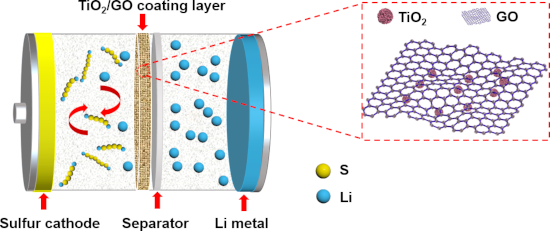
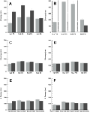
- EIS spectra of the TiO2/GO-coated separator batteries indicates that the presence of the TiO2/GO interlayer hindered the movement of polysulfides and thereby enhanced the utilization of the active material by reducing the shuttle effect. The permeability of polysulfides through both membranes was
- served as a reference electrode, TiO2/GO hybrid and GO membranes as separators, 1.0 M/0.1 M LiTFSI/LiNO3 in DOL and DME (1:1 v/v) as an electrolyte and sulfur as a cathode. The charge–discharge measurements were carried out in the voltage range of 1.5–3 V (vs Li/Li+) by using a multichannel Neware


Layered double hydroxide/sepiolite hybrid nanoarchitectures for the controlled release of herbicides
Beilstein J. Nanotechnol. 2019, 10, 1679–1690, doi:10.3762/bjnano.10.163
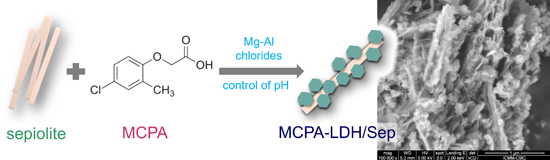
- nanofiller in Nafion membranes for fuel-cell applications [35]. With these premises, the current aim is to ascertain if it is possible to develop organic–inorganic hybrid materials using LDH-sepiolite nanoarchitectonic materials, as the presence of an organic counterpart could be of interest for introducing


Materials nanoarchitectonics at two-dimensional liquid interfaces
Beilstein J. Nanotechnol. 2019, 10, 1559–1587, doi:10.3762/bjnano.10.153
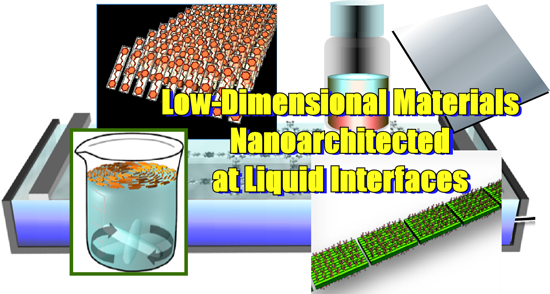
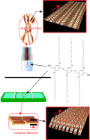
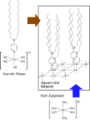
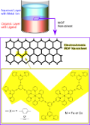
- , continuous COF films (several square centimetres). Depending on the monomer concentrations, the film thickness was tuned from 100 µm to a few nanometres. The COF films made from the methods reported by Dey et al. and Matsumoto et al. were separately examined as separation membranes and exhibited high
- rejections of water pollutant surrogates from water [229][230][231]. Considering the high tuning capability of pore-size and functional groups decorating the inner pores of COFs, the separation membranes made out of COFs are promising for water purification technologies including desalination [232
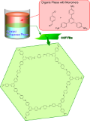
- ]. Interfacial polymerization at liquid interfaces is an already industrialized technique to produce conventional cross-linked polymer films/membranes. Interfacial polymerization of 2DCP films still remains in its infant stage in terms of controlling crystallinity, domain sizes, and generalities. However, the












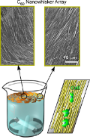

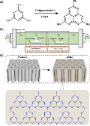
A biomimetic nanofluidic diode based on surface-modified polymeric carbon nitride nanotubes
Beilstein J. Nanotechnol. 2019, 10, 1316–1323, doi:10.3762/bjnano.10.130
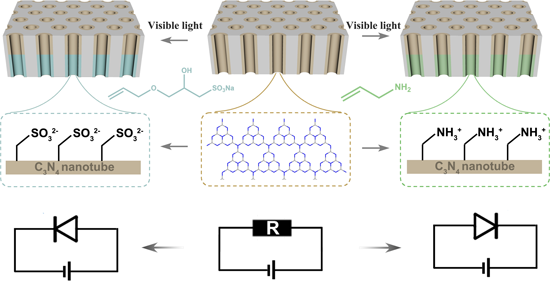
- Chemistry, Beihang University, 100191 Beijing, P.R. China 10.3762/bjnano.10.130 Abstract A controllable ion transport including ion selectivity and ion rectification across nanochannels or porous membranes is of great importance because of potential applications ranging from biosensing to energy conversion
- alert its other leaves to begin anticipatory defense responses by Ca2+ ion transport [4]. A very significant ion-transport mechanism based on Na+ and K+ across cell membranes results in the generation of the action potential, which plays a crucial role in the sensory system of intelligent life [5]. In
- the process of photosynthesis, light-driven passive ion transport results in a proton gradient across cell membranes, which enables the production of adenosine triphosphate (ATP) via ATP synthase [6]. All these passive and active ion transport processes in vivo occur in biological protein nanopores


Multicomponent bionanocomposites based on clay nanoarchitectures for electrochemical devices
Beilstein J. Nanotechnol. 2019, 10, 1303–1315, doi:10.3762/bjnano.10.129
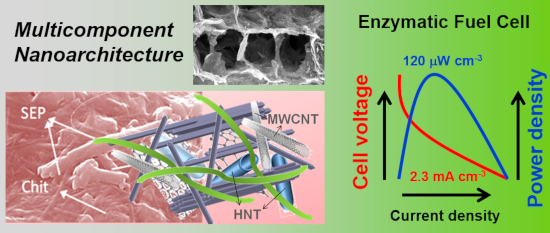
- immobilized in mesopores of Al2O3 membranes (10–30 mM) [63], sol–gel-derived composite films (14 mM) [64], and similar devices based on graphene and carbon nanotubes (4–15 mM) [65][66]. The low Km value is indicative of an excellent performance attributed to strong substrate binding and high enzymatic
- , Supporting Information File 1). Next, the EBC performance was evaluated under open-air conditions and in the absence of any mediator or expensive proton exchange membranes. Figure 5A illustrates the EBC designed as a one-pot cell. The GOx enzyme catalyses the conversion of glucose in gluconic acid as follows



Fabrication of phase masks from amorphous carbon thin films for electron-beam shaping
Beilstein J. Nanotechnol. 2019, 10, 1290–1302, doi:10.3762/bjnano.10.128
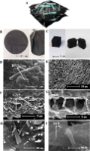
- phase masks Fabrication of SixNy membranes and aC film deposition A 200 µm thick Si wafer with 120 nm thick low-stress SixNy coating on both sides was used as base material. Optical lithography and etching methods for SixNy and Si were applied to produce free-standing SixNy thin films (Figure 1
- is not to scale as the SixNy windows and the Si wafer have a thickness of 120 nm and 200 µm, respectively. SEM images of the (b) top and (c) bottom surface reveal the 3 × 3 array of SixNy membranes and the pyramid-shaped trenches caused by anisotropic wet-etching of Si. The fabrication steps to
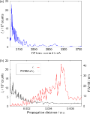
- fabricate aC thin films are schematically shown for the two applied methods. (a) SixNy membranes prepared by optical lithography are (b) covered with Pt (ca. 220 nm). (c) For the “FIB-prepared” method, aC is deposited on the back side and (d) FIB milling is used to remove Pt and SixNy. The milling is



Photoactive nanoarchitectures based on clays incorporating TiO2 and ZnO nanoparticles
Beilstein J. Nanotechnol. 2019, 10, 1140–1156, doi:10.3762/bjnano.10.114
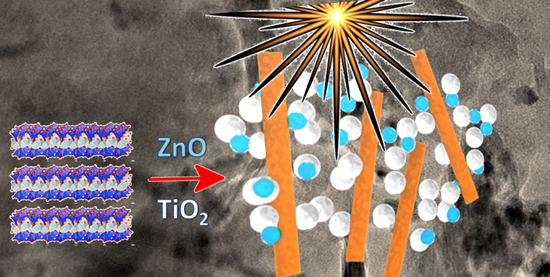
- challenges are developments regarding applications related to antibacterial activity and uses in the production of fine chemicals through photo-assisted organic syntheses. The use as films and membranes appears as a valuable alternative for industrial processes. Moreover, the clays can be used as substrates



Scavenging of reactive oxygen species by phenolic compound-modified maghemite nanoparticles
Beilstein J. Nanotechnol. 2019, 10, 1073–1088, doi:10.3762/bjnano.10.108
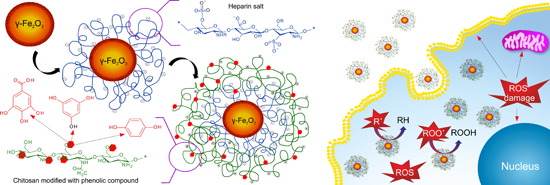
- reactions that induce irreversible fatal damage (methylation) of cellular nucleic acids and the oxidation of unsaturated fatty acids of cell membranes. Living organisms have evolved with several strategies, such as repair mechanisms and physical, enzymatic and non-enzymatic antioxidant defenses, to control





Tailoring the stability/aggregation of one-dimensional TiO2(B)/titanate nanowires using surfactants
Beilstein J. Nanotechnol. 2019, 10, 1024–1037, doi:10.3762/bjnano.10.103
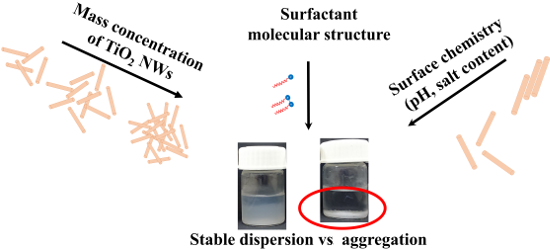
- previously studied. With regard to TNWs, surfactants have been used in synthesis for the control of size and morphology [44][45][46], as well as for the synthesis of TNW membranes [47]. However, to the best of our knowledge, no study has been undertaken to determine the effect of surfactants on TNW stability


Serum type and concentration both affect the protein-corona composition of PLGA nanoparticles
Beilstein J. Nanotechnol. 2019, 10, 1002–1015, doi:10.3762/bjnano.10.101
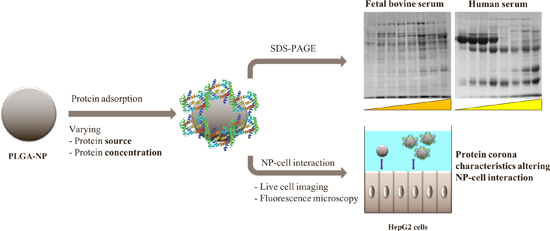
- that all NP formulations are strongly attached to the cell membranes because they could not be removed by repetitive washings steps during sample processing. As can be seen in Figure 8F, lots of red dots are precisely located in the cell membrane indicating that treatment with PLGA NPs leads to an



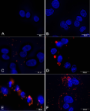
Effects of gold and PCL- or PLLA-coated silica nanoparticles on brain endothelial cells and the blood–brain barrier
Beilstein J. Nanotechnol. 2019, 10, 941–954, doi:10.3762/bjnano.10.95
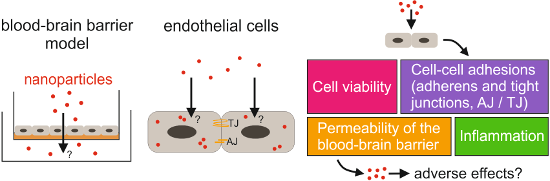
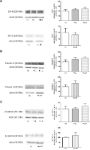
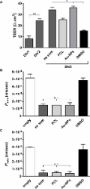
- blood–brain barrier permeability rBCEC4 cells were grown on filter insert membranes to allow for the investigation of NP effects on BBB permeability. The transport of two tracers across the cell monolayer and transendothelial electrical resistance (TEER) were measured. TEER measurements showed a
- confluence before extracting protein as described previously [9]. Equal amounts of protein from each sample were loaded and separated on 10% to 16% SDS-PAGE gels and subsequently transferred onto PVDF membranes. The membranes were blocked for 2 h in blocking solution (5% milk in PBS and 0.2% Tween), then
- incubated with the respective primary antibody overnight at 4 °C on a shaker (Table 1). Following, the membranes were washed four times, incubated with the corresponding secondary antibody for 2 h at room temperature, and washed again. Quantification was carried out with ImageJ by measuring the intensity of



The systemic effect of PEG-nGO-induced oxidative stress in vivo in a rodent model
Beilstein J. Nanotechnol. 2019, 10, 901–911, doi:10.3762/bjnano.10.91
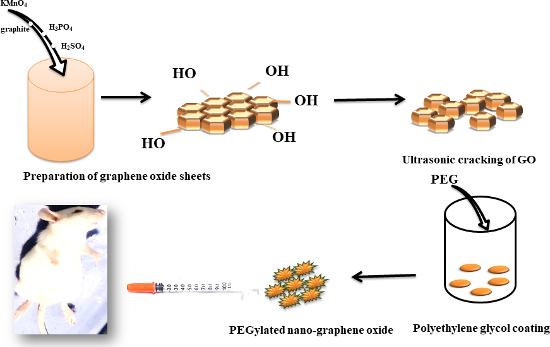
- organ damage. Our data suggest that PEG-nGO induced a high oxidative stress (OS) to the organs in the first hour of treatment, as assessed by the increased concentration levels of malondialdehyde (MDA), an end product of the peroxidation of polyunsaturated fatty acids (PUFA). As cell membranes contain
- great amounts of PUFA, high levels of MDA indicate damaged cell membranes. MDA is commonly used as a marker for oxidative stress and the antioxidant status of the respective organ. It was also show that tissues of heart and kidneys are greatly influenced by PEG-nGO. A decreased amount of the antioxidant


Commercial polycarbonate track-etched membranes as substrates for low-cost optical sensors
Beilstein J. Nanotechnol. 2019, 10, 677–683, doi:10.3762/bjnano.10.67
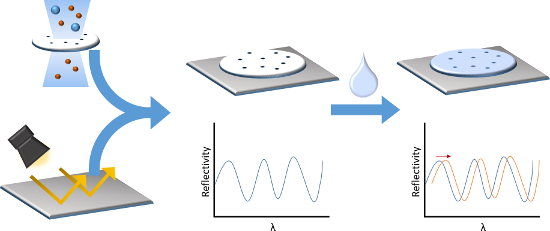
- the interaction between the optical field and the target substances, which boosts the sensitivity. In this work, we propose the use of a readily available mesoporous material for the development of such sensors: commercial polycarbonate track-etched membranes. In order to demonstrate their utility for
- experiments were performed by placing different concentrations of ethanol solution on the polycarbonate track-etched membranes. As a result, a sensitivity value of around 56 nm/RIU was obtained and the reusability of the substrate was demonstrated. These results pave the way for the development of optical
- the development of optical sensors: polycarbonate track-etched (PCTE) membranes. PCTE membranes, which are typically used for size-based filtration [9][10], are reminiscent of the porous structure of a monolayer of porous silicon, a material that has an optical response of a Fabry–Pérot (FP


Ultrathin hydrophobic films based on the metal organic framework UiO-66-COOH(Zr)
Beilstein J. Nanotechnol. 2019, 10, 654–665, doi:10.3762/bjnano.10.65
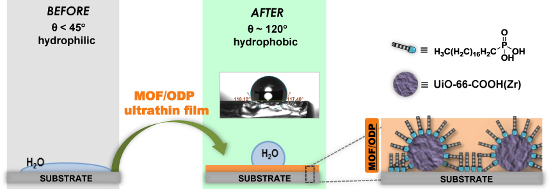
- applications [5], including gas storage [6], membranes for separation processes [7], heterogeneous catalysis [8], sensing [9] or drug delivery [10], among others. Many of these applications require the formation of MOF films onto different kinds of surfaces with precise control of film thickness and


Mechanical and thermodynamic properties of Aβ42, Aβ40, and α-synuclein fibrils: a coarse-grained method to complement experimental studies
Beilstein J. Nanotechnol. 2019, 10, 500–513, doi:10.3762/bjnano.10.51
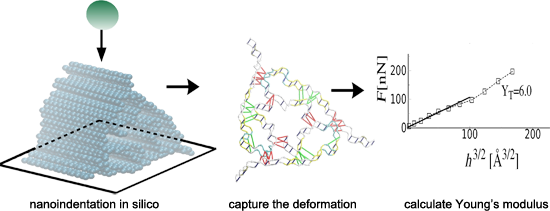
- ., proteins [1], nucleic acids [2] and lipids [3]). Lipid membranes, viral capsids, and biological fibrils are common examples of large complexes that pose significant challenges for all-atom simulations. For example, the time scales of various biological processes are in the range from 10−6 to 10−3 s, and