Search results
Search for "resonance" in Full Text gives 843 result(s) in Beilstein Journal of Nanotechnology. Showing first 200.
Impact of device design on the electronic and optoelectronic properties of integrated Ru-terpyridine complexes
Beilstein J. Nanotechnol. 2022, 13, 219–229, doi:10.3762/bjnano.13.16
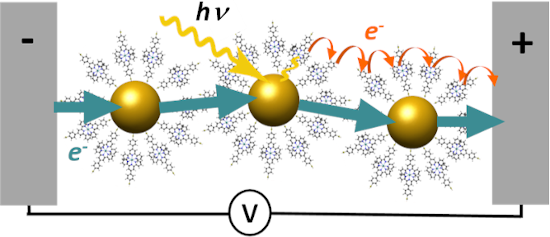
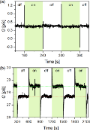
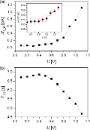
- irradiation with light of wavelengths larger than 520 nm corresponding to the surface plasmon band (see Supporting Information File 1, Figure S13), while no current increase is recorded at the wavelength corresponding to the MLCT band. The local surface plasmon resonance of the Ru(MPTP)2–AuNP is found at 533
- to the AuNP surfaces is possible. Such a plasmon-induced resonance energy transfer is likely if a spectral overlap between the plasmon resonance and a molecular resonance, ideally of shorter wavelength, exists [41]. The transferred energy leads to the excitation of the redox center of the Ru(MPTP)2


Low-energy electron interaction and focused electron beam-induced deposition of molybdenum hexacarbonyl (Mo(CO)6)
Beilstein J. Nanotechnol. 2022, 13, 182–191, doi:10.3762/bjnano.13.13
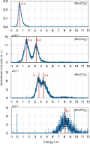
- are closer to 20:1 in the current study. This implies that [Mo(CO)5]− observed at 2.2 eV by Winters and Kiser, is from the high-energy tail of the threshold resonances or from the 1.65 eV resonance observed in the transmission spectra reported by Giordan and co-workers [18]. For the loss of two CO
- 3.29 eV resonances observed in the electron transmission experiments leaves the contribution of the 2.14 eV resonance unaccounted for in the ion yields. This may be due to the short lifetime of this resonance and/or the fact that [Mo(CO)4]− formed through this resonance is masked by the higher
- attributed to a distinct feature in the ETS and the low-intensity, high-energy [Mo(CO)2]− contribution is outside the energy range covered by the ETS. An alternative assignment of the observed DEA contributions to the resonances observed in the ETS would be that the 2.14 eV resonance appears through the 3.2


Tin dioxide nanomaterial-based photocatalysts for nitrogen oxide oxidation: a review
Beilstein J. Nanotechnol. 2022, 13, 96–113, doi:10.3762/bjnano.13.7
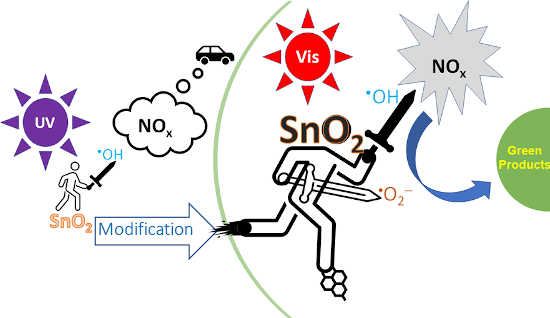
- reports still proposed its photocatalytic behaviors partly based on •O2− species via the combination of experimental physicochemical analyses, such as electron spin resonance (ESR) spectroscopy, active species trapping experiments, valence band X-ray photoelectron spectroscopy (XPS), and diffuse
- density functional theory (DFT) calculations, trapping experiments, and electron spin resonance measurements (Figure 10). Thus, the impact of intrinsic OVs within SnO2 NPs and the resulting S-scheme heterojunction on the band structure, charge transfer, and photocatalytic activity was presented. The


Theranostic potential of self-luminescent branched polyethyleneimine-coated superparamagnetic iron oxide nanoparticles
Beilstein J. Nanotechnol. 2022, 13, 82–95, doi:10.3762/bjnano.13.6
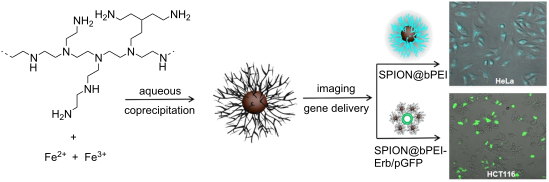
- theranostic nanomaterials, PAMAM and PEI were frequently coupled with superparamagnetic iron oxide nanoparticles (SPIONs) for drug/gene delivery combined with magnetic resonance imaging [31][32]. Usually, these systems were conjugated with other fluorescent tags for optical detection of nanoparticles in cells
- cancer [39][40]. Besides, SPIONs are already in the clinic as magnetic resonance imaging (MRI) agents and SPION@bPEI nanoparticles have a strong T2 signal (the signal that reflects the length of time it takes for the MR signal to decay in the transverse plane) [35]. In recent years, there has been a
- growing demand for a combination of different imaging modalities to improve the detection limit and to provide image-guided therapies [41][42]. Both MRI and optical imaging are noninvasive imaging modalities. Magnetic resonance imaging provides high spatial resolution but lacks sensitivity. Optical




Sputtering onto liquids: a critical review
Beilstein J. Nanotechnol. 2022, 13, 10–53, doi:10.3762/bjnano.13.2

- nuclei of the final NPs [94][95]. Because silver clusters absorb light at different wavelengths than the surface plasmon resonance (SPR) band of Ag NPs (which is used for monitoring of NP growth kinetics by UV–vis spectroscopy) one can spot the induction period on the sigmoidal kinetic curves. Noteworthy






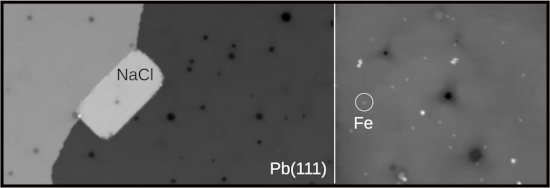
Topographic signatures and manipulations of Fe atoms, CO molecules and NaCl islands on superconducting Pb(111)
Beilstein J. Nanotechnol. 2022, 13, 1–9, doi:10.3762/bjnano.13.1
- [47] operated in the frequency-modulation mode (resonance frequency f0 ≈ 25 kHz, spring constant k ≈ 1800 N/m, quality factor Q ≈ 14000, and oscillation amplitude A ≈ 0.5 Å). The tip mounted to the qPlus sensor consists of a 25 μm-thick PtIr wire, shortened and sharpened with a focused ion beam. A


Measurement of polarization effects in dual-phase ceria-based oxygen permeation membranes using Kelvin probe force microscopy
Beilstein J. Nanotechnol. 2021, 12, 1380–1391, doi:10.3762/bjnano.12.102
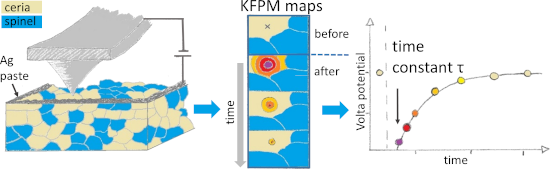
- were performed in a single-pass experiment. For this kind of measurements, the surface potential and the sample topography are mapped in a single pass in intermittent contact mode with the cantilever vibrating at its resonance frequency (i.e., the cantilever is not in lift mode during this experiment


Alteration of nanomechanical properties of pancreatic cancer cells through anticancer drug treatment revealed by atomic force microscopy
Beilstein J. Nanotechnol. 2021, 12, 1372–1379, doi:10.3762/bjnano.12.101
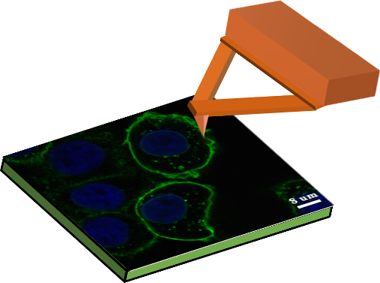
- (50 µL) and the AFM tip (10 µL). The characterization was carried out using a Cypher ES AFM (Asylum Research, USA) at room temperature with soft cantilevers (TR400PSA-L) with a resonance frequency of approx. 11 kHz and a spring constant of approx. 0.02 N/m. The schematic diagram of the cells


Chemical vapor deposition of germanium-rich CrGex nanowires
Beilstein J. Nanotechnol. 2021, 12, 1365–1371, doi:10.3762/bjnano.12.100
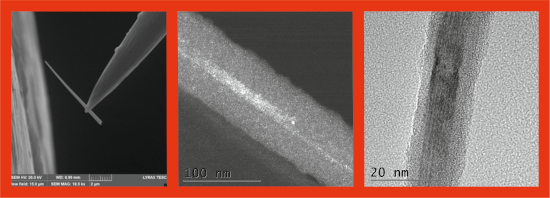
- their magnetic defects and their interactions with charge carriers. Antiferromagnetic clusters in CrGe NWs were investigated using electron spin resonance. Spin–orbit interaction between charge carriers and magnetic defects were studied [9]. Cr/Ge nanotowers as a dilute magnetic semiconductor were



Biocompatibility and cytotoxicity in vitro of surface-functionalized drug-loaded spinel ferrite nanoparticles
Beilstein J. Nanotechnol. 2021, 12, 1339–1364, doi:10.3762/bjnano.12.99
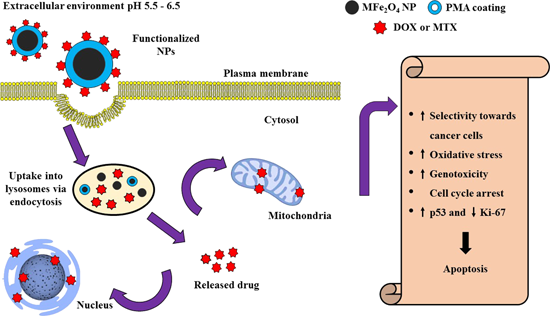
- -assisted control of the behavior of MNPs makes them suitable candidates for targeted drug delivery, hyperthermia, biosensors, magnetic resonance imaging (MRI), and magnetic separation [9][10]. Magnetite (Fe3O4) nanoparticles (NPs), belonging to the spinel ferrite class, are the most extensively studied





Identifying diverse metal oxide nanomaterials with lethal effects on embryonic zebrafish using machine learning
Beilstein J. Nanotechnol. 2021, 12, 1297–1325, doi:10.3762/bjnano.12.97
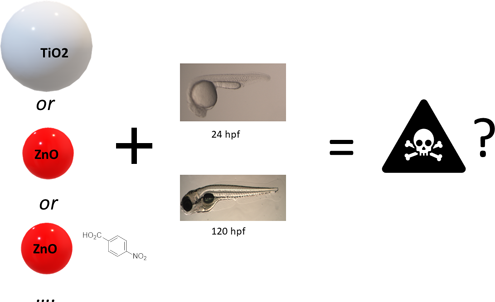
- -based magnetic resonance imaging (MRI) contrast agent (Feridex) was withdrawn from the market, following concerns regarding its observed side effects [2][7]. In spite of concerns around safety [7][8][9] and other challenges [10], there remains interest in developing novel metal oxide nanomaterials for


Cantilever signature of tip detachment during contact resonance AFM
Beilstein J. Nanotechnol. 2021, 12, 1286–1296, doi:10.3762/bjnano.12.96
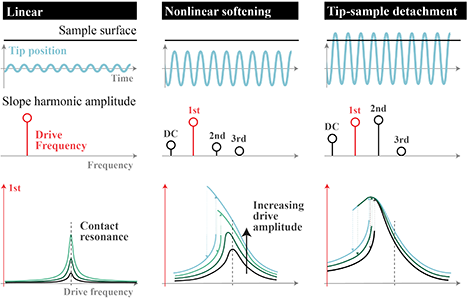
- Devin Kalafut Ryan Wagner Maria Jose Cadena Anil Bajaj Arvind Raman School of Mechanical Engineering, Purdue University, West Lafayette, IN 47907, USA 10.3762/bjnano.12.96 Abstract Contact resonance atomic force microscopy, piezoresponse force microscopy, and electrochemical strain microscopy are
- connect the qualitative and quantitative behavior to experimental features. Keywords: atomic force microscopy (AFM); contact resonance; nonlinear normal mode (NNM); tip–sample detachment; photothermal excitation; Introduction Contact resonance atomic force microscopy (CR-AFM) [1][2], piezoresponse force
- experimental measurements in Figure 1a reveal interesting features in the dynamic behavior of the cantilever as it is driven by increasing the harmonic excitation amplitude. At the lowest drive amplitude, the response amplitude frequency sweep displays linear behavior, that is, a symmetric resonance peak over


Plasmon-enhanced photoluminescence from TiO2 and TeO2 thin films doped by Eu3+ for optoelectronic applications
Beilstein J. Nanotechnol. 2021, 12, 1271–1278, doi:10.3762/bjnano.12.94
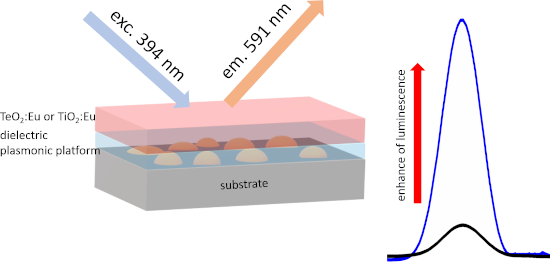
- candidates as phosphors in white LEDs. Keywords: gold nanostructures; luminescence; plasmon resonance; Introduction The rapid development of optoelectronics leads to challenges in the search for new luminescence materials. Especially the fabrication of white LEDs requires more efficient phosphors
- . Potential new materials can be found through the computation of luminescent thin films and plasmonic platforms. Such a hybrid structure can be formed by thin oxide layers doped with rare-earth ions deposited on metal nanostructures [1][2][3]. Plasmonic resonance can be observed in metallic nanostructures
- , so-called plasmonic platforms, and thin films. Among different plasmonic materials, gold nanostructures exhibit resonance in the visible range and have been extensively studied as a material for light absorption and emission improvement [4][5][6][7][8]. Titanium dioxide seems to be one of the most


Two dynamic modes to streamline challenging atomic force microscopy measurements
Beilstein J. Nanotechnol. 2021, 12, 1226–1236, doi:10.3762/bjnano.12.90
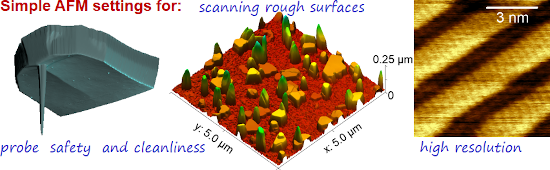
- interaction of the probe with the sample is used in off-resonance dynamic modes [6]. Although they have various names, depending on the specific manufacturer (PeakForce Tapping, Hybrid Mode, Digital Pulsed Force Mode), a common feature of these methods is that the transition to the contact is carried out
- classical contact mode, the friction force can be measured; when using off-resonance dynamic modes, stiffness and adhesion in the samples can be determined. Obviously, in determining the mechanical properties, the force of tip–surface interaction should be somewhat greater than that required if the task is
- strictly limited to the measurement of topography. When scanning in air, the interaction of the tip with the sample can be reduced, and the measurements themselves are performed more delicately when using resonance modes. In this class of AFM techniques, the probe is forced to oscillate close to its


Impact of electron–phonon coupling on electron transport through T-shaped arrangements of quantum dots in the Kondo regime
Beilstein J. Nanotechnol. 2021, 12, 1209–1225, doi:10.3762/bjnano.12.89
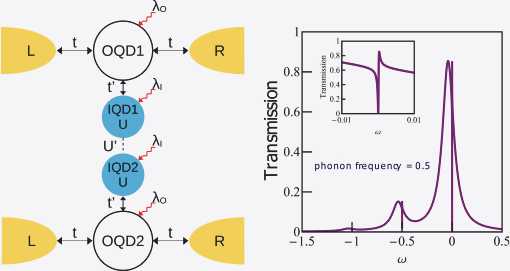
- the coherent superposition of cotunneling processes. The latter lead to effective spin flips, in consequence of which the bound singlet state of the dot spin with the electrons of the leads is formed. This resonance is characterized by SU(2) symmetry. In nanoscopic systems SU(2) Kondo effects have
- are asymmetric and the dip does not enter the Fermi level and the corresponding conductances are finite. For q→∞ the resonance evolves into a Lorentzian peak at EF [89]. It is already partially visible in the transmission for q = 4 that λO = 0 (Figure 2b) and the conductance reaches nearly unitary
- conductance correspond to qeff = 0. Fano–Kondo resonance is also influenced by phonons through the change of Kondo correlations resulting mainly from the renormalization of interdot hopping t’ and transmission variations on the open dot induced by the changes of electron–phonon coupling. Figure 2c shows


Morphology-driven gas sensing by fabricated fractals: A review
Beilstein J. Nanotechnol. 2021, 12, 1187–1208, doi:10.3762/bjnano.12.88
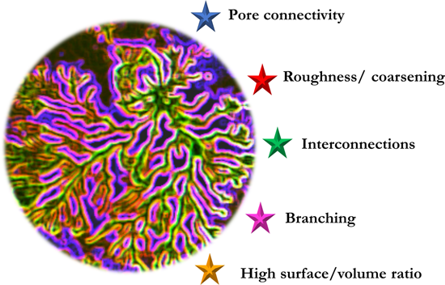
- plasmonic gold (Au) metasurface for sensing volatile organic compounds (VOCs) [49]. This modification enhanced the plasmonic field and local surface plasmonic resonance (LSPR). The influence of the gold nanodisk diameter and the average thickness of the TiO2 fractal on LSPR sensing of VOCs, specifically










Self-assembly of amino acids toward functional biomaterials
Beilstein J. Nanotechnol. 2021, 12, 1140–1150, doi:10.3762/bjnano.12.85
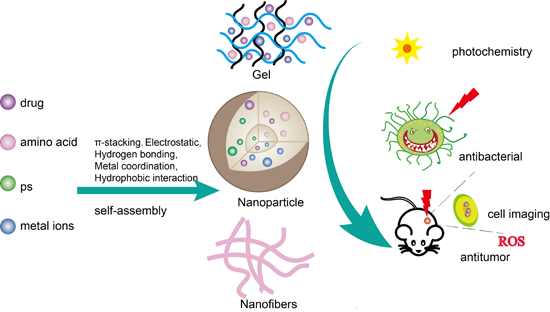
- coordination of Mn2+, Fmoc-ʟ-L, and Ce6, a yield of 36 wt % can be obtained. After the uptake of FMC NPs by cancer cells, Mn2+ and Ce6 can be released in response to intracellular high levels of glutathione (GSH). Magnetic resonance imaging (MRI) results showed an almost complete elimination of the tumor three

pH-driven enhancement of anti-tubercular drug loading on iron oxide nanoparticles for drug delivery in macrophages
Beilstein J. Nanotechnol. 2021, 12, 1127–1139, doi:10.3762/bjnano.12.84
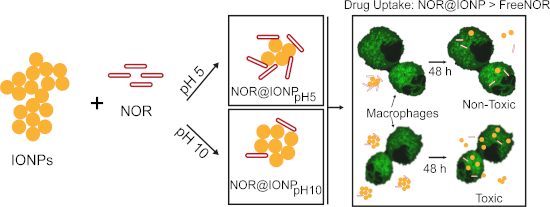
- biocompatibility and magnetic properties, have found applications in drug delivery, magnetic resonance imaging and treatment of iron deficiencies [3][4][5][6]. The property of hyperthermia has been found to be beneficial in localized drug release, particularly in cancer therapy [7]. In anti-cancer therapy, IONPs



Open-loop amplitude-modulation Kelvin probe force microscopy operated in single-pass PeakForce tapping mode
Beilstein J. Nanotechnol. 2021, 12, 1115–1126, doi:10.3762/bjnano.12.83
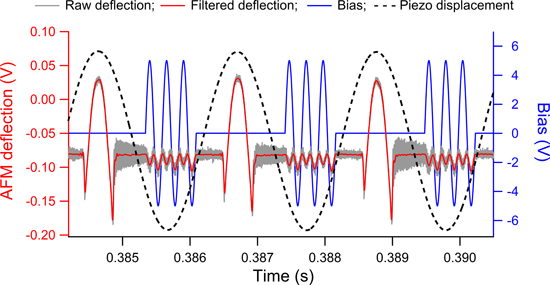
- oscillations is shown in Figure 2. The raw PFT signal (gray curve in Figure 2) is especially noisy right after each detachment of the AFM probe from contact due to the relative compliance of the probe used, with a nominal stiffness of 3.0 N/m and first resonance frequency of 67 kHz. This extra high-frequency
- and small-amplitude ringing was low-pass filtered at 25 kHz, which is a few times larger than the bias frequency, such that the CPD calculations will not be affected by this filter, but below the first resonance frequency to remove the induced ringing. The filtered signal (red curve in Figure 2
- frequency although smaller voltages as low as 2.0 V and higher frequencies up to 30 kHz were found to work as well; no bias frequencies around or above the first resonance frequency of the cantilever were tested. Applied bias, piezo signal, and AFM deflection were simultaneously sampled at 3.0 MSa/s by a





First-principles study of the structural, optoelectronic and thermophysical properties of the π-SnSe for thermoelectric applications
Beilstein J. Nanotechnol. 2021, 12, 1101–1114, doi:10.3762/bjnano.12.82
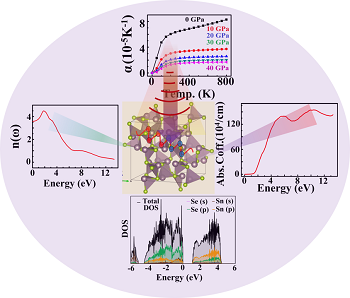
- greater than its bandgap value. The electron energy loss curve achieves its peak value around 13 eV and then begins to abruptly fall until it reaches 13.5 eV. This observed highest peak of L(ω) represents the plasma resonance of the π-SnSe alloy and their correlated frequencies, called plasma frequencies


Assessment of the optical and electrical properties of light-emitting diodes containing carbon-based nanostructures and plasmonic nanoparticles: a review
Beilstein J. Nanotechnol. 2021, 12, 1078–1092, doi:10.3762/bjnano.12.80
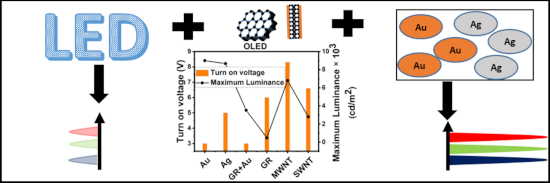
- employed in display applications and lighting systems. Further research on LED that incorporates carbon nanostructures and metal nanoparticles exhibiting surface plasmon resonance has demonstrated a significant improvement in device performance. These devices offer lower turn-on voltages, higher external
- as the emissive layer (EML), the hole transport layers (HTL), the electron transport layers (ETL), the cathode, and the anode [17][18][19][20][21]. Enhancement in LED properties via surface plasmon resonance (SPR) of metal nanoparticles (MNP) such as Au and Ag have also been reported [22][23]. This
- current injections of 100 mA have shown clear enhancements for both types of AuNP in Figure 4a and Figure 4b. Surface plasmon resonance absorbance tends to blueshift with decreasing sizes of the NP. Therefore, the 2 nm AuNP were able to enhance the blue emission from the LED. A similar effect was also


A new method for obtaining model-free viscoelastic material properties from atomic force microscopy experiments using discrete integral transform techniques
Beilstein J. Nanotechnol. 2021, 12, 1063–1077, doi:10.3762/bjnano.12.79
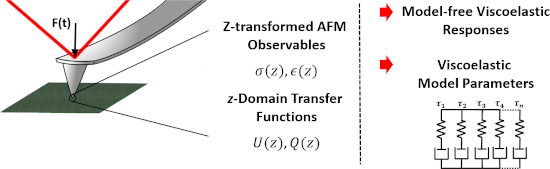
- . Alternatively, the transfer functions can be fitted to specific viscoelastic models in order to obtain material constants within those models. Illustration of the classical force–distance experiment. The AFM cantilever tip approaches and indents the sample under off-resonance conditions, while the force and


Molecular assemblies on surfaces: towards physical and electronic decoupling of organic molecules
Beilstein J. Nanotechnol. 2021, 12, 950–956, doi:10.3762/bjnano.12.71

- . In contrast, on graphene/Pt(111) the growth of molecular domains is facilitated. Electronically, the width of the highest occupied molecular orbital (HOMO) resonance is reduced by a factor of ten on graphene/Pt(111) compared to bare Pt(111) due to a reduction of the molecule–surface hybridization
- . The significantly reduced resonance width allowed for resolving vibronic states in both frontier orbitals on graphene/Pt(111) by STS. The semiconducting 2D material MoS2 may act as a decoupling layer for molecules from the underlying metal substrate if the molecular resonances lie within the MoS2
The role of deep eutectic solvents and carrageenan in synthesizing biocompatible anisotropic metal nanoparticles
Beilstein J. Nanotechnol. 2021, 12, 924–938, doi:10.3762/bjnano.12.69
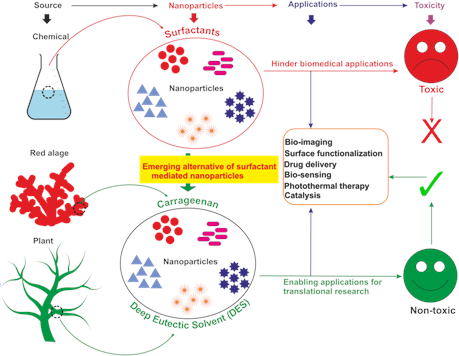
- characteristics, such as interesting plasmonic, optical and catalytic properties, and facile surface modification with tunable size and morphology [1]. Among these properties, the ability of surface plasmon resonance (SPR) at visible to near-infrared (NIR) wavelengths is the most striking characteristic feature
- of gold and silver nanoparticles. Surface plasmon resonance is an inherent property of plasmonic metal nanoparticles that is immensely employed as a tool for theranostics and is highly influenced by the size and shape of the nanoparticle [2]. The property of SPR has also been exploited for nanochips
- surfactant for synthesizing anisotropic nanoparticles with high yield and monodispersity. The surfactant induces anisotropy during the growth of nanoparticles and enables NIR absorption capability due to longitudinal surface plasmon resonance (LSPR) [11]. However, despite the superior plasmonic properties


Modification of a SERS-active Ag surface to promote adsorption of charged analytes: effect of Cu2+ ions
Beilstein J. Nanotechnol. 2021, 12, 902–912, doi:10.3762/bjnano.12.67
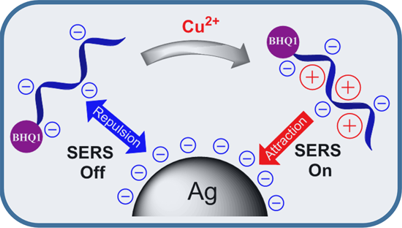
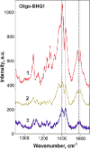
- possible in the case of luminescent dyes. As BHQ1 has a wide band that overlaps the excitation laser frequency, we can speak about surface-enhanced Raman resonance scattering (SERRS) in this case. The unmodified SERS substrate did not show any SERS signal of the oligonucleotide (Figure 8). Based on our