Search results
Search for "transport" in Full Text gives 833 result(s) in Beilstein Journal of Nanotechnology. Showing first 200.
A cantilever-based, ultrahigh-vacuum, low-temperature scanning probe instrument for multidimensional scanning force microscopy
Beilstein J. Nanotechnol. 2022, 13, 1120–1140, doi:10.3762/bjnano.13.95
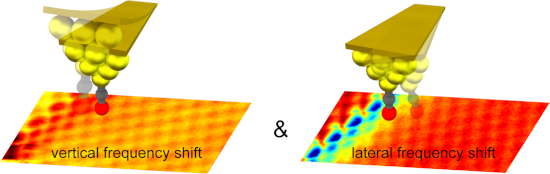
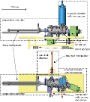
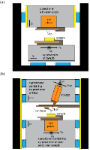
- as shown in Figure 1. The preparation chamber is equipped with various ports for the attachment of evaporators, a sputter gun, and surface science analytical tools. A rotatable coolable linear manipulator with two sample/cantilever receivers is used to transport sample and cantilever holders to the
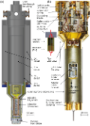
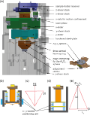
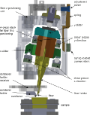
- , permitting the clamping of a sample/cantilever holder and, thus, allowing its safe and rapid transport between the linear manipulator head and the corresponding receivers in the AFM (Figure 7k). Note that we have tested different designs for the screw-activated clamping mechanism. We found the mechanism to





Electrocatalytic oxygen reduction activity of AgCoCu oxides on reduced graphene oxide in alkaline media
Beilstein J. Nanotechnol. 2022, 13, 1020–1029, doi:10.3762/bjnano.13.89
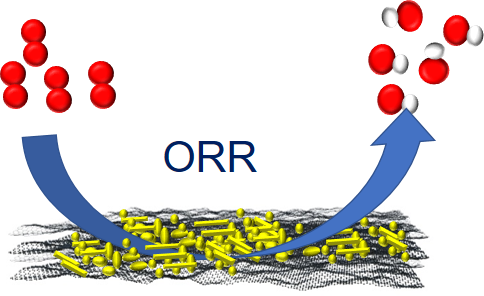
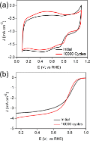
- comparative mass activity values for various catalyst materials calculated at 0.7 V, among which ACC-2 and ACC-3 exhibited significantly higher mass transport than the other electrocatalysts as shown in Table S2, Supporting Information File 1. It is important to mention that the considerably lower mass
- activity and considerable mass transport activity. Thus, it is very important to understand the microstructure and bonding information of the resultant hybrid. We further examined the morphology of ACC-2 and its distribution over rGO nanosheets via transmission electron microscopy (TEM). We notice a wide


Interaction between honeybee mandibles and propolis
Beilstein J. Nanotechnol. 2022, 13, 958–974, doi:10.3762/bjnano.13.84
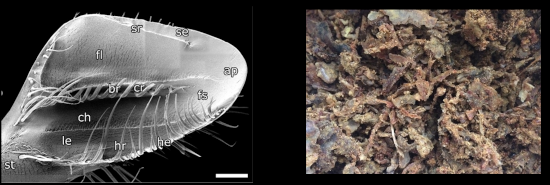
- cuticle of insects often contains pore canals that transport lipid-containing secretions [45]. Cuticular lipids such as alkanes, alkenes, and fatty acids are present on the head and other body parts of honeybees [46]. Their functions include nestmate recognition and protection against desiccation [46


Self-assembly of C60 on a ZnTPP/Fe(001)–p(1 × 1)O substrate: observation of a quasi-freestanding C60 monolayer
Beilstein J. Nanotechnol. 2022, 13, 857–864, doi:10.3762/bjnano.13.76
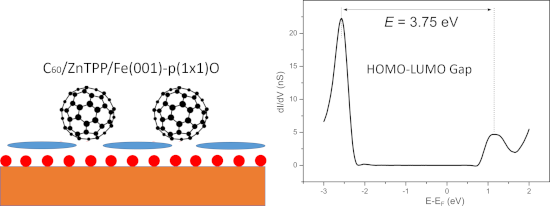
- compact molecular film is crucial to obtain high-performance devices, since an efficient charge carrier transport is hindered by morphological defects, such as grain boundaries or pinholes [10][11]. Moreover, crystalline and well-ordered layers are particularly suitable for spatially averaging


Ultrafast signatures of magnetic inhomogeneity in Pd1−xFex (x ≤ 0.08) epitaxial thin films
Beilstein J. Nanotechnol. 2022, 13, 836–844, doi:10.3762/bjnano.13.74
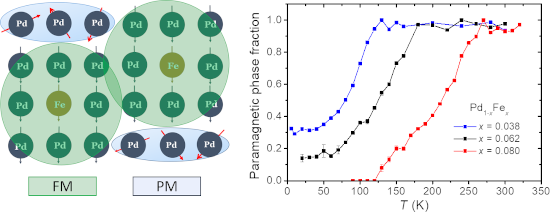
- , photoinduced demagnetization component following a subpicosecond one; the former vanishes at low temperatures only in the x = 0.080 sample. We argue that the 10 ps timescale demagnetization originates most probably from the diffusive transport of d electrons under the condition of nanoscale magnetic
- of 10 ps can be estimated as 10−9 m/10−11 s = 100 m/s. For the conventional spin diffusion, the spin memory length is where is the diffusion coefficient, τs is the Elliott–Yafet spin-relaxation time [46][47], τ is the charge transport relaxation time, and vF is the Fermi velocity. For the purpose
- ferromagnetic metals was a subject of interest in magnetic nanostructures [50][51][52] and had a value of about 3 × 10⁵ m/s. Being stronger localized in the narrower 4d bands [44], the itinerant 4d electrons must have a lower velocity, say 105 m/s. Then, with the transport time τ ≈ 10−14 s and the electron-spin


Hierachical epicuticular wax coverage on leaves of Deschampsia antarctica as a possible adaptation to severe environmental conditions
Beilstein J. Nanotechnol. 2022, 13, 807–816, doi:10.3762/bjnano.13.71
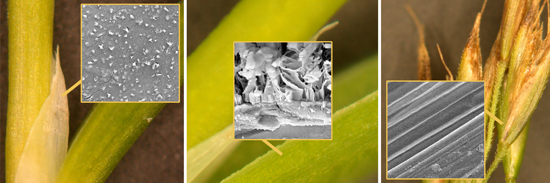
- Bay) to 400 mm per year (South Shetland Islands) [26]. In general, a continuous epicuticular wax layer is known to serve as an transport barrier limiting the uncontrolled water loss in plants [38][41]. The presence of a thick wax coverage has been considered as one of typical xeromorphic features (i.e




Recent advances in nanoarchitectures of monocrystalline coordination polymers through confined assembly
Beilstein J. Nanotechnol. 2022, 13, 763–777, doi:10.3762/bjnano.13.67
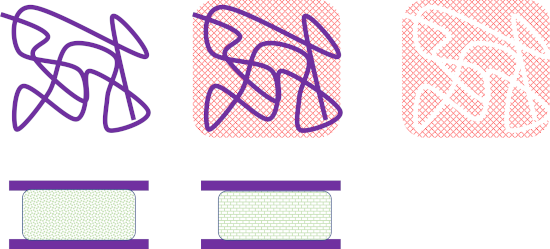
- , which are important for increase the density of active sites for catalysis and energy storage. However, they are too narrow for the transport of small molecules, hindering fast mass transport. Forming additional porous textures in monocrystalline coordination polymers can perfectly solve this problem by




A nonenzymatic reduced graphene oxide-based nanosensor for parathion
Beilstein J. Nanotechnol. 2022, 13, 730–744, doi:10.3762/bjnano.13.65
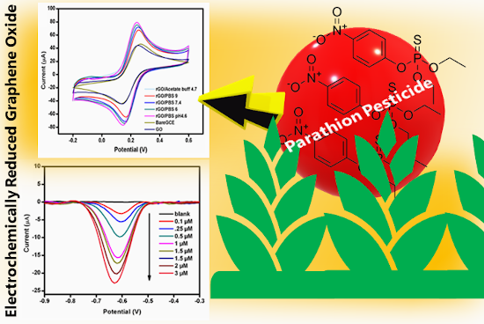
- , enhanced electron transport facility, excellent mechanical, thermal, and electrical stability [11][25][26][27]. The electronic structure and surface physicochemistry of graphene are beneficial for electron transfer. Several graphene-based nanocomposites based on complex synthesis processes are reported as
- graphite nature of GO. This confirms that the oxygen functional groups were removed from the graphene layers by electrochemical reduction of GO, decreasing the interspacing distance between graphene layers which facilitates electron transport. Thus, the conductivity of ERGO was enhanced compared to that of


Modeling a multiple-chain emeraldine gas sensor for NH3 and NO2 detection
Beilstein J. Nanotechnol. 2022, 13, 721–729, doi:10.3762/bjnano.13.64
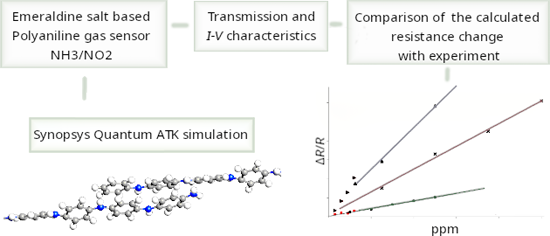
- , as seen in the I–V characteristic obtained through the extended Hückel method, in the saturated part, ballistic charge carrier transport of one particle takes place. Thus, for the relative resistance change data, only the initial part of the I–V diagram was taken into account. Also, the numerical


Direct measurement of surface photovoltage by AC bias Kelvin probe force microscopy
Beilstein J. Nanotechnol. 2022, 13, 712–720, doi:10.3762/bjnano.13.63
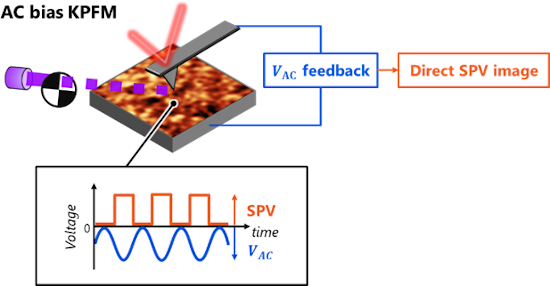
- ) because of the need for consecutive measurements in darkness and under illumination. Thus, AC-KPFM and classical KPFM measure the SPV derived from different origins, such as charge recombination (nanoseconds to milliseconds) [60], ion transport (milliseconds to seconds) [61], and surface chemical


Experimental and theoretical study of field-dependent spin splitting at ferromagnetic insulator–superconductor interfaces
Beilstein J. Nanotechnol. 2022, 13, 682–688, doi:10.3762/bjnano.13.60
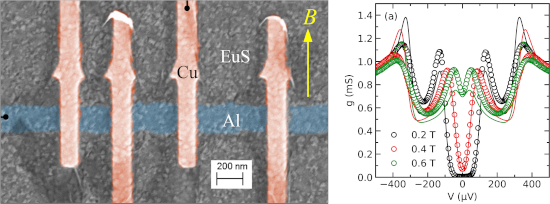
- -dependent scattering. In contrast, we treat spin mixing of arbitrary strength exactly. The distribution of spin mixing angles (δφn, n is the channel index) along the transport channels is the only unknown in the theory. This distribution can be probed directly in a fully electronic experiment, measuring the



Comparative molecular dynamics simulations of thermal conductivities of aqueous and hydrocarbon nanofluids
Beilstein J. Nanotechnol. 2022, 13, 620–628, doi:10.3762/bjnano.13.54
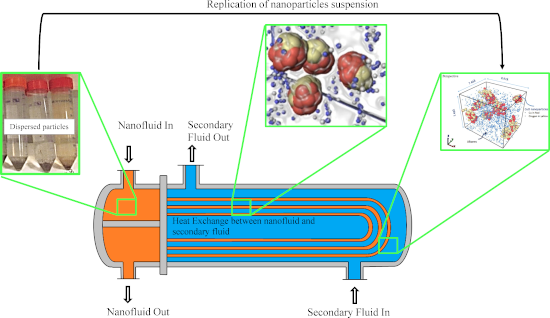
- that a local micro-convection is induced in the base fluid due to the Brownian motion of nanoparticles, which increases both mixing and heat transport within the nanofluid [16][17]. Later, several studies demonstrated that interactions between liquid atoms and nanoparticles (i.e., a liquid adsorption
- dynamic simulations with EAM and the Dreiding force field to investigate different properties of thermal transport of water/CuO nanofluids. They calculated similar thermal conductivity values for water from 303–323 K, as in our case (i.e., 0.59–0.66 W·m−1·K−1, respectively). Then they added CuO


Influence of thickness and morphology of MoS2 on the performance of counter electrodes in dye-sensitized solar cells
Beilstein J. Nanotechnol. 2022, 13, 528–537, doi:10.3762/bjnano.13.44
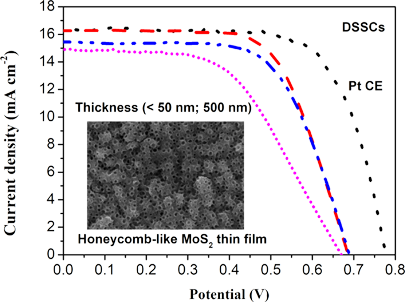
- is associated with the reduction of I3− at the cathode (CE/electrolyte), while the second one in the low-frequency region is attributed to electron transport in the TiO2 film in the back reaction at the TiO2/electrolyte interface (TiO2/dye/electrolyte). EIS data were fitted using an equivalent


Design and characterization of polymeric microneedles containing extracts of Brazilian green propolis
Beilstein J. Nanotechnol. 2022, 13, 503–516, doi:10.3762/bjnano.13.42
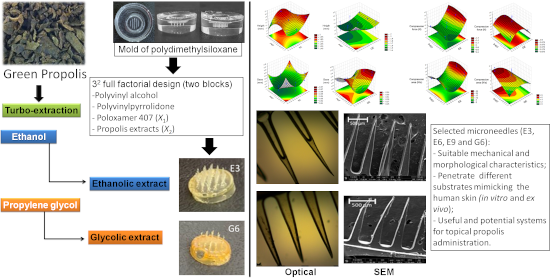
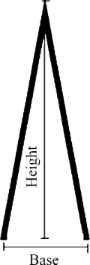
- epidermis, and are later removed [6][14]. The application of MNs creates a transport pathway for the delivery of molecules, crossing external barriers that limit the introduction of molecules into the target tissue. Furthermore, MNs are very versatile and are considered less painful, less harmful, and more
- gastrointestinal one. Despite the great therapeutic potential, the use of this pathway is limited by the low permeation of molecules through the stratum corneum, the outermost layer of the skin, which works as a barrier, blocking the transport of drugs through the subcutaneous tissue. To overcome this difficulty


Ethosomal (−)-epigallocatechin-3-gallate as a novel approach to enhance antioxidant, anti-collagenase and anti-elastase effects
Beilstein J. Nanotechnol. 2022, 13, 491–502, doi:10.3762/bjnano.13.41
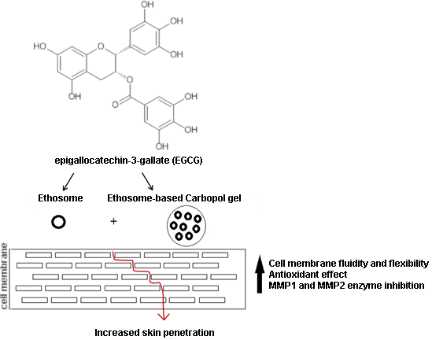
- solution form of EGCG for the transdermal delivery of EGCG. The parameters considered were antioxidant and enzymes inhibition effects, transport properties across cell monolayers, and better stability profiles. These evident effects of EGCG via ethosomal formulations might help to optimize the targeting of



Investigation of electron-induced cross-linking of self-assembled monolayers by scanning tunneling microscopy
Beilstein J. Nanotechnol. 2022, 13, 462–471, doi:10.3762/bjnano.13.39
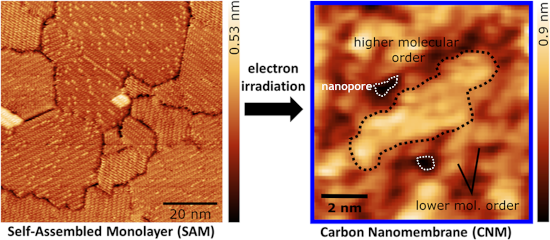
- create ultrathin carbon nanomembranes (CNMs) [25][26]. Depending on the precursor molecules and the exposure conditions, thickness [27], mechanical stiffness [28], and electronic transport characteristics [29][30] of CNMs can be tailored. Carbon nanomembranes have been applied as electron microscopy


Tunable superconducting neurons for networks based on radial basis functions
Beilstein J. Nanotechnol. 2022, 13, 444–454, doi:10.3762/bjnano.13.37
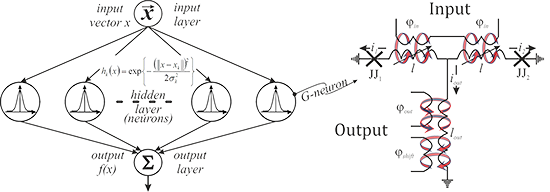
- layers supports the superconducting order parameter and increases the efficiency of the spin valve effect [58]. Here, we propose a development of this approach, allowing one to significantly increase the effective variations in the kinetic inductance. We study proximity effect and electronic transport in


The role of sulfonate groups and hydrogen bonding in the proton conductivity of two coordination networks
Beilstein J. Nanotechnol. 2022, 13, 437–443, doi:10.3762/bjnano.13.36
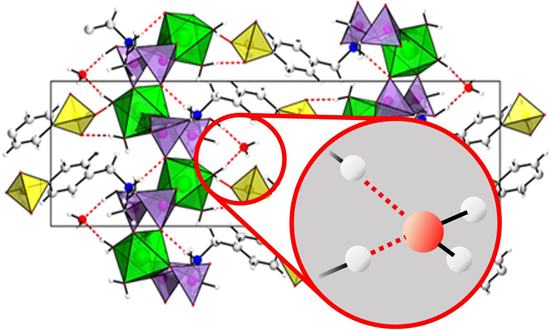
- of covalent bonds and hydrogen bonds between adjacent molecules, without mass transport [25]. For bulk liquid water, this is known as the Grotthuß mechanism, with reported activation energy values of 0.10–0.11 eV [26][27]. In the materials studied here, proton hopping can occur between H2O/H3O+ and
- conduction occurs by mass transport (i.e., by cation diffusion of, e.g., H3O+), activation energies higher than 0.4 eV are expected [28]. This mechanism seems to dominate the additional conduction mode in the non-activated Mg-CP sample, where an activation energy of 0.64 eV is observed. This is consistent


A broadband detector based on series YBCO grain boundary Josephson junctions
Beilstein J. Nanotechnol. 2022, 13, 325–333, doi:10.3762/bjnano.13.27
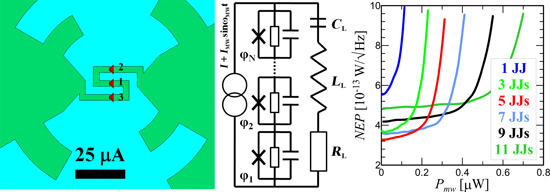
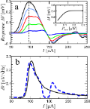
- of magnitude [34][35]. It does not take into account the increase in output noise due to the influence of low-frequency noise spectra of the critical current fluctuations δIc and normal resistance fluctuations δRN associated with the transport mechanisms of the Cooper pairs and quasiparticles



Impact of device design on the electronic and optoelectronic properties of integrated Ru-terpyridine complexes
Beilstein J. Nanotechnol. 2022, 13, 219–229, doi:10.3762/bjnano.13.16
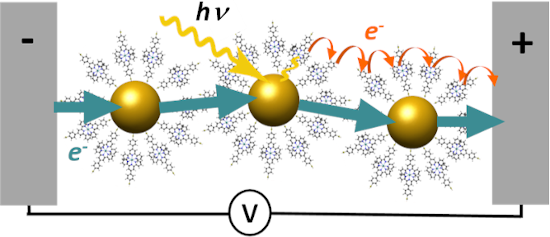
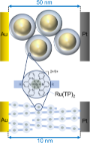
- of gold nanoparticles and contacted by nanoelectrodes. The resulting small-area nanodevices were thoroughly electrically characterized as a function of temperature and light exposure. Differences in the resulting device conductance could be attributed to the device design and the respective transport
- makes them superior candidates for charge transport studies and functional nanodevices [16][17][18]. Using TP-based ligands and a reactive Ru precursor, we recently succeeded to establish a room-temperature method to grow Ru-TP supramolecular wires by sequential reaction [19]. The stepwise wire growth
- constituting building blocks. For this purpose, the transport properties of the redox-active Ru(TP)2-complexes are studied under electrical or optical triggering in Ru(TP)2-complex wire devices and in Ru(MPTP)2–AuNP devices. Both devices are based on the same nanoelectrode design and are composed of analogous


Tin dioxide nanomaterial-based photocatalysts for nitrogen oxide oxidation: a review
Beilstein J. Nanotechnol. 2022, 13, 96–113, doi:10.3762/bjnano.13.7
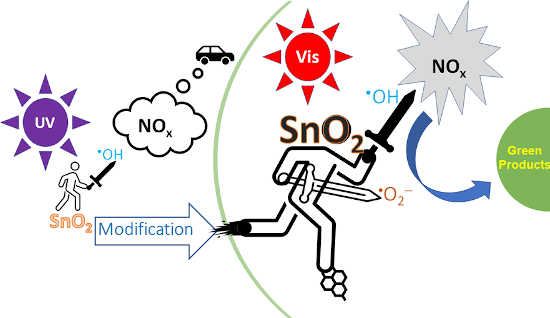
- predominantly point defects, that is, defects associated with one lattice point, such as cation or oxygen ion vacancies. OVs determine the physical and chemical properties of metal oxides. Figure 4a shows the natural crystal structure of SnO2 synthesized by vapor transport [48]. The (110) plane of rutile SnO2


Sputtering onto liquids: a critical review
Beilstein J. Nanotechnol. 2022, 13, 10–53, doi:10.3762/bjnano.13.2
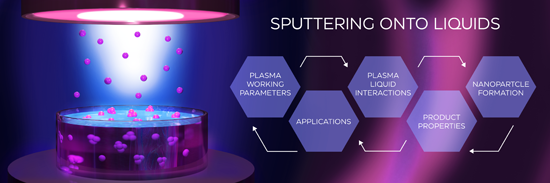
- to conventional diode discharges. In turn, lowering the working pressure while keeping a high discharge current density, that is, a few tens of millamperes per square centimeter, allows for increasing the target erosion rate and facilitates the transport of the sputtered atoms towards the substrate
- are expelled out of the surface, that is, sputtered. More information about the theory of ion-induced sputtering can be found in [8]. Ion–surface interaction and sputtering yield data can be calculated using codes such as SRIM [35] and TRYDIN [36], while transport of the sputtered species through the
- presence of a temperature gradient might influence the physicochemical properties of the host liquid and the transport of matter inside the liquid medium. It is possible to sputter two or more elements simultaneously by setting up the sputtering apparatuses identical to the one presented in Figure 3 with






Design aspects of Bi2Sr2CaCu2O8+δ THz sources: optimization of thermal and radiative properties
Beilstein J. Nanotechnol. 2021, 12, 1392–1403, doi:10.3762/bjnano.12.103
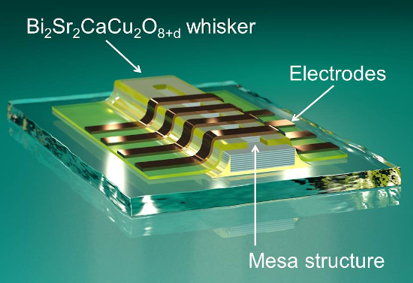
- dissipation power, Pgen, of the generator mesa. For the whisker-based device (c) a profound emission occurs at the step in the I–V marked in panel (a). For the crystal-based device (d) only a small monotonic increment of Rdet vs Pgen is observed, caused by gradual self-heating. Heat transport in a whisker
- -based device without electrodes. (a) A sketch of the device and (b) a cross section through the mesa (not to scale). (c–e) Calculated temperature distribution for the device in vacuum. (f–h) The same for the device in exchange He gas. Heat transport in a whisker-based device with an electrode. (a) A
- sketch of the device and (b) a cross section through the mesa (not to scale). (c–e) Calculated temperature distribution for the device in vacuum. (f–h) The same for the device in exchange He gas. Heat transport in a crystal-based device in vacuum (a) without electrodes, (b) with electrodes. The left


Measurement of polarization effects in dual-phase ceria-based oxygen permeation membranes using Kelvin probe force microscopy
Beilstein J. Nanotechnol. 2021, 12, 1380–1391, doi:10.3762/bjnano.12.102
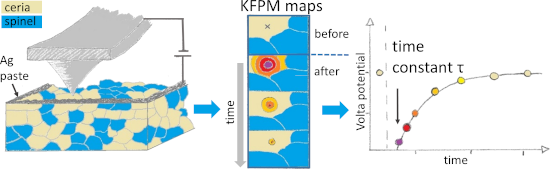
- indicator for local changes of the defect chemistry, as it is directly related to the local Fermi level [20]. The defect chemistry of acceptor-doped ceria and the oxide ion/electronic transport within ceria single-phase materials and also for ceria-based dual-phase materials is well understood at
- expected to be in the spinel region rather than on another site of the ceria phase. Another possible explanation would be that enhanced charge transport by electrons occurs along the grain boundary. This has already been confirmed experimentally for similar composite materials [33]. In this case, an
- the sign of the polarization, it was observed in some cases that charge is obviously distributed along scratches on the surface, which were introduced by polishing. This underlines the hypothesis, that fast charge transport in ceria-based materials via the uppermost surface layers is still possible at


Chemical vapor deposition of germanium-rich CrGex nanowires
Beilstein J. Nanotechnol. 2021, 12, 1365–1371, doi:10.3762/bjnano.12.100
- diagram [2] and Gibb’s energies [3], were determined. In other works, the crystallographic phases Cr3Ge, Cr5Ge3, Cr11Ge8, CrGe, and Cr11Ge19 were synthetized using chemical vapor transport [4]. Also, Cr11Ge19 in the form of large single crystals was obtained using a two-zone vertical gradient freeze
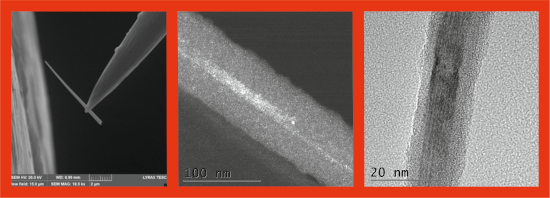
- /filled nanoscale cables suitable for medicinal magnetic transport. Experimental CrGex deposits were synthetized using CVD. In a custom-made twin furnace (Supporting Information File 1, Figure S12), chromium(III) acetylacetonate powder (Sigma-Aldrich, 99.99%) was heated to 110 °C and evaporated in the