Search results
Search for "acetone" in Full Text gives 366 result(s) in Beilstein Journal of Nanotechnology. Showing first 200.
Synthesis of carbon dot-mediated gold nanostructures: experimental and quantum chemical insights into turn-on fluorescence sensing of N-acetylcysteine
Beilstein J. Nanotechnol. 2026, 17, 1103–1116, doi:10.3762/bjnano.17.75
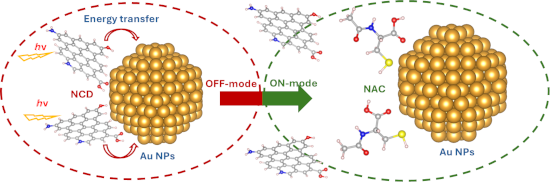
- approaches to provide mechanistic insights into the fluorescence sensing process. Experimental Chemicals and instrumentation Tetrachloroauric(III) acid trihydrate (99.5%), urea (99.5%), dimethylformamide (DMF, ≥99.8%), acetone (≥99.8%), and silicagel 60 (0.015–0.040 mm) were purchased from Merck, USA. N
- stirred, transferred into a 50 mL Teflon-lined autoclave, and heated at 180 °C for 3 h. Afterward, the autoclave was allowed to cool naturally to room temperature. The resulting mixture was purified by gradient silica gel column chromatography, using approximately 100 mL acetone followed by 250 mL acetone
- was investigated using mixtures of aqueous and organic solvents. Methanol, ethanol, acetone, ACN, and DMF were individually mixed with DW at a volume ratio of 25:75 (v/v). NAC standard solutions (25 mg/L) were prepared in each solvent mixture under identical conditions. For each experiment, an aliquot


Breaking barriers: nanosystems to overcome solubility and permeability challenges of second-generation tyrosine kinase inhibitors
Beilstein J. Nanotechnol. 2026, 17, 1063–1086, doi:10.3762/bjnano.17.73
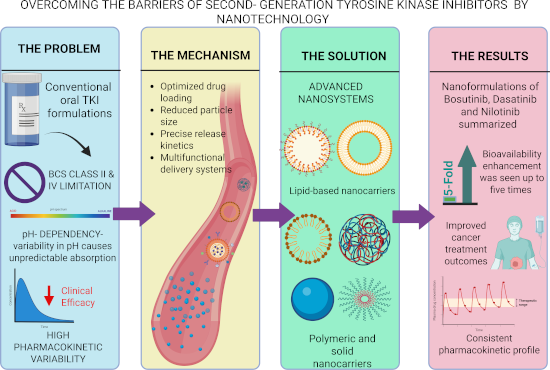
- clinical translation of TKI-loaded polymeric nanoparticles. Nevertheless, issues such as residual organic solvents (e.g., acetone and dichloromethane), polymer-associated toxicity (depending on the concentration used), and high polymer costs continue to limit their widespread clinical adoption. In fact


Ultrasonic irradiation in the synthesis of nanohydroxyapatite: a chemically friendly technique for improving hemocompatibility and antibiofilm applications
Beilstein J. Nanotechnol. 2026, 17, 991–1015, doi:10.3762/bjnano.17.68
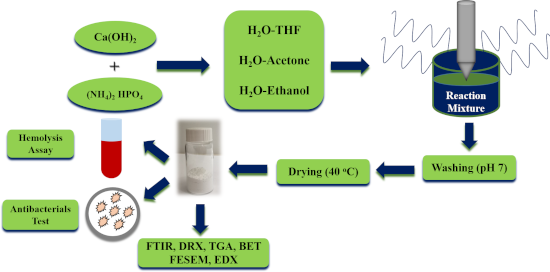
- medium. Water-based mixtures were used, that is, water/acetone (W/ACET), water/tetrahydrofuran (W/THF), and water/ethanol (W/ETOH). The resulting nHA was characterized structurally using FTIR, XRD, TGA, FESEM, and specific surface area determination. These analyses revealed the formation of carbonated
- engineering and bone devices. Results and Discussion Infrared study Figure 3 shows the FTIR spectra of hydroxyapatite prepared using mixtures of water/acetone (W/ACET), water/THF (W/THF), and water/ethanol (W/ETOH) with varying ultrasonic irradiation (UI) times between 15 and 60 min. The spectra in Figure 3A
- cm−1. Furthermore, no bands corresponding to organic solvent residues (such as ethanol, acetone, or THF) were detected, confirming the efficacy of the exhaustive washing process. However, it is important to note that while FTIR confirms the absence of major organic impurities, the inherent




Development of Protium heptaphyllum essential oil-loaded nanocapsules: experimental design and biological activity
Beilstein J. Nanotechnol. 2026, 17, 974–990, doi:10.3762/bjnano.17.67
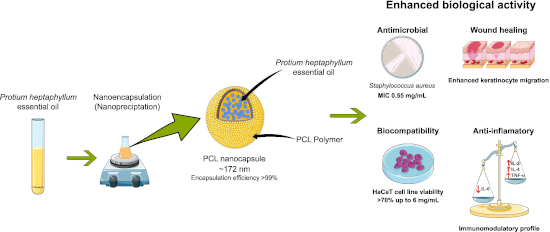
- , acetonitrile (≥99.9%, CAS 75-05-8), DMSO, and acetone (≥99.9%, CAS 67-64-1) were obtained from Millipore Sigma (Kitchener, Canada). Tween® 80 was purchased from Medisca (Kitchener, Canada), and 0.22 μm polyethersulfone filters were obtained from Montreal Biotech (Kitchener, Canada). Dulbecco’s Modified Eagle
- system libraries and literature reports. Nanocapsule synthesis and experimental design Nanocapsules were prepared using nanoprecipitation techniques. The organic phase consisted of P. heptaphyllum EO (50–150 mg), polycaprolactone (20–100 mg), and Span® 80 (20 mg), solubilized in 6 mL of acetone




Enhanced erosion resistance and radiation stability of WC–WO3 nanocomposite films under 100 keV Kr+ ion irradiation
Beilstein J. Nanotechnol. 2026, 17, 922–934, doi:10.3762/bjnano.17.65
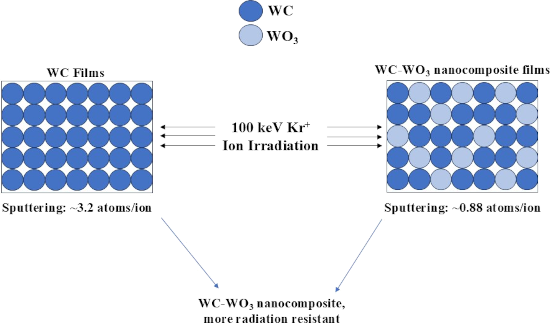
- synthesized by sputter deposition on Si substrate heated at 600 K. Before the deposition, the substrates were sonicated for 10 min and then cleaned thoroughly using acetone. The sputter deposition chamber had a base vacuum of 4.9 × 10⁻⁶ mbar before the deposition was obtained using a turbomolecular pump



Supramolecular one-dimensional conducting nanofibers from a C3-symmetric tetrathiafulvalene derivative
Beilstein J. Nanotechnol. 2026, 17, 872–881, doi:10.3762/bjnano.17.63
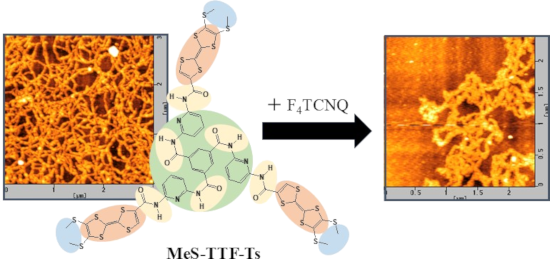
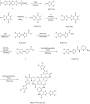
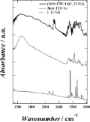
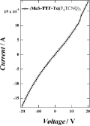
- purification unless otherwise noted. Synthesis of compounds 4,5-Bis(methylthio)-1,3-dithiole-2-thione (2) Iodomethane (790 mg, 5.56 mmol) was added to a solution of zinc chelate 1 (1.000 g, 1.39 mmol) in acetone (25 mL). The reaction mixture was stirred at 25 °C overnight. After removal of the solvent under
- reduced pressure, the residue was extracted with chloroform and washed with brine. The organic layer was dried over MgSO4, filtered, and concentrated under reduced pressure. The crude product was purified by recrystallization from acetone to afford compound 2 as yellow needle crystals. Yield 401.0 mg


Sustainable fabrication of 2D-based devices through reuse of substrates with microfabricated electrodes
Beilstein J. Nanotechnol. 2026, 17, 818–827, doi:10.3762/bjnano.17.58
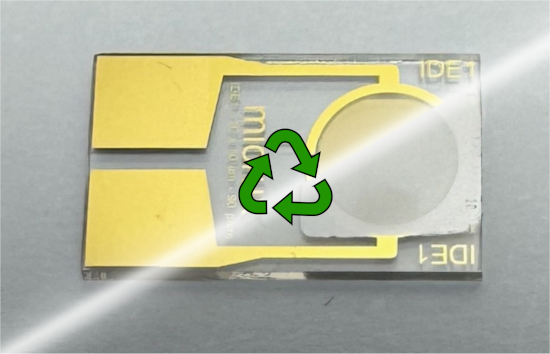
- have mainly focused on epitaxial growth or electrochemical sensing applications. In contrast, this work addresses the reuse of substrates for 2D material-based electronic devices. The cleaning process consists of an ultrasonic bath in N-methyl-2-pyrrolidone (NMP) [23][24] at 50 °C, followed by acetone
- conditions. As summarized in Table S1 (Supporting Information File 1), NMP and DMF possess surface tensions (γ) and dispersive solubility parameters (δD) that closely match the surface energy characteristics of MoS2 (γ ≈ 40 mN/m, δD ≈ 18 MPa1/2), whereas dimethyl sulfoxide (DMSO) and acetone deviate more
- rinsing in acetone and IPA and nitrogen drying. Electrical measurements show that the same pre-patterned SiO2/Si chip could be reused for at least six fabrication/cleaning cycles while preserving electrical isolation after each cleaning step and maintaining electrode functionality for subsequent device


Environmental applications of silver nanoparticles: state-of-the-art review and emerging trends
Beilstein J. Nanotechnol. 2026, 17, 697–736, doi:10.3762/bjnano.17.49
- , or zinc oxide, to enhance their photocatalytic activity and improve the degradation of air pollutants [165][166]. A review article highlighted the role of Ag–CeO2 in catalytic removal of CO, soot, and VOCs via multiple mechanisms [167]. A recent study demonstrated the oxidation of acetone and ozone
- %, 80%, 70.1%, and 43% for butanol, acetone, diethyl ether, and benzene removal, respectively, after 55, 100, 120, and 150 min. In addition, 99% of bacteria and fungi were killed after the airflow [172]. A study described


Probing tribological evolution in atomically thin MoS2 at different scales
Beilstein J. Nanotechnol. 2026, 17, 586–597, doi:10.3762/bjnano.17.40
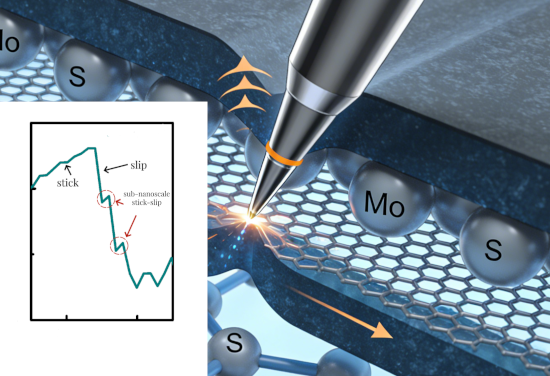
- sequentially in acetone, ethanol, and deionized water via ultrasonic cleaning and then dried with high-purity nitrogen. Sample characterization MoS2 layer thickness was determined via AFM (MFP-3D, Asylum Research) and Raman spectroscopy (inVia Reflex, Renishaw). AFM topographic images were acquired in tapping


Nanocarrier-integrated multilayer films produced by 3D printing for improved skin adhesion and curcumin photostability
Beilstein J. Nanotechnol. 2026, 17, 440–453, doi:10.3762/bjnano.17.30
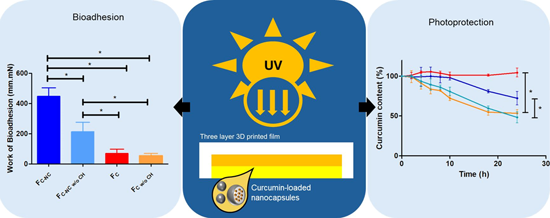
- (Na-CMC) was obtained from Levviale (São Paulo, Brazil). Titanium dioxide in the rutile form (Eusolex® T-AVO) was obtained from Alpha Química. Acetone was obtained from Neon Comercial Ltda (São Paulo, Brazil), grape seed oil was purchased from Delaware Importadora Química (Porto Alegre, Brazil), and
- phase composed of 0.010 g of curcumin, 0.1 g of PCL, 27 mL of acetone, 0.0390 g of sorbitan monooleate and 165 µL of grape seed oil, under magnetic stirring at approximately 400 rpm for 4 h at 40 °C. After complete solubilisation of all components, the organic phase was combined by pouring it into the
- aqueous phase under moderate stirring (the temperature and agitation speed parameters were the same as those of the organic phase). The aqueous phase was composed of 0.077 g of polysorbate 80 and 54 mL of ultrapure water. Acetone was removed under reduced pressure, and the resulting suspensions were


Polycatecholamine nanocoatings on stainless steel: the effect on attachment of human fibroblasts and platelets
Beilstein J. Nanotechnol. 2026, 17, 365–380, doi:10.3762/bjnano.17.25
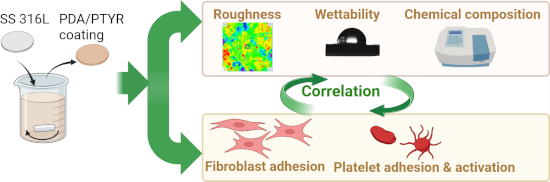
- 316L discs were pretreated by rinsing their surfaces with acetone (Chempur, Poland) and a “piranha solution” containing sulfuric acid (Chempur, Poland) and 30% H2O2 (Sigma-Aldrich, Germany) at a volume ratio of 1:1. The discs were then rinsed in deionized water, followed by immersion in the




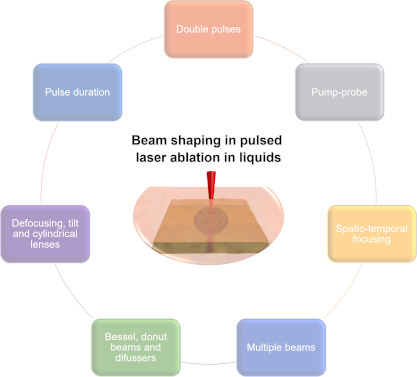
Beam shaping techniques for pulsed laser ablation in liquids: Unlocking tunable control of nanoparticle synthesis in liquids
Beilstein J. Nanotechnol. 2026, 17, 309–342, doi:10.3762/bjnano.17.22
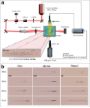
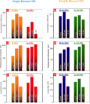
- target in acetone is shown in Figure 9. As an example, the Bessel-beam-processed surface results in a giant enhancement of the SERS signal of the explosive molecule CL-20 [142]. Thus, NP synthesis in liquids using Bessel beams can provide an additional opportunity for control over colloidal properties





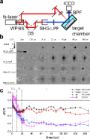


Comparative study on 3D morphologies of delignified, single tracheids and fibers of five wood species
Beilstein J. Nanotechnol. 2026, 17, 239–250, doi:10.3762/bjnano.17.16
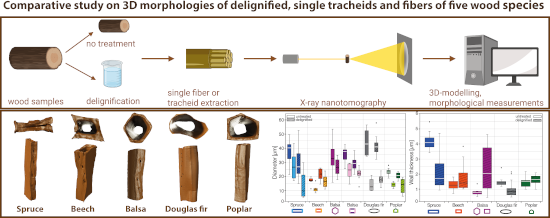
- , first using distilled water and acetone (1:6, v/v, ≥99.5%, Carl Roth, Karlsruhe, Germany), followed by toluene (≥99.5%, Carl Roth) for 24 h each. Afterwards, toluene was washed out by extraction with ethanol for 2 h, and the samples were dried at reduced pressure overnight (15 mbar, 40 °C). For


Gold nanoparticle-decorated reduced graphene oxide as a highly effective catalyst for the selective α,β-dehydrogenation of N-alkyl-4-piperidones
Beilstein J. Nanotechnol. 2026, 17, 218–238, doi:10.3762/bjnano.17.15
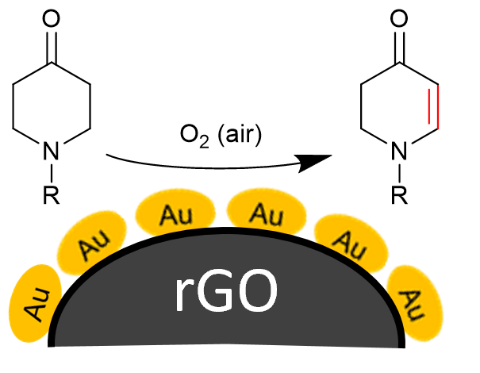
- this study were of analytical grade and were used as received without further purification: acetone (≥99%, Sigma-Aldrich), potassium tetrachloridoaurate(III) (≥99%, BLD PHARMATECH GmbH), sodium citrate dihydrate (≥99%, VWR Chemicals), sodium borohydride (≥96.0%, Merck KGaA), N-methyl-or 1-methyl-4


Ultrathin water layers on mannosylated gold nanoparticles
Beilstein J. Nanotechnol. 2025, 16, 2183–2198, doi:10.3762/bjnano.16.151
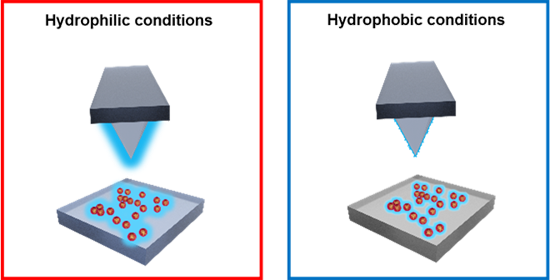
- adsorbed salts and proteins, and the temperature. Experimental Materials Acetone (99.5%), 3-(ethoxydimethylsilyl)propylamine (APDMES, 97%), and anhydrous solutions of toluene, chloroform, octadecyltrichlorosilane (OTS), and decalin (cis and trans) were purchased from Sigma Aldrich (Germany). 2-Propanol
- adsorbed on silicon wafers, which we functionalized with APDMES or with OTS (Supporting Information File 1, Figure S1), referred to as “hydrophilic” or “hydrophobic”, respectively. The silicon wafers were initially chemically cleaned by successive serial sonication steps of 5 min each using acetone, 2



Stereodiscrimination of guests in chiral organosilica aerogels studied by ESR spectroscopy
Beilstein J. Nanotechnol. 2025, 16, 2034–2054, doi:10.3762/bjnano.16.140
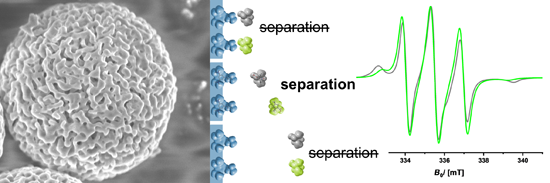
- (p.a.). With vigorous stirring, a solution of 1.0 mL NH3 (55.6 mmol H2O, 4 equiv) in 1.5 mL methanol (p.a.) is quickly added and stirred for 1 min. As soon as the gel is completely formed, it is left to age at room temperature. After ageing, the gel is layered with acetone (p.a.), and the acetone is
- then the solvent is statically exchanged with acetone. An aerogel monolith is obtained with a size corresponding to the volume of reagents used. The material can be dried supercritically in CO2 for obtaining an aerogel. 29Si NMR (79.5 MHz, spin echo [d1 = 350s], 10 kHz) δ −58.4 (T1), −68.3 (T2), −80.0
- infiltrated. After 2 d, the supernatant solution is removed and replaced several times with acetone and dried in supercritical CO2. AlaNH10SIL: The synthesis was performed analogous to SerNH10SIL. 3,5-Bis(triisopropoxysilyl)aniline: The sol–gel precursor was prepared and characterized as described in




Laser ablation in liquids for shape-tailored synthesis of nanomaterials: status and challenges
Beilstein J. Nanotechnol. 2025, 16, 1963–1997, doi:10.3762/bjnano.16.137
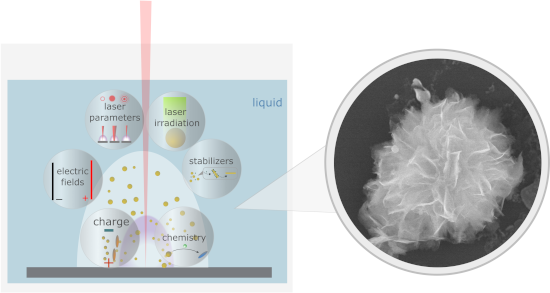
- acetone. However, in water, spherical NPs were initially formed and further transformed into nanoflakes and nanosheets which were composed of Bi subcarbonates (BiO)2CO3 and (BiO)4CO3(OH)2. Furthermore, a rapid change from water to acetone prevented the formation of nanoflakes, while the addition of even 1
- % of water to acetone resulted in the formation of nonspherical nanostructures. If stabilizers are added to tune the NP shape, the observed transformations are usually related to the later stages when the NPs, being usually spherical upon release from the cavitation bubble, are transferred into a
- in acetone–water solution to induce further re-shaping into cubic nanostructures (Figure 7b–d). The formation of the nanocubes occurred upon ageing of the colloid during several days, and the authors emphasize the importance of the laser fragmentation step in this process. If the laser fluence is too


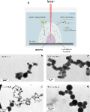



Mechanical property measurements enabled by short-term Fourier-transform of atomic force microscopy thermal deflection analysis
Beilstein J. Nanotechnol. 2025, 16, 1952–1962, doi:10.3762/bjnano.16.136
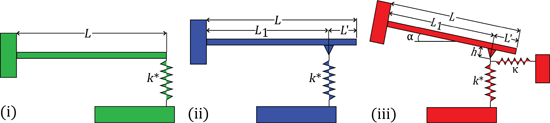
- mechanical properties of these samples are provided in Table 1. Silicon wafers were ultrasonicated in acetone and ethanol for 10 min each. HOPG samples were cleaved using the Scotch tape method within 30 min of beginning an experiment. Finally, the PEO and PDMS samples were not surface-treated following




Further insights into the thermodynamics of linear carbon chains for temperatures ranging from 13 to 300 K
Beilstein J. Nanotechnol. 2025, 16, 1818–1825, doi:10.3762/bjnano.16.125
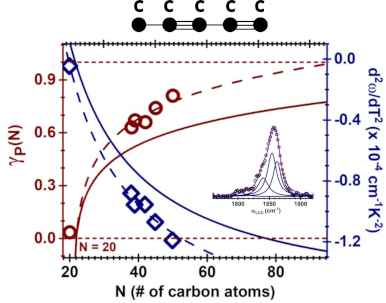
- synthesized using arc discharge [53]. The purity of MWCNT regarding nanoparticles is ≈80% with average diameters of 10.4 nm (average length of 2.3 mm). The LCC@CNT filling ratio is ≈80% [53]. The samples were dispersed in acetone and sonicated for 2 h and then drop casted onto a Si wafer of ≈1 cm2 area. Raman


![[Graphic 23]](/bjnano/content/inline/2190-4286-16-125-i25.svg?max-width=637&scale=1.18182)
Prospects of nanotechnology and natural products for cancer and immunotherapy
Beilstein J. Nanotechnol. 2025, 16, 1644–1667, doi:10.3762/bjnano.16.116
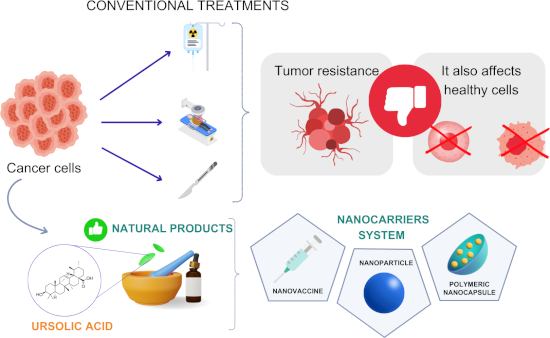
- and drug carriers, and methanol, ethanol, and acetone as solvents. Both nanoparticle systems exhibited high biocompatibility and low cytotoxicity to normal cells. Additionally, the results demonstrated the technology had a tumor inhibition greater than 70% in mice with a synergistic antitumor effect


Venom-loaded cationic-functionalized poly(lactic acid) nanoparticles for serum production against Tityus serrulatus scorpion
Beilstein J. Nanotechnol. 2025, 16, 1633–1643, doi:10.3762/bjnano.16.115
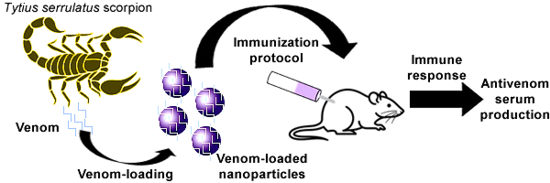
- serrulatus venom delivery In a manner similar to [14], PLA NPs) were prepared by nanoprecipitation, up to a 30:70 (%) ratio of organic and aqueous phase (OP:AP). The organic phase was set up with 6 mL of acetone solution containing PLA (0.1% w/v) and PEI (0.1% w/v) to 14 mL of the aqueous phase containing
- PVA (1.0% w/v), at an output flux of 3.0 mL⋅min−1. After titrations, the acetone organic solvent evaporation occurred under a 700 rpm of magnetic stirring overnight. After solvent evaporation, colloidal dispersions were centrifuged at 22,000g for 5 minutes. The T. serrulatus venom loading in the


Nanotechnology-based approaches for the removal of microplastics from wastewater: a comprehensive review
Beilstein J. Nanotechnol. 2025, 16, 1607–1632, doi:10.3762/bjnano.16.114
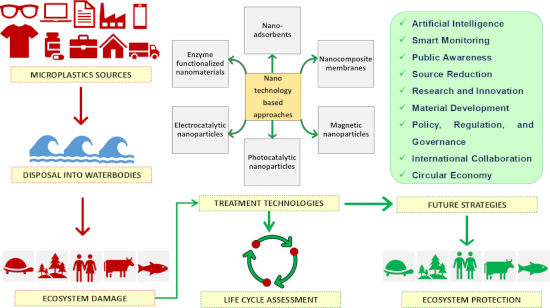
- -precipitation involves solvent displacement method, where acetone, ethanol, hexane are some of the solvents used [75]. In electrospinning, nanofibers are generated [76]. In parallel, green synthesis utilises biological entities such as plant extracts or microorganisms as reducing agents to produce eco-friendly


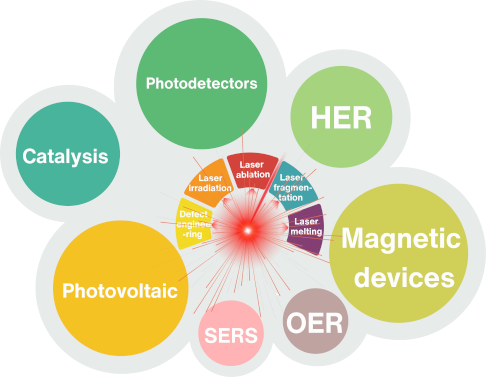
Laser processing in liquids: insights into nanocolloid generation and thin film integration for energy, photonic, and sensing applications
Beilstein J. Nanotechnol. 2025, 16, 1428–1498, doi:10.3762/bjnano.16.104






Synthesis and antibacterial properties of nanosilver-modified cellulose triacetate membranes for seawater desalination
Beilstein J. Nanotechnol. 2025, 16, 1380–1391, doi:10.3762/bjnano.16.100
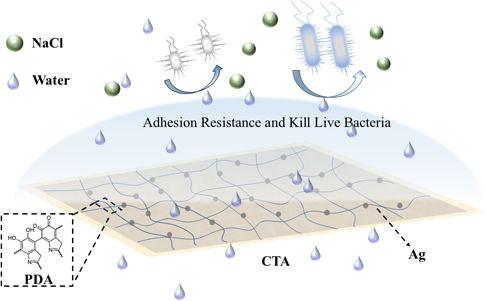
- 12 h. Subsequently, 1.31 g of dried powder was added to a round bottom flask. A mixed solution of 1,4-dioxane (6.24 g) and acetone (2.49 g) in a mass ratio of 5:2 was added to the flask while stirring vigorously for 12 h until complete dissolution of the materials was achieved. The resulting


Wavelength-dependent correlation of LIPSS periodicity and laser penetration depth in stainless steel
Beilstein J. Nanotechnol. 2025, 16, 1302–1315, doi:10.3762/bjnano.16.95
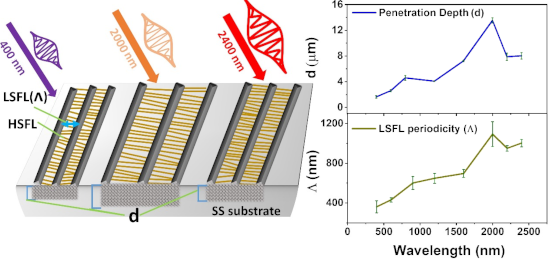
- . Before and after the laser treatment, these SS surfaces underwent ultrasonic rinsing with acetone for 10 min each, aiming to eliminate dust particles and other contaminants. Experimental details A commercially available Ti:sapphire femtosecond laser operating at an 800 nm central wavelength, with 75 fs