Search results
Search for "cell culture" in Full Text gives 189 result(s) in Beilstein Journal of Nanotechnology.
Restorative potential of laser-synthesized silver nanoparticles with Salvia officinalis for periodontal disease treatment: an in vitro study
Beilstein J. Nanotechnol. 2026, 17, 781–795, doi:10.3762/bjnano.17.55
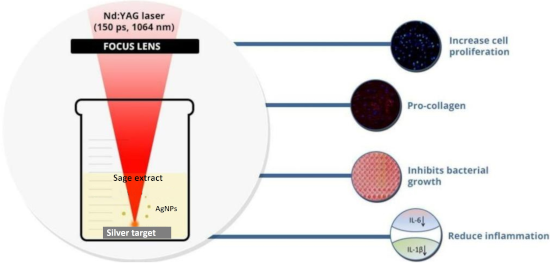
- ]. Interleukins were determined in cell culture media using the commercial LEGEND MAX™ Human IL-1β and IL-6 ELISA Kits (BioLegend, Inc., San Diego, CA, USA) according to the manufacturer’s instructions. The optical densities were measured at 450 nm on a microplate reader (Sunrise, Tecan). The results are
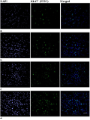
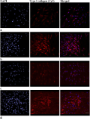
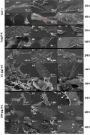
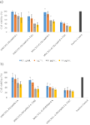
- -I collagen (Cy3-labeled, red), and the right panel shows merged photomicrographs. Scale bar = 100 μm. IL-1β (a) and IL-6 values (b) in cell culture supernatants after treatment with EcLPS (10 µg·mL−1) and EcLPS + 1 × MIC SageAgNPs6mJ for 24 and 48 h, expressed as pg·mL−1. *p < 0.05, ***p < 0.001



Interface-engineered Caco-2 cell culture on a collagen-coated liquid–liquid interface in a microfluidic device
Beilstein J. Nanotechnol. 2026, 17, 760–768, doi:10.3762/bjnano.17.53
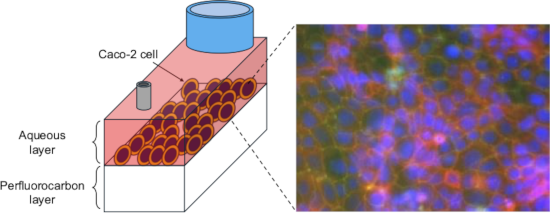
- enables the formation of stable liquid–liquid interfaces that serve as viable and flexible substrates for epithelial cell culture, offering new opportunities for multiphase microfluidic models of epithelial barriers. Keywords: Caco-2; collagen; FC-43; gut-on-a-chip; liquid–liquid interface; Introduction
- reconfigurable environment that more closely mimics native cellular microenvironments than rigid solid substrates. Unlike conventional solid culture surfaces, liquid–liquid interfaces offer a distinct platform for cell culture, enabling a scaffold-free and mechanically tunable environment that eliminates the
- interfacial strategy into microfluidic cell culture systems may therefore offer an alternative to porous membrane-based designs and mitigate the inherent limitations of synthetic solid membranes in gut-on-a-chip platforms. Among candidate materials, perfluorocarbon liquids such as FC-43 are particularly


Influence of surface characteristics on the in vitro stability and cell uptake of nanoliposomes for brain delivery
Beilstein J. Nanotechnol. 2026, 17, 139–158, doi:10.3762/bjnano.17.9
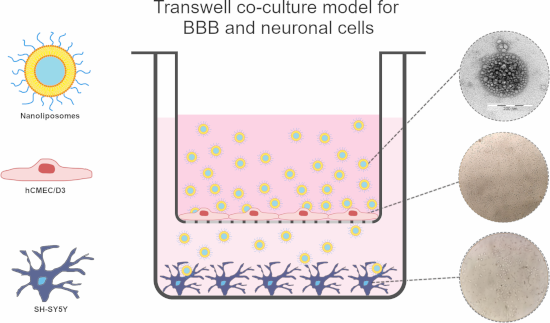
- /D3) and neuroblastoma cells (SH-SY5Y) under different conditions. The results obtained from comparative in vitro cell uptake studies on both cell culture lines after treatment with three different concentrations of fluorescently labelled NLs (5, 10, and 100 μg/mL) over a period of 1, 2, and 4 h
- interactions in complex organs like the brain, in vitro cell culture models, such as hCMEC/D3 and SH-SY5Y, are often used [9]. Therefore, the hCMEC/D3 model is useful for examining nanosystems, drug uptake, and transport across the BBB, with advantages like easy growth and mimicking basic BBB properties
- . Additionally, the information regarding the influence of different experimental conditions on the NL cell uptake outcome in brain cell culture lines is also scarce. In our previous work, we compared nanostructured lipid carriers (NLCs) and liposomes modified with different stealth polymers (poloxamer or poly




Quality by design optimization of microemulsions for topical delivery of Passiflora setacea seed oil
Beilstein J. Nanotechnol. 2025, 16, 2116–2131, doi:10.3762/bjnano.16.146
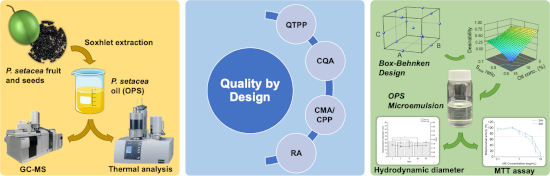
- ) for providing the research infrastructure. Special thanks are extended to Alexandra Kleinclauss and Isabelle Fries (Université de Lorraine) for their valuable contributions to the cell culture and cytocompatibility assays. The graphical abstract was composed by the authors using Microsoft PowerPoint


Rapid synthesis of highly monodisperse AgSbS2 nanocrystals: unveiling multifaceted activities in cancer therapy, antibacterial strategies, and antioxidant defense
Beilstein J. Nanotechnol. 2025, 16, 2105–2115, doi:10.3762/bjnano.16.145
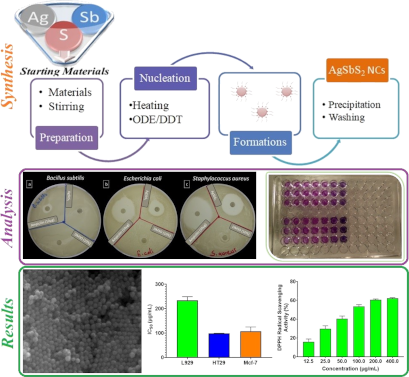
- retaining a blue color, while the MBC was determined by subculturing non-turbid wells onto MHA plates and identifying the lowest concentration that yielded no visible bacteria colonies after 24 h. Cytotoxicity assays Cell culture and Alamar Blue assay HT-29 colon cancer, MCF-7 breast cancer, and L929
- ]. NCs were dissolved in DMSO (10 mg/mL) stock and the DMSO concentration in the cell culture medium was not more than 0.1%. Cells were seeded in 96-well plates at a density of 2 × 10⁴ cells/well, and the plates were incubated in a humidified incubator (95% air and 5% CO2) at 37 °C for 24 h. Triplicate


Self-assembly and adhesive properties of Pollicipes pollicipes barnacle cement protein cp19k: influence of pH and ionic strength
Beilstein J. Nanotechnol. 2025, 16, 1863–1872, doi:10.3762/bjnano.16.129
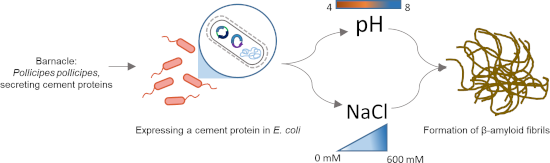
- buffer, pH 2.0) were included in the assay. Surface adhesion assay The adhesion of rPpolcp19k-his in both monomeric and fibril form was studied by surface coating assay using surfaces typical of cell culture experiments, namely, hydrophilic 96-well polystyrene tissue culture-treated plates (Sarstedt


Phytol-loaded soybean oil nanoemulsion as a promising alternative against Leishmania amazonensis
Beilstein J. Nanotechnol. 2025, 16, 1826–1836, doi:10.3762/bjnano.16.126

- cell culture The mouse embryonic fibroblast cell line 3T3 cells (ATCC® CRL-1658) were cultured in 25 cm2 culture flasks with Dulbecco's Modified Eagle Culture Medium (DMEM, Life Technologies, Cat. 12800-058, Bleiswijk, The Netherlands), supplemented with 10% fetal bovine serum (FBS, Life Technologies
- cytocompatibility assay was the two-way ANOVA, followed by Tukey’s post hoc test. In vitro antileishmanial activity Parasite cell culture The cultures of Leishmania amazonensis promastigotes were carried out in 25 cm2 flasks containing RPMI medium (Sigma-Aldrich, Brazil) supplemented with 10% FBS and 10


Fabrication of metal complex phthalocyanine and porphyrin nanoparticle aqueous colloids by pulsed laser fragmentation in liquid and their potential application to a photosensitizer for photodynamic therapy
Beilstein J. Nanotechnol. 2025, 16, 1088–1096, doi:10.3762/bjnano.16.80
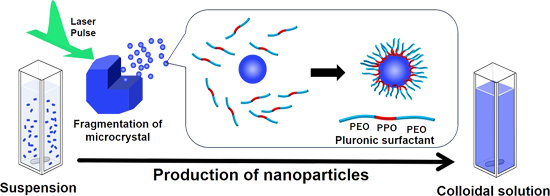
- = AlCl, Fe, Co, Zn) and Pt complex octaethylporphyrin (PtOEP) by nanosecond laser fragmentation of the corresponding microcrystalline powders in an aqueous solution of the amphiphilic polymer Pluronic® F-127. All nanoparticles dispersed stably in phosphate-buffered saline and cell culture media without
- application as photosensitizers for PDT. We have already reported the nanoparticle fabrication of some MPcs by PLAL using deionized water [13][14][15]. The nanoparticles dispersed well in pure water, but precipitated in a buffer solution and a cell culture medium after one day. In this study, therefore, an
- , the pure nanoparticles precipitated after one day in PBS, while the nanoparticles with F-127 remained stably dispersed over one week. A similar dispersion stability was observed for cell culture media such as MEM and RPMI1640. Nanoparticles of other MPcs and PtOEP prepared in 0.1 wt % F-127 aqueous


Piezoelectricity of hexagonal boron nitrides improves bone tissue generation as tested on osteoblasts
Beilstein J. Nanotechnol. 2025, 16, 1068–1081, doi:10.3762/bjnano.16.78
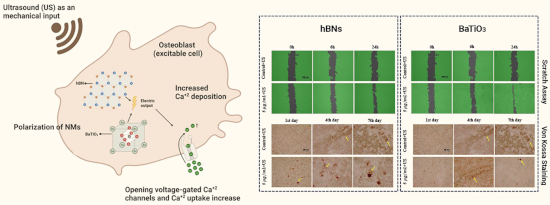
- (PS, Capricorn Scientific), and 1% ʟ-glutamine (Pan Biotech). Cells were incubated at 37 °C with 5% percent CO2 and 90% humidity. All experiments were performed after cells reached 100% confluence, and the NMs treatment procedure was the same. Both types of NMs were dispersed in cell culture medium
- ) colorimetric assay to determine the nontoxic concentration levels of both NMs and the impact of US exposure on viability. The oxidized form of the dye enters the cytosol when it is added to the cell culture, and it is converted to its reduced form by the mitochondrial enzyme activity of living cells [39
- . After 24 h, the cells were treated with NMs with increasing concentration (1, 5, and 10 µg/mL) and incubated for 1, 4, and 7 days. Then, 10% Alamar Blue solution in cell culture medium was prepared and added to each well to incubate for 3 h. Afterward, the absorbance of the solution was measured at 570


A calix[4]arene-based supramolecular nanoassembly targeting cancer cells and triggering the release of nitric oxide with green light
Beilstein J. Nanotechnol. 2025, 16, 1003–1013, doi:10.3762/bjnano.16.75
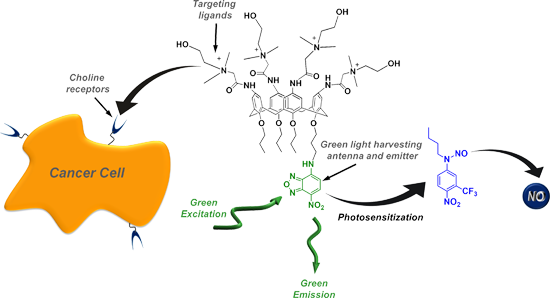
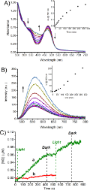
- light source. The concentration of the phototransformed 2 was determined spectrophotometrically by taking into account the absorption changes at 290 and 400 nm, and Δε290 = 8500 M−1·cm−1 and Δε400 = 9600 M−1·cm−1, respectively. I was calculated by potassium ferrioxalate actinometry. Cell culture Primary


Shape, membrane morphology, and morphodynamic response of metabolically active human mitochondria revealed by scanning ion conductance microscopy
Beilstein J. Nanotechnol. 2025, 16, 951–967, doi:10.3762/bjnano.16.73
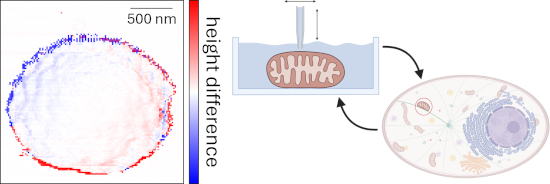
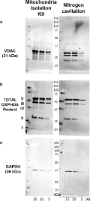
- specific proteins of the outer mitochondrial membrane, may shed light on the mechanisms underlying this phenomenon. Experimental Cell culture, isolation protocol, and viability measurements HeLa cells [54][55] (CCL™), obtained from ATTC, were cultured and harvested in Dulbecco’s modified eagle medium (DMEM
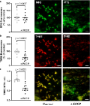



Serum heat inactivation diminishes ApoE-mediated uptake of D-Lin-MC3-DMA lipid nanoparticles
Beilstein J. Nanotechnol. 2025, 16, 740–748, doi:10.3762/bjnano.16.57
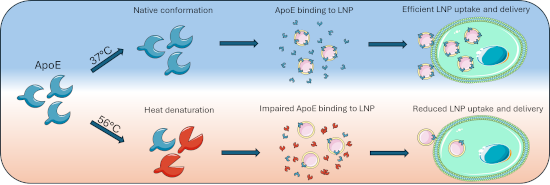
- vitro cellular models aiming to eventually understand biodistribution and cargo delivery efficiency of the LNPs in vivo. For in vitro cell culture, fetal calf serum (FCS) is supplemented to culture media to provide nutrients and promote cell viability and growth. Heat inactivation of FCS is often
- Integrated DNA Technologies and were annealed in-house for 5 min at 97 °C. siRNA sequence: Sense: ‘5-GGA CGA GGU GCC UAA AGG AdCdG-3’ Antisense: ‘5-UCC UUU AGG CAC CUC GUC CdCdG-3’. FCS was obtained from Gibco, Biowest and Lonza. Cell culture Brain cancer cell line U87-MG (ATCC) and breast cancer cell line
- the cell culture media. We initially hypothesized that this difference may have been the result of differences in FCS protein concentrations. Indeed, LNP uptake by HMEC-1 increases with the concentration of (heat treated) FCS (Figure 1A). This is most likely the result of enhanced shedding of PEG


Efficiency of single-pulse laser fragmentation of organic nutraceutical dispersions in a circular jet flow-through reactor
Beilstein J. Nanotechnol. 2025, 16, 711–727, doi:10.3762/bjnano.16.55
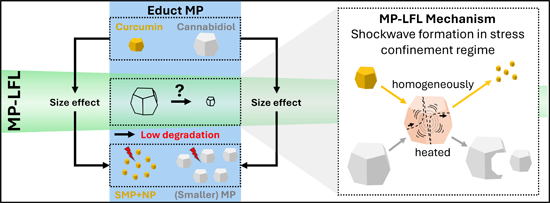
- antioxidant properties of laser-fragmented curcumin As LFL of curcumin was more efficient than that of CBD, curcumin was tested for its cytotoxic and antioxidant potential in an in vitro cell culture model. The hepatocellular carcinoma cell line HepG2 was chosen for analyzing the antioxidant capacity of LP1


Colloidal few layered graphene–tannic acid preserves the biocompatibility of periodontal ligament cells
Beilstein J. Nanotechnol. 2025, 16, 664–677, doi:10.3762/bjnano.16.51
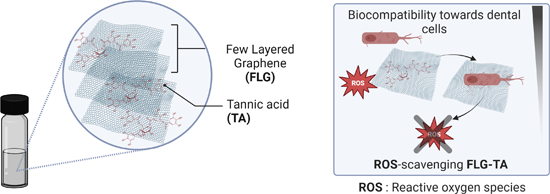
- Hoechst 33258 were obtained from MERCK Sigma-Aldrich Reagent (Darmstadt, Germany). α-MEM cell culture medium was purchased from Gibco (Thermo Fisher Scientific, Waltham, MA, USA). Fetal bovine serum (FBS) and phosphate-buffered saline (PBS) were acquired from Dominique Dutscher (Brumath, France). The




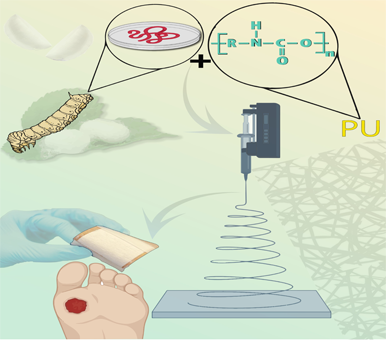
Polyurethane/silk fibroin-based electrospun membranes for wound healing and skin substitute applications
Beilstein J. Nanotechnol. 2025, 16, 591–612, doi:10.3762/bjnano.16.46



Graphene oxide–chloroquine conjugate induces DNA damage in A549 lung cancer cells through autophagy modulation
Beilstein J. Nanotechnol. 2025, 16, 316–332, doi:10.3762/bjnano.16.24
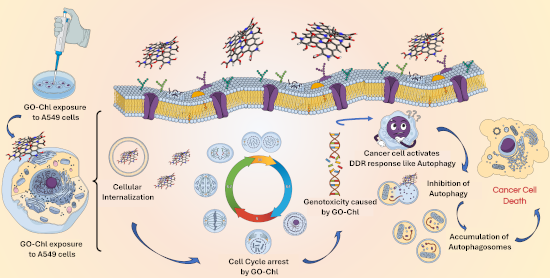
- were obtained from American Type Cell Culture (Cat. No. CCL-185; ATCC, Manassas, VA, USA). Primary antibodies anti-β-actin (Cat. No. 4970), anti-LC-3-I/II (Cat. No. 12741), anti-ATG-7 (Cat. No. 88577) and anti-beclin-1 (Cat. No. 3495) were obtained from Cell Signaling Technology (Danvers, MA, USA). The
- GFP-LC3 plasmid was a kind gift from Dr. Soumya Sinha Roy, CSIR-IGIB, India. The antifade mounting media Vectashield was purchased from Vector Laboratories (Burlingame, CA, USA). All other chemicals were locally obtained and were of analytical reagent grade. Cell culture plastic wares were obtained
- -resolution transmission electron microscope (Technai G2 F30 STWIN, Japan), field emission scanning electron microscope (FEI, Quanta FEG 450, USA), and atomic force microscope (Nanoscope, Veeco V, USA) [28][29][30]. Cell culture A549 cells from the American Type Culture Collection (ATCC, Manassas, VA, USA



Radiosensitizing properties of dual-functionalized carbon nanostructures loaded with temozolomide
Beilstein J. Nanotechnol. 2025, 16, 229–251, doi:10.3762/bjnano.16.18




A nanocarrier containing carboxylic and histamine groups with dual action: acetylcholine hydrolysis and antidote atropine delivery
Beilstein J. Nanotechnol. 2025, 16, 11–24, doi:10.3762/bjnano.16.2

- Cytell Cell Imaging multifunctional system (GE Healthcare Life Science, Sweden) [38]. The experiments utilized a Chang liver cell line (human liver cells) from the N.F. Gamaleya National Research Center for Epidemiology and Microbiology and a cell culture of WI-38 VA 13 subline 2RA (human embryo lung
- ) from the collection of the Institute of Cytology RAS (St. Petersburg, Russia). Standard culture medium Igla, produced by the Moscow Institute of Poliomyelitis and Viral Encephalitis, was employed for cell culture, supplemented with 1% nonessential amino acids (NEAA) and 10% fetal bovine serum. The


Polymer lipid hybrid nanoparticles for phytochemical delivery: challenges, progress, and future prospects
Beilstein J. Nanotechnol. 2024, 15, 1473–1497, doi:10.3762/bjnano.15.118
- testosterone-induced alopecia suggested that QCT-PLHNPs exhibited significantly higher regrowth of hairs than free QCT. Yin and co-workers developed QCT-encapsulated cholate-modified PLHNPs (QCT-cPLHNPs) to achieve better therapeutic efficacy against leukemia [92]. Cell culture studies suggested that the QCT
- environments. Because of the excellent pharmaceutical attributes and mucoadhesive characteristics, the THQ-PLHNPs show controlled release characteristics and manyfold enhanced intestinal permeation compared to free THQ suspension. Cell culture experiments suggested that the fabricated THQ-PLHNPs significantly
- (TNBC) [120]. IQN-PLHNPs exhibited high stability in the harsh GI milieu. Cell culture experiment suggested that the IQN-PLHNPs showed a nearly twofold increase in cell uptake in MDA-MB-231 cells thereby better cytotoxicity was achieved. IQN-PLHNPs are effectively absorbed from the GI tract and showed a


Dual-functionalized architecture enables stable and tumor cell-specific SiO2NPs in complex biological fluids
Beilstein J. Nanotechnol. 2024, 15, 1238–1252, doi:10.3762/bjnano.15.100
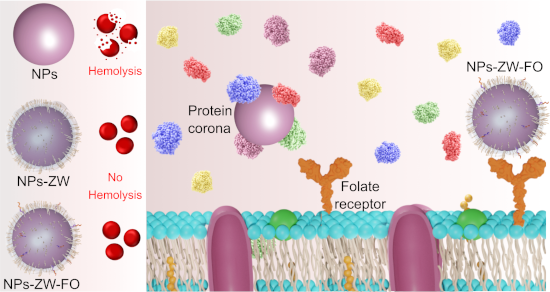
- improved colloidal stability [25][26]. Remarkably, functionalized NPs were stable in a complex medium (cell culture medium and human plasma) and showed greater potential for recognition by tumor cells. Material and Methods Materials Tetraethyl orthosilicate (TEOS, 98%), (3-aminopropyl)triethoxysilane
- 1.0 mg·mL–1) and later used for the quantification of captured SiO2NPs-ZW-FO. The calculations were performed using the value obtained at the maximum of the emission band. Stability of SiO2NPs in cell culture medium and human plasma Dynamic light scattering (DLS) measurements were performed to
- corona formation in cell culture medium and human plasma To verify the adsorption of proteins on the functionalized SiO2NPs, sodium dodecyl sulfate polyacrylamide gel electrophoresis (SDS-PAGE) experiment was performed. For this, the nanomaterials (in concentrations of 2 to 5 mg·mL–1) were incubated in


Synthesis, characterization and anticancer effect of doxorubicin-loaded dual stimuli-responsive smart nanopolymers
Beilstein J. Nanotechnol. 2024, 15, 1189–1196, doi:10.3762/bjnano.15.96
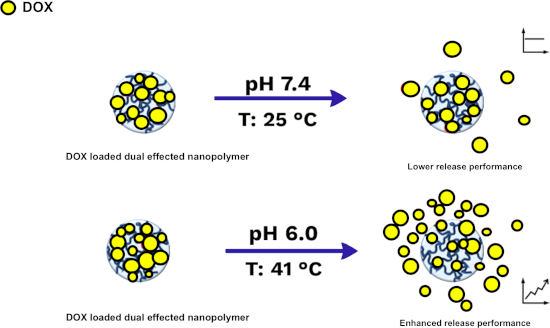
- incubation times was studied. Experimental Materials Doxorubicin and all other chemicals were purchased from Sigma-Aldrich (St. Louis, MO, USA). The water utilized in the experiments was purified by a Barnstead (Dubuque, IA, USA) ROpure LP® reverse osmosis unit. Cell culture Experiments were conducted using


Introducing third-generation periodic table descriptors for nano-qRASTR modeling of zebrafish toxicity of metal oxide nanoparticles
Beilstein J. Nanotechnol. 2024, 15, 1142–1152, doi:10.3762/bjnano.15.93
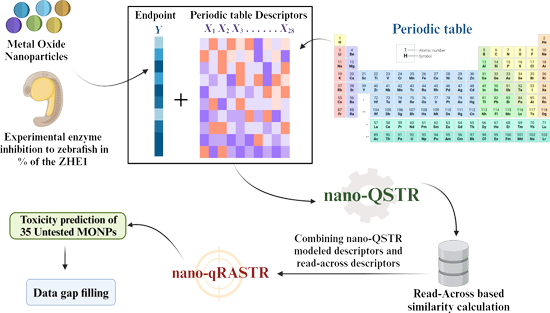
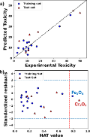
- ’ kinetics, migration, and transformation than in vitro cell culture assays [14]. Meanwhile, it is considered an equivalent model for investigating developmental toxicity and genotoxicity because around 85% of its genes are comparable to those found in humans [15]. The potential harm to human health posed by


Interface properties of nanostructured carbon-coated biological implants: an overview
Beilstein J. Nanotechnol. 2024, 15, 1041–1053, doi:10.3762/bjnano.15.85
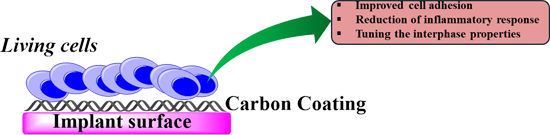
- proliferation. The authors reported a significant improvement of cytocompatibility with the creation of a preosteoblastic monolayer on the coated surface after one week of cell culture. Chen and co-workers [95] investigated the effect of GO coating as antifibrotic on metal implants. They controlled the



Therapeutic effect of F127-folate@PLGA/CHL/IR780 nanoparticles on folate receptor-expressing cancer cells
Beilstein J. Nanotechnol. 2024, 15, 954–964, doi:10.3762/bjnano.15.78
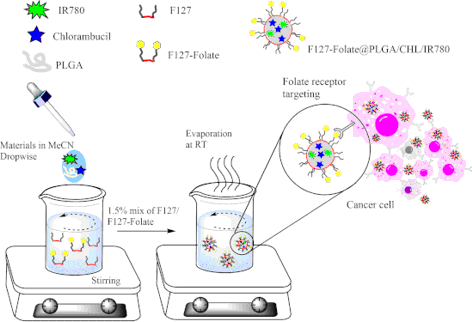
- pH 5.4. After that, the nanoparticles were centrifuged at 12,000 rpm, and the pellets were collected and freeze-dried. The drugs that remained in the nanoparticle were determined as described above. Cell culture The human breast carcinoma MCF7 cell line, the human hepatoma HepG2 cell line, and the
- form with a core size of around 100 nm (Figure 1B). For this reason, the nanoprecipitation–diffusion technique was utilized to produce the particles employed in the study. Furthermore, after dispersing the nanoparticles in cell culture medium with 10% FBS, the size and PDI of the nanoparticles
- increased, respectively, to 372 nm and 0.486 for F127-folate@PLGA/CHL/IR780, and, respectively, to 288 nm and 0.663 for F127@PLGA/CHL/IR780. The increase in nanoparticle size could be the result of protein absorption the nanoparticle surface [38]. However, the absorption of protein from the cell culture



Electrospun polysuccinimide scaffolds containing different salts as potential wound dressing material
Beilstein J. Nanotechnol. 2024, 15, 781–796, doi:10.3762/bjnano.15.65
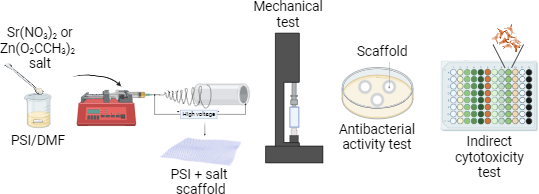
- incubated in cell culture medium for 24 h (37 °C and 5% CO2). The mass of the discs varied, so the applied volume of culture medium was proportionally adjusted (0.1 mg of scaffold in 1 mL of medium). The control medium containing the same salt concentration as the scaffolds were sterile filtered by 0.2 µm