Search results
Search for "colloidal stability" in Full Text gives 119 result(s) in Beilstein Journal of Nanotechnology.
Nanocarrier strategies to overcome P-glycoprotein-mediated drug resistance in cancer therapy
Beilstein J. Nanotechnol. 2026, 17, 882–921, doi:10.3762/bjnano.17.64
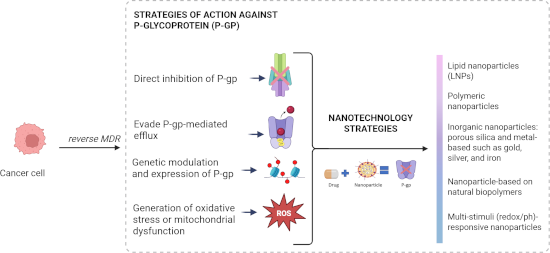
- colloidal stability, did not provide additional advantages compared to uncoated SLNs. Both formulations reduced ROS levels, inhibited the Akt/IKKα-β/NF-κB signaling pathway, and downregulated ABCB1 gene transcription, leading to decreased expression and activity of P-gp. In mouse models, the combination of


Nanoparticle delivery systems for HIV pre-exposure prophylaxis (PrEP): advances and challenges
Beilstein J. Nanotechnol. 2026, 17, 839–853, doi:10.3762/bjnano.17.60
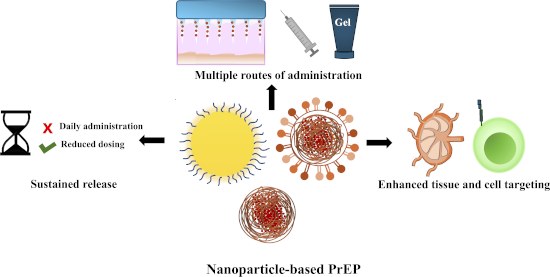
- loading and controlled release. PrEP nanoparticle delivery platforms can be equipped with different functionalization and passivation chemistries. The surface properties determine colloidal stability as well as the interactions between the nanoparticles and the surrounding. These properties are critical
- improve colloidal stability and prolong systemic circulation by reducing opsonization and clearance. The polymer core can improve drug encapsulation and aids sustained release, while the lipid coating increases biocompatibility, in some cases reduces burst release, and provides new opportunities for
- . also developed various PLN hybrid systems, in which the authors co-loaded with DRV and ritonavir (RTV) [100]. Certain formulations showed enhanced colloidal stability and improved transcellular permeability in vitro. Similar to our GM3-PLNs work [90], we have also investigated lipid–AuNP hybrids that


Environmental applications of silver nanoparticles: state-of-the-art review and emerging trends
Beilstein J. Nanotechnol. 2026, 17, 697–736, doi:10.3762/bjnano.17.49
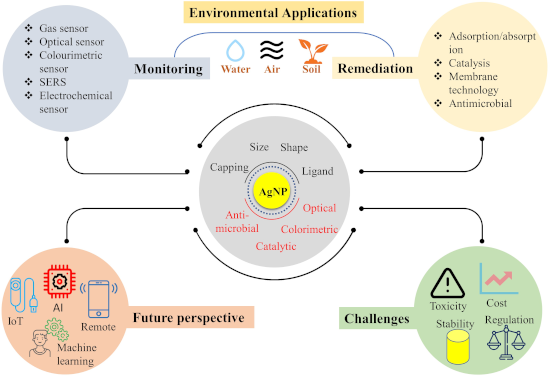
- through their interactions with the surrounding medium. Zeta potential measurements are used to assess the surface charge and stability of silver nanoparticles; higher absolute values (>±30 mV) indicate better colloidal stability and resistance to aggregation [52]. This surface charge also validated the
- well-supported, the magnitude of these effects is system-specific and should not be stated categorically without accounting for confounding experimental variables. Besides size and shape, capping/stabilising agents prevent aggregation and provide colloidal stability to AgNPs in the surrounding medium


Molecular engineering of individual dye-based nanoparticle photostability for ultrabright two-photon fluorescence
Beilstein J. Nanotechnol. 2026, 17, 688–696, doi:10.3762/bjnano.17.48
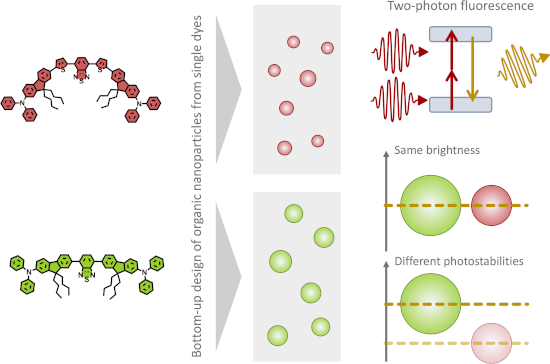
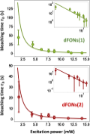
- dFONs (including their colloidal stability and surface properties) can be precisely tuned through molecular engineering of specific dye building blocks [1]. dFONs have demonstrated significant potential in bioimaging applications. They have been used as biosensors for various ions [4] and thiols [5], as


Cellulose as a photocatalyst support material: extraction, structural features, and environmental applications
Beilstein J. Nanotechnol. 2026, 17, 635–652, doi:10.3762/bjnano.17.44
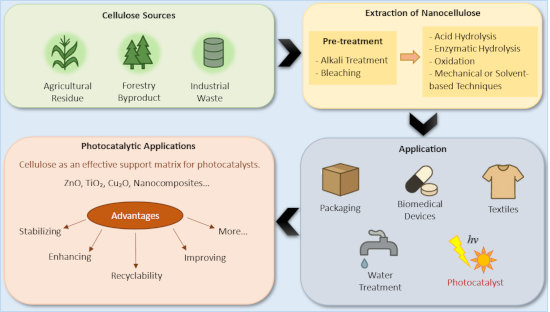
- extraction method for the large-scale production of CNCs. It produces highly crystalline CNCs with excellent colloidal stability. However, it generates massive volumes of highly corrosive, toxic, and acidic wastewater. The cost of neutralizing the acidic wastewater and recovering the acid limits broader
- conditions, thereby improving the colloidal stability of the nanofibers. Through this modification, nanocellulose gains the ability to form stronger interactions with hydrogels and composite materials, which further enhances its reinforcing performance and widens its potential applications [80][81]. CNCs


Laser–material interactions in liquids for the synthesis of nanomaterials: current status and perspectives
Beilstein J. Nanotechnol. 2026, 17, 571–575, doi:10.3762/bjnano.17.38

- , functional applications often require incorporation of additives for size control [44], enhanced colloidal stability [45], or specific surface functionalization [46]. For example, the use of scavengers to capture reactive species can influence nanoparticle size [47] and increase productivity [48
Advances in nanotechnology applied to natural products
Beilstein J. Nanotechnol. 2026, 17, 555–558, doi:10.3762/bjnano.17.36
- natural products, such as plant extracts or other biological agents rich in reducing and stabilizing metabolites (e.g., polyphenols and flavonoids), supporting more sustainable routes that avoid harsh or toxic reagents and can enhance colloidal stability and modulate biological performance [27]. Moreover
Biomimetic nanoparticles in cancer photodynamic therapy: a review of targeted delivery systems and therapeutic outcomes
Beilstein J. Nanotechnol. 2026, 17, 396–422, doi:10.3762/bjnano.17.27
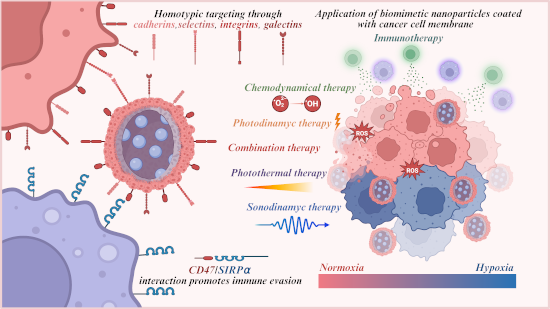
- internalization through receptor-mediated endocytosis and homotypic binding, as well as improve colloidal stability. Strategies such as incorporating pH-sensitive components or lysosomal escape mechanisms further enable controlled drug release within target cells. Despite these advances, optimizing BNP design to


Beam shaping techniques for pulsed laser ablation in liquids: Unlocking tunable control of nanoparticle synthesis in liquids
Beilstein J. Nanotechnol. 2026, 17, 309–342, doi:10.3762/bjnano.17.22
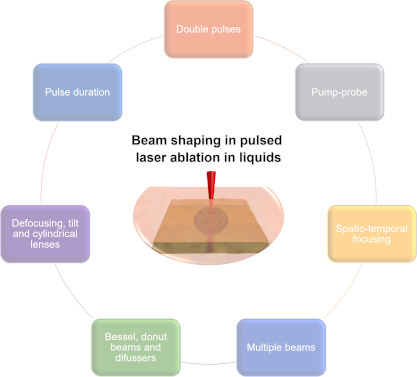
- controlling NP size and shape but often require reducing agents and stabilising or capping agents to ensure colloidal stability, which may introduce impurities and raise environmental concerns. Biological routes for synthesising nanomaterials, such as those based on plant extracts, bacteria, or fungi, are
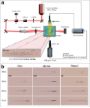
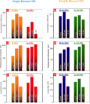
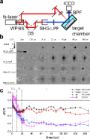
- synthesis and the underlying optical mechanisms including its influence on ablation efficiency, size control, and colloidal stability. Refractive elements rely on the interaction of light with a transparent material with a different refractive index than air. Standard refractive optics elements such as







From shield to spear: Charge-reversible nanocarriers in overcoming cancer therapy barriers
Beilstein J. Nanotechnol. 2026, 17, 159–175, doi:10.3762/bjnano.17.10
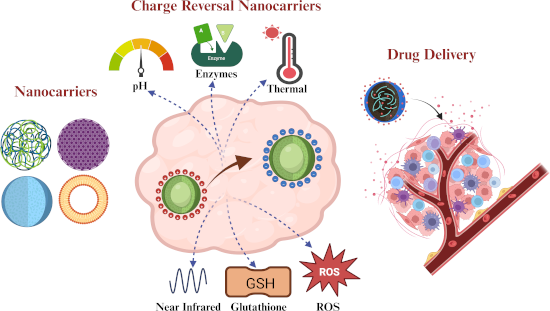
- also induce cytotoxicity and rapid clearance by the mononuclear phagocyte system [18]. Moreover, surface charge influences aggregation behaviour, colloidal stability, and protein corona formation, directly impacting the therapeutic efficacy of nanocarriers. Optimising surface charge is essential for


Influence of surface characteristics on the in vitro stability and cell uptake of nanoliposomes for brain delivery
Beilstein J. Nanotechnol. 2026, 17, 139–158, doi:10.3762/bjnano.17.9
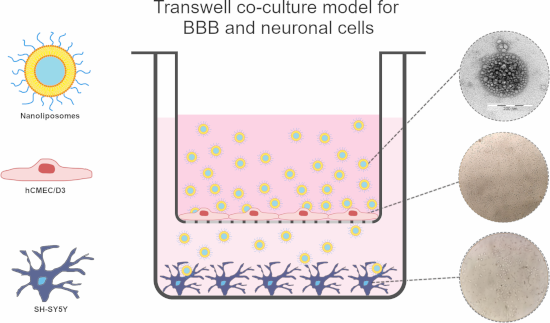
- biological media, and thereby enhancing colloidal stability and circulation time. The PEG2000 chains, with a molecular weight of approximately 2 kDa, are of sufficient length to adopt a brush-like conformation when incorporated in a higher molar ratio, limiting access of plasma proteins to the lipid surface


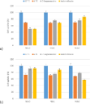


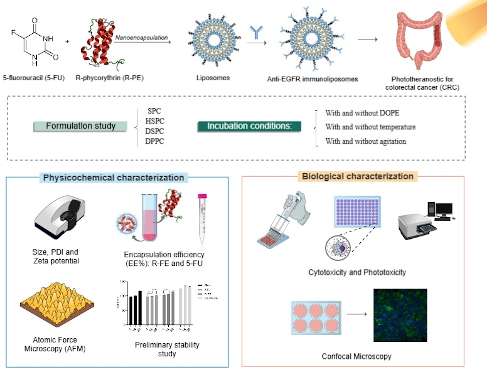
Development and in vitro evaluation of liposomes and immunoliposomes containing 5-fluorouracil and R-phycoerythrin as a potential phototheranostic system for colorectal cancer
Beilstein J. Nanotechnol. 2026, 17, 97–121, doi:10.3762/bjnano.17.7
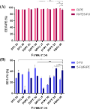
- water. Given that PBS from the original formulation remains associated with the vesicles and maintains their colloidal stability, no additional saline was required during dilution. The measurements were performed in triplicate at 25 °C using an optical 4 mW HeNe at a wavelength of 633 nm. The results (n
- reported to be more effective for maintaining colloidal stability [55]. The formulations IM-D01 and HSPC IM 02 presented zeta potentials of −22.6 mV and −20.2 mV, respectively, both within the ideal range. However, their conjugation efficiencies were significantly lower – 19.49% and 22.46%, respectively
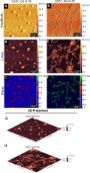
- structural and functional integrity of the bioactive compounds. 3.5 Stability of nanoparticles in serum Assessing colloidal stability in bovine serum is a critical parameter for inferring the in vivo behavior of nanostructured systems, as the presence of plasma proteins can induce adsorption on the particle



Internal 3D temperature mapping in biological systems using ratiometric light-sheet imaging and lipid-coated upconversion nanothermometers
Beilstein J. Nanotechnol. 2025, 16, 2306–2316, doi:10.3762/bjnano.16.159
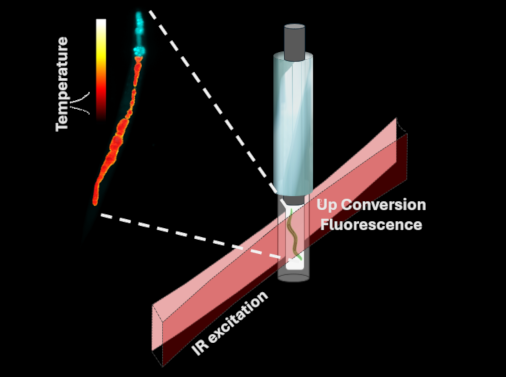
- demonstrated volumetric temperature measurements in C. elegans by combining LSFM with lipid-coated NaYF4:Yb3+/Er3+ upconversion nanoparticles. The lipid coating strategy proved crucial, enhancing biocompatibility and colloidal stability while enabling precise localization of the thermal probes within the


Ultrathin water layers on mannosylated gold nanoparticles
Beilstein J. Nanotechnol. 2025, 16, 2183–2198, doi:10.3762/bjnano.16.151
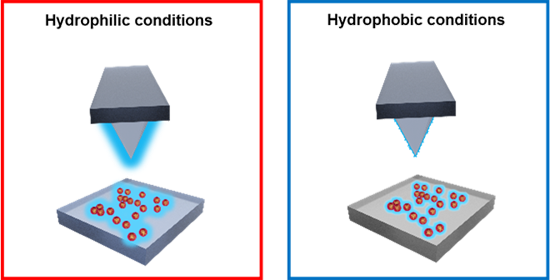
- inherently sensitive to the hydrodynamic radius, and therefore to aggregation, even when the core sizes are similar. A more hydrated surface is typically associated with higher colloidal stability and lower aggregation, which is consistent with the smaller hydrodynamic size observed by DLS for the dimanno



Rapid synthesis of highly monodisperse AgSbS2 nanocrystals: unveiling multifaceted activities in cancer therapy, antibacterial strategies, and antioxidant defense
Beilstein J. Nanotechnol. 2025, 16, 2105–2115, doi:10.3762/bjnano.16.145
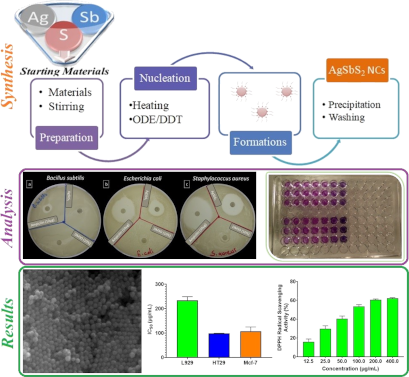
- in this study, it is generally accepted that the surface charge of NCs plays a critical role in their colloidal stability, dispersion behavior, and biological interactions [22][32]. In cubic cuboargyrite phase, there are 14 polyhedra with antimony and silver at the center (Figure 1c). Herein, a
- direct ROS measurement and apoptosis marker assays (e.g., Annexin V/PI staining, caspase-3 activation) will be crucial for validating and further elucidating these mechanistic pathways. The surface charge and zeta potential of AgSbS2 NCs, which strongly influence their colloidal stability and cellular


PEGylated lipids in lipid nanoparticle delivery dynamics and therapeutic innovation
Beilstein J. Nanotechnol. 2025, 16, 1914–1930, doi:10.3762/bjnano.16.133
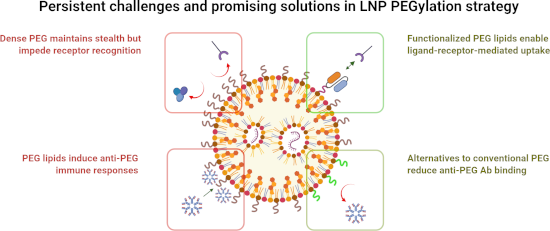
- ]. Because of these benefits, incorporating PEG lipids into LNP formulations has become a useful strategy for improving the colloidal stability of nanoparticles, facilitating their distribution throughout the body, and enhancing therapeutic effectiveness. However, this PEGylation strategy is not without
- true across various PEG lipid families and was consistent in serum-containing microglial cultures. Together, these studies consistently demonstrated that increasing PEG density on the LNP surface enhances colloidal stability and reduces nonspecific protein bindings. However, this surface shielding
- alternatives to conventional PEG lipids that retain the key functions of colloidal stability and surface stealth while reducing immune recognition [8][77]. Alternatives to conventional PEG lipids for enhanced LNP biocompatibility While PEG lipids have long been the top candidate for enhancing LNP stealth and


On the road to sustainability – application of metallic nanoparticles obtained by green synthesis in dentistry: a scoping review
Beilstein J. Nanotechnol. 2025, 16, 1851–1862, doi:10.3762/bjnano.16.128
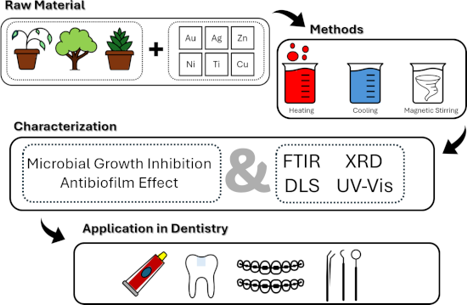
- demonstrated that these nanoparticles exhibit low toxicity, effectiveness against antibiotic-resistant microorganisms, and strong colloidal stability, ensuring long-term dispersion [26][27]. Additionally, they exhibit antioxidant activity and selective cytotoxic effects on tumor cells, including oral cancer
- between them and results in more uniform nucleation and better control over particle size and morphology. Moreover, continuous stirring prevents aggregation of the nanoparticles, contributing to their colloidal stability. Studies have shown that variations in stirring speed can significantly impact the


Phytol-loaded soybean oil nanoemulsion as a promising alternative against Leishmania amazonensis
Beilstein J. Nanotechnol. 2025, 16, 1826–1836, doi:10.3762/bjnano.16.126

- phase inversion composition (PIC) method, and then characterized and evaluated. The PHYT-NE had a mean droplet diameter close to 200 nm, a polydispersity index of less than 0.2, spherical shape, and a pH value compatible with cutaneous application. The formulation showed high colloidal stability for at
- kinetic stabilization achieved through the optimized composition of the surfactant pair, which likely contributed to a robust interfacial film that prevented coalescence and Ostwald ripening [38][39][40]. Although colloidal stability has been demonstrated, chemical stability studies are still needed to
- effectiveness of PHYT-NE in maintaining colloidal stability under storage and stress conditions. For pharmaceutical applications and the intended therapeutic purpose, nanoemulsions must not only be functional but also safe and selective. That is, they should effectively damage the parasite without causing


Exploring the potential of polymers: advancements in oral nanocarrier technology
Beilstein J. Nanotechnol. 2025, 16, 1751–1793, doi:10.3762/bjnano.16.122
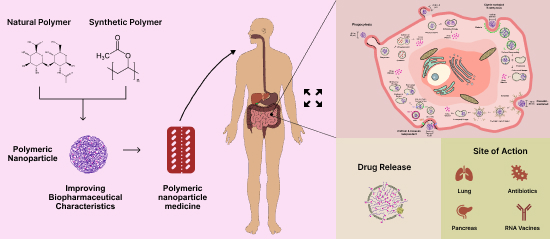
- hydrophilic polymers (e.g., polyethylene glycol (PEG) or polysaccharides) or mucoadhesive agents such as chitosan, which can enhance colloidal stability, promote mucus permeation, and protect the nanocarrier from enzymatic degradation in the GIT. Such coatings have been explored to improve the pharmacokinetic


Multifunctional anionic nanoemulsion with linseed oil and lecithin: a preliminary approach for dry eye disease
Beilstein J. Nanotechnol. 2025, 16, 1711–1733, doi:10.3762/bjnano.16.120
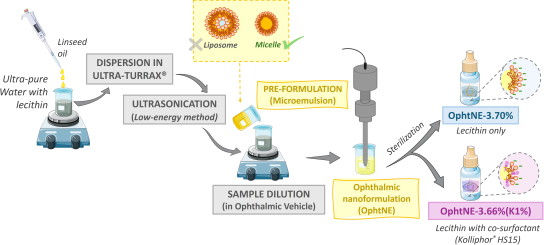
- nanoformulations OphtNE-3.70% and OphtNE-3.66%(K1%) (Figure 2c and Figure 2d, respectively) also exhibited a milky appearance but with distinct optical clarity, influenced by their smaller and more uniform nanodroplet size distributions. These visual attributes support the colloidal stability and successful



Venom-loaded cationic-functionalized poly(lactic acid) nanoparticles for serum production against Tityus serrulatus scorpion
Beilstein J. Nanotechnol. 2025, 16, 1633–1643, doi:10.3762/bjnano.16.115
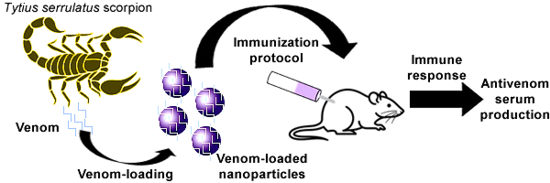
- routes are very common for the administration of proteins with pharmacological activity and with particle sizes of around 200 nm [40]. Regarding stability, only minimal changes in physicochemical parameters were observed, indicating colloidal stability of the nanoparticle formulation. This is
- colloidal stability observed in the formulations with low zeta potential values can be attributed to steric stabilization provided by poly(vinyl alcohol) (PVA) and an additional electrostatic repulsion introduced by surface-bound PEI. This behavior is consistent with previous reports on nanoprecipitation
- barrier to aggregation and support long-term colloidal stability [14][37]. The protein release study of venom-loaded PLA cationic nanoparticles occurred in two stages. In the first stage, a burst release effect was due to surface-adsorbed proteins, followed by the diffusion through the external swollen


Cross-reactivities in conjugation reactions involving iron oxide nanoparticles
Beilstein J. Nanotechnol. 2025, 16, 1504–1521, doi:10.3762/bjnano.16.106







Laser processing in liquids: insights into nanocolloid generation and thin film integration for energy, photonic, and sensing applications
Beilstein J. Nanotechnol. 2025, 16, 1428–1498, doi:10.3762/bjnano.16.104
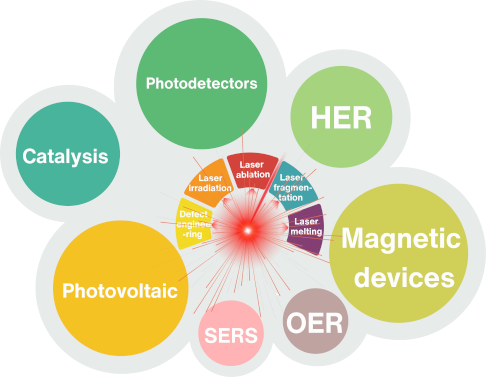
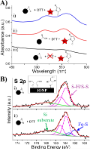
- Nanoparticles in their pure colloidal form synthesized by laser-assisted processes such as laser ablation/fragmentation/irradiation/melting in liquids have attained much interest from the scientific community because of their specialties like facile synthesis, ultra-high purity, biocompatibility, colloidal
- stability in addition to other benefits like tunable size and morphology, crystalline phases, new compounds and alloys, and defect engineering. These nanocolloids are useful for fabricating different devices mainly with applications in optoelectronics, catalysis, sensors, photodetectors, surface-enhanced






Acrocomia aculeata oil-loaded nanoemulsion: development, anti-inflammatory properties, and cytotoxicity evaluation
Beilstein J. Nanotechnol. 2025, 16, 1277–1288, doi:10.3762/bjnano.16.93
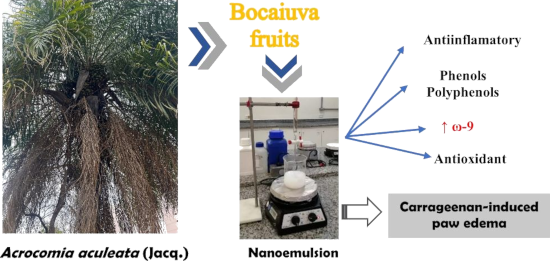
- ®, exhibited a zeta potential of −14.10 ± 1.06 mV (Figure 2B), indicative of sufficient electrostatic repulsion for colloidal stability. It should be noted that the phenolic compounds and carotenoids contained in this oil are considered potent antioxidants, which may contribute to the stability of the


Chitosan nanocomposite containing rotenoids: an alternative bioinsecticidal approach for the management of Aedes aegypti
Beilstein J. Nanotechnol. 2025, 16, 1197–1208, doi:10.3762/bjnano.16.88
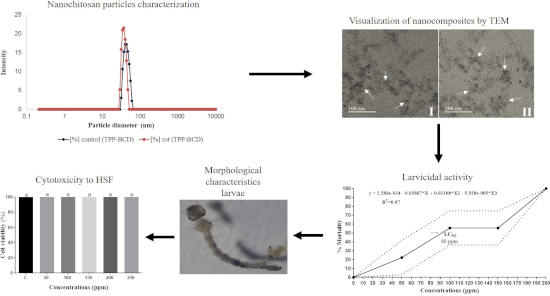
- potential values > ±30 mV are indicative of nanoparticle stability, as strong electrostatic repulsion prevents aggregation and ensures colloidal stability [20][21]. While these measurements provide important physicochemical insights, further evidence of the chemical incorporation and potential interactions