Search results
Search for "dynamic" in Full Text gives 814 result(s) in Beilstein Journal of Nanotechnology. Showing first 200.
Vibration-induced dynamic structural superlubricity on MoS2/Au(111) under ultrahigh vacuum
Beilstein J. Nanotechnol. 2026, 17, 1039–1046, doi:10.3762/bjnano.17.71

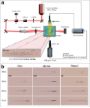
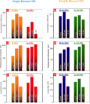
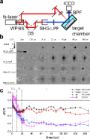
- Prague 6, Czech Republic 10.3762/bjnano.17.71 Abstract Achieving rapid and flexible control of friction across different material surfaces is of great significance and remains a longstanding challenging goal in modern tribology. Here, we demonstrate dynamic structural superlubricity in monolayer MoS2
- phononic friction model, reveal that torsional vibrations reduce energy barriers and promote transitions between atomic sites. This strategy provides a universal and reversible approach for active friction control at the nanoscale. Keywords: atomic force microscopy (AFM); dynamic structural superlubricity
- wide range of materials, including insulating systems [4][23]. Moreover, it not only provides high flexibility for dynamically controlling frictional dissipation at the interface but also avoids unwanted chemical reactions induced by heating or electric fields. Indeed, dynamic mechanical control has


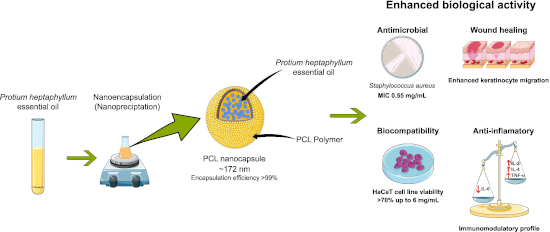
Development of Protium heptaphyllum essential oil-loaded nanocapsules: experimental design and biological activity
Beilstein J. Nanotechnol. 2026, 17, 974–990, doi:10.3762/bjnano.17.67
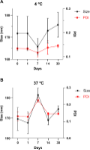
- for interfacial properties, which are inherently influenced by dynamic surface phenomena such as surfactant rearrangement and charge distribution at the nanoparticle interface [16]. The lack-of-fit test was not significant (p = 0.078), confirming adequate model specification (Supporting Information
- values of Dh, PDI, and zeta potential of the nanoparticles were determined by dynamic light scattering (DLS) using a Zetasizer Nano-ZS® (Malvern Instruments Ltd, Canada). All samples were previously diluted in Milli-Q® ultrapure water at a ratio of 1:100 prior to analysis. For zeta potential measurements




Materials challenges in solid-state sensors for continuous monitoring of ions in water
Beilstein J. Nanotechnol. 2026, 17, 935–973, doi:10.3762/bjnano.17.66
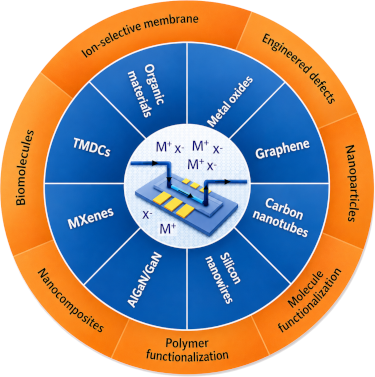
- matrices containing abundant co-ions and natural organic matter; this requires an understanding of unwanted interferences for the system [8][9][10] and smart design, modification, and protection of the active surface according to the system. (ii) Sensitivity, limit of detection (LOD), and dynamic range
- +, and Mg2+ dominate salinity, affect membrane fouling, drive corrosion and scaling, and can inhibit biological nitrogen removal at elevated concentrations. In these applications, real-time cation measurements with broad dynamic ranges (from few milligrams per liter up to several tens of grams per liter



Enhanced erosion resistance and radiation stability of WC–WO3 nanocomposite films under 100 keV Kr+ ion irradiation
Beilstein J. Nanotechnol. 2026, 17, 922–934, doi:10.3762/bjnano.17.65
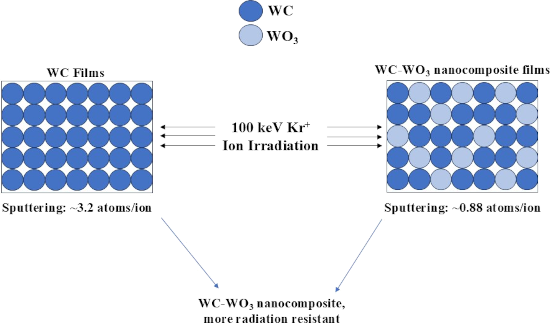
- , indicating dynamic microstructural evolution rather than amorphization under irradiation. These results highlight the potential of WC–WO3 nanocomposites as erosion-resistant and structurally resilient candidates for future plasma-facing applications in fusion reactors. Keywords: low energy ions; plasma



Nanocarrier strategies to overcome P-glycoprotein-mediated drug resistance in cancer therapy
Beilstein J. Nanotechnol. 2026, 17, 882–921, doi:10.3762/bjnano.17.64


Cross-scale design of chemosensor arrays: from molecular self-assembly in water to paper-based devices for metal ion detection
Beilstein J. Nanotechnol. 2026, 17, 828–838, doi:10.3762/bjnano.17.59
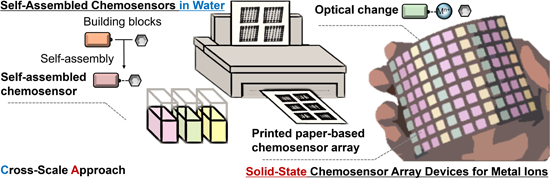
- solid-state chemosensor array devices based on nanotechnologies. In practical chemosensor designs, dynamic covalent bonds between catechol and phenylboronic acid derivatives have been employed to provide a versatile strategy for the spontaneous preparation of chemosensor elements without extensive
- and further amplified by optical manipulators. To induce recognizable optical responses, molecular dynamics during the association and dissociation of color manipulators are significant [36]. Dynamic covalent bonds are key motifs that contribute to the formation of self-assembled chemosensors and
- analyte detection [45][46]. Phenylboronic acid derivatives have been widely used as the building blocks for versatile supramolecular architectures [47][48][49]. The inherent reversibility derived from dynamic covalent bonds endows unique functions to the self-assembled structures. In the field of


Sustainable fabrication of 2D-based devices through reuse of substrates with microfabricated electrodes
Beilstein J. Nanotechnol. 2026, 17, 818–827, doi:10.3762/bjnano.17.58
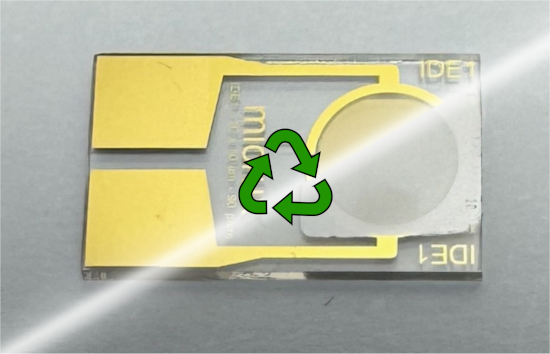
- conditions using a commercial AFM system (NanoObserver, CSI Instruments). Topographic images were acquired in dynamic mode using the oscillation amplitude as the feedback signal. Surface-potential maps were recorded in single-pass KPFM mode (HD-KFM) using an Au-coated probe (PPP-FMAu, Nanosensors), with an


Restorative potential of laser-synthesized silver nanoparticles with Salvia officinalis for periodontal disease treatment: an in vitro study
Beilstein J. Nanotechnol. 2026, 17, 781–795, doi:10.3762/bjnano.17.55
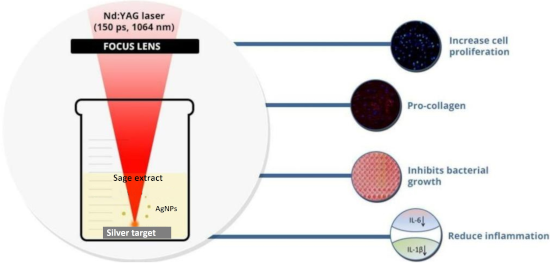
- . AgNPs were synthesized at two laser pulse energies (2 and 6 mJ), in sage extract and deionized water, and characterized by dynamic light scattering, transmission electron microscopy, and inductively coupled plasma optical emission spectroscopy. Synthesis at 6 mJ in sage extract (SageAgNPs6mJ) yielded
- mg·L−1 ± SD. The hydrodynamic diameters (dH) of the obtained nanoparticles were analyzed by using the dynamic light scattering (DLS) technique using a Zetasizer NanoZS90 (Malvern Panalytical, UK) with a 633 nm He–Ne laser source and 90° detection optics. The measurements were performed in disposable
- significantly lower cytotoxic effects than their uncoated counterparts, probably by attenuating the release of Ag+ ions and through sage’s inherent antioxidant activity that helps scavenge ROS, thus decreasing oxidative cellular damage [45][46]. In biological media, silver speciation is highly dynamic due to



Interface-engineered Caco-2 cell culture on a collagen-coated liquid–liquid interface in a microfluidic device
Beilstein J. Nanotechnol. 2026, 17, 760–768, doi:10.3762/bjnano.17.53
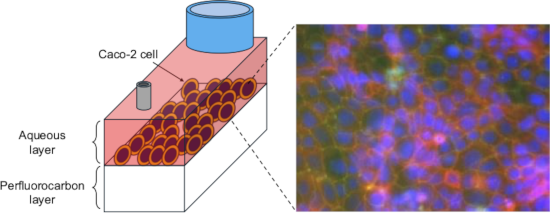
- stable monolayer formation, demonstrating their potential as engineered bioactive substrates [10]. Owing to their dynamic responsiveness to chemical and physical stimuli, such interfaces can also serve as reservoirs or delivery media for gases and hydrophobic molecules [11]. Incorporating a liquid–liquid


Environmental applications of silver nanoparticles: state-of-the-art review and emerging trends
Beilstein J. Nanotechnol. 2026, 17, 697–736, doi:10.3762/bjnano.17.49
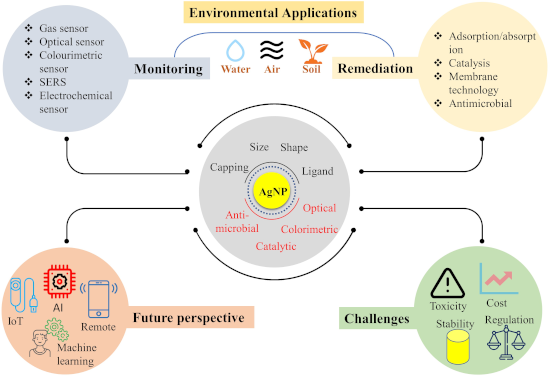
- needed before engineering AgNPs for particular applications. AgNPs are characterised using optical spectroscopy, electron microscopy, X-ray diffraction, and dynamic light scattering (DLS) to measure plasmonic absorbance, size, shape, structure, and stability [49]. Optical spectroscopy is a rapid and


afspm: A framework for manufacturer-agnostic automation in scanning probe microscopy
Beilstein J. Nanotechnol. 2026, 17, 653–667, doi:10.3762/bjnano.17.45
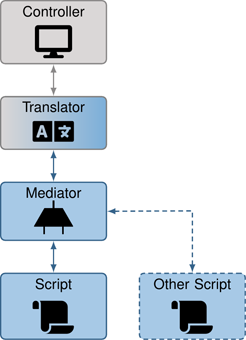
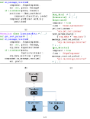
- dynamic data exchange (DDE) IPC interface, and a series of Python scripts functioning as an external library interface. We chose to have our translator interface via the external library interface, as seen in Figure 9c and matching the design in Figure 4e. Our current implementation interfaces with an




Cellulose as a photocatalyst support material: extraction, structural features, and environmental applications
Beilstein J. Nanotechnol. 2026, 17, 635–652, doi:10.3762/bjnano.17.44
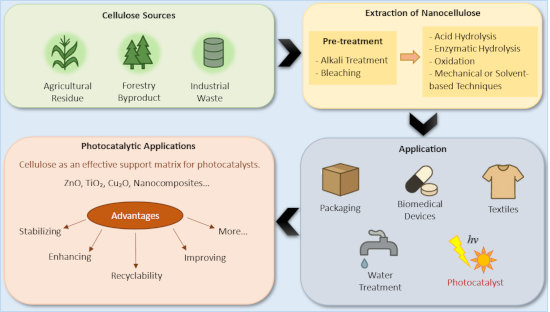
- at low cost, making them economically attractive [24]. CNCs combine exceptional mechanical properties with both high strength and impressive flexibility, and their dynamic mechanical performance makes them particularly promising for advanced applications. In recent years, researchers have focused on


Two-step laser synthesis of Ag@TiO2 nanomaterials for the photocatalytic degradation of rhodamine B
Beilstein J. Nanotechnol. 2026, 17, 622–634, doi:10.3762/bjnano.17.43
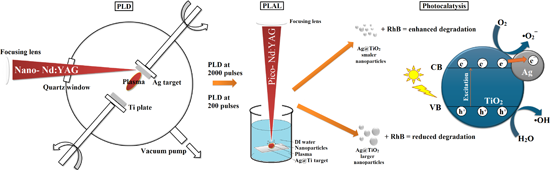
- times greater in the Ag@TiO2 2000p than in the Ag@TiO2 200p NP solution. The nanoparticle sizes and size distributions were measured using a zeta potential analyzer with dynamic light scattering (DLS). Table 2 summarizes the average dimensions of the synthesized nanoparticles. Ag@TiO2 200p and Ag@TiO2
- distribution of Ag@TiO2 nanoparticles determined by dynamic light scattering (DLS). (a) Ag@TiO2 200p and (b) Ag@TiO2 2000p NPs. (a) UV–vis absorbance spectra and (b) bandgap energy of TiO2 and Ag@TiO2 NPs samples. Photocatalytic degradation of RhB with (a) Ag@TiO2 200p NPs and (b) Ag@TiO2 2000p NPs, (c


Recent progress in enhancing built-in electric fields of perovskite solar cells via junction engineering
Beilstein J. Nanotechnol. 2026, 17, 602–621, doi:10.3762/bjnano.17.42




Probing tribological evolution in atomically thin MoS2 at different scales
Beilstein J. Nanotechnol. 2026, 17, 586–597, doi:10.3762/bjnano.17.40
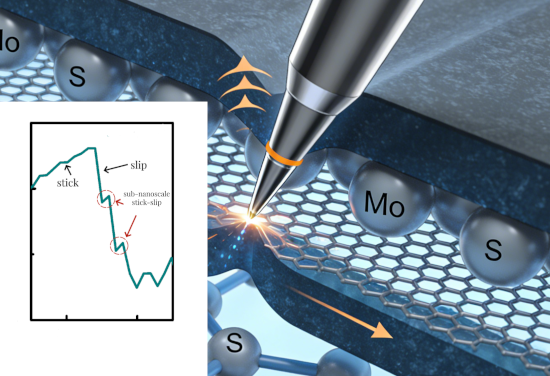
- competing yet complementary processes. Atomically thin 2D materials possess ultrahigh out-of-plane flexibility, enabling them to undergo dynamic deformation and configuration adjustment to conform to the AFM tip during sliding. Notably, this flexibility diminishes with increasing layer thickness, which
- gives rise to the layer-dependent nature of the strengthening effect. Thus, the transient strengthening effect can be regarded as a dynamic adaptation process of the tip–sample contact interface prior to attaining a stable sliding state. Regarding sub-nanoscale stick–slip motion, previous studies have
- enhancing tip–sample pinning and commensurate contact quality. This dynamic adaptation gradually strengthens interfacial interactions, ultimately giving rise to the transient strengthening effect. Concurrently, the atomic configuration adjustability of MoS2 diminishes with increasing layer thickness, which


Fractional shot noise of an SU(N) Kondo system
Beilstein J. Nanotechnol. 2026, 17, 515–540, doi:10.3762/bjnano.17.34
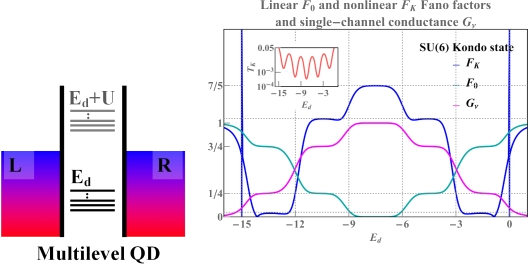
- of a single excess charge on the dot increases. Strong dynamic correlations start to play a dominant role when Coulomb interaction exceeds electron kinetic energy. For dots weakly coupled to the leads, many-body resonances build up at low temperatures, opening new paths for coherent transport. Due to


![[Graphic 127]](/bjnano/content/inline/2190-4286-17-34-i187.svg?max-width=637&scale=1.18182)

Defects and defect-mediated engineering of two-dimensional materials: challenges and open questions
Beilstein J. Nanotechnol. 2026, 17, 454–488, doi:10.3762/bjnano.17.31





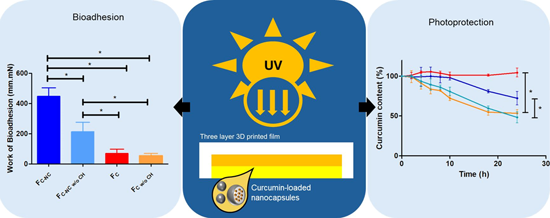
Nanocarrier-integrated multilayer films produced by 3D printing for improved skin adhesion and curcumin photostability
Beilstein J. Nanotechnol. 2026, 17, 440–453, doi:10.3762/bjnano.17.30
- potential The z-average particle size and the polydispersity index were measured by dynamic light scattering using a Zetasizer® Nano ZS (ZEN 3600, Malvern Instruments, USA). For this analysis, 10 µL of the C-NC formulation was diluted in 5 mL of ultrapure water (previously filtered through a 0.45 µm


Nanoinformatics: spanning scales, systems and solutions
Beilstein J. Nanotechnol. 2026, 17, 423–427, doi:10.3762/bjnano.17.28

- questions including the prediction of (nano)materials (NM) functionality, nanomaterials fate in the environment, toxicity or therapeutic ability, and recyclability. As the properties of nanomaterials themselves span several scales, from electronic, atomistic, mesoscopic to continuum, and are highly dynamic

Ferroelectric nanodot reservoir for neuromorphic computing
Beilstein J. Nanotechnol. 2026, 17, 352–364, doi:10.3762/bjnano.17.24
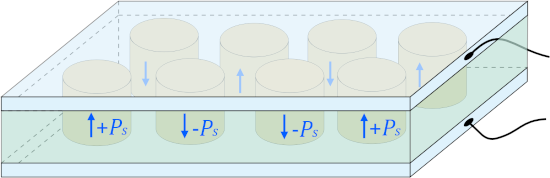
- information encoding and provides a rich dynamic representation for subsequent processing in a readout layer of a neuromorphic circuit. Keywords: ferroelectric nanodots; multilevel logic; neuromorphic circuits; polarization; topological states; Introduction Neuromorphic computing aims to emulate the
- structured ferroelectric domain networks, the present system shifts toward dynamic, time-dependent processing, essential for tasks such as time-series prediction, temporal pattern recognition, and classification. The reservoir’s ability to encode temporal correlations through physical polarization evolution
- logic-function-based designs [38][39], enabling dynamic computation within a neuromorphic reservoir framework. Such physically grounded bistable elements correspond to the neurons in traditional recurrent neural networks or echo state networks [7][42], offering energy-efficient, scalable, and high-speed


Beam shaping techniques for pulsed laser ablation in liquids: Unlocking tunable control of nanoparticle synthesis in liquids
Beilstein J. Nanotechnol. 2026, 17, 309–342, doi:10.3762/bjnano.17.22
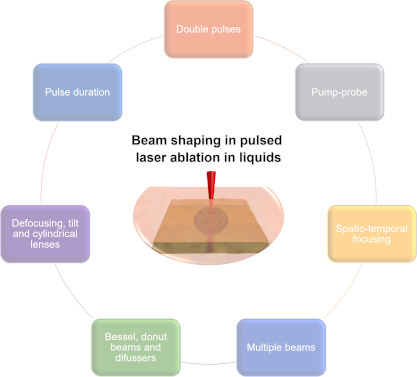
- highlighted, offering a comprehensive perspective on the future of this dynamic field. Keywords: green nanoparticles synthesis; PLAL; production upscale; pulsed laser ablation in liquids; size control; spatial beam shaping; temporal beam shaping; Review Introduction Pulsed laser ablation in liquids (PLAL
- lenses often suffer from aberrations and can introduce temporal pulse broadening due to the wavelength dependence of the refractive index. Alternative refractive optics technologies include dynamic lenses and freeform optics (both in refraction and reflection) [100]. Unlike traditional lenses, freeform
- surfaces. However, they are specifically designed for a single wavelength, and their use with ultrashort pulses can lead to substantial temporal pulse broadening [101]. Laser beam shaping technologies can be also categorised into static and dynamic systems. Static systems include components such as







Calculation of the dynamic stiffness of a cantilever under torsional oscillation
Beilstein J. Nanotechnol. 2026, 17, 303–308, doi:10.3762/bjnano.17.21
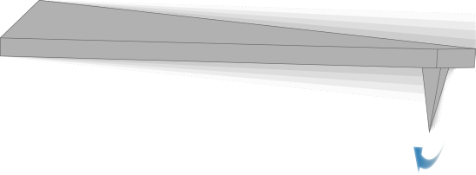
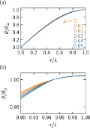
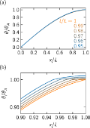
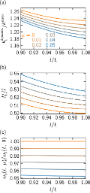
- interactions in the vertical and lateral directions between the tip and the sample. An accurate evaluation of the dynamic stiffness of the cantilever is indispensable in the quantitative analyses of the interactions. We calculated the dynamic stiffness of cantilevers under torsional oscillation based on the
- strain energy. Without tips, the torsional dynamic stiffness is approximately 23% larger than the static stiffness. The modification decreases to 21–23% with tips. Applying the present correction is essential for achieving quantitatively accurate stiffness values in dynamic measurements. Keywords
- : atomic force microscopy; dynamic stiffness; energy dissipation; friction; torsional oscillation mode; Introduction Friction serves as a fundamental mechanism of energy dissipation [1]. While friction typically arises from direct mechanical contact between surfaces, energy dissipation can also occur even

Advancing nanolithography: a comprehensive review of materials for local anodic oxidation with AFM
Beilstein J. Nanotechnol. 2026, 17, 275–291, doi:10.3762/bjnano.17.19
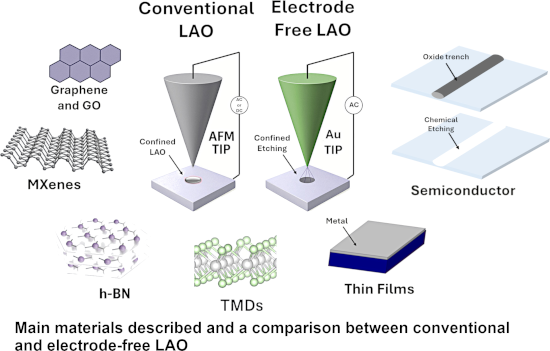
- bridge. However, this approach increases the likelihood of tip wear and plastic deformation of the sharp AFM tip apex. An alternative involves using AFM dynamic mode [15][16], where the electric field induces the formation of the bridge that then stretches and adapts to the tip’s motion. This can be
- implemented through a dual-pass technique or by controlling the electronic and ionic contributions to the total current [17][18]. While dynamic mode LAO does not eliminate tip wear [19], it significantly reduces its impact. As new materials continue to emerge in the field of nanotechnology, this review also
- applications. Advances in tip design, dynamic operation modes, and environmental control have significantly enhanced its precision and reproducibility, while substrate engineering and material-specific approaches might expand its applicability to complex systems like TMDs, other 2D layered materials and


Gold nanoparticle-decorated reduced graphene oxide as a highly effective catalyst for the selective α,β-dehydrogenation of N-alkyl-4-piperidones
Beilstein J. Nanotechnol. 2026, 17, 218–238, doi:10.3762/bjnano.17.15
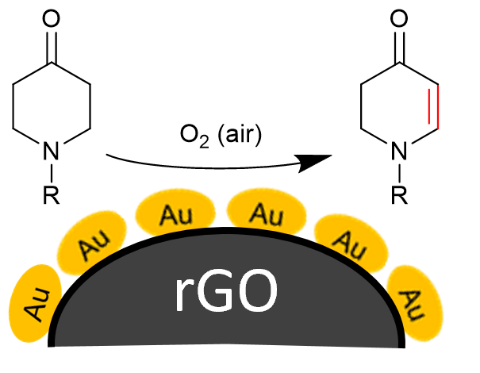
- gold nanoparticle suspension. The presence of AuNPs was confirmed by the appearance of a localized surface plasmon resonance (LSPR) band in the visible wavelength range, with a maximum absorbance at λmax = 519 nm (Figure 4a). The hydrodynamic radius (HD) by number-weighted distribution of dynamic light
- nanoparticles but also sustains dynamic charge transfer (rGO→Au→O2), preserving the redox flexibility of Au sites throughout the catalytic cycle. A very important point to consider when using carbon supports in catalysis is the gold loading in the support. Compared to AC and CB, rGO exhibits a lower bulk


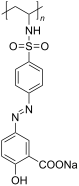
Structure-dependent thermochromism of PAZO thin films: theory and experiment
Beilstein J. Nanotechnol. 2026, 17, 186–199, doi:10.3762/bjnano.17.12
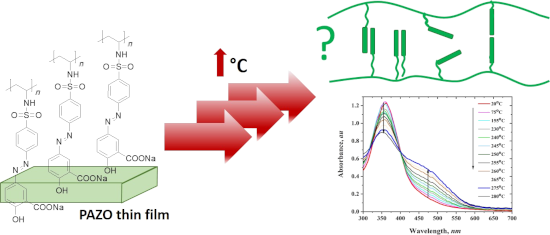
- hypsochromically shifted bands of the a–d dimers are quite intense, but due to the dynamic nature of the aggregates formed between the PAZO side chains, it can be assumed that an equilibrium between different short-lived aggregates is present. Тhe band positions and the splitting that is predicted from the