


Search results
Search for "environmental" in Full Text gives 607 result(s) in Beilstein Journal of Nanotechnology. Showing first 200.
Ultrasonic irradiation in the synthesis of nanohydroxyapatite: a chemically friendly technique for improving hemocompatibility and antibiofilm applications
Beilstein J. Nanotechnol. 2026, 17, 991–1015, doi:10.3762/bjnano.17.68
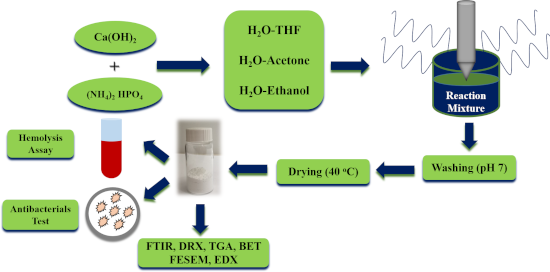
- against toxic compounds, adverse environmental conditions, antimicrobials, and the immune response of the host [32]. Biofilms are critical virulence factors for many bacterial pathogens that can cause chronic infections, accounting for more than 80% of human microbial infections. P. aeruginosa has been




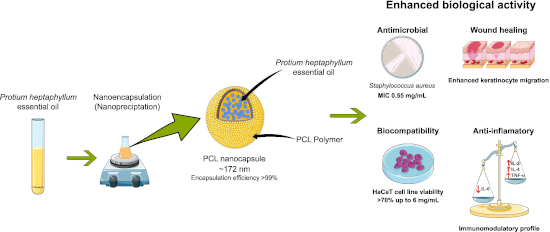
Development of Protium heptaphyllum essential oil-loaded nanocapsules: experimental design and biological activity
Beilstein J. Nanotechnol. 2026, 17, 974–990, doi:10.3762/bjnano.17.67
- , Botany Coordination, Museu Paraense Emílio Goeldi, Belém, PA, Brazil Environmental Health Laboratory, Environment Section, Evandro Chagas Institute, PA, Brazil Laboratory of Cytogenomics and Environmental Mutagenesis, Environment Section, Evandro Chagas Institute, PA, Brazil 10.3762/bjnano.17.67
- Amazonian oils while enhancing their therapeutic and immunomodulatory properties. Limitations and future perspectives The chemical composition of EOs can vary significantly depending on factors such as geographic origin, harvest season, and environmental conditions, which may directly influence their




Materials challenges in solid-state sensors for continuous monitoring of ions in water
Beilstein J. Nanotechnol. 2026, 17, 935–973, doi:10.3762/bjnano.17.66
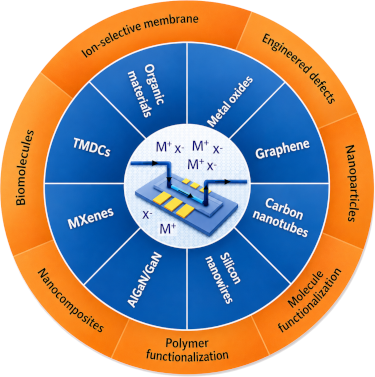
- and with temperature fluctuations is required because real samples (biological fluids, environmental solutions, or industrial streams) differ widely in composition and operating conditions. In practice, this means the device must tolerate variations in ionic strength, pH, temperature, and fluid flow
- thousands of milligrams per liter (e.g., chloride or sulfate in industrial brines) [5]. Thus, real-time anion monitoring provides essential high-resolution data for maintaining regulatory compliance, protecting infrastructure, optimizing treatment processes, and mitigating environmental impacts across all
- enhances regulatory compliance, enables rapid response to contamination events, and supports process optimization and environmental protection in ways that intermittent grab sampling cannot [37][66] (Table 2). Device geometries To meet the increasing demand for real-time and in situ analysis, electrical



Nanocarrier strategies to overcome P-glycoprotein-mediated drug resistance in cancer therapy
Beilstein J. Nanotechnol. 2026, 17, 882–921, doi:10.3762/bjnano.17.64
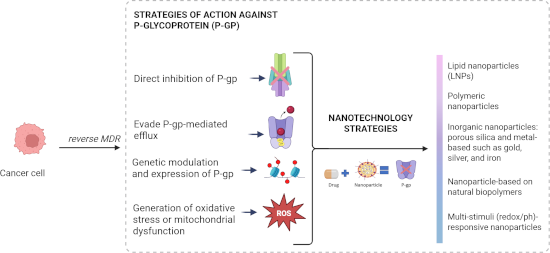
- )-responsive nanoparticles. Multistimuli-responsive polymeric nanocarriers represent a frontier in precision oncology, integrating both environmental triggers (e.g., pH, redox, and hypoxia) and active functional responses (e.g., efflux inhibition and size/charge modulation). Yoo et al. demonstrated that


He+ FIBID-fabricated 3D AFM tip architectures: an exploratory study of hollow pillars, helices, and spirals
Beilstein J. Nanotechnol. 2026, 17, 863–871, doi:10.3762/bjnano.17.62
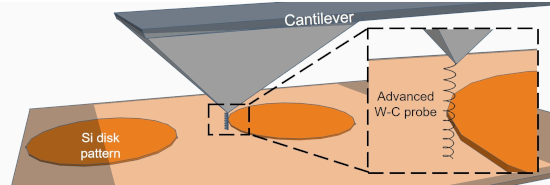
- Information File 4: Additional figures and tables. Acknowledgements The authors thank Matthias Schmidt from Helmholtz Centre for Environmental Research GmbH, Leipzig, Germany, for generously loaning the gas injection system controller for more than three months. The authors also thank the microscopy service


Nanoparticle delivery systems for HIV pre-exposure prophylaxis (PrEP): advances and challenges
Beilstein J. Nanotechnol. 2026, 17, 839–853, doi:10.3762/bjnano.17.60
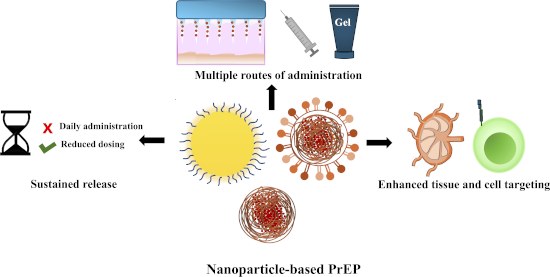
- [45][46][47]. Furthermore, polymers can be engineered to respond to environmental triggers such as pH or temperature for smart drug release [39][40][42]. This provides polymeric systems additional functionalities beyond targeted delivery to HIV-susceptible tissues or cell populations [41][42][43][44


Cross-scale design of chemosensor arrays: from molecular self-assembly in water to paper-based devices for metal ion detection
Beilstein J. Nanotechnol. 2026, 17, 828–838, doi:10.3762/bjnano.17.59
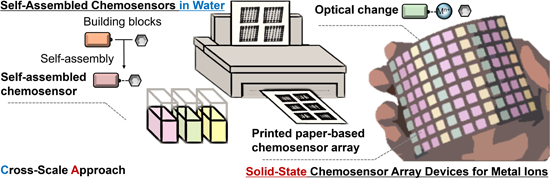
- nanoscale architectures for environmental monitoring of metal ions. This perspective introduces the principles of metal ion detection using chemosensors and the design strategy based on molecular self-assemblies for sensing multiple analytes based on pattern recognition [13][15]. After the discussion of the
- chemosensors and pattern-recognition-based sensing to device-level architectures for practical environmental monitoring. Discussion Designs and preparation of chemosensors for the simultaneous detection of metal ions As described in the Introduction, we aim to simultaneously discriminate multiple metal ions
- introduced [20]. To realize the concept of cross-scale design, the sensor performance of chemosensor elements in solution states should be maintained or improved on the paper substrates. In environmental assessment, metal ion levels in river water indicate the state of ecological systems [1][2]. The


Restorative potential of laser-synthesized silver nanoparticles with Salvia officinalis for periodontal disease treatment: an in vitro study
Beilstein J. Nanotechnol. 2026, 17, 781–795, doi:10.3762/bjnano.17.55
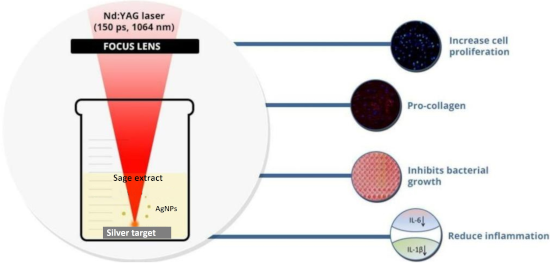
- chemical synthesis offers size control, it typically involves toxic reducing agents, raising biocompatibility concerns [3]. AgNP synthesis using plant extracts has gained attention due to environmental friendliness, but it lacks precise control over size and dispersity of AgNPs. Laser synthesis




Environmental applications of silver nanoparticles: state-of-the-art review and emerging trends
Beilstein J. Nanotechnol. 2026, 17, 697–736, doi:10.3762/bjnano.17.49
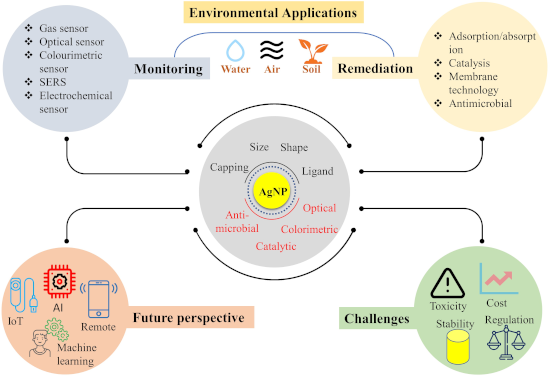
- properties, making them a strong candidate for environmental applications in water, air, and soil. Indeed, various reviews are available, though a significant gap persists in addressing all environmental pollutants. This review comprehensively and critically analyses the advancement in AgNP research spanning
- applications for heavy metal immobilisation, organic pollutant degradation, plant disease management, and growth promotion are assessed alongside their ecotoxicological implications. Besides remediation, environmental monitoring capabilities of AgNP-based sensing platforms are systematically reviewed across
- five transduction modalities, including colourimetric/UV–vis LSPR, SERS, electrochemical, fluorometric, and gas sensing, covering a broad range of analytes considered as environmental pollutants. Key challenges, including nanoparticle aggregation, long-term colloidal instability, synthesis


Molecular engineering of individual dye-based nanoparticle photostability for ultrabright two-photon fluorescence
Beilstein J. Nanotechnol. 2026, 17, 688–696, doi:10.3762/bjnano.17.48
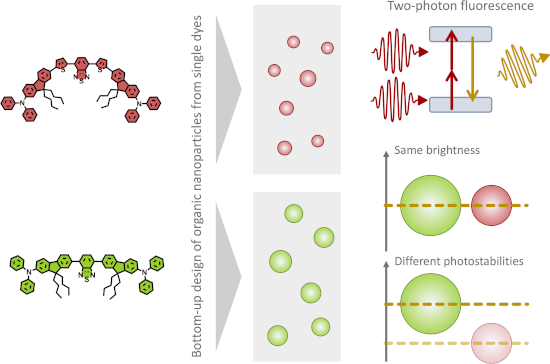
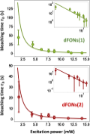
- higher surface-to-volume ratios and increased exposure of dye molecules to environmental interactions. We previously demonstrated a counterintuitive result: 14 nm NIR-emitting dFONs (fluorescence quantum yield Φ ≈ 0.01) were ten times more photostable in SPT than larger 43 nm green-emitting dFONs (Φ


Protein-based custom-designed molecular nanotraps for biomedical applications
Beilstein J. Nanotechnol. 2026, 17, 683–687, doi:10.3762/bjnano.17.47

- . The scalability and environmental friendliness of this approach, together with the inherent biodegradability of the natural polymers, support their translational potential. At a critical perspective, while the use of proteins for the preparation of bioMIPs could prove competitive with established

Cellulose as a photocatalyst support material: extraction, structural features, and environmental applications
Beilstein J. Nanotechnol. 2026, 17, 635–652, doi:10.3762/bjnano.17.44
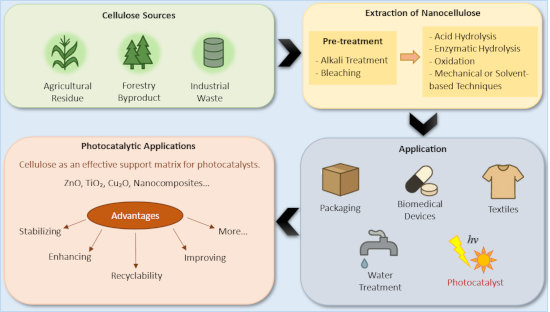
- photocatalytic systems, improving its performance under a wide range of light sources. Moreover, cellulose-supported systems often show enhanced recyclability and mechanical durability, making them suitable for repeated use in wastewater treatment and environmental remediation. The relationship between
- cellulose’s structural properties and photocatalytic functionality offers a green and efficient solution to pressing environmental challenges. Overall, this review underscores the importance of cellulose not only as a raw material but also as an active component in next-generation, eco-friendly photocatalytic
- and disadvantages. Acid hydrolysis is a traditional approach that helps preserve cellulose’s crystalline structure; however, it relies on non-biodegradable chemicals and generates acidic wastewater, which raises environmental concerns and complicates wastewater management [8]. As a result, researchers


Two-step laser synthesis of Ag@TiO2 nanomaterials for the photocatalytic degradation of rhodamine B
Beilstein J. Nanotechnol. 2026, 17, 622–634, doi:10.3762/bjnano.17.43
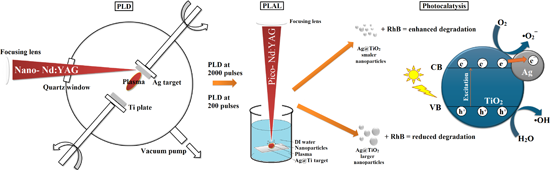
- suppression of electron–hole recombination, allowing for more effective utilization of the solar spectrum. Accordingly, Ag@TiO2 nanostructures, especially those obtained through controlled synthesis, represent highly promising candidates for photocatalytic environmental remediation processes induced by
- , chemical stability and photostability, and high solubility in water. However, its widespread application and persistent nature raise serious environmental and health concerns. Once released into aquatic environments, RhB resists natural degradation processes, leading to long-term accumulation. It disrupts
- factors, RhB is considered a high-priority contaminant, and developing efficient, sustainable degradation technologies for its removal remains a key goal in environmental science [3][18][19][20]. The main objective of this study was to synthesize silver-modified titanium dioxide (Ag@TiO2) photocatalysts


Recent progress in enhancing built-in electric fields of perovskite solar cells via junction engineering
Beilstein J. Nanotechnol. 2026, 17, 602–621, doi:10.3762/bjnano.17.42




Probing tribological evolution in atomically thin MoS2 at different scales
Beilstein J. Nanotechnol. 2026, 17, 586–597, doi:10.3762/bjnano.17.40
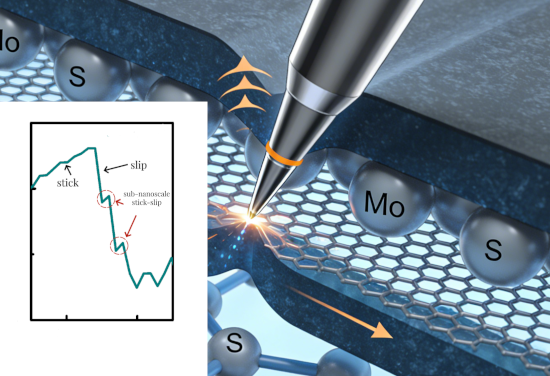
- constant ±5% for all tests), (2) normal and lateral forces were calibrated via the non-contact method [20] to quantify absolute force values, (3) all tests were performed under ambient conditions (20–30 °C, 30–40% relative humidity) to avoid environmental interference, and (4) all friction measurements


Synthesis of Cu–Mo/TiO2 and Co–Mo/TiO2 photocatalysts for the efficient degradation of organic pollutants in water
Beilstein J. Nanotechnol. 2026, 17, 559–570, doi:10.3762/bjnano.17.37
- . Unfortunately, water quality is negatively impacted by the increasing population, industrial operations, and agricultural activities. Therefore, it is essential to develop technologies to conserve and remediate contaminated water. A significant environmental challenge in water remediation is the presence of
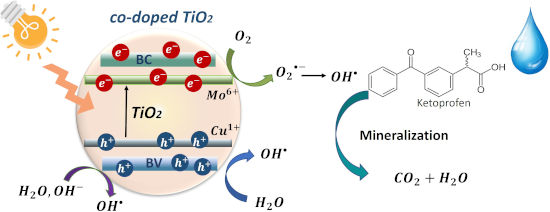
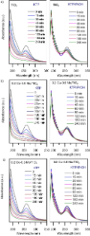
- most organic compounds [2]. Among AOPs, TiO2 photocatalysis is one of the most viable environmental technologies due to its low cost and the stability of TiO2. Limitations of TiO2 in photocatalysis applications come from rapid charge recombination and the wide bandgap [3]. Various strategies have been
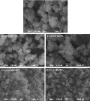
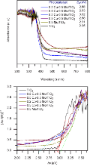
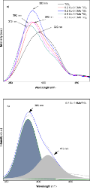
- environmental remediation processes. This research project reports the synthesis and characterization of two photocatalyst systems not reported before for water remediation, namely, co-doped photocatalysts Cu–Mo/TiO2 and Co–Mo/TiO2 synthesized by the sol–gel method. The structural, optical, and morphological



Advances in nanotechnology applied to natural products
Beilstein J. Nanotechnol. 2026, 17, 555–558, doi:10.3762/bjnano.17.36
- , hybrid, and inorganic platforms, reflecting the interdisciplinarity of the field, from nanosystem synthesis and physicochemical characterization to biomedical, pharmaceutical, cosmetic, and environmental applications. Among the nanostructures, lipid-based carriers, including nanoemulsions, microemulsions
- , pharmaceutical, cosmetic, dental, environmental, and other technological applications. We hope this thematic issue will stimulate further research, foster interdisciplinary collaboration, and inspire innovative nanotechnology-based solutions that can expand and consolidate the use of natural products across
Electrochemical determination of ciprofloxacin using a MIL-101/reduced graphene oxide-modified electrode
Beilstein J. Nanotechnol. 2026, 17, 541–554, doi:10.3762/bjnano.17.35
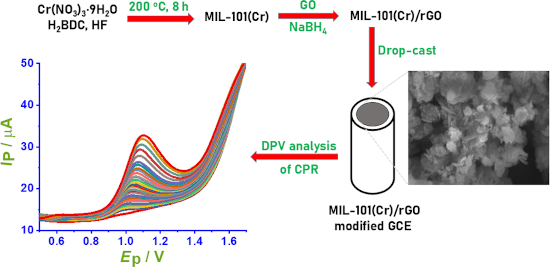
- , yielding acceptable recoveries. These results indicate that the MIL-101/rGO-modified electrode provides a promising and efficient platform for the electrochemical sensing of CPR in pharmaceutical and environmental analysis. Keywords: ciprofloxacin; electrochemical analysis; MIL-101; reduced graphene oxide
- ; Introduction Ciprofloxacin (C17H18FN3O3, CPR) is a fluoroquinolone antibiotic widely used in human and veterinary medicine to treat various bacterial infections [1]. Due to its high usage, incomplete metabolism, and environmental persistence, CPR residues are often found in pharmaceutical products, biological
- fluids, and aquatic environments [2][3]. The uncontrolled presence of ciprofloxacin not only poses risks to human health but also promotes the development of antibiotic-resistant bacteria, raising significant environmental and public health concerns [4]. Therefore, developing sensitive, selective, and


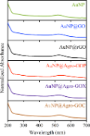
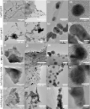
Upcycling agroindustrial waste into graphene oxide supports for gold nanoparticles: toward sustainable nanomaterials
Beilstein J. Nanotechnol. 2026, 17, 489–504, doi:10.3762/bjnano.17.32
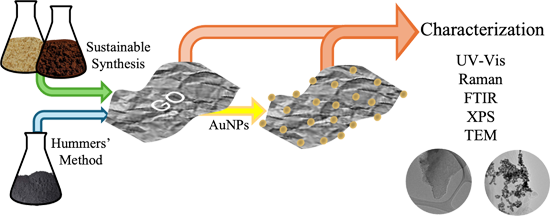
- effective, these methods have significant drawbacks; they are time-consuming, require substantial energy input, and involve the use of highly reactive and toxic chemical reagents. Additionally, they generate large volumes of hazardous liquid waste, raising environmental and safety risks, especially when
- waste are abundant, renewable, and often underutilized. Biomass has a high carbon content and aromatic structures, making it suitable for carbonization. This approach not only contributes to waste minimization but also promotes environmental sustainability by converting abundant biowaste into valuable
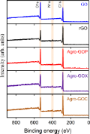
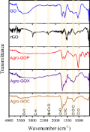
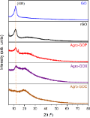
- precursor and the processing conditions. This tunability provides a powerful means to tailor the structural and optical properties of AuNP@GO hybrids. Beyond its alignment with environmental sustainability goals, this approach provides a versatile, customizable platform for precisely modulating nanomaterial



Defects and defect-mediated engineering of two-dimensional materials: challenges and open questions
Beilstein J. Nanotechnol. 2026, 17, 454–488, doi:10.3762/bjnano.17.31
- defects in 2D materials under various environmental conditions [187][188][189][190][191][192]. Despite its strengths, XPS has several limitations that must be addressed for accurate defect characterization. One major challenge is surface contamination, which can obscure defect signals. Hydrocarbon



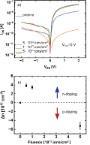


First-principles study on elastic properties of Cu, (Cu1−x,Nix)3Sn and interfacial mechanical properties of (Cu1−x,Nix)3Sn/Cu in the lead-free solder joint
Beilstein J. Nanotechnol. 2026, 17, 428–439, doi:10.3762/bjnano.17.29
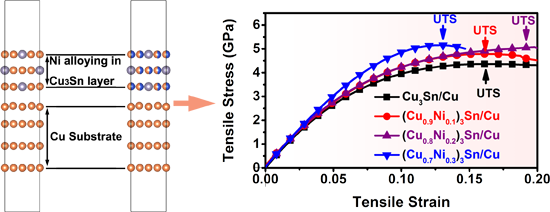
- alloying strategies to meet the requirements for electronic device miniaturization and harsh environmental applications. Keywords: ductility; elastic modulus; interfacial toughness; lead-free solder; work of adhesion; Introduction Due its toxicity, lead has caused serious problems in human health and
- environmental pollution; thus, the use of lead-containing solder in electronic device packaging has been restricted by legislation [1]. In the last few decades, aiming to replace lead-containing solders, great efforts have been dedicated to develop lead-free solder with respect to cost-effectiveness
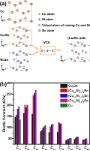



Nanoinformatics: spanning scales, systems and solutions
Beilstein J. Nanotechnol. 2026, 17, 423–427, doi:10.3762/bjnano.17.28
- Iseult Lynch Diego S. T. Martinez Kunal Roy Georgia Melagraki School of Geography, Earth and Environmental Sciences, University of Birmingham, Edgbaston, B15 2TT Birmingham, United Kingdom Brazilian Nanotechnology National Laboratory (LNNano), Brazilian Center for Research in Energy and Materials
- artificial intelligence (AI) and ML approaches to nanomaterials disease therapy, environmental remediation, and to support implementation of the framework for Safe and Sustainable by Design (SSbD); and (iv) infrastructure and tools to underpin the implementation of nanoinformatics. Given the heterogeneity of
- nanomaterials, thus helping to fill the current gap in the toxicity data for zebrafish [8]. A major driver of the development of nanomaterials, nanoinformatics and ML/AI is the potential for solutions to real-world issues, whether in nanomedicine, nano-enabled agriculture, or environmental remediation

Interconnection morphology effects on the radio frequency response of carbon nanotube sponges
Beilstein J. Nanotechnol. 2026, 17, 343–351, doi:10.3762/bjnano.17.23
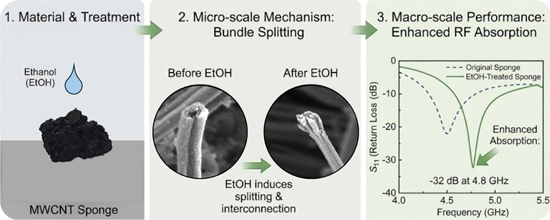
- being lighter and more resistant to a broad range of environmental and harsh operating conditions, while maintaining sufficient electrical conductivity. Among them, CNTs [10][11] proved to be well-performing materials in electronics and optoelectronic applications. CNT-based antennas have been realized



Beam shaping techniques for pulsed laser ablation in liquids: Unlocking tunable control of nanoparticle synthesis in liquids
Beilstein J. Nanotechnol. 2026, 17, 309–342, doi:10.3762/bjnano.17.22
- controlling NP size and shape but often require reducing agents and stabilising or capping agents to ensure colloidal stability, which may introduce impurities and raise environmental concerns. Biological routes for synthesising nanomaterials, such as those based on plant extracts, bacteria, or fungi, are
- indeed eco-friendly and offer advantages like low toxicity and reduced environmental impact; however, they generally offer less control over NP properties. Moreover, other physical methods such as milling, pyrolysis, sputtering, and arc discharge, or gas-phase processes such as flame spray pyrolysis or
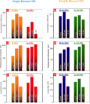
- yield, demonstrating that scale-up is feasible and cost-effective [14]. Figure 1 provides a comparative overview of these methods, considering the key factors: elemental flexibility, environmental friendliness, synthesis purity, health and safety, productivity, process complexity, and degree of remote







Advancing nanolithography: a comprehensive review of materials for local anodic oxidation with AFM
Beilstein J. Nanotechnol. 2026, 17, 275–291, doi:10.3762/bjnano.17.19
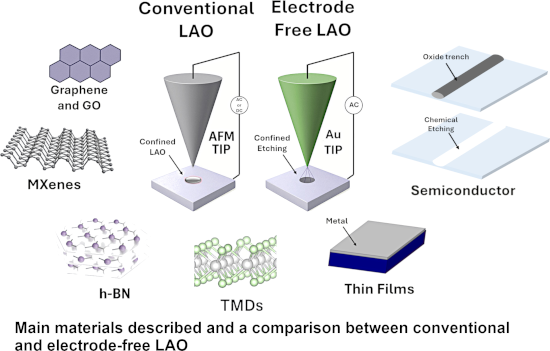
- surfaces), and environmental factors, such as humidity, which can impact reproducibility. LAO-grown oxide is less dense than thermally grown oxide, and mechanical stress between the substrate and oxide layer may lead to defects. In addition, the insulating nature of SiO2 limits its versatility compared to
- such pattering capabilities is reported in Figure 6 showing a 35 nm constriction fabricated on few-layer WSe2, before and after etching in water. Additionally, the environmental sensitivity of TMDs, such as the anisotropic oxidation of 1T′ MoTe2 under humid conditions, has been exploited to achieve
- , emphasizing scalability and environmental considerations. This precise control has significant implications for applications in photonics, nanoelectronics, and quantum computing. However, challenges remain, including the influence of humidity on patterning reproducibility and the need to mitigate structural





