


Search results
Search for "environmental pollutants" in Full Text gives 18 result(s) in Beilstein Journal of Nanotechnology.
Environmental applications of silver nanoparticles: state-of-the-art review and emerging trends
Beilstein J. Nanotechnol. 2026, 17, 697–736, doi:10.3762/bjnano.17.49
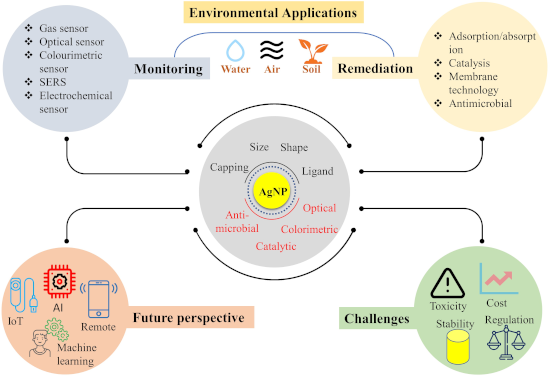
- properties, making them a strong candidate for environmental applications in water, air, and soil. Indeed, various reviews are available, though a significant gap persists in addressing all environmental pollutants. This review comprehensively and critically analyses the advancement in AgNP research spanning
- five transduction modalities, including colourimetric/UV–vis LSPR, SERS, electrochemical, fluorometric, and gas sensing, covering a broad range of analytes considered as environmental pollutants. Key challenges, including nanoparticle aggregation, long-term colloidal instability, synthesis
- the responsible, scalable application of AgNP-based technologies to address contemporary environmental challenges. Keywords: AgNPs; air application; environmental pollutants; soil applications; synthesis; water application; Review 1 Introduction Environmental pollution has intensified globally due


Functional surface engineering for cultural heritage protection: the role of superhydrophobic and superoleophobic coatings – a comprehensive review
Beilstein J. Nanotechnol. 2026, 17, 63–96, doi:10.3762/bjnano.17.6

- protection. Gryparis et al. [65] investigated self-cleaning photocatalytic coatings to protect cementitious materials from environmental pollutants (i.e., methylene blue (MB) and methyl orange (MO)). Titanium dioxide, known for its photocatalytic properties, was combined with carbon dots (C-dots) to enhance








Nanotechnology-based approaches for the removal of microplastics from wastewater: a comprehensive review
Beilstein J. Nanotechnol. 2025, 16, 1607–1632, doi:10.3762/bjnano.16.114
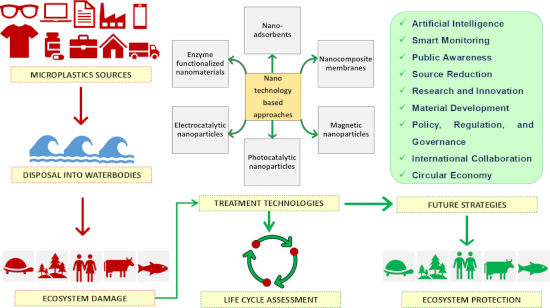
- disposal stages [6]. The tiny MP particles can directly harm marine life through ingestion or indirectly by attracting and accumulating environmental pollutants [7]. Experimental studies show that exposure to MPs can result in a wide range of harmful effects such as disruptions in metabolism, oxidative



Nanoarchitectonics with cetrimonium bromide on metal nanoparticles for linker-free detection of toxic metal ions and catalytic degradation of 4-nitrophenol
Beilstein J. Nanotechnol. 2024, 15, 1312–1332, doi:10.3762/bjnano.15.106
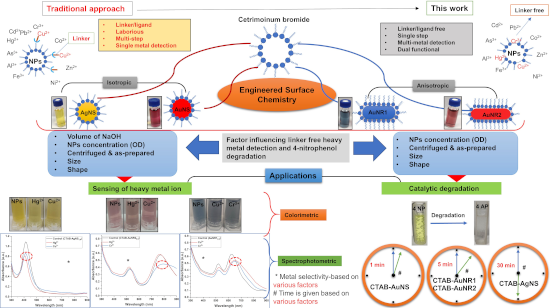
- such as Hg2+ are poisonous environmental pollutants that cause damage at the DNA level by inhibiting DNA replication and DNA polymerase activity, ultimately affecting normal cell synthesis [13]. The less toxic Fe3+ is an essential nutrient for human health in a lower dose, while increasing the dose





Unveiling the potential of alginate-based nanomaterials in sensing technology and smart delivery applications
Beilstein J. Nanotechnol. 2024, 15, 1077–1104, doi:10.3762/bjnano.15.88

- alginate from marine sources adds to its appeal as a sustainable and renewable material for nanoparticle synthesis [103]. These nanoparticles have demonstrated potential in sensing applications, including temperature, humidity, water level, and various environmental pollutants. Heavy metal and volatile
- environmental monitoring. Accurate detection and measurement of H2O2 levels is vital for understanding its role in biological processes, diagnosing diseases, and monitoring environmental pollutants [114]. Alginate-based nanoparticles have depicted great potential in hydrogen peroxide sensing. A silver/poly(3
- stability, porosity, and degradation rate of alginate-based nanoparticles in order to enhance their sensing capabilities. Additionally, efforts should be made to explore the potential of alginate-based nanoparticles for detecting a wide range of environmental pollutants, such as heavy metals and pesticides


Silver-based SERS substrates fabricated using a 3D printed microfluidic device
Beilstein J. Nanotechnol. 2023, 14, 793–803, doi:10.3762/bjnano.14.65
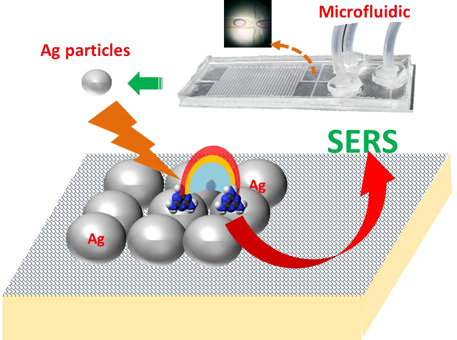
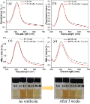
- excellent analytical performance of the PS@Ag SERS substrate, making it a promising tool for detecting environmental pollutants and ensuring food safety. Photograph of the as-fabricated droplet-based microfluidic device. Images and absorbance spectra of Ag NPs synthesized using silver nitrate and sodium



Bismuth-based nanostructured photocatalysts for the remediation of antibiotics and organic dyes
Beilstein J. Nanotechnol. 2023, 14, 291–321, doi:10.3762/bjnano.14.26
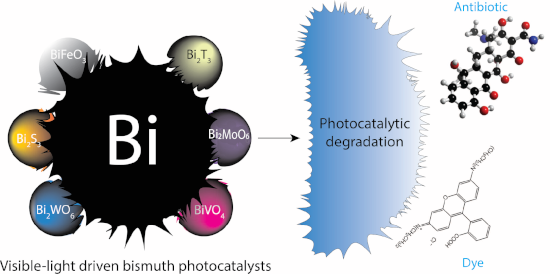
- geopolitical factors. Nevertheless, there is a growing need for the efficient removal of environmental pollutants and the proper treatment of industrial wastes to allowable discharge limits, which are crucial for preserving human life and protecting the environment. Numerous techniques have been employed to



Recent trends in Bi-based nanomaterials: challenges, fabrication, enhancement techniques, and environmental applications
Beilstein J. Nanotechnol. 2022, 13, 1316–1336, doi:10.3762/bjnano.13.109





A nonenzymatic reduced graphene oxide-based nanosensor for parathion
Beilstein J. Nanotechnol. 2022, 13, 730–744, doi:10.3762/bjnano.13.65
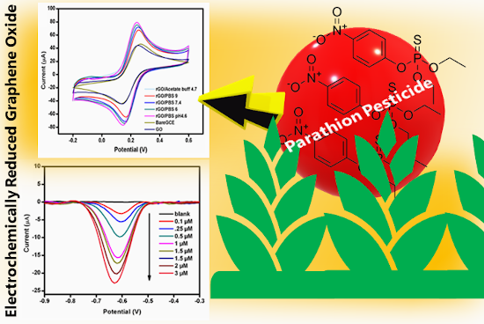
- , selective, sensitive, and point-of-care (POC) analytical tools for monitoring environmental pollutants [2][11]. They can also detect residual OPs based on their electrocatalytic activity and affinity toward nanomaterials, such as nanoparticles, carbon nanomaterials, and metal oxides [11]. In a few reports
- sensitive analysis of other pesticides and environmental pollutants based on electrocatalytic activity. (A) UV–vis spectra of GO and ERGO. (B) Raman spectra for GO to ERGO conversion using different buffers as electrolytes. (C) FTIR spectra and (D) XRD patterns of GO and ERGO (PBS pH 4.5). Deconvoluted XPS


Janus-micromotor-based on–off luminescence sensor for active TNT detection
Beilstein J. Nanotechnol. 2019, 10, 1324–1331, doi:10.3762/bjnano.10.131
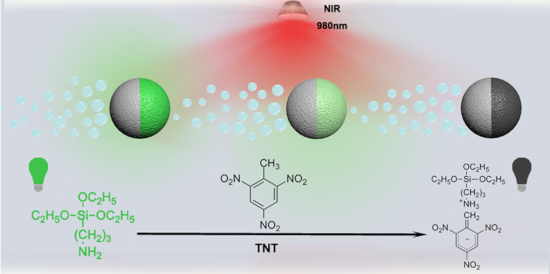
- rapid detection of environmental pollutants. Experimental Materials Silica spheres with a diameter of 5 µm were obtained from Baseline Chrom Tech, Tianjin, China. Poly(styrene sulfonate) sodium salt (PSS, Mw = 70 000), poly(allylamine hydrochloride) (PAH, Mw = 70 000), poly(acrylic acid) (PAA, Mw = 1800


Facile synthesis of ZnFe2O4 photocatalysts for decolourization of organic dyes under solar irradiation
Beilstein J. Nanotechnol. 2018, 9, 436–446, doi:10.3762/bjnano.9.42
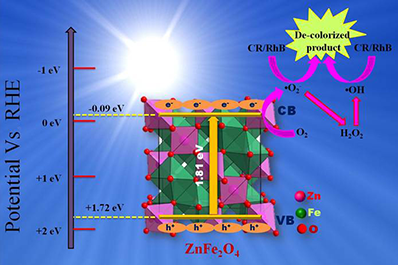
- correlates well with the lowest PL intensity, highest photocurrent and lowest particle size. Keywords: Congo red; electrochemical study; phenol; photocatalyst; rhodamine B (Rh B); ZnFe2O4; Introduction Photocatalysis is a “green” technology for the treatment of environmental pollutants with solar energy [1


L-Lysine-grafted graphene oxide as an effective adsorbent for the removal of methylene blue and metal ions
Beilstein J. Nanotechnol. 2017, 8, 2680–2688, doi:10.3762/bjnano.8.268

- promising adsorption material for the removal of environmental pollutants. Keywords: adsorption; copper (Cu) ions; graphene; isotherms; methylene blue; Introduction Graphene is a two-dimensional carbon material with honeycomb network and sp2 hybridization. Recently, graphene-based materials have drawn
- organic molecules and metal nanoparticles via covalent or non-covalent binding [13][14][15][16]. Recently, functionalized graphene materials have shown great potential as highly efficient absorbers for the treatment of environmental pollutants and wastewater purification [17][18][19]. However, most of the
- functionalized graphene materials cannot meet practical needs in treating environmental pollutants because of high cost and low performance. Hence, the adsorption performance of graphene-based materials still needs to be improved and the cost lowered. Some reports showed that oxygen functional groups, vacancy


Performance of natural-dye-sensitized solar cells by ZnO nanorod and nanowall enhanced photoelectrodes
Beilstein J. Nanotechnol. 2017, 8, 287–295, doi:10.3762/bjnano.8.31
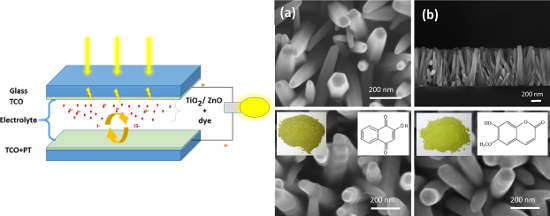
- complete the reaction [2][10]. Different high-raked commercial dyes, such as N719 or N3, have been widely studied in the literature and their performance has been proven. Because these organometallic dyes contain environmental pollutants, such as heavy metals [6], recent studies have focused on finding a


A composite structure based on reduced graphene oxide and metal oxide nanomaterials for chemical sensors
Beilstein J. Nanotechnol. 2016, 7, 1421–1427, doi:10.3762/bjnano.7.133
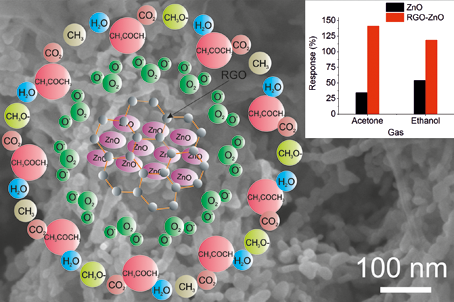
- monitoring of environmental pollutants and for the application of breath tests in assessment of exposure to volatile organic compounds. Keywords: chemical sensors; reduced graphene oxide (RGO); volatile organic compounds; zinc oxide (ZnO); Introduction Hazard analysis of critical control point (HACCP


Green and energy-efficient methods for the production of metallic nanoparticles
Beilstein J. Nanotechnol. 2015, 6, 2354–2376, doi:10.3762/bjnano.6.243
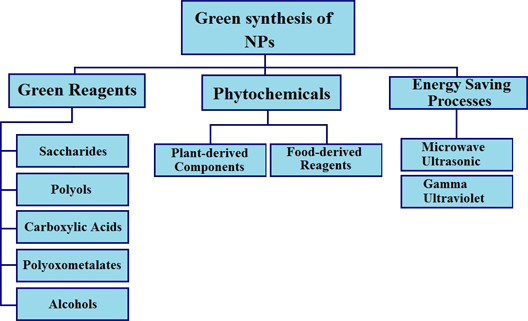
- methods involve the use of dispersants, surfactants or chelating agents to prevent the agglomeration of particles. Most of these reagents can be considered environmental pollutants, if they are going to be used in large scale production [16]. As a consequence, there have been growing concerns about the



Natural and artificial binders of polyriboadenylic acid and their effect on RNA structure
Beilstein J. Nanotechnol. 2015, 6, 1338–1347, doi:10.3762/bjnano.6.138

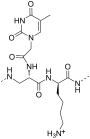
- in single-stranded poly(rA), and melting experiments led to the conclusion that the observed transition was cooperative similar to the case of a cooperative melting of a DNA double helix. Environmental pollutants In addition, some molecules derived from anthropic pollution are also able to bind, in







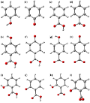
DFT study of binding and electron transfer from colorless aromatic pollutants to a TiO2 nanocluster: Application to photocatalytic degradation under visible light irradiation
Beilstein J. Nanotechnol. 2014, 5, 1016–1030, doi:10.3762/bjnano.5.115

- UV radiation, a fact that limits the efficiency and keeps the costs of the photocatalytic degradation of environmental pollutants high. To be used under visible light irradiation, in the range of wavelengths where the solar spectrum has its maximum, the electronic band structure of the photocatalyst




Structural, optical and photocatalytic properties of flower-like ZnO nanostructures prepared by a facile wet chemical method
Beilstein J. Nanotechnol. 2013, 4, 763–770, doi:10.3762/bjnano.4.87
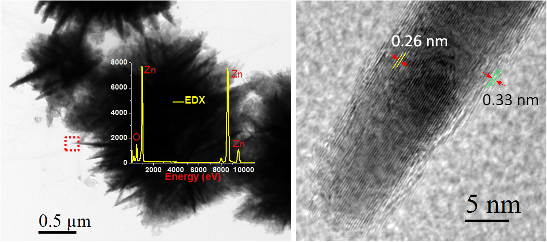
- environmental pollutants. ZnO nanostructures with different morphologies have been synthesized by wet chemical methods [9][10][11][12][13] and used for various applications such as photocatalytic degradation of organic dyes [14][15][16][17][18][19][20][21][22][23][24], dye sensitized solar cells [25][26][27][28





