


Search results
Search for "fibers" in Full Text gives 199 result(s) in Beilstein Journal of Nanotechnology.
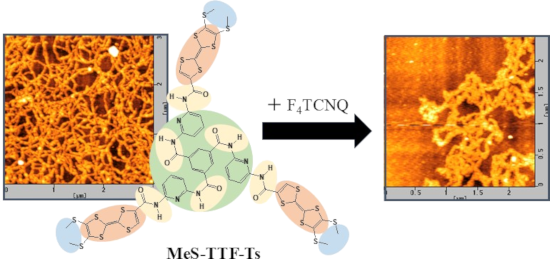
Supramolecular one-dimensional conducting nanofibers from a C3-symmetric tetrathiafulvalene derivative
Beilstein J. Nanotechnol. 2026, 17, 872–881, doi:10.3762/bjnano.17.63
- nanofibers; one-dimensional nanostructures; supramolecular self-assembly; tetrathiafulvalene; Introduction Supramolecular gels have been developed as organized soft materials that form anisotropic nanostructures such as ribbons and fibers within their networks [1][2]. These materials have attracted
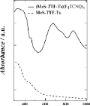
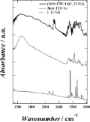
- nanofibers from C3-symmetric MeS-TTF-Ts and the (MeS-TTF-Ts)(F4TCNQ)3 charge-transfer complex In order to form conductive fibers using MeS-TTF-Ts, it was necessary to identify suitable conditions for controlling the formation of supramolecular structures. Atomic force microscopy (AFM) observations of cast
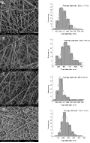
- process in DMF provides suitable conditions for inducing ordered supramolecular organization of MeS-TTF-Ts. When the casting solvent was changed to DMSO at the same concentration, a mesh-like structure composed of interconnected fibers with different sizes was observed (Figure 2). The fibers exhibited


Nanoparticle delivery systems for HIV pre-exposure prophylaxis (PrEP): advances and challenges
Beilstein J. Nanotechnol. 2026, 17, 839–853, doi:10.3762/bjnano.17.60
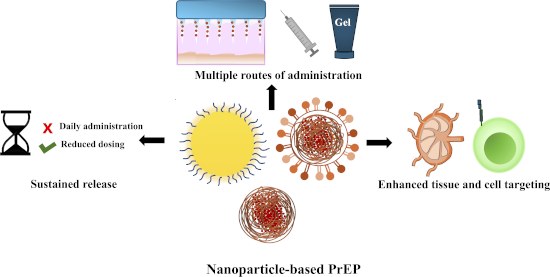
- lower female genital tract can reduce the effect of oral PrEP and decrease the protection [104]. To overcome this, Nunes et al. developed electrospun fibers for topical PrEP, combining either PCL directly loaded with TDF/FTC or a hybrid liposome-in-PVA system in which the drug-loaded liposomes were
- incorporated into PVA fibers [105]. The authors performed an in vivo pharmacokinetics study in mice in which a single intravaginal administration of the fiber systems was compared with five daily oral doses of TDF/FTC. This study demonstrated generally higher drug concentrations in vaginal lavage for the
- liposome-in-PVA fibers compared to oral PrEP. PCL fibers also showed superior behavior over oral treatment, but the advantage was smaller. These findings suggest that lipid–polymer hybrid fibers systems can support rapid local drug delivery and may complement daily oral PrEP for HIV prevention. In a


Oxidative atmosphere-driven formation of single-phase spinel CuRh2O4 nanofibers for alkaline water oxidation
Beilstein J. Nanotechnol. 2026, 17, 737–743, doi:10.3762/bjnano.17.50
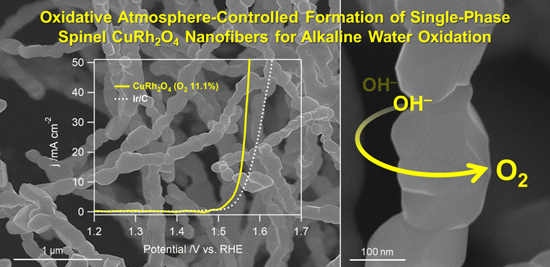
- electron microscopy (SEM) was employed to investigate the surface morphology and structural uniformity of the electrospun nanofibers after post-annealing. In the as-spun state prior to annealing, the fibers containing PVP exhibit smooth surfaces with an average diameter of approximately 300 nm (Supporting




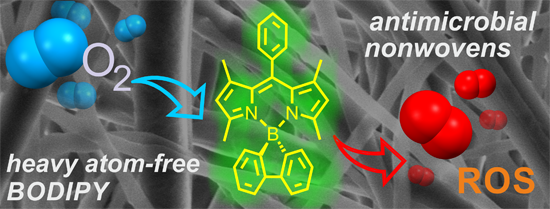
Decontamination from water pollutants and pathogens by electrospun nanofibers doped with heavy-atom-free borafluorene-BODIPY photosensitizers
Beilstein J. Nanotechnol. 2026, 17, 668–682, doi:10.3762/bjnano.17.46
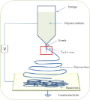
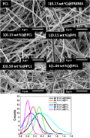
- 30 µm, Rotilabo®, Roth Selection, Germany), which was attached to the collector. After the electrospinning process, all mats were placed under a fume hood for 48 h to evaporate solvents in the fibers. Morphology analysis The morphological properties of samples were examined through scanning electron
- the theoretical mass of the solid sample, calculated as the product of the density of PCL, 1.081 g·cm−3 [51], and the volume Vt ≈ 3.98 cm3. The pore size (P) was estimated using Equation 2: Here, D denotes the mean fiber diameter for each specimen, (1 − p) corresponds to the area of fibers per unit
- ISA-220 Integrating Sphere (reflectance measurements). Emission and fluorescence quantum yields of BODIPY fibers were determined using an Edinburgh Instruments FS5 spectrofluorometer. The measurements were performed at room temperature using solid-state Suprasil quartz cuvettes with front-face



Cellulose as a photocatalyst support material: extraction, structural features, and environmental applications
Beilstein J. Nanotechnol. 2026, 17, 635–652, doi:10.3762/bjnano.17.44
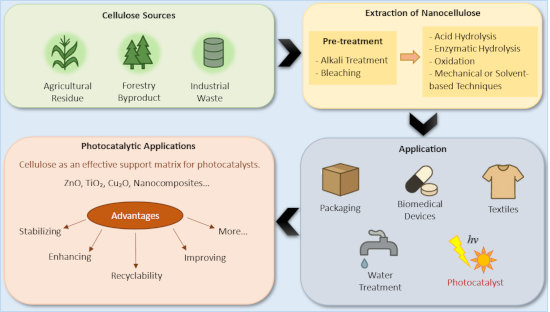
- chemical properties [5]. Cellulose occurs naturally in cotton and wood, where it has long provided essential resources for clothing and shelter. Also, through chemical and mechanical processing, pulp fibers can be extracted from these sources to serve as the primary raw material for paper production. Pulp
- fibers can undergo further mechanical and chemical treatments that transform them into nanocelluloses, an advanced class of materials that offer enhanced functionality and demonstrate superior properties compared to their bulk counterparts [6]. Nanocellulose is generally classified into two primary types
- are exploring more sustainable alternatives. Enzymatic hydrolysis is an efficient and eco-friendly way to produce cellulose nanoparticles. This method breaks down cellulose fibers with precision under controlled conditions while using very little water and producing non-hazardous waste as well as


Upcycling agroindustrial waste into graphene oxide supports for gold nanoparticles: toward sustainable nanomaterials
Beilstein J. Nanotechnol. 2026, 17, 489–504, doi:10.3762/bjnano.17.32
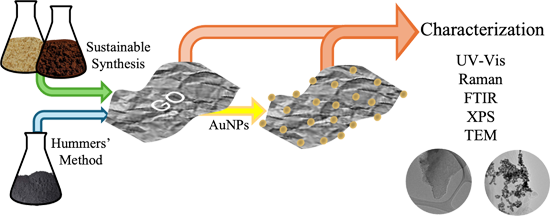
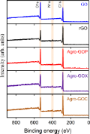
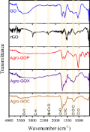
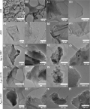
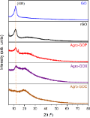
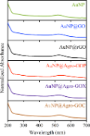
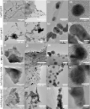
- . Peanut shells (Arachis hypogaea) are among the main agroindustrial wastes worldwide, with global peanut production reaching 46 million tons in 2019 [25]. These shells are rich in bioactive compounds such as phenolics and flavonoids, as well as cellulose, hemicellulose, and lignin fibers, which are eco



Durable antimicrobial activity of fabrics functionalized with zeolite ion-exchanged nanomaterials against Staphylococcus aureus and Escherichia coli
Beilstein J. Nanotechnol. 2026, 17, 262–274, doi:10.3762/bjnano.17.18
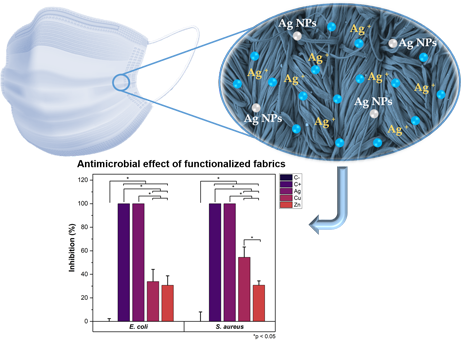
- different components, fiber material composites, nanoscale fibers, and immersion in NPs solutions with a binder. Nanoparticles such as Ag, Au, TiO2, ZnO, Se, SiO2, CuO, and Pt are widely used for textile functionalization [25]. Common methods for incorporating Ag and Cu NPs into cotton textiles involve
- treating the fibers at the end of the manufacturing process. Those methods require the use of previously prepared NPs, which are then bonded to the textile through chemical bonding or electrostatic interaction. The pad–dry–cure method is an effective alternative for applying nanoparticles to the surface of
- effective fixation of nanomaterials onto the fabrics. It is known that the high concentration of the binder could affect the antimicrobial activity of the fabrics [30]. Neither aggregation of the acrylic resin (10% w/w) nor degradation of the fibers after functionalization was observed for the prepared




Comparative study on 3D morphologies of delignified, single tracheids and fibers of five wood species
Beilstein J. Nanotechnol. 2026, 17, 239–250, doi:10.3762/bjnano.17.16
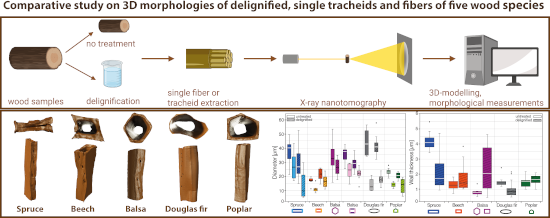
- , Technical University of Munich, Straubing, Germany Helmholtz-Zentrum Hereon, Geesthacht, Germany 10.3762/bjnano.17.16 Abstract Wood tracheids and fibers exhibit diverse structures and shapes across plant species. The hierarchical structure and composition of cellulose, hemicelluloses, and lignin enables
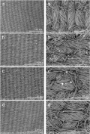
- material behavior and developing modified wood products. This study investigated the overall structural changes due to delignification, in five wood species, namely, spruce, beech, balsa, Douglas fir, and poplar. It additionally provides detailed morphology of delignified single tracheids and fibers
- . Scanning electron microscopy was used to compare the morphology between untreated and delignified fibers and tracheids. X-ray tomography enabled us to reconstruct high-resolution 3D models of delignified single tracheids or fibers, providing information on the pit arrangements. Moreover, delignification


Functional surface engineering for cultural heritage protection: the role of superhydrophobic and superoleophobic coatings – a comprehensive review
Beilstein J. Nanotechnol. 2026, 17, 63–96, doi:10.3762/bjnano.17.6



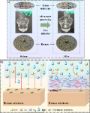
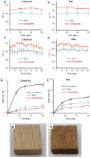
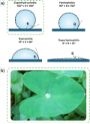


Molecular and mechanical insights into gecko seta adhesion: multiscale simulations combining molecular dynamics and the finite element method
Beilstein J. Nanotechnol. 2025, 16, 2055–2076, doi:10.3762/bjnano.16.141
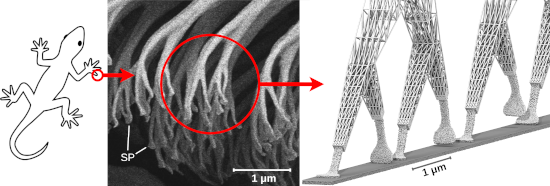
- structure similar to a fiber-reinforced elastomer, with a fibrillar nature that leads to anisotropic mechanical properties [40][41][42]. Rather than explicitly resolving individual fibers and the surrounding amorphous matrix, we represented the spatula with a coarse-grained bead network whose anisotropic







Beyond the shell: exploring polymer–lipid interfaces in core–shell nanofibers to carry hyaluronic acid and β-caryophyllene
Beilstein J. Nanotechnol. 2025, 16, 2015–2033, doi:10.3762/bjnano.16.139
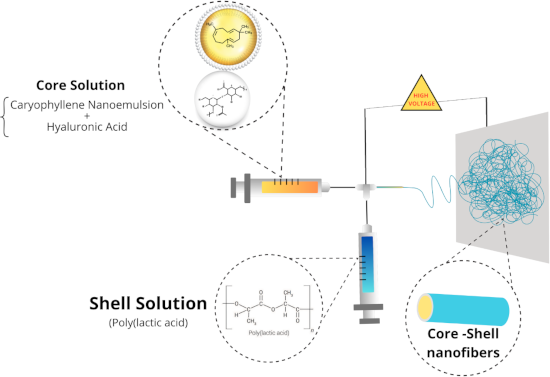
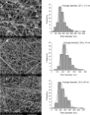
- optimal core formulation (1% w/w HA, 2% w/w NE) and process parameters (17 kV applied voltage, 6.25 flow rate ratio (0.04 mL/h inner; 0.25 mL/h outer), 12 cm needle-to-collector distance). These conditions provided highly uniform fibers with an average diameter of 439 ± 100 nm, notably 37% larger than
- fibers without the lipid core. Furthermore, maintaining ambient relative humidity below 45% proved essential for processing stability. Comprehensive morphological characterization via scanning electron microscopy confirmed the uniformity of the fibers. At the same time, confocal microscopy, cross
- recognition as safe and approved for human use by the U.S. Food and Drug Administration (FDA). While PLA exhibits relatively high modulus and strength, it possesses limitations such as low toughness, a slow degradation rate, and high hydrophobicity [18][22][23]. Nevertheless, PLA fibers effectively provide




Beyond the bilayer: multilayered hygroscopic actuation in pine cone scales
Beilstein J. Nanotechnol. 2025, 16, 1695–1710, doi:10.3762/bjnano.16.119
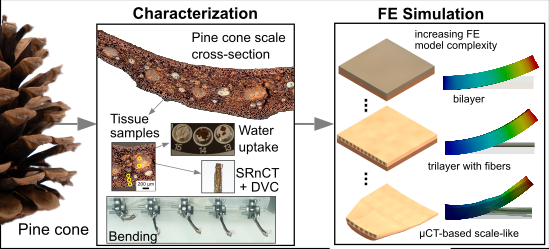
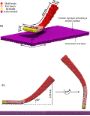
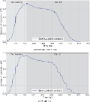
- the bending of bilayer geometries due to an overestimated contribution of sclerenchyma fiber stiffness. Geometries with discrete fibers embedded in a brown tissue matrix more accurately reproduced the bending angles observed in experiments. This highlights the importance of the chosen material
- , the brown tissue, and the sclerenchyma fibers of a Pinus wallichiana pine cone scale. However, as their water uptake measurements consisted of only one measurement per tissue, being limited to the range of 30–80% RH, and their equilibrium criterion being one hour of exposure instead of a mass change
- layer and the sclerenchyma fibers [12]. Other approaches have also observed a gradient in the cross-sectional shape of the prosenchymatous cells of sclerenchyma fibers of Pinus elliottii cones and higher tensile strength of the abaxial compared to the adaxial side of the sclerenchyma fibers [18


Bioinspired polypropylene-based functionally graded materials and metamaterials modeling the mistletoe–host interface
Beilstein J. Nanotechnol. 2025, 16, 1592–1606, doi:10.3762/bjnano.16.113
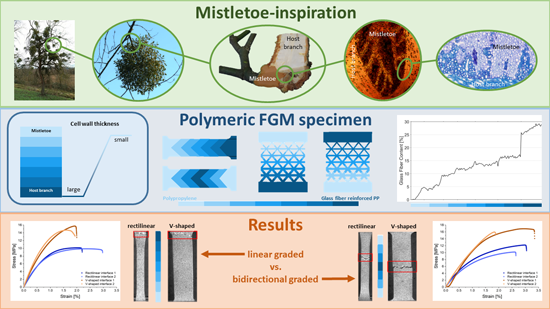
- [32], gyroid cellular sandwich structures [33], composites with functionally graded fibers for mechanical reinforcement [34], radially graded metamaterials [35], and 3D-printed specimens with stepwise and continuous transitions [36][37]. In addition to the mostly rectilinear gradients, Saldívar and
- segmentation based on a threshold that differentiated between the pixel brightness of the glass fibers and the PP resulted in the fiber pixel area (Af). The fiber content of each cross-sectional image was calculated as the ratio between Af and At, and the values of the cross sections of each cut specimen were
- 4A shows representative cross-sectional μCT images for each scan. The relatively small difference in brightness between the PP matrix (dark grey) and the surrounding air (black) compared to the very bright appearing glass fibers can be explained by the large difference in density between the polymer


Photocatalytic degradation of ofloxacin in water assisted by TiO2 nanowires on carbon cloth: contributions of H2O2 addition and substrate absorbability
Beilstein J. Nanotechnol. 2025, 16, 1567–1579, doi:10.3762/bjnano.16.111
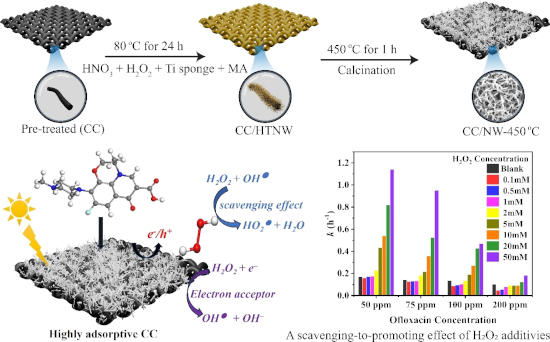
- and O are homogeneously distributed over the carbon cloth fibers, supporting the uniform and successful growth of TiO2 nanowires. The successful formation of TiO2 nanowires is further confirmed by TEM analysis. As shown in Figure 1e,f, the CC/NW-450 °C sample displays a distinct net-like network of


The role of biochar in combating microplastic pollution: a bibliometric analysis in environmental contexts
Beilstein J. Nanotechnol. 2025, 16, 1401–1416, doi:10.3762/bjnano.16.102
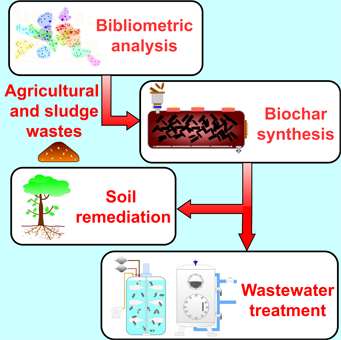
- aquatic systems, reinforcing the importance of targeted remediation approaches. To address MP contamination, various adsorbent materials have been investigated. Granular activated carbon at a concentration of 1.5 g/L has demonstrated adsorption efficiencies of up to 90% for MP fragments and fibers



Synthesis and antibacterial properties of nanosilver-modified cellulose triacetate membranes for seawater desalination
Beilstein J. Nanotechnol. 2025, 16, 1380–1391, doi:10.3762/bjnano.16.100
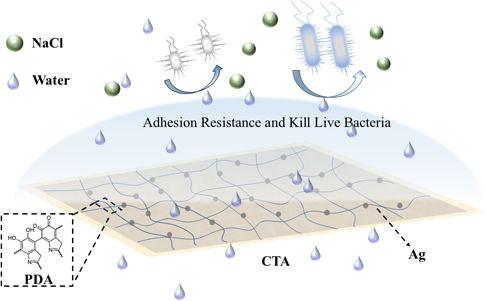
- fibers boast exceptional hydrophilicity, facile film-forming ability, high salt retention rate, cost effectiveness, environmental friendliness, and resistance to chlorine; making it a promising material for water desalination [25][26][27]. However, CTA is susceptible to erosion and degradation by


Hydrogels and nanogels: effectiveness in dermal applications
Beilstein J. Nanotechnol. 2025, 16, 1216–1233, doi:10.3762/bjnano.16.90
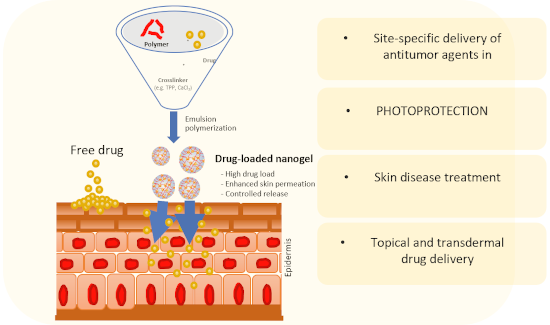
- phenytoin showed drug release improvement, skin adherence, and increased content of both collagen fibers and fibroblasts in the wound tissue during the healing process in rats [40]. Liang et al., (2019) developed hydrogels composed of gelatin-grafted dopamine/chitosan/polydopamine-coated carbon nanotubes


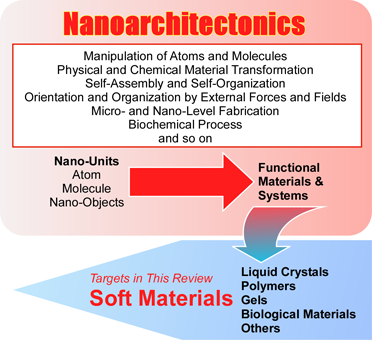
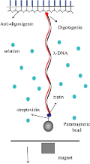
Soft materials nanoarchitectonics: liquid crystals, polymers, gels, biomaterials, and others
Beilstein J. Nanotechnol. 2025, 16, 1025–1067, doi:10.3762/bjnano.16.77






Synchrotron X-ray photoelectron spectroscopy study of sodium adsorption on vertically arranged MoS2 layers coated with pyrolytic carbon
Beilstein J. Nanotechnol. 2025, 16, 847–859, doi:10.3762/bjnano.16.64
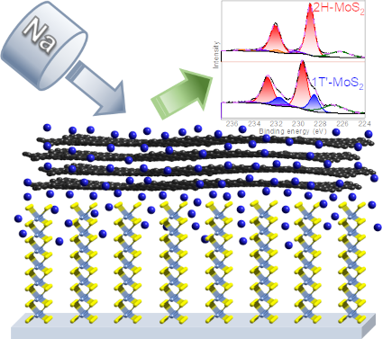
- structural stability of the material [22][23][24]. The orientation of the carbon component in the hybrid can also affect the electrochemical processes. For example, interlayer-expanded MoS2 nanosheets vertically anchored on graphene film and carbon fibers showed a good rate performance in SIBs [25][26]. It


Polyurethane/silk fibroin-based electrospun membranes for wound healing and skin substitute applications
Beilstein J. Nanotechnol. 2025, 16, 591–612, doi:10.3762/bjnano.16.46
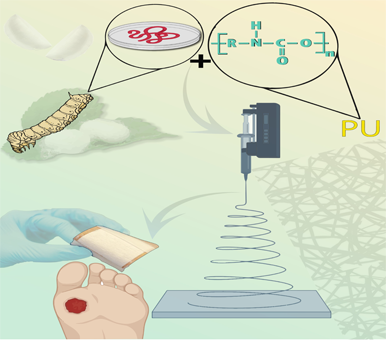
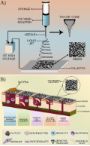
- versatile and provides the best control over fiber morphology and structure [10]. Electrospinning is a straightforward and adaptable technique that can be used to directly spin polymeric solutions into nanofibers that are at least 100 times thinner than fibers created using more conventional techniques [11
- melts into continuous fibers with nano/microscale diameters [52]. It is one of the most extensively used methods for continuous fiber preparation nowadays, which works by using electrostatic forces to produce and stretch fibers from a polymer solution [53]. Typically, a polymer solution is passed
- electrospun polymer fibers is affected by electric field intensity, solution viscosity, charge density of the solution, and solution supply rate [56]. The size of the fibers also affects the performance of electrospun nanofiber composites [57]. Numerous polymers and precursors including polylactic acid, PU



Feasibility analysis of carbon nanofiber synthesis and morphology control using a LPG premixed flame
Beilstein J. Nanotechnol. 2025, 16, 581–590, doi:10.3762/bjnano.16.45
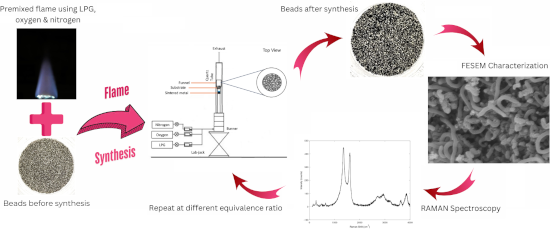
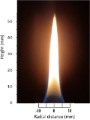
- . The temperature was kept below 700 °C, and the efficiency of conversion of carbon precursors into fibers found was 70%. The diameter found was approximately 100 nm, and the TEM and SEM characterization revealed the morphology and the internal structures of the fibers [19]. Ruiz-Cornejo et al



Development of a mucoadhesive drug delivery system and its interaction with gastric cells
Beilstein J. Nanotechnol. 2025, 16, 371–384, doi:10.3762/bjnano.16.28

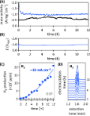
- obtained in our study here fits into the diffusion rates obtained in the literature. The moderate diffusion might be additionally explained by the entrapment of nanoparticles into the mucus, either through their mucoadhesion capability, or through the collapse of mucus fibers into bundles around the


Pulsed laser in liquid grafting of gold nanoparticle–carbon support composites
Beilstein J. Nanotechnol. 2025, 16, 349–361, doi:10.3762/bjnano.16.26
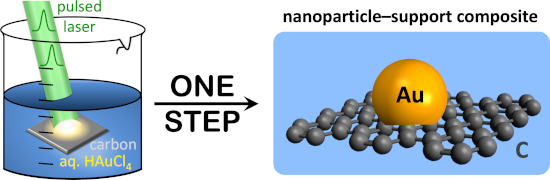
- fibers, taking advantage of the high internal surface area of carbon fiber paper. The pulsed laser-grafted composites exhibited zero measurable charge transfer resistance between gold nanoparticles and the carbon support, leading to superior cathode performance over conventionally prepared electrodes for
- and creating a high density of graphitic edges on the surfaces of carbon fibers [22]. Our process provides a carbon support material with retained porosity that does not slow mass transport in electrode processes [22], with a high surface area of carbon of 468 cm2 per geometric cm2 [23], derived from
- on the carbon fibers and penetrated into the three-dimensional network of the carbon fibers (Figure 2B), thus taking full advantage of the high internal surface area of carbon fiber paper. The gold nanoparticles were grafted at internal carbon fiber paper surfaces, as expected with laser light


Enhancing mechanical properties of chitosan/PVA electrospun nanofibers: a comprehensive review
Beilstein J. Nanotechnol. 2025, 16, 286–307, doi:10.3762/bjnano.16.22

- recent years, electrospinning has attracted significant attention from scientists because of its easy process [1]. Electrospinning can fabricate polymeric fibers ranging from the micro- to the nanoscale [2]. It is an easy, simple, and low-cost technique that does not require heat, an important factor for
- ]. Additionally, PVA contributes to reducing the crystallinity of the chitosan structure [19]. Because of their unique and exceptional properties, nanofibrous membranes have become prominent materials for a wide range of applications [20]. Throughout their time of use, electrospun fibers are exposed to
- chains in the fibers are not properly aligned, resulting in non-uniform mechanical and structural properties [23]. The incomplete crystallization of the fibers caused by the short and weak stretch process gives the fibers poor mechanical properties [24]. Last, there is the fibers’ random orientation


Recent advances in photothermal nanomaterials for ophthalmic applications
Beilstein J. Nanotechnol. 2025, 16, 195–215, doi:10.3762/bjnano.16.16
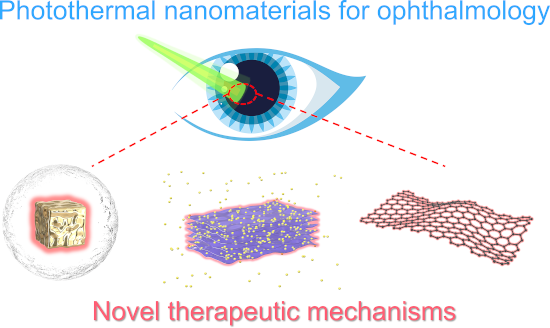
- the migration of LECs and their inflammatory response following photothermal treatment, without causing significant damage to the surrounding healthy tissues (Figure 3f). 3.3 Vitreous turbidity The vitreous is a highly hydrated, transparent gel supported by a network of long and thin collagen fibers
- [118]. Factors such as aging, myopia, or diabetes can lead to the liquefaction of this vitreous gel and the accumulation of collagen fibers, resulting in turbidity that casts shadows on the retina, manifesting as floaters in a patient’s field of vision (Figure 4a) [119][120]. Vitreous opacity can
- ablate the injected collagen opacities [122]. Cationic carbon quantum dots, known for their robust light absorption across a broad spectrum of wavelengths, have also been proven effective in breaking down collagen fibers and vitreous opacities through the VNBs generated by low-flux pulsed lasers [69][123





