Search results
Search for "field emission" in Full Text gives 303 result(s) in Beilstein Journal of Nanotechnology. Showing first 200.
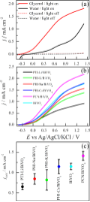
Glycerol photoelectrochemical oxidation reaction at carbon nitrides/BiVO4 materials
Beilstein J. Nanotechnol. 2026, 17, 806–817, doi:10.3762/bjnano.17.57
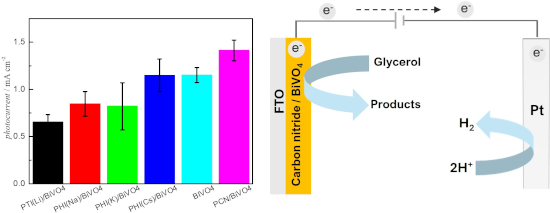
- acquired from 10° to 80° at a rate of 2°·min−1 with a step size of 0.02°. Morphological features and elemental composition were determined by field-emission scanning electron microscopy (FEG-SEM; Zeiss Supra35) coupled with energy-dispersive X-ray spectroscopy (EDS), operating at 15 kV. Optical properties




Oxidative atmosphere-driven formation of single-phase spinel CuRh2O4 nanofibers for alkaline water oxidation
Beilstein J. Nanotechnol. 2026, 17, 737–743, doi:10.3762/bjnano.17.50
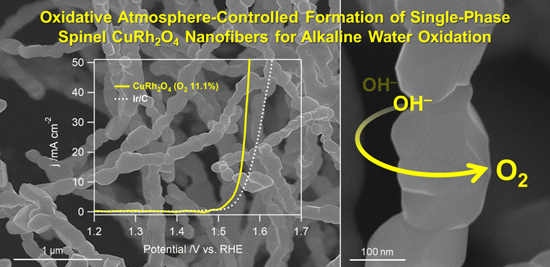
- characterization Morphology and elemental composition of the synthesized nanomaterials were examined using field-emission scanning electron microscopy (FE-SEM; JEOL JSM-6700F) and high-resolution transmission electron microscopy (HRTEM; JEOL JEM-2100F). Surface chemical states and crystallographic structures were




Two-step laser synthesis of Ag@TiO2 nanomaterials for the photocatalytic degradation of rhodamine B
Beilstein J. Nanotechnol. 2026, 17, 622–634, doi:10.3762/bjnano.17.43
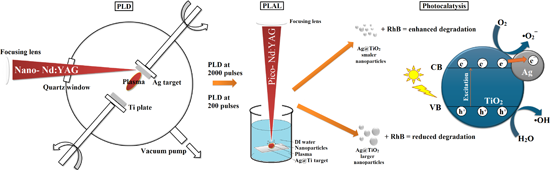
- , Detroit, MI, USA) over the wavelength range of 300–700 nm, with absorbance monitored at 550 nm. SEM analysis A field-emission scanning electron microscope (FESEM), Scios 2 DualBeam (Thermo Fisher Scientific, Waltham, MA, USA), was used to determine the morphology and chemical composition, including


Polycatecholamine nanocoatings on stainless steel: the effect on attachment of human fibroblasts and platelets
Beilstein J. Nanotechnol. 2026, 17, 365–380, doi:10.3762/bjnano.17.25
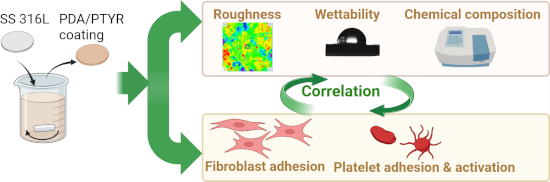
- prepared in triplicate (n = 9 measurements). The materials obtained with extreme coating times underwent for further tests, that is, PDA 10 min, PDA 24 h, PTYR 30 min, PTYR 24 h. Thickness of the coatings Microscopic imaging was performed using a Hitachi SU8230 ultrahigh-resolution field-emission scanning
- coatings’ surfaces were sputter-coated with a 10 nm layer of AuPd and visualized with an ultrahigh-resolution field-emission scanning electron microscope Hitachi SU8230 (Hitachi High-Technologies Corporation, Japan, magnification 5 000×). The imaging was done before washing and then after 1, 7, 14, and 28
- field-emission scanning electron microscope Hitachi SU8230 (Hitachi High-Technologies Corporation, Japan) at 4500× magnification. Before the visualization, materials were sputter-coated with a 10 nm layer of AuPd. Platelets were then counted per FOV. The activation levels were determined as mild/no




Interconnection morphology effects on the radio frequency response of carbon nanotube sponges
Beilstein J. Nanotechnol. 2026, 17, 343–351, doi:10.3762/bjnano.17.23
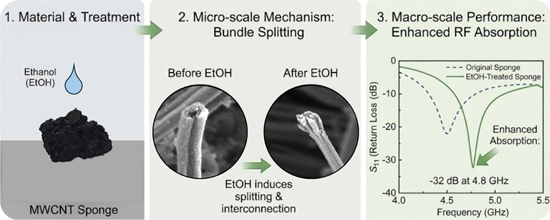
- with 5 μL of ethanol (97.7–98.5% v/v, purity > 99.9%, Sigma-Aldrich Co.) and then acquiring the response every 2 min. A field-emission scanning electron microscope Carl Zeiss Sigma 300 was used to collect images directly on the CNS samples and on the MWCNT films. Micro-Raman analysis was performed



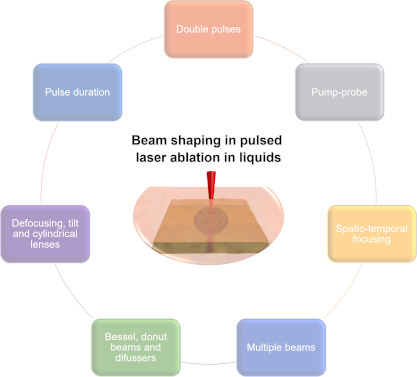
Beam shaping techniques for pulsed laser ablation in liquids: Unlocking tunable control of nanoparticle synthesis in liquids
Beilstein J. Nanotechnol. 2026, 17, 309–342, doi:10.3762/bjnano.17.22


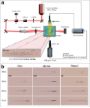

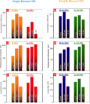


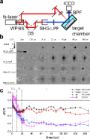


Advancing nanolithography: a comprehensive review of materials for local anodic oxidation with AFM
Beilstein J. Nanotechnol. 2026, 17, 275–291, doi:10.3762/bjnano.17.19
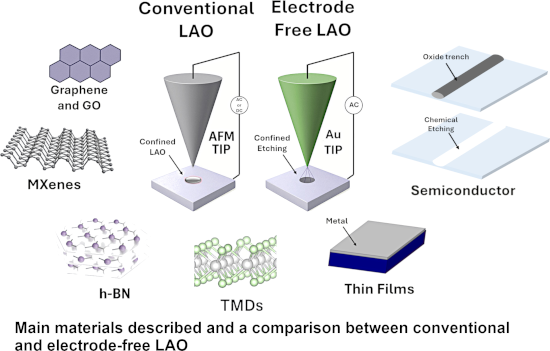
- , typically achieves 1–100 mm2·h−1 for high-resolution writing [54][55]. Table 1 incorporates t-SPL, field-emission lithography (FEL), and EBL to provide reference benchmarks against which the capabilities of LAO can be evaluated. t-SPL is the fastest tip-based method, using a heated cantilever to induce
- via a top electrode. By regulating current peaks and operating within a controlled field-emission regime, this method suppresses uncontrolled oxidation and minimizes the formation of line defects. The findings suggest broader applicability of such techniques to other tellurium-containing TMDs


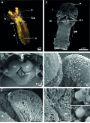
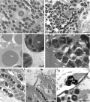
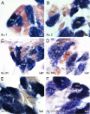
The cement of the tube-dwelling polychaete Sabellaria alveolata: a complex composite adhesive material
Beilstein J. Nanotechnol. 2025, 16, 1998–2014, doi:10.3762/bjnano.16.138
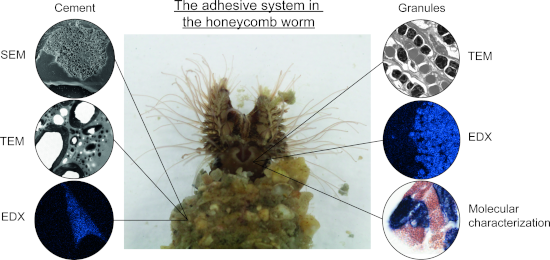
- –palladium in a sputter-coater and observed using a JEOL JSM-7200F field-emission scanning electron microscope. To observe the organization of natural tubes, air-dried tube fragments were placed vertically in 2.5 cm cylindrical brass molds, and embedded with petrographic epoxy resin (Hillquist inc., USA



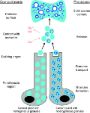
Further insights into the thermodynamics of linear carbon chains for temperatures ranging from 13 to 300 K
Beilstein J. Nanotechnol. 2025, 16, 1818–1825, doi:10.3762/bjnano.16.125
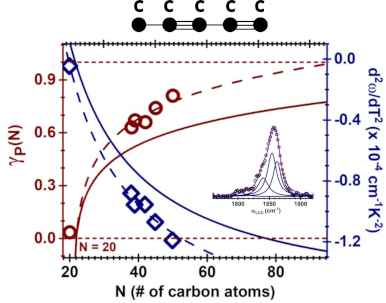
- interactions, and that mutual interactions between chain-like structures and their hosts are second-order effects [61][62][63][64][65]. Sulfur chains inside SWCNT have also demonstrated enhanced field-emission properties and outstanding gas-sensing properties [66][67], which once again corroborate the idea


![[Graphic 23]](/bjnano/content/inline/2190-4286-16-125-i25.svg?max-width=637&scale=1.18182)
Venom-loaded cationic-functionalized poly(lactic acid) nanoparticles for serum production against Tityus serrulatus scorpion
Beilstein J. Nanotechnol. 2025, 16, 1633–1643, doi:10.3762/bjnano.16.115
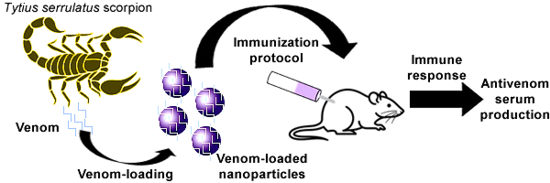
- corroborates the high encapsulation efficiency obtained by the BCA assay. Field emission gun scanning electron microscopy and atomic force microscopy analyses Field emission gun scanning electron microscopy (FEGSEM) and atomic force microscopy (AFM) analyses were realized to access shape and surface features
- . serrulatus venom protein-loaded PLA nanoparticles at 1.0% (NPs + Tsv 1.0%). MM: molecular mass marker. Gel stained with Coomassie brilliant blue R-250. 2D and 3D atomic force microscopy and field emission gun scanning electron microscopy images, respectively, of formulations of Tityus serrulatus venom-loaded


Photocatalytic degradation of ofloxacin in water assisted by TiO2 nanowires on carbon cloth: contributions of H2O2 addition and substrate absorbability
Beilstein J. Nanotechnol. 2025, 16, 1567–1579, doi:10.3762/bjnano.16.111
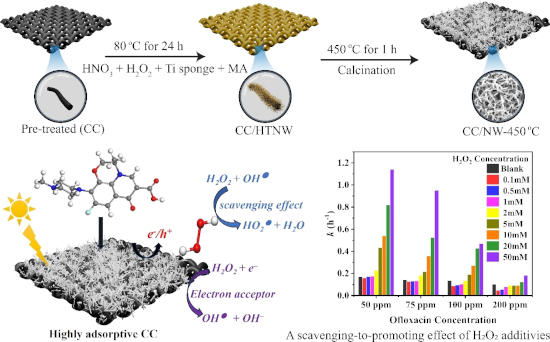
- drying. The P25 loading was ca. 50.0 mg (≈1.0 mg/cm2), nearly the same as that of the TiO2 nanowires on carbon cloth. Characterizations The morphologies were analyzed using field-emission scanning electron microscopy (FESEM, Zeiss Germany Sigma 300) and high-resolution transmission electron microscopy


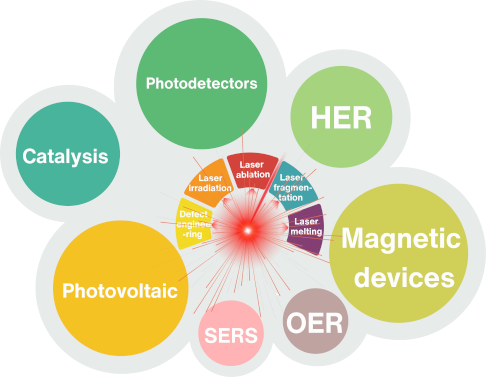
Laser processing in liquids: insights into nanocolloid generation and thin film integration for energy, photonic, and sensing applications
Beilstein J. Nanotechnol. 2025, 16, 1428–1498, doi:10.3762/bjnano.16.104
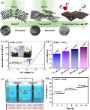
- thin films was analyzed using field-emission scanning electron microscopy (FESEM). Both sets of films exhibited a porous surface with layered structures. However, thin films made from SnS nanocolloids in DMF showed more compact NPs compared to those in IPA. This difference was attributed to the higher






Photochemical synthesis of silver nanoprisms via green LED irradiation and evaluation of SERS activity
Beilstein J. Nanotechnol. 2025, 16, 1417–1427, doi:10.3762/bjnano.16.103
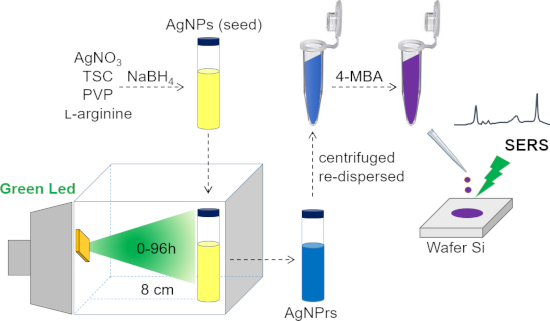
- ± 20 nm) for various periods of time up to 72 h. The growth mechanism was investigated through ultraviolet–visible spectroscopy, field-emission scanning electron microscopy, X-ray diffraction, and transmission electron microscopy analyses, confirming the gradual transformation of spherical seeds into
- nm. Samples were diluted tenfold with deionized water prior to measurement. To determine the morphology, particle size of the synthesized nanostructures, the samples were analyzed using field-emission scanning electron microscopy (FESEM, Hitachi S-4800, Japan) and transmission electron microscopy


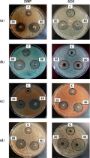
Synthesis and antibacterial properties of nanosilver-modified cellulose triacetate membranes for seawater desalination
Beilstein J. Nanotechnol. 2025, 16, 1380–1391, doi:10.3762/bjnano.16.100
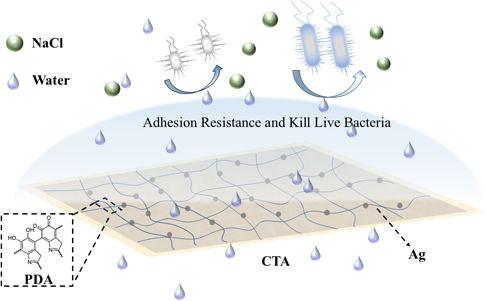
- . Bruker AV400 and VARIAN 300 NMR spectrometers were used to collect 13C NMR spectra at 298 K. CDCl3 solvent was used as internal standard in 13C NMR experiment (δ 77.00 ppm). A Scienta ESCA200 apparatus was used to record XPS spectra. The morphology of the membrane was monitored using a field-emission SEM


Enhancing the photoelectrochemical performance of BiOI-derived BiVO4 films by controlled-intensity current electrodeposition
Beilstein J. Nanotechnol. 2025, 16, 1289–1301, doi:10.3762/bjnano.16.94
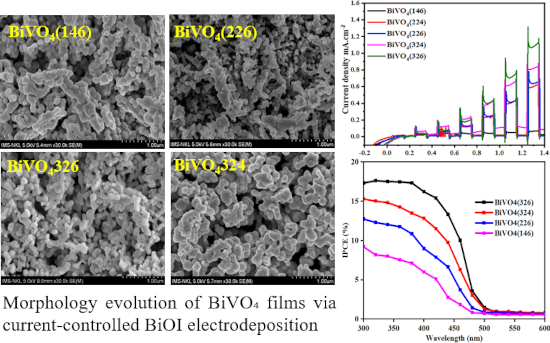
- ) was employed to determine the chemical states of each photoanode. All photoanode morphologies were examined using field-emission transmission electron microscopy (FESEM, Hitachi SU8010). Photoelectrochemical measurements PEC experiments were performed in a conventional three-electrode cell using an
- sizes, indicating an improved crystalline quality. BiVO4(326) exhibited the largest average crystallite size (≈40 nm), consistent with the enhanced PEC performance and reduced lattice strain observed in the Raman analysis. Morphological characterization (FESEM) Field-emission scanning electron



Time-resolved probing of laser-induced nanostructuring processes in liquids
Beilstein J. Nanotechnol. 2025, 16, 968–1002, doi:10.3762/bjnano.16.74


Ar+ implantation-induced tailoring of RF-sputtered ZnO films: structural, morphological, and optical properties
Beilstein J. Nanotechnol. 2025, 16, 872–886, doi:10.3762/bjnano.16.66
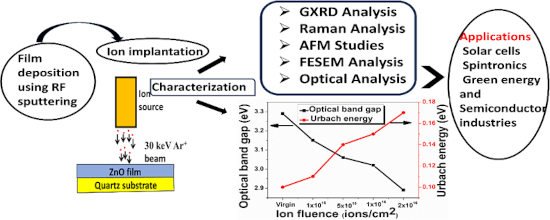
- studied using field-emission scanning electron microscopy (FESEM) along with energy dispersive X-ray spectroscopy (EDS). Cross-sectional images are also obtained to evaluate the thickness of ZnO film. The optical properties of pristine and implanted ZnO films are investigated using a Shimadzu UV–visible
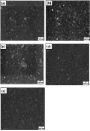
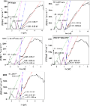
- competition between surface diffusion and ion erosion processes [34][35]. Field-emission scanning electron microscopy The surface morphology of pristine and 30 keV argon-implanted ZnO films was also studied by FESEM. Figure 8 shows the FESEM images of pristine and implanted films. To deduce the change in






Synthesis of a multicomponent cellulose-based adsorbent for tetracycline removal from aquaculture water
Beilstein J. Nanotechnol. 2025, 16, 728–739, doi:10.3762/bjnano.16.56
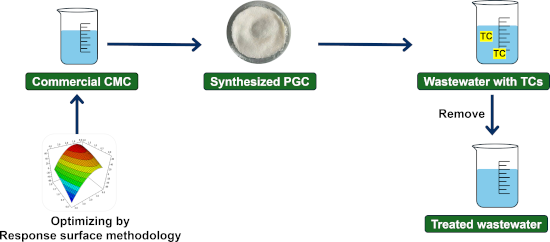
- will be applied in the synthesis of an adsorbent for TC removal from water. Material characterization FE-SEM and FTIR results Figure 2 presents comparative field-emission SEM (FE-SEM) images and FTIR spectra of commercial CMC and PGC. Notably, the FE-SEM analysis of PGC (Figure 2d–f) reveals
- Field-emission SEM analysis was performed using a Merlin Compact instrument (Carl Zeiss, Jena, Germany) with an SE2 detector. The sample was mounted on a clean silicon wafer and coated with a nanoscale platinum layer using an ion sputter coater (Q150T Plus, Quorum Technologies, UK). EDX analysis was


Feasibility analysis of carbon nanofiber synthesis and morphology control using a LPG premixed flame
Beilstein J. Nanotechnol. 2025, 16, 581–590, doi:10.3762/bjnano.16.45
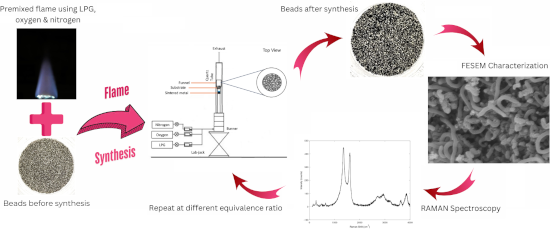
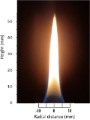
- placement of the thermocouple within the flame, a two-axis positioning system was employed with an Arduino-based control unit. The positioning system has 1 mm accuracy with x- and y-axis traverse ranges of 100 and 200 mm, respectively. The grown CNFs were characterized by field-emission scanning electron



Electron beam-based direct writing of nanostructures using a palladium β-ketoesterate complex
Beilstein J. Nanotechnol. 2025, 16, 530–539, doi:10.3762/bjnano.16.41
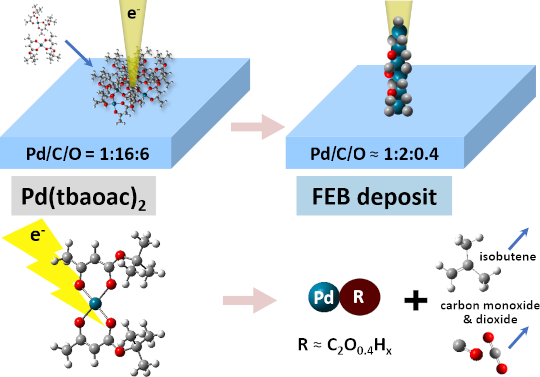
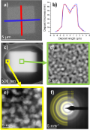
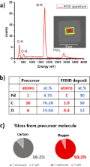
- conducted with a field-emission gun and an electron energy of 1 keV. This lower electron energy increases the dissociation cross section and leads to greater heating of the deposit due to more energy deposited per unit trajectory length and, consequently, the small excitation volume where all the beam


Performance optimization of a microwave-coupled plasma-based ultralow-energy ECR ion source for silicon nanostructuring
Beilstein J. Nanotechnol. 2025, 16, 484–494, doi:10.3762/bjnano.16.37

- nanopatterning and nanoscale functionalization have garnered significant interest, owing to their broad applications in DNA origami [10], tuning of wettability [11] and electrical and magnetic anisotropy [12][13], isolated dot formation [1], nanoscale plasmonic arrays [14], and field emission [15]. Thus, ion


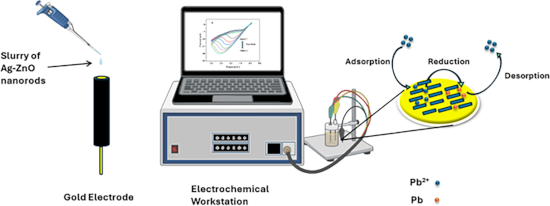
Quantification of lead through rod-shaped silver-doped zinc oxide nanoparticles using an electrochemical approach
Beilstein J. Nanotechnol. 2025, 16, 422–434, doi:10.3762/bjnano.16.33
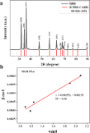
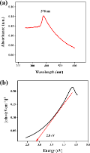
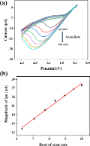
- Scherrer method. This difference is proportional to the strain value [17]. Field-emission scanning electron microscopy of Ag@ZnO nanorods The general morphological characteristics of the as-obtained nanorods were analyzed by electron microscopy. Figure 2a depicts the typical field-emission scanning





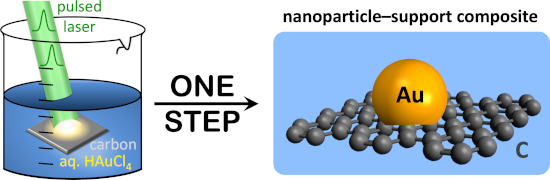
Pulsed laser in liquid grafting of gold nanoparticle–carbon support composites
Beilstein J. Nanotechnol. 2025, 16, 349–361, doi:10.3762/bjnano.16.26
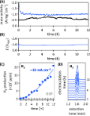
- scanning electron microscope with a Schottky field-emission emitter was operated at 20.00 kV with a working distance of 4.9 mm. Energy-dispersive X-ray (EDX) spectroscopy data were collected using an SEM-integrated EDAX Octane elect plus spectrometer with a with silicon drift detector. Double sided carbon


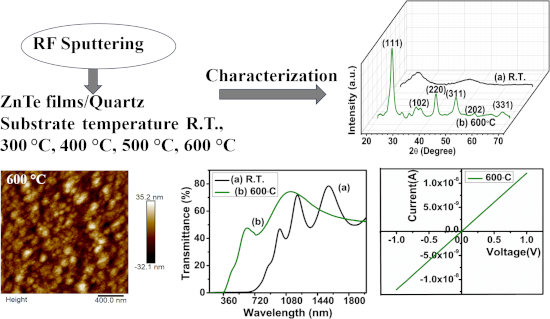
Tailoring of physical properties of RF-sputtered ZnTe films: role of substrate temperature
Beilstein J. Nanotechnol. 2025, 16, 333–348, doi:10.3762/bjnano.16.25
- obtained micrographs were then analysed regarding various statistical parameters such as roughness, skewness, kurtosis, and power spectral density using the NanoScope Analysis software. Surface morphology and composition of the films were studied by field-emission scanning electron microscopy attached with




Graphene oxide–chloroquine conjugate induces DNA damage in A549 lung cancer cells through autophagy modulation
Beilstein J. Nanotechnol. 2025, 16, 316–332, doi:10.3762/bjnano.16.24
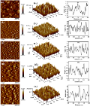
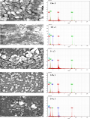
- -resolution transmission electron microscope (Technai G2 F30 STWIN, Japan), field emission scanning electron microscope (FEI, Quanta FEG 450, USA), and atomic force microscope (Nanoscope, Veeco V, USA) [28][29][30]. Cell culture A549 cells from the American Type Culture Collection (ATCC, Manassas, VA, USA
- nanoconjugates. The observed data with relative % are shown in Supporting Information File 1, Table S1. The morphological analysis of GO was carried out using field-emission scanning electron microscopy (FESEM) and high-resolution transmission electron microscopy (HRTEM). In Supporting Information File 1, Figure