Search results
Search for "gas sensing" in Full Text gives 82 result(s) in Beilstein Journal of Nanotechnology.
Influence of an external electric field on the catalytic CO oxidation of nanoscaled CeO2 and its La3+ and Gd3+ congeners
Beilstein J. Nanotechnol. 2026, 17, 1028–1038, doi:10.3762/bjnano.17.70
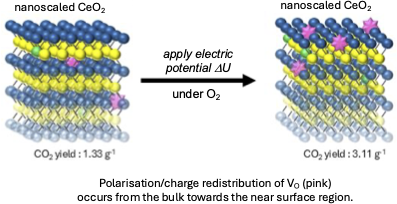
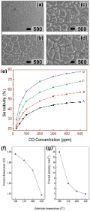
- the efficiency of CO oxidation [1]. The potential applicability of CeO2 in this reaction as well as in photocatalysis, gas sensing, solar cells, electrocatalysis, and as ultraviolet absorbent has been investigated extensively [2]. CeO2 crystallizes in the fluorite crystal structure in which each Ce4


Environmental applications of silver nanoparticles: state-of-the-art review and emerging trends
Beilstein J. Nanotechnol. 2026, 17, 697–736, doi:10.3762/bjnano.17.49
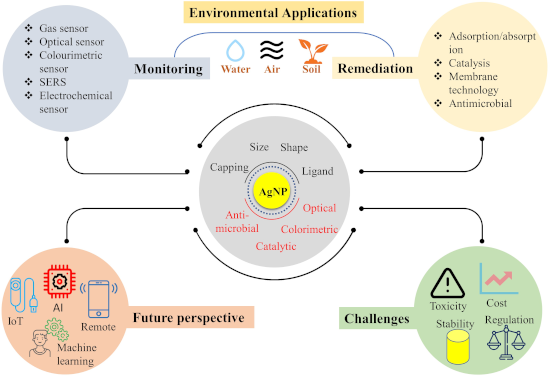
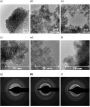
- five transduction modalities, including colourimetric/UV–vis LSPR, SERS, electrochemical, fluorometric, and gas sensing, covering a broad range of analytes considered as environmental pollutants. Key challenges, including nanoparticle aggregation, long-term colloidal instability, synthesis


Ultrathin water layers on mannosylated gold nanoparticles
Beilstein J. Nanotechnol. 2025, 16, 2183–2198, doi:10.3762/bjnano.16.151
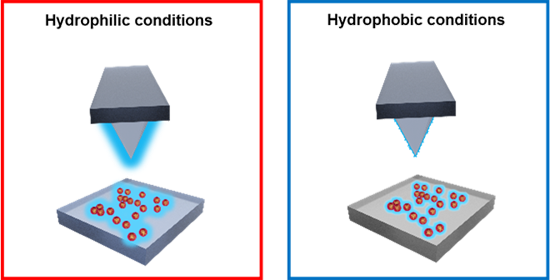
- dimannose groups. The increased water adsorption of dimanno-AuNPs, compared to the well-studied PEG AuNPs, makes them candidates for gas sensing applications. Sensors are usually kept dry and then become hydrated in standard environments. Whenever dry conditions are problematic, our study suggests testing



Further insights into the thermodynamics of linear carbon chains for temperatures ranging from 13 to 300 K
Beilstein J. Nanotechnol. 2025, 16, 1818–1825, doi:10.3762/bjnano.16.125
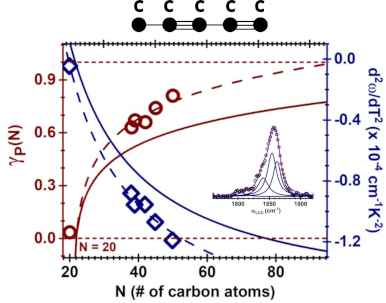
- interactions, and that mutual interactions between chain-like structures and their hosts are second-order effects [61][62][63][64][65]. Sulfur chains inside SWCNT have also demonstrated enhanced field-emission properties and outstanding gas-sensing properties [66][67], which once again corroborate the idea


![[Graphic 23]](/bjnano/content/inline/2190-4286-16-125-i25.svg?max-width=637&scale=1.18182)
Electronic and optical properties of chloropicrin adsorbed ZnS nanotubes: first principle analysis
Beilstein J. Nanotechnol. 2025, 16, 1184–1196, doi:10.3762/bjnano.16.87
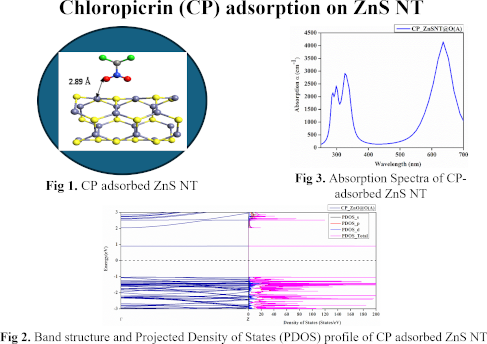
- for applications ranging from ultraviolet light-emitting diodes and injection lasers to flat-panel displays and sensors [15][16][17][18][19]. ZnS, a promising transition metal chalcogenide with a wide bandgap of approximately 3.7 eV, has shown remarkable potential in gas sensing applications
- ][30][31][32][33][34][35]. ZnS NTs are well-suited for gas sensing applications owing to their unique features. These include a high surface area for enhanced gas adsorption, semiconducting properties that enable measurable conductivity changes in the presence of target gases, and their ability to form
- and selectivity for specific gases [36]. These attributes make ZnS NTs highly attractive for diverse applications, including detecting volatile organic compounds, choking and pulmonary toxicants, medical diagnostics, and developing portable and wearable gas sensing devices [18][37][38][39][40][41][42


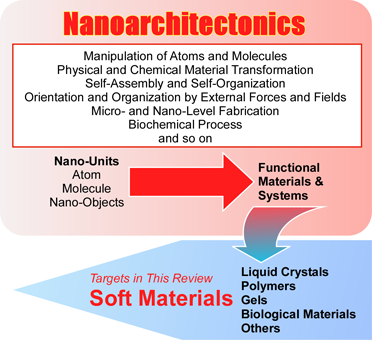
Soft materials nanoarchitectonics: liquid crystals, polymers, gels, biomaterials, and others
Beilstein J. Nanotechnol. 2025, 16, 1025–1067, doi:10.3762/bjnano.16.77






Insights into the electronic and atomic structures of cerium oxide-based ultrathin films and nanostructures using high-brilliance light sources
Beilstein J. Nanotechnol. 2025, 16, 860–871, doi:10.3762/bjnano.16.65

- field of environmental remediation [9]. The related ability of the material to easily store and release oxygen also plays a key role in energy conversion technologies, including fuel cells and batteries [10][11]. Gas sensing applications of ceria-based materials are based on the modifications of the


Retrieval of B1 phase from high-pressure B2 phase for CdO nanoparticles by electronic excitations in CdxZn1−xO composite thin films
Beilstein J. Nanotechnol. 2025, 16, 551–560, doi:10.3762/bjnano.16.43

- electromagnetic spectrum [5]. Composite semiconducting thin films have garnered significant attention as their bandgap can be lowered without compromising mobility and conductivity. Beyond optoelectronic applications, CdO–ZnO-based alloys are also employed in gas-sensing technologies [6]. In prior investigations


Modeling and simulation of carbon-nanocomposite-based gas sensors
Beilstein J. Nanotechnol. 2025, 16, 90–96, doi:10.3762/bjnano.16.9
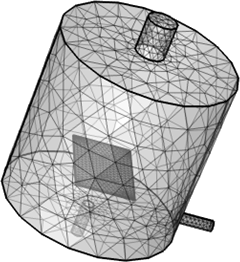
- effective, often face limitations such as poor sensitivity, slow response times, and high-power consumption. These limitations restrict their widespread use and make the development of more efficient, sensitive, and cost-effective CO gas-sensing solutions necessary. The unique properties of carbon
- composed of PEDOT:PSS/poly(p-anisidine) (PPA) to detect CO was investigated at room temperature. The gas-sensing characteristics of the developed sensors such as sensitivity, response, and recovery time were evaluated at room temperature for different CO concentrations [5]. Many research works on PEDOT:PSS



Lithium niobate on insulator: an emerging nanophotonic crystal for optimized light control
Beilstein J. Nanotechnol. 2024, 15, 1415–1426, doi:10.3762/bjnano.15.114
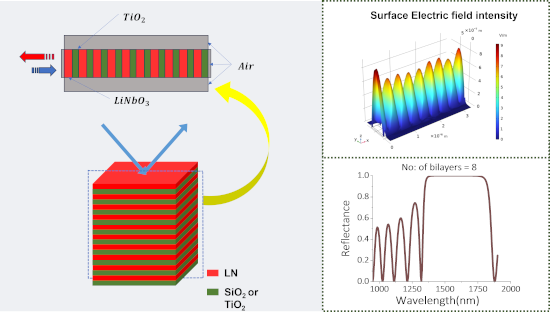
- in a laser emitting light with a precise, pure wavelength and high stability [48]. Yu et al. demonstrated a tunable InGaAs quantum well DBR laser which provides a larger tuning range, single-longitudinal-mode operation, and narrow spectral linewidth, finding it suitable for multiple gas-sensing


Various CVD-grown ZnO nanostructures for nanodevices and interdisciplinary applications
Beilstein J. Nanotechnol. 2024, 15, 1390–1399, doi:10.3762/bjnano.15.112
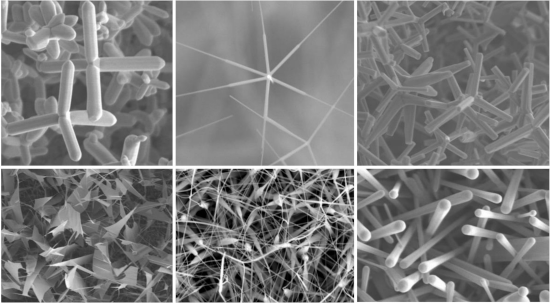
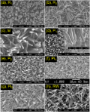
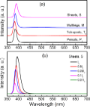
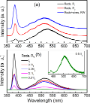
- DMSs, these nanostructures will be beneficial to the development of new ZnO-based materials for photocatalytic [25], biomedical [26], gas sensing [27][28], and flexible electronic/optoelectronic applications [29][30]. They are usually fabricated by chemical vapour deposition (CVD) or solid-vapour phase
- sensitive in gas-sensing applications [58][59], and can be used to tune second harmonic polaritons coupling with nanocavity modes and generating polariton cavity modes [60]. The aforementioned results indicate the variety of ZnO nanostructures as well as complex physical mechanisms occurring during their



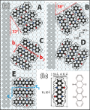
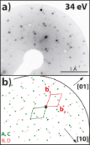
Directed growth of quinacridone chains on the vicinal Ag(35 1 1) surface
Beilstein J. Nanotechnol. 2024, 15, 556–568, doi:10.3762/bjnano.15.48
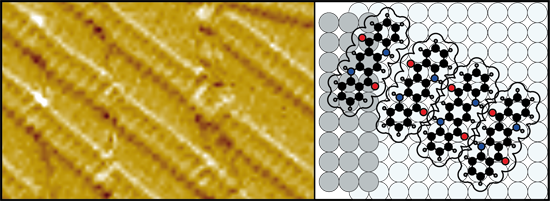
- , one-dimensional aggregates are also used for gas sensing and carbon-capturing materials [8][9]. A group of surfaces that is very appealing for the growth of 1D structures are vicinal surfaces [10] because the step edges break the rotational symmetry of the surface further and add a periodic 1D grating



Humidity-dependent electrical performance of CuO nanowire networks studied by electrochemical impedance spectroscopy
Beilstein J. Nanotechnol. 2023, 14, 683–691, doi:10.3762/bjnano.14.54
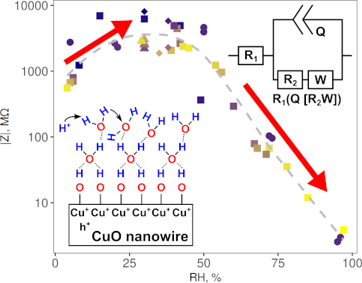
- contribution from resistance, capacitance, constant phase element, and Warburg element to the total impedance at various RH. Physical models describing the impact of chemisorption and physisorption processes are proposed to clarify the observed changes in the impedance spectra, discuss gas sensing mechanisms


A mid-infrared focusing grating coupler with a single circular arc element based on germanium on silicon
Beilstein J. Nanotechnol. 2023, 14, 478–484, doi:10.3762/bjnano.14.38
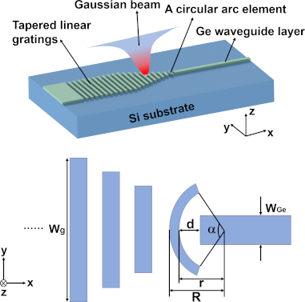
- sensors is of great significance. In 2015, Bai et al. reported a flexible healable transparent chemical gas sensing device that exhibited robust flexibility, good transparency, and reliable water-enabled healability of the gas sensing performance at room temperature [15]. Wang proposed a flexible


Enhanced electronic transport properties of Te roll-like nanostructures
Beilstein J. Nanotechnol. 2022, 13, 1284–1291, doi:10.3762/bjnano.13.106
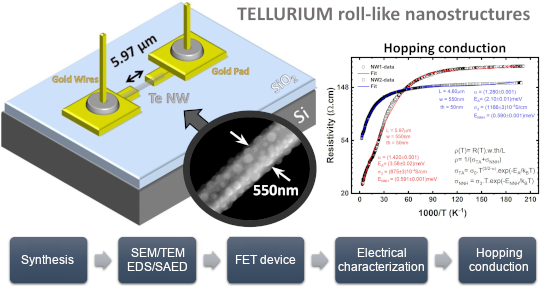
- Earth’s crust and a well-known p-type and narrow-bandgap (≈0.35 eV at room temperature) semiconductor material. Tellurium is widely used in thermoelectric devices, piezoelectric devices, photoconductive devices, gas sensing, nonlinear optical devices, solar cells, photonic crystals, holographic recording
- ) = 881 cm2/V·s) in these nanostructures. Thermoelectric devices, piezoelectric devices, photoconductive devices, gas sensing, solar cells, and field-effect transistors would have better performance if the mobility of charge carriers in the active region of the devices was greater. In addition, the low




Modeling a multiple-chain emeraldine gas sensor for NH3 and NO2 detection
Beilstein J. Nanotechnol. 2022, 13, 721–729, doi:10.3762/bjnano.13.64
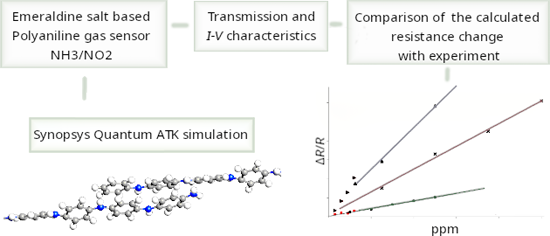
- Hana Sustkova Jan Voves Faculty of Electrical Engineering, Czech Technical University in Prague, Technicka 2, Prague 6, Czech Republic 10.3762/bjnano.13.64 Abstract This paper describes atomistic device models of a multiple-chain polyaniline (PANI) gas sensing component, utilizing the non
- it shows a resistance change when gas molecules are in the vicinity of the chain. Interesting for this application could be the detection of NH3 or NO2 [5]. Mechanism of Gas Sensing When gas molecules interact with the PANI chain, the resistance of the bulk material changes. For example, ammonia gas


A chemiresistive sensor array based on polyaniline nanocomposites and machine learning classification
Beilstein J. Nanotechnol. 2022, 13, 411–423, doi:10.3762/bjnano.13.34
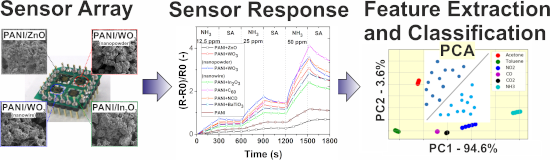
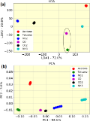
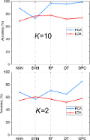
- powerful tool to address the abovementioned drawbacks is the implementation of a multisensor array combined with appropriate pattern recognition and classification tools [6]. Recently, classification in gas sensing applications has been carried out by principal component analysis to identify the difference
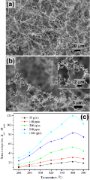
- been used for the classification of gas sensor data using a 10-fold cross-validation to reach the highest classification rate. Results and Discussion The sensors layers were investigated by scanning electron microcopy (SEM), Raman spectroscopy, current–voltage and temperature analysis, and gas sensing
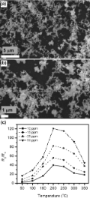
- coefficient. The resistivity of these nanocomposites depends on the p–n depletion layer width on the interface between the n-type nanoparticles and the surrounding p-type PANi molecules. Gas sensing analysis The gas sensing characterizations of sensitive layers were performed using a custom-built apparatus




Tin dioxide nanomaterial-based photocatalysts for nitrogen oxide oxidation: a review
Beilstein J. Nanotechnol. 2022, 13, 96–113, doi:10.3762/bjnano.13.7
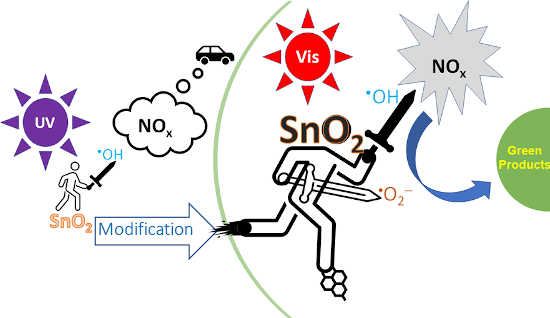
- vacancy defects (OVs) [15][16]. Therefore, SnO2 is considered a potential material in various technological fields such as catalysis, optoelectronic devices, rechargeable lithium batteries, electrocatalysis, photocatalysis, solar energy conversion, and gas sensing [17][18][19][20][21][22][23][24]. In the
- photocatalysts and a cost-effective, environmentally benign way through heat treatment in different atmospheres [39]. Combining noble metals with SnO2, such as in Au/SnO2 [78] or Pd/SnO2 [79], is an advanced approach yielding an effective performance for gas sensing. However, There is only one report by Bui et


Morphology-driven gas sensing by fabricated fractals: A review
Beilstein J. Nanotechnol. 2021, 12, 1187–1208, doi:10.3762/bjnano.12.88
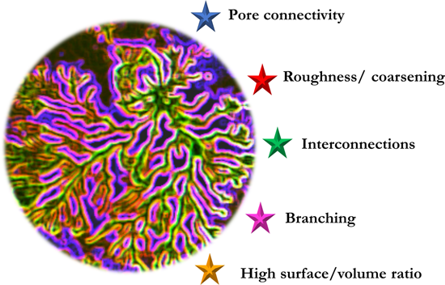
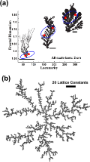
- to be possessing better gas sensing capabilities. Fab-fracs with these salient features will help in designing the commercial gas sensors with better performance. Keywords: adsorption sites; fabricated fractal; fractal dimension; gas sensor; morphology; pore network; recovery time; response time
- usage [5][6][7]. The objectives in gas sensing research are usually set to enhance the sensitivity (how the sensor responds to small changes when the gas environment around it changes), selectivity (if a sensor can still respond to a particular gas when many gases present), stability (how the sensor
- gas sensors exist [26][30][31]. Although there are numerous reviews on gas sensing [7][29][32][33][34][35][36][37][38], reviews on fabricated fractal (fab-frac)-based gas sensors have not been addressed to the best of our knowledge. In this review, diverse fractal structures used in gas sensing










A Au/CuNiCoS4/p-Si photodiode: electrical and morphological characterization
Beilstein J. Nanotechnol. 2021, 12, 984–994, doi:10.3762/bjnano.12.74
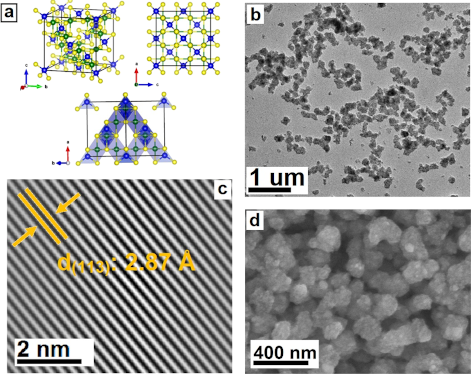
- great attention due their unique electronic, magnetic, optical, and gas sensing properties. Spinel compounds can be employed in data storage applications, lithium-ion batteries, gas sensors, and medical diagnostics [1][2]. Spinels have a cubic crystal structure with the general chemical formula AB2X4



Simulation of gas sensing with a triboelectric nanogenerator
Beilstein J. Nanotechnol. 2021, 12, 507–516, doi:10.3762/bjnano.12.41
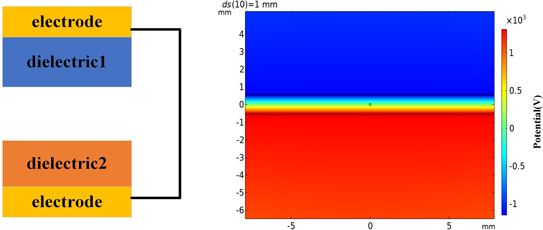
- applied for gas sensing without external power supply. In this paper, a two-dimensional model of a TENG was established, and a gas jet a rectangular cross section was added between two triboelectric materials. The TENG could generate distinguishable electrical signals according to the different types of
- gas and the different gas injection areas. This work contributes to the area of self-powered gas sensing. Keywords: gas; sensor; triboelectric nanogenerator (TENG); Introduction With economic development and social progress, there is an increasing demand for wearable [1][2][3][4], medical [5], and



Nickel nanoparticle-decorated reduced graphene oxide/WO3 nanocomposite – a promising candidate for gas sensing
Beilstein J. Nanotechnol. 2021, 12, 343–353, doi:10.3762/bjnano.12.28
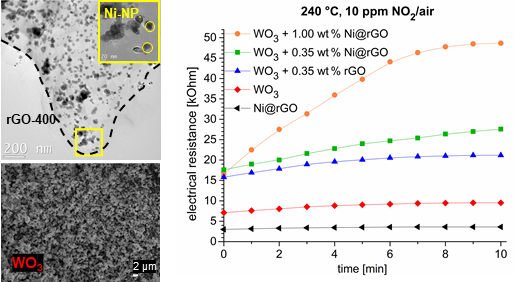
- /WO3 composite and CO gas, a response time (Tres) of 7 min and a recovery time (Trec) of 2 min was determined. Keywords: gas sensing; magnetic measurements; nickel nanoparticles; reduced graphene oxide; tungsten oxide; Introduction Toxic gases as well as volatile organic compounds (VOC) are known air
- recovery rate. Also, it should work at low cost and with low power consumption [3]. In comparison to conventional gas sensors, nanostructure-based gas sensors are more sensitive because of their increased detection area [4]. The most common mode used in gas sensing is the resistance mode, where the change
- 200 to 400 °C, which means a high power consumption [4]. WO3 is a wide-bandgap [12][13] n-type semiconductor [14][15] with good sensitivity towards NO2 [16] and CO [17]. Known successful routes to improve the MOS gas sensing performance are doping with transition metals, decoration with noble metals


Selective detection of complex gas mixtures using point contacts: concept, method and tools
Beilstein J. Nanotechnol. 2020, 11, 1631–1643, doi:10.3762/bjnano.11.146
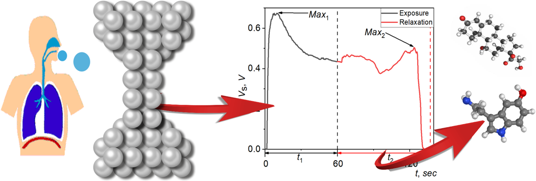
- the sensing element. A condensate film formed on the gas-sensing surface switches on the autonomous power supply of the sensing element, enabling the observation and measurement of the dynamics of resistance variation during the exposure and relaxation periods. This is due to the fact that, in the
- molecule, the molecule can be characterized by a certain energy of interaction with the gas-sensing matrix material (i.e., the adsorption energy). Any adsorption event in the Yanson point contact entails a redistribution of the electron density in the conduction channel of the point contact, the scattering


![[Graphic 4]](/bjnano/content/inline/2190-4286-11-146-i8.svg?max-width=637&scale=1.18182) in th...
in th...

![[Graphic 7]](/bjnano/content/inline/2190-4286-11-146-i11.svg?max-width=637&scale=1.18182) in the...
in the...
Gas-sensing features of nanostructured tellurium thin films
Beilstein J. Nanotechnol. 2020, 11, 1010–1018, doi:10.3762/bjnano.11.85
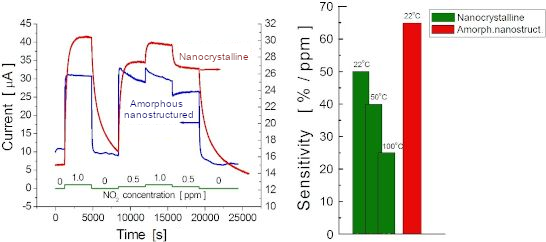
- Dumitru Tsiulyanu CIMAN Research Centre of Department of Physics, Technical University, bul. Dacia 41, MD-2060 Chisinau, Moldova 10.3762/bjnano.11.85 Abstract Nanocrystalline and amorphous nanostructured tellurium (Te) thin films were grown and their gas-sensing properties were investigated at
- were interpreted in terms of an increase in disorder (amorphization), leading to an increase in the surface chemical activity of chalcogenides, as well as an increase in the active surface area due to substrate porosity. Keywords: gas-sensing properties; NO2; tellurium thin films; nanocrystalline
- development of thin films in chemical-sensing applications, especially for toxic gas sensing. Szaro [4] pioneered the studies regarding the effects of oxygen and nitrogen, diluted in either dry or wet air, on the electrical properties of Te films. The results showed an increase in the hole concentration


Formation of nanoripples on ZnO flat substrates and nanorods by gas cluster ion bombardment
Beilstein J. Nanotechnol. 2020, 11, 383–390, doi:10.3762/bjnano.11.29
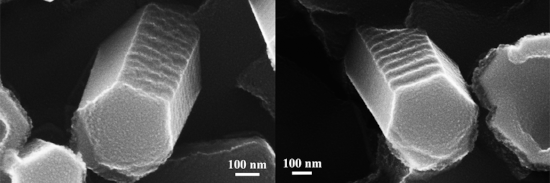
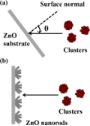
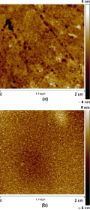
- discussed. The results obtained in this study are of interest in the application of ZnO nanostructures for, e.g., gas sensing, solar cells, or field emitters, where controlled surface morphologies are required. Experimental We have grown ZnO nanorods on Si(100) substrates (HF-Kejing Materials Technology Co