


Search results
Search for "in situ" in Full Text gives 552 result(s) in Beilstein Journal of Nanotechnology. Showing first 200.
Influence of an external electric field on the catalytic CO oxidation of nanoscaled CeO2 and its La3+ and Gd3+ congeners
Beilstein J. Nanotechnol. 2026, 17, 1028–1038, doi:10.3762/bjnano.17.70
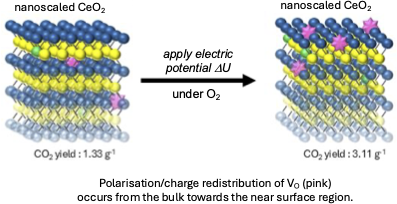
- these dopants behave differently when coupling with such low-power electrical fields. In situ FTIR studies were used to follow and monitor the influence of the electrical field by measuring the change in the final gas composition over the headspace of the sample, giving substantial information about the


Materials challenges in solid-state sensors for continuous monitoring of ions in water
Beilstein J. Nanotechnol. 2026, 17, 935–973, doi:10.3762/bjnano.17.66
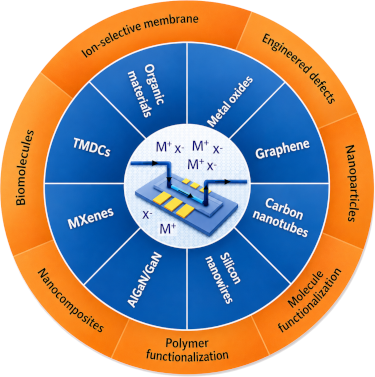
- mechanical stress. Designs must mitigate fouling and maintain performance in spite of these conditions [16]. Finally, (vii) the sensor should be suitable for in situ (on-site) measurements and operate with low power requirements to support long-term use. It should also allow for automatic data recording and
- , or changes in source water chemistry, enabling rapid management responses. Recent developments in sensing technologies have made real-time and in situ measurements of these ions increasingly feasible, advancing toward integrated, data-driven water quality management [14][25][31]. Nutrients Continuous
- enhances regulatory compliance, enables rapid response to contamination events, and supports process optimization and environmental protection in ways that intermittent grab sampling cannot [37][66] (Table 2). Device geometries To meet the increasing demand for real-time and in situ analysis, electrical



Nanocarrier strategies to overcome P-glycoprotein-mediated drug resistance in cancer therapy
Beilstein J. Nanotechnol. 2026, 17, 882–921, doi:10.3762/bjnano.17.64
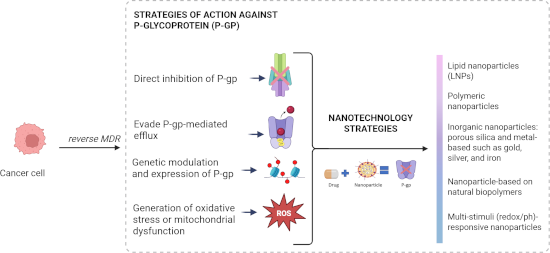
- Eligard® (a PLGA-based in situ forming implant), and Genexol-PM® (a PEG–PLA polymeric micelle for cancer treatment) are already available, many current designs still face challenges, especially in understanding biological barriers, patient response variability, and the translation of preclinical findings


He+ FIBID-fabricated 3D AFM tip architectures: an exploratory study of hollow pillars, helices, and spirals
Beilstein J. Nanotechnol. 2026, 17, 863–871, doi:10.3762/bjnano.17.62
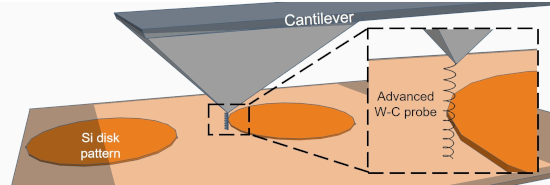
- developed, including both in situ and ex situ approaches [22][24][26][27][28][29][30][31]. While these methods can significantly improve material purity and functional properties, their application to AFM tips requires particular consideration. In tip-based applications, post-deposition treatments may alter


Tuning the electronic properties of defect-rich MoS2
Beilstein J. Nanotechnol. 2026, 17, 796–805, doi:10.3762/bjnano.17.56
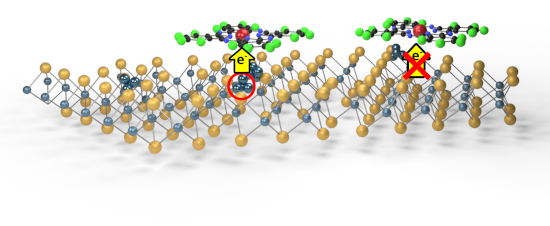
- eV, were acquired. Synthetic molybdenum disulfide crystals (2D Semiconductors, Phoenix, AZ, USA) were attached to the sample holders using silver conductive paint. To ensure cleanliness, the crystals were cleaved in situ by scotch tape. By the absence of carbon and oxygen signals in the XPS, a


Substrate-dependent pore formation in molybdenum disulfide monolayers under ion irradiation
Beilstein J. Nanotechnol. 2026, 17, 769–780, doi:10.3762/bjnano.17.54
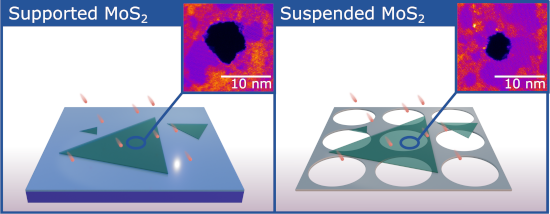
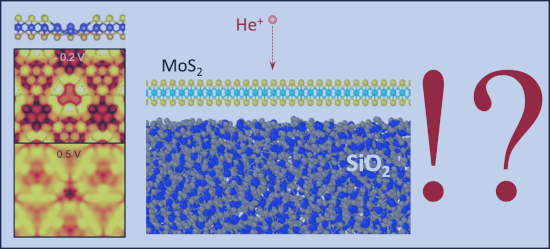
- determination of the HCI efficiency likely requires dedicated in situ experiments. Within the uncertainty of the present dataset, no clear substrate dependence of the HCI pore-formation efficiency can be resolved. For SHI irradiation, the efficiency data are less affected by these specific uncertainties


Tailoring Ag–Pt nanoalloys through solid-state dewetting: structural and optical insights
Beilstein J. Nanotechnol. 2026, 17, 748–759, doi:10.3762/bjnano.17.52

- integrated within the sputtering system allowed for in situ monitoring of film thickness. Ag–Pt nanoalloyed structures were prepared by sequential deposition of Ag and Pt thin films, as shown in Figure 10a. In this process, Pt was deposited onto Ag due to the lower chemical reactivity of platinum, which




Environmental applications of silver nanoparticles: state-of-the-art review and emerging trends
Beilstein J. Nanotechnol. 2026, 17, 697–736, doi:10.3762/bjnano.17.49


Protein-based custom-designed molecular nanotraps for biomedical applications
Beilstein J. Nanotechnol. 2026, 17, 683–687, doi:10.3762/bjnano.17.47

- recognition towards molecular targets of clinical relevance. Envisaged applications span from targeting relevant biomarkers for therapeutics, diagnostics, and in situ sensing to building high-complexity order meta-biomaterials. Keywords: bioMIPs; gelatin methacryloyl (GelMA); meta-biomaterials; molecularly

Cellulose as a photocatalyst support material: extraction, structural features, and environmental applications
Beilstein J. Nanotechnol. 2026, 17, 635–652, doi:10.3762/bjnano.17.44


Recent progress in enhancing built-in electric fields of perovskite solar cells via junction engineering
Beilstein J. Nanotechnol. 2026, 17, 602–621, doi:10.3762/bjnano.17.42
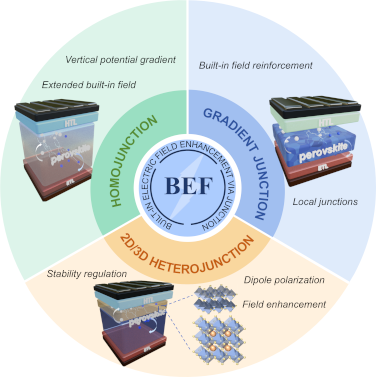
- . [35] applied an isopropanol (IPA) post-treatment on finished organic–inorganic perovskite films, which induced the in situ formation of a PbI2-rich top layer. This created an n/n+ homojunction between the weakly n-type bulk and the more n-type surface layer, generating downward band bending and an
- defect passivation [44][52]. To address these issues, Chen et al. [47] proposed a dimensional-gradient strategy, in which an ultrathin SnSe layer is in situ deposited onto the surface of a quasi-2D Pb–Sn perovskite. This strategy induces a coordinated distribution of lower-dimensional and higher
- engineering focuses on the rapid reconstruction of electrostatic and energy levels at the interface, thereby in situ enhancing and extending the BEF into the near-interface bulk region [58]. Although isolated 2D (or quasi-2D) phases exhibit excellent chemical stability and defect passivation capabilities




Impacts of annealing on structural and photophysical properties of zinc phthalocyanine adsorbed on graphene
Beilstein J. Nanotechnol. 2026, 17, 576–585, doi:10.3762/bjnano.17.39
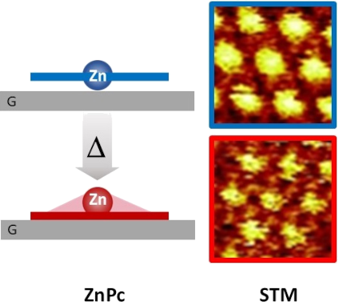
- phthalocyanine (ZnPc, Sigma-Aldrich). The host–guest monolayers were successively drop-casted from toluene solutions with ≈2:1 relative molar concentrations, respectively. The coordination with BPDI4Py was conducted in situ, on a fresh guest–host ZnPc:TSB35-C12 sample after complete solvent evaporation. A ≈8 µL


Synthesis of Cu–Mo/TiO2 and Co–Mo/TiO2 photocatalysts for the efficient degradation of organic pollutants in water
Beilstein J. Nanotechnol. 2026, 17, 559–570, doi:10.3762/bjnano.17.37
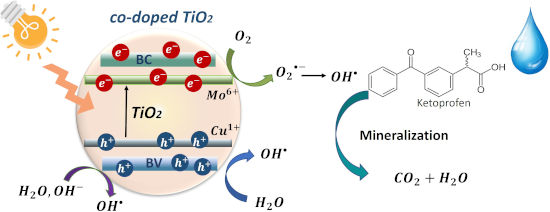
- , resulting in 53% and 47% for the anatase and rutile phases, respectively. Figure 1a also shows the diffraction pattern of the 0.5 Mo/TiO2 material, which revealed that the Mo in-situ incorporation into the TiO2 stabilizes the anatase phase. All co-doped TiO2 materials exhibit diffraction peaks corresponding
- /TiO2 shows the Co 2p3/2 and Co 2p1/2 peaks at 781.4 and 797.2 eV, respectively [31]. The in situ incorporation of molybdenum during sol–gel synthesis results in the stabilization of the anatase crystalline phase and network distortion, indicating that Mo acts as a lattice dopant. In contrast, the



Electrochemical determination of ciprofloxacin using a MIL-101/reduced graphene oxide-modified electrode
Beilstein J. Nanotechnol. 2026, 17, 541–554, doi:10.3762/bjnano.17.35
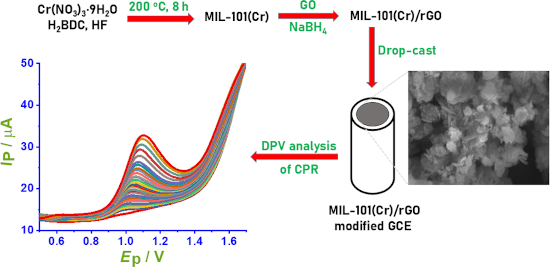
- , complex sample preparation, skilled operators, and lengthy analysis times, which restrict their use for quick or in situ testing. In contrast, electrochemical sensors have become appealing alternatives because of their inherent benefits such as simplicity, low cost, rapid response, high sensitivity, and


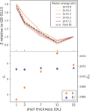
Probing internal continua and atomic ultrafast charge transfer within size-controlled nanoparticles by post-collision interaction in core-hole clock spectroscopy
Beilstein J. Nanotechnol. 2026, 17, 505–514, doi:10.3762/bjnano.17.33
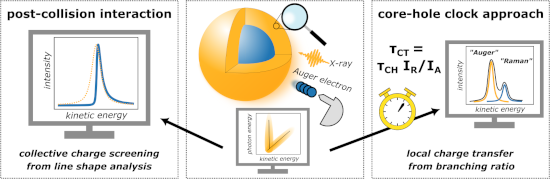
- -Zentrum Berlin für Materialien und Energie for the allocation of synchrotron radiation beamtime and Roberto Felix Duarte for assistance during the experiment. The Energy Materials In-situ Laboratory Berlin (EMIL) operated by the Helmholtz-Zentrum für Materialien und Energie GmbH (HZB) is acknowledged for



Upcycling agroindustrial waste into graphene oxide supports for gold nanoparticles: toward sustainable nanomaterials
Beilstein J. Nanotechnol. 2026, 17, 489–504, doi:10.3762/bjnano.17.32
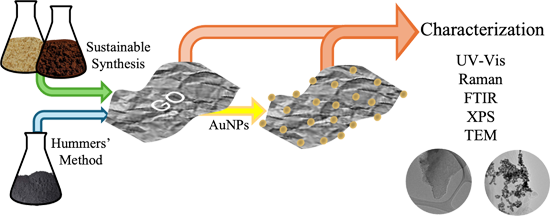
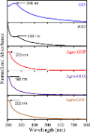
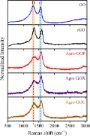
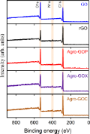
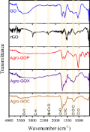
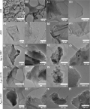
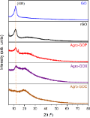
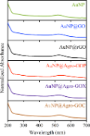
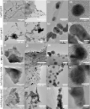
- provides clearer insight into how precursor composition and synthesis pathway govern oxygen functionality, structural disorder, and graphitic domain organization in biomass-derived GO materials. To evaluate the functional performance of the Agro-GO samples, they were employed as platforms for the in situ



Defects and defect-mediated engineering of two-dimensional materials: challenges and open questions
Beilstein J. Nanotechnol. 2026, 17, 454–488, doi:10.3762/bjnano.17.31
- chemical potential with 2D materials determines the defect concentration. Ideally, in situ measurements of defects are employed, but given the challenging atmosphere this may require optical methods, which may not have the required sensitivity to small defect concentrations. Ex situ microscopy measurements
- sub-nanometer precision, while also probing vibronic structure and photon statistics in situ. Complementary approaches, such as tip-enhanced photoluminescence, extend this toolbox by enabling nanoscale hyperspectral mapping and photon correlation without charge injection. Together, these techniques
- atmospheric conditions further broadens its applicability, making it an invaluable tool for understanding and optimizing the properties of 2D materials. Continued advancements in XPS technology, including integration with in situ/operando capabilities, microscopy, and machine learning for data analysis





Biomimetic nanoparticles in cancer photodynamic therapy: a review of targeted delivery systems and therapeutic outcomes
Beilstein J. Nanotechnol. 2026, 17, 396–422, doi:10.3762/bjnano.17.27
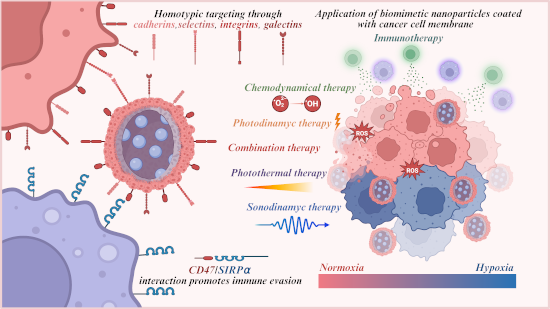
- limitation. Addressing hypoxia is essential for advancing PDT toward more reliable and potent cancer therapies. The primary strategies for alleviating tumor hypoxia can be categorized into four main approaches: (i) direct oxygen delivery to the tumor [162][163][164][165], (ii) in situ oxygen generation [166


Polycatecholamine nanocoatings on stainless steel: the effect on attachment of human fibroblasts and platelets
Beilstein J. Nanotechnol. 2026, 17, 365–380, doi:10.3762/bjnano.17.25
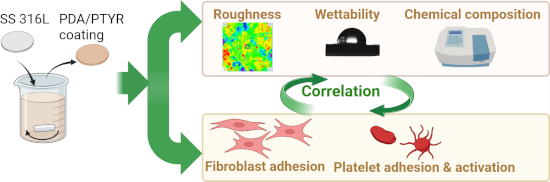
- layers on stainless steel 316L via a novel in situ oxidation process and evaluated their physicochemical properties and cellular interactions at the nano/microscale. Surface characterization revealed that the polymeric coatings formed a homogenous layer with distinct topographical features and thickness
- ) are expected to influence the catechol/quinone balance, amine content, nanostructure and, consequently, the biological and hemocompatible properties of the resulting coatings. In this study, we applied a novel in situ oxidation process to obtain nanostructured PDA and PTYR coatings on SS 316L, using a




Fast vortex dynamics and relaxation times in NbRe-based heterostructures
Beilstein J. Nanotechnol. 2026, 17, 292–302, doi:10.3762/bjnano.17.20
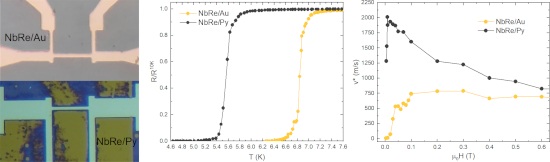
- on SiO2 substrates. The base pressure was P = 2.2 × 10⁻⁸ mbar, and the Ar pressure during the deposition was = 6.6 μbar, = 12 μbar and = 6.3 μbar. During the deposition, the film thickness was monitored in situ by a thickness monitor, which provides a real-time measurement of the growth rate. The
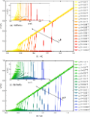


Gold nanoparticle-decorated reduced graphene oxide as a highly effective catalyst for the selective α,β-dehydrogenation of N-alkyl-4-piperidones
Beilstein J. Nanotechnol. 2026, 17, 218–238, doi:10.3762/bjnano.17.15
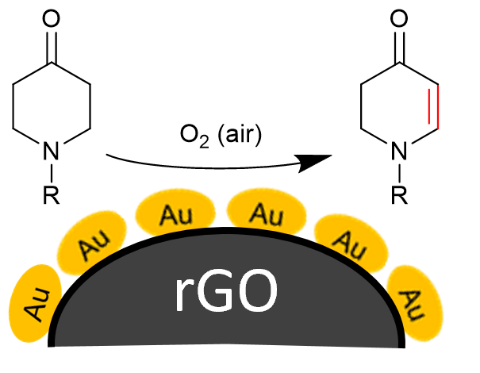
- -coated AuNPs adhere to rGO mainly through electrostatic forces rather than direct AuNP-rGO chemical bonding. As a result, these nanoparticles are more susceptible to detachment and aggregation over time, especially under catalytic conditions. In contrast, DP leads to in situ nucleation and growth of


Functional surface engineering for cultural heritage protection: the role of superhydrophobic and superoleophobic coatings – a comprehensive review
Beilstein J. Nanotechnol. 2026, 17, 63–96, doi:10.3762/bjnano.17.6
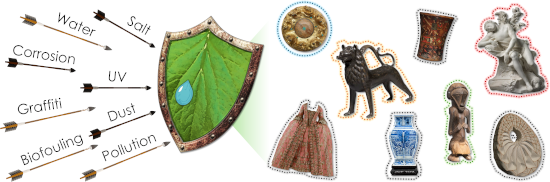
- ]. For this reason, examples of investigation of inorganic coatings are quite limited. However, Hafez et al. [61] explored nanostructured hydrophilic and self-healing hybrid coatings based on hydroxyapatite (HAp) nanocrystals and polyelectrolyte multilayers, formed in situ on Greek marble (Thassos and





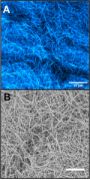
Visualizing nanostructures in supramolecular hydrogels: a correlative study using confocal and cryogenic scanning electron microscopy
Beilstein J. Nanotechnol. 2025, 16, 2274–2284, doi:10.3762/bjnano.16.156
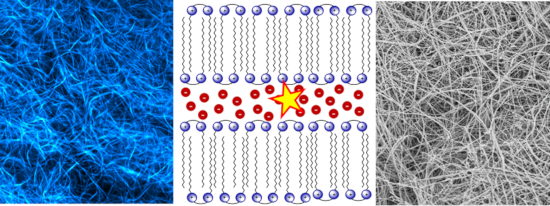
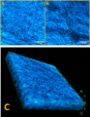
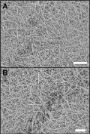
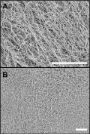
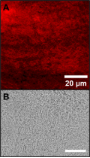
- -limited, preventing direct visualization of nanoscale features [6][8]. Confocal fluorescence microscopy addresses some of these limitations by allowing hydrogels to be imaged in situ, fully hydrated, and often in real time when a fluorophore is incorporated into the colloidal network [2][9]. Through
- material. The application of confocal microscopy, stimulated emission depletion (STED) microscopy, and conventional transmission electron microscopy (TEM) to a supramolecular peptide material has been shown to allow for sub-diffraction resolution imaging of fibre morphology in situ without covalent



Geometry-controlled engineering of the low-temperature proximity effect in normal metal–superconductor junctions
Beilstein J. Nanotechnol. 2025, 16, 2265–2273, doi:10.3762/bjnano.16.155
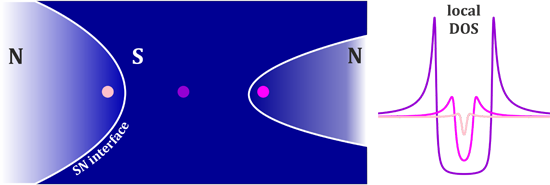
- hybrid devices by enhancing normal quasiparticle scattering at the expense of Cooper pair transport [42]. Although interface transparency can be tuned by chemical surface treatments or in situ growth [43], an alternative and less explored approach is to control the proximity effect via the geometry of


Microplastic pollution in Himalayan lakes: assessment, risks, and sustainable remediation strategies
Beilstein J. Nanotechnol. 2025, 16, 2144–2167, doi:10.3762/bjnano.16.148
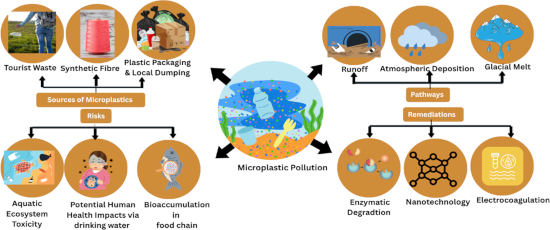
- activities. The collection of both suspended and floating particulates is facilitated by the increasing use of in situ filtration systems that utilize portable vacuum compressors for water samples. These tactics aid in capturing MPs of all sizes, from the macro- to the nanoscale, which is essential for





