Search results
Search for "light" in Full Text gives 1539 result(s) in Beilstein Journal of Nanotechnology. Showing first 200.
Nanoglasses: a trail towards uncharted regions of vitreous materials and their properties?
Beilstein J. Nanotechnol. 2026, 17, 1047–1062, doi:10.3762/bjnano.17.72



Influence of an external electric field on the catalytic CO oxidation of nanoscaled CeO2 and its La3+ and Gd3+ congeners
Beilstein J. Nanotechnol. 2026, 17, 1028–1038, doi:10.3762/bjnano.17.70
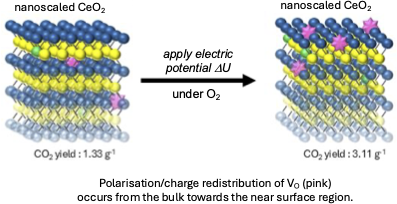
- adsorption on the sample (light circles). nCeO2 showed ICO of 1.40 g−1 and the doping process increased the value up to 2.00 g−1. ICO shows a plateau after 60 min from the beginning of the reaction for all different catalysts, under applied potential conditions as well as without electric potential. Although
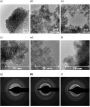


Synthesis and characterization of RF-sputtered ZnTe/Cu2−xTe thin films for solar cell applications
Beilstein J. Nanotechnol. 2026, 17, 1016–1027, doi:10.3762/bjnano.17.69
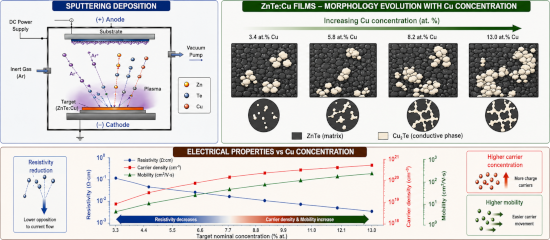
- ), which allows for the absorption of nearly 99% of incident sunlight within a thickness of approximately 1 µm. These intrinsic optoelectronic properties enable efficient light harvesting while reducing material consumption compared to conventional crystalline silicon technologies [1][2]. As a result, CdTe
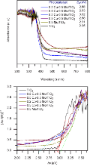
- attributed to enhanced absorption and light scattering phenomena resulting from the formation and growth of Cu-rich secondary phases rather than to significant modifications of the intrinsic band structure. The undoped ZnTe film shows well-defined interference fringes in the photon energy region below the
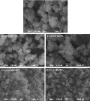
- presence of Cu-rich secondary phases. Specular reflectance spectra could not be reliably measured due to the dark surface appearance and significant light scattering effects. The increased surface roughness and agglomerate formation observed in the SEM images (Figure 6) contribute to diffuse scattering



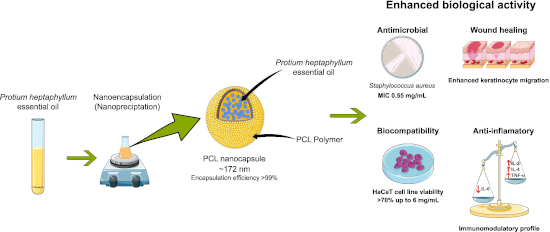
Development of Protium heptaphyllum essential oil-loaded nanocapsules: experimental design and biological activity
Beilstein J. Nanotechnol. 2026, 17, 974–990, doi:10.3762/bjnano.17.67
- values of Dh, PDI, and zeta potential of the nanoparticles were determined by dynamic light scattering (DLS) using a Zetasizer Nano-ZS® (Malvern Instruments Ltd, Canada). All samples were previously diluted in Milli-Q® ultrapure water at a ratio of 1:100 prior to analysis. For zeta potential measurements
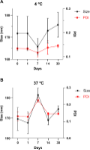
- efficiency, T is the total amount of oil in the nanocapsule suspension, and F is the amount of free oil present in the filtrate after ultrafiltration. Study of the physical stability of optimized nanocapsules Optimized nanocapsules were stored in airtight vials at 4 °C and 37 °C, protected from light, and




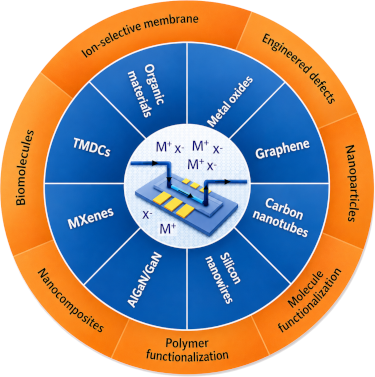
Materials challenges in solid-state sensors for continuous monitoring of ions in water
Beilstein J. Nanotechnol. 2026, 17, 935–973, doi:10.3762/bjnano.17.66



Enhanced erosion resistance and radiation stability of WC–WO3 nanocomposite films under 100 keV Kr+ ion irradiation
Beilstein J. Nanotechnol. 2026, 17, 922–934, doi:10.3762/bjnano.17.65
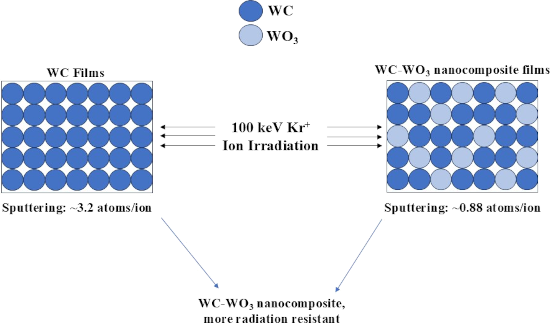
- [50][51]. However, its stability under high-temperature conditions was a matter of serious concern because of its high ductile-to-brittle transition temperature (DBTT) [52]. A study by Baker et al. threw light at the challenges faced in case of using tungsten as a PFC material [53][54]. It has a



Light-driven ammonia electrooxidation via carbon nitride–ruthenium molecular interfaces
Beilstein J. Nanotechnol. 2026, 17, 854–862, doi:10.3762/bjnano.17.61
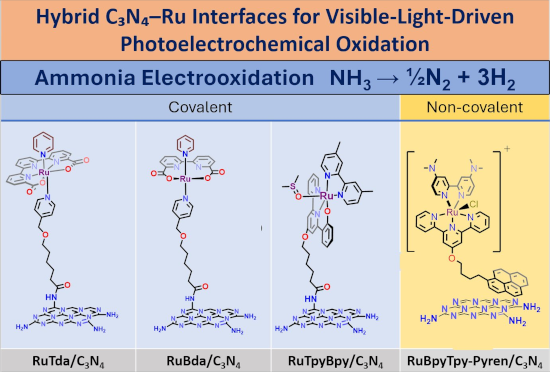
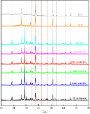
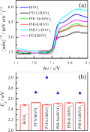
- semiconductors provide scalable light harvesting but lack precisely defined active sites. Anchoring molecular ruthenium (Ru) catalysts onto heterogeneous semiconductors, like carbon nitride (C3N4), offers a chemically rational strategy to bridge this gap, yielding hybrid photoelectrodes capable of driving
- ammonia oxidation, a reaction of growing importance as a sustainable hydrogen carrier. Inspired by natural photosynthesis, in which a light-harvesting antenna is spatially coupled to a multielectron catalytic centre, the proposed hybrid system assigns distinct and complementary roles to each component
- : C3N4 absorbs visible light, separates charge carriers, and provides a structurally tunable aromatic surface, while the metal complexes, e.g., RuBda, RuTda, or RuTpyBpy, accept photogenerated holes and drive the demanding six-electron oxidation of ammonia through well-defined coordination chemistry. Two


Glycerol photoelectrochemical oxidation reaction at carbon nitrides/BiVO4 materials
Beilstein J. Nanotechnol. 2026, 17, 806–817, doi:10.3762/bjnano.17.57
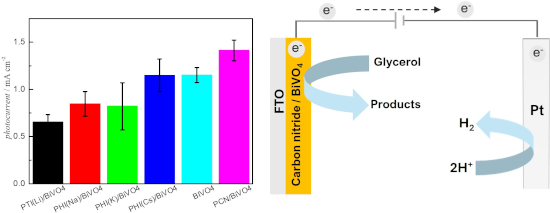
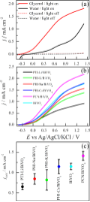
- added-value products through biomass oxidation. In this study, we investigate the photoelectrochemical oxidation of glycerol using visible-light-responsive carbon nitride /bismuth vanadate (CN/BiVO4) heterojunction photoelectrocatalysts. Different CN materials were explored, including polymeric carbon
- lattice. Meanwhile, PTI consists of triazine units, forming a rigid and highly stable framework. This structural arrangement significantly improves charge mobility and light absorption, both of which are critical for catalytic activity [15]. Additionally, PHI and PTI possess an intrinsic ionic nature
- electrode (WE), a platinum sheet as the counter electrode, and a Ag/AgCl/KClsat electrode as potential reference. The light source was provided by solar simulator (Oriel, LCS-100, AM-1.5G) with 100 mW·cm−2 of irradiance illuminating the back side of the WE through a lateral quartz window in the




Tuning the electronic properties of defect-rich MoS2
Beilstein J. Nanotechnol. 2026, 17, 796–805, doi:10.3762/bjnano.17.56
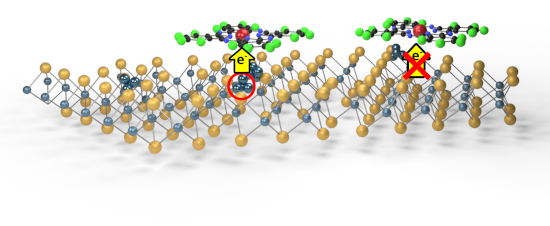
- the molecular plane, z), B1, and B2 (polarized within the molecular plane, xy). The Co L2,3-XAS results are interpreted using p-polarized synchrotron light in Figure 2 in the context of these three features, which are highlighted by dashed red lines. For all three substrates and approx. monolayer


Restorative potential of laser-synthesized silver nanoparticles with Salvia officinalis for periodontal disease treatment: an in vitro study
Beilstein J. Nanotechnol. 2026, 17, 781–795, doi:10.3762/bjnano.17.55
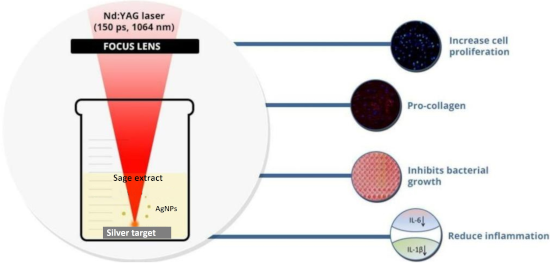
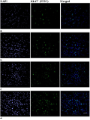
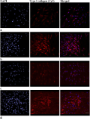
- . AgNPs were synthesized at two laser pulse energies (2 and 6 mJ), in sage extract and deionized water, and characterized by dynamic light scattering, transmission electron microscopy, and inductively coupled plasma optical emission spectroscopy. Synthesis at 6 mJ in sage extract (SageAgNPs6mJ) yielded
- mg·L−1 ± SD. The hydrodynamic diameters (dH) of the obtained nanoparticles were analyzed by using the dynamic light scattering (DLS) technique using a Zetasizer NanoZS90 (Malvern Panalytical, UK) with a 633 nm He–Ne laser source and 90° detection optics. The measurements were performed in disposable



Substrate-dependent pore formation in molybdenum disulfide monolayers under ion irradiation
Beilstein J. Nanotechnol. 2026, 17, 769–780, doi:10.3762/bjnano.17.54
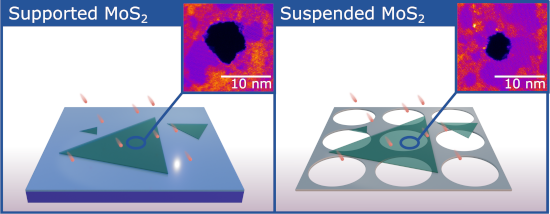
- visible in a light microscope (center). On the right, a STEM ADF image of a single TEM grid pore covered by monolayer, and occasionally bilayer, MoS2 is shown. Supporting Information Supporting Information File 12: Additional experimental results. Acknowledgements Results presented here are partly based


Environmental applications of silver nanoparticles: state-of-the-art review and emerging trends
Beilstein J. Nanotechnol. 2026, 17, 697–736, doi:10.3762/bjnano.17.49
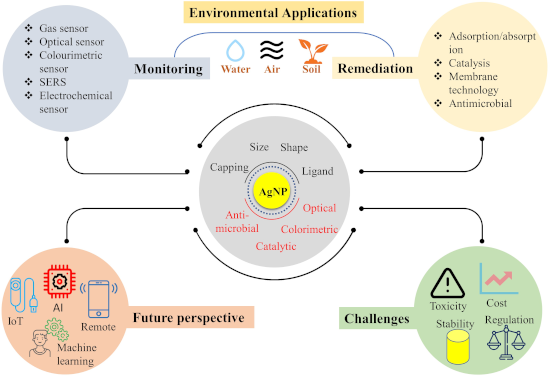
- needed before engineering AgNPs for particular applications. AgNPs are characterised using optical spectroscopy, electron microscopy, X-ray diffraction, and dynamic light scattering (DLS) to measure plasmonic absorbance, size, shape, structure, and stability [49]. Optical spectroscopy is a rapid and
- convenient technique for monitoring the formation of AgNPs via size- and shape-dependent absorption bands arising from LSPR upon light excitation [50]. This study also highlighted that small spherical AgNPs were highly antibacterial against Pseudomonas aeruginosa and Escherichia coli compared to larger and
- mechanism includes strong light absorption, a lower bandgap energy, and the generation of UV-induced electron–hole pairs [118]. The role of persulfate-conjugated Ag+ in removing the carboxylic PFAS perfluorooctanoic acid was demonstrated through Fenton oxidation at 20 °C, where fluorine was released along


Molecular engineering of individual dye-based nanoparticle photostability for ultrabright two-photon fluorescence
Beilstein J. Nanotechnol. 2026, 17, 688–696, doi:10.3762/bjnano.17.48
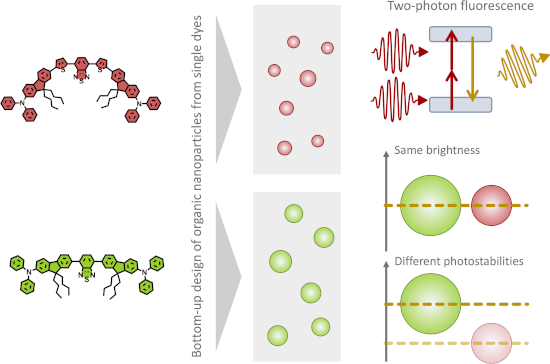
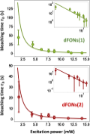
- than for dFONs(1). The fluorescence signals F(Pexc), normalized to their asymptotic values, are fitted using Equation 1 (see Experimental section): where Psat is the saturation power, which depends in particular on the nanoparticle capability to absorb the excitation light, and is thus related to the
- counting module (SPCM AQRH-13, Picoquant). Two additional filters (FF01-842/SP25 and FF01-945/SP25, Semrock) were added to remove residual laser light. The combination of all the filters leads to the collection of approximately 80% of the fluorescence for both nanoparticle families. Emission model
- supported as part of France 2030 programme “ANR-11-IDEX-0003”, PsiNano. The research was also supported by two Ph.D. scholarships, from ENS Paris-Saclay (AC) and the University of Bordeaux (EK). The authors also acknowledge the support from the LIGHT S&T Graduate Program of Bordeaux (PIA3 Investment for the


Decontamination from water pollutants and pathogens by electrospun nanofibers doped with heavy-atom-free borafluorene-BODIPY photosensitizers
Beilstein J. Nanotechnol. 2026, 17, 668–682, doi:10.3762/bjnano.17.46
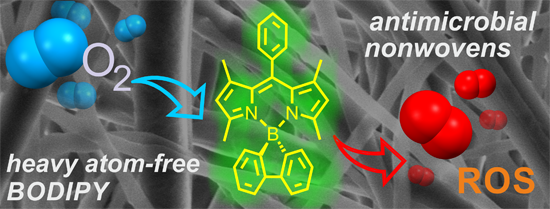
- . EDX, ToF-SIMS and XPS analyses confirmed the homogenous distribution of BODIPY within the polymeric matrix. Furthermore, the materials showed significant photoinactivation of Staphylococcus aureus under white light irradiation compared to the control experiment performed without irradiation. These
- photosensitizers, that is, light-activated molecules producing reactive oxygen species (ROS), such as singlet oxygen (1O2), capable of degrading organic pollutants or microbes [2][3][4][5][6]. Among various groups of organic photosensitizers, boron dipyrromethenes (BODIPYs, i.e., 4,4-difluoro-4-bora-3a,4a-diaza-s
- -indacene and its derivatives) [7][8][9][10][11][12][13] have attracted considerable interest due to their advantageous properties, including strong light absorption, facile synthesis, and high structural tunability [14][15][16]. Yet, the main design strategy for photosensitizing BODIPYs is to incorporate



Cellulose as a photocatalyst support material: extraction, structural features, and environmental applications
Beilstein J. Nanotechnol. 2026, 17, 635–652, doi:10.3762/bjnano.17.44
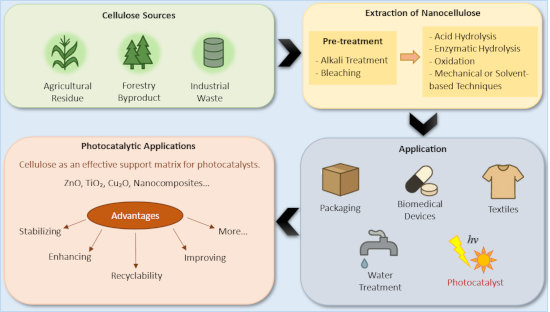
- photocatalytic systems, improving its performance under a wide range of light sources. Moreover, cellulose-supported systems often show enhanced recyclability and mechanical durability, making them suitable for repeated use in wastewater treatment and environmental remediation. The relationship between
- water treatment performance as shown in Figure 2 [14]. Photocatalytic degradation is an advanced oxidation process (AOP) in which a catalyst is used to accelerate the degradation or breakdown of organic pollutants in water or air using light energy. This AOP relies on the ability of the catalyst to
- absorb photons from light, typically ultraviolet (UV) radiation or visible light, and generate reactive oxygen species (ROS) such as hydroxyl radicals (•OH) or superoxide radicals (O2•−) through photoexcitation [16][17]. In photocatalytic degradation, the catalysts typically used are semiconductor


Two-step laser synthesis of Ag@TiO2 nanomaterials for the photocatalytic degradation of rhodamine B
Beilstein J. Nanotechnol. 2026, 17, 622–634, doi:10.3762/bjnano.17.43
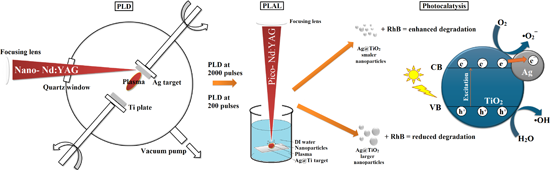
- TiO2 suffers from intrinsic drawbacks. Its bandgap is large (≈3.2 eV [9]); hence, it absorbs only UV light (a small fraction of sunlight, only 3–4%) and shows very limited visible-light response. Also, photogenerated electrons and holes recombine rapidly [7]. To address this, researchers have developed
- numerous modification strategies. Silver-modified titanium dioxide (Ag@TiO2) nanoparticles have gained significant attention as advanced photocatalysts for the degradation of organic pollutants, particularly under visible-light irradiation. The incorporation of silver introduces localized surface plasmon
- resonance effects and facilitates the formation of Schottky barriers at the metal–semiconductor interface, both of which contribute to an extended light absorption range and enhanced charge carrier separation. The improved activity is primarily attributed to the narrowing of TiO2’s effective bandgap and the


Recent progress in enhancing built-in electric fields of perovskite solar cells via junction engineering
Beilstein J. Nanotechnol. 2026, 17, 602–621, doi:10.3762/bjnano.17.42
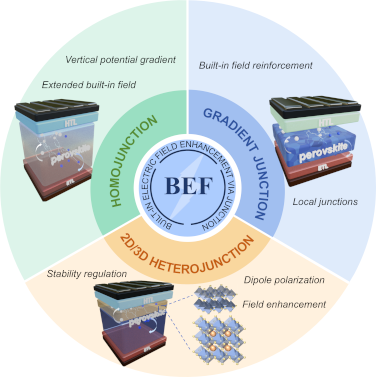
- days, followed by 260 h of light exposure in a nitrogen atmosphere, Ag+ doping in sol–gel NiOx p/p+ homojunctions mitigated iodine vacancy formation and Pb2+ migration, preventing degradation pathways and reducing PCE loss from 40% to 10%. In sequential molecular doping systems, a common problem is
- , establish or extend the BEF via interfacial defect passivation and energy-level cascading, and, on the other hand, retain the high carrier mobility and strong light absorption of the 3D bulk, which has made this approach a research focus in recent years [59][60]. However, the effectiveness of this strategy
- unmodified perovskites degraded within, respectively, 360 and 120 h, or under similar light exposure. Ultimately, this orientation-induced configuration increased device efficiency from 20.64% to 23.40% and highlights the synergistic role of interfacial stabilization and BEF enhancement. In the exploration




Towards targeted drugs and next generation of nanomedicines
Beilstein J. Nanotechnol. 2026, 17, 598–601, doi:10.3762/bjnano.17.41
- light or other forms of radiation, magnetic fields, and ultrasounds. These can be applied externally only at the targeted area, hence providing both spatial and temporal control of the therapy [26]. In parallel to this, more recently, endogenous targeting is emerging as another potential strategy to
Impacts of annealing on structural and photophysical properties of zinc phthalocyanine adsorbed on graphene
Beilstein J. Nanotechnol. 2026, 17, 576–585, doi:10.3762/bjnano.17.39
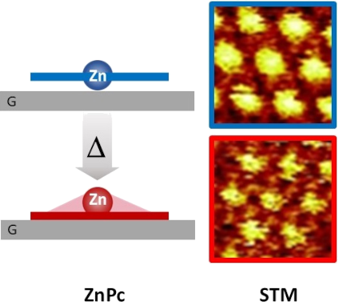
- a promising route to design original and innovative electronic devices [1] such as diodes [2][3], transistors [4][5][6], photodetectors [7][8], solar cells [9][10][11], or light-emitting devices [12]. In such heterostructures most electronic processes take place at the interface between graphene and
- ), %) or in absorption OD = −log10(T/Treference). Raman scattering was measured together with residual fluorescence using a 633 nm excitation (60 μW·cm−2) from a stabilized laser (Cobolt 08-NLD series, Hubner Photonics). This excitation light was line filtered (LL01-633, Semrock) and focused on the sample
- through the objective lens (Nikon, 60×, 0.8 N.A.). The retro-emitted light (Raman scattering and residual fluorescence) was collected through the microscope objective, filtered with appropriate long-pass filters (LPD02-633-RU + LP03-633-RU, Semrock) and sent to the above spectrometer. An instrumental


Laser–material interactions in liquids for the synthesis of nanomaterials: current status and perspectives
Beilstein J. Nanotechnol. 2026, 17, 571–575, doi:10.3762/bjnano.17.38
- ]), generation of soft magnets for magnetocaloric applications [58], fabrication of photodetectors [59], nanoscale agents for photodynamic [60] and neutron capture therapy [61], incorporation of nanoparticles into solar cells [62], light-harvesting nanofluids [63], and materials with enhanced mechanical [64] or
Synthesis of Cu–Mo/TiO2 and Co–Mo/TiO2 photocatalysts for the efficient degradation of organic pollutants in water
Beilstein J. Nanotechnol. 2026, 17, 559–570, doi:10.3762/bjnano.17.37
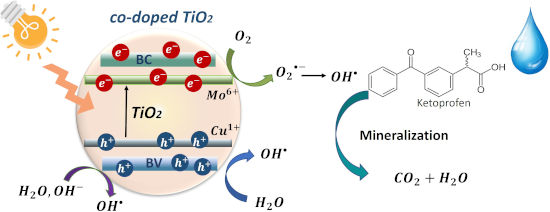
- the optical bandgap, broaden the light absorption range, and enhance the quantum efficiency [4]. However, the partially occupied impurity states generated can act as recombination centers for photoexcited carriers, leading to band-to-band recombination [3]. To prevent charge recombination effects, the
- into the semiconductor matrix. The incorporation of co-dopants results in the formation of heterostructures with different electronic structures compared to the TiO2 structure, which promotes charge separation and visible light absorption [6]. The incorporation of two types of cations into the TiO2
- can improve light absorption and photocatalytic activity of the material through the generation of oxygen vacancies, which act as electron traps [12]. The Mo6+ ion has a radius similar to that of Ti4+; thus, it is ideal for introduction into the TiO2 lattice without causing significant disturbances



Electrochemical determination of ciprofloxacin using a MIL-101/reduced graphene oxide-modified electrode
Beilstein J. Nanotechnol. 2026, 17, 541–554, doi:10.3762/bjnano.17.35
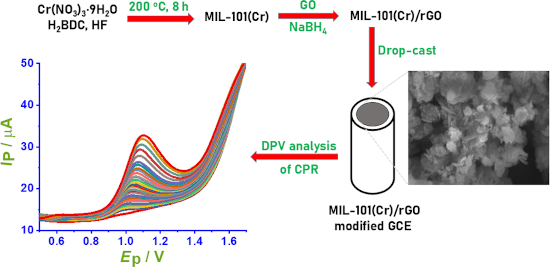
- ) equipped with an energy-dispersive X-ray (EDX) system. Raman spectroscopy was performed on an Xplora Plus instrument (Horiba, Japan) with a stimulating light wavelength of 785 nm. Electrochemical impedance spectra (EIS) were recorded using an Autolab PGSTAT302N system. Electrochemical experiments were


Fractional shot noise of an SU(N) Kondo system
Beilstein J. Nanotechnol. 2026, 17, 515–540, doi:10.3762/bjnano.17.34


![[Graphic 127]](/bjnano/content/inline/2190-4286-17-34-i187.svg?max-width=637&scale=1.18182)

Probing internal continua and atomic ultrafast charge transfer within size-controlled nanoparticles by post-collision interaction in core-hole clock spectroscopy
Beilstein J. Nanotechnol. 2026, 17, 505–514, doi:10.3762/bjnano.17.33
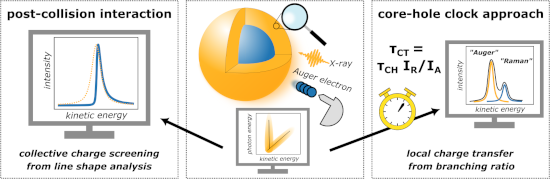
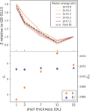
- and, thus, does not allow for energy redistribution within itself. In fact, examining the evolution of the charge transfer times and of the asymmetry parameter across photon energies above the proposed CBM (light gray area in Figure 5), except within the dark gray area, both follow expectations
- a function of photon energy and particle size. Top panel: The X-ray absorption cross section (PFY, orange line) is shown in comparison to an integration of the resonant Auger spectra (CFS-PEY, light green line). Also, the deconvolution of the signal into the intensities of Auger (green) and Raman
- dashed lines. In both panels, an estimation of the Fermi level (dashed orange line) and the fitted threshold energies ET from the PCI model (solid vertical line) are shown. The light gray area corresponds to a continuum situation, which is, according to our interpretation, the conduction band. The dark



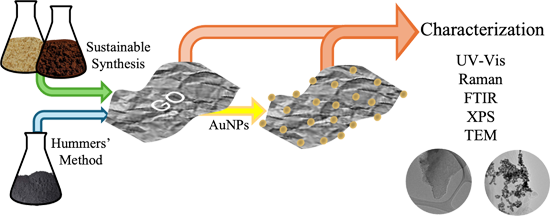
Upcycling agroindustrial waste into graphene oxide supports for gold nanoparticles: toward sustainable nanomaterials
Beilstein J. Nanotechnol. 2026, 17, 489–504, doi:10.3762/bjnano.17.32
- , and the suspension was stirred magnetically at 220 rpm. Afterwards, the pH was adjusted to 5 by dropwise addition of 1 M NaOH. Then, 400 μL of an aqueous HAuCl4 solution (0.05 mM) was introduced into the system. The reaction mixture was irradiated with UV light (GR.E 500 W lamp, Helios Italquartz