Search results
Search for "matrix" in Full Text gives 855 result(s) in Beilstein Journal of Nanotechnology. Showing first 200.
Nanoglasses: a trail towards uncharted regions of vitreous materials and their properties?
Beilstein J. Nanotechnol. 2026, 17, 1047–1062, doi:10.3762/bjnano.17.72

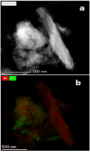
- [17]. The channel widths, ranging from 2 to 4 nm, are notably smaller than the matrix regions. Enlarged views of individual channels are also presented as inset in Figure 3c, clearly illustrating the glass–glass interfaces. A schematic representation of the nanoglass structure is given in Figure 3d


Synthesis and characterization of RF-sputtered ZnTe/Cu2−xTe thin films for solar cell applications
Beilstein J. Nanotechnol. 2026, 17, 1016–1027, doi:10.3762/bjnano.17.69
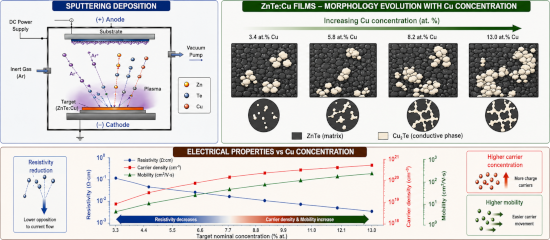
- associated with the onset of phase segregation and microstructural evolution, as suggested by the XRD results, which reveal the formation and growth of Cu7Te5 secondary phases at high Cu contents. Under these conditions, the electrical response is no longer governed exclusively by the ZnTe matrix, but also



Ultrasonic irradiation in the synthesis of nanohydroxyapatite: a chemically friendly technique for improving hemocompatibility and antibiofilm applications
Beilstein J. Nanotechnol. 2026, 17, 991–1015, doi:10.3762/bjnano.17.68
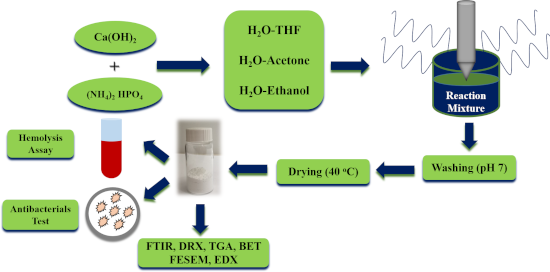
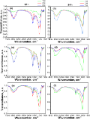
- sensitivity of this technique might not be sufficient to detect ultratrace amounts of residual solvents adsorbed on the surface or trapped within the nanostructured hydroxyapatite matrix. The remaining bands in the spectra shown in the spectra in Figure 3 indicate the presence of carbonate groups within the




Development of Protium heptaphyllum essential oil-loaded nanocapsules: experimental design and biological activity
Beilstein J. Nanotechnol. 2026, 17, 974–990, doi:10.3762/bjnano.17.67
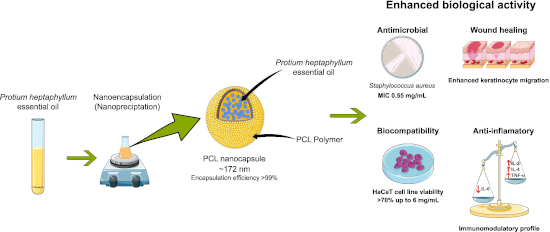
- the Box–Behnken design matrix and the observed responses for Dh, PDI, and zeta potential. These results reflect the combined effects of the independent variables, that is, polymer concentration (20–100 mg), EO content (50–150 mg), and surfactant concentration (20–60 mg) on the physicochemical
- modulating surface charge through steric and electrostatic stabilization mechanisms. Significant interaction terms (PCL * EO and EO * Tween 80) further suggest that surface organization depends on the balance between polymer matrix composition and surfactant coverage [38]. In contrast, the PDI model
- nanoparticles, which favors direct bacterial contact and may contribute to sustained release of active constituents [50]. The release profile of such systems is influenced by factors such as polymer composition, shell thickness, and interactions between the encapsulated compound and the carrier matrix




Materials challenges in solid-state sensors for continuous monitoring of ions in water
Beilstein J. Nanotechnol. 2026, 17, 935–973, doi:10.3762/bjnano.17.66
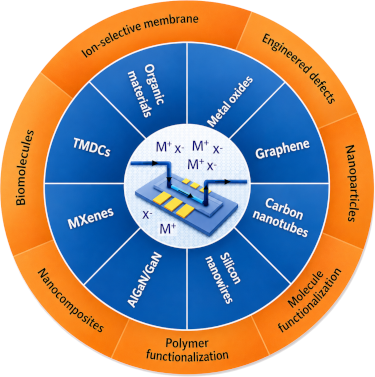
- must maintain their performance over extended periods (weeks to months or even years) with minimal drift, or include self-calibration or diagnosis capability [7][13][14][15]. (iv) Response times should be fast to capture transients without excessive averaging. (v) Accuracy in a variable sensing matrix
- materials are driven both by the need for selective interaction with the analyte of interest in the relevant concentration range and the need for tolerating the presence of the analyte matrix. We therefore start with a brief overview of relevant areas of application for aqueous ion sensors. The rapid and
- such as nitrate or phosphate. While they offer fast response times and high sensitivity, electrode fouling and matrix interference can limit their durability in continuous operation. Anodic stripping voltammetry (ASV) sensors build upon this principle, employing thin-film working electrodes (e.g



Enhanced erosion resistance and radiation stability of WC–WO3 nanocomposite films under 100 keV Kr+ ion irradiation
Beilstein J. Nanotechnol. 2026, 17, 922–934, doi:10.3762/bjnano.17.65
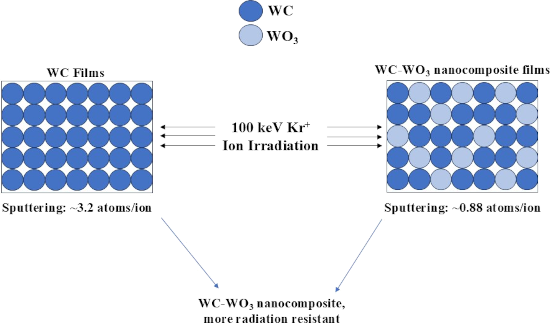
- evaluate W sputtering yields and compositional stability. The WC–WO3 nanocomposite exhibited significantly reduced W erosion compared to pure WC films, attributed to the higher W binding energy and the existence of heterointerfaces within the nanocomposite matrix. SRIM simulations corroborated the
- drawn attention owing to their improved mechanical properties, enhanced activities and chemical stability [21][22][23][24]. In the recent past, many studies have been carried out which establish synthesis–structure–property relationships of polymer matrix composites in various areas of applications like
- atoms/ion), demonstrating substantially improved resistance to ion-induced erosion. The reduced sputtering rate in the nanocomposite films is attributed to modification of the effective surface binding energy of W in the composite matrix and the presence of heterointerfaces, highlighting the improved



Nanocarrier strategies to overcome P-glycoprotein-mediated drug resistance in cancer therapy
Beilstein J. Nanotechnol. 2026, 17, 882–921, doi:10.3762/bjnano.17.64
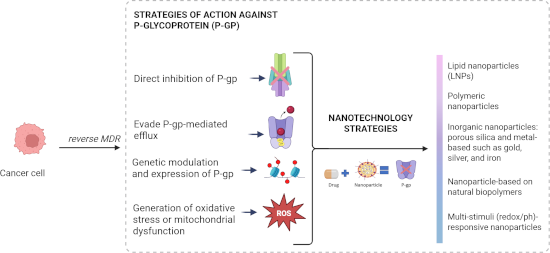
- carriers (NLCs), which incorporate liquid lipids into a solid lipid matrix. This design prevents excessive crystallization, enhances stress resistance, and allows for more efficient and controlled release of active compounds. NLCs are typically categorized into amorphous, imperfect, and multitype
- , such as lipid shells surrounding polymeric cores or polycarbonates embedded in a uniform matrix. Due to their high encapsulation efficiency, LPNs are widely used for sustained drug release in cancer therapy and for applications in medical imaging [64]. LPNs typically combine a lipid bilayer or core
- systems containing TPGS or different types of Pluronic copolymers (e.g., F127/P123), where the polymeric segment modulates efflux activity, and the lipid portion contributes biocompatibility and a dense matrix for high drug loading [66]. In all cases, the result is a synergistic mechanism involving


Nanoparticle delivery systems for HIV pre-exposure prophylaxis (PrEP): advances and challenges
Beilstein J. Nanotechnol. 2026, 17, 839–853, doi:10.3762/bjnano.17.60
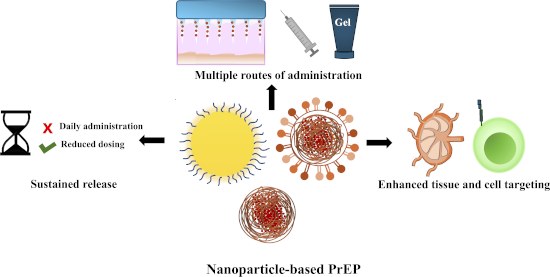
- throughout the polymer matrix. This property is particularly beneficial for drugs with poor bioavailability or short plasma half-lives, as it allows a reduction in dosing frequency and improves adherence. In some designs, drug cargo is confined within nanocapsule-like structures formed by a polymer shell [49
- that can be particularly useful for the pericoital protection of females [64]. In this system TDF encapsulated in liposomes and FTC were incorporated into a hydrogel matrix. In vitro studies showed that this formulation provides rapid initial release of FTC (40% of total FTC within the first hour


Cross-scale design of chemosensor arrays: from molecular self-assembly in water to paper-based devices for metal ion detection
Beilstein J. Nanotechnol. 2026, 17, 828–838, doi:10.3762/bjnano.17.59
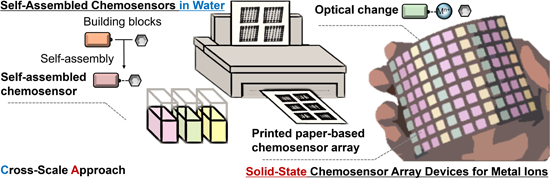
- recorded optical responses as spectral profiles and digital images are summarized into a data matrix, according to the categories of types of chemosensor elements, analytes, and their concentrations. To validate the reproducibility of the sensing performance, replicate measurements are carried out
- . Therefore, the data matrix contains multidimensional chemical information, which can be processed using chemometric methods to classify and predict chemical information and to visualize the results as two- and three-dimensional outputs [39]. Herein, the assays are categorized into three types, namely


Restorative potential of laser-synthesized silver nanoparticles with Salvia officinalis for periodontal disease treatment: an in vitro study
Beilstein J. Nanotechnol. 2026, 17, 781–795, doi:10.3762/bjnano.17.55
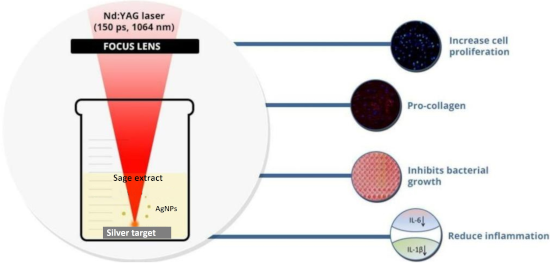
- , connective tissue damage occurs, beginning with fibroblast alteration and secretion of metalloproteinases, which degrade collagen and other components of the extracellular matrix [17][18]. Eventually, fibroblast apoptosis and inhibition of collagen production ensue, causing overall gingival atrophy and
- the extracellular matrix (ECM). However, consistent with cell viability results, higher concentration of 2 × MIC decreased cell proliferation, probably by excessive ROS production, which overcomes cellular defense mechanisms, outlining the concentration limit. Collagen production and remodeling are
- the anti-inflammatory effects of the silver nanoparticles [68]. It was previously demonstrated that high levels of IL-6 upregulate the expression of certain matrix metalloproteinases, enzymes involved in the degradation of the extracellular matrix, causing collagen degradation and disturbed tissue



Interface-engineered Caco-2 cell culture on a collagen-coated liquid–liquid interface in a microfluidic device
Beilstein J. Nanotechnol. 2026, 17, 760–768, doi:10.3762/bjnano.17.53
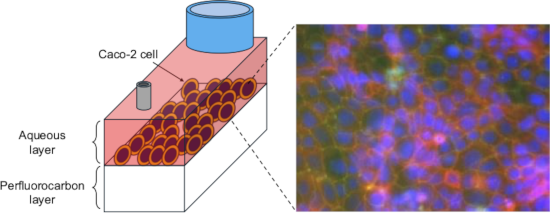
- investigation of epithelial barrier formation, transport functions, and mechanobiological responses that are otherwise difficult to isolate in conventional solid-supported systems. Moreover, when functionalized with extracellular matrix proteins, such interfaces can support uniform epithelial maturation and


Environmental applications of silver nanoparticles: state-of-the-art review and emerging trends
Beilstein J. Nanotechnol. 2026, 17, 697–736, doi:10.3762/bjnano.17.49
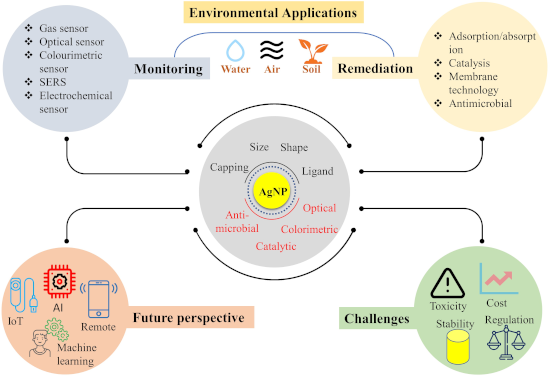
- pseudo-first-order reaction kinetics [25]. The addition of AgNPs to a matrix may improve their efficiency in removing various contaminants via adsorption mechanisms, which can be ionic or covalent, depending on the nanocomposite surface chemistry [26]. In a study, Ag-decorated reduced graphene oxide was


Decontamination from water pollutants and pathogens by electrospun nanofibers doped with heavy-atom-free borafluorene-BODIPY photosensitizers
Beilstein J. Nanotechnol. 2026, 17, 668–682, doi:10.3762/bjnano.17.46
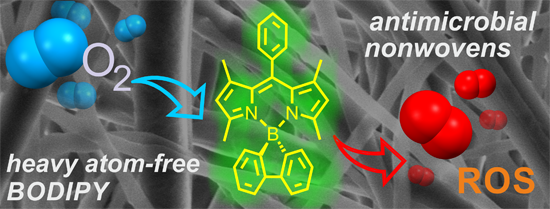
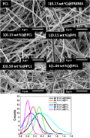
- . EDX, ToF-SIMS and XPS analyses confirmed the homogenous distribution of BODIPY within the polymeric matrix. Furthermore, the materials showed significant photoinactivation of Staphylococcus aureus under white light irradiation compared to the control experiment performed without irradiation. These
- findings highlight the potential of the electrospun PCL nanofibers as optimal matrix for the immobilization with singlet oxygen photosensitizers and subsequent application in the decontamination of water from pollutants and pathogens. Keywords: antimicrobial photodynamic therapy; BODIPY; electrospun
- ) supported by Tukey’s post hoc test. Results and Discussion Selection of the matrix material Samples of BODIPY 1 encapsulated in poly(methyl methacrylate) (PMMA), polystyrene (PS), and polycaprolactone (PCL) nanofibers were formed using electrospinning, following by SEM analysis of the morphology. To ensure



Cellulose as a photocatalyst support material: extraction, structural features, and environmental applications
Beilstein J. Nanotechnol. 2026, 17, 635–652, doi:10.3762/bjnano.17.44
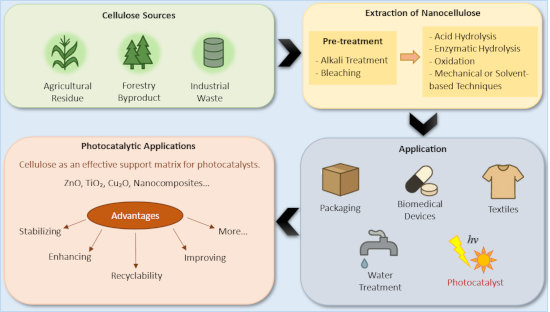
- of functional groups enable it to act as an effective support matrix for photocatalysts such as ZnO, TiO2, Cu2O, and various hybrid nanocomposites. Through stabilizing nanoparticles, preventing their aggregation and contributing to pollutant adsorption, cellulose enhances the overall efficiency of
- immobilizing photocatalysts on membrane surfaces to create a polymer photocatalytic membrane matrix, which has shown strong effectiveness in degrading water contaminants [14]. They also prevent biofouling, a major problem in membrane separation. Scientists are increasingly combining cellulose with different
- natural biopolymer composed of glucose units arranged as a water-insoluble polysaccharide with a high molecular weight, and it typically makes up 40–60% of plant cell walls. The remaining components of the cell wall include hemicellulose (15–30%) and lignin (2–35%), which form a cross-linked matrix around


Recent progress in enhancing built-in electric fields of perovskite solar cells via junction engineering
Beilstein J. Nanotechnol. 2026, 17, 602–621, doi:10.3762/bjnano.17.42
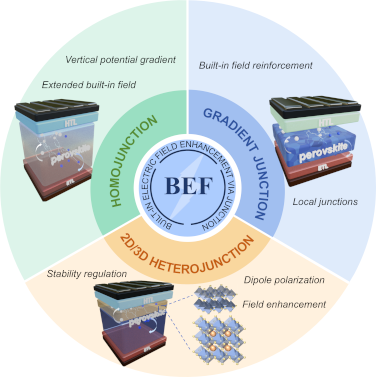
- thickness. These efforts open new avenues to further increase the magnitude of the BEF and to achieve finer spatial control. In 2D/3D heterojunctions, mismatches in conduction type or interfacial work function (ΔΦ) between the 2D layer and 3D matrix limit band bending and weaken the BEF, reducing the



Impacts of annealing on structural and photophysical properties of zinc phthalocyanine adsorbed on graphene
Beilstein J. Nanotechnol. 2026, 17, 576–585, doi:10.3762/bjnano.17.39
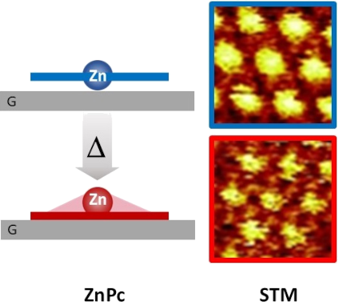
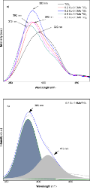
- -tunneling-microscopy and optical microspectroscopy of a 2D phase change experienced by a self-assembled zinc phthalocyanine (ZnPc) monolayer adsorbed on graphene. To probe the intrinsic properties of individual ZnPc molecules, they are spatially confined within the pores of a self-assembled 2D matrix. This
- experienced by ZnPc self-assembled monolayer on graphene or HOPG. Single ZnPc molecules are guest-isolated within the nanocavities of a self-assembled 2D host matrix, preventing intermolecular interactions and allowing for individual characterization. This phase change, induced by annealing, is discussed in
- the transferred CVD graphene [45]. We thus studied the effects of annealing on the structure of ZnPc trapped in a TSB35-C12 nanoporous matrix by STM on HOPG, as reported in Figure 3. The same behavior is expected on graphene, in line with our previously published results [40][45]. The annealing mainly


Synthesis of Cu–Mo/TiO2 and Co–Mo/TiO2 photocatalysts for the efficient degradation of organic pollutants in water
Beilstein J. Nanotechnol. 2026, 17, 559–570, doi:10.3762/bjnano.17.37
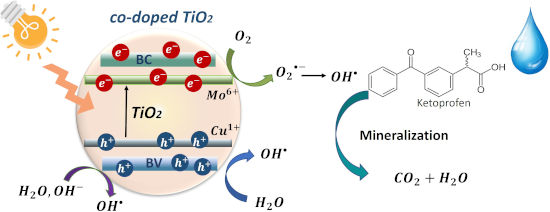
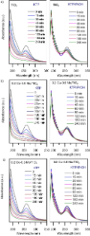
- into the semiconductor matrix. The incorporation of co-dopants results in the formation of heterostructures with different electronic structures compared to the TiO2 structure, which promotes charge separation and visible light absorption [6]. The incorporation of two types of cations into the TiO2



Electrochemical determination of ciprofloxacin using a MIL-101/reduced graphene oxide-modified electrode
Beilstein J. Nanotechnol. 2026, 17, 541–554, doi:10.3762/bjnano.17.35
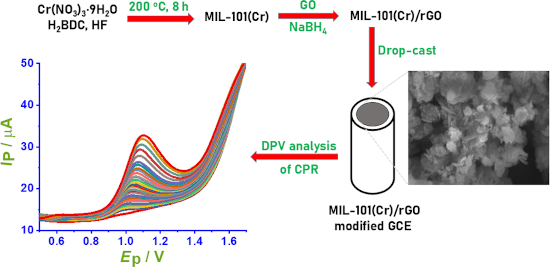
- %), which mainly originates from the rGO sheets and the organic linker of MIL-101, indicating the effective incorporation of rGO into the composite matrix. Oxygen (O) is the most abundant element with 48.87 wt % (51.03 atom %), consistent with the presence of metal–oxygen clusters in MIL-101 as well as


Fractional shot noise of an SU(N) Kondo system
Beilstein J. Nanotechnol. 2026, 17, 515–540, doi:10.3762/bjnano.17.34
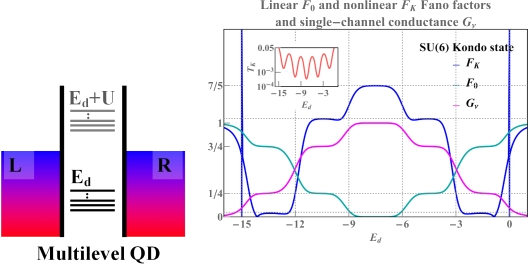
- of the SU(N) group, i = 1, ..., N2 − 1, and ν, ν′ range over N channels. The operators Ti span the full space of local physical observables. Ti = (1/2)Λi, where i is a generalized G-M matrix. The above choice of generators, called fundamental, is not the only one [42][44][98]; but to treat all


![[Graphic 127]](/bjnano/content/inline/2190-4286-17-34-i187.svg?max-width=637&scale=1.18182)

Probing internal continua and atomic ultrafast charge transfer within size-controlled nanoparticles by post-collision interaction in core-hole clock spectroscopy
Beilstein J. Nanotechnol. 2026, 17, 505–514, doi:10.3762/bjnano.17.33
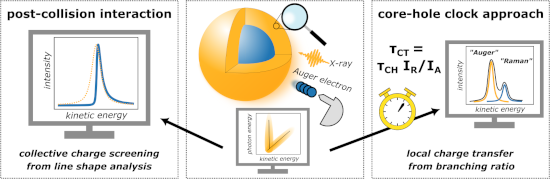
- materials [24][25][26], nanoparticles [27], and matrix-embedded polymers [28]. Results and Discussion Figure 1a shows S KL2,3L2,3 Auger electron spectra at different photon energies around the absorption edge of S 1s electrons as a color-coded map. The intensity ratio between the Raman and Auger channels is



Nanocarrier-integrated multilayer films produced by 3D printing for improved skin adhesion and curcumin photostability
Beilstein J. Nanotechnol. 2026, 17, 440–453, doi:10.3762/bjnano.17.30
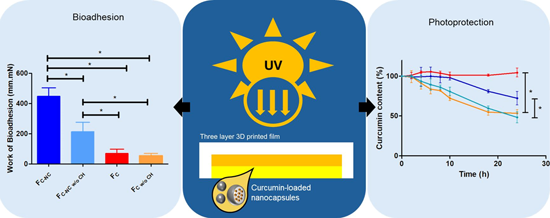
- significant reduction in curcumin content under UVC exposure, confirming the intrinsic photolability of curcumin in the polymeric matrix. In contrast, complete multilayer films incorporating the TiO2-containing top layer maintained significantly higher curcumin levels over 24 h, demonstrating the effective
- restricting molecular mobility and reducing direct light exposure within the matrix. However, the most pronounced protective effect was clearly associated with the presence of the TiO2-containing layer, indicating that spatial separation of functions enabled by multilayer 3D printing is critical for achieving
- previously demonstrated for SSE-based systems [27]. The incorporation of alginate contributes to biocompatibility and creates a hydrogel microenvironment resembling the extracellular matrix, which may favour tissue interaction [33]. The upper layer, composed of a CMC hydrogel containing titanium dioxide


First-principles study on elastic properties of Cu, (Cu1−x,Nix)3Sn and interfacial mechanical properties of (Cu1−x,Nix)3Sn/Cu in the lead-free solder joint
Beilstein J. Nanotechnol. 2026, 17, 428–439, doi:10.3762/bjnano.17.29
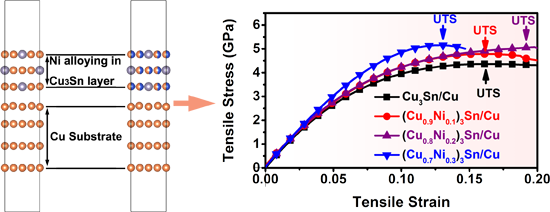
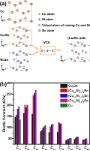
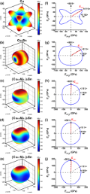
- s11, s22, s33, s12, s13, s23, s44, s55, and s66 are the elements of the elastic compliance matrix. The elastic compliance matrix is the inverse of the elastic constant matrix. l1, l2 and l3 are the direction cosines of the ⟨hkl⟩ axes. Using the elastic compliance matrix, the three-dimensional (3D


Nanoinformatics: spanning scales, systems and solutions
Beilstein J. Nanotechnol. 2026, 17, 423–427, doi:10.3762/bjnano.17.28
- classical molecular dynamics and ab initio calculations revealed that TA preferentially binds to the most reactive sites on GO surfaces via oxygen-containing groups or the carbon matrix. The binding energy was dominated by van der Waals interaction forces. A dose-dependent mitigating effect of TA on the

Biomimetic nanoparticles in cancer photodynamic therapy: a review of targeted delivery systems and therapeutic outcomes
Beilstein J. Nanotechnol. 2026, 17, 396–422, doi:10.3762/bjnano.17.27
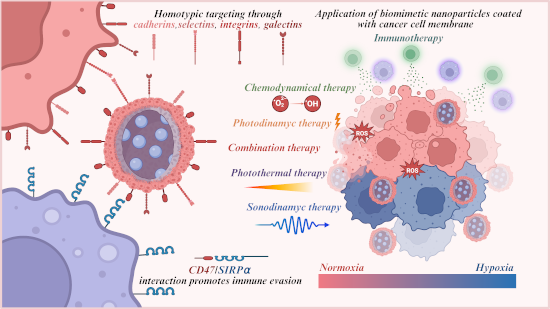
- integrins, selectins, cadherins, and members of the immunoglobulin superfamily (IgSF). Integrins typically interact with the extracellular matrix, whereas selectins, cadherins, and IgSF proteins are primarily responsible for cell–cell adhesion [89]. The cytoplasmic and extracellular domains of these
- of the most extensively studied integrins, αVβ3, is a transmembrane receptor for extracellular matrix proteins that binds cyclic RGD peptides with high affinity and interacts with SRC oncogene to promote lymph node metastasis. For example, RGD-coated BNPs enhanced doxorubicin (DOX) uptake by 1.4
- ) [175][176][177] or MOFs [165][178][179], and a stabilizing matrix often composed of polymers, lipids, or proteins like human serum albumin (HSA) [177]. Figure 6 schematically illustrates examples of these key strategies for mitigating hypoxia in tumor tissues using BNPs. Table 2 presents the main


Eco-efficient materials for agricultural crops based on a mineral rich in MOR- and HEU-type zeolites
Beilstein J. Nanotechnol. 2026, 17, 381–395, doi:10.3762/bjnano.17.26
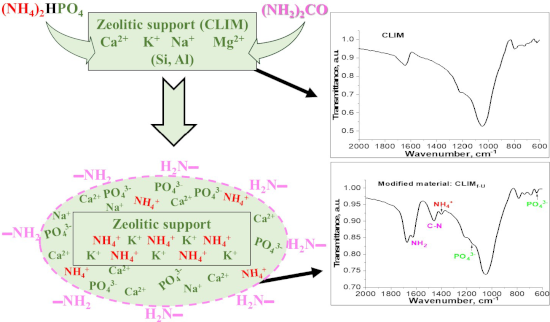
- affect the interaction of chemical species with the zeolitic matrix, altering the behaviour of the resulting materials. In this work, a mineral consisting mainly of a mixture of two zeolites, mordenite (MOR) and clinoptilolite-heulandite (HEU) with equivalent fractions, was used to develop materials
- carrying nutrients (N, P, and K) for agricultural crops. The mineral matrix provides important elements such as K and Si, while N and P were incorporated into the material by treatment with ammonium hydrogenphosphate and urea. The presence of superficially adsorbed PO43−, NH4+ exchanged in zeolites, and
- utilized by crop plants during their development. Furthermore, the silicon contained in its matrix is considered an important element due to its role in the physiology and biochemistry of agricultural crops [12]. The cation exchange and adsorption properties of zeolites form the basis for the modification