


Search results
Search for "migration" in Full Text gives 209 result(s) in Beilstein Journal of Nanotechnology. Showing first 200.
Cellulose as a photocatalyst support material: extraction, structural features, and environmental applications
Beilstein J. Nanotechnol. 2026, 17, 635–652, doi:10.3762/bjnano.17.44


Recent progress in enhancing built-in electric fields of perovskite solar cells via junction engineering
Beilstein J. Nanotechnol. 2026, 17, 602–621, doi:10.3762/bjnano.17.42
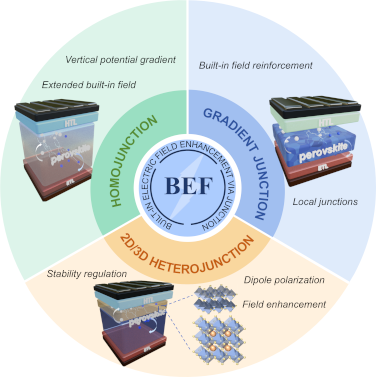
- distortions, create defects, and promote ion migration. To address these challenges, recent research has focused on precisely tuning the local potential via surface or near-surface doping and functionalization while preserving lattice continuity. Current efforts are also directed toward extending these
- days, followed by 260 h of light exposure in a nitrogen atmosphere, Ag+ doping in sol–gel NiOx p/p+ homojunctions mitigated iodine vacancy formation and Pb2+ migration, preventing degradation pathways and reducing PCE loss from 40% to 10%. In sequential molecular doping systems, a common problem is
- and surface modification, they enhance the BEF, reduce interfacial defects, and prevent degradation. For example, Ag-doped NiOx/NiOx p/p+ homojunctions have been shown to reduce defect clusters and prevent halide ion migration, improving stability. However, challenges like phase separation and ion



Impacts of annealing on structural and photophysical properties of zinc phthalocyanine adsorbed on graphene
Beilstein J. Nanotechnol. 2026, 17, 576–585, doi:10.3762/bjnano.17.39
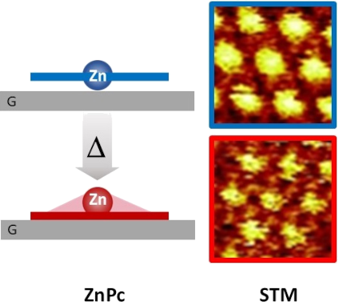
- treatments, as often shown for example with α and β phases of zinc phthalocyanines (ZnPc), with consequences on molecule orientations relative to the substrate and absorbance efficiency [21] or dynamics of charge migration and charge transfer to substrate [22]. Even inside a given phase, minute structural


Defects and defect-mediated engineering of two-dimensional materials: challenges and open questions
Beilstein J. Nanotechnol. 2026, 17, 454–488, doi:10.3762/bjnano.17.31
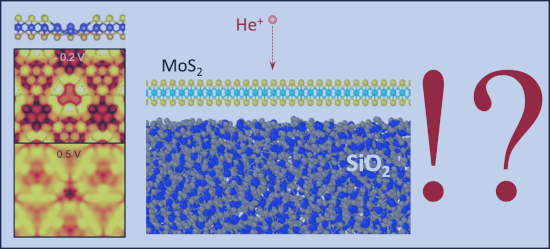
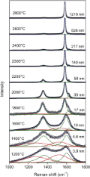
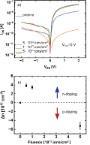
- migration barriers for S vacancies on the WS2 surface exceed 2 eV, rendering vacancy migration unlikely at room temperature and under typical experimental conditions [62]. This suggests that large vacancy clusters form as a result of non-diffusive processes, such as sputtering and etching of the surface





Biomimetic nanoparticles in cancer photodynamic therapy: a review of targeted delivery systems and therapeutic outcomes
Beilstein J. Nanotechnol. 2026, 17, 396–422, doi:10.3762/bjnano.17.27
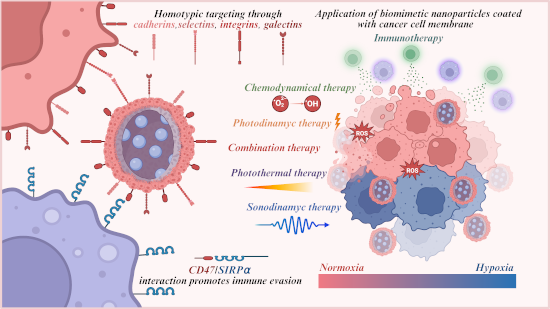
- of chemokine receptors (e.g., CXCR4) on the MSC membrane, which mediate specific adhesion to ligands (e.g., SDF-1α) prevalent on the endothelium within TME [143]. This property facilitates active migration towards tumor and metastatic sites. Additionally, MSC membranes confer low immunogenicity and


Polycatecholamine nanocoatings on stainless steel: the effect on attachment of human fibroblasts and platelets
Beilstein J. Nanotechnol. 2026, 17, 365–380, doi:10.3762/bjnano.17.25
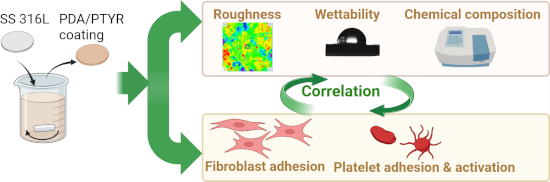
- , manufacturability and relatively low cost, SS 316L is widely used for orthopedic and dental implants, bone plates, screws, oral implants, and vascular stents [1][2][3][4][5]. In dental and orthopedic applications, fibroblast attachment, spreading, migration, and osteointegration are critical for long-term implant
- oxide and forsterite nanoparticles, all of which were shown to enhance fibroblast adhesion, migration, or proliferation [2][3][4][5]. Beyond orthopedic and dental uses, SS 316L is a standard material for cardiovascular implants, particularly stents, due to its strength, ductility and ability to form
- , the total cell number and surface occupied by cells as a result of migration and proliferation increased with culture time for each coating variant, apart from SS-PDA 4 h, on the surface of which these values decreased significantly (from 83.42% to 22.45%). SS-PDA 4 h was also the variant




Time of flight secondary ion mass spectrometry imaging of contaminant species in chemical vapour deposited graphene on copper
Beilstein J. Nanotechnol. 2026, 17, 200–213, doi:10.3762/bjnano.17.13
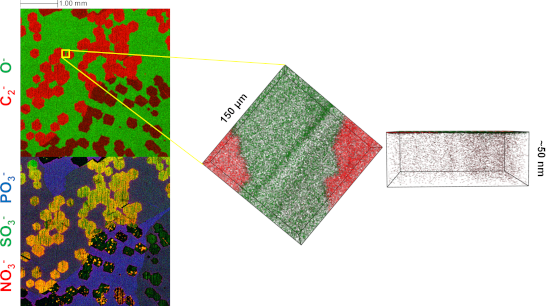
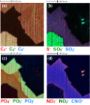
- species at the surface of the foil. This facile migration of phosphorous species to the surface of Cu [59] would suggest that, in the case of the BO sample, it is not favourable for it to remain at the interface between the graphene and the Cu foil as minimal PO3− was observed collocated with the graphene
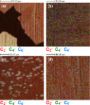
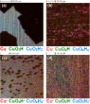
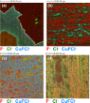
- shown. 3D ToF-SIMS images (150 µm × 150 µm) of a 200 nm PVD high-purity copper layer deposited on top of a copper foil (left) and after annealing at the graphene growth temperature (right), indicating the migration of P within the copper at elevated temperatures. Supporting Information Supporting





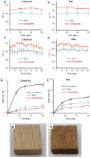
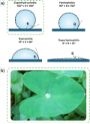
Functional surface engineering for cultural heritage protection: the role of superhydrophobic and superoleophobic coatings – a comprehensive review
Beilstein J. Nanotechnol. 2026, 17, 63–96, doi:10.3762/bjnano.17.6
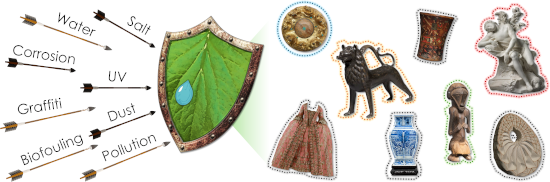


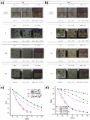
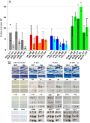
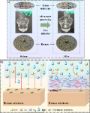


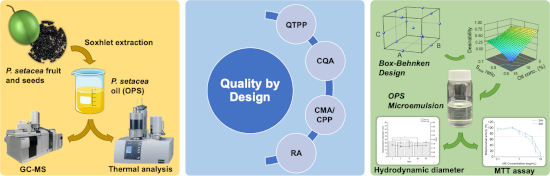
Quality by design optimization of microemulsions for topical delivery of Passiflora setacea seed oil
Beilstein J. Nanotechnol. 2025, 16, 2116–2131, doi:10.3762/bjnano.16.146
- the complex biological processes involved in wound healing. Specifically, it does not evaluate critical mechanisms such as cell migration, proliferation, extracellular matrix remodeling, or the modulation of inflammatory mediators. Therefore, future investigations should incorporate complementary


Piezoelectricity of layered double hydroxides: perspectives regarding piezocatalysis and nanogenerators
Beilstein J. Nanotechnol. 2025, 16, 1812–1817, doi:10.3762/bjnano.16.124

- ultrasound exposure broke the inversion symmetry of Ni/Fe-LDH, causing positive and negative polarization charges to arise. The migration of created charges in opposite directions under external mechanical force caused an intrinsic electric field. The authors also hypothesized that LDHs, as some 2D layered

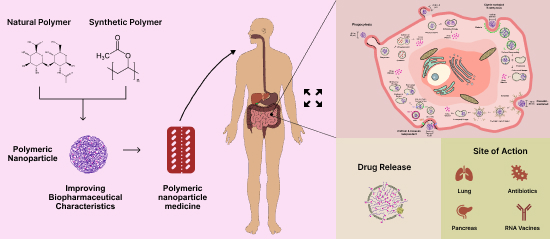
Exploring the potential of polymers: advancements in oral nanocarrier technology
Beilstein J. Nanotechnol. 2025, 16, 1751–1793, doi:10.3762/bjnano.16.122


Advances of aptamers in esophageal cancer diagnosis, treatment and drug delivery
Beilstein J. Nanotechnol. 2025, 16, 1734–1750, doi:10.3762/bjnano.16.121
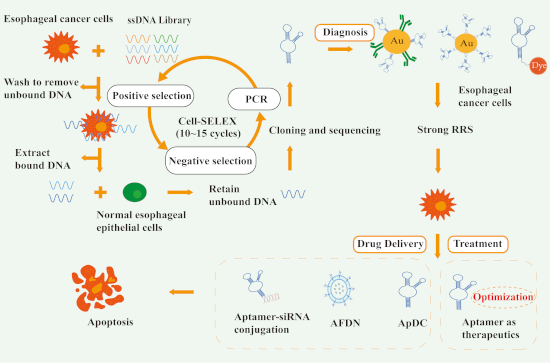
- peptide aptamer p42, which can inhibit the proliferation, migration, and invasion of ESCC tissues. It was confirmed that synthetic peptide 42 similarly inhibits SOX2 in vitro and in vivo, which may overcome drug resistance to some extent. Proteomic analysis revealed significant changes in the levels of
- , which can specifically block CDP/SOX2 interaction, was screened by BiFc assay. The antitumor activity of p58 aptamer was further analyzed in vitro and in mouse xenograft and zebrafish models, suggesting that peptide 58 could significantly inhibit the proliferation, migration, and invasion of KYSE450
- Mycoplasma infection was 50.9% positive in EC tissue, and there was a high correlation between Mycoplasma infection and EC tissue [90]. Zhang et al. [91] showed that M. hyorhinis was closely related to migration, invasion, and metastasis of ESCC tissues, and thus DNA aptamer ZY3 against M. hyorhinis and the


Prospects of nanotechnology and natural products for cancer and immunotherapy
Beilstein J. Nanotechnol. 2025, 16, 1644–1667, doi:10.3762/bjnano.16.116
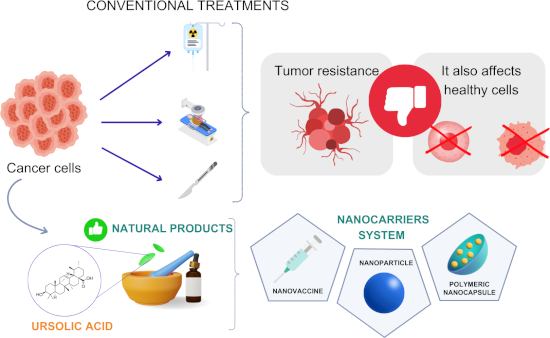
- mechanisms involve inhibiting cell proliferation by disrupting the lysosomal system, increasing pH, and altering the lipid profile of cancer cells [113]. Additionally, ursolic acid can inhibit the differentiation of Th17 cells from the STAT3/RORβt pathway and the migration of these cells by down-regulating
- inhibition of cancer cell migration, invasion, and metastasis [122][123]. The patent characterizes the NPs through DLS and TEM, confirming a uniform size distribution. Additionally, in vitro studies using MCF-7 breast cancer cells demonstrated inhibition of cell proliferation, with the NP inducing apoptosis
- ]. The formulation includes temperature-responsive and non-temperature-responsive amphiphilic molecules (weight ratio of 7:3). UV–vis spectroscopy, TEM, and DLS experiments demonstrated that administration of 14.37 mg·kg−1 of the nanoparticles inhibited lung adenocarcinoma proliferation and migration


Transient electronics for sustainability: Emerging technologies and future directions
Beilstein J. Nanotechnol. 2025, 16, 1545–1556, doi:10.3762/bjnano.16.109

- therapeutic intervention, in which case permanent implantable devices may be excessive or even undesirable. Traditional permanent implants are often associated with complications such as biofilm formation, tissue irritation, or migration within the body [15][16][17]. Furthermore, their removal typically


Laser processing in liquids: insights into nanocolloid generation and thin film integration for energy, photonic, and sensing applications
Beilstein J. Nanotechnol. 2025, 16, 1428–1498, doi:10.3762/bjnano.16.104






Enhancing the photoelectrochemical performance of BiOI-derived BiVO4 films by controlled-intensity current electrodeposition
Beilstein J. Nanotechnol. 2025, 16, 1289–1301, doi:10.3762/bjnano.16.94
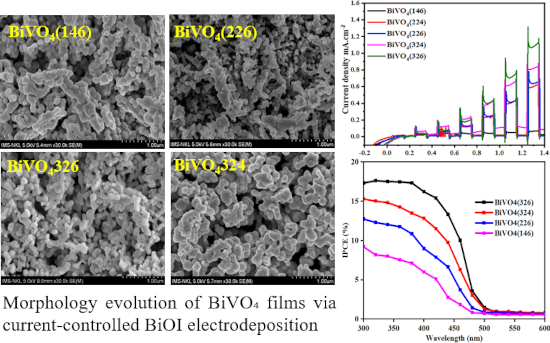
- higher electrodeposition current densities, suggesting preferential growth along the crystallographic direction. Higher deposition currents influence ion migration rates and nucleation kinetics, potentially leading to a preferential orientation along the (040) plane. The intensity and sharpness of the



Acrocomia aculeata oil-loaded nanoemulsion: development, anti-inflammatory properties, and cytotoxicity evaluation
Beilstein J. Nanotechnol. 2025, 16, 1277–1288, doi:10.3762/bjnano.16.93
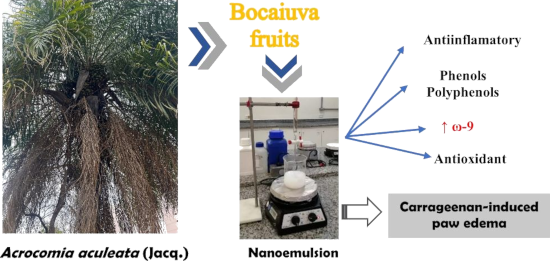
- assessment of two key inflammatory parameters, namely, leukocyte migration and protein extravasation [55]. The assay demonstrated that Acrocomia aculeata nanoemulsion at a dose of 50 mg/kg has a pharmacological effect approximately two-fold greater than that of the pristine oil at 100 mg/kg (Figure 6). This


Better together: biomimetic nanomedicines for high performance tumor therapy
Beilstein J. Nanotechnol. 2025, 16, 1246–1276, doi:10.3762/bjnano.16.92
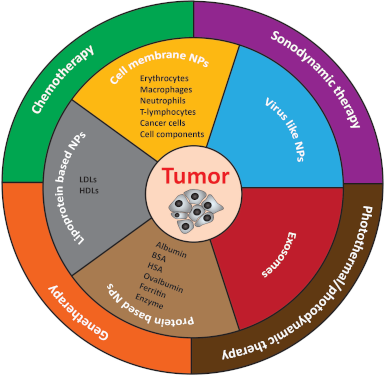
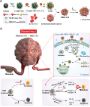
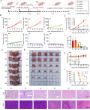
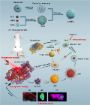
- significantly reduced the viability, migration, and invasion of OSCC cells; also, they substantially reduced the CAB39 and MIF expression in OSCC cells [151]. The targeted pH-responsive biomimetic nanodelivery system displayed high therapeutic efficacy with minimal side effects in orthotopic human glioblastoma






Hydrogels and nanogels: effectiveness in dermal applications
Beilstein J. Nanotechnol. 2025, 16, 1216–1233, doi:10.3762/bjnano.16.90
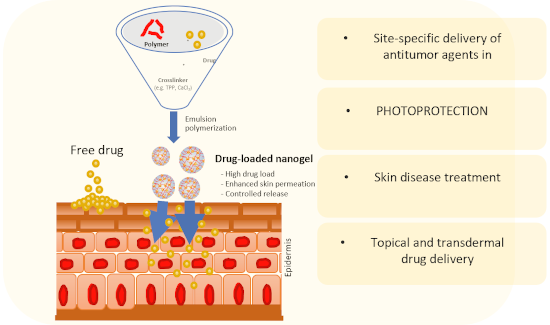
- guanosine quartet hydrogels loaded with recombinant human-sourced collagen can be wrapped onto the skin surface. These films can supply collagen deposition for the wound by recruiting macrophages and fibroblasts and eventually inducing their proliferation and migration [42]. In the study by Zhao et al


Influence of ion beam current on the structural, optical, and mechanical properties of TiO2 coatings: ion beam-assisted vs conventional electron beam evaporation
Beilstein J. Nanotechnol. 2025, 16, 1097–1112, doi:10.3762/bjnano.16.81
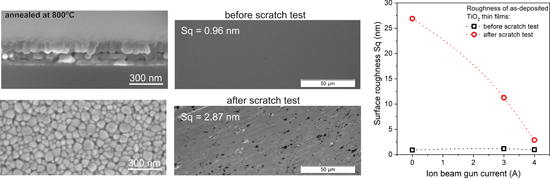
- migration. This can result in much better adhesion of the films to the substrate [11]. In addition, the advantage of using additional ion beam assistance in the EBE processes is an increased packing density of the coatings, making them more resistant to moisture [8][12]. Moreover, the IBAD technique has




Piezoelectricity of hexagonal boron nitrides improves bone tissue generation as tested on osteoblasts
Beilstein J. Nanotechnol. 2025, 16, 1068–1081, doi:10.3762/bjnano.16.78
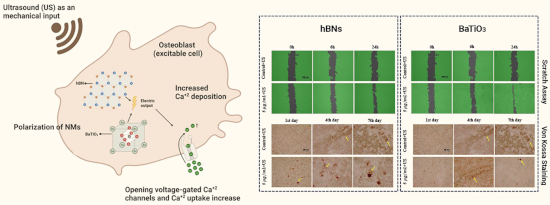
- with ultrasound (US) exposure. The results showed that the NMs are not cytotoxic at the concentrations tested and the migration ability and calcium deposit formation of the cells treated with the NMs and upon US exposure were significantly increased. These results demonstrate that the hBNs have the
- uptake, ROS levels, noncytotoxic dosing, and migration capacity. Additionally, osteoblastic differentiation and calcium deposition, as markers of end-stage osteoblast differentiation, were evaluated. Materials and Methods Synthesis and characterization of hexagonal boron nitrides Hexagonal boron nitride
- investigate the migration ability of HOb cells exposed to US and NMs under reduced serum culture conditions to inhibit cell proliferation [40]. Firstly, HOb cells were seeded in 12-well plates at 105 cells/well and incubated for 24 h. Then, the cells adhered to the wells were vertically scratched using a 200


Thickness dependent oxidation in CrCl3: a scanning X-ray photoemission and Kelvin probe microscopies study
Beilstein J. Nanotechnol. 2025, 16, 749–761, doi:10.3762/bjnano.16.58
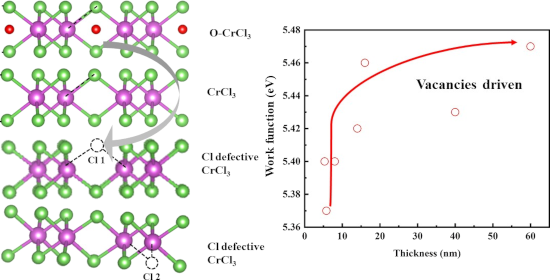
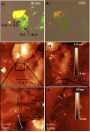
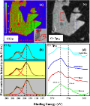
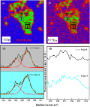
- investigates interfaces made by dry transfer of CrCl3 flakes in an atmospheric environment. Cl vacancies and the formation of O/CrCl3 are induced, serving as dissociation centers that facilitate the migration of Cl vacancies between the top and bottom surfaces. By manipulating 2D atomic layers via surface





The impact of tris(pentafluorophenyl)borane hole transport layer doping on interfacial charge extraction and recombination
Beilstein J. Nanotechnol. 2025, 16, 678–689, doi:10.3762/bjnano.16.52
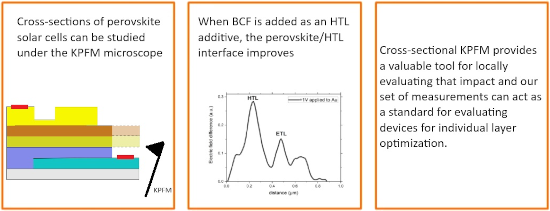
- therefore a charge accumulation within the perovskite. Initial studies suggested that this asymmetrical charge carrier behavior indicates an unfavorable hole extraction and a promoted electron extraction [9][13][14], but the migration and interaction of mobile ions (such as I− ions interacting with 2,2',7,7


Polyurethane/silk fibroin-based electrospun membranes for wound healing and skin substitute applications
Beilstein J. Nanotechnol. 2025, 16, 591–612, doi:10.3762/bjnano.16.46
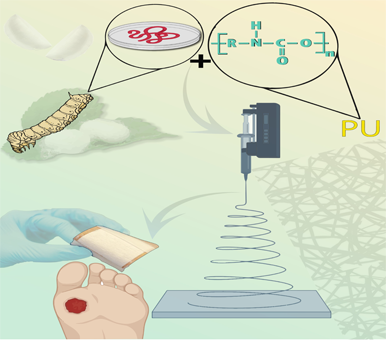
- , myofibroblasts help in wound contraction, and endothelial cells are involved in neo-angiogenesis. The re-epithelization process involves proliferation and migration towards the wound area and fills the wound with granulation tissues. In this matrix, keratinocytes live, move, and proliferate to close the wound
- scaffold was cytocompatible and osteoconductive. In vitro studies showed that the scaffold successfully supported the osteogenic differentiation of human mesenchymal stem cells, migration and proliferation of endothelial cells, and growth of neural stem cells. The combination of BMP2, VEGF, and NGF
- models using permeable freeze-dried silk, a highly porous sponge with an adequate pore size is crucial for controlling cell migration and proliferation, particularly when the objective is to generate a dermally well-vascularized layer [105]. The most common approach for constructing a double-layer skin



Synthetic-polymer-assisted antisense oligonucleotide delivery: targeted approaches for precision disease treatment
Beilstein J. Nanotechnol. 2025, 16, 435–463, doi:10.3762/bjnano.16.34





