Search results
Search for "molecular structure" in Full Text gives 150 result(s) in Beilstein Journal of Nanotechnology.
Materials challenges in solid-state sensors for continuous monitoring of ions in water
Beilstein J. Nanotechnol. 2026, 17, 935–973, doi:10.3762/bjnano.17.66



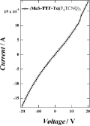
Supramolecular one-dimensional conducting nanofibers from a C3-symmetric tetrathiafulvalene derivative
Beilstein J. Nanotechnol. 2026, 17, 872–881, doi:10.3762/bjnano.17.63
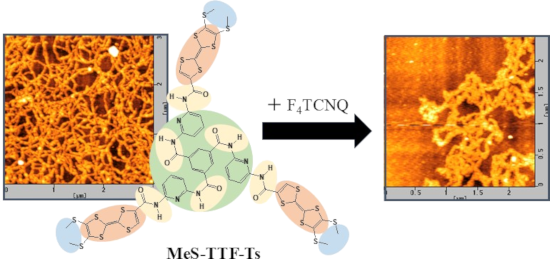
- molecular design and controlled self-assembly enables the construction of conductive supramolecular nanostructures with integrated structural and functional properties. These findings provide important insights into the relationship between molecular structure, supramolecular organization, and charge


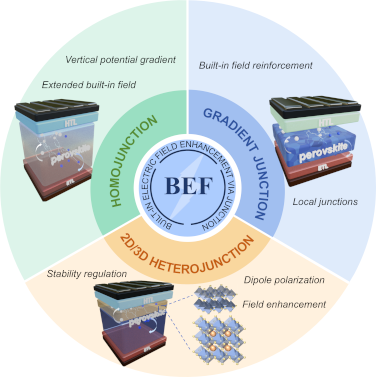
Recent progress in enhancing built-in electric fields of perovskite solar cells via junction engineering
Beilstein J. Nanotechnol. 2026, 17, 602–621, doi:10.3762/bjnano.17.42




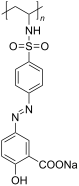
Structure-dependent thermochromism of PAZO thin films: theory and experiment
Beilstein J. Nanotechnol. 2026, 17, 186–199, doi:10.3762/bjnano.17.12
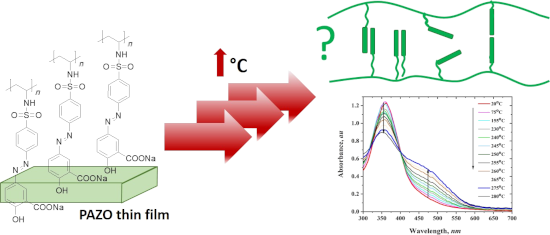
- alterations in molecular structure and chemical composition. Thermal treatment can alter the types and amounts of functional groups present in a polymer. This is a consequence of the chemical reactions occurring at elevated temperatures and leading to changes in the structure and properties of polymers. These
- . Computational details of DFT calculations Molecular modeling tools were used in the current study to shed some light on the molecular structure and interactions (including photoinduced cooperative molecular reorientation) of PAZO that determine its distinct properties. PAZO is a polymer and its molecular weight


Chiral plasmonic nanostructures fabricated with circularly polarized light
Beilstein J. Nanotechnol. 2025, 16, 2245–2264, doi:10.3762/bjnano.16.154
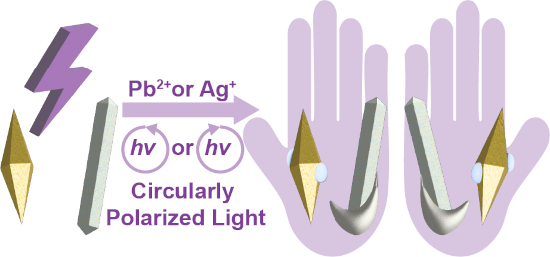
- in detecting chiral molecules is the limited ability to directly measure the enhanced CD spectra of the analyte. Biomolecule detection primarily relies on changes in the line shape of the metamaterial spectra. This provides limited information about molecular structure [18]. Therefore, additional






Optical bio/chemical sensors for vitamin B12 analysis in food and pharmaceuticals: state of the art, challenges, and future outlooks
Beilstein J. Nanotechnol. 2025, 16, 2207–2244, doi:10.3762/bjnano.16.153
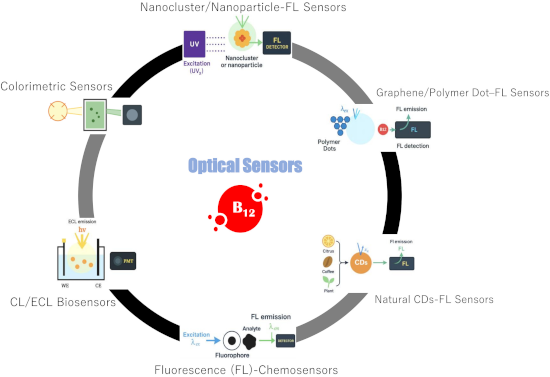
- efficiency, and ease of implementation [22]. Moreover, Lok et al. assessed VB12 doses in a continuous-flow lab-on-a-chip system based on luminol-peroxide CL tests to monitor Co2+ in the molecular structure of VB12 [24], where the released Co2+ acted as the recognition target, luminol as the indicator


Electrical, photocatalytic, and sensory properties of graphene oxide and polyimide implanted with low- and medium-energy silver ions
Beilstein J. Nanotechnol. 2025, 16, 1794–1811, doi:10.3762/bjnano.16.123
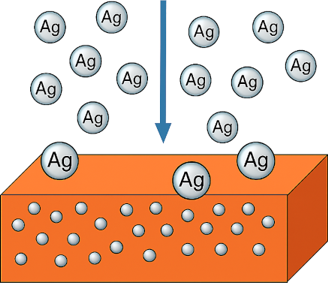
- changes in the molecular structure. These changes indicate the onset of radiation degradation of the material, in which oxygen functional groups are removed and the polymer structure rearranges towards a more carbonaceous network. After implantation with higher-energy ions of 1.5 MeV, the changes were


Exploring the potential of polymers: advancements in oral nanocarrier technology
Beilstein J. Nanotechnol. 2025, 16, 1751–1793, doi:10.3762/bjnano.16.122
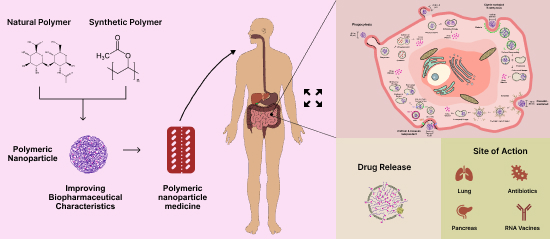
- utilized polymers in PNs for oral drug delivery. Structurally, chitosan (Figure 4a) is a linear polysaccharide composed of ᴅ-glucosamine monomers linked via β-(1→4) bonds [92][93]. The widespread use of chitosan can be attributed to the functional groups within its molecular structure, which confer a


Multifunctional anionic nanoemulsion with linseed oil and lecithin: a preliminary approach for dry eye disease
Beilstein J. Nanotechnol. 2025, 16, 1711–1733, doi:10.3762/bjnano.16.120
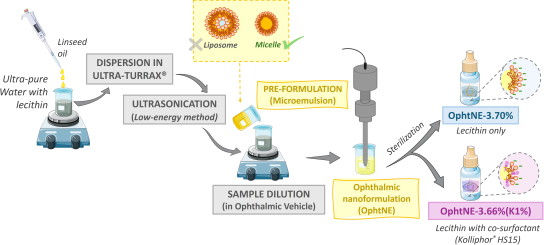
- , homogeneity, and stability in colloidal systems are influenced by component proportions (surfactant, oil, and co-surfactant), emulsification methods (low-energy or high-energy techniques) [40][41][42], and intrinsic properties like linseed oil viscosity and lecithin’s molecular structure [43]. These last
- molecular structure [71][72]. This results in weaker intermolecular interactions, reducing the oil’s viscosity [73]. A lower viscosity in LO can facilitate the formation and stability of micelles by allowing surfactant molecules to move more freely, promoting their rapid formation and maintaining stability
- analysis. As the temperature rises, the double bonds in these unsaturated fatty acids undergo relaxation and changes from cis to trans configuration, distorting the molecular structure. This leads to weaker intermolecular interactions, which is reflected in a reduction in oil viscosity (as shown in Table 2


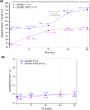


Synthesis and antibacterial properties of nanosilver-modified cellulose triacetate membranes for seawater desalination
Beilstein J. Nanotechnol. 2025, 16, 1380–1391, doi:10.3762/bjnano.16.100
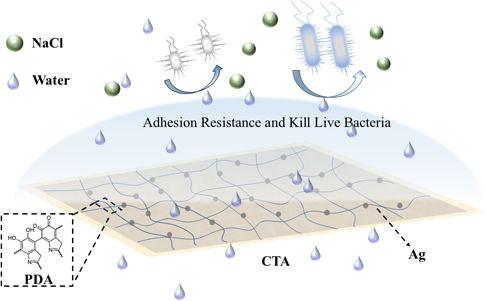
- waterborne microorganisms because six-membered cyclic ethers in its molecular structure have β-A chains of dehydrated glucose units linked by C–O–C bonds [28]. Therefore, enhancing the antibacterial properties of CTAs is crucial from both academic and practical perspectives. In this study, we employed the


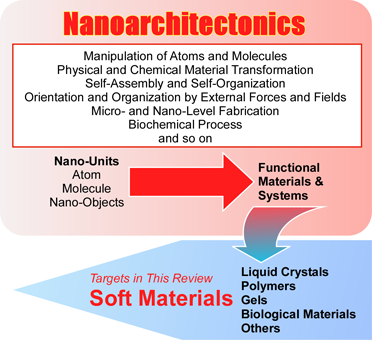
Soft materials nanoarchitectonics: liquid crystals, polymers, gels, biomaterials, and others
Beilstein J. Nanotechnol. 2025, 16, 1025–1067, doi:10.3762/bjnano.16.77






Time-resolved probing of laser-induced nanostructuring processes in liquids
Beilstein J. Nanotechnol. 2025, 16, 968–1002, doi:10.3762/bjnano.16.74
- K) of neutral water, as shown by the agreement with the MD simulation result in Figure 5F. This implied that the rearrangement of the water molecular structure was dominated by the heating effect when the steady state was reached. These observations and the approach of analyzing the water structure


Efficiency of single-pulse laser fragmentation of organic nutraceutical dispersions in a circular jet flow-through reactor
Beilstein J. Nanotechnol. 2025, 16, 711–727, doi:10.3762/bjnano.16.55
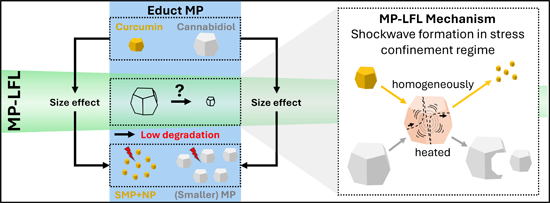
- available nutraceuticals (curcumin and CBD) are polycrystalline, nearly water-insoluble natural products with a similar molecular structure (Figure 1) and approximately the same molecular weight of 314 g·mol−1 for CBD and 368 g·mol−1 for curcumin, already their visual appearance strongly deviates. CBD is


Colloidal few layered graphene–tannic acid preserves the biocompatibility of periodontal ligament cells
Beilstein J. Nanotechnol. 2025, 16, 664–677, doi:10.3762/bjnano.16.51
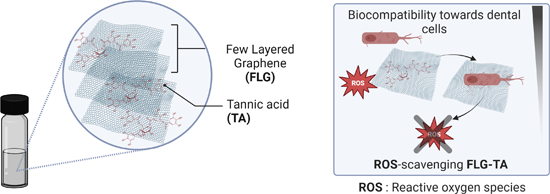
- demonstrated that cell adhesion may influence metabolic programming through regulation of adhesion molecules and glucose transport pathways [26][27]. Additionally, the molecular structure of tannic acid allows for potential enzymatic conversion into glucose derivatives via cellular metabolic pathways [28][29




Polyurethane/silk fibroin-based electrospun membranes for wound healing and skin substitute applications
Beilstein J. Nanotechnol. 2025, 16, 591–612, doi:10.3762/bjnano.16.46
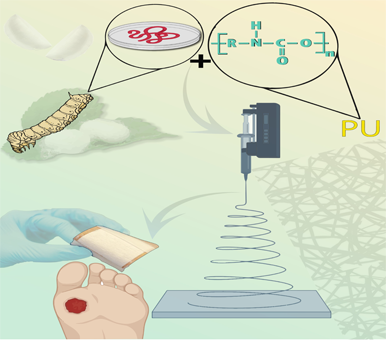
- response, is extensively investigated by addressing its molecular structure, composition, and medical uses. PU is a candidate for potential biomedical applications because of its strength, flexibility, biocompatibility, cell-adhesive properties, and high resistance to biodegradation. PU combined with silk
- biodegradable [124]. Degradation is limited in crystalline regions, while amorphous regions get degraded easily within PU. The molecular structure and composition of the polymer, its molecular weight, crystallinity, and the presence of cross-links and additives are a few elements that impact polymer degradation




Radiosensitizing properties of dual-functionalized carbon nanostructures loaded with temozolomide
Beilstein J. Nanotechnol. 2025, 16, 229–251, doi:10.3762/bjnano.16.18
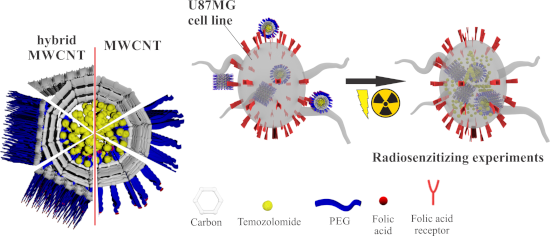
- , probably from C=O stretching vibrations within the FA molecular structure. The spectrum of FA exhibits a band at 1639 cm−1 from the amide C=O group, which is shifted to 1604 and 1637 cm−1 in the spectra of MWCNTs-PEG6000-FA and MWCNTs-G-PEG6000-FA, respectively. The spectra of MWCNTs-PEG6000-FA and MWCNTs





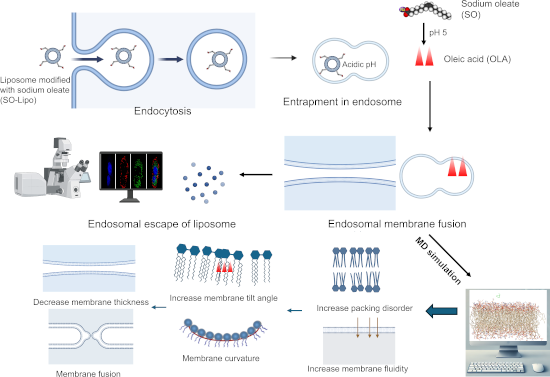
Mechanistic insights into endosomal escape by sodium oleate-modified liposomes
Beilstein J. Nanotechnol. 2024, 15, 1667–1685, doi:10.3762/bjnano.15.131





Facile synthesis of size-tunable L-carnosine-capped silver nanoparticles and their role in metal ion sensing and catalytic degradation of p-nitrophenol
Beilstein J. Nanotechnol. 2024, 15, 1576–1592, doi:10.3762/bjnano.15.124
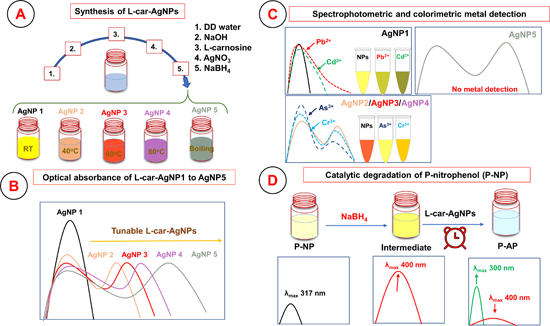
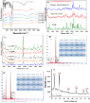
- -carnosine and ʟ-car-AgNPs and 100 s for ʟ-carnosine in aqueous solution. DFT calculations Theoretical insights into the FTIR and Raman measurements were obtained through molecular structure optimization of ʟ-carnosine, its anionic form, and probable ʟ-carnosine–(Ag)4 complexes. The structure optimization




The round-robin approach applied to nanoinformatics: consensus prediction of nanomaterials zeta potential
Beilstein J. Nanotechnol. 2024, 15, 1536–1553, doi:10.3762/bjnano.15.121
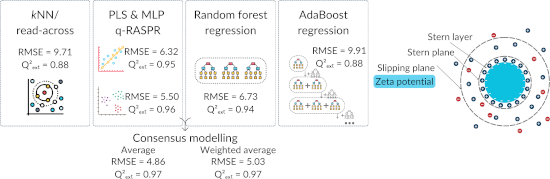
- orbital per metal atom of 15 metal oxide NPs. Toropov et al. [31] developed, for a set of 15 metal and metal oxide NPs, a QFPR model considering both the NPs’ molecular structure and the experimental conditions, encoded in quasi-SMILES. Furthermore, research has explored the computational assessment of


Electrochemical nanostructured CuBTC/FeBTC MOF composite sensor for enrofloxacin detection
Beilstein J. Nanotechnol. 2024, 15, 1522–1535, doi:10.3762/bjnano.15.120
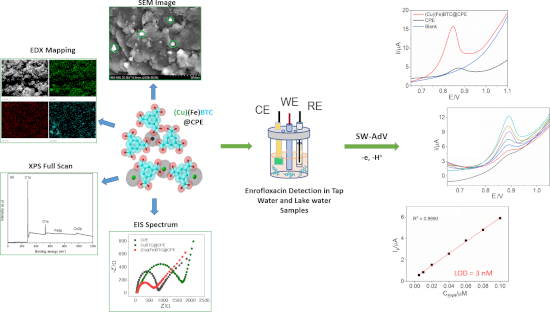
- mixture of CuBTC and FeBTC to modify carbon paste electrodes for the determination of enrofloxacin. The characterization and properties of the fabricated electrode, including molecular structure, morphology, and electrochemical characteristics, were thoroughly investigated using various analytical





Interaction of graphene oxide with tannic acid: computational modeling and toxicity mitigation in C. elegans
Beilstein J. Nanotechnol. 2024, 15, 1297–1311, doi:10.3762/bjnano.15.105
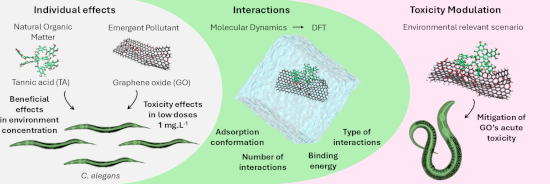
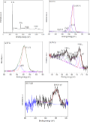
- +sp3 and oxygenated carbon bonds C–O and C=O. Snapshot of TA on the GO surface obtained from NPT MD at 300 K, parameterized with the ReaxFF reactive force field. The molecular structure view was generated with the VMD software developed with NIH support by the Theoretical and Computational Biophysics
- purple (positive) and green (negative). Isosurface of 1 × 10⁻³ e/Å3. The molecular structure view was generated with the VMD software developed with NIH support by the Theoretical and Computational Biophysics group at the Beckman Institute, University of Illinois at Urbana-Champaign (http


Effects of cutting tool geometry on material removal of a gradient nanograined CoCrNi medium entropy alloy
Beilstein J. Nanotechnol. 2024, 15, 925–940, doi:10.3762/bjnano.15.76
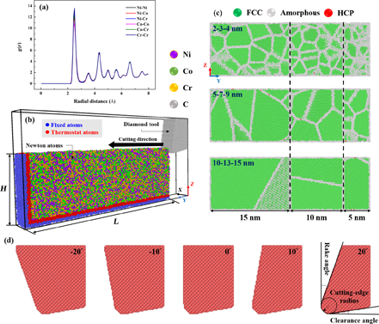
- /molecularly parallel simulator (LAMMPS) software [16][17], and the GNG model substrates were built from the ATOMSK software [18]. Deformation response, molecular structure, and atomic strain behavior were observed using the Open Visualization Tool (OVITO) software [19][20]. The mechanisms of phase transitions









Laser synthesis of nanoparticles in organic solvents – products, reactions, and perspectives
Beilstein J. Nanotechnol. 2024, 15, 638–663, doi:10.3762/bjnano.15.54
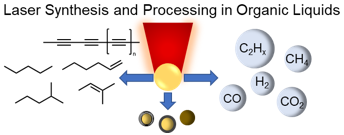
- [45]. Additionally, the molecular structure of the solvent affects the hydrogen evolution rate. Ethanol and isopropyl alcohol produced greater hydrogen yields than isobutyl alcohol and diethyl ether, which was attributed to the higher ratio of hydrogen to carbon and, thus, more C–H bonds relative to C





Berberine-loaded polylactic acid nanofiber scaffold as a drug delivery system: The relationship between chemical characteristics, drug-release behavior, and antibacterial efficiency
Beilstein J. Nanotechnol. 2024, 15, 71–82, doi:10.3762/bjnano.15.7
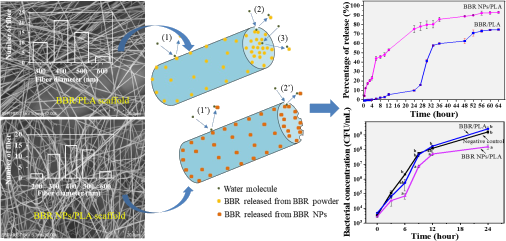
- nanofiber scaffold. This was due to the O–H stretching vibration of the glycerol component in BBR NPs (Figure 2). Peculiarly, the absorption bands at 1646 cm−1 and 1506 cm−1, characteristic of the C=N+ double bond and the furyl group in the molecular structure of BBR, respectively, were only displayed in


Exploring internal structures and properties of terpolymer fibers via real-space characterizations
Beilstein J. Nanotechnol. 2023, 14, 1004–1017, doi:10.3762/bjnano.14.83
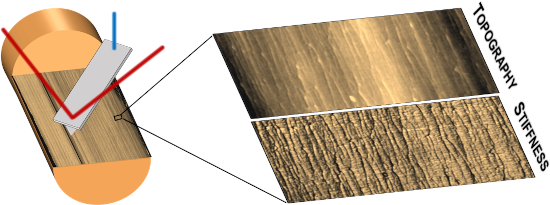
- -phenylenediamine (PPD), and 3,4′-diaminodiphenyl ether (DPE) (Figure 1a). Compared to Kevlar®, which includes 50% concentrations of the first two monomers alone (forming p-phenylene terephthalamide (PPTA)), the molecular structure of Technora® substitutes DPE for half of the PPD monomers [1][2][3][4][5]. Of course
- chemistry of Kevlar® (Figure 1) leads to a well-ordered molecular structure (i.e., ‘ACACAC…’ in Figure 9), which should enhance load transfer at this scale compared to Technora®. Together, the more uniform molecular sequencing and the resulting microstructure in Kevlar® appear to explain why K29 has higher