


Search results
Search for "regenerative medicine" in Full Text gives 33 result(s) in Beilstein Journal of Nanotechnology.
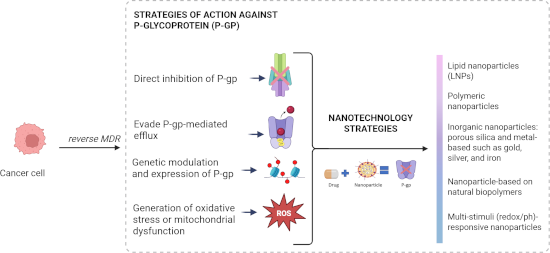
Nanocarrier strategies to overcome P-glycoprotein-mediated drug resistance in cancer therapy
Beilstein J. Nanotechnol. 2026, 17, 882–921, doi:10.3762/bjnano.17.64


Protein-based custom-designed molecular nanotraps for biomedical applications
Beilstein J. Nanotechnol. 2026, 17, 683–687, doi:10.3762/bjnano.17.47

- , choosing the protein building block among those already in use in tissue engineering and regenerative medicine, such as gelatin and silk fibroin, ensures biocompatibility, biodegradability and non-toxicity. Despite these potentials, to date, the use of proteins as building blocks for the preparation of

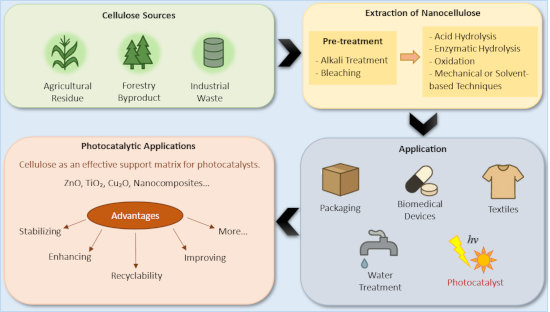
Cellulose as a photocatalyst support material: extraction, structural features, and environmental applications
Beilstein J. Nanotechnol. 2026, 17, 635–652, doi:10.3762/bjnano.17.44
- closely resembles the inorganic component of bone. When BC is incorporated into CPCs, it further enhances their compressive strength without diminishing their capacity to support bone growth or to be safely resorbed by the body [73][74]. Beyond regenerative medicine, researchers have also designed hybrid


Beyond the shell: exploring polymer–lipid interfaces in core–shell nanofibers to carry hyaluronic acid and β-caryophyllene
Beilstein J. Nanotechnol. 2025, 16, 2015–2033, doi:10.3762/bjnano.16.139
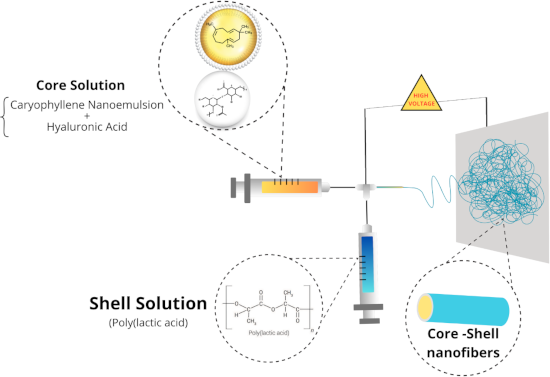
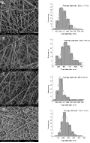
- biomaterials, recent decades have seen intensive research into novel therapeutic strategies for regenerative medicine [1][2][3][4]. Within this scenario, a pivotal current strategy in formulation development focuses on integrating nanocarriers with nanoscale three-dimensional biomaterials, enabling major




Nanomaterials for biomedical applications
Beilstein J. Nanotechnol. 2025, 16, 1499–1503, doi:10.3762/bjnano.16.105
- additional studies and trials are carried out [23]. The connection between regenerative medicine and tissue engineering applications is notable, as regenerative medicine aims to repair damaged tissues and organs, and nanotechnology is driving major progress in this field [24]. Usually, traditional care works
Piezoelectricity of hexagonal boron nitrides improves bone tissue generation as tested on osteoblasts
Beilstein J. Nanotechnol. 2025, 16, 1068–1081, doi:10.3762/bjnano.16.78
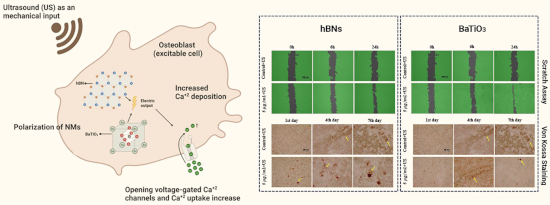
- enhance its potential as a nano–bio interface in tissue engineering and regenerative medicine [28][29]. The crystalline structure of hexagonal boron nitride (hBN) consists of in-plane B–N bonds that are sp2 hybridized, polarized, and strongly covalent. Its most stable form is a hexagonal lattice of


Synthetic-polymer-assisted antisense oligonucleotide delivery: targeted approaches for precision disease treatment
Beilstein J. Nanotechnol. 2025, 16, 435–463, doi:10.3762/bjnano.16.34


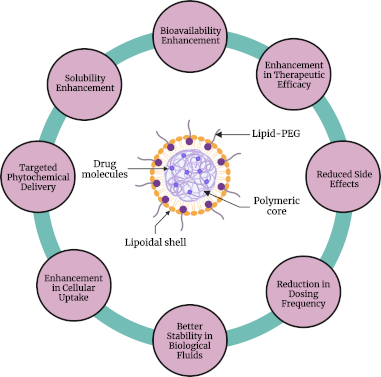
Polymer lipid hybrid nanoparticles for phytochemical delivery: challenges, progress, and future prospects
Beilstein J. Nanotechnol. 2024, 15, 1473–1497, doi:10.3762/bjnano.15.118


Recent updates in applications of nanomedicine for the treatment of hepatic fibrosis
Beilstein J. Nanotechnol. 2024, 15, 1105–1116, doi:10.3762/bjnano.15.89
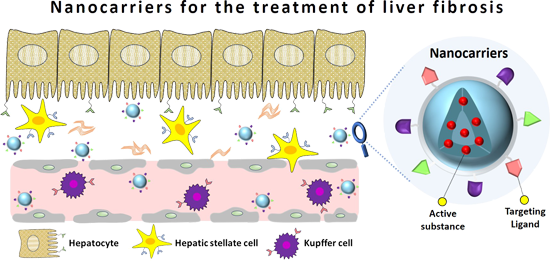
- regenerative medicine. Aiming to improve the treatment outcomes, new nanomedicinal drugs and formulations have been reported on an almost daily basis for targeting various diseases. Until now, most nanomedicine applications have focused primarily on drug delivery and theranostic nanoplatforms for cancer


Hierarchically patterned polyurethane microgrooves featuring nanopillars or nanoholes for neurite elongation and alignment
Beilstein J. Nanotechnol. 2023, 14, 1157–1168, doi:10.3762/bjnano.14.96
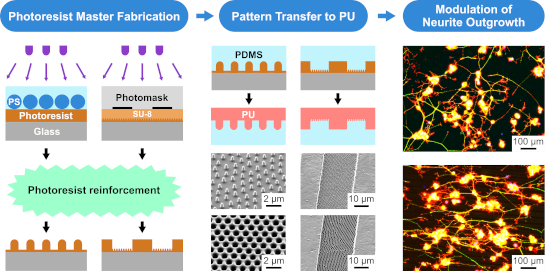
- Lester Uy Vinzons Guo-Chung Dong Shu-Ping Lin Doctoral Program in Tissue Engineering and Regenerative Medicine, National Chung Hsing University, Taichung City 40227, Taiwan (R.O.C.) Institute of Biomedical Engineering and Nanomedicine, National Health Research Institutes, Miaoli County 35053
- . Acknowledgements Lester U. Vinzons carried out his thesis research under the auspices of the Doctoral Program in Tissue Engineering and Regenerative Medicine, National Chung Hsing University and National Health Research Institutes. The authors would like to thank Dr. Jiann-Yeu Chen and Hung-Yan Lin of the NCHU i


Two-step single-reactor synthesis of oleic acid- or undecylenic acid-stabilized magnetic nanoparticles by thermal decomposition
Beilstein J. Nanotechnol. 2023, 14, 11–22, doi:10.3762/bjnano.14.2
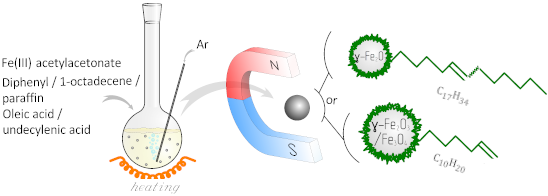
- nanoparticles have been proposed as contrast agents for magnetic resonance imaging, high-precision biosensors, and carriers in magnetic-assisted drug delivery systems. Furthermore, they are used for tumor treatment via the hyperthermia method and in bone tissue regenerative medicine [5][6]. However, using iron


Biomimetic chitosan with biocomposite nanomaterials for bone tissue repair and regeneration
Beilstein J. Nanotechnol. 2022, 13, 1051–1067, doi:10.3762/bjnano.13.92
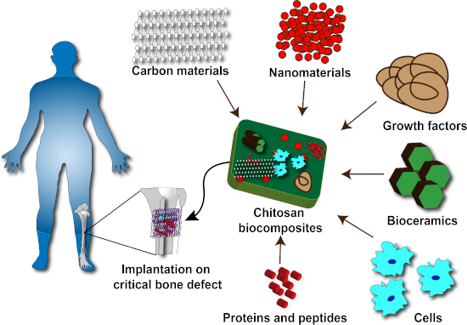
- promising applications in bone tissue engineering [55]. 3D printing chitosan material for bone tissue engineering The 3D printing is an emerging technique used in tissue engineering, in which biomaterials are 3D printed to mimic the native tissue architecture. In bone tissue engineering and regenerative
- medicine, the 3D scaffold system was used to imitate bone tissue anatomy. These scaffold systems consist of composite scaffolds of polymeric materials. Among other composite materials, chitosan composites were widely used in bone tissue engineering applications due to their porous nature and
Micro- and nanotechnology in biomedical engineering for cartilage tissue regeneration in osteoarthritis
Beilstein J. Nanotechnol. 2022, 13, 363–389, doi:10.3762/bjnano.13.31
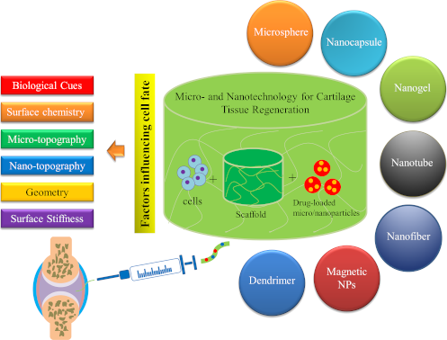
- /nanoscale topographical cues, microspheres, nanoparticles, nanofibers, and nanotubes. Keywords: biological cues; cartilage regeneration; micro/nanotopographical cues; nanotechnology; osteoarthritis; regenerative medicine; Review 1 Introduction Osteoarthritis (OA) is a widespread degenerative disease of
- matrices for cell transplantation in the late 1980s [18], there have been numerous developments in the design and fabrication of bioinspired and smart biomaterials with improved potential of TE as a regenerative medicine approach. The development of hydrogel-based scaffolds for regenerative medicine
- biomimetic nanocomposites to imitate pseudostratified features of the ECM to develop bioinspired scaffolds [47][48][49]. 3.1.2.1 Nanoparticles (NPs). In recent years, NPs have been increasingly used in regenerative medicine (Table 1) and other medical areas. NPs have been successfully developed for drug


Engineered titania nanomaterials in advanced clinical applications
Beilstein J. Nanotechnol. 2022, 13, 201–218, doi:10.3762/bjnano.13.15
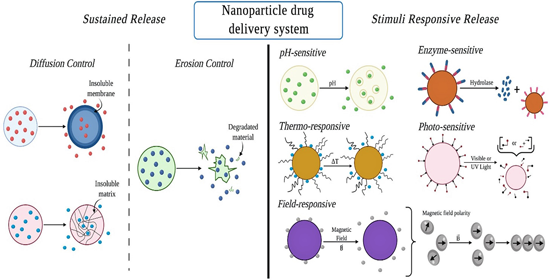
- regenerative medicine because of the utilization of the endogenous stem cells of the host or tissue-specific progenitor cells at the injury site. Akermanite is a bioceramic that has received significant attention because, after implantation, it can release Ca, Si, and Mg ions, which enhances adhesion


Use of nanosystems to improve the anticancer effects of curcumin
Beilstein J. Nanotechnol. 2021, 12, 1047–1062, doi:10.3762/bjnano.12.78
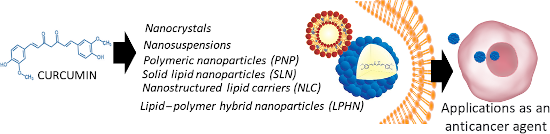
- administration is required and for regenerative medicine [9][10], although new applications are constantly being developed. Some of the main advantages of nanosized drug administration include an improved pharmacokinetic profile, higher selectivity towards tumor cells, and increased cellular and organelle


Comprehensive review on ultrasound-responsive theranostic nanomaterials: mechanisms, structures and medical applications
Beilstein J. Nanotechnol. 2021, 12, 808–862, doi:10.3762/bjnano.12.64


Silver nanoparticles induce the cardiomyogenic differentiation of bone marrow derived mesenchymal stem cells via telomere length extension
Beilstein J. Nanotechnol. 2021, 12, 786–797, doi:10.3762/bjnano.12.62
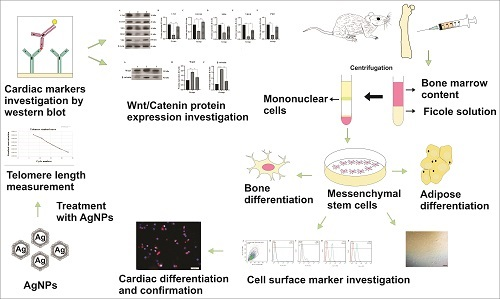
- Analysis Research Center, Tabriz University of Medical Sciences, Tabriz, Iran 10.3762/bjnano.12.62 Abstract Finding new strategies for the treatment of heart failures using stem cells has attracted a lot of attention. Meanwhile, nanotechnology-based approaches to regenerative medicine hypothesize a
- recently gained much attention in cell therapy regarding the repair of damaged heart tissue [3]. In regenerative medicine, bone marrow mesenchymal stem cells (BM-MSCs) and cardiac progenitor cells play a remarkable role in the regeneration of the myocardium [4]. Experimental studies related to the role of
- initiate the differentiation into cell lineages such as cardiomyocytes, osteocytes, or chondrocytes [24]. Nanotechnology can boost stem cell differentiation and eliminate many obstacles thus improving its applicability in regenerative medicine [25]. The usage of nanomaterials in medicine has been


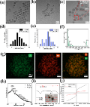
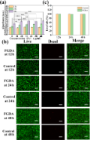
Uniform Fe3O4/Gd2O3-DHCA nanocubes for dual-mode magnetic resonance imaging
Beilstein J. Nanotechnol. 2020, 11, 1000–1009, doi:10.3762/bjnano.11.84
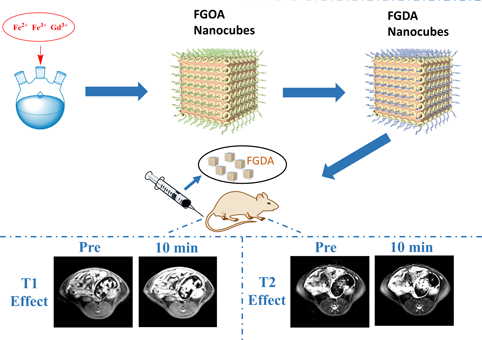
- Miao Qin Yueyou Peng Mengjie Xu Hui Yan Yizhu Cheng Xiumei Zhang Di Huang Weiyi Chen Yanfeng Meng Research Center for Nano-Biomaterials & Regenerative Medicine, Department of Biomedical Engineering, College of Biomedical Engineering, Taiyuan University of Technology, Taiyuan, Shanxi 030024, China



Fully amino acid-based hydrogel as potential scaffold for cell culturing and drug delivery
Beilstein J. Nanotechnol. 2019, 10, 2579–2593, doi:10.3762/bjnano.10.249
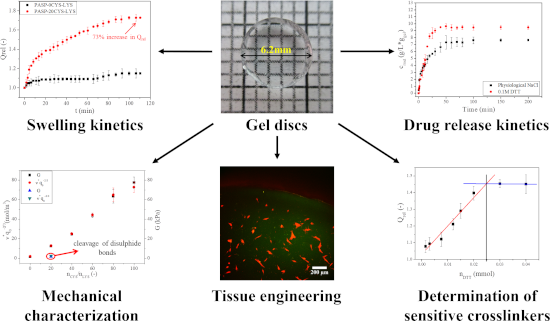
- usually complicated and expensive [3]. Recently, various types of polymer-based hydrogels have been developed for purposes of tissue engineering and regenerative medicine [26]. Most of these polymers try to mimic or recreate the natural environment of the cells, namely the extracellular matrix (ECM) [27


Atomic force acoustic microscopy reveals the influence of substrate stiffness and topography on cell behavior
Beilstein J. Nanotechnol. 2019, 10, 2329–2337, doi:10.3762/bjnano.10.223
- for the tissue regeneration therapy in biomedicine. Keywords: atomic force acoustic microscopy (AFAM); cell growth; nanopattern; stiffness; SU-8 photoresist; topography; Introduction The interactions of cells with extracellular matrices (ECMs) play important roles in regenerative medicine and tissue
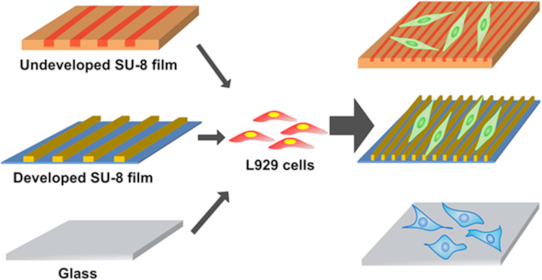
- the substrate to the cells. This approach is useful for the investigation of biological processes, tissue development and cell-based regenerative medicine. Fabrication of SU-8 films and differentiation of L929 cells cultured on the surfaces. (a) The fabrication process for producing tunable stiffness


Characterization and influence of hydroxyapatite nanopowders on living cells
Beilstein J. Nanotechnol. 2018, 9, 3079–3094, doi:10.3762/bjnano.9.286
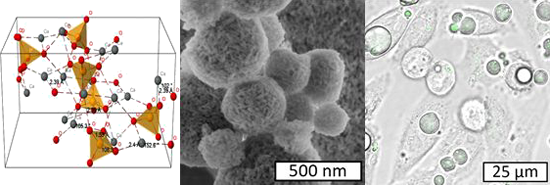
- regenerative medicine. The use of nanosized hydroxyapatites in biomedical applications is constantly growing due to their good mechanical properties and enhanced efficiency of gene transfection in drug delivery. Calcium phosphates are sensitive to the preparation conditions [11][12][13][14][15]. They can be

![[Graphic 1]](/bjnano/content/inline/2190-4286-9-286-i2.svg?max-width=637&scale=1.18182) .
.



Bioinspired self-healing materials: lessons from nature
Beilstein J. Nanotechnol. 2018, 9, 907–935, doi:10.3762/bjnano.9.85
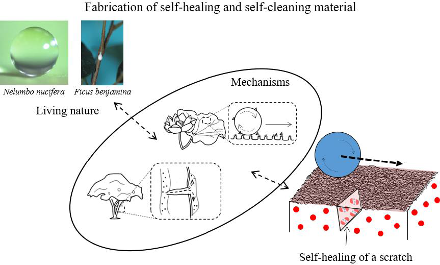
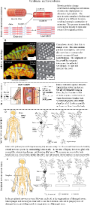
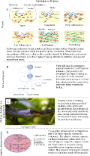
- ] states that regenerative medicine “…seeks to repair or regenerate damaged tissue and organs…without leaving scar tissue behind, thereby restoring both structure and function of tissues/organs.” The overall goal of life is to survive, and healing is one of the tools an organism uses to achieve this goal




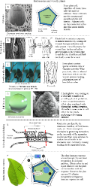


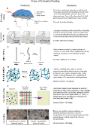

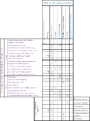
Liquid-crystalline nanoarchitectures for tissue engineering
Beilstein J. Nanotechnol. 2018, 9, 205–215, doi:10.3762/bjnano.9.22
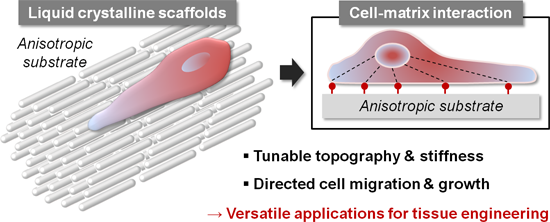
- challenges for applying LC nanoarchitectures in tissue engineering fields is discussed. Keywords: biocolloid; biopolymer; cell-matrix interaction; mesophase; regenerative medicine; Review Introduction Liquid crystals (LCs) are ubiquitous in our life [1]. On one hand, LC materials play a central role in
- not yet been sufficiently recognized among scientists in the field of tissue engineering and regenerative medicine, or even among experts in fields of LC technology. The objective of this review article is to deal with this issue with a multidisciplinary point of view. First, the ultrastructures and
- discussed, in the context of their applications to cell templates and scaffolds for regenerative medicine. In particular, it is discussed how varying nanoarchitectures in different LC orders have been realized in several tissue engineering topics. Lastly, a perspective on the opportunities and challenges


Uptake and intracellular accumulation of diamond nanoparticles – a metabolic and cytotoxic study
Beilstein J. Nanotechnol. 2017, 8, 1649–1657, doi:10.3762/bjnano.8.165
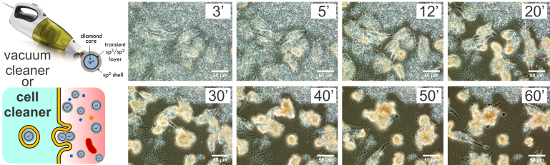
- are tailorable on demand [2]. This work investigates the use of diamond nanomaterials, or nanodiamonds (NDs), especially in life sciences, tissue engineering and regenerative medicine [3][4][5][6]. Diamond is biocompatible [7][8], and for advanced biomedical applications, it is particularly promising


Luminescent supramolecular hydrogels from a tripeptide and nitrogen-doped carbon nanodots
Beilstein J. Nanotechnol. 2017, 8, 1553–1562, doi:10.3762/bjnano.8.157
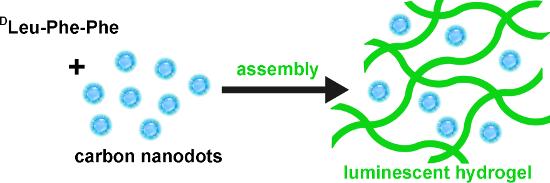
- materials. Peptide self-assembled hydrogels are inherently biocompatible and biodegradable and thus are promising biomaterials for cell culture, regenerative medicine, tissue engineering, and drug delivery applications [22]. The identification of self-assembling peptides that are as short as possible is





