


Search results
Search for "seeds" in Full Text gives 98 result(s) in Beilstein Journal of Nanotechnology.
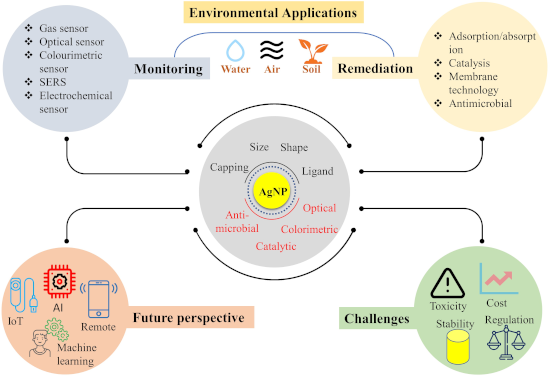
Environmental applications of silver nanoparticles: state-of-the-art review and emerging trends
Beilstein J. Nanotechnol. 2026, 17, 697–736, doi:10.3762/bjnano.17.49


Cellulose as a photocatalyst support material: extraction, structural features, and environmental applications
Beilstein J. Nanotechnol. 2026, 17, 635–652, doi:10.3762/bjnano.17.44
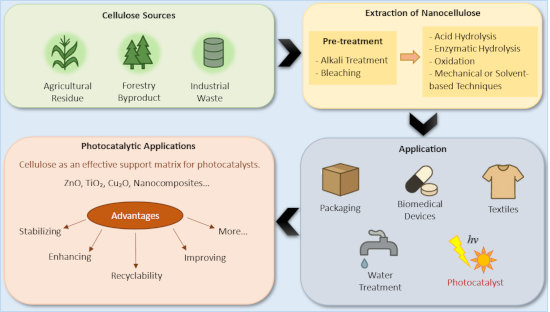
- cellulose fiber from various sources such as walnut [2], date seeds [3], and corn husk [1]. Cellulose (Figure 1) is a linear homopolysaccharide composed of repeating β-ᴅ-glucopyranose units that are linked together through β-1,4-glycosidic bonds, with each glucopyranose group carrying three free hydroxy


Eco-efficient materials for agricultural crops based on a mineral rich in MOR- and HEU-type zeolites
Beilstein J. Nanotechnol. 2026, 17, 381–395, doi:10.3762/bjnano.17.26
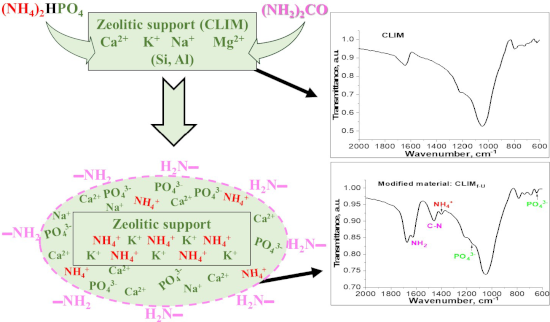
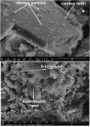
- . Then, corn seeds were sown, making four replicates per treatment in a randomized block distribution. Red ferrallitic soil was used as a control for comparative purposes. FTIR spectra of modified samples (CLIMf) and raw material (CLIM). (a) CLIMf obtained as a result of modification using different




Micro- and nanoscale effects in biological and bioinspired materials and surfaces
Beilstein J. Nanotechnol. 2026, 17, 214–217, doi:10.3762/bjnano.17.14

- independently evolved multiple times in this group in a comparative morphological framework with phylogenetically informed analyses. Other sources for potential bioinspiration have been discussed in a review on the composite hydrogel-like mucilages of plant seeds by Kreitschitz and Gorb [18]. The mucilage
- envelope of seeds supports seed germination, protection from pathogens and predators, and attachment to various surfaces for dispersal. This three-dimensional polysaccharide network is capable of absorbing large amounts of water to function either as an efficient lubricant or a strong adhesive depending on
Chiral plasmonic nanostructures fabricated with circularly polarized light
Beilstein J. Nanotechnol. 2025, 16, 2245–2264, doi:10.3762/bjnano.16.154
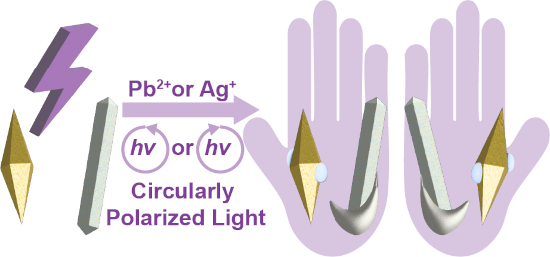
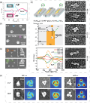
- ] and three-dimensional gold helices [27] (Figure 1a) are two representative cPNSs fabricated by nanolithography. Using arrays of plasmonic seeds patterned by nanolithography, versatile cPNSs were also constructed with glancing angle deposition [28] (Figure 1b). Up to now, nanofabrication has produced
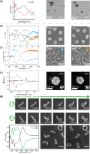
- investigation [50][51]. Another important breakthrough is the micelle-directed seeded growth of chiral gold nanorods (AuNRs) [52]. In this approach, the surfactant of the achiral AuNR seeds, cetyltrimethylammonium chloride (CTAC), formed micelles adsorbed on NRs in the presence of dissymmetric cosurfactants
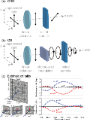
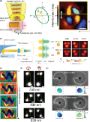
- ][101][102]. When the localized surface plasmon resonance of metal seeds is excited, hot electrons reduce Ag+ or from solution and deposit metallic Ag and Au. However, various studies in the past two decades on the plasmon-mediated reduction of Ag(I) and Au(III) have demonstrated a weak dependence of





Quality by design optimization of microemulsions for topical delivery of Passiflora setacea seed oil
Beilstein J. Nanotechnol. 2025, 16, 2116–2131, doi:10.3762/bjnano.16.146
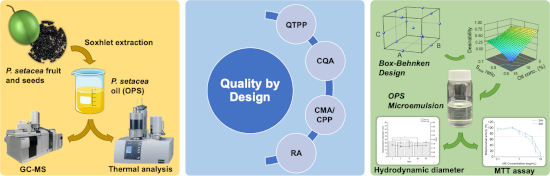
- ether to ≈34% with hexane [3][4][5]. Such variations are commonly influenced by parameters including solvent type, moisture content of the seeds, extraction time, and temperature conditions [6]. The chemical profile of OPS was determined after transesterification to fatty acid methyl esters (FAME
- delivery, effectively combining the functional benefits of P. setacea seed oil with a QbD-guided formulation process. Experimental Materials Seeds of Passiflora setacea BRS Pérola do Cerrado were kindly provided by EMBRAPA (Brasília, DF, Brazil – SisGen Registration Nº. A51F883). n-Hexane was purchased
- 4:1 ratio of n-hexane to P. setacea seeds, following the methodology recommended by the Association of Official Analytical Chemists [55]. Prior to extraction, dried seeds were grounded, placed in folded filter paper, and inserted into the Soxhlet extractor. The extraction was carried out for 6 h at


Laser ablation in liquids for shape-tailored synthesis of nanomaterials: status and challenges
Beilstein J. Nanotechnol. 2025, 16, 1963–1997, doi:10.3762/bjnano.16.137
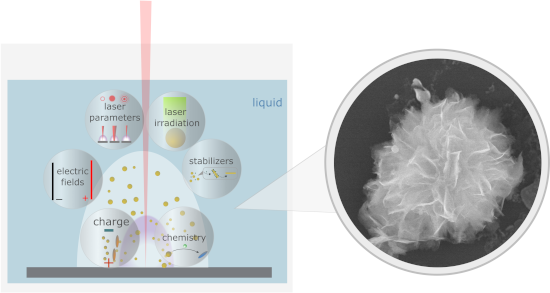
- formation of seeds and NP growth represent thermodynamic condensation and electrostatic growth [8]. As demonstrated in [10], the initially formed seeds are prone to interact with the electrons in plasma, attaining negative charge, which attracts positive ions from plasma enabling growth. This occurs unless
- relatively short periods of time, produces spherical NPs that act as seeds during the growth of nonspherical nanostructures. Such approach has been demonstrated in [26] for the production of PbO nanosheets with thickness less than 15 nm by laser ablation of a lead target in water. After the initial stage
- low to melt the particles, the shape transformation can be induced using photochemical processes. However, in this case, the addition of precursors, reducing, and stabilizing agents is required. The pristine NPs that are present in the solution act as seeds, while photoinduced reduction occurs at





Targeting the vector of arboviruses Aedes aegypti with nanoemulsions based on essential oils: a review with focus on larvicidal and repellent properties
Beilstein J. Nanotechnol. 2025, 16, 1894–1913, doi:10.3762/bjnano.16.132
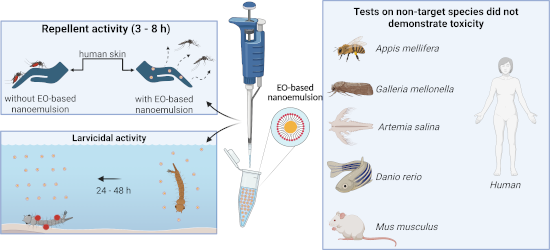
- formulation as a safe and environmentally friendly bioinsecticide for the control of arbovirus vectors. Subaharan et al. (2022) evaluated the larvicidal efficacy of nanoemulsions of Trachyspermum ammi essential oil and its main component, thymol, against Ae. aegypti. The plant, native to India, has seeds rich


Current status of using adsorbent nanomaterials for removing microplastics from water supply systems: a mini review
Beilstein J. Nanotechnol. 2025, 16, 1837–1850, doi:10.3762/bjnano.16.127
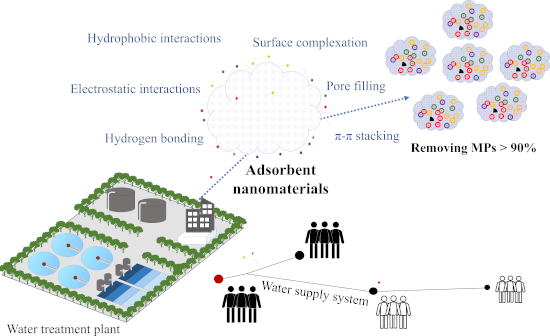
- a magnetic nanoseed concentration of just 0.002 g·L−1, these composites enabled 98% PET extraction, with the separation efficiency largely influenced by the morphology of the magnetic seeds. In addition to ensuring highly efficient magnetic separation of MP particles, this approach significantly


Beyond the bilayer: multilayered hygroscopic actuation in pine cone scales
Beilstein J. Nanotechnol. 2025, 16, 1695–1710, doi:10.3762/bjnano.16.119
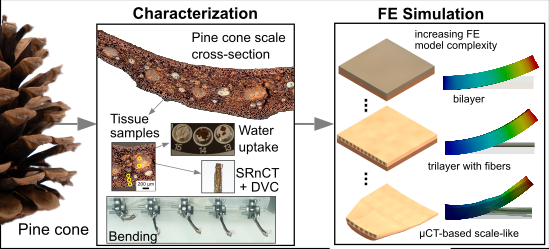
- , winged seeds are blocked and protected by the scales under wet conditions and released under dry conditions for wind dispersal. The inspiration provided by such biological motion principles has driven innovation in a variety of fields, including wood elements for weather-responsive and self-forming
- Pinus jeffreyi tree growing in the Botanical Garden in Freiburg im Breisgau, Germany, and were collected from the ground in February 2022, after they had already opened and dispersed most of their seeds. Following collection, the cones were stored in a climate-controlled environment at room temperature
- opened and is releasing its seeds, it would be disadvantageous for the cone scales to “overreact” and close due to every slight rain shower or increase in humidity. In this context, the hysteresis might act as an additional buffer besides the general slow speed of the closure. Delayed closure relative to


Influence of laser beam profile on morphology and optical properties of silicon nanoparticles formed by laser ablation in liquid
Beilstein J. Nanotechnol. 2025, 16, 1533–1544, doi:10.3762/bjnano.16.108
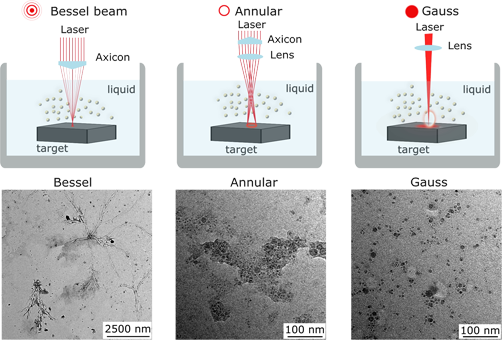
- outer rings of the Bessel beam should be considered when discussing the morphology peculiarities of the formed NPs. At later stages of the process, the outer rings might be also involved in nucleation and growth of nanoparticles by trapping the produced seeds and guiding their aggregation in distinct


Photochemical synthesis of silver nanoprisms via green LED irradiation and evaluation of SERS activity
Beilstein J. Nanotechnol. 2025, 16, 1417–1427, doi:10.3762/bjnano.16.103
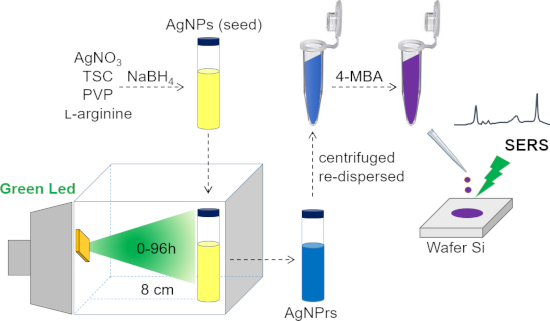
- candidates for surface-enhanced Raman scattering (SERS) due to their strong localized surface plasmon resonance and sharp tip geometry. In this study, AgNPrs were synthesized through a photochemical method by irradiating spherical silver nanoparticle seeds with 10 W green light-emitting diodes (LEDs; 520
- ± 20 nm) for various periods of time up to 72 h. The growth mechanism was investigated through ultraviolet–visible spectroscopy, field-emission scanning electron microscopy, X-ray diffraction, and transmission electron microscopy analyses, confirming the gradual transformation of spherical seeds into
- step of the entire process [3]. During this stage, small silver nanoparticles (seeds) can combine and evolve into anisotropic nanostructures through a chemical process in the presence of hydrogen peroxide (H2O2) and sodium borohydride, commonly referred to as the Mirkin method [4]. Recently


Acrocomia aculeata oil-loaded nanoemulsion: development, anti-inflammatory properties, and cytotoxicity evaluation
Beilstein J. Nanotechnol. 2025, 16, 1277–1288, doi:10.3762/bjnano.16.93
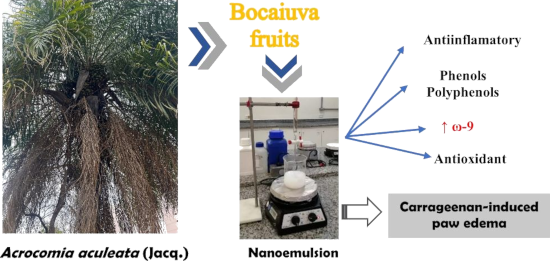
- °36'45.7" W) after the natural fall of the first ripe fruits. The fruit pulp was manually separated from the seeds and preserved until oil extraction. Bocaiúva oil extraction One kilogram of fresh fruit pulp was placed in an Erlenmeyer flask and extracted with n-hexane (1000 mL) by mechanical agitation for


Chitosan nanocomposite containing rotenoids: an alternative bioinsecticidal approach for the management of Aedes aegypti
Beilstein J. Nanotechnol. 2025, 16, 1197–1208, doi:10.3762/bjnano.16.88
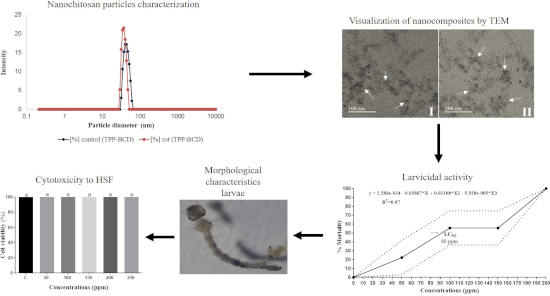
- delivery system for rotenoids isolated from Clitoria fairchildiana seeds, leveraging their larvicidal activity against third-instar larvae of Ae. aegypti. The nanocomposite was synthesized using a controlled ionic gelation method incorporating the TPP-β-CD inclusion complex, which resulted in nanoparticles
- Clitoria fairchildiana seeds with larvicidal activity against third-instar Ae. aegypti larvae. These studies revealed morphological and metabolic changes in the larvae, suggesting that V-ATPase inhibition triggers oxidative stress, resulting in high production of reactive oxygen species (ROS) in the midgut
- isolated and characterized from C. fairchildiana seeds [14]. These compounds exhibited larvicidal activity against third-instar Ae. aegypti larvae, causing morphological changes and metabolic alterations as a result of increased production of ROS in the insect midgut [14]. It is already well-documented in



Time-resolved probing of laser-induced nanostructuring processes in liquids
Beilstein J. Nanotechnol. 2025, 16, 968–1002, doi:10.3762/bjnano.16.74
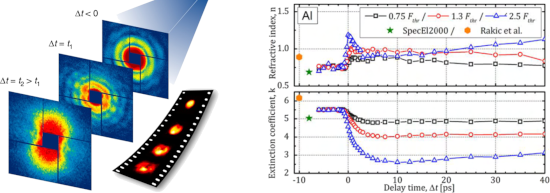
- -particle experiments. These voids form due to local pressure differences caused by energy accumulation in hot spots via photoexcited localized surface plasmons, with the overall melting and particle disintegration resembling an inverted crystal nucleation process, where voids act as seeds and their


A formulation containing Cymbopogon flexuosus essential oil: improvement of biochemical parameters and oxidative stress in diabetic rats
Beilstein J. Nanotechnol. 2025, 16, 617–636, doi:10.3762/bjnano.16.48
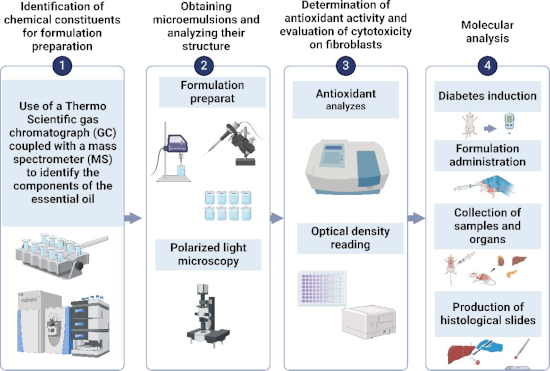
- levels of the kidney markers urea and creatinine, but there was a decrease in these markers after administration of Cymbopogon proximus suspension, made from ground seeds of the plant and suspended in double-distilled water. Sena-Junior et al. [12] found a reduction in uric acid levels in diabetic rats




Natural nanofibers embedded in the seed mucilage envelope: composite hydrogels with specific adhesive and frictional properties
Beilstein J. Nanotechnol. 2024, 15, 1603–1618, doi:10.3762/bjnano.15.126
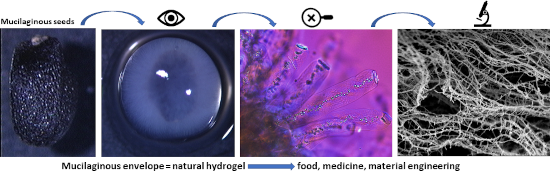
- . Natural hydrogels share some features with synthetic hydrogels, but are more easy to obtain and recycle. One of the main sources of such hydrogels are mucilaginous seeds and fruits, which produce after hydration a gel-like, transparent capsule, the so-called mucilage envelope. Mucilage serves several
- important biological functions, such as supporting seed germination, protecting seeds against pathogens and predators, and allowing the seed to attach to diverse surfaces (e.g., soil or animals). The attachment properties of mucilage are thus responsible for seed dispersal. Mucilage represents a hydrophilic
- the mucilage envelope, primarily in the context of its structure and physical properties, as well as biological functions associated with these properties. Keywords: adhesion; cellulose; friction; hydrogel; mucilage envelope; seeds; Introduction The definition of hydrogels describes them as


Polymer lipid hybrid nanoparticles for phytochemical delivery: challenges, progress, and future prospects
Beilstein J. Nanotechnol. 2024, 15, 1473–1497, doi:10.3762/bjnano.15.118
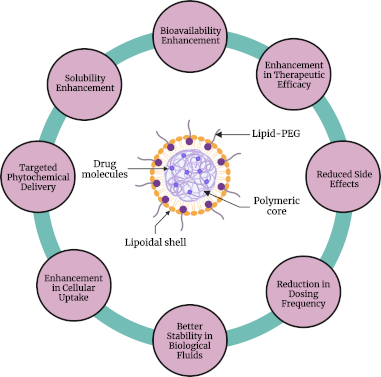
- 21 days than free CUR. Quercetin Quercetin (QCT) is a flavonoid found in many fruits, vegetables, leaves, seeds, and grains. It is particularly abundant in onions, apples, berries, tea, and red wine [84]. This natural polyphenolic compound has gained attention for its diverse therapeutic effects. QCT
- bioactive compound derived from the seeds of Nigella sativa, commonly known as black cumin or black seed. This plant is part of the Ranunculaceae family and has been used for centuries in traditional medicine for its therapeutic properties [93]. THQ exhibits a wide range of therapeutic effects, including
- bioavailability after oral ingestion in male Albino rats compared to native baicalin suspension. These findings highlight the potential of PLHNPs systems in improving the therapeutic potential of poorly soluble compounds like baicalin. Silymarin Silymarin is a flavonoid complex extracted from the seeds of Silybum


Various CVD-grown ZnO nanostructures for nanodevices and interdisciplinary applications
Beilstein J. Nanotechnol. 2024, 15, 1390–1399, doi:10.3762/bjnano.15.112
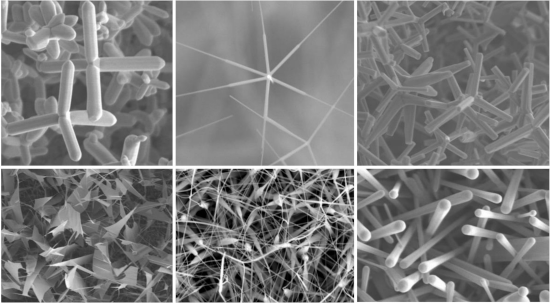
- surface energy values in the following order: [51]. At temperature and saturated vapour pressure values suitable for referential growth directions, ZnO crystals develop from Zn droplets working as nuclei/seeds, which react with oxygen in order to develop characteristic nanostructures. Following



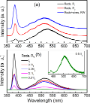
Nanoarchitectonics with cetrimonium bromide on metal nanoparticles for linker-free detection of toxic metal ions and catalytic degradation of 4-nitrophenol
Beilstein J. Nanotechnol. 2024, 15, 1312–1332, doi:10.3762/bjnano.15.106
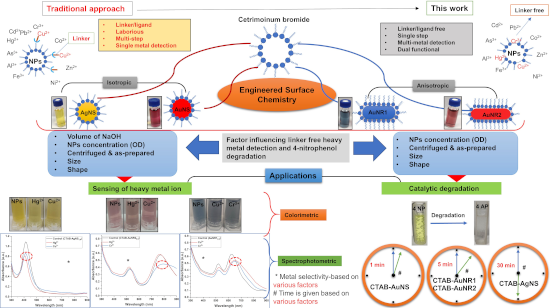
- with slight modifications [30]. Briefly, in the first step, gold seeds were prepared by mixing CTAB, HAuCl4·3H2O and NaBH4. The seed solution acts as an initiator for synthesizing gold nanorods. In the second step, the growth solution was prepared, consisting of CTAB, AgNO3, HAuCl4·3H2O, HCl, and
- ascorbic acid. A typical synthesis involved the synthesis of CTAB-capped Au seeds of less than 4 nm. Addition to the growth solution in step 2 resulted in the formation of gold nanorods. The seeds were prepared using 200 µL of HAuCl4·3H2O (25 mM) with 2 mL of 0.1 M CTAB at 80 °C, followed by 800 µL freshly




Gold nanomakura: nanoarchitectonics and their photothermal response in association with carrageenan hydrogels
Beilstein J. Nanotechnol. 2024, 15, 678–693, doi:10.3762/bjnano.15.56

- diffraction (XRD), and FTIR, respectively, to establish physicochemical properties of the synthesized nanomaterials. Results Synthesis, optical spectroscopy, and zeta potential Anisotropic gold nanoparticles of makura shape were synthesized using seed-mediated approach as shown in Figure 1a. The Au seeds were
- introducing ascorbic acid indicated partial reduction of Au3+ to Au+, since ascorbic acid is a weak reducing agent. The introduction of seeds rapidly changed the colourless solution into blue, indicating complete reduction of Au+ to Au0. This was due to diffusion of Au0 atoms toward the {111} facet of the
- Synthesis of makura-shaped gold nanoparticles Step 1: Synthesis of surfactant-capped gold seeds. Individual surfactant-capped seeds were prepared for the synthesis of different surfactant-capped gold nanomakura. Initially, surfactant-capped gold seeds were synthesized using the available surfactants (CTAB


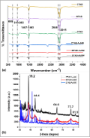


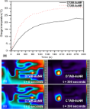


Electron-induced deposition using Fe(CO)4MA and Fe(CO)5 – effect of MA ligand and process conditions
Beilstein J. Nanotechnol. 2024, 15, 500–516, doi:10.3762/bjnano.15.45
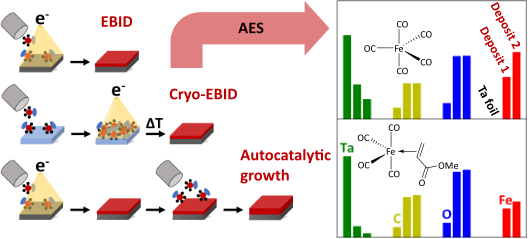
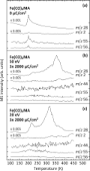
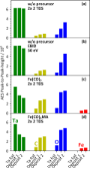
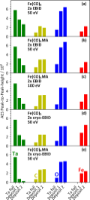
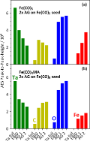
- thickness regime where the TaNNN signal is still visible. This is a consequence of the larger EAL of CKLL and OKLL electrons as compared to that of TaNNN electrons. Furthermore, AG can contribute to the deposition in EBID after small Fe seeds have formed. This would lead to a higher deposit purity. For



Assessing phytotoxicity and tolerance levels of ZnO nanoparticles on Raphanus sativus: implications for widespread adoptions
Beilstein J. Nanotechnol. 2024, 15, 115–125, doi:10.3762/bjnano.15.11
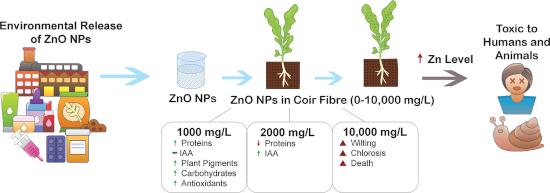
- .) [17]. Similarly, a concentration of 10 mg/L of ZnO NPs elicited a positive response on the root elongation of Zea mays (corn). However, at a higher concentration of 1000 mg/L, there was an inhibitory effect on the root elongation of both corn and Cucumis sativus (cucumber) seeds, suggesting toxicity
- and water uptake in the presence of Zn [39], or else by accelerating the activity of carbonic anhydrase [2]. Several published information is available on the effect of Zn on photosynthetic pigments of other crops. Nanopriming Triticum aestivum seeds with 10 mg/L of ZnO resulted in a significant
- (SLINTEC). Phytotoxicity experiments on R. sativus grown in an inert solid medium R. sativus was grown in an inert coir medium with three seeds sown in each pot, and weekly treatments were performed as follows [19]: 250 mL of modified Hoagland solution without and with ZnO NPs (0, 1000, 2000, 10,000 mg/L


Upscaling the urea method synthesis of CoAl layered double hydroxides
Beilstein J. Nanotechnol. 2023, 14, 927–938, doi:10.3762/bjnano.14.76
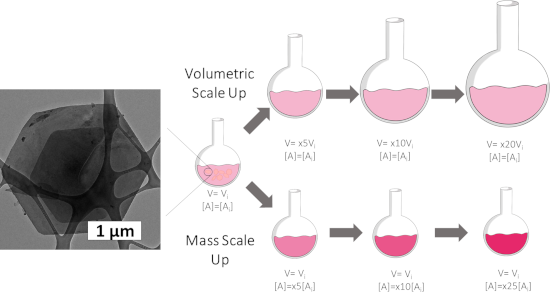
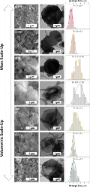
- occurs surely through modification of the pristine Al-based hydroxide seeds [28][45][61][70], but even in processes where recrystallization can easily take place. Figure S14 and Table S7 (Supporting Information File 1) summarize the average size and standard deviation values as functions of the
- sharpness and thickness of edges) is closely related to the growth of Al(OH)3-based seeds. Hence, while the issues of the volumetric scale-up can be solved by accurate control of the heating process during the reaction, the drawbacks of the mass scale-up depend on the nature of the involved cations


Solvent-induced assembly of mono- and divalent silica nanoparticles
Beilstein J. Nanotechnol. 2023, 14, 52–60, doi:10.3762/bjnano.14.6
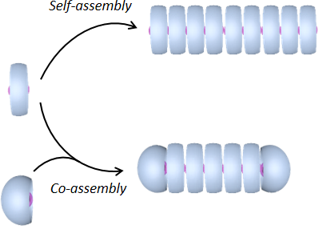
- corresponded to a nominal grafting surface density of 0.7 funct./nm2. Then, MMS-functionalized silica NPs (1.8 × 10¹⁶ part/L) were used as seeds for the seed-growth emulsion polymerization of styrene (100 g/L) stabilized by a mixture (3 g/L) of Symperonic® NP30 and SDS (5 wt %) and initiated by 1.3 mL of





