


Search results
Search for "stability" in Full Text gives 1337 result(s) in Beilstein Journal of Nanotechnology. Showing first 200.
Nanoglasses: a trail towards uncharted regions of vitreous materials and their properties?
Beilstein J. Nanotechnol. 2026, 17, 1047–1062, doi:10.3762/bjnano.17.72

- structure, thermodynamics, and stability of glass–glass interfaces and examine their implications for the design and properties of nanoglasses, highlighting that this approach represents a novel pathway for modifying amorphous materials more broadly. Particular attention is given to columnar thin-film
- , and stability are identified, emphasizing opportunities for integrating nanoglasses into advanced functional thin-film systems. Keywords: columnar thin-film nanoglasses; glass–glass interfaces; mechanical and functional properties; nanoglass; stability; Introduction The advancement of civilization
- discovery of relaxation states hitherto thought of as inaccessible, even on extended time scales surpassing the duration of humanity’s era of materials use [9]. This article presents new perspectives on nanoglasses, with particular emphasis on their thermodynamic description, the observed stability of these


Vibration-induced dynamic structural superlubricity on MoS2/Au(111) under ultrahigh vacuum
Beilstein J. Nanotechnol. 2026, 17, 1039–1046, doi:10.3762/bjnano.17.71

- potential couplings related to the moiré superstructure; however, its origin remains to be further investigated. The stability of this superlubric state was investigated over a wide range of normal loads. Figure 3b compares the load dependence of friction at 0 and 554 kHz. In the absence of external
- precise coupling between the excitation frequency and the cantilever’s mechanical modes. Remarkably, this resonance-induced superlubric state exhibits stability across a wide range of normal loads, effectively overcoming the traditional load-dependent increase in friction typically observed at the atomic


Synthesis and characterization of RF-sputtered ZnTe/Cu2−xTe thin films for solar cell applications
Beilstein J. Nanotechnol. 2026, 17, 1016–1027, doi:10.3762/bjnano.17.69
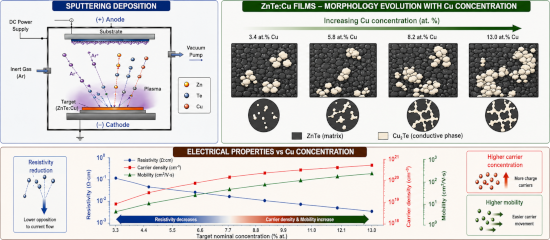
- -based modules have achieved certified power conversion efficiencies exceeding 21% at the industrial level, demonstrating the technological maturity of this material system [3]. Despite these advances, further improvements in device efficiency, long-term stability, and cost reduction remain critical
- in materials such as CdTe, CdSe, and ZnTe, without evidence of excessive Cu2+ formation, thereby favoring improved electrical stability. Previous studies on Cu-doped ZnTe thin films have mainly focused on the influence of Cu incorporation on crystallinity, optical bandgap, and electrical transport
- , the studied system behaves as a tunable composite material whose structural and electrical property can be engineered via controlled Cu and O incorporation. The obtained conductivity levels and phase stability indicate that these films behave as a biphasic system composed of semiconducting ZnTe and



Ultrasonic irradiation in the synthesis of nanohydroxyapatite: a chemically friendly technique for improving hemocompatibility and antibiofilm applications
Beilstein J. Nanotechnol. 2026, 17, 991–1015, doi:10.3762/bjnano.17.68
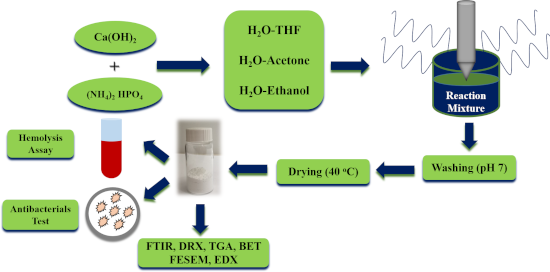
- nHA similar to biological apatite, with distinct morphologies and particle sizes dependent on the solvent system used. All synthesized materials exhibited high thermal stability and yields exceeding 80%. Hemocompatibility studies showed that nHA samples obtained in the W/THF mixture presented very low
- stability [44]. However, high-frequency ultrasound provides enough energy to promote this process, which would likely be more difficult using other synthesis methods [45]. Type-A substitution (carbonate ions for hydroxide ions) was only observed in nHA obtained from W/ACET and W/THF mixtures; it was not
- dynamics of both phases. The formation of hydroxyapatite and calcite is thermodynamically favored, as indicated by their negative standard Gibbs free energy values (ΔG°f). The predominance of the hydroxyapatite phase is consistent with its higher thermodynamic stability within calcium phosphate systems




Development of Protium heptaphyllum essential oil-loaded nanocapsules: experimental design and biological activity
Beilstein J. Nanotechnol. 2026, 17, 974–990, doi:10.3762/bjnano.17.67
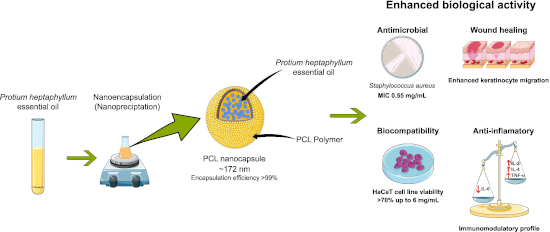
- ± 0.04, a zeta potential of −25.49 ± 1.08 mV and an encapsulation efficiency above 99%, in addition to long-term colloidal stability. Cell viability assays in HaCaT cells showed high biocompatibility, with cell viability above 70% up to 6 mg/mL and only moderate toxicity at 12 mg/mL. In antimicrobial
- tea tree have been widely studied, demonstrating improved physicochemical stability, enhanced antimicrobial activity, and controlled release profiles [2][9][10]. This approach protects the active constituents from degradation and enhances bioavailability [11][12]. Polymeric nanocapsules are especially
- advantageous, providing increased stability as well as ensuring controlled release and improved interactions with biological matrices [13][14]. They can be engineered using various techniques, such as emulsification–solvent evaporation, interfacial polymerization, solvent displacement, and microfluidics, each




Materials challenges in solid-state sensors for continuous monitoring of ions in water
Beilstein J. Nanotechnol. 2026, 17, 935–973, doi:10.3762/bjnano.17.66
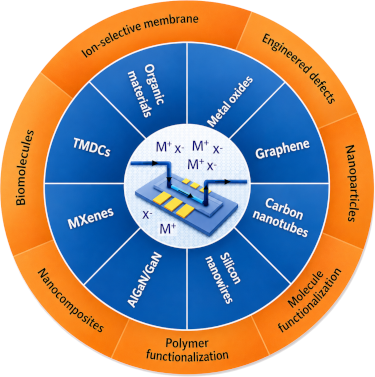
- must satisfy regulatory thresholds, for trace metals often in the low-micrograms-per-liter regime; for nutrients, typically milligrams per liter or lower [2][3][12]. (iii) Calibration stability and drift control are central for continuous operation because frequent recalibration is impractical. Sensors
- since these factors influence ion activity, binding equilibria, charge screening, and the electrical response of the transducer. (vi) Fouling resilience and mechanical stability are also important parameters. In real water systems, sensors are exposed to biofilm growth, particulate loading, scaling, and
- , stability, and applicability of the devices in continuous water quality monitoring. Here we provide an overview of application and device geometry of electrical sensors employed for online monitoring of ions in aqueous environments, with a focus on recent advancements in the materials utilized in water



Enhanced erosion resistance and radiation stability of WC–WO3 nanocomposite films under 100 keV Kr+ ion irradiation
Beilstein J. Nanotechnol. 2026, 17, 922–934, doi:10.3762/bjnano.17.65
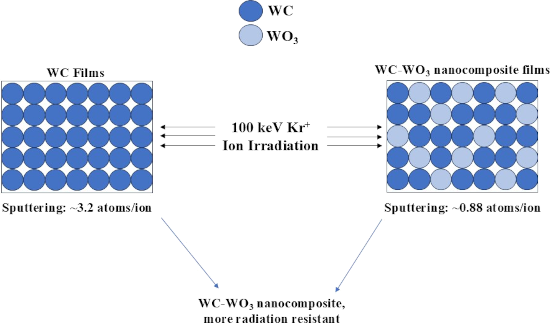
- evaluate W sputtering yields and compositional stability. The WC–WO3 nanocomposite exhibited significantly reduced W erosion compared to pure WC films, attributed to the higher W binding energy and the existence of heterointerfaces within the nanocomposite matrix. SRIM simulations corroborated the
- stability [1][2][3][4][5]. WC is a refractory ceramic compound known for its exceptional hardness, high melting point, and chemical inertness [6]. As a ceramic, WC exhibits strong covalent and ionic bonding, contributing to its mechanical strength and thermal stability under extreme conditions. Its unique
- application as a material for plasma-facing walls [10][11] in fusion reactors due to its extraordinary properties including its high thermal conductivity and mechanical strength [7][12]. The ceramic nature of WC contributes to its stability under such conditions, and recent studies have confirmed its



Nanocarrier strategies to overcome P-glycoprotein-mediated drug resistance in cancer therapy
Beilstein J. Nanotechnol. 2026, 17, 882–921, doi:10.3762/bjnano.17.64
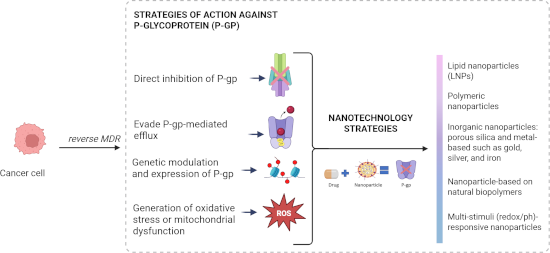
- enhance therapeutic efficacy by improving solubility, stability, bioavailability, and controlled drug release. Additionally, their low toxicity, scalability, and manufacturing feasibility make them attractive for both clinical and industrial applications [44]. There are several types of LNPs, including
- colloidal stability, did not provide additional advantages compared to uncoated SLNs. Both formulations reduced ROS levels, inhibited the Akt/IKKα-β/NF-κB signaling pathway, and downregulated ABCB1 gene transcription, leading to decreased expression and activity of P-gp. In mouse models, the combination of
- ]. 3.2.1.3 Lipid–polymer hybrid nanoparticles. Another important class of nanocarriers are lipid–polymer hybrid nanoparticles (LPNs), which integrate the advantageous properties of lipids (biocompatibility) and polymers (structural stability). These nanoparticles can exhibit various structural configurations


He+ FIBID-fabricated 3D AFM tip architectures: an exploratory study of hollow pillars, helices, and spirals
Beilstein J. Nanotechnol. 2026, 17, 863–871, doi:10.3762/bjnano.17.62
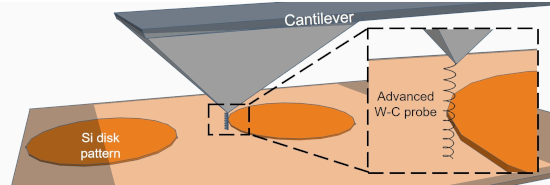
- , tip–sample convolution, mechanical stability, and, ultimately, the reliability of the measured signal. For this reason, the fabrication of non-conventional AFM probes has attracted increasing interest, particularly in the context of focused-beam nanomanufacturing, where the geometry and material


Light-driven ammonia electrooxidation via carbon nitride–ruthenium molecular interfaces
Beilstein J. Nanotechnol. 2026, 17, 854–862, doi:10.3762/bjnano.17.61
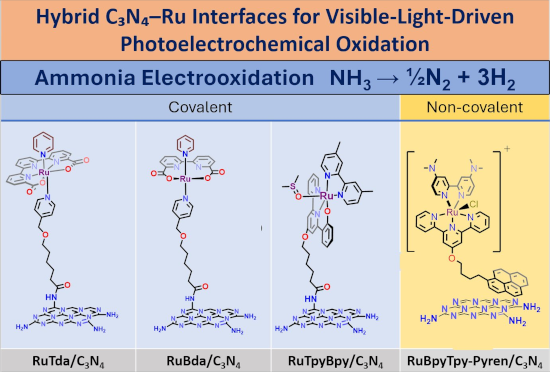
- , electronic coupling, and catalyst stability differently. This perspective article examines how the structural diversity of the C3N4 allotropes, spanning semicrystalline polymeric C3N4, highly ordered poly(heptazine imide), and high-surface-area amorphous sulfur-doped C3N4, offers a tunable platform for
- the C3N4–Ru interface, the electronic coupling between the semiconductor and the molecular catalyst, the stability of the catalyst under operating conditions, and the catalyst’s accessibility to the substrate depend critically on how the Ru complex is grafted to the C3N4 surface. Two different
- prioritises stability and provides a well-defined, short electron coupling pathway between C3N4 and the Ru centre. Non-covalent anchoring prioritises synthetic simplicity and atom efficiency and may be better suited to crystalline PHI, where surface reactivity toward nucleophilic chemistry is lower


Nanoparticle delivery systems for HIV pre-exposure prophylaxis (PrEP): advances and challenges
Beilstein J. Nanotechnol. 2026, 17, 839–853, doi:10.3762/bjnano.17.60
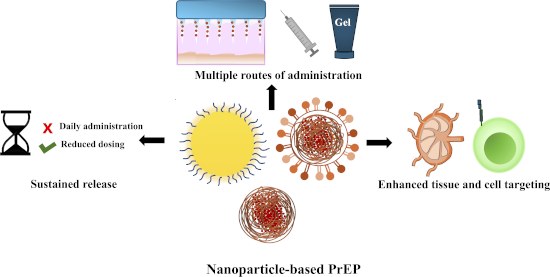
- loading and controlled release. PrEP nanoparticle delivery platforms can be equipped with different functionalization and passivation chemistries. The surface properties determine colloidal stability as well as the interactions between the nanoparticles and the surrounding. These properties are critical
- systems. Some metallic nanoparticles (MNPs), such as gold nanoparticles (AuNPs), exhibit long-term stability, chemically modifiable surfaces, and potential for intrinsic antiviral activity [68][69]. AuNPs can, for instance, interfere with and block HIV gp120-CD4 interactions. Other MNPs, like silver
- composed of two or more distinct materials whose combinations provide opportunities for enhancing materials properties relevant for LA-PrEP, such as improved stability, enhanced drug loading, controlled release, or targeted delivery to certain immune cell populations or tissue reservoirs. These


Glycerol photoelectrochemical oxidation reaction at carbon nitrides/BiVO4 materials
Beilstein J. Nanotechnol. 2026, 17, 806–817, doi:10.3762/bjnano.17.57
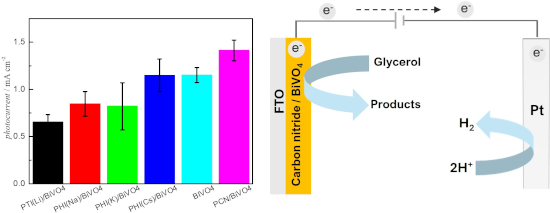
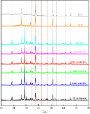
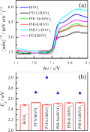
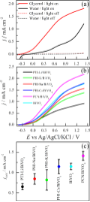
- )/BiVO4. The SEM-EDS analysis after electrochemical tests revealed that the presence of crystalline CNs induces the segregation of vanadium oxides, contributing to a decrease in activity. On the other hand, the superior performance of PCN/BiVO4 is attributed to a greater thermal stability of PCN during
- water oxidation reaction, as well as the material stability at the anodes, must be overcome for this technology to be successfully transferred to end users [5]. To address these issues, several efforts have been made to develop efficient catalysts to improve the kinetics of the water oxidation reaction
- been pointed out as a promising material, as it presents high chemical stability and a wide absorption range of solar radiation [8][9][10]. To overcome the limitations associated with the low electrical conductivity of BiVO4, sluggish surface kinetics and the recombination of electron–hole pairs [11




Restorative potential of laser-synthesized silver nanoparticles with Salvia officinalis for periodontal disease treatment: an in vitro study
Beilstein J. Nanotechnol. 2026, 17, 781–795, doi:10.3762/bjnano.17.55
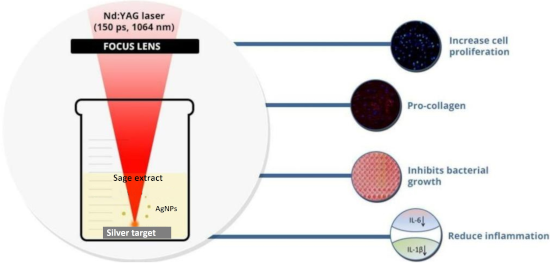
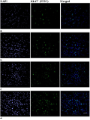
- , respectively, underwent TEM analysis. SageAgNPs6mJ were well dispersed, spherical, and in the narrow size range from 2.1 to 16.3 nm, with an average particle size of 7.98 ± 2.90 nm. Minor agglomeration after one month was observed, suggesting high stability of the nanoparticles (Figure 1a,b). dwAgNPs6mJ were
- our study could increase stability and bioactivity of silver nanoparticles. Additionally, our previous study revealed a relatively high content of camphor (approximately 15%), suggesting that, besides phenolics, terpenoids may also contribute to nanoparticle synthesis [13]. To the best of our
- significantly influenced both concentration and size parameters. It also improved their dispersity and stability, as shown by DLS and TEM, confirming that sage acts as a reducing and stabilizing agent during the synthesis. The differences in the measured dH and TEM diameters reside in the fact that the



Environmental applications of silver nanoparticles: state-of-the-art review and emerging trends
Beilstein J. Nanotechnol. 2026, 17, 697–736, doi:10.3762/bjnano.17.49
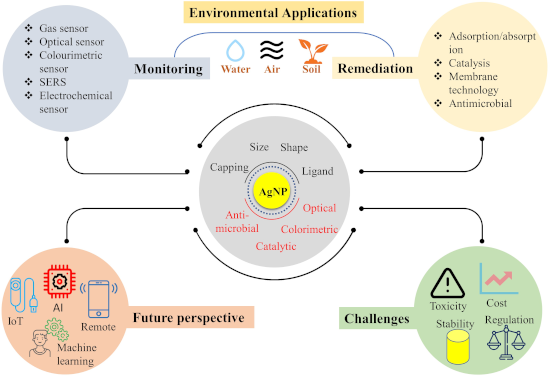
- particle size, surface composition, state stability, and organic matter, which ultimately generate bioavailability and toxicity concerns [34]. The regulatory framework governing AgNP environmental applications remains fragmented across jurisdictions; while OECD, ISO, EU, and US EPA guidelines address
- using standard techniques before their practical use. Furthermore, surface modification with a suitable ligand or surface capping enables targeted interaction with the analyte via the exposed functional group, thus enabling selective detection. Surface capping enhances the stability of nanoparticles and
- through various synthetic approaches, including physical, chemical, and biological methods [35]. Each offers distinct advantages and limitations regarding particle size control, morphology, stability, and cost-effectiveness [35]. Chemical methods are commonly employed to synthesise AgNPs due to their


Molecular engineering of individual dye-based nanoparticle photostability for ultrabright two-photon fluorescence
Beilstein J. Nanotechnol. 2026, 17, 688–696, doi:10.3762/bjnano.17.48
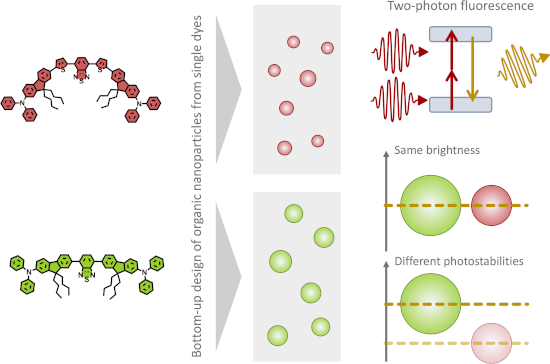
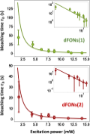
- dFONs (including their colloidal stability and surface properties) can be precisely tuned through molecular engineering of specific dye building blocks [1]. dFONs have demonstrated significant potential in bioimaging applications. They have been used as biosensors for various ions [4] and thiols [5], as
- . Such insights are essential for optimizing fluorophore-based nanoparticles in nonlinear microscopy and other bioimaging applications where brightness and stability must be carefully balanced. Experimental Nanoparticle preparation The synthesis and characterization of the dyes are described in details


Protein-based custom-designed molecular nanotraps for biomedical applications
Beilstein J. Nanotechnol. 2026, 17, 683–687, doi:10.3762/bjnano.17.47
- inherent limitations such as limited stability, high costs, or inadequate selectivity, biomimetics have surged as potent alternatives [1]. A versatile way to form biomimetics is the molecular imprinting of polymers (MIP), which has emerged as a promising technique to create synthetic binding sites within
- stability, but raise concerns when intended for therapeutic uses and systemic administration. Overcoming adverse effects, allergic reactions, and toxic degradation by-products led us to conceptualize nanoMIPs in a radically new way. Recently, the original use of natural polymers, in particular of proteins
- mechanical strength, stability, and controlled biodegradability [16]. Also, SF is often functionalized with pendant double bonds to enable cross-linking and is often referred to as SilMA [17]. SF and SilMA find a wide use as cell scaffolds for tissue engineering and biofabrication. To date, GelMA and SilMA

afspm: A framework for manufacturer-agnostic automation in scanning probe microscopy
Beilstein J. Nanotechnol. 2026, 17, 653–667, doi:10.3762/bjnano.17.45
- contrast with that paper, we did not evaluate the ultimate precision and stability of our corrector; rather, we focused on validating that it tracked correctly and minimized drift between scans. A sample of images collected over the duration of the experiment can be found in Figure 11. The collected





Cellulose as a photocatalyst support material: extraction, structural features, and environmental applications
Beilstein J. Nanotechnol. 2026, 17, 635–652, doi:10.3762/bjnano.17.44
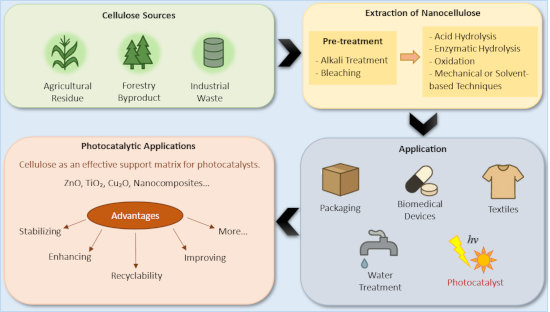
- . Cellulose-based nanostructured photocatalyst hybrids have gained particular attention in recent years, and the number of studies in this area continues to rise steadily. CNCs possess several advantageous properties, including distinctive optical features, high stability, large surface area, and excellent
- several unique advantages, including improved thermal stability, more uniform particle sizes, and higher crystallinity relative to those produced by acid hydrolysis [8][46]. Despite these benefits, the process is generally slower and more costly, largely due to the high price of enzymes. Cellulases act as
- extraction method for the large-scale production of CNCs. It produces highly crystalline CNCs with excellent colloidal stability. However, it generates massive volumes of highly corrosive, toxic, and acidic wastewater. The cost of neutralizing the acidic wastewater and recovering the acid limits broader


Two-step laser synthesis of Ag@TiO2 nanomaterials for the photocatalytic degradation of rhodamine B
Beilstein J. Nanotechnol. 2026, 17, 622–634, doi:10.3762/bjnano.17.43
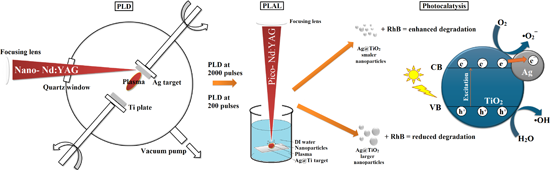
- the most extensively studied photocatalyst owing to its exceptional chemical stability, earth‐abundance, low cost, and benign (non‐toxic) nature [1][2][3]. These attributes, along with its strong oxidative power and high refractive index, make TiO2 an attractive and versatile material for UV–vis
- , chemical stability and photostability, and high solubility in water. However, its widespread application and persistent nature raise serious environmental and health concerns. Once released into aquatic environments, RhB resists natural degradation processes, leading to long-term accumulation. It disrupts


Recent progress in enhancing built-in electric fields of perovskite solar cells via junction engineering
Beilstein J. Nanotechnol. 2026, 17, 602–621, doi:10.3762/bjnano.17.42
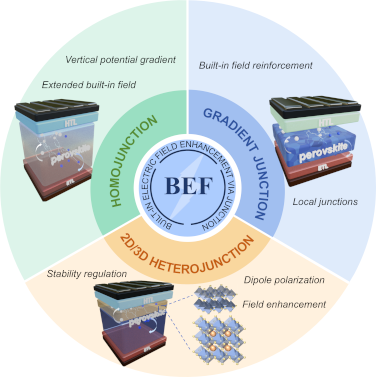
- , optimizing the BEF provides a powerful lever for advancing power conversion efficiency, open-circuit voltage, and long-term operational stability in state-of-the-art PSCs, while avoiding the introduction of parasitic energy barriers. Keywords: band alignment; built-in electric field; carrier dynamics
- introduce additional barriers that hinder carrier extraction [13]. Achieving effective enhancement and rational optimization of the BEF through structural design has become a central research focus for improving both the efficiency and stability of PSCs [14]. Therefore, a reexamination of junction
- fields. These effects facilitate directional transport and prolong carrier lifetimes. Therefore, the rational construction and optimization of generalized junctions to enhance the built-in electric field have become a key research direction for improving the efficiency and stability of PSCs, laying the




Impacts of annealing on structural and photophysical properties of zinc phthalocyanine adsorbed on graphene
Beilstein J. Nanotechnol. 2026, 17, 576–585, doi:10.3762/bjnano.17.39
- ), a well-known family of organic semiconductors, have been the subject of intensive research [15]. This family of molecules offers many advantages for industrial applications such as nontoxicity, thermal and chemical stability, and strong optical absorption [16][17]. It has also become a paradigm in
- fundamental research on organic semiconductors. The flexibility offered by the choice of the coordinated central metal cation permits to vary their electronic, photonic, and spin-related properties. It also influences their stacking geometry, in particular as a result of the change in relative stability of
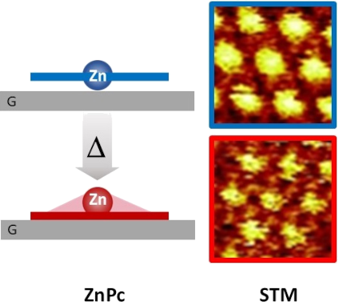
- particular, ZnPc has been shown to present such 2D phase transitions on various substrates such as TiO2 [32], Au(111) [33][34], InSb [35], or ZnS [36]. These studies have emphasized the diversity of mechanisms involved in the relative stability of 2D phases, including intermolecular versus molecule–substrate


Laser–material interactions in liquids for the synthesis of nanomaterials: current status and perspectives
Beilstein J. Nanotechnol. 2026, 17, 571–575, doi:10.3762/bjnano.17.38
- , functional applications often require incorporation of additives for size control [44], enhanced colloidal stability [45], or specific surface functionalization [46]. For example, the use of scavengers to capture reactive species can influence nanoparticle size [47] and increase productivity [48
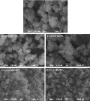
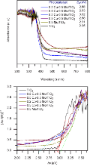
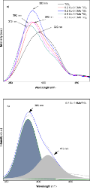
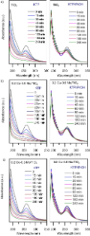
Synthesis of Cu–Mo/TiO2 and Co–Mo/TiO2 photocatalysts for the efficient degradation of organic pollutants in water
Beilstein J. Nanotechnol. 2026, 17, 559–570, doi:10.3762/bjnano.17.37
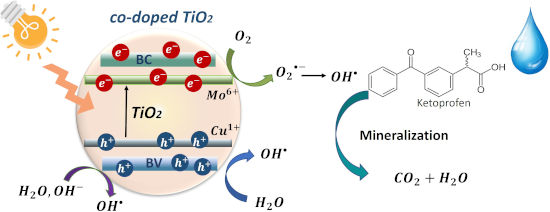
- most organic compounds [2]. Among AOPs, TiO2 photocatalysis is one of the most viable environmental technologies due to its low cost and the stability of TiO2. Limitations of TiO2 in photocatalysis applications come from rapid charge recombination and the wide bandgap [3]. Various strategies have been



Advances in nanotechnology applied to natural products
Beilstein J. Nanotechnol. 2026, 17, 555–558, doi:10.3762/bjnano.17.36
- , and enhance functional biological performance, often by improving stability and delivery [1]. Thus, the association between nanotechnology and natural products not only drives therapeutic innovation but also redefines the role of these compounds across multiple contemporary technological domains. In
- reducing oil volatility and improving stability, enabling their use in repellent formulations [11]. Similar to nanoemulsions, microemulsions have also been widely applied in formulations containing natural products, for both topical and systemic purposes. Microemulsions (10–100 nm) are thermodynamically
- physicochemical stability, increase apparent bioavailability, and modulate biological responses. In systemic delivery, microemulsions have been reported to enhance the absorption and therapeutic performance of natural compounds, with associated reductions in metabolic alterations and oxidative stress in
Electrochemical determination of ciprofloxacin using a MIL-101/reduced graphene oxide-modified electrode
Beilstein J. Nanotechnol. 2026, 17, 541–554, doi:10.3762/bjnano.17.35
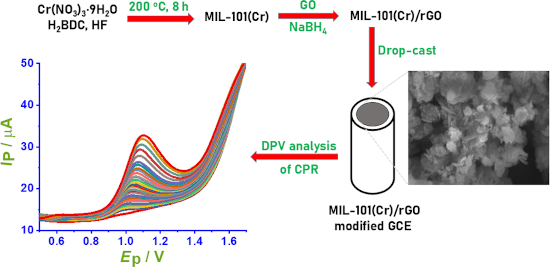
- response over 0.25–9.41 µM and a detection limit of 0.11 µM for CPR determination. The sensor also demonstrated good selectivity, satisfactory repeatability, and long-term stability. Furthermore, the method’s practical applicability was validated by the determination of CPR in pharmaceutical samples
- surface areas, tunable pore sizes, and numerous active sites. Among these, MIL-101, a chromium-based MOF, is notable for its large pore volume, excellent chemical stability, and strong ability to adsorb organic molecules [9][10][11]. However, the poor electrical conductivity inherent to MIL-101 limits its
- direct use in electrochemical sensing. To address this limitation, hybridizing MOFs with conductive carbon materials has been extensively studied. Reduced graphene oxide (rGO) is especially appealing due to its high electrical conductivity [12], large specific surface area, mechanical stability [13], and





