


Search results
Search for "surface modification" in Full Text gives 195 result(s) in Beilstein Journal of Nanotechnology.
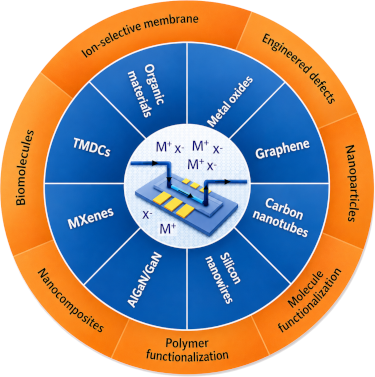
Materials challenges in solid-state sensors for continuous monitoring of ions in water
Beilstein J. Nanotechnol. 2026, 17, 935–973, doi:10.3762/bjnano.17.66



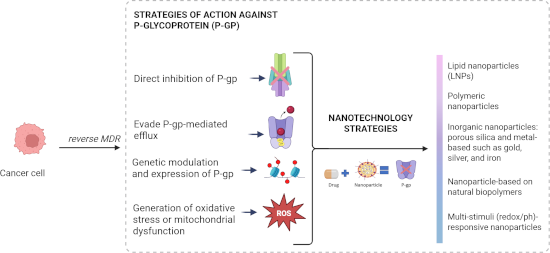
Nanocarrier strategies to overcome P-glycoprotein-mediated drug resistance in cancer therapy
Beilstein J. Nanotechnol. 2026, 17, 882–921, doi:10.3762/bjnano.17.64


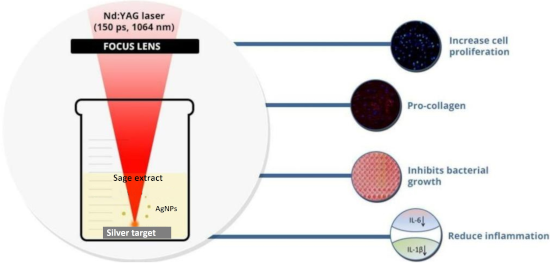
Restorative potential of laser-synthesized silver nanoparticles with Salvia officinalis for periodontal disease treatment: an in vitro study
Beilstein J. Nanotechnol. 2026, 17, 781–795, doi:10.3762/bjnano.17.55
- cells, outlining the concentration limit. Previous studies also showed that the toxicity of AgNPs strongly depends on the size, concentration, and surface modification, and that the synthesis with phytochemicals could reduce their toxicity and improve biocompatibility [43][44]. SageAgNPs6mJ exhibited



Environmental applications of silver nanoparticles: state-of-the-art review and emerging trends
Beilstein J. Nanotechnol. 2026, 17, 697–736, doi:10.3762/bjnano.17.49
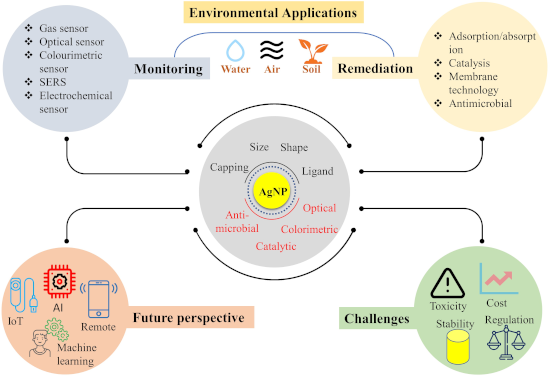
- using standard techniques before their practical use. Furthermore, surface modification with a suitable ligand or surface capping enables targeted interaction with the analyte via the exposed functional group, thus enabling selective detection. Surface capping enhances the stability of nanoparticles and


Two-step laser synthesis of Ag@TiO2 nanomaterials for the photocatalytic degradation of rhodamine B
Beilstein J. Nanotechnol. 2026, 17, 622–634, doi:10.3762/bjnano.17.43
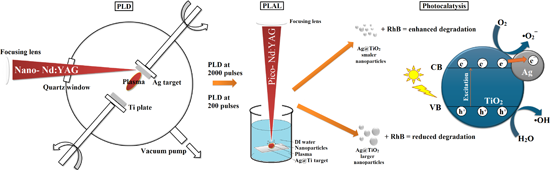
- species [28]. These combined effects lead to faster degradation of rhodamine B compared to pure TiO2. The different kinetic behavior of the samples reflects differences in particle size and Ag surface modification. The kinetic models are used as empirical descriptions of the overall process rather than


Recent progress in enhancing built-in electric fields of perovskite solar cells via junction engineering
Beilstein J. Nanotechnol. 2026, 17, 602–621, doi:10.3762/bjnano.17.42
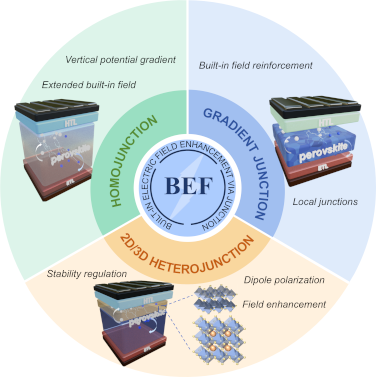
- and surface modification, they enhance the BEF, reduce interfacial defects, and prevent degradation. For example, Ag-doped NiOx/NiOx p/p+ homojunctions have been shown to reduce defect clusters and prevent halide ion migration, improving stability. However, challenges like phase separation and ion




Biomimetic nanoparticles in cancer photodynamic therapy: a review of targeted delivery systems and therapeutic outcomes
Beilstein J. Nanotechnol. 2026, 17, 396–422, doi:10.3762/bjnano.17.27
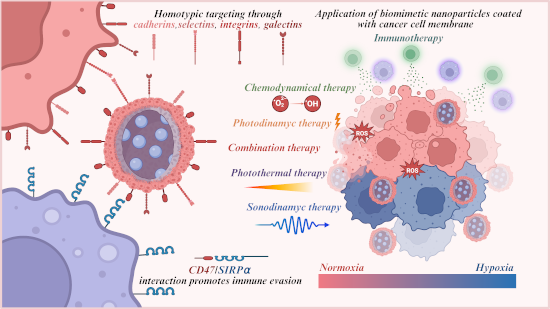
- capabilities. For instance, membranes from CAR-T cells or stem cells engineered to overexpress homing receptors can be used to create BNPs that efficiently recognize and bind to tumor cells or inflamed tissues, minimizing off-target effects and systemic toxicity [71][72]. Post-synthesis surface modification is
- surface, enhancing their ability to recognize and bind to specific cell markers [77]. Incorporating imaging dyes or contrast agents into the BNP membrane also enables real-time tracking and monitoring of drug delivery in vivo. The main stages of biomimetic nanoparticle fabrication and subsequent surface
- modification are summarized in Figure 2. BNPs for enhanced delivery and specificity in PDT BNPs achieve spatial specificity within the TME through a hierarchical targeting strategy, combining passive accumulation mechanisms with innate or engineered active targeting capabilities. This multilevel approach


Advancing nanolithography: a comprehensive review of materials for local anodic oxidation with AFM
Beilstein J. Nanotechnol. 2026, 17, 275–291, doi:10.3762/bjnano.17.19
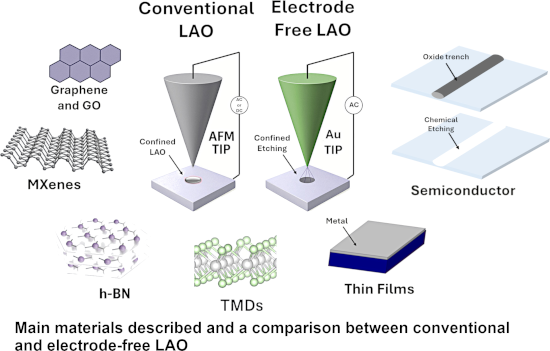
- templating and subsequent selective self-assembly of organic or inorganic species [85]. Follow-up work further demonstrated that such patterned monolayers can even support single-layer ionic conduction along predefined nanoscale paths [86]. These studies extend LAO-type surface modification to molecular


From shield to spear: Charge-reversible nanocarriers in overcoming cancer therapy barriers
Beilstein J. Nanotechnol. 2026, 17, 159–175, doi:10.3762/bjnano.17.10
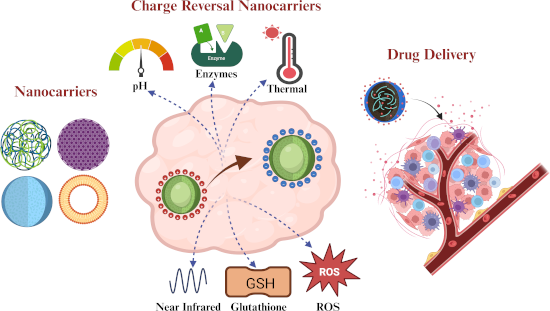
- their key functionality, mechanism of drug release, and surface modification. 3.1 Targeted delivery The charge-reversible NPs encapsulating diagnostic probes and therapeutic drugs result in efficient tumour-targeted delivery [86]. To achieve targeted delivery, charge reversal needs to be precisely


Influence of surface characteristics on the in vitro stability and cell uptake of nanoliposomes for brain delivery
Beilstein J. Nanotechnol. 2026, 17, 139–158, doi:10.3762/bjnano.17.9






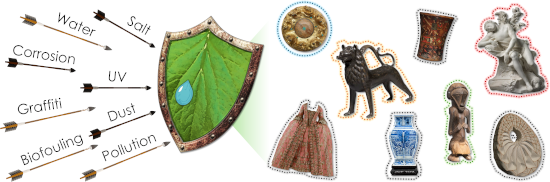
Functional surface engineering for cultural heritage protection: the role of superhydrophobic and superoleophobic coatings – a comprehensive review
Beilstein J. Nanotechnol. 2026, 17, 63–96, doi:10.3762/bjnano.17.6
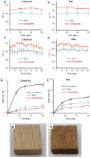
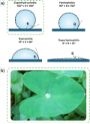
- good formaldehyde removal, thus offering a passive, energy-efficient approach to improve indoor air quality while protecting wooden surfaces from environmental degradation. Oak wood (Quercus pubescens) was also the focus of Mitani and colleagues [79]. They evaluated the surface modification of the wood





Improving magnetic properties of Mn- and Zn-doped core–shell iron oxide nanoparticles by tuning their size
Beilstein J. Nanotechnol. 2025, 16, 2285–2295, doi:10.3762/bjnano.16.157
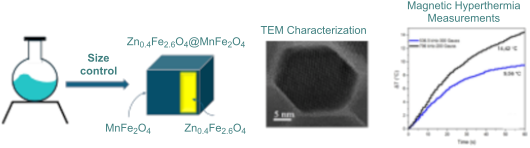
- results highlight the importance of precise control over size and composition in designing optimized magnetic nanomaterials. While further improvements (e.g., surface modification and TGA normalization) remain to be explored, this study provides solid experimental evidence supporting the relevance of core



Optical bio/chemical sensors for vitamin B12 analysis in food and pharmaceuticals: state of the art, challenges, and future outlooks
Beilstein J. Nanotechnol. 2025, 16, 2207–2244, doi:10.3762/bjnano.16.153
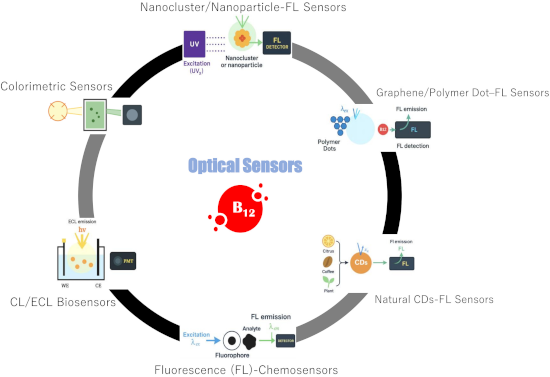
- milk samples using molecular imprinted polymers (MIPs), where the MIP cavities served as the recognition sites, the SPR chip surface as the indicator, and the resonance shift as the sensing signal. For SPR chip surface modification, they initially added allyl groups to the SPR chip surface using allyl


Microplastic pollution in Himalayan lakes: assessment, risks, and sustainable remediation strategies
Beilstein J. Nanotechnol. 2025, 16, 2144–2167, doi:10.3762/bjnano.16.148
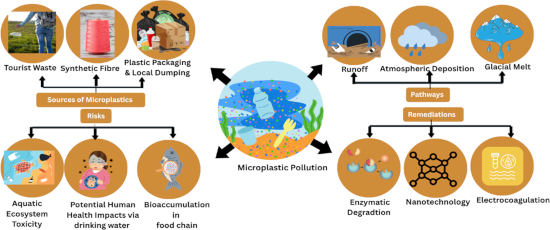
- the most prevalent mechanisms in nanomaterials to eliminate MPs, where metal oxides and carbon materials are particularly effective. Surface modification and environmental factors are crucial in controlling removal. 6.3 Tailoring nanomaterials for low-temperature, high-UV environments The Himalayan


Rapid synthesis of highly monodisperse AgSbS2 nanocrystals: unveiling multifaceted activities in cancer therapy, antibacterial strategies, and antioxidant defense
Beilstein J. Nanotechnol. 2025, 16, 2105–2115, doi:10.3762/bjnano.16.145
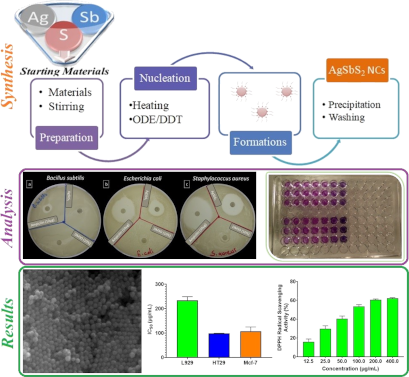
- infections dominated by this pathogen. However, their relatively weaker activity against E. coli and B. subtilis suggests that optimization may be necessary to broaden their spectrum through surface modification, particle size reduction, or combination with other antibacterial agents. Cytotoxicity of AgSbS2


Beyond the shell: exploring polymer–lipid interfaces in core–shell nanofibers to carry hyaluronic acid and β-caryophyllene
Beilstein J. Nanotechnol. 2025, 16, 2015–2033, doi:10.3762/bjnano.16.139
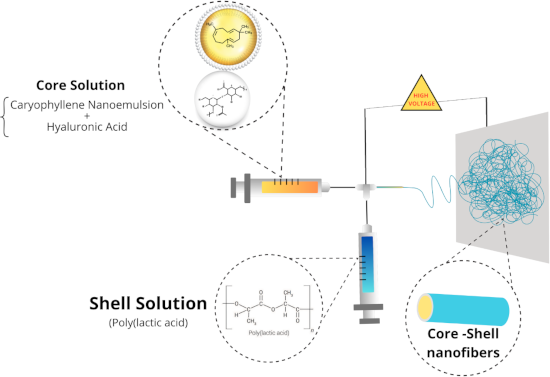
- these nanofibers as bioactive dressings. Additionally, surface modification strategies may be explored to tailor adhesion properties according to the intended biomedical application. Experimental Materials Tween® 80 (polyoxyethylene (20) sorbitan monooleate), Span® 80 (sorbitan monooleate), β




Laser ablation in liquids for shape-tailored synthesis of nanomaterials: status and challenges
Beilstein J. Nanotechnol. 2025, 16, 1963–1997, doi:10.3762/bjnano.16.137
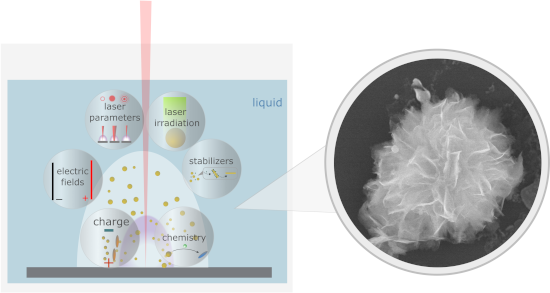
- hydrogen and peroxide radicals, as well as hydroxide and hydrogen ions that are changing the liquid parameters (such as pH) and can participate in the processes occurring with NPs during the later stages of growth, self-organization, and ageing. The produced reactive species might result in NP surface
- modification. The presence of the active ionic species has been shown to guide the formation of Ni(OH)2 nanosheets in [30]. After NP formation, the shape transformation can occur during the stages of growth, self-organization, and ageing of the NPs. In this case, laser ablation, which is performed for
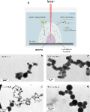
- number of studies. In [46], ZnO and Zn(OH)2 of different sizes and morphologies were formed by laser ablation in a liquid environment of different temperatures (50, 70, and 90 °C). The temperature increase enhances the interactions of a liquid with the formed NPs, thus promoting their surface





Prospects of nanotechnology and natural products for cancer and immunotherapy
Beilstein J. Nanotechnol. 2025, 16, 1644–1667, doi:10.3762/bjnano.16.116

- hydrophilic or lipophilic pharmaceutical drugs, as well as surface modification, making PNCs advantageous for controlled drug delivery systems [132]. PNCs hold potential applications for cancer treatment and immunotherapy. They can provide sustained drug release while decreasing cytotoxicity and modifying


Laser processing in liquids: insights into nanocolloid generation and thin film integration for energy, photonic, and sensing applications
Beilstein J. Nanotechnol. 2025, 16, 1428–1498, doi:10.3762/bjnano.16.104






Parylene-coated platinum nanowire electrodes for biomolecular sensing applications
Beilstein J. Nanotechnol. 2025, 16, 1392–1400, doi:10.3762/bjnano.16.101
- , with diameters ranging from 0.4 to 100 nm and lengths extending from a few micrometers to several centimeters [7]. The functionalization of CNTs is achieved by surface modification through various methods including covalent bonding, adsorption, and detection group attachment [7][8]. Palve et al
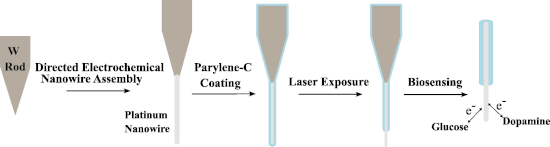
- [22]. Due to these attributes, parylene-C, along with other variants of parylene, has been extensively utilized in the protection of electronic devices and surface modification of biomedical devices [23]. In this study, platinum was chosen as the DENA growth material due to its exceptional
- 0.3–10 mM (Figure 4c), and the LoD is 0.01 mM glucose (Figure 4d). With limited surface area, LoD and detection range of our nanowire electrodes are inherently constrained. However, surface modification has been shown to enhance electrode performance, as described in the Introduction section


Synthesis and antibacterial properties of nanosilver-modified cellulose triacetate membranes for seawater desalination
Beilstein J. Nanotechnol. 2025, 16, 1380–1391, doi:10.3762/bjnano.16.100
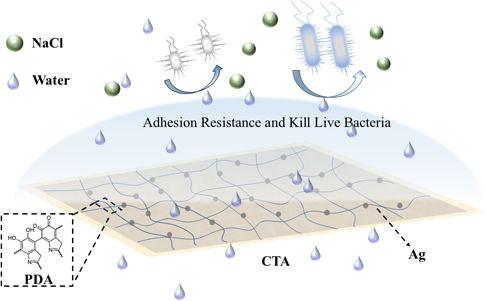
- and exothermic events for the three materials (Figure 2b–d). These differences in transition temperatures confirm the successful surface modification of CTA with PDA and the subsequent successful deposition of Ag nanoparticles. The unique thermal signatures observed in the DTA curves provide clear
- provide compelling evidence for the successful surface modification of CTA with PDA and the subsequent immobilization of Ag on the PCTA surface via coordination bonds. In order to clarify the valence state of Ag, XPS was employed to provide detailed information about the elemental composition and chemical


Focused ion beam-induced platinum deposition with a low-temperature cesium ion source
Beilstein J. Nanotechnol. 2025, 16, 910–920, doi:10.3762/bjnano.16.69
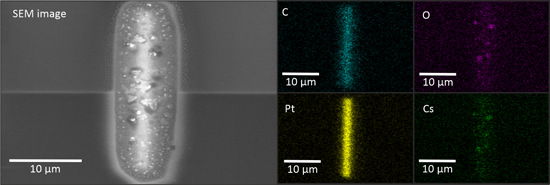
- signal-to-noise ratios for SIMS analysis. A disadvantage of using Cs+ is a possible surface modification [20][21][22]. One aspect of this paper is to show whether it is at all possible to deposit Pt with Cs+ ions or whether surface modifications dominate [10]. This work presents FIBID experiments using a


Thickness dependent oxidation in CrCl3: a scanning X-ray photoemission and Kelvin probe microscopies study
Beilstein J. Nanotechnol. 2025, 16, 749–761, doi:10.3762/bjnano.16.58
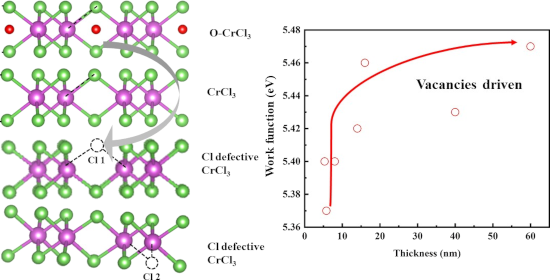
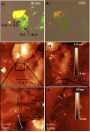
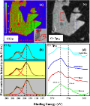
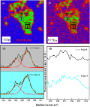
- evaluated the surface modification reaction and the surface potential. Our results established the correlations of the two latter properties with the thickness of flakes, observing a natural tendency to preserve their characteristic when the flakes have significantly less thickness. This is in contrast to
- layers, ESCA microscopy emerges as a prime choice for making these groundbreaking experiments. We studied the layer-dependent surface modification of CrCl3 by SPEM, one of the optimal experimental techniques (Figure 3) for this kind of study. The use of zone plate and order selection aperture (OSA





Nanomaterials in targeting amyloid-β oligomers: current advances and future directions for Alzheimer's disease diagnosis and therapy
Beilstein J. Nanotechnol. 2025, 16, 561–580, doi:10.3762/bjnano.16.44


Enhancing mechanical properties of chitosan/PVA electrospun nanofibers: a comprehensive review
Beilstein J. Nanotechnol. 2025, 16, 286–307, doi:10.3762/bjnano.16.22

- modifications and structural modifications. Material modifications include mixing with other polymers, plasticizers, and additives [155], as well as surface modification [156] and post-treatment processes such as cross-linking and heat treatment [157]. Structural modifications encompass fiber alignment
- selecting the plasma source and controlling discharge conditions such as voltage, pressure, and gas flow rate, various functional groups can be introduced on the fiber surface, enabling tailored modifications that enhance polymer biocompatibility. Punamshree et al. [162] performed surface modification of
- compared to electrospun fibers without nanoclay. This improvement is due to the dispersion of nanoparticles within the polymer matrices, which plays an important role in enhancing the physical and mechanical properties of electrospun nanofiber [169]. The purpose of surface modification is to increase the





