


Search results
Search for "surface properties" in Full Text gives 226 result(s) in Beilstein Journal of Nanotechnology. Showing first 200.
Synthesis and characterization of RF-sputtered ZnTe/Cu2−xTe thin films for solar cell applications
Beilstein J. Nanotechnol. 2026, 17, 1016–1027, doi:10.3762/bjnano.17.69
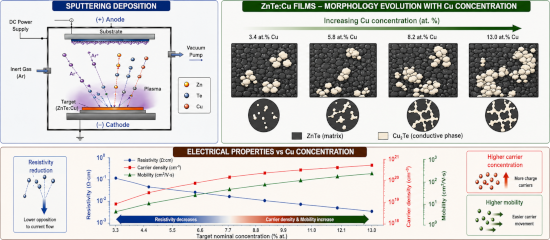
- . Vibrational and structural surface properties Figure 4 shows Raman spectra and a scanning electron microscopy (SEM) image of the CuZnTeO film grown at 300 °C with a nominal Cu and O concentration of 3 atom %. The SEM image reveals an irregular surface morphology characterized by agglomerate formation with non



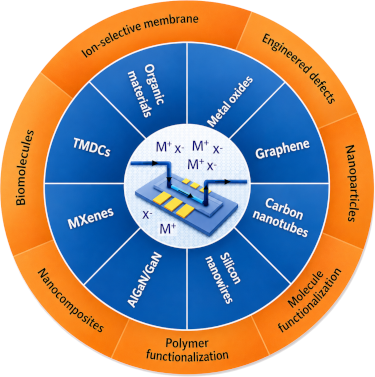
Materials challenges in solid-state sensors for continuous monitoring of ions in water
Beilstein J. Nanotechnol. 2026, 17, 935–973, doi:10.3762/bjnano.17.66



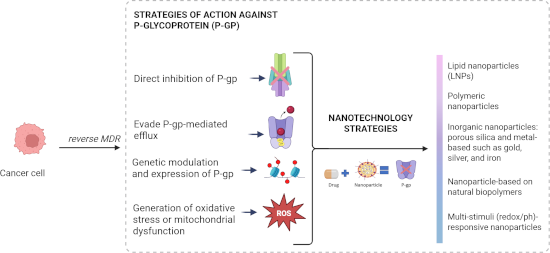
Nanocarrier strategies to overcome P-glycoprotein-mediated drug resistance in cancer therapy
Beilstein J. Nanotechnol. 2026, 17, 882–921, doi:10.3762/bjnano.17.64


Supramolecular one-dimensional conducting nanofibers from a C3-symmetric tetrathiafulvalene derivative
Beilstein J. Nanotechnol. 2026, 17, 872–881, doi:10.3762/bjnano.17.63
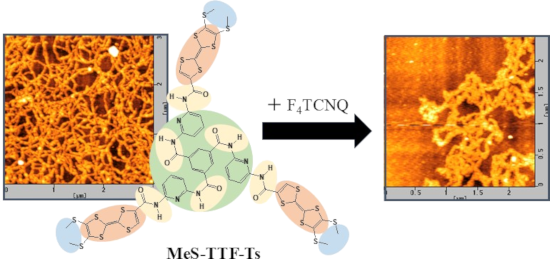
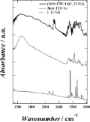
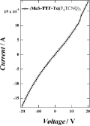
- morphologies observed by SEM differed from those obtained by AFM on mica substrates, showing more aggregated structures. This difference may originate from the distinct surface properties of the substrates used for the measurements. Although the detailed mechanism remains unclear, these results suggest that


Light-driven ammonia electrooxidation via carbon nitride–ruthenium molecular interfaces
Beilstein J. Nanotechnol. 2026, 17, 854–862, doi:10.3762/bjnano.17.61
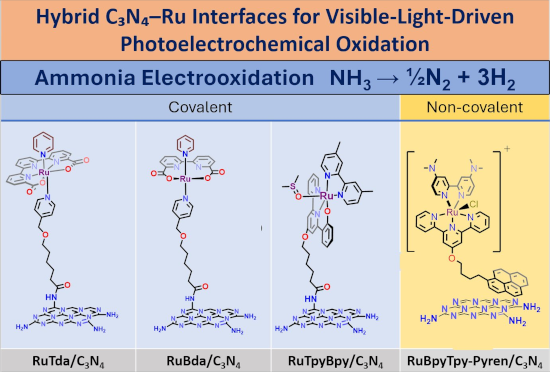
- efficiency [13]. Each allotrope presents a distinct combination of optical, electronic, and surface properties, and their comparison in hybrid architectures is itself a source of mechanistic insight. Beyond allotrope selection, post-synthetic strategies offer a complementary route to tuning the optical and
- surface properties of polymeric C3N4 without resynthesis. Thermal oxidation etching, acid treatment, and alkali-assisted exfoliation can shift the valence band edge, narrow the bandgap, and introduce surface defects that serve as additional anchoring sites or charge-trapping centres, further expanding the


Nanoparticle delivery systems for HIV pre-exposure prophylaxis (PrEP): advances and challenges
Beilstein J. Nanotechnol. 2026, 17, 839–853, doi:10.3762/bjnano.17.60
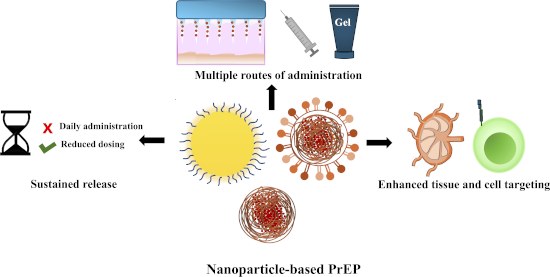
- loading and controlled release. PrEP nanoparticle delivery platforms can be equipped with different functionalization and passivation chemistries. The surface properties determine colloidal stability as well as the interactions between the nanoparticles and the surrounding. These properties are critical
- loading for some compounds and long-term stability. Polymeric nanocarriers offer excellent control over drug release properties, but it is challenging to control surface properties independently of the core properties and introduce targeting ligands. Consequently, each of these three distinct nanocarrier
- tunability of a drug-loaded polymer core can be combined with the biomimetic properties of a lipid membrane in lipid-coated polymer nanoparticles to generate a delivery platform with optimized core and surface properties. The hybrid approach and its ability to equip different polymer cores with specific


Environmental applications of silver nanoparticles: state-of-the-art review and emerging trends
Beilstein J. Nanotechnol. 2026, 17, 697–736, doi:10.3762/bjnano.17.49
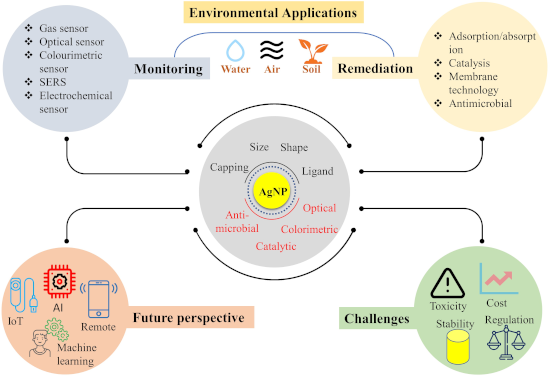
- surface charge in a colloidal solution [49]. DLS measures the size distribution and stability of AgNPs in solution, providing valuable information on their tendency to aggregate or agglomerate [51]. DLS measurements are suitable for isotropic particles and help elucidate the surface properties of AgNPs
- X-ray analysis [49]. TEM analysis is performed on copper grids with varying mesh sizes and coatings, with carbon/formvar-coated copper grids commonly preferred. Scanning electron microscopy (SEM) provides information on the silver nanoparticles’ surface properties and the aggregation state of dried


Molecular engineering of individual dye-based nanoparticle photostability for ultrabright two-photon fluorescence
Beilstein J. Nanotechnol. 2026, 17, 688–696, doi:10.3762/bjnano.17.48
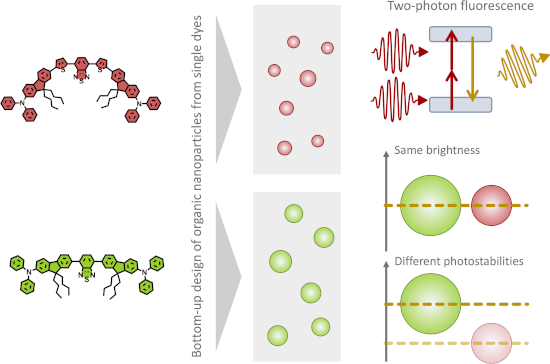
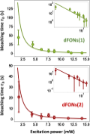
- dFONs (including their colloidal stability and surface properties) can be precisely tuned through molecular engineering of specific dye building blocks [1]. dFONs have demonstrated significant potential in bioimaging applications. They have been used as biosensors for various ions [4] and thiols [5], as


Synthesis of Cu–Mo/TiO2 and Co–Mo/TiO2 photocatalysts for the efficient degradation of organic pollutants in water
Beilstein J. Nanotechnol. 2026, 17, 559–570, doi:10.3762/bjnano.17.37
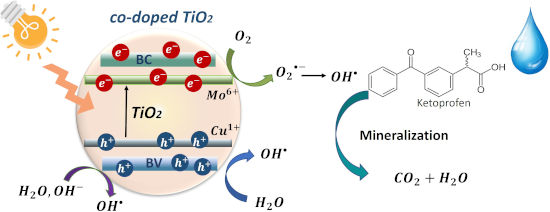
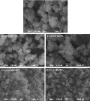
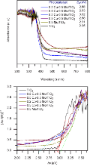
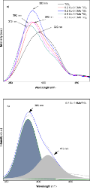
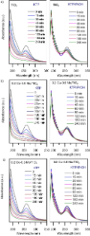
- oxidation potential and better surface properties [27]. It is expected that the structural properties of the co-doped materials will promote the photocatalytic oxidation reaction. A decrease in the intensity of the diffraction peaks and the appearance of wider peaks were observed with increasing Cu and Co
- ]. Point of zero charge The point of zero charge (PZC) of the TiO2, 0.5 Cu–0.5 Mo/TiO2, and 0.5 Co–0.5 Mo/TiO2 photocatalysts was determined by the acid–base titration method [40]. Information on the surface properties of the catalysts is highly relevant as adsorption plays a vital role in photocatalytic



Advances in nanotechnology applied to natural products
Beilstein J. Nanotechnol. 2026, 17, 555–558, doi:10.3762/bjnano.17.36

- nanoplatforms for the delivery of natural products, offering structural stability, tunable release profiles, and controllable surface properties [20]. Polymeric nanoparticles, in particular, can protect bioactive compounds, potentially reduce off-target toxicity, and enhance specific biological responses
Electrochemical determination of ciprofloxacin using a MIL-101/reduced graphene oxide-modified electrode
Beilstein J. Nanotechnol. 2026, 17, 541–554, doi:10.3762/bjnano.17.35
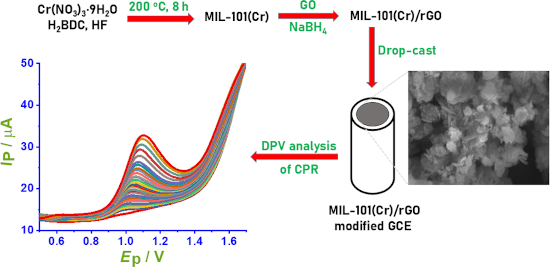
- potential for miniaturization and field use. The performance of electrochemical sensors heavily relies on the electrode’s surface properties. Recently, metal–organic frameworks (MOFs) have attracted significant interest in electrochemical sensing due to their highly ordered porous structures, very high


Nanoinformatics: spanning scales, systems and solutions
Beilstein J. Nanotechnol. 2026, 17, 423–427, doi:10.3762/bjnano.17.28
- are challenging to experimentally measure. Using computational descriptors commonly used in nano-QSAR models, such as the potential energy of surface atoms and the water–NP surface energy, the model predicts that Pt NPs are more toxic than Au NPs, based on their surface properties, which drive

Biomimetic nanoparticles in cancer photodynamic therapy: a review of targeted delivery systems and therapeutic outcomes
Beilstein J. Nanotechnol. 2026, 17, 396–422, doi:10.3762/bjnano.17.27
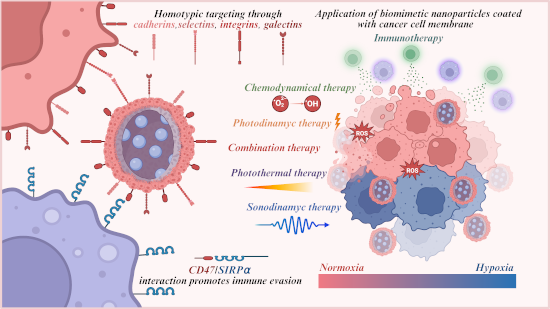
- nanoparticles: principles and platforms The BNP concept: nature-inspired delivery Advances in synthetic methods have enabled the fabrication of nanoparticles with a wide range of compositions, sizes, shapes, and surface properties [44][45]. These tunable characteristics make nanoparticles highly versatile for
- advancement came from Wang’s group in 2023 [114], who developed “adaptive” CCM-coated nanoparticles that could dynamically alter their surface properties in response to the TME. By incorporating pH-sensitive linkers between the membrane coating and targeting ligands, these nanoparticles maintained their


Polycatecholamine nanocoatings on stainless steel: the effect on attachment of human fibroblasts and platelets
Beilstein J. Nanotechnol. 2026, 17, 365–380, doi:10.3762/bjnano.17.25
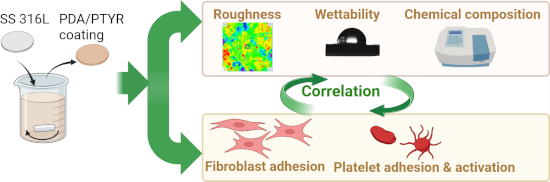
- polycatecholamines, as standalone coating systems [12][26]. Their results indicated that polycatecholamines may provide tunable surface properties distinct from those of conventional PDA films. Although PDA and PTYR originate from different amino acid precursors, both polymers are believed to undergo oxidation
- depends both on the cell type and other surface properties. Human dermal fibroblasts are characterized by large size and relatively low stiffness; thus, at the initial adhesion stage, they favor larger attachment areas (on the peaks of the surface). However, due to the large size and low stiffness, their




Safe and sustainable by design with ML/AI: A transformative approach to advancing nanotechnology
Beilstein J. Nanotechnol. 2026, 17, 176–185, doi:10.3762/bjnano.17.11
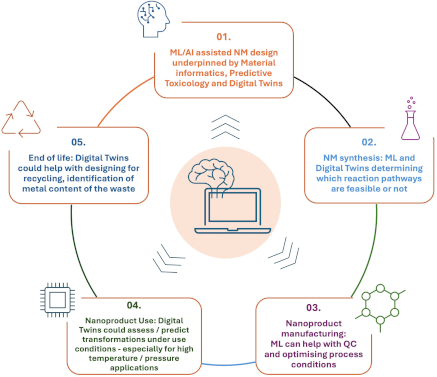
- , beginning with raw material synthesis and continuing through usage, recycling, and eventual disposal. ENMs may undergo transformations such as agglomeration, chemical reactions, or changes in surface properties. These transformations may happen in different environmental and biological contexts, including


Influence of surface characteristics on the in vitro stability and cell uptake of nanoliposomes for brain delivery
Beilstein J. Nanotechnol. 2026, 17, 139–158, doi:10.3762/bjnano.17.9
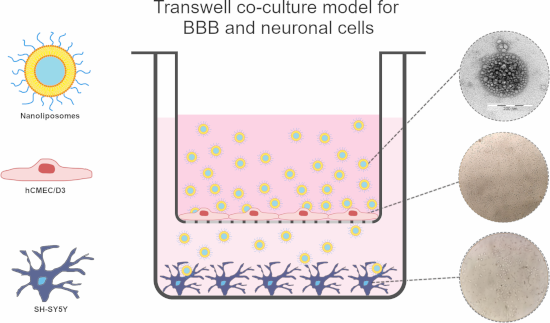
- evolution of physicochemical characteristics and surface properties of NLs in biorelevant media. Additionally, in order to point out the influence of specific characteristics on the brain targeting potential of these formulations, we investigated interactions between NLs and blood–brain barrier (BBB, hCMEC
- well known that incorporating AC into NLs improves their biological distribution, reduces macrophage uptake, and lowers free AC concentrations, thus decreasing systemic toxicity. Additionally, modifying the composition and surface properties of NLs can enhance their passage through the blood–brain
- the internalization pathway and intracellular trafficking [17]. In contrast, this study focuses on the evolution of physicochemical and surface properties of NLs in biorelevant media depending on the different amount of PEG onto NLs surface, thus correlating these findings with the cell


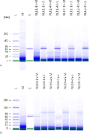
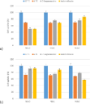


Development and in vitro evaluation of liposomes and immunoliposomes containing 5-fluorouracil and R-phycoerythrin as a potential phototheranostic system for colorectal cancer
Beilstein J. Nanotechnol. 2026, 17, 97–121, doi:10.3762/bjnano.17.7
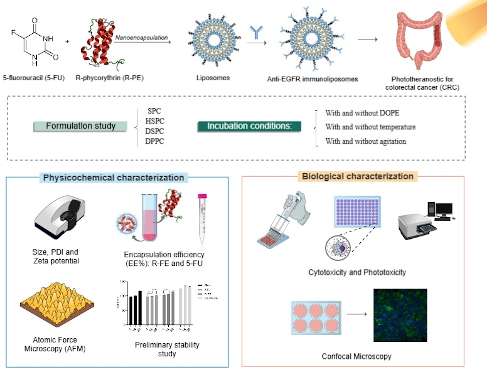
- , and viscoelastic materials [61][62]. The decoration of liposomes with cetuximab may result in a softer outer surface than the underlying lipid bilayer, explaining the observed increase in energy dissipation. These data strongly support that the surface properties of this liposome formulation were



Functional surface engineering for cultural heritage protection: the role of superhydrophobic and superoleophobic coatings – a comprehensive review
Beilstein J. Nanotechnol. 2026, 17, 63–96, doi:10.3762/bjnano.17.6


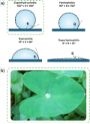


Subdigital integumentary microstructure in Cyrtodactylus (Squamata: Gekkota): do those lineages with incipiently expressed toepads exclusively exhibit adhesive setae?
Beilstein J. Nanotechnol. 2026, 17, 38–56, doi:10.3762/bjnano.17.4
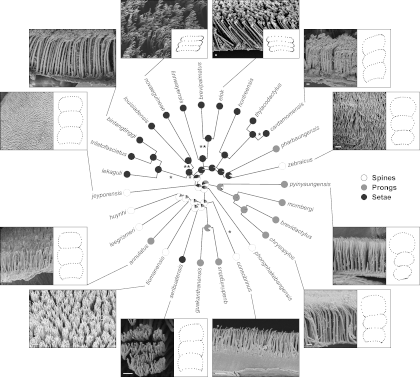
- the saxicoline habitat might be explained by the extensive spectrum of this very variable habitat category that includes karst, granite, cave, and intertidal ecotypes. For example, granite and karst have different structures [90][91]. Importantly, fine-scale data on the surface properties such as


Multifrequency AFM integrating PeakForce tapping and higher eigenmodes for heterogeneous surface characterization
Beilstein J. Nanotechnol. 2025, 16, 2077–2085, doi:10.3762/bjnano.16.142
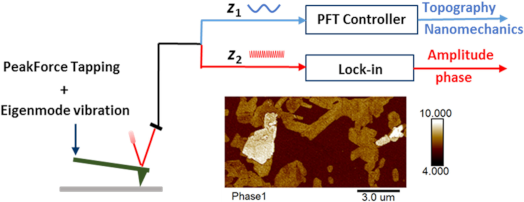
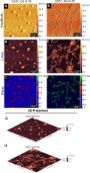
- . Keywords: atomic force microscopy (AFM); high eigenmodes; multifrequency AFM; nanoscale material analysis; surface characterization; Introduction Atomic force microscopy (AFM) has become an indispensable tool for characterizing the morphology and surface properties of materials at the micro- and the
- overcome these challenges. This configuration harnesses the mechanical precision of quasi-static force control and the sensitivity of eigenmode signals to variations in surface properties and enables simultaneous topographical, mechanical, and compositional mapping. We apply this technique to
- processes [6][26], complementing the absolute force measurements obtained from the quasi-static PeakForce feedback loop. This dual-mechanism approach enables the detection of a broad range of near-surface properties, including elastic modulus, viscoelasticity, and dissipation, greatly enhancing material


Stereodiscrimination of guests in chiral organosilica aerogels studied by ESR spectroscopy
Beilstein J. Nanotechnol. 2025, 16, 2034–2054, doi:10.3762/bjnano.16.140
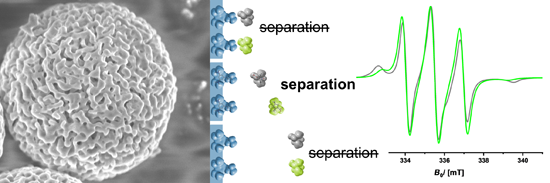
- available material confirmed the method’s reliability. The data underline how crucial the choice of the right solvent is if one wants to reach sufficient selectivity. Together with a series of custom-made organosilica aerogels, it is shown that adjusting solvent and surface properties so that the two




Mechanical property measurements enabled by short-term Fourier-transform of atomic force microscopy thermal deflection analysis
Beilstein J. Nanotechnol. 2025, 16, 1952–1962, doi:10.3762/bjnano.16.136
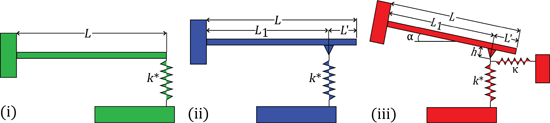
- have been developed do not accurately describe the variation of cantilever frequency when the tip is pressed against the surface. At this time, no better models were developed to describe the link between cantilever frequency and contact stiffness, and we believe that normalization of the surface
- properties is the only method that makes it possible for experimentalists to provide some understanding of a quantitative value of the surface elastic modulus and other mechanical properties. Conclusion High-data rate acquisition of the cantilever deflection signal from the photodiode of an AFM allows for




PEGylated lipids in lipid nanoparticle delivery dynamics and therapeutic innovation
Beilstein J. Nanotechnol. 2025, 16, 1914–1930, doi:10.3762/bjnano.16.133
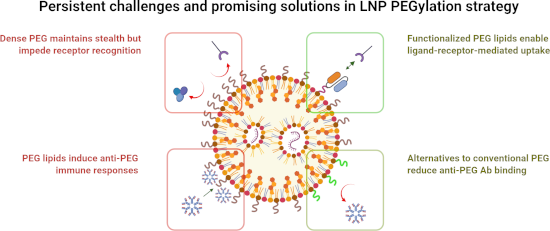
- importance of surface properties and the utilization of possible targeting strategies to enhance cellular uptake [29]. Another research study formulated LNPs with varying molar fractions of DMG-PEG2k from 0.5 to 5.0 mol %, while maintaining a fraction of 50 mol % MC3 in the composition with changing molar



Current status of using adsorbent nanomaterials for removing microplastics from water supply systems: a mini review
Beilstein J. Nanotechnol. 2025, 16, 1837–1850, doi:10.3762/bjnano.16.127
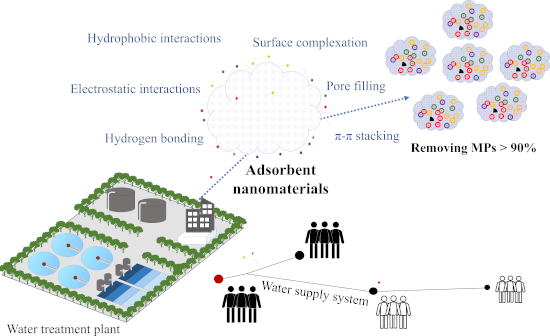
- account. In this context, adsorbent nanomaterials, which possess high surface area and modified surface properties, have emerged as a promising technology for removing MPs from water supply systems [88]. In recent years, research focus on adsorbent nanomaterials has increased significantly. The


Electrical, photocatalytic, and sensory properties of graphene oxide and polyimide implanted with low- and medium-energy silver ions
Beilstein J. Nanotechnol. 2025, 16, 1794–1811, doi:10.3762/bjnano.16.123
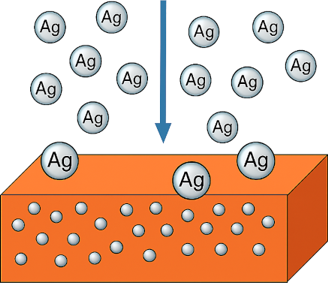
- implantation provides a controllable alternative for tuning surface properties at the nanoscale, enabling the targeted introduction of functional species without chemical reagents. This work investigates the effects of low-energy (20 keV) and medium-energy (1.5 MeV) Ag+ ion implantation on the electrical





