


Search results
Search for 中国兵书集成 第42册 pdf in Full Text gives 1460 result(s) in Beilstein Journal of Nanotechnology. Showing first 200.
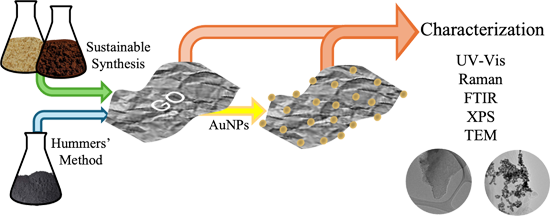
Upcycling agroindustrial waste into graphene oxide supports for gold nanoparticles: toward sustainable nanomaterials
Beilstein J. Nanotechnol. 2026, 17, 489–504, doi:10.3762/bjnano.17.32
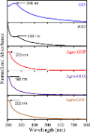
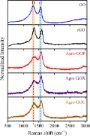
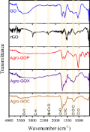
- , reducing the number of Raman-active defect sites relative to the G-band signal. Such a scenario is typical for highly oxidized, biomass-derived carbons, where the aromatic domains are broken into very small clusters surrounded by abundant oxygen functionalities [42]. Among the Agro-GO materials, Agro-GOC



Defects and defect-mediated engineering of two-dimensional materials: challenges and open questions
Beilstein J. Nanotechnol. 2026, 17, 454–488, doi:10.3762/bjnano.17.31
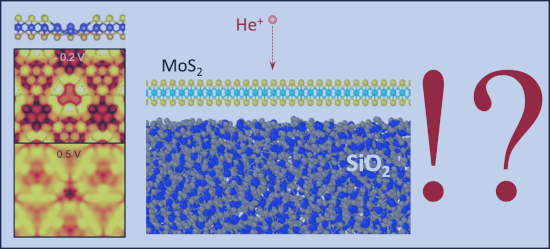
- Mo to form MTB networks [42]. Such surface reactions can change the composition and induce substoichiometric defects. The approach of reacting 2D sheets (e.g., chalcogenides) with excess metal may result in metastable point- and line-defect configurations [43][44][45] and even dense line-defect





Nanocarrier-integrated multilayer films produced by 3D printing for improved skin adhesion and curcumin photostability
Beilstein J. Nanotechnol. 2026, 17, 440–453, doi:10.3762/bjnano.17.30
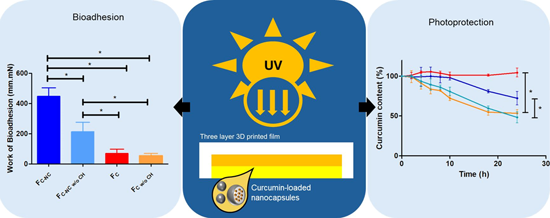
- was evaluated after dispersion of 1 g of hydrogel in 10 mL of ultrapure water. The results in Table S1 (Supporting Information File 1) show that all hydrogels have a slightly acidic pH, in the range of 4.5 to 6, making them suitable for skin applications [42]. Chitosan hydrogels showed the lowest pH
- printing inks (hydrogels). These values are suitable for topical products, whose recommended pH values are between 4 and 6 [42]. DSC (Supporting Information File 1, Figure S1) analysis demonstrates that crystalline curcumin has an endothermic peak at 175 °C [43]. This signal was not observed in the


Biomimetic nanoparticles in cancer photodynamic therapy: a review of targeted delivery systems and therapeutic outcomes
Beilstein J. Nanotechnol. 2026, 17, 396–422, doi:10.3762/bjnano.17.27
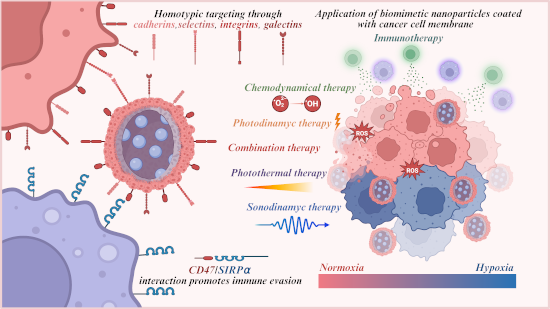
- theranostic applications [39] by facilitating tumor visualization through various imaging techniques [40], including fluorescence imaging [41], computed tomography [42], and magnetic resonance imaging (MRI) [43]. The development of nanobiotechnology in PDT opens new horizons for creating more effective and


Eco-efficient materials for agricultural crops based on a mineral rich in MOR- and HEU-type zeolites
Beilstein J. Nanotechnol. 2026, 17, 381–395, doi:10.3762/bjnano.17.26
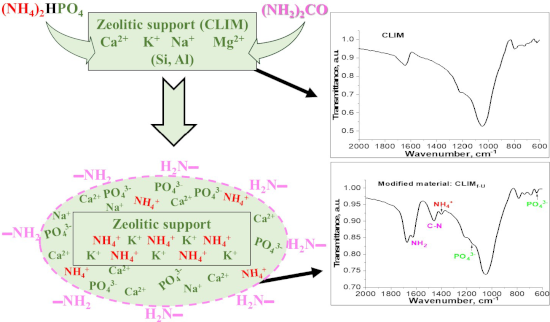
- accompanying minority phases such as quartz (pdf No. 46-1045). No indications of significant changes in the structure of these zeolites, caused by the processes of obtaining fertilizer materials, were revealed in the XRD patterns. The main differences are in the variation of the relative peak intensity as a
- consequence of the ion exchange processes (Equation 1) occurring during treatment of CLIM with DAP solution, which is in agreement with the data reported in [16][21][42]. Scanning electron microscopy and scanning transmission electron microscopy Microphotography (Figure 5) of natural zeolite (CLIM) revealed




Polycatecholamine nanocoatings on stainless steel: the effect on attachment of human fibroblasts and platelets
Beilstein J. Nanotechnol. 2026, 17, 365–380, doi:10.3762/bjnano.17.25
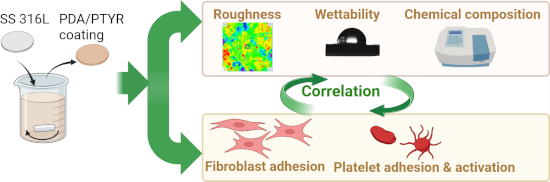
- roughness threshold has previously been observed for fibroblasts also on silicone surfaces [42] and on various metallic surfaces [43], as well as for bone marrow stem cells on polycarbonate membranes [44]. Platelet adhesion and activation on artificial surfaces are triggered by the initial adsorption of pro
- Excellence Initiative: Research University (IDUB) programme (agreement no. 1820/332/Z01/POB4/2021), by Warsaw University of Technology within the Excellence Initiative: Research University (IDUB) programme (agreement no. CPR-IDUB/42/Z01/2024) and, in part, by the German Research Foundation (DFG, grant number




Ferroelectric nanodot reservoir for neuromorphic computing
Beilstein J. Nanotechnol. 2026, 17, 352–364, doi:10.3762/bjnano.17.24
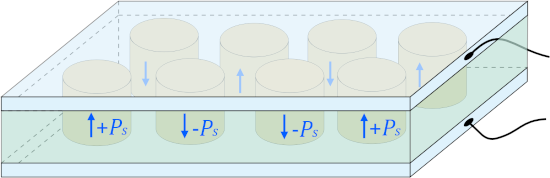
- logic-function-based designs [38][39], enabling dynamic computation within a neuromorphic reservoir framework. Such physically grounded bistable elements correspond to the neurons in traditional recurrent neural networks or echo state networks [7][42], offering energy-efficient, scalable, and high-speed


Beam shaping techniques for pulsed laser ablation in liquids: Unlocking tunable control of nanoparticle synthesis in liquids
Beilstein J. Nanotechnol. 2026, 17, 309–342, doi:10.3762/bjnano.17.22
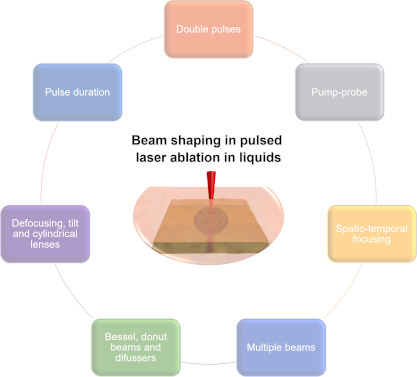
- ], including pure metals [40][41][42][43], semiconductors [44][45][46][47], or dielectric materials [48][49], in organic [41][50] or inorganic solvents [41][50][51][52]. Although initial NP production rates via PLAL were limited to a few milligram per hour, recent advancements in high-power, high-repetition
- neutron capture therapy [62][63], viral [64][65] and microbial growth inhibition [42][66], antibacterial agents [67][68], anticancer treatments [67][69], magnetic resonance imaging contrast agent [70], photothermal therapy [71][72], cell imaging [73], proton therapy enhancement [74][75], fluorescence [76







Fast vortex dynamics and relaxation times in NbRe-based heterostructures
Beilstein J. Nanotechnol. 2026, 17, 292–302, doi:10.3762/bjnano.17.20
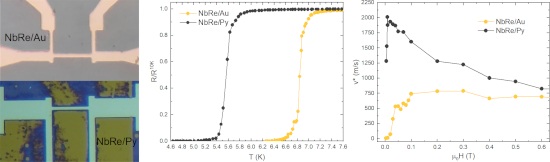
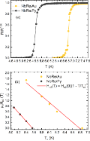
- × 10−3 [42] was used, resulting in λNbRe/Au(0) = 288 nm and λNbRe/Py(0) = 494 nm. The upper critical field, μ0Hc2, as a function of temperature was obtained from R(H) measurements, and the corresponding experimental data are presented in Figure 1b. Assuming for μ0Hc2(T) a linear dependence, it follows


Advancing nanolithography: a comprehensive review of materials for local anodic oxidation with AFM
Beilstein J. Nanotechnol. 2026, 17, 275–291, doi:10.3762/bjnano.17.19
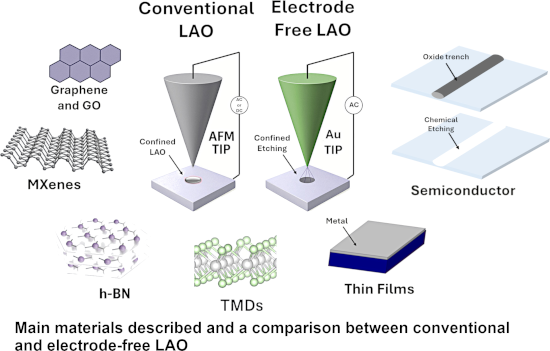
- , and most commercial AFM nowadays implement some interface enabling LAO lithography. Often, the oxide features are used as masks to amplify the pattern depth, as shown in Figure 1e, where silicon nanowires (SiNWs) are created by patterning a SOI wafer [42]. In Figure 2b,c, we show some outcome of LAO
- ) based on silicon nanowires [42][70][71][72][73]. Usually, a narrow oxide mask is patterned on top of the active layer of a silicon-on-insulator (SOI) substrate; further etching removes the excess silicon, leaving a free-standing silicon nanowire matching the shape and size of the original oxide mask
- AFM topography and cross-sectional views of an array of oxide masks (top) and their corresponding etched silicon nanowires (bottom). Panel (e) adapted from [42], with the permission of AIP Publishing. This content is not subject to CC BY4.0. Examples of oxide nanostructures fabricated by local anodic


Durable antimicrobial activity of fabrics functionalized with zeolite ion-exchanged nanomaterials against Staphylococcus aureus and Escherichia coli
Beilstein J. Nanotechnol. 2026, 17, 262–274, doi:10.3762/bjnano.17.18
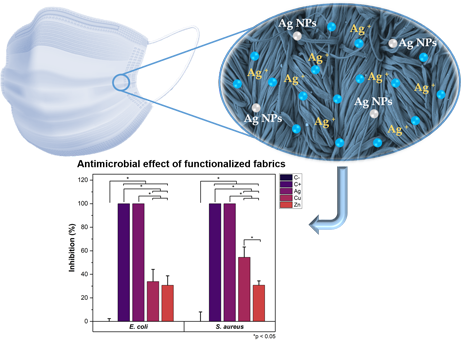
- ]. The susceptibility of bacteria to antimicrobial materials may depend on several factors, such as dose, humidity, and strain specificity [42][43]. Silver has been shown to exert a biocidal effect similar to that of copper against several E. coli and S. aureus strains using lower doses [43]. Likewise




Comparative study on 3D morphologies of delignified, single tracheids and fibers of five wood species
Beilstein J. Nanotechnol. 2026, 17, 239–250, doi:10.3762/bjnano.17.16
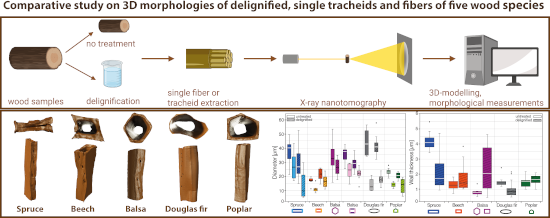
- arrangements of single fibers and tracheids with unprecedented 3D details in spatial distribution compared to traditional methods such as SEM, which, however, show more details of the pit structures [40][41][42]. Unlike those conventional imaging methods, nano-CT 3D models provide a comprehensive view of pit


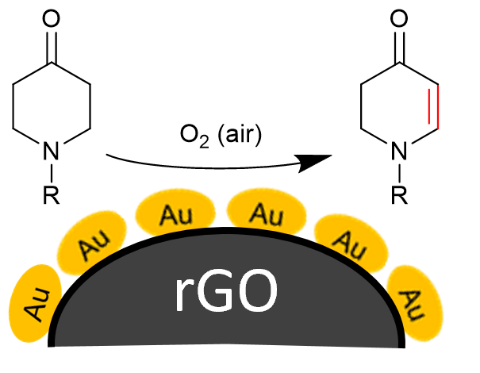
Gold nanoparticle-decorated reduced graphene oxide as a highly effective catalyst for the selective α,β-dehydrogenation of N-alkyl-4-piperidones
Beilstein J. Nanotechnol. 2026, 17, 218–238, doi:10.3762/bjnano.17.15
- complexity of signal–sample interactions, and background noise [41]. As a result, it can be challenging to distinguish peak broadening caused specifically by crystallite size from that induced by other contributing factors [42][43]. Nevertheless, the Scherrer equation remains a valuable tool for estimating


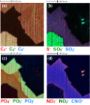
Time of flight secondary ion mass spectrometry imaging of contaminant species in chemical vapour deposited graphene on copper
Beilstein J. Nanotechnol. 2026, 17, 200–213, doi:10.3762/bjnano.17.13
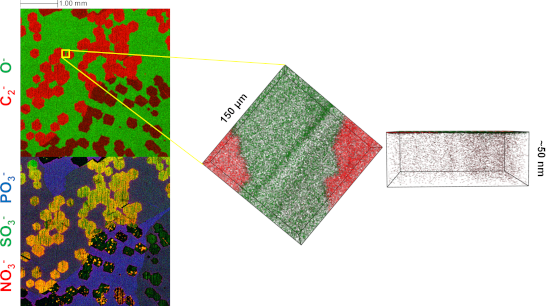
- directly under the graphene after post-growth exposure to atmosphere. This could have implications for better understanding transfer mechanisms that rely on oxidation of the Cu substrate [39][40], defect characterisation [41], or the heat dissipation ability of graphene on Cu [42]. Methods CVD graphene





Safe and sustainable by design with ML/AI: A transformative approach to advancing nanotechnology
Beilstein J. Nanotechnol. 2026, 17, 176–185, doi:10.3762/bjnano.17.11
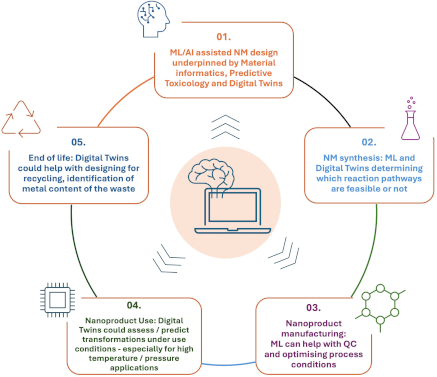
- transport of ENMs, as well as potential occupational and consumer exposures across production, use, and disposal stages [42][43][44]. Predictive toxicology Predictive toxicology is pivotal to SSbD strategies because it enables early-stage assessments of potential nanomaterial hazards, thereby minimizing


From shield to spear: Charge-reversible nanocarriers in overcoming cancer therapy barriers
Beilstein J. Nanotechnol. 2026, 17, 159–175, doi:10.3762/bjnano.17.10
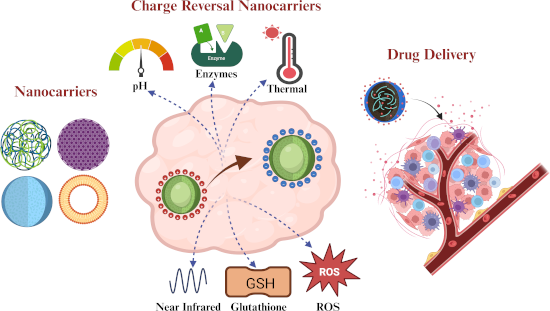
- ., DOX, geldanamycin) under alternating magnetic fields while preserving systemic safety [65]. Core–shell magnetic nanoparticles (Fe3O4@P(MEO2MA60-OEGMA40)) combine magnetic hyperthermia with controlled doxorubicin release, achieving localized heating (≈42 °C) under an alternating magnetic field to


Influence of surface characteristics on the in vitro stability and cell uptake of nanoliposomes for brain delivery
Beilstein J. Nanotechnol. 2026, 17, 139–158, doi:10.3762/bjnano.17.9
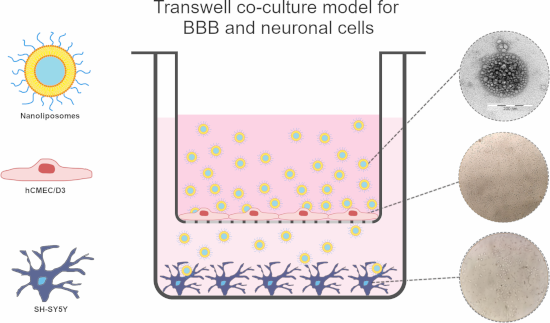
- , as well as the nature of the cell culture medium and its components such as serum as well as growth factors, dyes, and antibiotics [40][41][42]. Apart from the already reported greatest stability in cell culture medium over time (by AF4 analysis), the highest cell uptake NLb1 can be also attributed




Capabilities of the 3D-MLSI software tool in superconducting neuron design
Beilstein J. Nanotechnol. 2026, 17, 122–138, doi:10.3762/bjnano.17.8

- inductances has not yet been obtained, and the optimal parameter values are selected numerically [1][31][39][40][41][42]. A generalized theory of the Gauss neuron, accounting for the interaction of all five elements of the experimental device, is currently under development by our group. The necessity of



Development and in vitro evaluation of liposomes and immunoliposomes containing 5-fluorouracil and R-phycoerythrin as a potential phototheranostic system for colorectal cancer
Beilstein J. Nanotechnol. 2026, 17, 97–121, doi:10.3762/bjnano.17.7
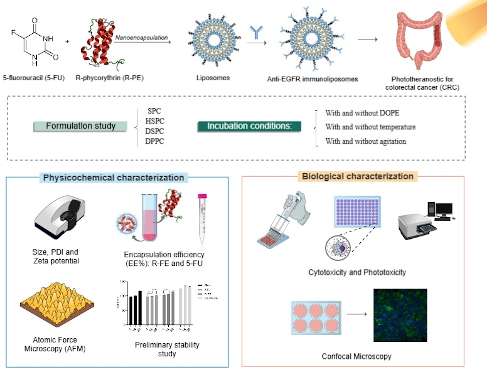
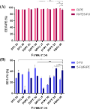
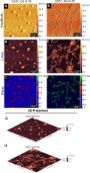
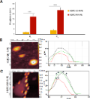
- polydispersity index (PDI) (0.100 ± 0.022), small size (103.43 ± 1.31 nm), and slightly negative zeta potential (−12.23 ± 0.35 mV). The encapsulation efficiency (EE%) was 94 ± 2.4% for R-PE and 42 ± 2.8% for 5-FU. Regarding the stability study, the liposomes maintained vesicle size, PDI and zeta potential values
- involve particles up to four times larger than those in the present study [39]. Notably, co-loading of 5-FU and R-PE in HSPC liposomes improved EE% to 46% and 42% for HSPC 25 and HSPC 50, respectively. This suggests a possible interaction between the protein and the drug, enhancing 5-FU retention
- slight reduction in vesicle size compared to previous reports can be possibly due to the presence of DSPE–PEG [34]. The incorporation of hydrophilic molecules into liposomal formulations does not necessarily result in an increase in vesicle size [42]. For instance, liposomes composed of HSPC 50 and



Functional surface engineering for cultural heritage protection: the role of superhydrophobic and superoleophobic coatings – a comprehensive review
Beilstein J. Nanotechnol. 2026, 17, 63–96, doi:10.3762/bjnano.17.6
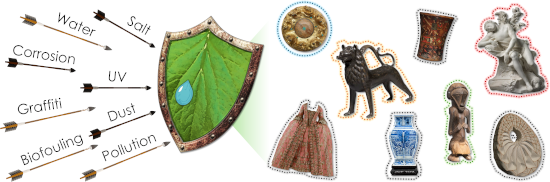
- ) has expanded significantly in recent years, especially in high-tech sectors such as electronics, telecommunications, medical devices, automotive, aerospace, and defense [40][41][42]. This growing interest reflects the critical need to address specific surface-level threats, including icing, fogging
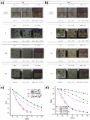
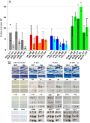
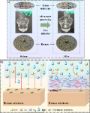
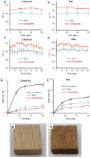
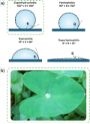
- historic wood artifacts (Figure 7e–h). The rose-petal wetting effect (characterized by a high contact angle) [33][42] was observed, though further enhancement required a post-treatment for low surface energy. The reported papers focused on wood substrates collectively highlight the efforts to align novel




Subdigital integumentary microstructure in Cyrtodactylus (Squamata: Gekkota): do those lineages with incipiently expressed toepads exclusively exhibit adhesive setae?
Beilstein J. Nanotechnol. 2026, 17, 38–56, doi:10.3762/bjnano.17.4
- -based karstic landscapes. Cyrtodactylus includes many endemic structural habitat specialists, among which are terrestrial, and various saxicoline and arboreal species [40][42]. This great species richness and repeated transition between structural microhabitats renders this genus a prime candidate for
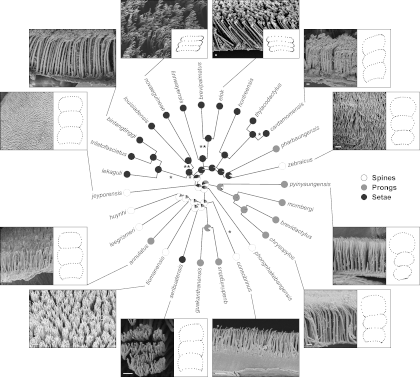
- habitats [40][42], and in so doing evolved, from spinules, variously expressed subdigital microstructure types, namely, setae, prongs, and spines (Figure 2). Based on the results of Riedel et al. [43], we predicted setae to be more prevalent in arboreal than in saxicoline species (hypothesis 2), because
- subdigital scale shape. Subdigital scale outlines were used for comparison with the microstructure data (see below). Each species was assigned to broad habitat type following Riedel et al. [43] and to fine-scale ecotype according to Grismer et al. [40][42]. Four broad habitat types were distinguished that


Reduced graphene oxide paper electrode for lithium-ion cells – towards optimized thermal reduction
Beilstein J. Nanotechnol. 2026, 17, 24–37, doi:10.3762/bjnano.17.3
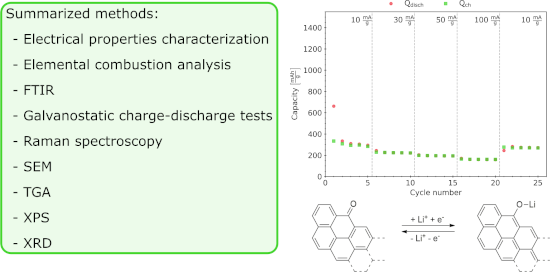
- Discussion SEM images are presented in Figure 2a–c. With these, the rGO paper sheet thickness was determined (Table 1), reaching from 4.95 μm for the initial M300 material [34] up to 36.48 μm after the thermal treatment. The expansion of the fabricated films originates from thermal exfoliation [42]. The



Competitive helical bands and highly efficient diode effect in F/S/TI/S/F hybrid structures
Beilstein J. Nanotechnol. 2026, 17, 15–23, doi:10.3762/bjnano.17.2
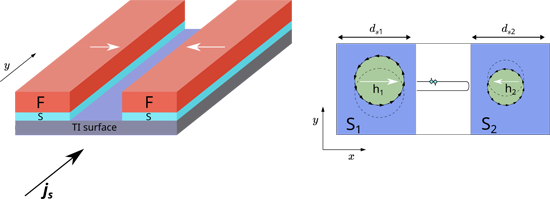
- numerous theoretical propositions demonstrating the possibility of the superconducting diode effect such as bulk superconducting materials [22][23][24][25][26][27][28][29][30][31][32][33][34], proximity-effect hybrid structures [35][36][37][38][39][40][41][42][43][44][45], Josephson structures [46][47][48


![[Graphic 16]](/bjnano/content/inline/2190-4286-17-2-i31.svg?max-width=637&scale=1.18182)
![[Graphic 17]](/bjnano/content/inline/2190-4286-17-2-i32.svg?max-width=637&scale=1.18182)


Quantitative estimation of nanoparticle/substrate adhesion by atomic force microscopy
Beilstein J. Nanotechnol. 2026, 17, 1–14, doi:10.3762/bjnano.17.1

- pushed NPs, leaving holes with a depth of up to 7 nm in the Si surface. The origin of these holes still needs to be clarified, but formation during NP impact (at high substrate voltages) due to plastic deformation/tilting, formation of the Cu3Si intermetallic phase [42], and/or fracturing of the NP



Terahertz-range on-chip local oscillator based on Josephson junction arrays for superconducting quantum-limited receivers
Beilstein J. Nanotechnol. 2025, 16, 2296–2305, doi:10.3762/bjnano.16.158
- , and varied tunnel-current densities. The LO for SIR should satisfy the following criteria based on the previous study of a heterodyne receiver with a local oscillator based on long Josephson junctions (LJJ) [42]. First, the power of the RF signal incoming to the SIS mixer should induce the
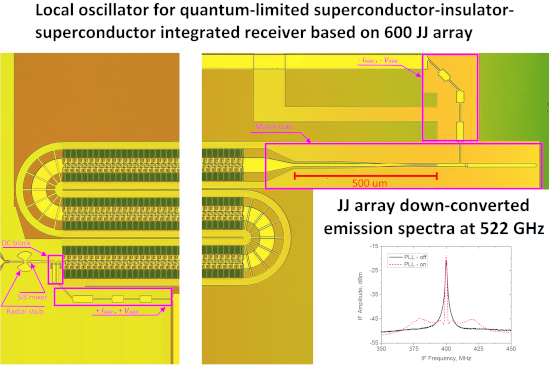
- within the black dashed rectangle in Figure 1). The purpose of the samples under study is to develop the wideband matching circuits between the LO and HM and implement the phase locking loop (PLL) for a new type of LO [42]. The image of one of the experimental samples captured by an optical microscope is





