Search results
Search for 青少年白发病基因IRF4_、Bcl-2 卫健委健康委 小荷医典 in Full Text gives 2662 result(s) in Beilstein Journal of Nanotechnology. Showing first 200.
Optical bio/chemical sensors for vitamin B12 analysis in food and pharmaceuticals: state of the art, challenges, and future outlooks
Beilstein J. Nanotechnol. 2025, 16, 2207–2244, doi:10.3762/bjnano.16.153
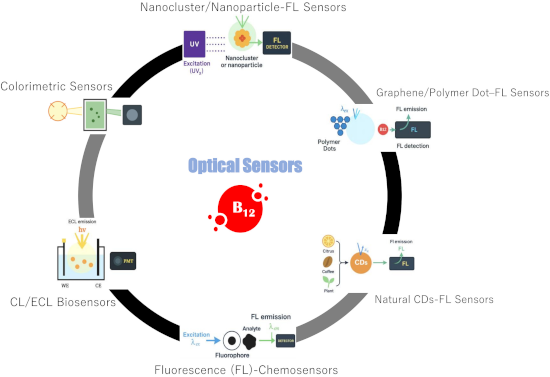
- ; molecularly imprinted polymers (MIPs); nanobiosensor; Introduction Micronutrients including vitamins and minerals play key roles in modulating body growth, preventing a wide range of diseases and disorders, and maintaining general health and wellness [1][2]. Apart from vitamin D, which the body can
- and cannot be absorbed through plant sources. This vitamin should be provided by consuming animal-derived products such as milk and dairy products, meat and meat products (e.g., liver, poultry, beef, pork, and ham), eggs, fish (e.g., tuna, trout, sardine, and salmon), and shellfish [2]. Recently, the
- presence of this vitamin in some plant sources such as microalgae (e.g., Spirulina and Chlorella) and mushrooms (e.g., shiitake, maitake, black trumpet, and golden chanterelle) species and Asian fermented soy products (e.g., tempeh and miso) has been reported [2][4][5]. Since these plant sources and their


Electromagnetic study of a split-ring resonator metamaterial with cold-electron bolometers
Beilstein J. Nanotechnol. 2025, 16, 2199–2206, doi:10.3762/bjnano.16.152
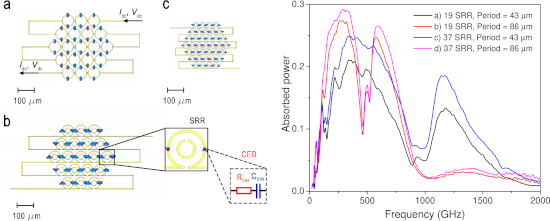
- ; metamaterial; split-ring resonator; Introduction Highly sensitive receivers with broadband antennas are of significant interest for advanced spectroscopic applications and various radioastronomy tasks [1][2][3][4][5]. In particular, broadband receiving systems are required for use with a Fourier-transform
- spectrometer based on the Martin–Paplett interferometer that is planned to be used in future missions such as BISOU (Balloon Interferometer for Spectral Observations of the Universe) [3][4] and Millimetron [2][5]. The use of cold-electron bolometers (CEBs) is particularly advantageous for such systems
- inner ring has an external diameter of dext,2 = 40 μm and an internal diameter of dint,2 = 30 μm. The period of the metamaterial array is P = 86 μm. The total size of the structure is 424 μm. A small-scale SRR is a scaled-down version with dext,1 = 40 μm, dint,1 = 35 μm; dext,2 = 20 μm, dint,2 = 15 μm


Ultrathin water layers on mannosylated gold nanoparticles
Beilstein J. Nanotechnol. 2025, 16, 2183–2198, doi:10.3762/bjnano.16.151
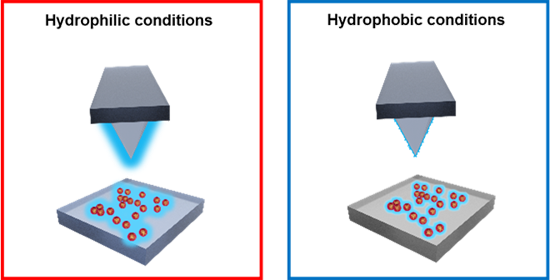
- transmission of airborne viruses, such as influenza. Keywords: AFM; humidity; hydrophilicity; hydrophobicity; nanoparticles; sum frequency generation spectroscopy; viruses; water; wetting; Introduction Gold nanoparticles (AuNPs) have been a staple in biomedical and biophysical research [1][2] for almost a
- carbohydrate display, which defines their biological function [10], a small globular core, and chemically well-defined composition. Proof-of-concept studies have demonstrated the vast potential of glyconanoparticles for glyconanotechnology in solution. However, potential changes of “glycoclusters” [2] in dry
- or humid environments are not well known, although there are many examples, for example, sensors that use antibodies (glycosylated proteins) linked to AuNPs, such as the now very established SARS-CoV-2 antigen tests [5]. While practical questions about storage conditions and lifetimes call for tests



Hartree–Fock interaction in superconducting condensate fractals
Beilstein J. Nanotechnol. 2025, 16, 2177–2182, doi:10.3762/bjnano.16.150
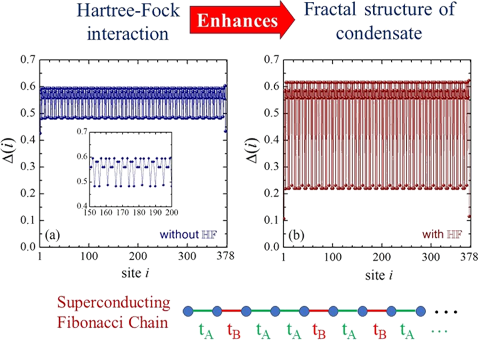
- the observables are not affected due to translational invariance. Hence, the HF field is a kind of “spectator” that defines the single-particle states and chemical potential but does not act on the pair formation and, thus, can be neglected, as in the standard formulation of the BCS model [2][3
- (Fibonacci approximant) Sn, with n being the characteristic sequence number [15]. This is a sequence of symbols “A” and “B”, which is the concatenation of sequences Sn−1 and Sn−2, that is, Sn = [Sn−1, Sn−2], where S1 = [B] and S2 = [A] include only one symbol [15]. Based on this Fibonacci rule, we have S3
- = [AB], S4 = [ABA], S5 = [ABAAB], S6 = [ABAABABA] and so on. The number of symbols in Sn is Fn, and {F1, F2, F3, F4, F5,…} = {1, 1, 2, 3, 5,…}, which are the Fibonacci numbers. We then map this sequence onto a physical lattice using the off-diagonal model. Each symbol A or B in the sequence defines the


Missing links in nanomaterials research impacting productivity and perceptions
Beilstein J. Nanotechnol. 2025, 16, 2168–2176, doi:10.3762/bjnano.16.149
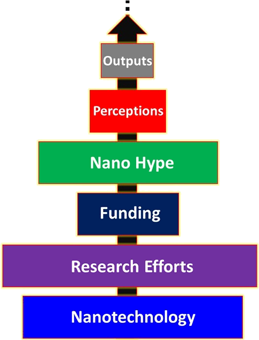
- utilized only within the last century. In fact, several remarkable works and historical examples are well documented and discussed in the literature [1][2][3]. But the true turning point for nanoscience came in 1959, when physicist Richard Feynman delivered his seminal lecture, “There’s Plenty of Room at
- , other 2D nanomaterials, such as elemental 2D materials (e.g., borophene, phosphorene, and silicene), transition metal dichalcogenides (e.g., MoS2, WS2, and NbSe2), transition metal oxides (e.g., MnO2, Fe2O3, and Ni(OH)2 nanosheets), MXenes (e.g., Ti3C2, Ti2C, and Ta4C3), 2D halides (e.g., CrI3, NiI2
- standardized toxicity assessment, environmental fate modeling, and lifecycle analysis to enable safe and scalable commercialization. (2) Strengthen industry engagement through public–private partnerships that integrate advanced nanomaterials such as graphene, MXenes, nanoporous catalysts, and quantum dots into
Microplastic pollution in Himalayan lakes: assessment, risks, and sustainable remediation strategies
Beilstein J. Nanotechnol. 2025, 16, 2144–2167, doi:10.3762/bjnano.16.148
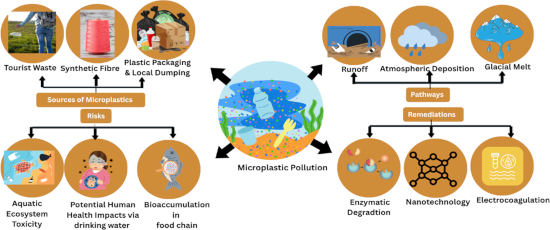
- made them a target for environmental research [2]. Similarly, the Ramsar wetland Loktak Lake is renowned for floating vegetation and being a sanctuary for the endangered Sangai deer [3]. These alpine lakes are exposed to increasing environmental stresses due to human population, population increase
- urban runoff have resulted in plastic pollution increasing in Nainital Lake, a popular tourist destination, threatening aquatic biodiversity [2]. Nazir et al. state that MPs pollute water bodies by accumulating in food chains and bearing toxic contaminants such as heavy metals. This problem is
- Manasbal [2][9][13]. This review compiles recent evidence on MP contamination of Himalayan lakes and contrasts it with global high-altitude ecosystems. It will propose to identify special regional vulnerabilities, evaluate existing limitations in monitoring and remediation, and suggest strategies specific


Electron transport through nanoscale multilayer graphene and hexagonal boron nitride junctions
Beilstein J. Nanotechnol. 2025, 16, 2132–2143, doi:10.3762/bjnano.16.147
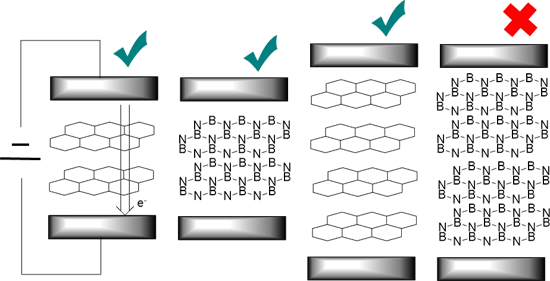
- [2], nanoscale electronics and electronic components [3], thermoelectric devices [4], and transparent films [5]. Graphene is a two-dimensional zero-bandgap semiconductor with excellent bulk conductivity. Its in-plane electron transport strongly depends on lattice order, lattice defects, and three
- slight numerical deviations; however, all trends were preserved. The conductance through a nanoscale device is described by the Landauer formula shown in Equation 2, where g is the conductance, e is the electron charge, h is Planck’s constant, and T is the transmission probability. The transmission
- ]. The difference between the computed bandgap in our work and the experimental results can be attributed to the well-known underestimation of the bandgap by pure DFT methods [30]. Figure 2 shows properties of graphite and h-BN with Stone–Wales defects, specifically, the unit cell of defective graphite


Quality by design optimization of microemulsions for topical delivery of Passiflora setacea seed oil
Beilstein J. Nanotechnol. 2025, 16, 2116–2131, doi:10.3762/bjnano.16.146
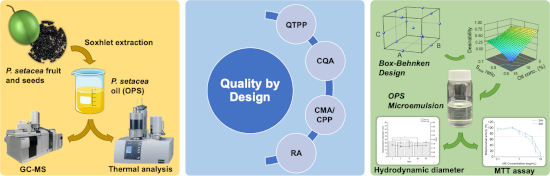
- assays demonstrated high cell viability for ME at concentrations below 2 mg/mL in RAW 264.7 macrophages and 0.5 mg/mL in human umbilical vein endothelial cells. Overall, this work presents a promising nanotechnology-based topical delivery platform for P. setacea seed oil, employing quality by design
- underexplored wild species, such as Passiflora setacea [2][3]. Notably, seed oil extracted from P. setacea (OPS) is particularly rich in unsaturated fatty acids, predominantly linoleic acid (ω-6) and oleic acid (ω-9). Compared to other wild Passiflora species, OPS exhibits a markedly higher antioxidant capacity
- (0.45 µm), and stored under refrigerated conditions (4 ± 2 °C) in amber glass bottles to preserve its quality and minimize oxidative degradation and microbiological contamination. The extraction yield aligns with values reported in the literature for the same species, which range from ≈32% with ethyl


Rapid synthesis of highly monodisperse AgSbS2 nanocrystals: unveiling multifaceted activities in cancer therapy, antibacterial strategies, and antioxidant defense
Beilstein J. Nanotechnol. 2025, 16, 2105–2115, doi:10.3762/bjnano.16.145
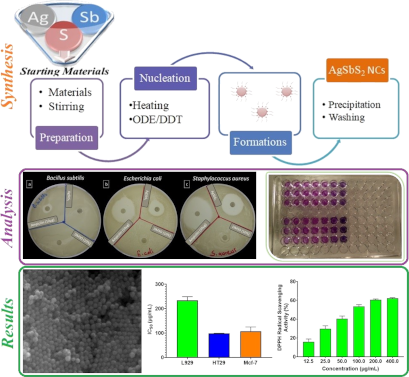
- therapeutic approaches [2]. Currently, the assessment of nanotechnology’s impact on the health of both humans and animals, along with its potential in therapy, has become an imperative scientific consideration. Nanotechnology, which is multidisciplinary, is the synthesis of materials and particles with
- , these materials have also been used in various imaging applications for the detection of cancer cells. Ag2Te and Ag2S nanocrystals (NCs) were used in cancer imaging studies by Nieves and colleagues. In this study, computed tomography contrasts changes of NCs injected into mice were examined at 2 and 24
- ]. NCs were dissolved in DMSO (10 mg/mL) stock and the DMSO concentration in the cell culture medium was not more than 0.1%. Cells were seeded in 96-well plates at a density of 2 × 10⁴ cells/well, and the plates were incubated in a humidified incubator (95% air and 5% CO2) at 37 °C for 24 h. Triplicate


Toward clinical translation of carbon nanomaterials in anticancer drug delivery: the need for standardisation
Beilstein J. Nanotechnol. 2025, 16, 2092–2104, doi:10.3762/bjnano.16.144

- energy sectors (Figure 1). NMs have seen use as antimicrobial agents [1], catalysts [2], bioimaging agents [3][4][5][6], magnetic particle imaging agents [7], nanofluids [8], antiviral agents [9], photothermal convertors [10], and in environmental remediation [11]. Topically, the biomedical applications
- Fund and the European Union [19]. Despite our understanding of preventable contributing factors, cancer remains a global burden, affecting over 10 million people annually. As of 2016, it is the leading cause of death in 55 countries (Figure 2), particularly those with high Human Development Index (HDI
- the incidence and severity of side effects associated with traditional chemotherapy (Table 2). There are several model anticancer therapeutics that are commonly used in nanocarrier design, such as doxorubicin or gemcitabine. By encapsulating or loading these therapeutics onto nanocarriers, researchers




Calibration of piezo actuators and systems by dynamic interferometry
Beilstein J. Nanotechnol. 2025, 16, 2086–2091, doi:10.3762/bjnano.16.143
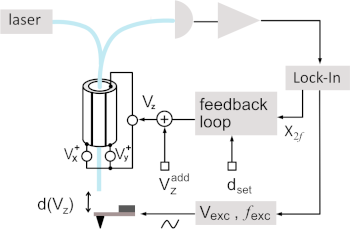
- ; Introduction Interferometric displacement detection stands as a cornerstone in high-precision techniques employed in cantilever-based atomic force microscopy (AFM), since its early days [1][2][3][4][5][6]. This method of cantilever displacement detection is specifically well suited for non-contact atomic force
- step. Figure 2 shows plots of A against the cantilever excitation voltage Vexc, where the data are fitted by straight lines. Note that all straight lines should coincide; however, they are shifted for each step along the Vexc axis for better clarity. The measurements presented in Figure 2a have been
- respective differences are smaller or close to the relevant standard deviations. We conclude that, in the latter case, the loop action provides the same conditions for each calibration measurement, allowing for a calibration with 2% relative uncertainty in this case. Above observations clearly demonstrate


Multifrequency AFM integrating PeakForce tapping and higher eigenmodes for heterogeneous surface characterization
Beilstein J. Nanotechnol. 2025, 16, 2077–2085, doi:10.3762/bjnano.16.142
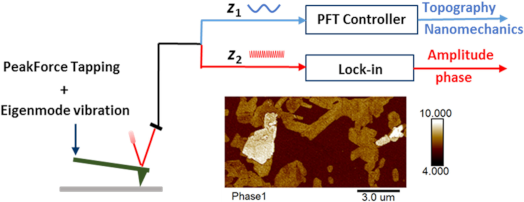
- nanoscale [1][2][3][4][5]. Among its various operating modes, tapping mode AFM is particularly prevalent due to lateral force minimization and its ability to give phase-contrast images of heterogeneous surfaces [6]. This mode involves oscillating the cantilever near its resonance frequency with the tip
- Figure 1, the probe is exposed to two excitation mechanisms: (i) The piezoelectric driver PD-I induces sinusoidal vibrations at a frequency significantly below the cantilever’s first eigenmode frequency, typically in the range of 0.5–2 kHz on our instrument. This action propels the probe to engage and
- aliquot was drop-cast onto a clean SiO2/Si substrate and allowed to dry under ambient conditions. Imaging parameters All critical imaging parameters for the data presented in the figures are summarized in Table 2. The free oscillation amplitudes for the higher eigenmodes were selected independently under


Molecular and mechanical insights into gecko seta adhesion: multiscale simulations combining molecular dynamics and the finite element method
Beilstein J. Nanotechnol. 2025, 16, 2055–2076, doi:10.3762/bjnano.16.141
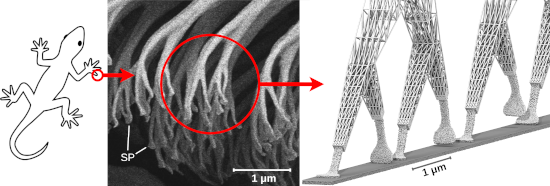
- structures on their feet [1][2]. This bioadhesion mechanism has been studied extensively, especially for biomimetic adhesive applications [3][4][5][6][7][8][9]. Understanding these interactions presents a formidable challenge in biophysics and materials science due to the extremely small length and time
- around 1014 atoms for a single gecko seta. Coarse-graining [14][15] can improve the situation, but not by more than 1–2 orders of magnitude. Consequently, multiscale approaches combining continuum methods like the finite element method (FEM) [16][17][18] with particle-based molecular dynamics (MD) [19
- further branch into hundreds to thousands of spatulae [32][33][34][35]. Our seta geometry (Figure 2) was inspired by the branching geometry in Sauer et al. [21], which simplified the seta into distinct branching levels. While this captured key structural features, it did not fully represent the intricate






Stereodiscrimination of guests in chiral organosilica aerogels studied by ESR spectroscopy
Beilstein J. Nanotechnol. 2025, 16, 2034–2054, doi:10.3762/bjnano.16.140
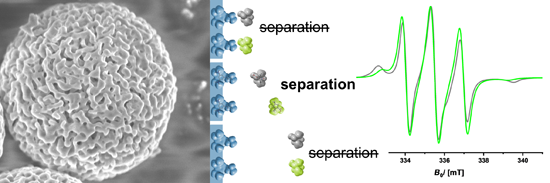
- of a surface influences the stereoselectivity of the enantiomers at the surface. Despite the difference in the interaction enthalpies being only in the 1–2 kJ·mol−1 range, an ideal surface would exclusively interact with one enantiomer. However, the question of which selectivity is sufficient or
- chemistry; ESR spectroscopy; organic inorganic hybrids; porous materials; Introduction Chiral materials represent an evolving research field that focuses on materials whose structures lack mirror symmetry [1][2][3]. The materials exhibit chirality, and a good overview of important developments was given by
- reference systems (Figure 1, grey structures). One material is pure silica, referred to as SIL; the second material, named NHxSIL, contains amino groups (NH2), and the third is composed of thiophenyl-containing organosilica [HSC6H3(SiO1.5)2], referred to as SHoSIL. SILs are well known in the literature and




Beyond the shell: exploring polymer–lipid interfaces in core–shell nanofibers to carry hyaluronic acid and β-caryophyllene
Beilstein J. Nanotechnol. 2025, 16, 2015–2033, doi:10.3762/bjnano.16.139
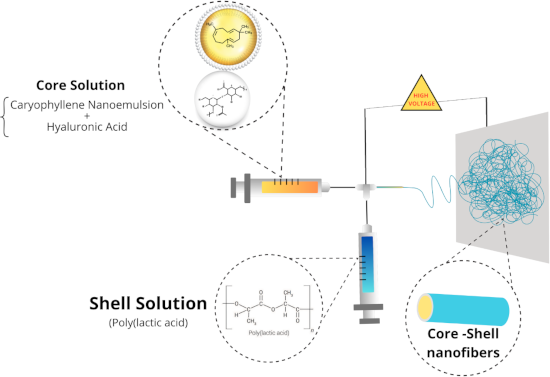
- optimal core formulation (1% w/w HA, 2% w/w NE) and process parameters (17 kV applied voltage, 6.25 flow rate ratio (0.04 mL/h inner; 0.25 mL/h outer), 12 cm needle-to-collector distance). These conditions provided highly uniform fibers with an average diameter of 439 ± 100 nm, notably 37% larger than
- biomaterials, recent decades have seen intensive research into novel therapeutic strategies for regenerative medicine [1][2][3][4]. Within this scenario, a pivotal current strategy in formulation development focuses on integrating nanocarriers with nanoscale three-dimensional biomaterials, enabling major
- , antimicrobial, and anti-inflammatory effects [30][31]. It is also currently been evaluated as a candidate for skin regeneration due to its effect as a cannabinoid receptor 2 (CB2) ligand, with studies suggesting that CB2 activation by selective agonists can enhance re-epithelialization, reduce pain, and improve




The cement of the tube-dwelling polychaete Sabellaria alveolata: a complex composite adhesive material
Beilstein J. Nanotechnol. 2025, 16, 1998–2014, doi:10.3762/bjnano.16.138
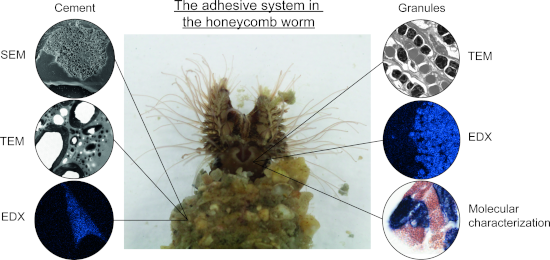
- material; Polychaeta; protein phosphorylation; Introduction Many invertebrate marine organisms have adhesive mechanisms that allow them to firmly attach to various substrates in a wet and salty environment [1][2]. This remarkable ability has raised the interest of scientists in developing bio-inspired
- only five, referred to as Pc-1 to -5, have been partially characterized [8][12][14][15][16]. Pc-1 and Pc-2 are basic proteins that contain glycine-rich peptide repeats [14][15]. A fraction of their tyrosine residues are post-translationally hydroxylated to form 3,4-dihydroxyphenylalanine (DOPA
- existence of many others [18]. The proteins Sa-1, Sa-2, Sa-3A, and Sa-3B share the same physico-chemical characteristics as their homologues in P. californica [17]. In both species, the polyphosphorylated proteins appear to be segregated exclusively in the inclusions within the heterogeneous granules [9][17


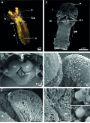
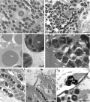

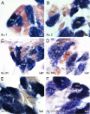
Laser ablation in liquids for shape-tailored synthesis of nanomaterials: status and challenges
Beilstein J. Nanotechnol. 2025, 16, 1963–1997, doi:10.3762/bjnano.16.137
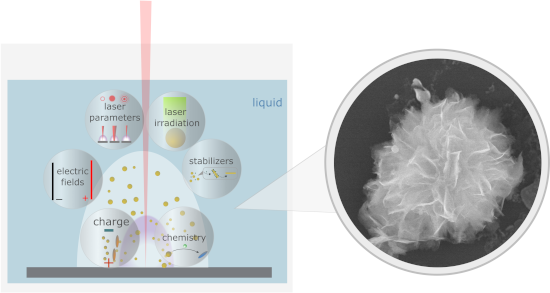
- . Combining both top-down and bottom-up strategies, laser-assisted methods are demonstrating the prospects to become a versatile nanoscale manufacturing strategy based on clean, sustainable, and large-scale approach applicable to a broad range of nanomaterials [1][2][3][4][5][6][7][8][9][10][11]. The current
- mechanism occurs from nano- or microsized droplets or solid fragments directly ejected from the target. The dominating mechanism of NP formation depends on the laser parameters, mainly laser pulse duration and laser fluence. For the nanosecond laser pulse of high energy density (in the range 108–1010 W·cm−2
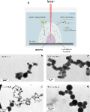
- , Figure 2 demonstrates the correlation of the shape of laser-induced plasma generated in the electric field applied directly to a Zn target with NP structure. The plasma imaging (Figure 2b,c) demonstrates clear differences in shape depending on the applied field direction. In case of cathode ablation, the




Mechanical property measurements enabled by short-term Fourier-transform of atomic force microscopy thermal deflection analysis
Beilstein J. Nanotechnol. 2025, 16, 1952–1962, doi:10.3762/bjnano.16.136
- Thomas Mathias Roland Bennewitz Philip Egberts Department of Mechanical and Manufacturing Engineering, University of Calgary, 2500 University Drive NW, Calgary, AB, T2N 1Y6, Canada INM-Leibniz Institute for New Materials, Campus D2 2, 66123 Saarbrücken, Germany 10.3762/bjnano.16.136 Abstract
- ); mechanical property measurements; surface science; Introduction Atomic force microscopy (AFM) has become an indispensable tool for imaging the surface topography on a variety of surfaces [1]. Since the invention of the AFM [2], several other modes of AFM have been developed, including friction force
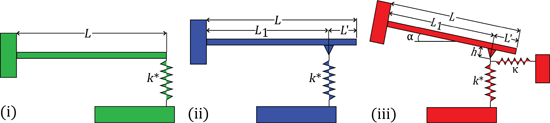
- and stored. Subsequently, for each window generated, the resonant peak of the first normal mode was fitted using Equation 1, where f is the frequency, T is the temperature, kB = 1.3806 × 10⁻²³ m2·kg·s−2·K−1 is Boltzmann’s constant, Qn is the quality factor of the cantilever for the n-th mode, Dn is




Evaluating metal-organic precursors for focused ion beam-induced deposition through solid-layer decomposition analysis
Beilstein J. Nanotechnol. 2025, 16, 1942–1951, doi:10.3762/bjnano.16.135
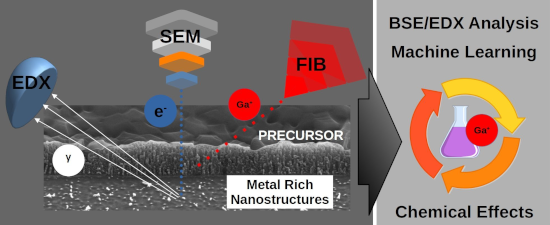
- deposition, chemical mechanical polishing, and laser nanopatterning, enable the creation of nanostructures and nanoscale devices. However, a major limitation of these methods is their inability to effectively produce high-resolution three-dimensional nanostructures [1][2][3][4]. In contrast, focused electron
- previously in CVD, and β-diketonates are the most common CVD precursors, yielding films of high purity up to 99 atom % [5][15][22][23][24][25][26]. In FEBID, silver(I) carboxylates, in contrast to β-diketonates, result in high metal content in the deposits. Recent research [5] using [Ag2(μ-O2CR)2], where R
- before deciding which compound is the most promising one. Therefore, we used in our studies copper(II) and silver(I) carboxylate complexes such as non-fluorinated pivalate [Cu2(μ-O2Ct-Bu)4]n [28][29], perfluorinated pentafluoropropionates [Cu2(µ-O2CC2F5)4] [30], [Ag2(μ-O2C2F5)2] [31] and the heteroligand


Quantum circuits with SINIS structures
Beilstein J. Nanotechnol. 2025, 16, 1931–1941, doi:10.3762/bjnano.16.134
- W·Hz−1/2. The receiver in a 3He cryostat with an optical window was mounted at the Nasmyth focus of the BTA and tested at a temperature of 260 mK with a IMPATT diode radiation source. Keywords: Big Telescope Alt-azimuthal; electron coolers; microwave detectors; micro- and nanotechnology; NIS tunnel
- devices are manufactured on their basis [1][2][3]. These extend from cryogenic thermometers [4][5][6] and electron coolers [7][8][9][10] to various detectors such as Andreev bolometers [11][12][13], cold electron bolometers [14][15], superconductor–insulator–normal metal–insulator–superconductor (SINIS
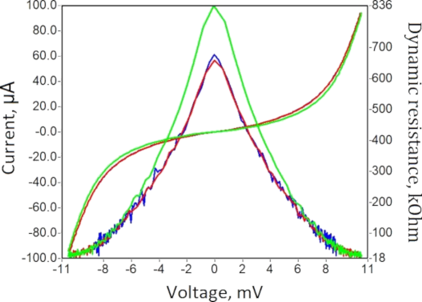
- nanostructure consisting of a T-shaped normal metal electrode (copper), an insulating tunnel layer (aluminum oxide), and a superconducting fork (aluminum), Figure 2a. Tunnel junction size is 0.2 × 0.2 µm, loop area 2, 4, 8, or 10 µm2. The transport characteristics of the fabricated interferometers were studied


PEGylated lipids in lipid nanoparticle delivery dynamics and therapeutic innovation
Beilstein J. Nanotechnol. 2025, 16, 1914–1930, doi:10.3762/bjnano.16.133
- components plays a specific role in maintaining the nanoparticles’ structure and enhancing their performance [2]. The remarkable success of mRNA-based COVID-19 vaccines has highlighted LNPs as a transformative nanomedicine, driving significant interest and innovation in this field [3]. As a key ingredient in
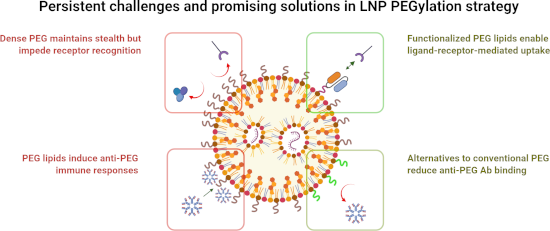
- LNPs, PEG lipids are widely used to provide the nanoparticles with a unique outer layer. The “stealth” properties of PEG chains can prevent nanoparticle aggregation, reduce nonspecific protein adsorption, and delay immune recognition, thereby extending LNP circulation half-life in the bloodstream [2][4
- permit partial protein adsorption [14][15][16][25]. The density of engrafted PEG lipids on the LNP surface can be quantified as the number of PEG chains per square nanometer surface area, denoted as ρPEG. As illustrated in Figure 2, serum protein adsorption inversely correlates with ρPEG; low-density


Targeting the vector of arboviruses Aedes aegypti with nanoemulsions based on essential oils: a review with focus on larvicidal and repellent properties
Beilstein J. Nanotechnol. 2025, 16, 1894–1913, doi:10.3762/bjnano.16.132
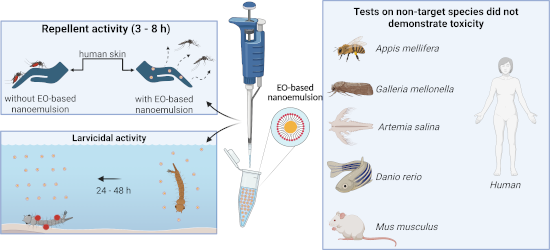
- , continuing the transmission cycle [2][3]. Most diseases caused by arboviruses are zoonoses, meaning they are primarily infections of vertebrates which can occasionally trigger incidental infections in humans [3][4]. The main vectors are mosquitoes of the Aedes genus, primarily Aedes aegypti and Aedes
- humans. Among them, the Flaviviridae family includes pathogens such as dengue (DENV) and zika (ZIKV) viruses, while Alphaviruses include the chikungunya virus (CHIKV) [39][40]. These viruses are primarily transmitted by the Ae. aegypti mosquito, which relies on humans as its main amplification hosts [2
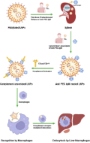
- -in-water (O/W), water-in-oil (W/O), or multiple emulsions (W/O/W or O/W/O) (Figure 2), depending on the preparation techniques and the choice and interaction of formulation components [34][88][89]. Nanoemulsions exhibit several advantages, making them promising systems for pharmaceutical and


Programmable soliton dynamics in all-Josephson-junction logic cells and networks
Beilstein J. Nanotechnol. 2025, 16, 1883–1893, doi:10.3762/bjnano.16.131

- ; superconducting neural networks; Introduction The rapid advancement of Josephson junction (JJ) logic circuits [1][2][3][4][5] and neuromorphic networks [6][7][8][9] holds transformative potential for ultra-low-power computing. However, achieving scalable integration remains a critical bottleneck, as conventional
- current flowing from the node k to the node j(h). Each current is described by the RCSJ model (Equation 2): With this approach, the current across the inductance is defined by the expression where l = L/LJ is inductance normalized to the Josephson inductance . After substituting the expressions for the
- soliton to propagate through it with minimal perturbation. (2) Close mode: The KICK acts as a terminator, blocking and destroying the incoming soliton. (3) T-mode: The KICK functions as a T-flip-flop. It possesses two stable states, and each arriving soliton toggles the cell from its current state to the


Low-temperature AFM with a microwave cavity optomechanical transducer
Beilstein J. Nanotechnol. 2025, 16, 1873–1882, doi:10.3762/bjnano.16.130
- , new record values of fundamental figures of merit have been reported at a surprisingly rapid rate. The field is now mature for the next challenge, that is, application-ready devices. Optomechanical interaction has been proposed to enable or improve many applications [1], including accelerometers [2
- frequency, where |χ(Ωm)|2 = meff/kη2, resulting in a minimum detectable force, It is worth noting that Equation 4 clarifies a recurring misconception. Decreasing stiffness k does not necessarily reduce Fmin. Rather, it relaxes the constraint on the detector’s added noise for the force sensor to operate in
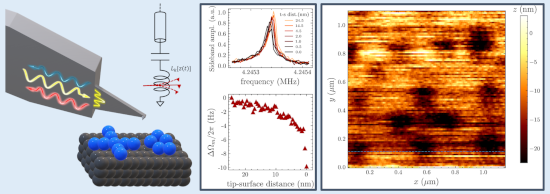
- the AFM’s suspension system is roughly 1 Hz, with a quality factor of roughly 2. Mechanical oscillation of the tip causes phase modulation of the reflected microwave pump, detected as motional sidebands in the signal spectrum. Measuring the microwave response at a sideband, the detection responsivity


Self-assembly and adhesive properties of Pollicipes pollicipes barnacle cement protein cp19k: influence of pH and ionic strength
Beilstein J. Nanotechnol. 2025, 16, 1863–1872, doi:10.3762/bjnano.16.129
- may help to inform the design of eco-friendly adhesives for application in biomedicine, industry, and underwater engineering [2][3]. Mussel adhesive proteins are the most extensively studied of marine bioadhesives. Mussels anchor to submerged surfaces using a byssus, a bundle of proteinaceous threads
- modifications in recombinant protein expression systems [9]. Cell-Tak™ is a commercial mixture of mussel foot proteins Mfp-1 and Mfp-2 from Mytilus edulis [10] but purification of Mfp-based adhesives necessitates harvesting and chemical processing of large quantities of mussels, raising ecological and
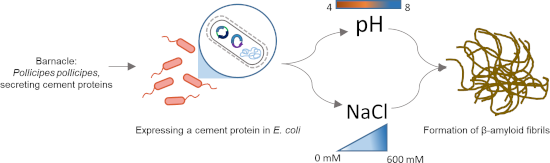
- conformation and adhesion in the protein. Results Protein expression and fibril formation Co-expression of rPolcp19k-his with E. coli GroEL-GroES chaperones to improve folding was performed as described previously [21]. Purified rPolcp19k-his protein yields of 1.8 to 2 mg per litre of E. coli culture were