Search results
Search for 13岁 喝咖啡 医学建议 in Full Text gives 2608 result(s) in Beilstein Journal of Nanotechnology. Showing first 200.
Optical bio/chemical sensors for vitamin B12 analysis in food and pharmaceuticals: state of the art, challenges, and future outlooks
Beilstein J. Nanotechnol. 2025, 16, 2207–2244, doi:10.3762/bjnano.16.153
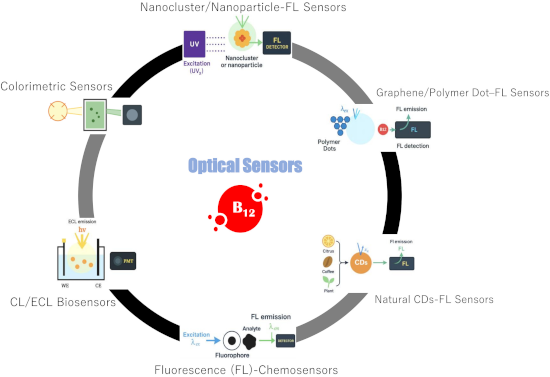
- isolation process [2][12]. Quality control measures in the industry include the analysis of VB12 concentrations in serum extracted from blood plasma, pharmaceutical products such as tablets and injections, and fermentation-derived products [13]. The most common techniques to determine the VB12 content in
- reagents, which restrict their practical applications [2][13][28]. Consequently, there is a growing need to develop simple, rapid analytical systems such as biosensors to tackle these challenges by highly selective and sensitive detection of VB12 without requiring specialized skills. Nowadays
- nanosphere lithography on a glass slide. It greatly improved the conversion of near-NIR light to UV light, achieving a notable increase in UV light intensity (i.e., six times higher at 344 nm) when stimulated with a NIR light at 980 nm using a low power density of about 13 W/cm2. The process optimization was


Electromagnetic study of a split-ring resonator metamaterial with cold-electron bolometers
Beilstein J. Nanotechnol. 2025, 16, 2199–2206, doi:10.3762/bjnano.16.152
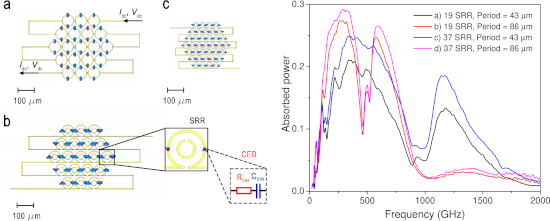
- integration into antenna slots without the need for microwave feed lines (e.g., microstrip or coplanar lines), thus simplifying the design and preventing signal degradation at higher frequencies [12]. Furthermore, the natural electron cooling mechanism in CEBs [13][14][15] is highly suitable for operation


Ultrathin water layers on mannosylated gold nanoparticles
Beilstein J. Nanotechnol. 2025, 16, 2183–2198, doi:10.3762/bjnano.16.151
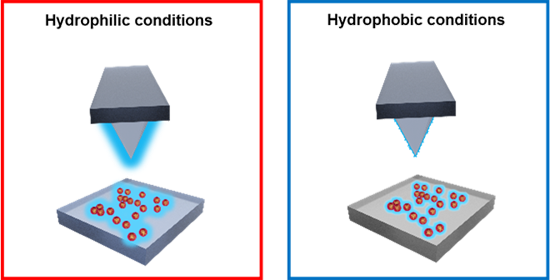
- viral spikes, which are crucial for virus “survival” during transmission [11][12]. For many, especially mammalian, viruses, transmission occurs in aqueous environments (e.g., Dengue [13] and Ebola [14]), and air humidity does not play any direct role. In contrast, humidity strongly affects the



Hartree–Fock interaction in superconducting condensate fractals
Beilstein J. Nanotechnol. 2025, 16, 2177–2182, doi:10.3762/bjnano.16.150
- below a critical temperature of Tc ∼ 0.05 K [12]. More recently, in 2024 and 2025, much higher critical temperatures of Tc ∼ 1 K and Tc ∼ 5.47 K were reported in van der Waals-layered dodecagonal quasicrystals Ta1.6Te [13] and in a monoclinic approximant to the decagonal quasicrystal Al13Os4[14
- , tA, and g, are expressed in units of the hopping parameter tB. We set g = 2 and consider two different values of the Fibonacci sequence index, n = 12 and n = 13, for a more detailed illustration. Furthermore, we investigate two variants of the hopping amplitudes, namely, tA = 0.5 and tA = 1.5 (in
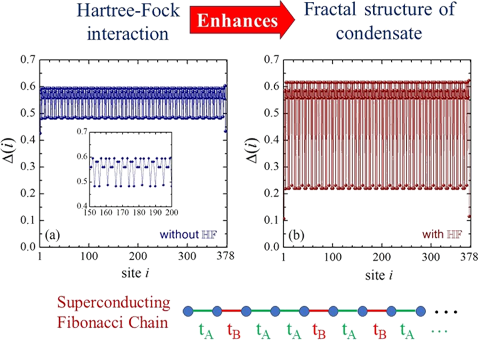
- a further illustration, we consider a numerical solution of the BdG equations for a different parametric set, that is, for n = 13 and tA = 0.5 (all other microscopic parameters are the same). In this case Fn=13 = 377 and N = 378. The corresponding results are shown in Figure 2. This figure shows the


Missing links in nanomaterials research impacting productivity and perceptions
Beilstein J. Nanotechnol. 2025, 16, 2168–2176, doi:10.3762/bjnano.16.149
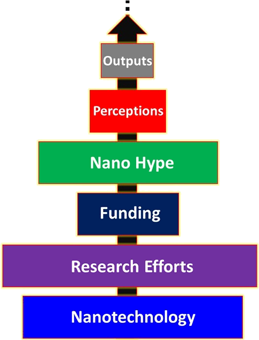
- broader nanotechnology over this period have ranged from half a trillion to nearly one trillion US dollars, roughly $400 billion from government sources and a comparable amount from industry [13][14][15]. Moreover, on the basis of data indexed in Web of Science and Scopus, it is evident that carbon
- notably less than the often-cited (and inflated) $1 trillion figure [13][14][15]. This funding has primarily supported fundamental research across materials science, chemistry, physics, and bioengineering. These efforts have led to major scientific advances, mainly in nanoelectronics, nanomedicine
Microplastic pollution in Himalayan lakes: assessment, risks, and sustainable remediation strategies
Beilstein J. Nanotechnol. 2025, 16, 2144–2167, doi:10.3762/bjnano.16.148
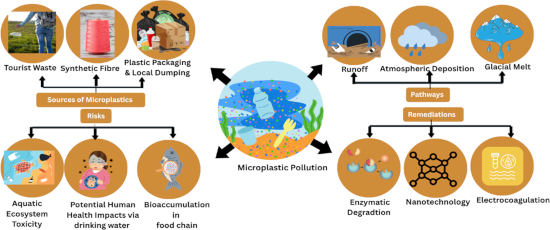
- Manasbal [2][9][13]. This review compiles recent evidence on MP contamination of Himalayan lakes and contrasts it with global high-altitude ecosystems. It will propose to identify special regional vulnerabilities, evaluate existing limitations in monitoring and remediation, and suggest strategies specific


Electron transport through nanoscale multilayer graphene and hexagonal boron nitride junctions
Beilstein J. Nanotechnol. 2025, 16, 2132–2143, doi:10.3762/bjnano.16.147
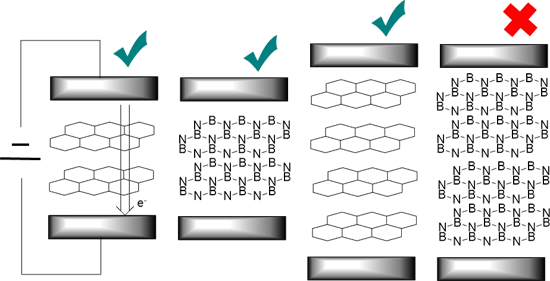
- graphene has focused on in-plane conductivity, and only very few studies have reported data on the electron transport properties between the adjacent planes [9][10][11][12][13]. Defects in graphene can alter its electronic states and lead to deviations from its intrinsic properties. We look at two common


Quality by design optimization of microemulsions for topical delivery of Passiflora setacea seed oil
Beilstein J. Nanotechnol. 2025, 16, 2116–2131, doi:10.3762/bjnano.16.146
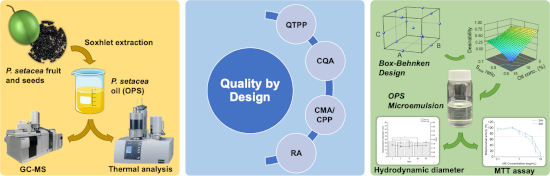
- variability and supporting the systematic optimization of the formulation [10][12]. Therefore, the present study aimed to develop and optimize a low-surfactant microemulsion containing PEG-30 castor oil and Span® 80, based on the approach described by Dourado et al. (2022) [13], as a topical delivery system
- surfactant and/or co-surfactant concentrations to sufficiently reduce interfacial tension and promote spontaneous formation of stable nanodroplets [6][28]. However, a previous study from our group (Dourado et al. (2022) [13]) successfully developed stable microemulsion regions using the same surfactant blend
- lines relevant to wound healing and topical application: murine macrophages (RAW 264.7) and human umbilical vein endothelial cells (HUVECs) (Figure 11). According to ISO 10993-13 guidelines, the base ME was considered cytocompatible up to concentrations of 2 mg/mL for RAW cells and 0.5 mg/mL for HUVECs


Rapid synthesis of highly monodisperse AgSbS2 nanocrystals: unveiling multifaceted activities in cancer therapy, antibacterial strategies, and antioxidant defense
Beilstein J. Nanotechnol. 2025, 16, 2105–2115, doi:10.3762/bjnano.16.145
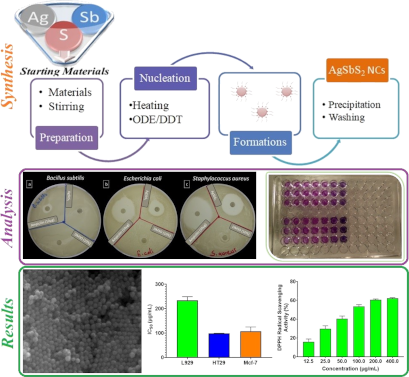
- to prokaryotic cells including microorganisms such as bacteria, viruses, and fungi [13]. Therefore, silver-based nanoparticles have been the subject of many biomedical studies [14][15][16][17][18]. In a study conducted in this context; the effects of α-AgS nanoparticles produced using the fungus


Toward clinical translation of carbon nanomaterials in anticancer drug delivery: the need for standardisation
Beilstein J. Nanotechnol. 2025, 16, 2092–2104, doi:10.3762/bjnano.16.144

- nanomaterials (CNMs) have been largely developed as nanocarriers for drug delivery due to their biocompatibility, high surface area, tuneable physicochemical properties, and targeting capabilities [13][14]. However, CNMs also present a subset of challenges, including toxicity concerns, expensive and time



Calibration of piezo actuators and systems by dynamic interferometry
Beilstein J. Nanotechnol. 2025, 16, 2086–2091, doi:10.3762/bjnano.16.143
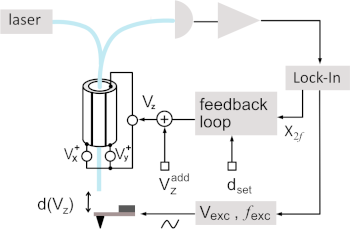
- that is a periodic function of time. However, it is generally not a harmonic oscillation due to the convolution of the (quasi)-harmonic oscillation of the cantilever with the spatially modulated light field in the interferometer cavity [13]. Dynamic interferometric signals have been studied in the
- what extent the cantilever amplitude calibration [13] is affected by the actual extension or extension history of the tube piezo. Experimental Experiments are performed with a NC-AFM interferometric setup, and the methods of interferometer signal analysis are as described in [13]. The schematic setup
- -step fit method based on Equation 1 as detailed in [13]. Here, VDC represents the DC part of the interferometer signal voltage, V0 is the voltage amplitude of the modulated signal, and φ is the phase shift introduced by the electronics in the signal path, which may be determined from the fit


Multifrequency AFM integrating PeakForce tapping and higher eigenmodes for heterogeneous surface characterization
Beilstein J. Nanotechnol. 2025, 16, 2077–2085, doi:10.3762/bjnano.16.142
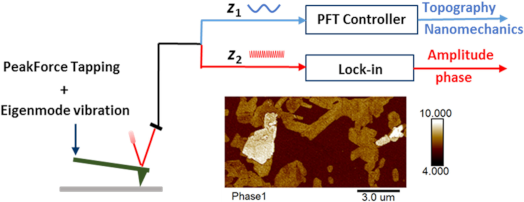
- include topographic step-like distortions and sudden phase-contrast inversions arising from bistable transitions between co-existing oscillation states, which complicate data interpretation [13][14][15][16][17]. Additionally, operational complexity escalates in liquid environments, where low-quality


Molecular and mechanical insights into gecko seta adhesion: multiscale simulations combining molecular dynamics and the finite element method
Beilstein J. Nanotechnol. 2025, 16, 2055–2076, doi:10.3762/bjnano.16.141
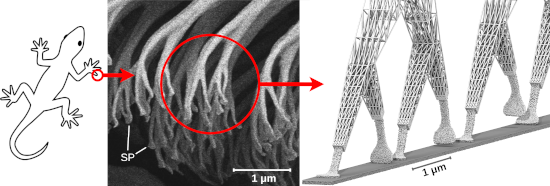
- scales involved. In previous research, we used molecular dynamics simulations to explore various aspects of gecko adhesion [10][11][12][13]. We found that humidity increases the force required to pull a spatula off from a substrate [10][12], a phenomenon also observed in high-humidity atomic force
- gecko keratin [11]. It also helped clarify other aspects of humidity-enhanced adhesion, revealing that keratin softening due to water uptake accounts for only a minor part of the increase in adhesion on very smooth surfaces [13]. The present paper builds on our previous research and extends the
- studies [12][13] and will be treated in future multiscale work. In our previous work [10], we only investigated spatula detachment in a direction normal to the substrate, so a fully random bead arrangement posed no risk of the spatula beads sliding into frozen/immobile substrate pores. In the present






Stereodiscrimination of guests in chiral organosilica aerogels studied by ESR spectroscopy
Beilstein J. Nanotechnol. 2025, 16, 2034–2054, doi:10.3762/bjnano.16.140
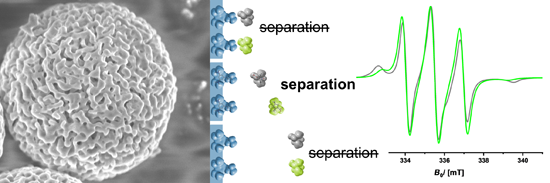
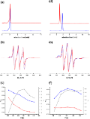
- high surface area and customizable chiral environments. A highly important and highly developed area of application of chiral materials possessing a high surface area is chromatography [11][12][13]. Techniques like high-performance liquid chromatography (HPLC) [13] and gas chromatography [14] are




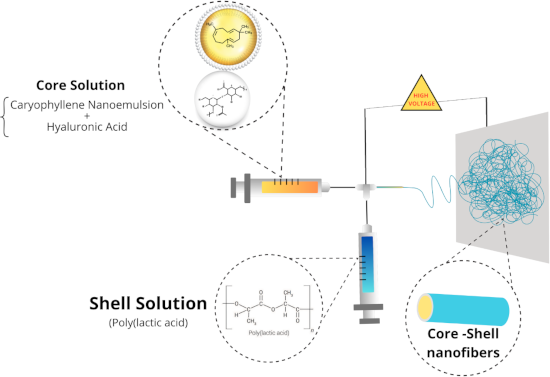
Beyond the shell: exploring polymer–lipid interfaces in core–shell nanofibers to carry hyaluronic acid and β-caryophyllene
Beilstein J. Nanotechnol. 2025, 16, 2015–2033, doi:10.3762/bjnano.16.139
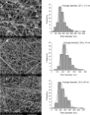
- conventional fibrous materials. Their flexibility in fabrication allows for integration into a broad range of applications, from drug delivery scaffolds to composite biomaterials, contributing to their increasing relevance in both scientific research and industrial development [11][12][13][14]. To leverage the
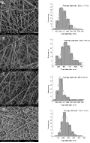
- 40% between 220 and 300 °C, and 13% between 300 and 700 °C [66][67]. Therefore, about 26% of the HA remained thermally stable up to 700 °C, yielding a residual mass that did not decompose at the analyzed temperature. Regarding the nanofibers, the TGA and DTG curves indicated a single decomposition
- an HA core compared to the monolithic PLA fibers. The prominent peaks, centered at approximately 2θ = 13°, 16°, and 19°, appeared broadened and merged when the amorphous HA core was incorporated. This reduction in crystallinity, resulting from an increase in amorphous regions within the material, may




The cement of the tube-dwelling polychaete Sabellaria alveolata: a complex composite adhesive material
Beilstein J. Nanotechnol. 2025, 16, 1998–2014, doi:10.3762/bjnano.16.138
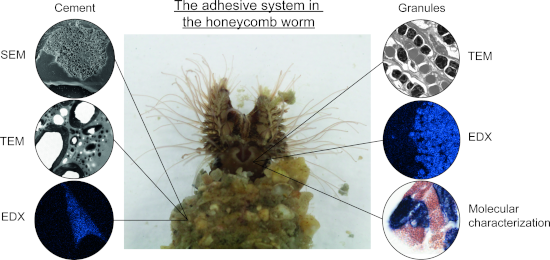
- Mg2+ and Ca2+ ions [8][9][12][13]. The two types of secretory granules are secreted separately and intact, but rapidly fuse to form a porous cement spot whose pores would derive from the heterogeneous granule inclusions [9][12][13]. In P. californica, the cement would consist of up to 25 proteins, but
- Biologique de Roscoff in Brittany, France. Animals were transported to the laboratory of Biology of Marine Organisms and Biomimetics (University of Mons, Belgium), where they were kept in a re-circulating aquarium chilled at 13 °C and filled with artificial seawater of 33 psu salinity. Animals used in our
- of cement cells [13][15][26]. These bonds allow the adhesive to solidify within a few hours, potentially explaining the porosity gradient observed in the cement spots. Curing would prevent the spheroids from expanding further. As it likely begins at the free edge of the adhesive spot and progresses



Laser ablation in liquids for shape-tailored synthesis of nanomaterials: status and challenges
Beilstein J. Nanotechnol. 2025, 16, 1963–1997, doi:10.3762/bjnano.16.137
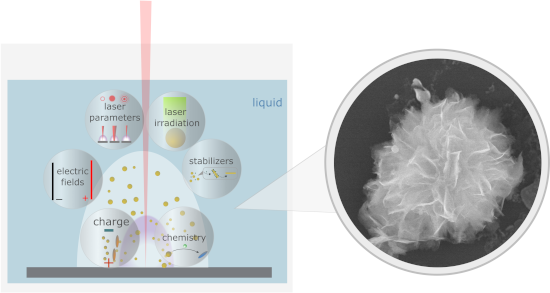
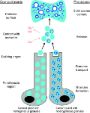
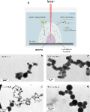
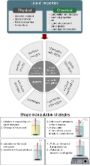
- nanoparticles, typically those with diameters of only a few nanometres, because their high proportion of surface atoms with low coordination and broken bonds leads to increased surface energy [13]. Furthermore, in assembled nanocrystals, the surface energy can be different in different directions, which induces




Mechanical property measurements enabled by short-term Fourier-transform of atomic force microscopy thermal deflection analysis
Beilstein J. Nanotechnol. 2025, 16, 1952–1962, doi:10.3762/bjnano.16.136
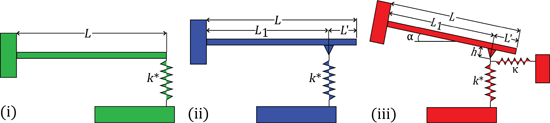
- technique, spectral analysis of the thermal motion in the deflection of AFM cantilevers has shown promise as a lower-cost, less equipment-intensive mechanism to access the dynamic and time-evolving oscillatory characteristics of the cantilever [11][12][13][14][15][16]. In these techniques, the cantilever
- ][12][13].The drawback to most wavelet transforms applied to analyze AFM thermal deflection signals is that these measurements suffer from insufficient spectral resolution, which limits the ability to accurately quantify cantilever oscillation characteristics, as well as making it difficult to obtain




Evaluating metal-organic precursors for focused ion beam-induced deposition through solid-layer decomposition analysis
Beilstein J. Nanotechnol. 2025, 16, 1942–1951, doi:10.3762/bjnano.16.135
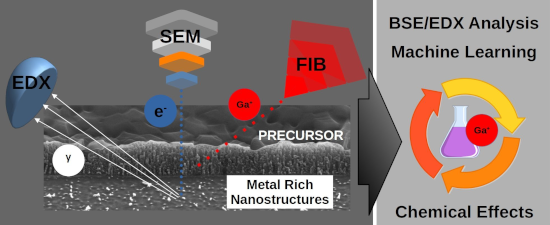
- commercial FIBID systems commonly employ Ga+ ions, alternative ion species such as He+, Ne+, Ar+, or Xe+ can also be used [11][12][13][14]. The resulting FEBID/FIBID deposits are widely used for repairing photolithographic masks and printing or modifying integrated circuits. In addition, they are applied for


Quantum circuits with SINIS structures
Beilstein J. Nanotechnol. 2025, 16, 1931–1941, doi:10.3762/bjnano.16.134
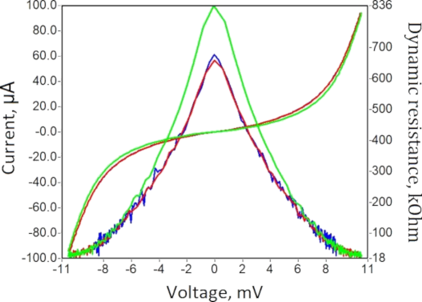
- devices are manufactured on their basis [1][2][3]. These extend from cryogenic thermometers [4][5][6] and electron coolers [7][8][9][10] to various detectors such as Andreev bolometers [11][12][13], cold electron bolometers [14][15], superconductor–insulator–normal metal–insulator–superconductor (SINIS


PEGylated lipids in lipid nanoparticle delivery dynamics and therapeutic innovation
Beilstein J. Nanotechnol. 2025, 16, 1914–1930, doi:10.3762/bjnano.16.133
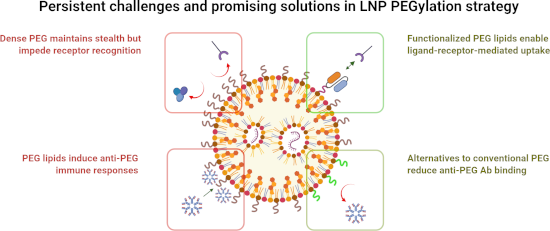
- of motional freedom could correspond to a brush conformation signature, where adjacent PEG chains force them into a linear orientation. In contrast, PEG chains in mushroom conformation would exhibit restricted motion and thus broader peaks [13]. While direct investigations into PEG conformations on
- [66]. Moderna’s mRNA-1273 vaccine contains approximately 117 μg of PEG lipids in each standard adult injection dosage and significantly increased anti-PEG immunoglobulin G (IgG) and immunoglobulin M (IgM) titers by about 13-fold and 68-fold, respectively. In contrast, Pfizer-BioNTech's BNT162b2


Targeting the vector of arboviruses Aedes aegypti with nanoemulsions based on essential oils: a review with focus on larvicidal and repellent properties
Beilstein J. Nanotechnol. 2025, 16, 1894–1913, doi:10.3762/bjnano.16.132
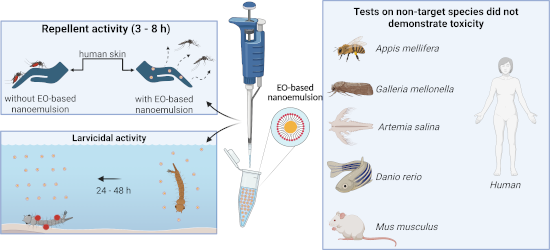
- context, the development of nanoemulsions based on essential oils emerges as a promising innovation within integrated control strategies, offering environmentally friendly larvicidal and repellent alternatives specifically targeted at Aedes aegypti [12][13][14]. Although chemical insecticides are
- , nanotechnological strategies have been used, such as polymeric nanocarriers [30], solid lipid nanoparticles [31], liposomes [32], and nanoemulsions [13][14][33]. Among these strategies, nanoemulsions, kinetically stable nanometric dispersions (20–500 nm) of two immiscible liquids, stabilized by surfactants, have


Programmable soliton dynamics in all-Josephson-junction logic cells and networks
Beilstein J. Nanotechnol. 2025, 16, 1883–1893, doi:10.3762/bjnano.16.131

- JJ-based architectures face fundamental density constraints imposed by magnetic flux manipulation requirements and complex mutual inductive crosstalks. Circuits composed entirely of Josephson junctions (all-JJ circuits) [10][11][12][13][14][15][16] represent a promising platform for energy-efficient


Low-temperature AFM with a microwave cavity optomechanical transducer
Beilstein J. Nanotechnol. 2025, 16, 1873–1882, doi:10.3762/bjnano.16.130
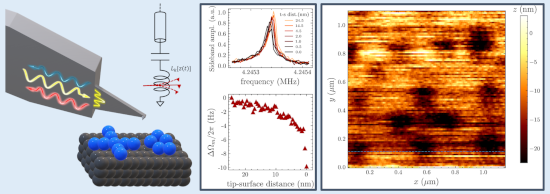
- ], tests of quantum gravity [3][4][5], force microscopy [6][7][8], magnetometry [9][10], and quantum state transfer [11][12][13]. In some cases, further improvement on fundamental figures of merit is required, while, in other cases, the difficulty lies in balancing trade-offs to find an optimal design that


Self-assembly and adhesive properties of Pollicipes pollicipes barnacle cement protein cp19k: influence of pH and ionic strength
Beilstein J. Nanotechnol. 2025, 16, 1863–1872, doi:10.3762/bjnano.16.129
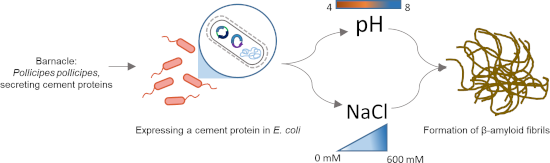
- their formulation, biocompatibility, long-term stability, and clinical efficacy still require significant investigation [12][13]. Barnacles are sessile marine organisms which employ a different strategy for underwater adhesion: they secrete a multicomponent proteinaceous cement that facilitates robust
- grant number 13/RC/2073_P2.