Search results
Search for 抖音 AI文案帮写 功能入口 2026年1月 最新位置 in Full Text gives 2681 result(s) in Beilstein Journal of Nanotechnology. Showing first 200.
Ambient pressure XPS at MAX IV
Beilstein J. Nanotechnol. 2025, 16, 1677–1694, doi:10.3762/bjnano.16.118
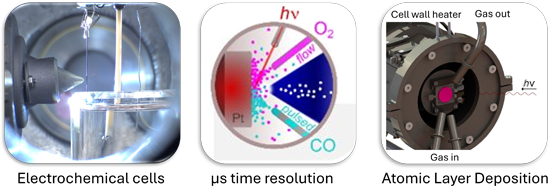
- tracking surface chemical processes in real time. Due to the scattering of the photoelectrons in a gas environment at millibar pressures, APXPS is intrinsically a photon-hungry technique. Although pioneering work on gases and liquids performed by Kai and Hans Siegbahn date back to the 1970s [1], it was
- reactor to expose samples up to 1 bar gas atmosphere and 900 °C connected to the main UHV system. In addition, a polarization modulation infrared reflection absorption spectroscope (PM-IRRAS) is also available, enabling simultaneous APXPS and IRRAS measurements. The SLE at HIPPIE is designed as a large
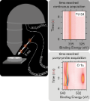
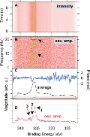
- electrochemical (EC) cell; a liquid microjet is also used to a smaller extent. In the EC setup, a three-electrode setup is immersed and retracted from a beaker of liquid electrolyte, forming a thin, electrochemically active meniscus on the working electrode that can be probed using APXPS or XAS, see Figure 1





Energy spectrum and quantum phase transition of the coupled single spin and an infinitely coordinated Ising chain
Beilstein J. Nanotechnol. 2025, 16, 1668–1676, doi:10.3762/bjnano.16.117
- Ising chain. From a purely theoretical point of view, this model arises when studying the physics of open systems [1][2]. In this case, the chain is modelling the external environment to which the single spin is connected. In such models, it is convenient to study not only Markovian dynamics of the
- arises when one studies spin-bath theoretical models in studies of quantum control and design of qubit layouts in quantum computation. The coupling between the spins in the chain is rescaled by 1/N factor in order to obtain a finite energy per spin ⟨H⟩/N in the thermodynamic limit. Let us first consider
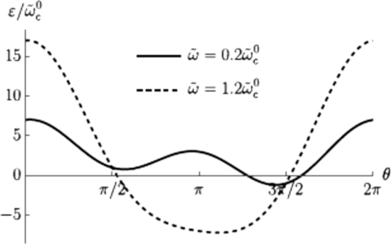
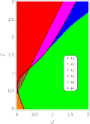
- Hamiltonian now can be written as a 2 × 2 block matrix in the single-spin Hilbert space: Here are the Hamiltonians HLMG corresponding to eigenvalues ±1 of τz. These types of Hamiltonians are the Hamiltonians of the generalized Rabi models. These describe a two-level system connected not to a single bosonic

![[Graphic 39]](/bjnano/content/inline/2190-4286-16-117-i63.svg?max-width=637&scale=1.18182)


![[Graphic 51]](/bjnano/content/inline/2190-4286-16-117-i75.svg?max-width=637&scale=1.18182)
Prospects of nanotechnology and natural products for cancer and immunotherapy
Beilstein J. Nanotechnol. 2025, 16, 1644–1667, doi:10.3762/bjnano.16.116
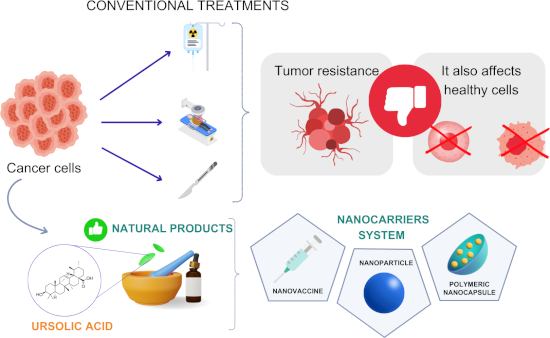
- , which have the ability to invade neighboring tissues and to metastasize to distant organs [1] (Figure 1). This pathology results from accumulated genetic alterations in proto-oncogenes, tumor suppressor genes, and DNA repair-related genes [2]. According to the International Agency for Research on Cancer
- to evade the immune system, such as expressing immunosuppressive molecules and creating a hostile tumor microenvironment that suppresses antitumor activity [7]. One of the most exploited mechanisms by tumors involves immune checkpoints, such as PD-L1 (programmed death-ligand 1) and CTLA-4 (cytotoxic
- offers reimbursement for patent filing and maintenance fees, along with substantial fiscal incentives, including reduced corporate income tax rates and generous super deductions for enterprises recognized as high-tech. Notably, China allocates approximately USD 1 billion annually to support scientific


Venom-loaded cationic-functionalized poly(lactic acid) nanoparticles for serum production against Tityus serrulatus scorpion
Beilstein J. Nanotechnol. 2025, 16, 1633–1643, doi:10.3762/bjnano.16.115
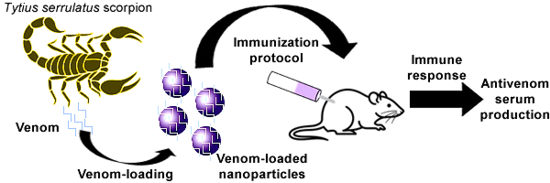
- tropical and subtropical regions, due to the high incidence and/or severity of cases, especially for children and elders, and difficulty of management by public health services [1][2][3][4]. In Brazil, although 22 species of the scorpion genus Tityus have been described in the country, Tityus serrulatus is
- considered the main responsible for the envenoming syndrome as well as the most studied [10]. With regard to treatment, in severe scorpion envenoming cases, immunotherapy is the most common approach to protect populations from lethal effects [1][10][11]. Aluminum-based adjuvants have been extensively used to
- (*p < 0.05), without significantly altering the zeta potential (Table 1). A polydispersity index (PDI) smaller than 0.3 was required for all the analyses. The quantification of proteins by the bicinchoninic acid (BCA) assay showed an encapsulation efficiency (EE) of 100% for all samples containing T


Nanotechnology-based approaches for the removal of microplastics from wastewater: a comprehensive review
Beilstein J. Nanotechnol. 2025, 16, 1607–1632, doi:10.3762/bjnano.16.114
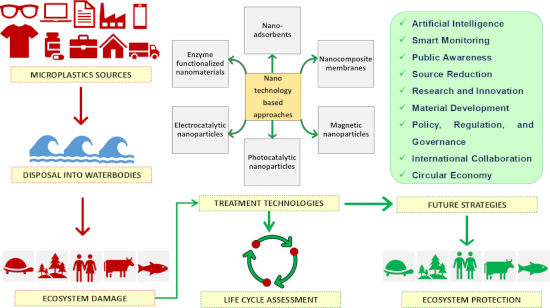
- various nanoenabled treatment strategies such as adsorption, photocatalysis, and membrane filtration using materials like metal-organic frameworks, carbon-based nanomaterials, MXenes, and metal oxides. It also highlights recent innovations such as microrobotic systems and AI-assisted detection frameworks
- estimated that, by 2060, the plastic waste generation could increase annually to 155–265 megatons. In spite of the continuous increase in the production of plastic, the rate of recycling remains low worldwide [1]. Microplastics (MPs) are tiny debris pertaining to plastic of size less than 5 mm. They are
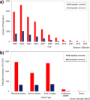
- flotation [14][15]. The publication trend over the past decade, as illustrated in Figure 1, demonstrates a significant rise in research activities focused on the removal of MPs and nanoplastics (NPs). Figure 1a, based on a keyword search from Elsevier’s database, reveals a consistent year-on-year increase


Bioinspired polypropylene-based functionally graded materials and metamaterials modeling the mistletoe–host interface
Beilstein J. Nanotechnol. 2025, 16, 1592–1606, doi:10.3762/bjnano.16.113
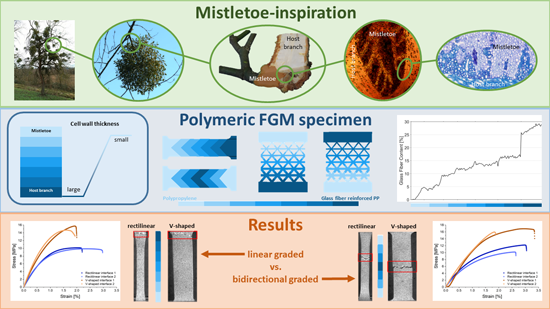
- crucial importance to withstand severe conditions, prevent damage, and maintain their functionality [1]. Furthermore, damage control mechanisms can be used to enable the targeted and economical use of resources and the recyclability of individual parts or the entire materials system [2]. In addition to
- [23], with its diverse plant and animal systems having developed over millions of years during the course of evolution. As such, the kingdom Plantae offers a wide range of functional principles that can be used as a source of bioinspiration to increase longevity and damage control potential [1][4
- systems with different mechanical properties. As a hemiparasite, it uses a modified organ called the “haustorium” with wedge-shaped, or simplified, V-shaped structures to penetrate the host and establish a physiological and mechanical connection (Figure 1) [26][27][28]. This allows it to take up water and


Few-photon microwave fields for superconducting transmon-based qudit control
Beilstein J. Nanotechnol. 2025, 16, 1580–1591, doi:10.3762/bjnano.16.112
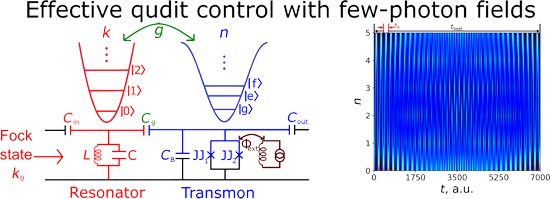
- systems of linear equations, and analyzing heat conduction equations [1][2][3][4][5][6]. The basis for the physical implementation of these computations is a quantum processor consisting of computational cells called qudits, whose states can be represented with satisfactory accuracy in the form of a
- factor is about 105–106 and depends mainly on the external coupling Cin/out) connected to a transmon [34] by a capacitance Cg (see Figure 1). The resonator in this system is a quantum harmonic oscillator with a fully equidistant energy spectrum described by the bosonic ladder operators and , and the
- ), or a pair of JJs forming an interferometer-like circuit, so the spectrum is no longer equidistant. In the case where the JJ pair is used, the characteristic (plasma) frequency of the transmon can be quickly adjusted in 10–20 ns in the range of 1 GHz by an external magnetic field [35]. In practice


Photocatalytic degradation of ofloxacin in water assisted by TiO2 nanowires on carbon cloth: contributions of H2O2 addition and substrate absorbability
Beilstein J. Nanotechnol. 2025, 16, 1567–1579, doi:10.3762/bjnano.16.111
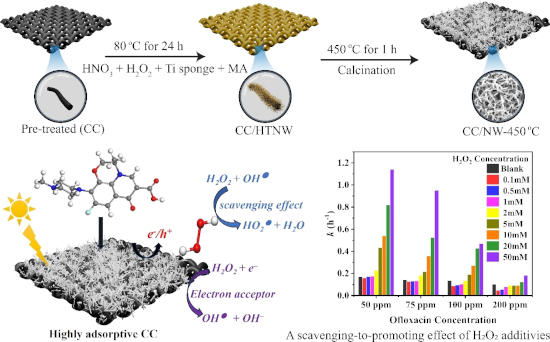
- additives, and veterinary drugs [1][2]. Ofloxacin (OFL) is a broad-spectrum fluoroquinolone antibiotic widely used in clinical treatments for various bacterial infections [3]. After administration, OFL is not fully metabolized and is primarily excreted through urine, leading to its presence in wastewater
- and deionized water alternately in an ultrasonic bath, followed by drying at 60 °C. After that, it was immersed in 200 mL of a 30 wt % H2O2 solution, containing 60 mg of melamine, 4 mL of 65 wt % HNO3, and 1 g of titanium sponge, at 80 °C for 24 h to facilitate the precipitation of hydrogen titanate
- nanowires. Final calcination in air at 450 °C for 1 h was conducted to decompose titanates into anatase TiO2 and simultaneously activate the carbon cloth to achieve a high specific surface area [17]. The carbon cloth on which TiO2 nanowire arrays were precipitated is referred to as CC/NW-450°C. For


Modeling magnetic properties of cobalt nanofilms used as a component of spin hybrid superconductor–ferromagnetic structures
Beilstein J. Nanotechnol. 2025, 16, 1557–1566, doi:10.3762/bjnano.16.110
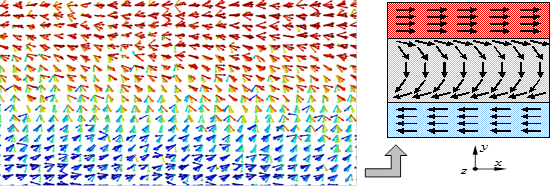
- thin films and the formation of Neel domain walls. Keywords: ferromagnetic properties; LAMMPS; mathematical modeling; MEAM; molecular dynamics; spin dynamics; Introduction Thin film structures [1][2] are increasingly employed each year in a wide range of applications, serving as functional [3][4
- technologies [5][6][7] based on Josephson junctions. It is well established that the properties of nanostructures can significantly differ from those of bulk samples. Currently, close attention is paid to thin-film magnetic structures, which include cobalt and iron [8][9][10]. Thus, in [1], the crystal
- moments of its atoms are shown in Figure 1. Periodic boundary conditions were applied to the computational cell along all coordinate directions. The system was symmetric along all coordinate axes. The magnetic parameters of the exchange integral (Equation 7) were also chosen according to [22]. The


Transient electronics for sustainability: Emerging technologies and future directions
Beilstein J. Nanotechnol. 2025, 16, 1545–1556, doi:10.3762/bjnano.16.109

- oceans [1][2][3]. This shift in perspective has catalyzed interest in materials whose functional lifespans can be precisely programmed and that are capable of safely degrading under biological or environmental conditions following their use. Although this need has become more prominent in recent
- plugs, ~100 nm). The fabricated single unit of n-channel MOSFETs exhibits on/off current ratios exceeding 107 and field-effect mobilities up to 680 cm2·V−1·s−1 [80]. This approach is considered key for realizing the high-density integration and mass production of bioresorbable systems. Looking beyond
- development of advanced sensing platforms capable of detecting and responding to complex biological signals, alongside the integration of AI-based algorithms for real-time lifetime prediction and adaptive control. Beyond biomedical applications, such intelligent transient systems hold significant promise in


Influence of laser beam profile on morphology and optical properties of silicon nanoparticles formed by laser ablation in liquid
Beilstein J. Nanotechnol. 2025, 16, 1533–1544, doi:10.3762/bjnano.16.108
- the nanometer range and different morphologies is continuously growing. One aspect of current studies is further improvement of the properties and performance of the developed silicon-based devices. As a result, crystalline films based on silicon [1][2] as well as nano-sized silicon materials have
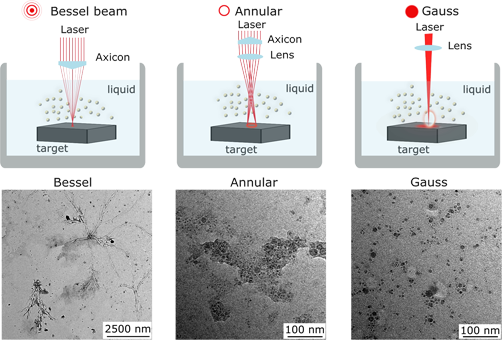
- , operating at 1064 nm (energy 80 mJ per pulse, repetition rate 10 Hz, pulse duration 10 ns, laser beam diameter 6 mm, ablation time 20 min) in a double-pulse mode with an interpulse delay of 1 μs [7][10]. These parameters were maintained for all three cases of focusing optics forming spatial profiles of
- Bessel, annular, and Gaussian beams. As a target, a silicon plate (boron-doped Si wafer with resistivity 12 Ω·cm) was used, which was fixed in a holder and placed at the bottom of a 15 mL glass beaker (Figure 1) under an ethanol layer in a way that a 3 mm distance was kept between the surface of the


Dendrimer-modified carbon nanotubes for the removal and recovery of heavy metal ions from water
Beilstein J. Nanotechnol. 2025, 16, 1522–1532, doi:10.3762/bjnano.16.107

- metal contamination. Consequently, the efficient removal of heavy metal ions remains a critical research challenge. Various methods have been employed including membrane filtration [1], flocculation [2], adsorption [3][4], precipitation [5], electrolytic removal [6], ion exchange [7], reduction [8], and
- (Scheme 1). This first step is crucial to ensure a high growth rate of dendrimers in subsequent steps by the repeated reaction of MA and ethylene diamine (EDA). We have characterized the CNTs-MA material by Raman spectroscopy to find the degree of functionalization, and the results are depicted in Figure
- 1a. The Raman spectrum exhibits two characteristic peaks, namely, the D peak at 1337 cm−1 and the G peak at 1569 cm−1. The ratio of the intensities of D and G peaks (ID/IG) has increased from 0.89 to 1.11 after MA functionalization, indicating a successful transformation of carbon atoms from sp2 to


Cross-reactivities in conjugation reactions involving iron oxide nanoparticles
Beilstein J. Nanotechnol. 2025, 16, 1504–1521, doi:10.3762/bjnano.16.106
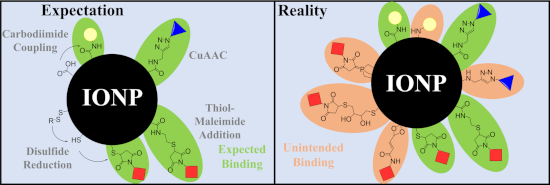
- Michael addition; Introduction Iron oxide nanoparticles (IONPs) have been the subject of an immense body of research in the field of biomedicine, where their magnetic properties are appealing for such applications as MRI contrast agents [1], tumor hyperthermia [2], and magnetic drug delivery [3
- targeting and drug payload delivery. The ability to chemically modify the ligand layer of IONPs, while maintaining their morphology and magnetic properties, is thus paramount to the preparation of functional IONPs. The use of highly selective conjugation reactions such as 1-ethyl-3-(3-dimethylaminopropyl
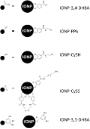
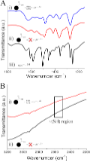
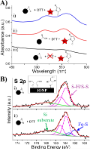
- not drawn to scale, and certain sections of ligand molecules may be omitted. Figure 2 provides a legend with the more detailed structural formulae of the IONP surfaces for each preparation. FTIR analysis of IONP-PPA shows a very weak bump in the spectrum at 2122 cm−1, which may be attributed to the







Nanomaterials for biomedical applications
Beilstein J. Nanotechnol. 2025, 16, 1499–1503, doi:10.3762/bjnano.16.105
- . Nanomaterials have gained popularity in medicine because they can be altered according to the need [1]. Researchers can tailor the shape, surface chemistry, and other specific properties of materials to deliver desirable traits. In particular, some nanoparticles can be used to deliver drugs to a tumor, reducing
Laser processing in liquids: insights into nanocolloid generation and thin film integration for energy, photonic, and sensing applications
Beilstein J. Nanotechnol. 2025, 16, 1428–1498, doi:10.3762/bjnano.16.104
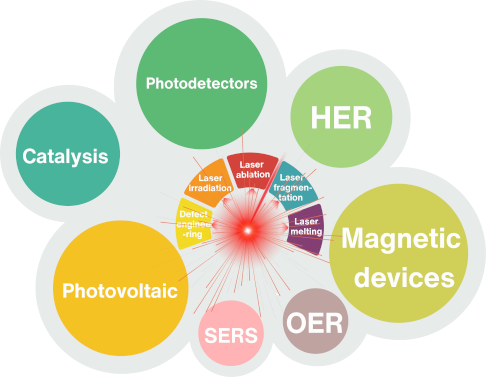
- ; nanocolloids to thin films; photocatalysis; photovoltaics and photodetection; surface-enhanced Raman spectroscopy (SERS); Review 1 Introduction This section provides a brief introduction to the fundamental laser processing techniques used in liquids, including ablation, fragmentation, melting, irradiation; it
- also touches upon the phenomenon of laser-induced defects in liquid environments. While numerous comprehensive reviews on these topics already exist, this article aims to offer a succinct overview of the fundamental principles and applications of these techniques [1]. The focus is on providing a
- comprehensive understanding of the process flow, from the laser-induced ejection of material into the gas phase, through its processing and movement in the plume, to its eventual deposition onto a substrate. Figure 1 shows key developments in thin film synthesis and laser-based processing from 1909 to 2025






Photochemical synthesis of silver nanoprisms via green LED irradiation and evaluation of SERS activity
Beilstein J. Nanotechnol. 2025, 16, 1417–1427, doi:10.3762/bjnano.16.103
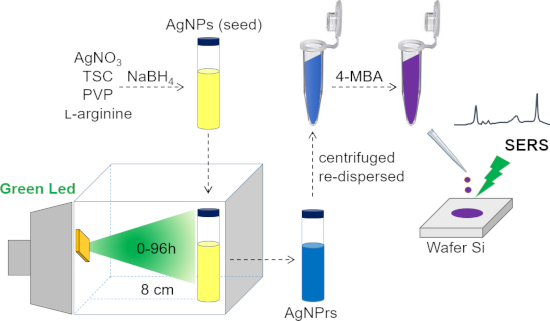
- applications in optical sensing, particularly in surface-enhanced Raman scattering (SERS) [1]. Among ASNPs, silver nanoprisms (AgNPrs) are of particular interest because of their broad absorption in the visible range (400–900 nm), enabling them to display a wide spectrum of colors such as yellow, red, orange
- resonance (SPR) exhibited by AgNPrs significantly contributes to SERS enhancement by amplifying local electromagnetic fields. This makes AgNPrs ideal candidates for SERS-based sensing applications [1]. Numerous studies have focused on the fabrication of SERS-active substrates by depositing AgNPrs onto
- -MBA) as a probe molecule. In this study, AgNPrs were synthesized photochemically using green LED 10 W irradiation. Seeds were prepared using 1 mM AgNO3 and stabilized with a trisodium citrate (TSC)/AgNO3 molar ratio of 5. Physicochemical analyses confirmed the successful formation of AgNPrs with high


The role of biochar in combating microplastic pollution: a bibliometric analysis in environmental contexts
Beilstein J. Nanotechnol. 2025, 16, 1401–1416, doi:10.3762/bjnano.16.102
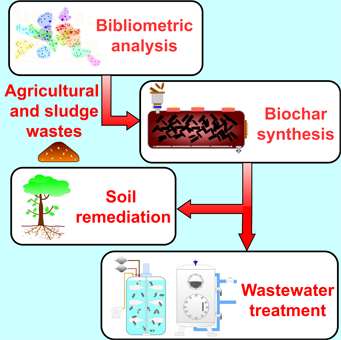
- % ± 4.92%). Specifically, for MPs ≥10 µm, fixed columns reach 99% efficiency, while magnetically modified biochar captures 96.2% of MPs as small as 1 µm. These efficiencies stem from biochar’s integration of physical and chemical mechanisms that enhance MP retention, particularly for MPs smaller than 10 µm
- capita consumption of plastic is 60 kg/year, with Europe exhibiting a significantly higher rate of 150 kg/year [1]. However, the rapid increase in plastic consumption is accompanied by the generation of substantial plastic waste. For example, China, the leading producer and consumer of plastic, generated
- . Additionally, three-dimensional graphene oxide has shown adsorption capacities of up to 617.28 mg·g−1 for polystyrene MPs of 5 µm in size [13][14]. The integration of adsorbents with appropriate treatment models has further enhanced removal efficiency. For instance, coal gasification slag-based adsorbents



Parylene-coated platinum nanowire electrodes for biomolecular sensing applications
Beilstein J. Nanotechnol. 2025, 16, 1392–1400, doi:10.3762/bjnano.16.101
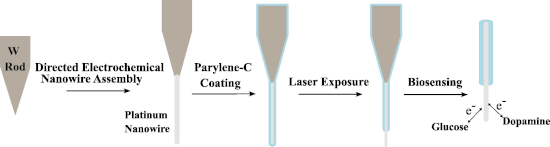
- due to their compact size, biocompatibility, and rapid fabrication. Keywords: biosensor; directed electrochemical nanowire assembly (DENA); dopamine; glucose; nanoelectrode; platinum; Introduction Electrodes, a tool used in all walks of life today, were first demonstrated by Max Cremer in 1906 [1
- µm by controlling both the coating time and parylene-C vapor pressure. The thickness of the parylene-C coating was proportional to the product of pressure and time (Pa × min). As Figure 1 shows, a straight cylindrical platinum nanowire can be obtained with the custom-built DENA nanowire growth setup
- detection of dopamine and glucose with differential potential voltammetry (DPV). The characteristic oxidation peak for dopamine is around 150 mV, where dopamine loses two electrons and hydrons to form dopamine quinone as shown in Scheme 1 [25]. For a clear view, only a few exemplary curves were used to show


Synthesis and antibacterial properties of nanosilver-modified cellulose triacetate membranes for seawater desalination
Beilstein J. Nanotechnol. 2025, 16, 1380–1391, doi:10.3762/bjnano.16.100
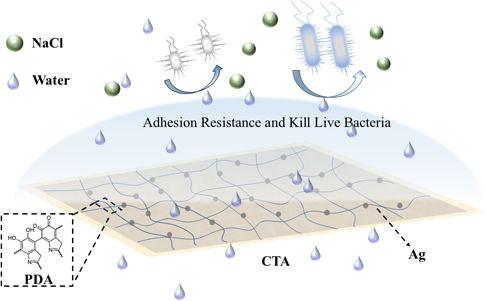
- . Concurrently, the consumption of freshwater in industrial and agricultural sectors is also witnessing a significant increase [1][2]. On Earth, while oceans cover approximately 75% of the surface, freshwater constitutes merely 2.5% of the total water volume [3][4][5]. Moreover, 70% of these freshwater resources
- are located in glaciers, the atmosphere, and soil; rendering them difficult to access and utilize [5][6][7]. To tackle the challenge of clean water scarcity, desalination of seawater or brackish water have emerged as effective solutions [1][8][9]. According to the literature, desalination technologies
- 21,233 as of November 2024 (keyword: “membrane desalination”, Web of Science). This surge in research is closely tied to advancements in desalination processes and the introduction of innovative membrane materials [1]. However, the cost of these advanced materials remains higher than that of conventional


Automated collection and categorisation of STM images and STS spectra with and without machine learning
Beilstein J. Nanotechnol. 2025, 16, 1367–1379, doi:10.3762/bjnano.16.99
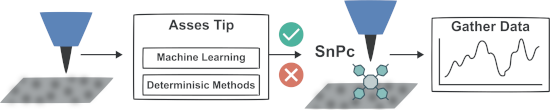
- properties of surfaces and molecules with atomic precision. This opens up the ability to map the local density of states (LDOS) of a sample with high spatial resolution [1][2][3]. Peaks within a map of the LDOS correspond to increases in conductance at specific bias values, revealing the energy levels of key
- surface in two distinct configurations, one with the tin atom facing up (SnUp), and the other with the tin facing down (SnDown) (Figure 1), providing a variety of molecular configurations to challenge the automated molecular identification. In addition to the classification of the probe quality based on
- . The target temperature for SnPc deposition was 360 °C; once reached, the cryostat shields were opened for 1 h, before closing and checking the coverage in STM. Once deposited, the sample was cold annealed to room temperature, which has the effect of driving the molecules preferentially to the “elbow





Enhancing the therapeutical potential of metalloantibiotics using nano-based delivery systems
Beilstein J. Nanotechnol. 2025, 16, 1350–1366, doi:10.3762/bjnano.16.98
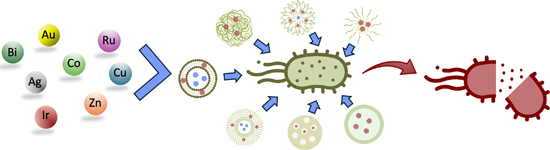
- cause 1.91 million deaths each year, and that a further 8.22 million people will die from illnesses associated with resistance [1]. Different reviews further highlight the evolving complexity of antimicrobial resistance and underscore the need for multidisciplinary strategies to overcome it [2][3]. This
- the site of infections (Figure 1). After bacteria enter the body, lipopolysaccharides from Gram-negative bacterial cell walls and lipoteichoic acid from Gram-positive bacterial cell walls stimulate the immune system and provoke the liberation of inflammatory mediators, which subsequently enhance
- ranging between 1 to 10 nm in size. They have recently garnered attention as drug delivery systems due to their ability to easily penetrate cell membranes and their large specific surface area, which facilitates extensive drug conjugation and precise targeting [92][93]. These nanoparticles exhibit size


Ferroptosis induction by engineered liposomes for enhanced tumor therapy
Beilstein J. Nanotechnol. 2025, 16, 1325–1349, doi:10.3762/bjnano.16.97
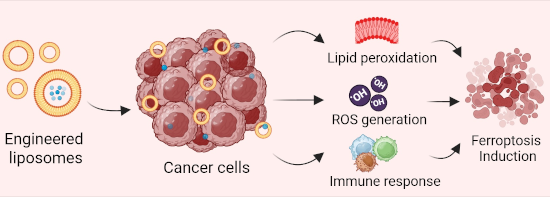
- tumor therapy. It also highlights the fascinating outcome of liposome-mediated ferroptosis in overcoming the obstacles to cancer therapy, along with the limitations and possible future directions. Keywords: cancer; ferroptosis; liposome; nanomedicine; stimuli-responsive; Review 1 Introduction Cancer
- to high disability and mortality, and the exact mechanisms are still unclear. Current chemotherapy faces challenges, including non-specificity, toxicity to healthy cells, the development of stem-like cells, and the progression of multidrug resistance [1]. Drug resistance is a major obstacle in cancer
- hydrophobic phospholipid bilayer and a hydrophilic core. Depending on the physicochemical properties of the drug, this type of structure allows the entrapment of both hydrophilic and hydrophobic drugs [1]. Liposomes, like other nanosystems, have many benefits, such as prolonged systemic blood circulation


Deep-learning recognition and tracking of individual nanotubes in low-contrast microscopy videos
Beilstein J. Nanotechnol. 2025, 16, 1316–1324, doi:10.3762/bjnano.16.96
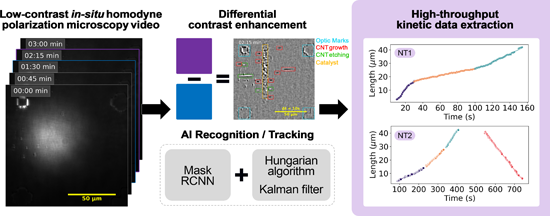
- ; polarization microscopy; Introduction Carbon nanotubes (CNTs), discovered over three decades ago, continue to present unresolved questions and challenges. Their exceptional properties, both theoretically [1][2] and experimentally demonstrated [3], make them desirable for electronic and optical devices
- intelligence (AI), particularly in computer vision (CV). Early attempts to automate visual information processing began over three decades ago with one of the first convolutional neural networks recognizing handwritten zip codes on postage envelopes [5]. Since then, CV algorithms have significantly progressed
- -Flash4.0 LT) with maximum acquisition rate up to 40 frames per second (fps). Video processing To extract kinetic data from each nanotube, the raw videos were first processed to enhance contrast. The detailed processing methodology is provided in Supporting Information File 1. In short, after alignment the


Wavelength-dependent correlation of LIPSS periodicity and laser penetration depth in stainless steel
Beilstein J. Nanotechnol. 2025, 16, 1302–1315, doi:10.3762/bjnano.16.95
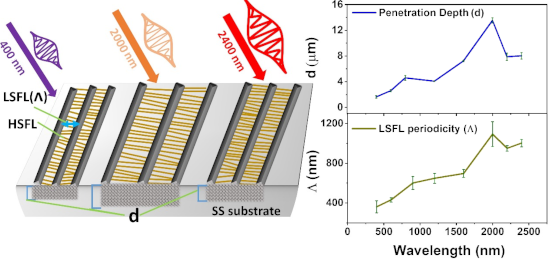
- promising alternative to high-precision lithography techniques [1][2][3]. The utilization of short femtosecond laser pulses has proven instrumental in overcoming diffraction limit restrictions, enabling controlled fabrication of periodic subwavelength structures [4][5][6][7][8][9]. This controlled
- pulse duration, 5.5 mJ/pulse energy, and a repetition rate of 1 kHz, was utilized for laser direct writing experiments. The fundamental part of the laser, providing 2.6 mJ/pulse, acted as the pump for an optical parametric amplifier (OPA), allowing for flexible tuning of the laser wavelength from 400 to
- employed as shown in Figure 1. For nanostructuring, a convex lens made of CaF2 with a focal length of 5 cm was used to focus the laser beam. Precise sample positioning was achieved using a three-dimensional Newport stage with a resolution of 1 µm, controlled by an ESP motion controller, with all axes being





Enhancing the photoelectrochemical performance of BiOI-derived BiVO4 films by controlled-intensity current electrodeposition
Beilstein J. Nanotechnol. 2025, 16, 1289–1301, doi:10.3762/bjnano.16.94
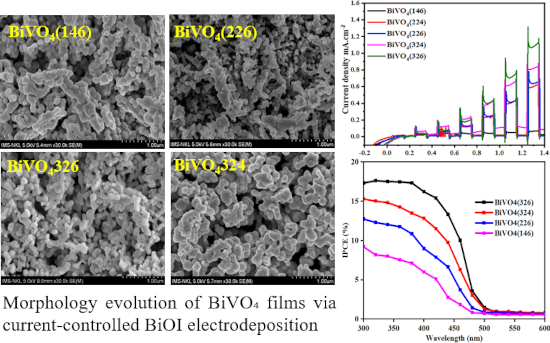
- renewable and sustainable energy sources has become a top priority in science and technology [1][2]. Photoelectrochemical (PEC) water-splitting systems hold significant promises for converting abundant solar energy into chemical fuels, such as hydrogen [3][4]. However, their widespread application is still
- ) were used to adjust the pH during deposition. Ethanol (C2H5OH, 99.9%, Merck) and deionized (DI) water were used for cleaning and dilution, respectively. Fluorine-doped tin oxide (FTO) glass substrates (7 Ω·sq−1, Pilkington) served as the conductive support for electrodeposition. Fabrication of BiVO4
- factors that influence the subsequent BiVO4 conversion and PEC performance. Then, a 0.2 M VO(acac)2 solution in ethanol was coated onto the BiOI film via spin coating with two different volumes of solution (0.4 µL and 0.6 µL). The BiOI film (1 cm × 1 cm) with the VO(acac)2 layer was annealed at 450 °C for