


Search results
Search for 抖音 AI文案帮写 功能入口 2026年1月 最新位置 in Full Text gives 2681 result(s) in Beilstein Journal of Nanotechnology. Showing first 200.
Characterization of ion track-etched conical nanopores in thermal and PECVD SiO2 using small angle X-ray scattering
Beilstein J. Nanotechnol. 2025, 16, 899–909, doi:10.3762/bjnano.16.68
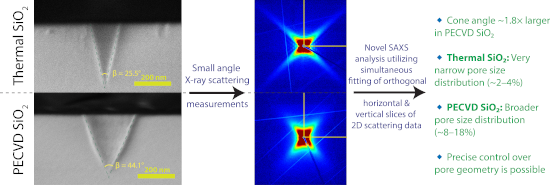
- Helmholtzzentrum für Schwerionenforschung, Planckstr. 1, 64291 Darmstadt, Germany Technische Universtät Darmstadt, 64289 Darmtadt, Germany 10.3762/bjnano.16.68 Abstract Conical nanopores in amorphous SiO2 thin films fabricated using the ion track etching technique show promising potential for filtration, sensing
- attracted significant attention in the past decade because of their broad applicability in a variety of areas including biosensing, micro/ultrafiltration, desalination, ion and molecular separation, dialysis, battery technologies, blue energy generation, and nanofluidics [1][2][3][4][5][6][7][8][9][10][11
- at the Australian Synchrotron of 250 μm × 23 μm, we measure ≈5.8 × 10⁵ and ≈2.9 × 10⁶ nanopores for samples irradiated with fluences of 1 × 10⁸ and 5 × 10⁸ ions/cm2, respectively. Our previous work demonstrated the effectiveness of SAXS for studying conical nanopores in SiO2, providing unprecedented


Heat-induced transformation of nickel-coated polycrystalline diamond film studied in situ by XPS and NEXAFS
Beilstein J. Nanotechnol. 2025, 16, 887–898, doi:10.3762/bjnano.16.67
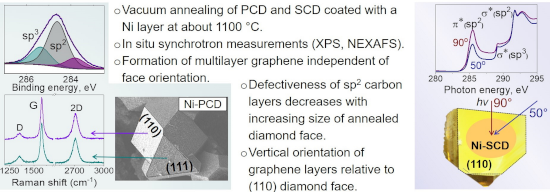
- producing hybrid materials which combine these two forms of carbon [1][2][3]. In particular, such graphene-on-diamond heterostructures have been shown to be attractive for power electronics [4][5], microelectronic devices [6][7], and detectors [7][8]. At room temperature and atmospheric pressure, carbon in
- nonuniform geometry, dimensions, and orientation (Supporting Information File 1, Figure S1a–c). The large diamond micro-sized crystallites, measuring about 100 μm, have a complex cuboctahedron shape with facets that have straight and acute angles. Electron backscatter diffraction (EBSD) analysis detected
- (110) and (111) crystallographic planes on the surface of the PCD film (Supporting Information File 1, Figure S1b). The mapping did not show regions with the (100) orientation, although cubic faces are visible in the SEM images. The signal from these faces is probably weakened due to the tilt of the


Ar+ implantation-induced tailoring of RF-sputtered ZnO films: structural, morphological, and optical properties
Beilstein J. Nanotechnol. 2025, 16, 872–886, doi:10.3762/bjnano.16.66
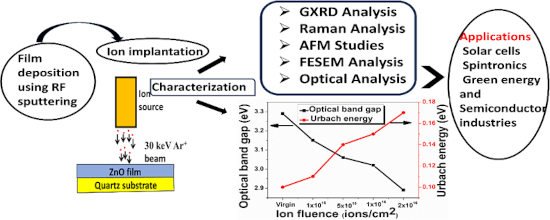
- Manu Bura Divya Gupta Arun Kumar Sanjeev Aggarwal Department of Physics, Kurukshetra University, Kurukshetra, 136119, India 10.3762/bjnano.16.66 Abstract Radio frequency-sputtered zinc oxide films are implanted with 30 keV Ar+ ions at various fluences ranging from 1 × 10¹⁵ to 2 × 10¹⁶ ions·cm−2
- promising material for device fabrication in different fields, namely, spintronics, nanoelectronics, and photonics [1][2]. It possesses a wide bandgap of 3.37 eV [3] and has a large exciton binding energy of about 60 meV [4], which assures the stability of ZnO film-based devices such as liquid crystal
- 2.5 × 10¹⁵ ions·cm−2. Gupta et al. [14] have investigated the activation of the A1 (LO) mode and the production of a broad band at the lower Raman shift side in ZnO films implanted with 300 keV argon and 1.2 MeV xenon ions with varying fluence from 1 × 10¹⁴ to 3 × 10¹⁵ ions·cm−2. Gautam et al. [15


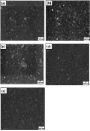


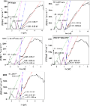


Insights into the electronic and atomic structures of cerium oxide-based ultrathin films and nanostructures using high-brilliance light sources
Beilstein J. Nanotechnol. 2025, 16, 860–871, doi:10.3762/bjnano.16.65

- ; Introduction Transition metal oxides in the form of thin films or nanostructures find extensive use in sustainable energy technologies [1][2]. They serve as active materials or supports for catalysts for various chemical reactions, essential to energy conversion, sensing, and environmental remediation [3][4
- configurations at 110 and 125 eV, respectively [23][25][26][27][28]. Figure 1 reports valence band spectra from an ultrathin cerium oxide film before and after ultrahigh vacuum (UHV) annealing at 600 °C, acquired at the two resonant energies. Using a photon energy at the Ce4+-related resonance (110 eV), the
- 150 K, using a photon energy of 410 eV. At low exposure, the most intense peaks at 285.1 eV (1) and at 286.2 eV (2) on CeO2(111) and at 286.3 eV (1) and at 287.6 eV (2) on CeO2−x(111) are ascribed to methyl and alkoxy groups of adsorbed ethoxy species, respectively. The slightly different binding


Synchrotron X-ray photoelectron spectroscopy study of sodium adsorption on vertically arranged MoS2 layers coated with pyrolytic carbon
Beilstein J. Nanotechnol. 2025, 16, 847–859, doi:10.3762/bjnano.16.64
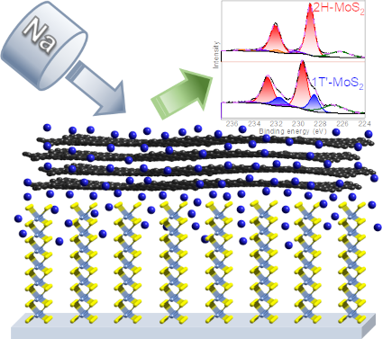
- capacity and cycle life of SIBs. Molybdenum disulfide (MoS2) has a layered structure and a high theoretical capacity of 669 mAh·g−1, so it is considered as a promising anode material for SIBs [1][2]. The large sodium ion can diffuse with a low energy barrier between the S−Mo−S layers due to the interlayer
- surface correspond to Pt nanoparticles, the presence of which is confirmed by energy-dispersive X-ray (EDX) spectroscopy (Supporting Information File 1, Figure S1). These nanoparticles have a uniform size and are densely distributed on the sample surface, in contrast to the polysulfide particles of
- SEM image of PyC transferred onto the SiO2/Si substrate also shows a uniform film surface (Figure 1e). The Raman spectrum of the MoS2 film contains two strong peaks at 382.6 and 408.9 cm−1 (Figure 2a) corresponding to the E12g mode and the A1g mode, respectively, of 2H-MoS2 [33]. The difference


Facile one-step radio frequency magnetron sputtering of Ni/NiO on stainless steel for an efficient electrode for hydrogen evolution reaction
Beilstein J. Nanotechnol. 2025, 16, 837–846, doi:10.3762/bjnano.16.63
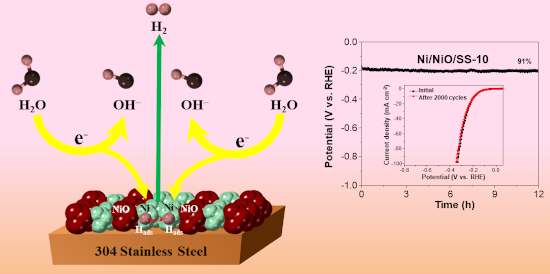
- increasing consumption of fossil fuels, causing CO2 emissions and resulting in climate change [1]. Hydropower can be harnessed to provide sustainable energy for future generations because there are no harmful emissions with only water vapor as a byproduct [2][3][4]. Also, hydropower offers better energy
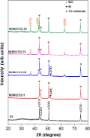
- potential regarding industrial application. Results and Discussion Crystal structure and phase of the as-synthesized electrodes were verified by X-ray diffraction (XRD) measurements with 2θ ranging from 20° to 80°. Figure 1 displays the XRD patterns of SS, Ni/NiO/SS-5, Ni/NiO/SS-10, Ni/NiO/SS-15, and Ni/NiO
- peak at 51.9°, identical to the Ni/SS sample (Supporting Information File 1, Figure S1), whereas the NiO phase also began to appear with low-intensity peaks. When the O2 flow rate was increased from 10 to 20 sccm in the synthetic process, the peak intensity of the NiO phase was enhanced. More


Synthesis and magnetic transitions of rare-earth-free Fe–Mn–Ni–Si-based compositionally complex alloys at bulk and nanoscale
Beilstein J. Nanotechnol. 2025, 16, 823–836, doi:10.3762/bjnano.16.62
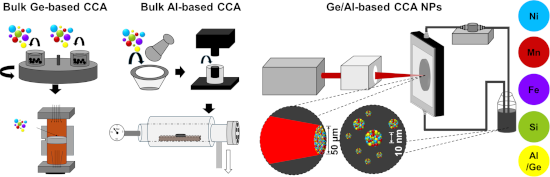
- ), University of Duisburg-Essen, Lotharstr. 1, 47057 Duisburg, Germany GROC·UJI, Institute of New Imaging Technologies, Universitat Jaume I, Av. De Vicent Sos Baynat s/n, 12071 Castellón, Spain 10.3762/bjnano.16.62 Abstract Magnetic phase transitions at the Curie temperature are essential for applications like
- Curie temperature (Tc) is a type of magnetic phase transition characterized by the loss of spontaneous magnetization in ferromagnetic materials [1]. One key application of such transitions is in magnetocaloric cooling systems where magnetocaloric materials, when cycled near Tc in an external magnetic
- Ni55.2Mn18.6Ga26.2, a giant magnetocaloric response with a ΔS of −20.4 J·kg−1·K−1 at 317 K in a 5 T field can be achieved compared to Ni57.2Mn15.9Ga27.0 where a ΔS of just −2 J·kg−1·K−1 at 310 K was witnessed. Within the myriad of material systems exhibiting magnetic transitions, compositionally complex alloys (CCAs


Supramolecular hydration structure of graphene-based hydrogels: density functional theory, green chemistry and interface application
Beilstein J. Nanotechnol. 2025, 16, 806–822, doi:10.3762/bjnano.16.61
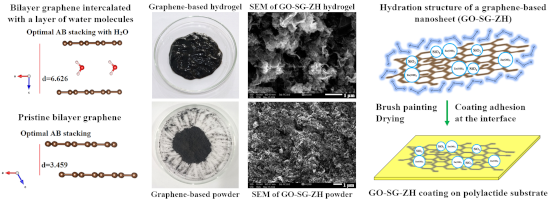
- deoxyribonucleic acid (DNA) [1]. Water molecules and their hydrogen bonding network function as lubricants for biomolecular dynamics. Recent scientific works have analyzed the important role of hydration shells on DNA, proteins, and phospholipid membranes [2][3][4]. The first hydration shell (about 3.5 Å) at the
- dispersed in water and sonicated for 1 h. After natural sedimentation overnight, the suspension was decanted to collect the supernatant dispersion of GO nanosheets. Preparation of nanosilica from rice husk ash waste Rice husk ash that was discarded from industrial boilers was collected for recycling
- experiments. Our method of nanosilica synthesis using potassium hydroxide and acetic acid was mentioned in a recent paper [21]. Raw material from rice husk ash waste was dispersed in a 7% potassium hydroxide solution. The suspension was agitated for 1 h at a temperature range of 80–90 °C. After careful


Morphology and properties of pyrite nanoparticles obtained by pulsed laser ablation in liquid and thin films for photodetection
Beilstein J. Nanotechnol. 2025, 16, 785–805, doi:10.3762/bjnano.16.60
- a narrow bandgap (0.95 eV), high light absorption coefficient (≈105 cm−1), excellent properties in photoelectric conversion, and has enormous potential as an efficient photodetector system and in lithium batteries [1][2]. The prevalent forms of FeS2 are cubic-system pyrite and the orthorhombic
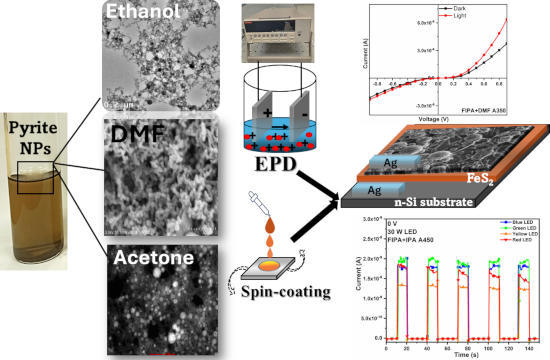
- nanocolloids can be operated in self-powered mode. Synthesis and Characterization Synthesis of FeS2 nanoparticles The schematic representation of the methodology utilized is given in Figure 1. FeS2 nanoparticles were synthesized using pulsed laser ablation in liquid. For laser ablation, the FeS2 target (99.9
- nanocolloids obtained in different solvents are shown in Supporting Information File 1, Figure S1. The NPs of FeS2 in IPA are referred to as FIPA, in DMF as FDMF, in ethanol as FET, in methanol as FMET, and in acetone as FAC. Morphology and composition of the nanoparticles obtained in all solvents are analyzed






Changes of structural, magnetic and spectroscopic properties of microencapsulated iron sucrose nanoparticles in saline
Beilstein J. Nanotechnol. 2025, 16, 762–784, doi:10.3762/bjnano.16.59
- , University of Silesia in Katowice, 75 Pułku Piechoty 1A, 41-500 Chorzów, Poland A. Chełkowski Institute of Physics, University of Silesia in Katowice, 75 Pułku Piechoty 1, 41-500 Chorzów, Poland Institute of Materials Engineering, University of Silesia, and Silesian Center for Education and Interdisciplinary
- completely dissolved sample. Keywords: calcium alginate; dissolution; iron oxyhydroxide nanoparticles; magnetic properties; saline; spectroscopy; Introduction Hematinic are substances such as iron, vitamin B12, and folic acid that are essential in the production of blood [1]. Iron deficiency drugs, which
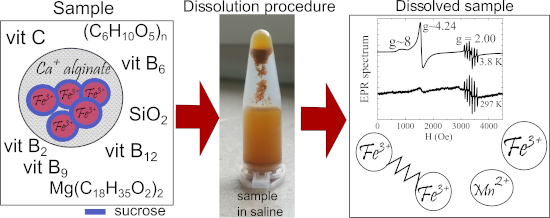
- ][20], we created a hypothetical structure of microcapsules, which are the source of iron ions in the investigated samples (Figure 1). The assumption is that each individual microcapsule contains multiple core–shell nanoparticles where an iron oxyhydroxide core is covered by a sucrose molecule shell





Thickness dependent oxidation in CrCl3: a scanning X-ray photoemission and Kelvin probe microscopies study
Beilstein J. Nanotechnol. 2025, 16, 749–761, doi:10.3762/bjnano.16.58
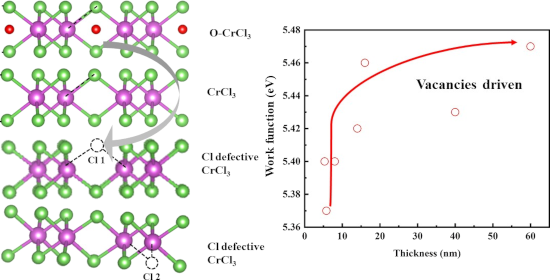
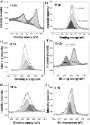
- -dimensional material; work function; Introduction The family of chromium-based trihalides has garnered significant interest in recent years, particularly after the remarkable discovery of long-lasting magnetism in a single layer of CrI3 [1]. In our previous reports, we dealt with the environmental stability
- , which can be significantly different from those of the bulk [13][1]. A central question remains whether modified structures and compositions arise from stress during cleaving, affecting surface terminations [10], or from the exfoliation process itself, which differs from cleaving. Regarding the bulk, we
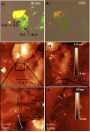
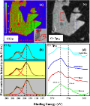
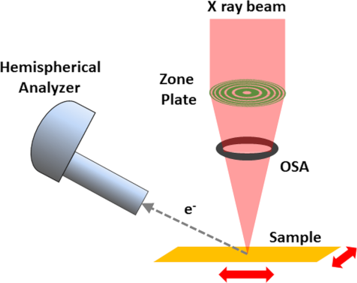
- Analysis (ESCA) Microscopy beamline [23] enables this by means of a zone plate arrangement that can reduce the beam size to 130 nm in diameter, and its grazing collection angle can provide a highly surface-sensitive probing depth of approximately 1 nm [23][24]. Such a short mean free path condition could





Serum heat inactivation diminishes ApoE-mediated uptake of D-Lin-MC3-DMA lipid nanoparticles
Beilstein J. Nanotechnol. 2025, 16, 740–748, doi:10.3762/bjnano.16.57
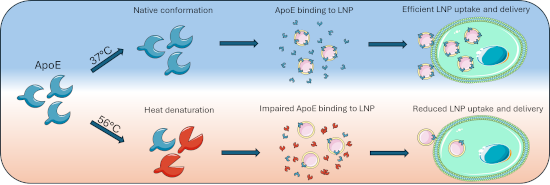
- and efficacy [1]. It is becoming increasingly clear that the biological fate and overall performance of nanoparticles are influenced by their interaction with the bioenvironment. As a nanoparticle interacts with a biological matrix upon administration, a layer of biomolecules, primarily composed of
- MDA-MB-231 (ATCC) were cultured in DMEM medium with 10% FCS (Gibco) and 1% penicillin-streptomycin (PS) (Fisher Scientific). The human dermal microvascular endothelial cell line HMEC-1 (ATCC) was cultured in MCDB-131 medium supplemented with 10% FCS (Gibco), 2 mM l-glutamine (Gibco), 10 ng/mL rhEGF
- , cholesterol, DSPC and DMG-PEG(2000) were dissolved in ethanol at a molar ratio of 50:38.5:10:1.5 and a final lipid concentration of 10 mM. For biotinylated LNPs, 1 M DSPC was substituted with 1 M DSPE-PEG(2000)-biotin. For C12 LNPs, C12-200, cholesterol, DOPC and DMG-PEG(2000) were dissolved in ethanol at a


Synthesis of a multicomponent cellulose-based adsorbent for tetracycline removal from aquaculture water
Beilstein J. Nanotechnol. 2025, 16, 728–739, doi:10.3762/bjnano.16.56
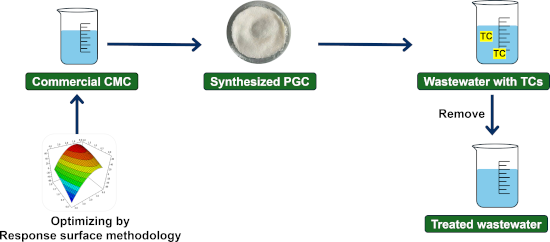
- concentration of 60 mg·L–1 at pH 6–7, reaching equilibrium after 12 h. The surface characteristics and structural properties of PGC were determined using various material characterization techniques, including FTIR, SEM, EDX, and BET. Verification experiments under optimal conditions confirmed that the
- adsorption process followed second-order kinetics and the Langmuir adsorption isotherm model. Under optimal experimental conditions, a maximum adsorption capacity (qm) of 123.2 mg·g−1 was estimated using the Langmuir isotherm model. These findings indicate that PGC demonstrates strong potential as an
- crucial role in the global economy, particularly for coastal nations, including Vietnam. However, its multibillion dollar contributions are accompanied by the growing problem of excess antibiotic usage, notably tetracyclines (TCs), a widely used class of antibiotics in recent years [1][2][3][4]. Recent


Efficiency of single-pulse laser fragmentation of organic nutraceutical dispersions in a circular jet flow-through reactor
Beilstein J. Nanotechnol. 2025, 16, 711–727, doi:10.3762/bjnano.16.55
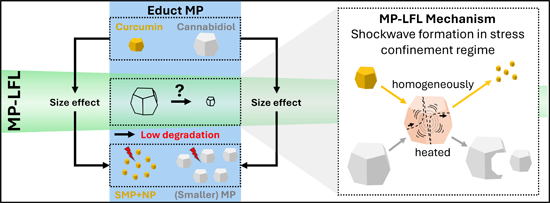
- few decades, as this relatively new fabrication method can be used to produce stable, additive-free colloids of different material classes under high-purity conditions, which are suitable for a wide range of technical applications [1][2][3][4][5]. Pulsed laser ablation (LAL), laser fragmentation (LFL
- ), and laser melting (LML) in liquids are aimed at synthesizing nanoparticles (NPs) from bulk targets (LAL), by downsizing (LFL), or by increasing/reshaping (LML) particle dispersions [1]. On the other hand, pulsed laser defect engineering in liquids (PUDEL) processes involve targeted post-treatment of
- extraction methods, exemplified by extraction from coffee powders [10] and alkaloid drug extraction from ground root powder [11]. Initially, LSPC research focused on inorganic materials such as metals [12][13], semiconductors [1], and oxides [14][15], where the particle formation mechanisms are well


Nanostructured materials characterized by scanning photoelectron spectromicroscopy
Beilstein J. Nanotechnol. 2025, 16, 700–710, doi:10.3762/bjnano.16.54
- Metal Physics of Ural Branch of Russian Academy of Sciences, 620990, Ekaterinburg, Russia Department of Materials Physics, Universidad Complutense de Madrid, Plaza Ciencias 1, 28040 Madrid, Spain Center for Cooperative Research on Alternative Energies (CIC energiGUNE), Basque Research and Technology
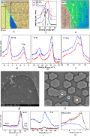
- societal challenges [1]. When composed of different elements, molecules, or compounds, these materials often show a regular and/or diffused heterogeneous structure based on elementary building blocks (e.g., crystallites or atomic/molecular groups) forming the entire solid or, in other cases, just their


High-temperature epitaxial growth of tantalum nitride thin films on MgO: structural evolution and potential for SQUID applications
Beilstein J. Nanotechnol. 2025, 16, 690–699, doi:10.3762/bjnano.16.53
- transition temperature (Tc). Discovered in 1911 by Heike Kamerlingh Onnes [1], superconductors exhibit unique properties, including perfect conductivity and the Meissner effect [2], that is, the expulsion of magnetic fields. These remarkable properties make them highly valuable for diverse applications, such
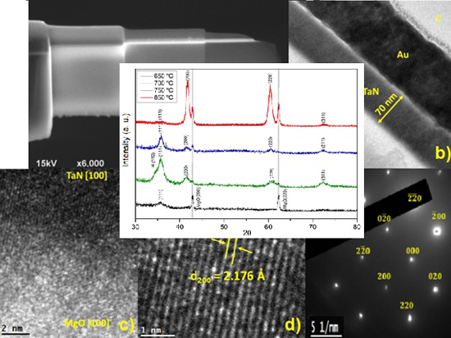
- and Discussion The atomic concentration of each element (Ta, N, O, and C) in the TaN thin films was determined as a function of pN2 using XPS (Table 1). Atomic sensitivity factors of 2.5, 0.42, 0.66, and 0.25 were used for Ta 4f, N 1s, O 1s, and C 1s, respectively, during data analysis. XPS
- undergo during the ablation process. Figure 1 presents the deconvolution of high-resolution XPS peaks for Ta 4f, shown both before (Figure 1a,b) and after (Figure 1c,d) heating the substrate. The peaks were fitted using Gaussian functions. The relative atomic concentrations of Ta and N were calculated


The impact of tris(pentafluorophenyl)borane hole transport layer doping on interfacial charge extraction and recombination
Beilstein J. Nanotechnol. 2025, 16, 678–689, doi:10.3762/bjnano.16.52
- ; hole transport layer doping; Kelvin probe force microscopy; perovskite solar cells; Introduction Perovskite solar cells (PSCs) are a promising class of photovoltaic material that exhibits high power conversion efficiencies and relies on a low-cost solution-processed fabrication method [1][2][3][4]. At
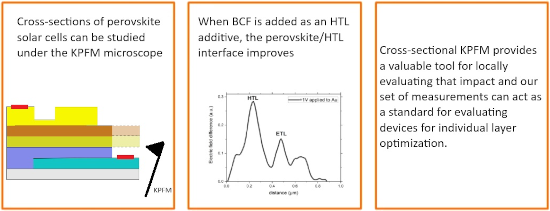
- force microscopy (KPFM) is an important tool for conducting such studies, enabling the measurement of the perovskite’s surface potential by monitoring the electrostatic force between the surface and a conductive probe (See Supporting Information File 1, Section 1). This measurement can provide insights
- -sections by means of argon ion polishing. To get results that closely simulate the operation of working devices, we used a comprehensive static KPFM measurement protocol (See Supporting Information File 1, Section 2) and measured potential profiles across all layers while applying a voltage or under


Colloidal few layered graphene–tannic acid preserves the biocompatibility of periodontal ligament cells
Beilstein J. Nanotechnol. 2025, 16, 664–677, doi:10.3762/bjnano.16.51
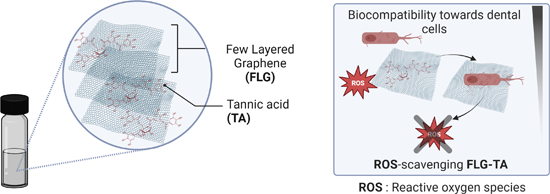
- Teissir Ben Ammar Naji Kharouf Dominique Vautier Housseinou Ba Nivedita Sudheer Philippe Lavalle Vincent Ball INSERM UMR_S 1121, CNRS EMR 7003, Université de Strasbourg, Biomaterials and Bioengineering, Centre de Recherche en Biomédecine de Strasbourg, 1 rue Eugène Boeckel, Strasbourg F-67000
- , demonstrating no cytotoxicity to periodontal ligament cells up to 200 µg·mL−1 while promoting cellular adhesion and maintaining chromatin integrity. Overall, because of its favorable biocompatibility FLG–TA holds promise as a novel biomaterial for dental applications. Keywords: antioxidant properties
- ; biocompatibility; dental applications; few layered graphene–tannic acid biocomposite (FLG–TA); periodontal ligament cells (PDL); Introduction Dental diseases remain a global health challenge [1]. Dental biomaterials are crucial in both therapeutic and preventive strategies, with nanotechnology emerging as a




Aprepitant-loaded solid lipid nanoparticles: a novel approach to enhance oral bioavailability
Beilstein J. Nanotechnol. 2025, 16, 652–663, doi:10.3762/bjnano.16.50
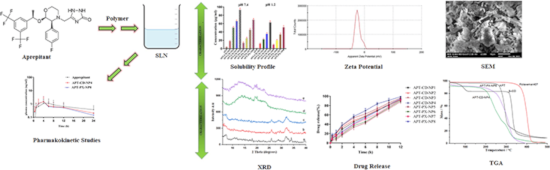
- major health problem worldwide, and cancer patients are treated by using conventional strategies such as surgery, chemotherapy, and radiotherapy, alone or in combination [1]. Chemotherapy is the basis of pharmacological cancer treatments [2]. The most common adverse effects in cancer patients induced by
- antagonists, and corticosteroids. In the first cycle of chemotherapy, acute emesis is prevented by administering a selective 5-HT3 receptor antagonist (ondansetron) together with a corticosteroid (dexamethasone) in 70–80% of cancer patients on day 1. Vomiting and significant nausea still occur in 25–40% of
- patients in the delayed phase (days 2 to 5) in their first cycle of high-dose cisplatin [5]. Aprepitant (APT) is a selective antagonist of neurokinin-1 receptor that blocks the substance P emetic effect. NK-1 receptors occur in the gastrointestinal tract on vagal afferents and in the nucleus of the


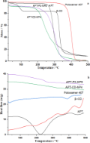
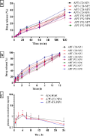

Nanoscale capacitance spectroscopy based on multifrequency electrostatic force microscopy
Beilstein J. Nanotechnol. 2025, 16, 637–651, doi:10.3762/bjnano.16.49

- way for the design of materials with tailored functionalities [1][2][3][4][5][6]. Dielectric properties are fundamental for understanding the behavior and performance of various material systems, as they directly influence charge storage, polarization, and energy dissipation mechanisms. For instance
- ]: with VDC the DC voltage offset applied to the tip, VAC the AC voltage amplitude with the frequency ωAC at a certain time t and VCPD the CPD, which corresponds to the difference in tip and sample work function [18]. Inserting Equation 2 into Equation 1, we obtain the following expression: Alongside a
- frequency mixing between C′(t) and the electrostatic excitation leads to sidebands at frequencies ωSB,1 = (ωm ± ωAC) and ωSB,2 = (ωm ± 2ωAC) besides the mechanical oscillation at ωm[18]. The amplitude of the first harmonic frequency components is used in conventional amplitude modulation (AM) and sideband


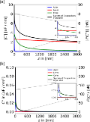


A formulation containing Cymbopogon flexuosus essential oil: improvement of biochemical parameters and oxidative stress in diabetic rats
Beilstein J. Nanotechnol. 2025, 16, 617–636, doi:10.3762/bjnano.16.48
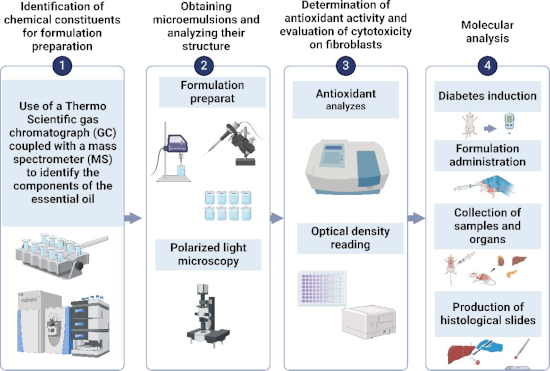
- isolated EOCF. Finally, male Wistar rats (3 months old, 200–250 g) with streptozotocin-induced type-1 DM were supplemented with EOCF and ME (32 mg/kg) for 21 days. Both EOCF and ME supplementation resulted in reduced blood glucose levels and improved lipid profiles when compared to the control group
- reach 700 million cases by 2045 [1]. The main causes of DM are related to a deficit in insulin production due to a loss of pancreatic β-cell function (type-1 DM) [1], or due to insulin resistance and a partial deficit in the secretion of this hormone by pancreatic β-cells (type-2 DM). Various therapies
- similar to those presented in our previous study [12] and are shown in Table S1 (Supporting Information File 1). In total, 13 compounds were identified, the majority being α-citral (geranial, 53%), β-citral (neral, 19%), and geraniol (12%). EOCF also contained smaller percentages (0.07% to 4.90%) of




Focused ion and electron beams for synthesis and characterization of nanomaterials
Beilstein J. Nanotechnol. 2025, 16, 613–616, doi:10.3762/bjnano.16.47

- is challenging to discuss the fabrication of small devices without acknowledging Richard Feynman, the pioneer of nanotechnology, and his iconic lecture, "There’s Plenty of Room at the Bottom" [1], delivered at the annual meeting of the American Physical Society at Caltech in 1959. The central theme
- of his talk revolved around manipulating and controlling matter at an extremely small scale to address a crucial technological question: "Why can't we manufacture small devices?" [1]. According to Feynman, there were no unbeatable obstacles from a scientific perspective; the limitation laid in the
- the fundamental mechanisms underlying precursor fragmentation by low-energy electrons, which remains an ongoing focus of study in the field, see Figure 1. Within the widely studied group of acetylacetonate complexes, which also play a crucial role in chemical vapor deposition and atomic layer

Polyurethane/silk fibroin-based electrospun membranes for wound healing and skin substitute applications
Beilstein J. Nanotechnol. 2025, 16, 591–612, doi:10.3762/bjnano.16.46
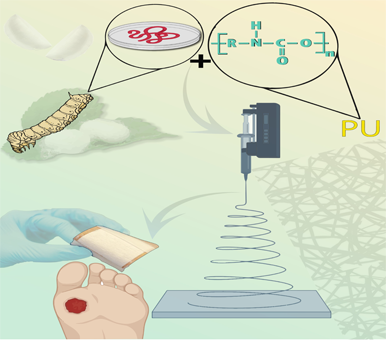
- , focused on improving human health through innovative technologies [1]. It is a broad interdisciplinary field that includes biology, medicine, engineering, and materials science, which all work together to address the intricate medical needs of societies [2]. The ultimate goal of biomedical research is to
- skin tissue [31]. After skin injury, a series of processes known as the “wound healing process” occurs to regain the skin’s structural and functional properties. As shown in Figure 1, the wound healing process consists of four stages, namely, hemostasis, inflammation, new tissue generation, and
- -covalently connected to the HL complex, and it provides integrity to the fibroin structure. The ratio of H fibroin, L fibroin, and p25 in mulberry silk is 6:6:1 [84]. In vivo studies showed that SF scaffolds promote better wound healing and skin regeneration than porcine dermis, hydrocolloid dressings, or



Feasibility analysis of carbon nanofiber synthesis and morphology control using a LPG premixed flame
Beilstein J. Nanotechnol. 2025, 16, 581–590, doi:10.3762/bjnano.16.45
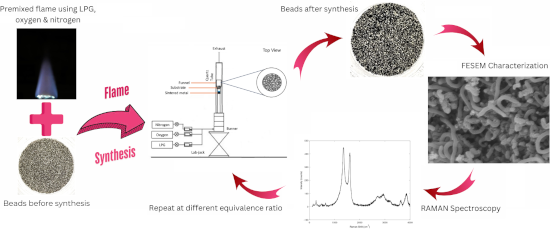
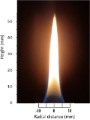
- synthesis; liquefied petroleum gas (LPG); nanomaterial synthesis; Introduction Carbon nanotubes (CNTs) and carbon nanofibers (CNFs) have gained significant interest because of their distinctive properties and their wide range of applications in nanotechnology [1][2][3]. CNTs are a modified version of CNFs
- delivery, tissue engineering, and implants [7]. Methods of CNT/CNF synthesis include (a) chemical vapor deposition, (b) arc discharge, (c) flame synthesis, and (d) laser ablation [1]. Flame-assisted synthesis is a promising method for efficient and continuous one-step production. Various flame
- room temperature, the product was purified with 1% HCl solution, distilled water, and ethanol, then vacuum-dried at 50 °C for about 4 h. The final product was nearly pure CNFs, as shown by FESEM images. TEM images indicated an average CNF diameter of 100 nm. Raman spectra showed a strong, narrow peak



Nanomaterials in targeting amyloid-β oligomers: current advances and future directions for Alzheimer's disease diagnosis and therapy
Beilstein J. Nanotechnol. 2025, 16, 561–580, doi:10.3762/bjnano.16.44
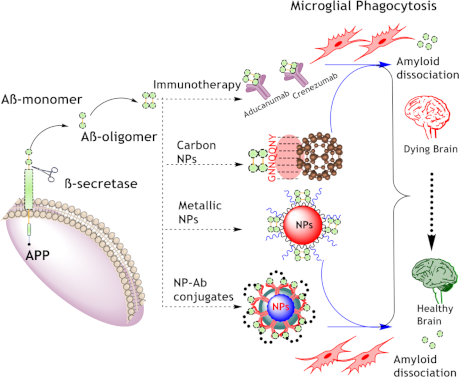
- explanation, positing that the toxic effects of these small oligomers may be more critical to the pathology of AD than the larger aggregated plaques. This shift in focus highlights the need for a deeper understanding of how these oligomers contribute to the disease process [1][2]. The proposition regarding
- process, as illustrated in Figure 1. The first two pathways fall under the “on-pathway” model, which includes nucleated polymerization and nucleated conformational conversion. These models suggest that oligomers are transient species that form as intermediates during the transition from monomers to mature
- research into traditional therapeutic approaches, such as small molecules/compounds, immunotherapy, peptidomimetics, and chaperon proteins, as outlined in Table 1, continues to be a critical part of the effort to tackle AD. These conventional strategies, which target different aspects of AβO formation and





