Search results
Search for "UV–vis spectra" in Full Text gives 257 result(s) in Beilstein Journal of Organic Chemistry. Showing first 200.
Discovery of sugarnitriles A and B, and structural reassignment of SF-2140, from a sugarcane endophytic actinomycete Amycolatopsis sp. JS-O27
Beilstein J. Org. Chem. 2026, 22, 1114–1121, doi:10.3762/bjoc.22.90
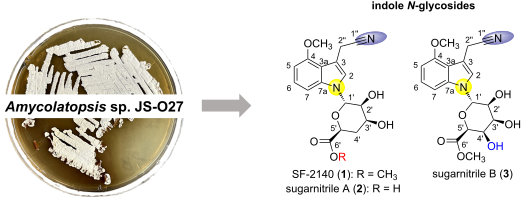
- . Optical rotations were measured at 20 °C on an INESA WZZ-2B polarimeter. UV–vis spectra were acquired in MeOH on a METASH UV-8000 spectrophotometer. Analytical and preparative reversed-phase HPLC (RPLC) was conducted on a Shimadzu Prominence HPLC system using a YMC Hydrosphere C18 analytical column (3 μm


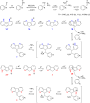
Knoevenagel condensation of 4,5- and 1,8-diazafluorenes
Beilstein J. Org. Chem. 2026, 22, 803–812, doi:10.3762/bjoc.22.62
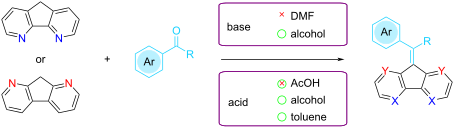
- molecular ions were performed with respect to the standard lines of perfluorokerosene (PFK). Elemental analyses were performed for C, H, and N with a CHN-Analyzer Euro EA 300. Melting points were determined with a Thermosystem FP 900 instrument (Mettler Toledo). UV–vis spectra were recorded in diluted (10−5




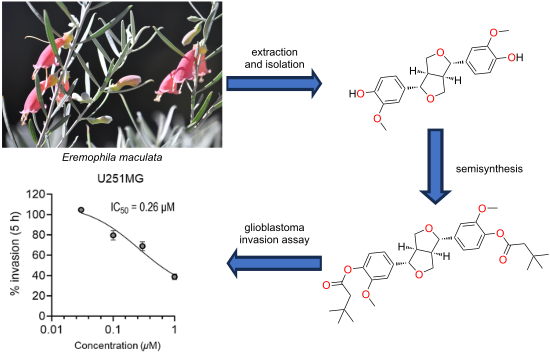
Anti-invasive and cytotoxic evaluation of a (+)-pinoresinol-based semisynthetic library against glioblastoma
Beilstein J. Org. Chem. 2026, 22, 691–704, doi:10.3762/bjoc.22.54
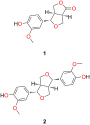
- melting point apparatus and are uncorrected. Specific rotations were determined on a JASCO P-2000 polarimeter. UV–vis spectra were recorded using a CAMSPEC M501 UV–vis spectrophotometer. ECD spectra were obtained on a JASCO J-1500 spectropolarimeter and processed using the software SDAR [31]. NMR spectra



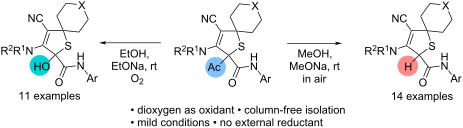
Base-promoted deacylation of 2-acetyl-2,5-dihydrothiophenes and their oxygen-mediated hydroxylation
Beilstein J. Org. Chem. 2026, 22, 192–204, doi:10.3762/bjoc.22.13
- presented in Figure 2. The formation of product 2a before water and acid were added also follows from the comparison of UV–vis spectra of crude mixture (a) and product 2a (b). According to the previously reported data [51], the absorption maximum in spectrum (a) at 220 nm is caused by the presence of
- )) and R1 = 0.0837, wR2 = 0.1768 (all data). Largest diff. peak/hole 0.29/−0.55 e−Å−3. HRMS analysis of the crude product. UV–vis spectra of the crude mixture (5.6 mg of the crude mixture was dissolved in 15 mL of methanol and the aliquot (100 µL) was diluted in 900 µL of methanol) (a) and purified




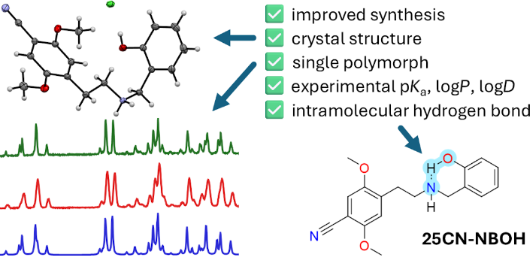
Improved synthesis and physicochemical characterization of the selective serotonin 2A receptor agonist 25CN-NBOH
Beilstein J. Org. Chem. 2026, 22, 175–184, doi:10.3762/bjoc.22.11
- , respectively, while UV–vis spectra were recorded using the fiber optic probe (10 mm light path) of the inForm diode array spectrometer. The instrument control and data analysis were performed using the inForm software Version 1.1.3.6 (Sirius Analytical, Forest Row, UK). HPLC Samples from distribution


A new synthesis of Tyrian purple (6,6’-dibromoindigo) and its corresponding sulfonate salts
Beilstein J. Org. Chem. 2026, 22, 167–174, doi:10.3762/bjoc.22.10
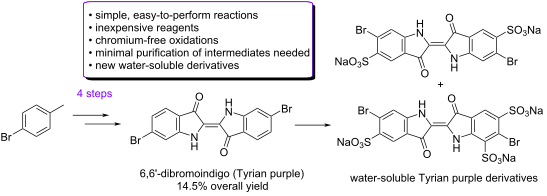
- deprotonation. Examining the absorbance at 755 nm versus pH yields a second pKa value at 13.0 ± 0.11 (Supporting Information File 1, Figure S26). As shown in Figure 1B, the corresponding disulfonate of 6,6’-dibromoindigo, 9, shows similar UV–vis spectra to compound 10. Specifically, 9 shows a λmax at 606 nm and
- ) [26]. The UV–vis spectra of both 9 and 10 are similar to those of 5,5’-indigodisulfonic acid disodium salt (indigo carmine) and 5,5’,7-indigotrisulfonic acid trisodium salt, as shown in Table 1 [27][28]. When compared to the absorption maximum of 6,6’-dibromoindigo (1), di- and trisulfonation causes a
- , thereby creating water-soluble derivatives of this ancient dye. A) UV–vis spectra of 6,6’-dibromo-5,5’,7-indigotrisulfonic acid trisodium salt (10) (10 μM) in aqueous solution at different pH values. B) UV–vis spectra of 6,6’-dibromo-5,5’-indigodisulfonic acid disodium salt (9) (10 μM) in aqueous solution


Symmetrical D–π–A–π–D indanone dyes: a new design for nonlinear optics and cyanide detection
Beilstein J. Org. Chem. 2026, 22, 131–142, doi:10.3762/bjoc.22.6
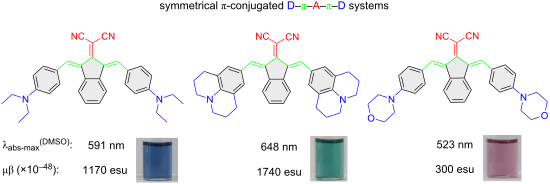
- Supporting Information File 16: Synthesis of compounds, copies of NMR, HRMS and UV–vis spectra and DFT results. Acknowledgements The numerical calculations reported in this paper were fully performed at TUBITAK ULAKBIM, High Performance and Grid Computing Center (TRUBA resources). This study constitutes


Silica gel with covalently attached bambusuril macrocycle for dicyanoaurate sorption from water
Beilstein J. Org. Chem. 2025, 21, 2604–2611, doi:10.3762/bjoc.21.201
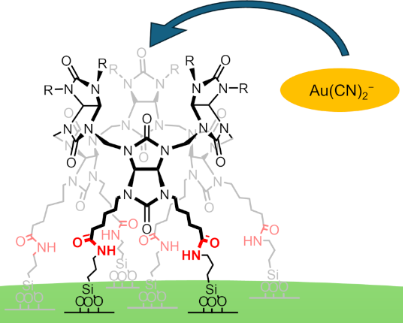
- carried out in nitrogen atmosphere. The dicyanoaurate concentration in solution was determined according to UV–vis spectra recorded with a CARY 60 spectrophotometer (Agilent Technologies). NMR spectra were recorded on a Bruker Avance III 300 spectrometer (300.15 Hz, 298.15 K). Preparation of SG-NHCO-BU1
- ] (0.5 mM) with increasing amount of BU1. C) UV–vis spectra of K[Au(CN)2] (0.5 mM) before and after additions of supernatants obtained by treatment of SG-NHCO-BU1 and SG-BU1 with aqueous 1 M KOH. The efficiency of materials (blue SG-BU1, grey SG-NHCO-BU1) in sorbing dicyanoaurate from its water solution


Effect of a photoswitchable rotaxane on membrane permeabilization across lipid compositions
Beilstein J. Org. Chem. 2025, 21, 2498–2512, doi:10.3762/bjoc.21.192
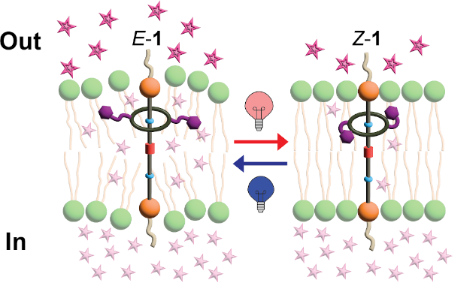
- the LUVs at 10 mol % relative to the total lipid content. UV–vis spectra recorded before irradiation showed an absorption band around 372 nm, corresponding to the π→π* transition of the E isomer (Figure 3, left column, black trace). Upon irradiation at 370 nm for 1 minute, two new peaks appeared at
- rotaxane 1. LUVs containing rotaxane 1 were subjected to ten cycles of alternating irradiation at 370 nm and 467 nm, with UV–vis spectra recorded after each exposure. Figure 3 (right column) shows the changes in absorption at 365 nm, reflecting the photoswitching and photoreversibility of rotaxane 1 across




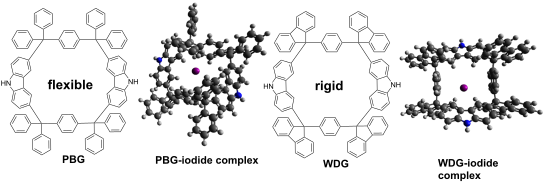
Conformational effects on iodide binding: a comparative study of flexible and rigid carbazole macrocyclic analogs
Beilstein J. Org. Chem. 2025, 21, 2369–2375, doi:10.3762/bjoc.21.181
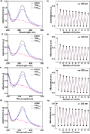
- concentrations in CDCl3 (400 MHz, CDCl3, 25 °C); (A) WDG, (N) TBAI, and equimolar TBAI solutions at concentrations of (B) 0.25, (C) 0.50, (D) 0.75, (E) 1.00, (F) 1.25, (G) 1.5, (H) 1.75, (I) 2.00, (J) 3.00, (K) 5.00 equivalents. (a) UV–vis spectra of PBG (10 μM) in CHCl3 with TBAI concentration, (b) UV–vis
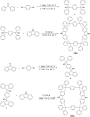
- spectra of WDG (10 μM) in CHCl3, (c) Fluorescence spectra of PBG (10 μM) in CHCl3 (λex: 303 nm), (d) Fluorescence spectra of WDG (10 μM) in CHCl3 (λex: 303 nm). Synthesis routes of PBG and WDG. Supporting Information Supporting Information File 32: Additional experimental data. Funding The project was



Photochemical reduction of acylimidazolium salts
Beilstein J. Org. Chem. 2025, 21, 1973–1983, doi:10.3762/bjoc.21.153
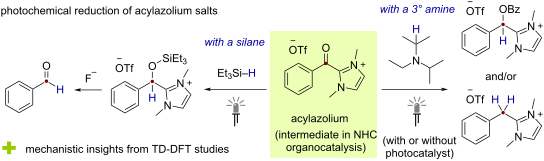
- identity of the active light-absorbing species in the reaction mixture. UV–vis spectra of the benzoylazolium starting material 1 at different concentrations in the acetonitrile reaction solvent were accordingly measured. Although exhibiting maximum absorption at wavelengths significantly shorter than that
- efficiency observed upon switching from blue to UV-A light irradiation. Nevertheless, alternative scenarios involving the potential formation of excited donor–acceptor (EDA) complexes between benzoylazolium species 1 and DIPEA were considered. Measurements of the UV–vis spectra in the presence of the amine


Tautomerism and switching in 7-hydroxy-8-(azophenyl)quinoline and similar compounds
Beilstein J. Org. Chem. 2025, 21, 1404–1421, doi:10.3762/bjoc.21.105
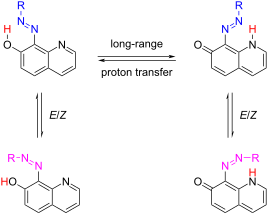
- crystal was used and the samples were scanned 128 times. The UV–vis spectra were measured on a Jasco V-570 UV–vis–NIR spectrophotometer using spectral grade solvents in the concentration range ≈10−5 mol/L. The steady-state fluorescence spectra were recorded with a FluoroLog 3-22 (HORIBA




Biobased carbon dots as photoreductants – an investigation by using triarylsulfonium salts
Beilstein J. Org. Chem. 2025, 21, 1024–1030, doi:10.3762/bjoc.21.84
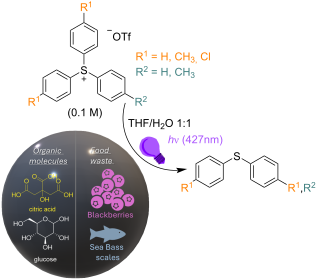
- types of CDs and aims to promote the use of these sustainable materials, it opens the way for further exploitation of such compounds in visible-light-catalyzed reactions. UV–vis spectra of the CDs. All the measurements have been performed in water, except for CD-a-GLU, where a H2O/acetonitrile 1:1


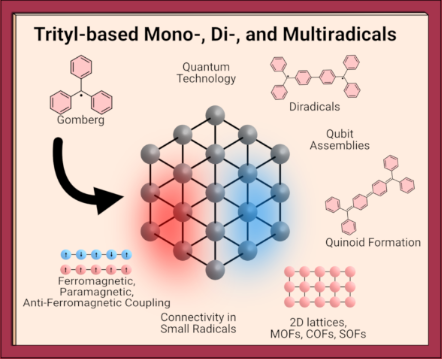
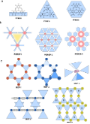
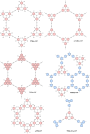
On the photoluminescence in triarylmethyl-centered mono-, di-, and multiradicals
Beilstein J. Org. Chem. 2025, 21, 964–998, doi:10.3762/bjoc.21.80


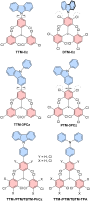







Substituent effects in N-acetylated phenylazopyrazole photoswitches
Beilstein J. Org. Chem. 2025, 21, 830–838, doi:10.3762/bjoc.21.66

- 1H NMR spectrum. We compared these results to simply estimating the isomer distribution at the PSS (cf. Supporting Information File 1, section 3.1) from the UV–vis spectra and observed good agreement, meaning the results from UV–vis spectroscopy can be used for rough PSD estimation, due to good
- spectral separation of the isomers. Since we encountered fast back isomerization only for NAc-PAP-OH (vide infra), the PSDs could only be determined from the UV–vis spectra. NAc-PAPs showed high to quantitative formation of the Z-configurated isomers. For example, NAc-PAP-Br showed an isomerization
- equipment, experimental procedures, compound characterization, UV–vis spectra at different concentrations, photochemical experiments, thermal isomerization analysis, and NMR spectra. Funding We thank the Swedish Vetenskapsrådet for a Starting Grant (2021-05414 to SC and to 2023-04088 to NAS). This work was


Orthogonal photoswitching of heterobivalent azobenzene glycoclusters: the effect of glycoligand orientation in bacterial adhesion
Beilstein J. Org. Chem. 2025, 21, 736–748, doi:10.3762/bjoc.21.57
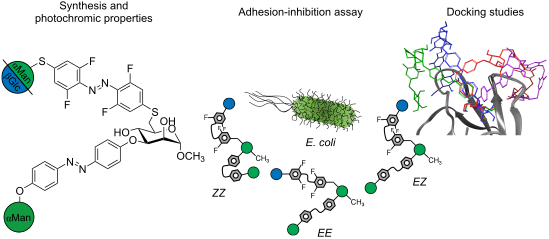
- UV–vis spectra of the two photoswitchable units. This design laid the basis for a robust switching cycle comprising the EManEGlc, the EManZGlc, and the ZManZGlc isomer of 1 [24]. In this contribution, we address the question of how the different isomers of 1 perform as inhibitors of bacterial


Photochemically assisted synthesis of phenacenes fluorinated at the terminal benzene rings and their electronic spectra
Beilstein J. Org. Chem. 2025, 21, 670–679, doi:10.3762/bjoc.21.53

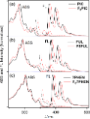
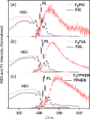
- reference. The selected photophysical parameters are summarized in Table 1. The fluorescence excitation spectra were consistent with absorption spectra to unambiguously assign the fluorescence bands to the studied F8-phenacenes (Figure S1 in Supporting Information File 1). In the UV–vis spectra, a small


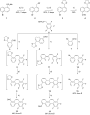



Semisynthetic derivatives of massarilactone D with cytotoxic and nematicidal activities
Beilstein J. Org. Chem. 2025, 21, 607–615, doi:10.3762/bjoc.21.48
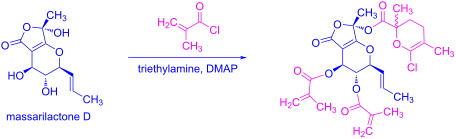
- well as detailed structure–activity relationships, to optimize massarilactone hemisynthetic derivatives for specific biological applications. Experimental General experimental procedures UV–vis spectra were recorded on a Shimadzu UV/Vis 2450 spectrophotometer. Optical rotations were obtained from an


Deep-blue emitting 9,10-bis(perfluorobenzyl)anthracene
Beilstein J. Org. Chem. 2025, 21, 515–525, doi:10.3762/bjoc.21.39
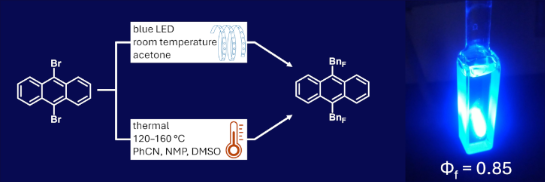
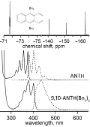
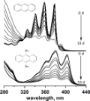
- achieved due to chemical modification of ANTH [25][32]. Changes in the UV–vis spectra were typically used as an indication of the compounds’ decomposition. It is well established that ANTH is rapidly oxidized to form anthraquinone upon exposure to light in the presence of oxygen. Furthermore, endoperoxides
- irradiated with a 34 W incandescent bulb. The UV–vis spectra of ANTH monitored over time showed that new absorbance features began to appear, suggesting the formation of new products. In contrast, the UV–vis spectra of 9,10-ANTH(BnF)2 showed no new absorbance features over time, suggesting that either
- (C8F17)2 [36]. These results make it clear that monitoring photoirradiated solutions by UV–vis spectroscopy must be accompanied by complementary analyses to enable accurate interpretation of the changes in the UV–vis spectra and identification of the photoproducts. The next comparative photostability





Unprecedented visible light-initiated topochemical [2 + 2] cycloaddition in a functionalized bimane dye
Beilstein J. Org. Chem. 2025, 21, 500–509, doi:10.3762/bjoc.21.37
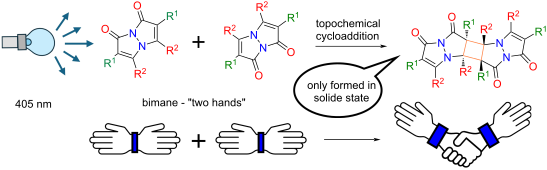
- 1:1 (v/v) solution which was left to evaporate at room temperature over the course of a few days. Photophysical properties Fluorescence spectra were measured on a Horiba FluoroMax Plus spectrofluorimeter. UV–vis spectra were measured on a Shimadzu UV-1900i UV–vis spectrophotometer. Absorption and


Antibiofilm and cytotoxic metabolites from the entomopathogenic fungus Samsoniella aurantia
Beilstein J. Org. Chem. 2025, 21, 327–339, doi:10.3762/bjoc.21.23
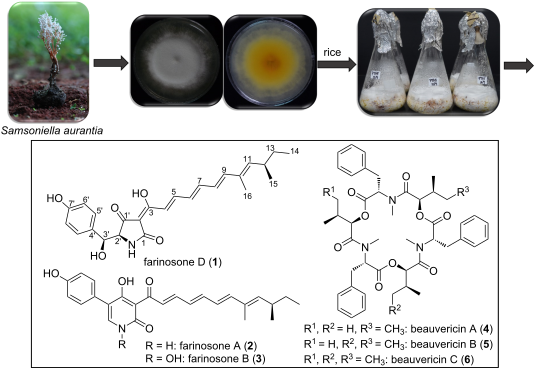
- experimental methods Optical rotations at 20 °C were measured with an Anton Paar MCP 150 circular polarimeter (Anton Paar, Graz, Austria). UV–vis spectra spanning the 190–600 nm range were acquired using a Shimadzu UV2450 spectrophotometer (Shimadzu, Kyoto, Japan). Electronic circular dichroism (ECD) spectra
- were obtained using a J-815 spectropolarimeter (JASCO Pfungstadt, Germany). The optical rotation, ECD, and UV–vis spectra of the newly described secondary metabolites were assessed in MeOH (Uvasol, Merck, Darmstadt, Germany). Analytical HPLC chromatograms and electrospray ionization mass spectra (ESIMS


Surprising acidity for the methylene of 1,3-indenocorannulenes?
Beilstein J. Org. Chem. 2024, 20, 3144–3150, doi:10.3762/bjoc.20.260
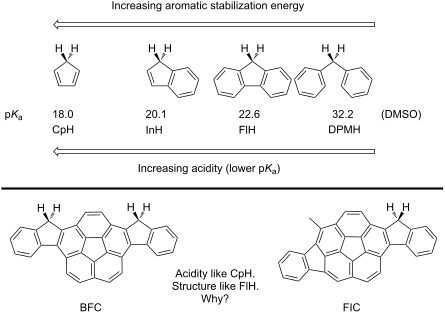
- separately titrated in order to obtain the UV–vis spectra of the acids in neutral as well as in deprotonated forms. Then, the same titration is done with a mixture of measured acid (FIC or BFC) and a reference acid. Using the spectral data from the titrations of mixtures the dissociation levels α = [A−]/([A


Synthesis of pyrrole-fused dibenzoxazepine/dibenzothiazepine/triazolobenzodiazepine derivatives via isocyanide-based multicomponent reactions
Beilstein J. Org. Chem. 2024, 20, 2870–2882, doi:10.3762/bjoc.20.241
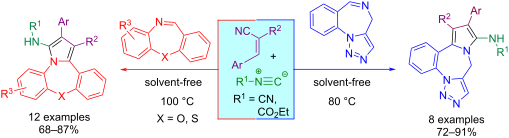
- spectra of the products were obtained using an LS45 spectrometer from PerkinElmer. Elemental analyses were conducted using an Vario El CHN mode system from Elementar GmbH. The PL and the UV–vis spectra were obtained using a spectrofluorometer (LS45, PerkinElmer) and a Specord S 600 (Analytik Jena






Interaction of a pyrene derivative with cationic [60]fullerene in phospholipid membranes and its effects on photodynamic actions
Beilstein J. Org. Chem. 2024, 20, 2732–2738, doi:10.3762/bjoc.20.231

- free PyBA. Data analysis, including calculation of the phase transition temperature, was performed using the MicroCal PEAQ-DSC Software. UV–vis absorption measurement UV–vis spectra of DMPC liposomes (1 mM DMPC) with or without catC60 or C60 were measured in PBS(–) using a UV-3600 Plus absorption


Synthesis of spiroindolenines through a one-pot multistep process mediated by visible light
Beilstein J. Org. Chem. 2024, 20, 2722–2731, doi:10.3762/bjoc.20.230
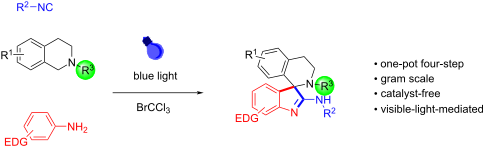
- studies; description of photochemical equipment; characterization data of compounds (1H, 13C and 19F NMR spectra, IR and UV–vis spectra). Acknowledgements The University of Genova is kindly acknowledged for the contribution to the acquisition of an NMR instrument (D.R. 3404 19/7/2018). We thank Mr