


Search results
Search for "arene" in Full Text gives 281 result(s) in Beilstein Journal of Organic Chemistry. Showing first 200.
Novel macrocycles: from synthesis to supramolecular function
Beilstein J. Org. Chem. 2026, 22, 982–985, doi:10.3762/bjoc.22.76
- oxacalix[2]arene[2]triazine macrocyclic units, the authors prepared a family of functionalized ultracycle hosts. Encapsulation of flexible dicarboxylate guests arises from the combined action of hydrogen bonding and anion–π interactions, the latter of which is enhanced by the electron-deficient triazine
- application potential of macrocyclic chemistry, their further development relies on access to versatile and selectively functionalizable scaffolds. In this context, Vatsouro and co-workers [40] report efficient methodologies for accessing heteromultifunctional calix[4]arene derivatives. Through carefully
Palladium-catalyzed benzocyclization reactions of quinoline-2-carboxamides via sequential C–H/N–H functionalization
Beilstein J. Org. Chem. 2026, 22, 905–914, doi:10.3762/bjoc.22.71
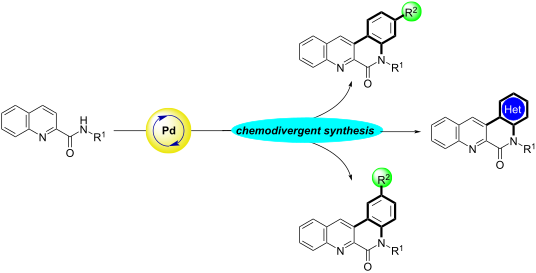
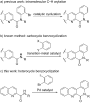
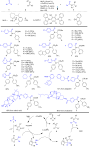
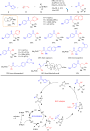
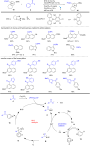
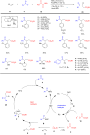
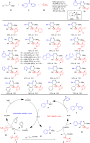
- concerted metalation-deprotonation (CMD) process, a carbon–palladium bond is formed to give the palladacycle intermediate Int-4. Next, reductive elimination between the quinoline and arene moieties forms the C–C bond to give intermediate Int-1 and regenerates the palladium(0) catalyst. Another oxidative




The trans-influence in gold chemistry from a catalytic perspective
Beilstein J. Org. Chem. 2026, 22, 838–856, doi:10.3762/bjoc.22.66
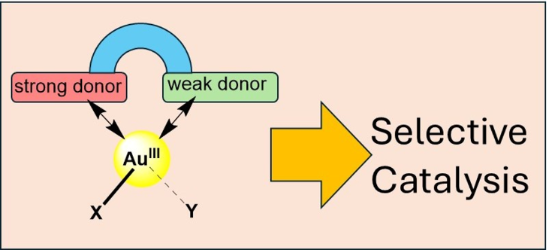
- scenarios by DFT showed a clear energetic preference for the outer-sphere mechanism, with the arene acting like a nucleophile (Scheme 19) [92]. (P^N)Au complexes display quite similar reactivity with alkynes, leading to 1,2-heteroarylation products, as recently shown in the catalytic alkyne arylations with


Molecular tweezer–peptide conjugates disrupt the protein–protein interaction between survivin and histone H3 essential in mitosis
Beilstein J. Org. Chem. 2026, 22, 557–567, doi:10.3762/bjoc.22.41
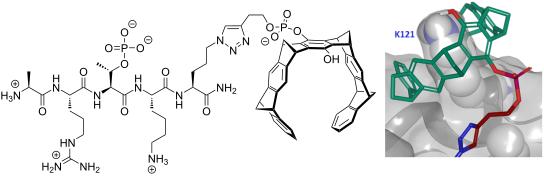
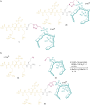
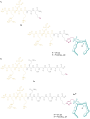
- methionine side chain was found in the crystal structure of the sulfonatocalix[4]arene (sclx4) with a trimeric RSL protein (Ralstonia solanacearum lectin, MK-RSL) that carried an engineered N-terminal Met-Lys extension [19], as well as in the protein P5CDH with a monophosphate-tweezer [20]. Close inspection




Get a better glimpse on sequential photoreactions of trisnorbornadienes with 19F NMR spectroscopy
Beilstein J. Org. Chem. 2026, 22, 527–534, doi:10.3762/bjoc.22.38
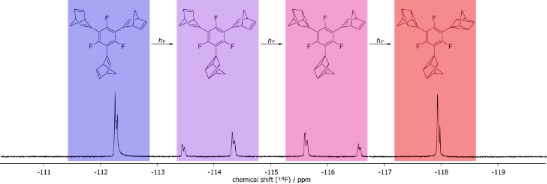
- variation often leads to a red-shifted absorption, the half-lives of the corresponding quadricyclanes are often decreased at the same time. In particular, the addition of an acetylene unit between the linking aromatic part and the norbornadiene often leads to short half-lives [29][30][31]. As arene-linked


Synthesis and uranyl(VI) extraction performance of a calix[4]pyrrole–tetrahydroxamic acid receptor
Beilstein J. Org. Chem. 2026, 22, 486–494, doi:10.3762/bjoc.22.36
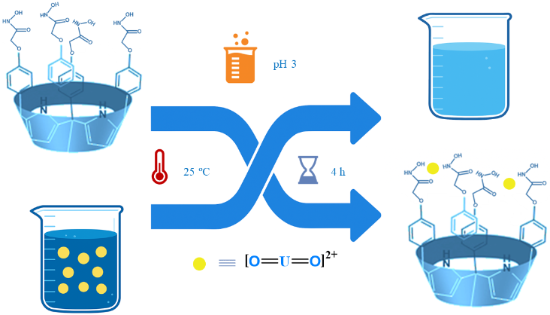
- window. For instance, calix[4]arene-based 8-hydroxyquinoline ligands showed nearly quantitative extraction of uranyl between pH 4 and 9, with efficiency decreasing under more acidic conditions [67]. Likewise, phosphoramide-functionalized magnetic nanoparticles showed high uranyl adsorption (80–95
- relevant example is a calix[6]arene functionalized with three hydroxamic acid groups, where a theoretical study using density functional theory (DFT) calculations showed that the complex with the uranyl is most stabilized when only two of the three hydroxamic acid units participate in binding [78]. This


Cone p-aminocalix[4]arenes enriched with ‘clickable’ alkyne or azide functionalities
Beilstein J. Org. Chem. 2026, 22, 399–415, doi:10.3762/bjoc.22.28
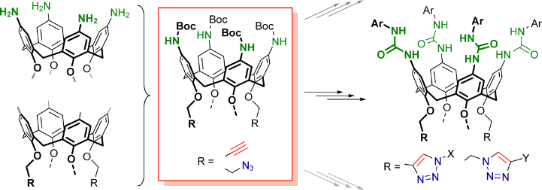
- different strategies were implemented to obtain propargylated and 2-azidoethylated p-aminocalixarenes. In the case of propargylated calixarenes, sterically crowding silyl protection was introduced into the alkyne groups of p-tert-butylcalix[4]arene (multiple) propargyl ethers, and the resulting compounds
- atoms and/or in the aromatic p-positions to them, which form respectively the narrow (lower) and wide (upper) rims of the calixarene macrocycle when it possesses a cone shape. Both the core functionalization and shape control strategies are most developed for calix[4]arene cores, and that is exactly why
- important functionalities which can be introduced into calix[4]arene structures either through a wide-rim exhaustive nitration followed by reduction of the nitro groups [5][6][7][8][9][10][11][12][13], or through azo coupling followed by cleavage of the calixarene azo compounds thus formed [14][15][16][17






Arene activation via π-bond localization: concepts and opportunities
Beilstein J. Org. Chem. 2026, 22, 257–273, doi:10.3762/bjoc.22.19
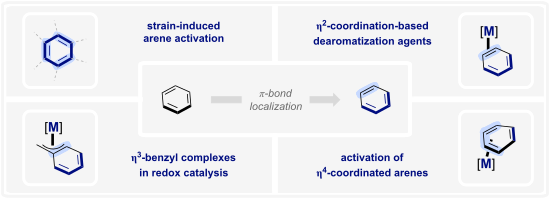
- in synthetic chemistry. In this review, we delineate the potential of π-bond localization within the aromatic framework as a general strategy for arene activation and dearomatization. Four distinct approaches are discussed, encompassing localization of the arene π-bonds through small-ring annelation
- highlighted. Collectively, these concepts create a roadmap for the development of new strategies that harness π-bond localization to expand the synthetic utility of aromatic compounds. Keywords: arene activation; arene functionalization; dearomatization; metal–arene π-complexes; strained molecules
- springboards to three-dimensional molecular architectures largely untapped (Figure 2A) [13]. Enforcing localization of the arene π-system achieves precisely this: it activates the arene through induction of an alkene-like character, thereby presenting a twofold opportunity: (1) to advance dearomative chemistry




Total synthesis of natural products based on hydrogenation of aromatic rings
Beilstein J. Org. Chem. 2026, 22, 88–122, doi:10.3762/bjoc.22.4
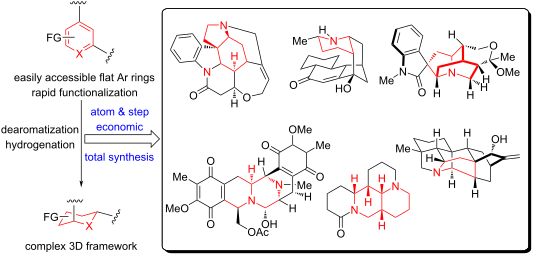
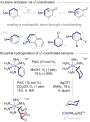
- synthesis of complex natural products and pharmaceutical agents. This review highlights recent advances in catalytic (hetero)arene hydrogenation, with a focus on its application in natural product synthesis. Keywords: aromatic rings; dearomatization; hydrogenation; natural products; total synthesis
- transformation into a broadly enabling strategy in complex molecule synthesis, yet a unified perspective connecting recent methodological advances with their strategic applications in the total synthesis of natural products remains lacking. Although several reviews discuss catalyst development for (hetero)arene
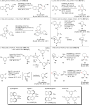
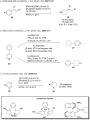
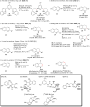
- by substrate class (monocyclic vs fused; heterocycle vs carbocycle), all catalytic systems must still address the fundamental selectivity challenges inherent to arene reduction – chemo-, regio-, and stereoselectivity. Chemoselectivity becomes particularly demanding when reducible groups such as











Visible-light-driven NHC and organophotoredox dual catalysis for the synthesis of carbonyl compounds
Beilstein J. Org. Chem. 2025, 21, 2584–2603, doi:10.3762/bjoc.21.200
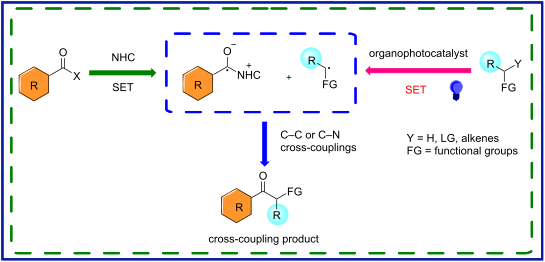
- higher oxidation potential (E1/2 = +1.52 V). This reaction was examined using different solvents, and it was found that toluene and 1,4-dioxane gave low yields (4–5% yield). Under blue LED irradiation, Ir-based PC is photoexcited, and its excited state is reductively quenched by the electron-rich arene
- is reductively quenched by arene 16, producing the corresponding aryl radical cation C and 3CzCIIPN•– (E1/2 red = +1.56 V vs SCE). PC•– then reduces the azolium ion A (E1/2 = −0.81 V vs SCE) to generate the ketyl radical B, thereby closing the photoredox catalysis cycle. 2-Methoxynaphthalene produced





Synthesis and characterization of a isothiouronium-calix[4]arene derivative: self-assembly and anticancer activity
Beilstein J. Org. Chem. 2025, 21, 2535–2541, doi:10.3762/bjoc.21.195
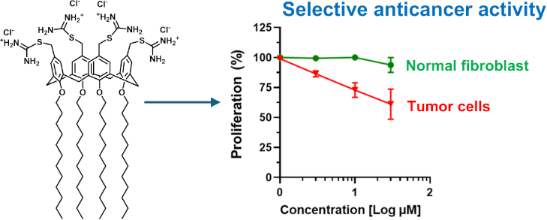
- , and low toxicity make calixarene derivatives valuable drug candidates against cancer. The aim of the present study was the synthesis and characterization of a calix[4]arene derivative in which known anticancer isothiouronium groups were clustered on a calix[4]arene scaffold bearing long C12 alkyl
- chains at the lower rim. The resulting amphiphilic calix[4]arene derivative 3 spontaneously self-assembled into nanoscale aggregates in aqueous medium, as demonstrated by dynamic light scattering analysis. The cytotoxicity of compound 3 towards cancer cells was assessed using human renal carcinoma cells
- confirmed by comparison with the calix[4]arene precursor (1) lacking these functional units. The selective antiproliferative profile of compound 3 highlights its potential as a lead anticancer agent. Moreover, compound 3 holds promise for further development in combination multidrug therapy due to the


Pentacyclic aromatic heterocycles from Pd-catalyzed annulation of 1,5-diaryl-1,2,3-triazoles
Beilstein J. Org. Chem. 2025, 21, 2524–2534, doi:10.3762/bjoc.21.194
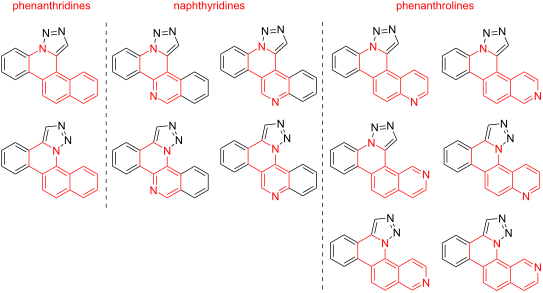
- other bioactive properties [37][38][39][40][41][42][43][44]. In contrast, examples of 1,5-diaryl-1,2,3-triazoles with quinoline or isoquinoline subunits are lacking [45]. The neighboring proximity of the arene subunits in such 1,5-regioisomers allows for potential intramolecular annulation to form
- impact on yield due to inverting the 1,2,3-triazole connectivity. With the goal of defining the physical and biological properties of these annulated pentacyclic aromatic heterocycles relative to their individual arene components, a “non-annulated” counterpart for each pentacyclic ring system was also
- prepared via base-catalyzed click reaction [53] of aryl azides with commercially available phenylacetylene. Due to the free rotation of the single bonds connecting each arene subunit to the bridging triazole ring, these 1,5-diaryl-1,2,3-triazole compounds can adopt significantly different overall molecular


Rotaxanes with integrated photoswitches: design principles, functional behavior, and emerging applications
Beilstein J. Org. Chem. 2025, 21, 2345–2366, doi:10.3762/bjoc.21.179

- include systems employing CBPQT4+ [43], cucurbit[7]uril [44], tetralactam [45], and pillar[5]arene [46]. Moreover, Qu and co-workers synthesized [2]rotaxanes with a biphenyl and an azobenzene acting as recognition units for an α-cyclodextrin macrocycle, which has two distinct fluorescent bulky groups as
- dendrimer that incorporates about 21 individual azobenzene-based rotaxanes serving as branches distributed within the dendrimer skeleton [50]. The [2]rotaxane consists of a pillar[5]arene macrocycle and an axle featuring a urea and alkyl chain as recognition sites. The azobenzene functioned as one of the
- property, in addition to facilitating their study and isolation, is advantageous for various applications. The first stiff-stilbene-based rotaxane was reported in 2018 [79]. This [1]rotaxane used stiff-stilbene as one of the stoppers, and its photoisomerization produced the translation of a pillar[5]arene


Insoluble methylene-bridged glycoluril dimers as sequestrants for dyes
Beilstein J. Org. Chem. 2025, 21, 2302–2314, doi:10.3762/bjoc.21.176
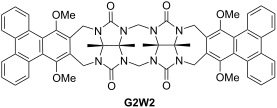
- , graphene functionalized with β-cyclodextrins [18], a starch-based β-cyclodextrin polymer [19], and pillar[5]arene-based crosslinked polymers have also been investigated as sequestrants for dyes [20]. The Isaacs group has a longstanding interest in the synthesis and mechanism of formation of macrocyclic
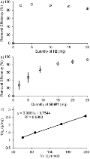
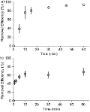
- uptake capacity of H2 for methylene blue, it must be substantially lower than that of previously reported pillar[5]arene (51 mg g−1) and calix[4]pyrrole (454 mg g−1) polymers [17][20]. Host G2W1 functions the best as sequestrant for methylene violet achieving an 87% removal efficiency when excess G2W1



Measuring the stereogenic remoteness in non-central chirality: a stereocontrol connectivity index for asymmetric reactions
Beilstein J. Org. Chem. 2025, 21, 1995–2006, doi:10.3762/bjoc.21.155
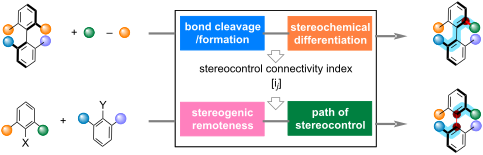
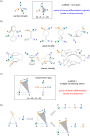
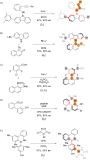
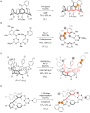
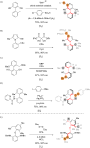
- representative of the stereochemical-determining elementary step. The stereocontrol connectivity indices can be extended to reactions that establish planar chirality (Scheme 5). In the case of metallocenes, the metal is considered to be σ-bonded to the arene ring for convenience. In other words, the centroid
- atom is treated as a pseudo-tetrahedral center, with the metal regarded as one of the substituents. Accordingly, a C–H activation reaction that forms planar chiral ferrocenes [18] is assigned as [30] (Scheme 5A). For cyclophanes, if the bond formation or cleavage is on the stereogenic arene, the
- the other hand, if the bond formation/cleavage is within the macrocycle, the stereochemical differentiation atoms are traced to the stereogenic arene. Therefore, the CALB-mediated esterification to cyclophenes [21] is [53], regardless of the length of the linkage (CH2)n (Scheme 5D). In recent years





Aryl iodane-induced cascade arylation–1,2-silyl shift–heterocyclization of propargylsilanes under copper catalysis
Beilstein J. Org. Chem. 2025, 21, 1984–1994, doi:10.3762/bjoc.21.154
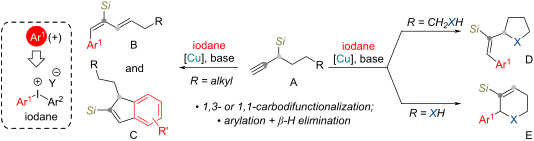
- synthetic potential of iodane-mediated carbofunctionalization under copper catalysis. Keywords: arylation reactions; copper-catalysis; iodanes; propargylsilanes; 1,2-silyl shift; Introduction Highly electrophilic hypervalent iodine(III) reagents are considered as arene electrophilic synthons, making them


Synthesis of N-doped chiral macrocycles by regioselective palladium-catalyzed arylation
Beilstein J. Org. Chem. 2025, 21, 1917–1923, doi:10.3762/bjoc.21.149
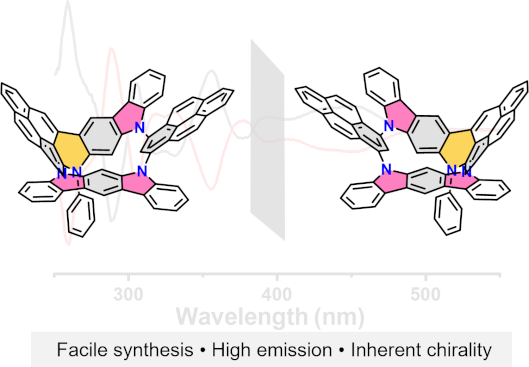
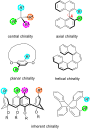
- , including molecular bowls [11][12][13] and medium-sized macrocycles containing a saddle-shaped eight-membered ring [14][15]. In the past decades, despite rapid progress in chiral macrocycles, inherent chirality is largely limited to calix[n]arene derivatives. This underscores a critical opportunity to




Chiral phosphoric acid-catalyzed asymmetric synthesis of helically chiral, planarly chiral and inherently chiral molecules
Beilstein J. Org. Chem. 2025, 21, 1864–1889, doi:10.3762/bjoc.21.145
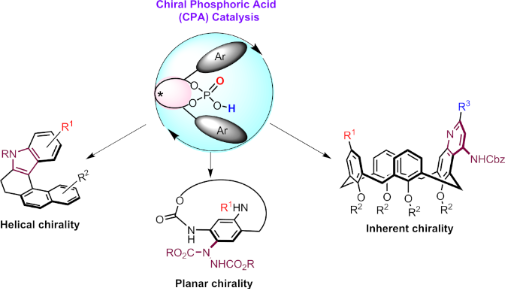
- for interconversion. However, steric repulsion between the C-1 substitutions and the terminal arene moieties in the M-conformational diastereomer resulted in the P-conformational diastereomer being thermodynamically favored. This led to the formation of (P)-helicene products following DDQ-mediated
- enantioselectivity, with an s-factor up to >259 (Scheme 7). Notably, this reaction did not produce the typical arene C–H amination products but instead the dearomative amination products 26, which is believed to be due to the significant steric hindrance surrounding the amination site that impeded the subsequent
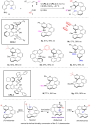
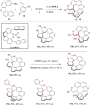
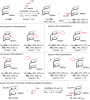
- the 1,3-phenyl rings (see 53d) or 1,3-diamino substitution (see 53e) on the calix[4]arene scaffold were also amenable to this method, which yielded a series of structurally diverse novel quinoline-containing inherently chiral calix[4]arenes. Moreover, by using CPA 4 as the optimal catalyst, the









Research progress on calixarene/pillararene-based controlled drug release systems
Beilstein J. Org. Chem. 2025, 21, 1757–1785, doi:10.3762/bjoc.21.139
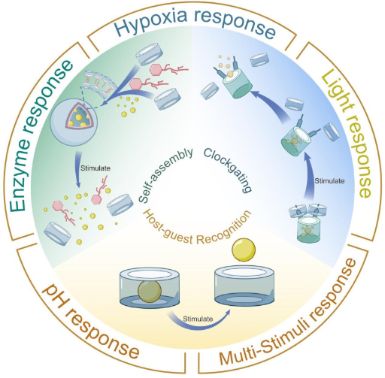
- molecules and high-selectivity binding in drug-controlled release. Many calix/pillar[n]arene hosts are soluble in water, particularly macrocycles that are modified with carboxyl and phosphate groups. Moreover, their amphiphilic modification ability allows easy self-assembly into functional materials like
- environment, which significantly enhances the density of π-electrons. This structural feature makes pillar[n]arenes particularly effective at encapsulating guest molecules that are either electron-deficient or neutral. For example, pillar[5]arene (PA5) has a strong binding affinity for neutral guest molecules
- drug design and therapeutic strategies. Notably, PA derivatives also exhibit specificity in recognizing important molecules in biological processes, such as acetylcholine [80], amino acids [81], doxorubicin (DOX) [82] and antibiotics [83], etc. Among the many derivatives, water-soluble pillar[5]arene






Continuous-flow-enabled intensification in nitration processes: a review of technological developments and practical applications over the past decade
Beilstein J. Org. Chem. 2025, 21, 1678–1699, doi:10.3762/bjoc.21.132
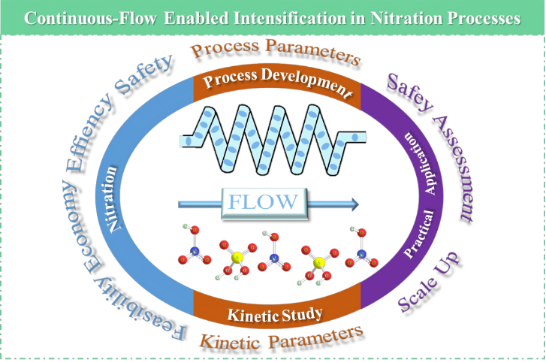
- reactions up to 2021, and summarized the characteristics of the main organic nitrating reagents discussed in their work [6]. Yang et al. developed 5-methyl-1,3-dinitro-1H-pyrazoleas a controllable nitronium ion source for mild, selective (hetero)arene nitration. This method achieves condition-controlled
- selective mono- or di-nitration and facilitates late-stage C–H nitration of biorelevant molecules, with DFT/mechanistic studies revealing synergistic 'nitro effect' and 'methyl effect' underlying the reactivity [7]. Jia et al. developed dinitro-5,5-dimethylhydantoin (DNDMH) as an efficient arene nitration



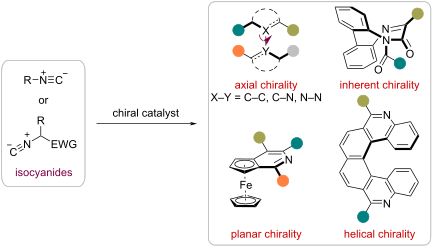
Catalytic asymmetric reactions of isocyanides for constructing non-central chirality
Beilstein J. Org. Chem. 2025, 21, 1648–1660, doi:10.3762/bjoc.21.129
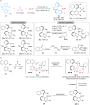
- chiral INT-C, which, after imine-enamine tautomerization, led to the formation of final product 28. α-Acidic isocyanide-based transformations De novo arene formation In 2019, Zhu and co-workers developed the first example of catalytic enantioselective Yamamoto–de Meijere pyrrole synthesis [36][37
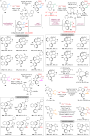
- ] between alkynyl ketones 33 and isocyanoacetates (Scheme 6) [38]. The success of this study not only adds a new entry to the de novo arene formation strategy [39][40] but also initiates the application of isocyanoacetates in constructing axial chirality. With Ag2O and quinine-derived amino-phosphine ligand




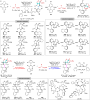
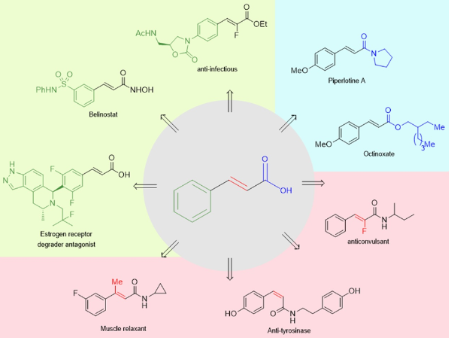
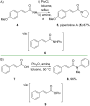
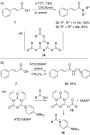
Recent advances in synthetic approaches for bioactive cinnamic acid derivatives
Beilstein J. Org. Chem. 2025, 21, 1031–1086, doi:10.3762/bjoc.21.85





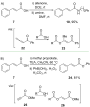


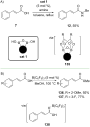


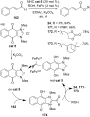


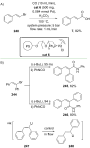


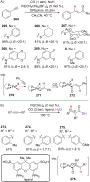


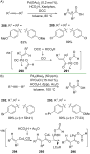


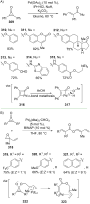
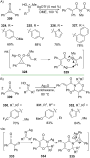


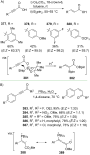


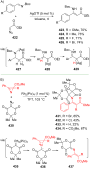


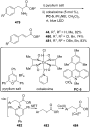


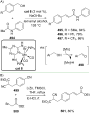
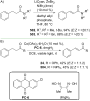


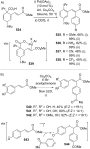


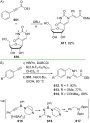


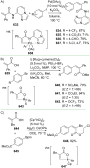
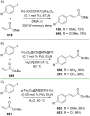

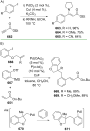


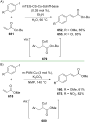


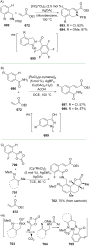




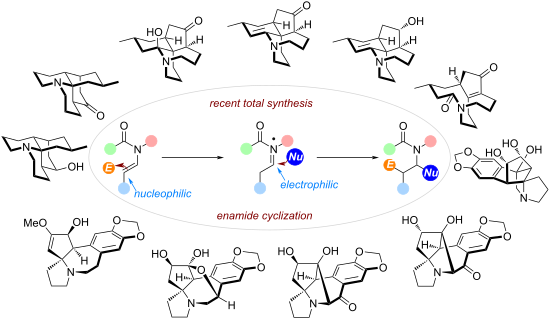
Recent total synthesis of natural products leveraging a strategy of enamide cyclization
Beilstein J. Org. Chem. 2025, 21, 999–1009, doi:10.3762/bjoc.21.81
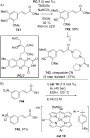
- . Optimization studies identified the tetraphenyl-substituted PyBox ligand L1 as particularly effective in controlling the stereochemistry of the polycyclization, yielding high enantioselectivity for most substrates. As illustrated in Scheme 5, tertiary enamides with a tethered electron-rich arene could undergo
- attack of the electron-rich arene on the acyliminium ion occurs from the Si-face. This stereochemical outcome is attributed to the steric discrepancy of the phenyl or tert-butyl group and the hydroxy group. The resulting tricyclic products could be further elaborated by elimination or amide reduction to
- diastereo- and enantioselectivities. The substituent on the enamide could be varied from aryl to tert-butyl groups, though the terminating aryl group still necessitates an electron-rich arene. As was found in their previous work, the steric hindrance of the phenyl or tert-butyl group was supposed to be




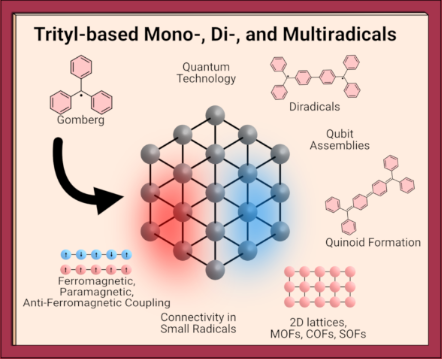
On the photoluminescence in triarylmethyl-centered mono-, di-, and multiradicals
Beilstein J. Org. Chem. 2025, 21, 964–998, doi:10.3762/bjoc.21.80









Dicarboxylate recognition based on ultracycle hosts through cooperative hydrogen bonding and anion–π interactions
Beilstein J. Org. Chem. 2025, 21, 884–889, doi:10.3762/bjoc.21.72
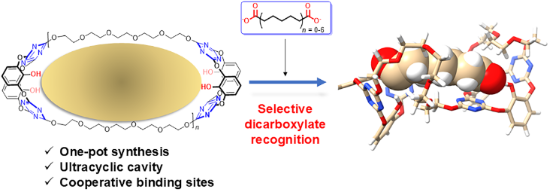
- , we report the design of ultracycles constructed from functional tetraoxacalix[2]arene[2]triazine submacrocycles. These submacrocycles feature hydroxy groups as hydrogen-bonding (HB) donors on the lower rim, which, in combination with electron-deficient triazines, create cooperative HB and anion–π
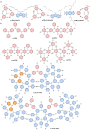
- ) solution of the compound at 4 °C, enabling structural analysis of the ultracycle. As illustrated in Figure 1, the backbone of B4aH adopts a Z-like shape with a flexible conformation. The two oxacalix[2]arene[2]triazine subcavities are positioned along the short axis in a staggered face-to-face arrangement





