


Search results
Search for "carbonyls" in Full Text gives 96 result(s) in Beilstein Journal of Organic Chemistry.
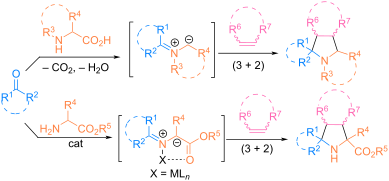
Synthesis of heterocycles based on azomethine ylides from α-amino acids (or amines) and carbonyl compounds
- Ekaterina V. Berezhnaya,
- Alexander I. Ponyaev,
- Vitali M. Boitsov and
- Alexander V. Stepakov
Beilstein J. Org. Chem. 2026, 22, 705–741, doi:10.3762/bjoc.22.55

Graphical Abstract

Scheme 1: Strategies for the preparation of pyrrolidine derivatives by (3 + 2) cycloaddition of azomethine yl...

Scheme 2: (3 + 2) Cycloaddition of iminoesters to dimethylmaleate.

Scheme 3: Cycloaddition of 1 with various dipolarophiles catalyzed by Ag(I)-L1.

Scheme 4: Cycloaddition of 1 with tert-butyl acrylate catalyzed by Ag(I)-L2.

Scheme 5: Cycloaddition of 1 with dimethyl maleate catalyzed by Cu(I)-L3.

Scheme 6: Cycloaddition of 1 with alkenes catalyzed by Zn(II)-t-Bu-BOX (L4).

Scheme 7: (3 + 2) Cycloaddition of iminoesters to acrylates.

Scheme 8: Catalytic double (3 + 2) cycloaddition to form pyrrolizidine derivatives.

Scheme 9: (3 + 2) Cycloaddition of iminoethers to vinyl phenyl sulfone.

Scheme 10: Regiodivergent and enantioselective synthesis of pyrrolidines 16 and 17.

Scheme 11: Substrate-controlled regioreversible "normal" and "incomplete" 1,3-dipolar cycloaddition.

Scheme 12: Enantioselective synthesis of exo-/endo-pyrrolidines.

Scheme 13: (3 + 2) Cycloaddition of iminoethers 21 to dipolarophiles 22–24.

Scheme 14: Synthesis of bicyclic pyrrolidines 29 from cyclopentene-1,3-diones.

Scheme 15: (3 + 2) Cycloaddition of aldimine esters and allyl alcohols using copper-ruthenium catalysis.

Scheme 16: Synthesis of 3,3-difluoro- and 3,3,4-trifluoropyrrolidine derivatives.

Scheme 17: Use of iminoesters from natural compounds and pharmaceuticals for reactions with 1,1-difluoro- and ...

Scheme 18: Reaction of iminoesters with 1,3-enynes.

Scheme 19: Synthesis of pyrrolidines from iminoesters and vinyl(hetero)arenes.

Scheme 20: Synthesis of exo-pyrrolidines 42 and 43.

Scheme 21: Enantioselective synthesis of heteroarylpyrrolidines 45 and 46.

Scheme 22: Catalytic reaction of (3 + 2) cycloaddition of imines 12 to benzofulvenes 47.

Scheme 23: Fullerene as a dipolarophile in (3 + 2) cycloaddition reactions.

Scheme 24: Asymmetric synthesis of optically active tetrasubstituted pyrrolidines 54.

Scheme 25: (3 + 2) Cycloaddition reaction of imines 55 and α,β-unsaturated aldehydes.

Scheme 26: Probable mechanism of enantioselective (3 + 2) cycloaddition of azomethine ylides to α,β-unsaturate...

Scheme 27: Cycloaddition between iminoesters 12 and sulfinylimines 58.

Scheme 28: (3 + 2) Cycloaddition between triarylideneacetylacetone and azomethine ylides in the presence of ti...

Scheme 29: Stereoselective synthesis of decahydropyrrolo[2,1,5-cd]indolizine 66.

Scheme 30: Synthesis of policyclic derivatives 71 and 72.

Scheme 31: Catalytic аsymmetric (3 + 2) сycloaddition of 2-pyridylimines with N-methylmaleimide.

Scheme 32: Catalytic аsymmetric (3 + 2) сycloaddition of 2-pyridylimines 1 with other dipolarophiles.

Scheme 33: Enantioselective (3 + 2) cycloaddition of silylimine with various dipolarophiles.

Scheme 34: Proposed mechanism of formation of pyrrolidines 78.

Scheme 35: Synthesis of polyheterocyclic pyrrolidines 82–91.

Scheme 36: Synthesis of spirocyclic (95) and fused (96) pyrrolidines.

Scheme 37: (3 + 2) Cycloaddition involving aromatic aldehydes 97, N-propargylmaleimide (98) and α-amino acids ...

Scheme 38: Synthesis of pyrrolizidines 106 and by-product 107.

Scheme 39: Iridium-catalyzed three-component cascade (3 + 2) cycloaddition.

Scheme 40: Intramolecular (3 + 2) cycloaddition of N-alkenylpyrrole-2-carbaldehyde 110 and α-amino acids.

Scheme 41: Three-component (3 + 2) cycloaddition involving fullerene.

Scheme 42: Four-component stereoselective one-pot synthesis of spiro-cycloadducts 119–122.

Scheme 43: Reactions of azomethine ylide 123 with cyclopropenes.

Scheme 44: Three-component reactions involving ninhydrin, cyclopropenes and acyclic α-amino acids.

Scheme 45: Reaction of cyclopropenes 138 with the N-protonated form of Ruhemann purple 137.

Scheme 46: Enantioselective (3 + 2) cycloaddition of azomethine ylides generated in situ from isatins and amin...

Scheme 47: (3 + 2) Cycloaddition of cyclohexenone 143, isatins 140 and aminomalonic diesters 141, catalyzed by...

Scheme 48: Enantioselective (3 + 2) cycloaddition of azomethine ylides generated in situ from isatins and amin...

Scheme 49: Enantioselective (3 + 2) cycloaddition of azomethine ylides generated in situ from isatins and benz...

Scheme 50: (3 + 2) Cycloaddition involving isatins, azetidine-2-carboxylic acid, maleimides or itaconimides.

Scheme 51: (3 + 2) Cycloaddition involving isatins, amino acids and tetraethylvinylidenebis(phosphonate).

Scheme 52: Synthesis of spirooxindoles 156 from triarylideneacetylacetones 155.

Scheme 53: Synthesis of spirooxindole derivatives 157–160.

Scheme 54: Synthesis of hybrid spiro-heterocycles 164–166.

Scheme 55: Formation of azomethine ylide from isatin and sarcosine.

Scheme 56: (3 + 2) Cycloaddition involving isatins, amino acids and trans-3-benzoylacrylic acid.

Scheme 57: Regioselective synthesis of spirooxindoles 170.

Scheme 58: Synthesis of hybrid spiro-heterocycles 86.

Scheme 59: (3 + 2) Cycloaddition involving acenaphthenequinones, amino acids and cyclopropenes.

Scheme 60: Synthesis of hybrid glyco-3-nitrochromane cycloadducts 179.

Scheme 61: Synthesis of spiro[indenoquinoxaline-(thia)pyrrolizidines] 90a.

Scheme 62: Three-component reactions of cyclopropenes, 11H-indeno[1,2-b]quinoxalin-11-onesand α-amino acids, s...

Scheme 63: Synthesis of hybrid glyco-3-nitrochromane cycloadducts 92.

Scheme 64: (3 + 2) Cycloaddition of 11H-benzo[4,5]imidazo[1,2-a]indol-11-one (189) with cyclopropenes and male...

Scheme 65: Diastereoselective synthesis of spiro derivatives of barbituric acid from alloxan 193, α-amino acid...

Scheme 66: Probable mechanism of formation of azomethine ylide from alloxan and ʟ-proline.

Scheme 67: Three-component reactions involving tryptanthrin 196, α-amino acids and cyclopropenes.
Ring contraction and ring expansion reactions in terpenoid biosynthesis and their application to total synthesis
- Nicolas Kratena,
- Nicolas Heinzig and
- Peter Gärtner
Beilstein J. Org. Chem. 2026, 22, 289–343, doi:10.3762/bjoc.22.21
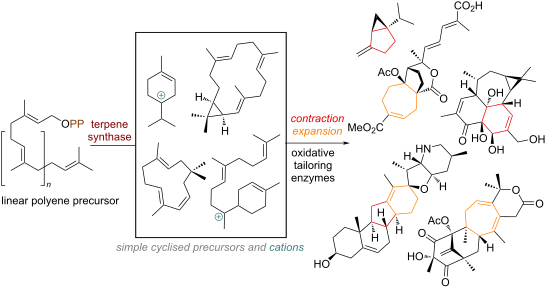

Graphical Abstract

Scheme 1: Mechanistic overview of enzymes involved in ring-size-altering reactions: A: Difference in ionisati...

Scheme 2: A: Ring contraction through involvement of carbocationic intermediates in thujane monoterpene biosy...

Scheme 3: Examples of concerted ring expansions of carbocation intermediates in PxaTPS8-catalysed cyclisation...

Scheme 4: Sequential ring expansions during astellifadiene (17) synthesis reported by Abe and co-workers.

Scheme 5: Cyclobutane ring expansion and sequential ring contractions catalysed by the synthase AITS in the b...

Scheme 6: Ring expansion and transannular ring contraction of a cyclopentane to cyclobutane in the biosynthes...

Scheme 7: Computationally elucidated concerted cyclisations/alkyl/hydride shifts during the biosynthesis of t...

Scheme 8: Cyclisation events and 6→5-ring contraction during the construction of epi-isozizaene (26) catalyse...

Scheme 9: Transannular cyclisations and 4→5-membered ring expansion through dyotropic 1,2-rearrangement of al...

Scheme 10: Ring expansion in presilphiperfolan-8b-ol (31) biosynthesis and ring contraction of the presilphipe...

Scheme 11: Ring contraction via transannular cyclopropanation and opening of cyclopropane in the biosynthesis ...

Scheme 12: The crucial CYP450-catalysed oxidative rearrangement defining the skeleton in gibberellin biosynthe...

Scheme 13: CYP450-mediated oxidation of cyclopentane methylene expanding the 8-membered ring in the biosynthes...

Scheme 14: CYP450-mediated oxidation of an exocyclic methyl group to effect transannular cyclisation across th...

Scheme 15: Non-enzymatic transannular aldol reaction enables the formation of the 5/13/3-tricyclic ring system...

Scheme 16: A: Oxidative ring expansion of a cyclopentane by incorporation of a methyl group in the biosynthesi...

Scheme 17: Rearrangement and ring expansion in the construction of the complex bridged carbon framework of and...

Scheme 18: Ketoglutarate-mediated oxidations of preaustinoid A1 (53) en route to complex meroterpenoids, B-rin...

Scheme 19: Proposed putative biosynthetic formation of the tigliane skeleton from an E,E,Z-triene.

Scheme 20: Photocatalytic tandem ring expansion/contraction of santonin to give photosantonin products and gua...

Scheme 21: A: Proposed biosynthesis of stelleroid B (66) from stelleranoid I (65) by ketol rearrangement; B: o...

Scheme 22: Singular examples of A,B-ring contractions and expansions in the biosynthesis of sesquiterpenoids e...

Scheme 23: A: plausible proposed biosynthetic pathway for the tigliane/ingenane skeletal rearrangement and 1,2...

Scheme 24: A: Multiple ring-size alterations during xenovulene A (90) biosynthesis; B: Ring contraction and re...

Scheme 25: Proposed biosyntheses of the complex, polycyclic terpenoid illisimonin A (97) and the bridged antro...

Scheme 26: Proposed biogenetic origin for the meroterpenoid liphagal (104) via epoxide-mediated ring expansion....

Scheme 27: Proposed biogenetic origin for the ring-contracted members of the taiwaniaquinol family.
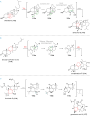
Scheme 28: A: Schenck ene/Hock/Aldol cascade effecting B-ring contraction in atheronal B (113); B: Selective C...
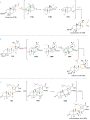
Scheme 29: A: D-ring expansion of buxenone (118) via cyclopropanation towards buxaustroine A (119); B: Propose...

Scheme 30: Biosynthetic origin of alstoscholarinoids A (124) and B (125) via cascade oxidative rearrangement c...

Scheme 31: Biogenetic origin of the hedgehog signalling inhibitor cyclopamine (129) by tandem ring contraction...

Scheme 32: Proposed biogenetic origin of the B-ring contracted spirocyclic triterpenoid spirochensilide A (131...

Scheme 33: A: Proposed B-ring contraction during the biosynthesis of holophyllane A (133); B: B-ring contracti...

Scheme 34: Radical and ionic/polar mechanisms for the C-ring-contracted triterpenoids phomopsterone B (139) an...

Scheme 35: A: Plausible mechanism for the formation of schiglautone A (144) from anwuweizic acid (145); B: Pro...

Scheme 36: Reported biosynthetic proposal for the formation of B-ring expanded triterpenoids rhodoterpenoids A...

Scheme 37: A: Final reaction step in the synthesis of euphorikanin A (154), benzilic acid-type ring contractio...

Scheme 38: Tricyclic ring expansion in the Gui synthesis of gibbosterol A (158) and sarocladione (160) via Ru-...

Scheme 39: A: A-ring expansion during the Gui synthesis of rubriflordilactone B (161); B: Mechanism for the bi...

Scheme 40: Photosantonin rearrangement effects A/B ring contraction/expansion in Li’s synthesis of the complex...

Scheme 41: Tandem A/B ring expansion/contraction of an ergosterol derivative via pinacol rearrangement in the ...

Scheme 42: Synthetic studies towards cyclocitrinol (179) by A) the semisynthetic approach by Gui et al. using ...

Scheme 43: A: Bioinspired synthesis of spirochensilide A (131) by the Heretsch group via selective 8,9-epoxida...
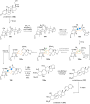
Scheme 44: Baran’s synthesis of cortistatin A (191), expanding the B-ring through a cyclopropane fragmentation....

Scheme 45: Ding’s total synthesis of retigeranic acid (198) showcasing sequential 6→5 ring contractions.

Scheme 46: A: Oxa-di-π-methane (ODPM) rearrangement of a bicyclic ketone en route to silphiperfolenone (203); ...

Scheme 47: Biomimetic synthesis of liphagal (104) from sclareolide (221) by George and co-workers.

Scheme 48: Wu’s bioinspired synthesis of cucurbalsaminones B (224) and C (225) by photocatalytic oxa-di-π-meth...

Scheme 49: Baran’s total synthesis of maoecrystal V (230) featuring a pinacol rearrangement for ring expansion...

Scheme 50: A: Ketol rearrangement leading to ring contraction in the total synthesis of preaustinoid B; B: Ben...

Scheme 51: A: Scheidt’s synthesis of isovelleral (251) by pinacol rearrangement triggered by Mitsunobu conditi...

Scheme 52: Biomimetic transformations of simplified test substrates related to Euphorbia diterpenoids.

Scheme 53: A: First generation synthesis of taiwaniaquinones by benzilic acid-type rearrangement of the B-ring...

Scheme 54: A: Norrish type 1 radical recombination leading to ring contraction en route to cuparenone (272): 1...

Scheme 55: Ring contraction of a bridged D-ring system in the total synthesis of andrastatin D (280), terrenoi...

Scheme 56: Biomimetic synthesis of hyperjapone A (284) and hyperjaponol C (285) by George et al.

Scheme 57: Heretsch’ synthesis of dankastarones A (288) and B (289), swinhoeisterol A (290), and periconiaston...

Scheme 58: A: Zhang’s ring contraction during the synthesis of stemar-13-ene (295) by pinacol rearrangement; B...

Scheme 59: Trauner’s biomimetic synthesis of preuisolactone A (307) featuring a ring contraction via benzilic ...

Scheme 60: Bioinspired approaches for ring contraction/expansion reactions in the synthesis of alstoscholarino...

Scheme 61: A: Sarpong and Li, Wang and co-workers’ ring expansion of cephanolide A (313) to reach harringtonol...
Total synthesis of natural products based on hydrogenation of aromatic rings
- Haoxiang Wu and
- Xiangbing Qi
Beilstein J. Org. Chem. 2026, 22, 88–122, doi:10.3762/bjoc.22.4
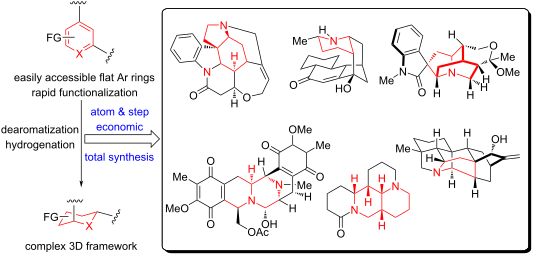
- olefins or carbonyls are present, often requiring fine-tuning of the reaction conditions to prevent overreduction. Disruption of aromaticity also creates multiple potential reduction sites, and subtle electronic or substituent differences can lead to regioisomers, especially in polysubstituted or fused

Graphical Abstract

Scheme 1: The association between dearomatization and natural product synthesis.

Scheme 2: Key challenges in hydrogenation of aromatic rings.
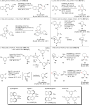
Scheme 3: Hydrogenation of heterocyclic aromatic rings.
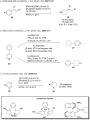
Scheme 4: Hydrogenation of the carbocyclic aromatic rings.
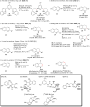
Scheme 5: Hydrogenation of the heterocycle part in bicyclic aromatic rings.
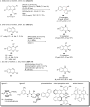
Scheme 6: Hydrogenation of the heterocycle part in bicyclic aromatic rings.
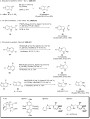
Scheme 7: Hydrogenation of benzofuran, indole, and their analogues.
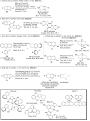
Scheme 8: Hydrogenation of benzofuran, indole, and their analogues.

Scheme 9: Total synthesis of (±)-keramaphidin B by Baldwin and co-workers.

Scheme 10: Total synthesis of (±)-LSD by Vollhardt and co-workers.

Scheme 11: Total synthesis of (±)-dihydrolysergic acid by Boger and co-workers.

Scheme 12: Total synthesis of (±)-lysergic acid by Smith and co-workers.

Scheme 13: Hydrogenation of (−)-tabersonine to (−)-decahydrotabersonine by Catherine Dacquet and co-workers.

Scheme 14: Total synthesis of (±)-nominine by Natsume and co-workers.
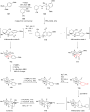
Scheme 15: Total synthesis of (+)-nominine by Gin and co-workers.

Scheme 16: Total synthesis of (±)-lemonomycinone and (±)-renieramycin by Magnus.

Scheme 17: Total synthesis of GB13 by Sarpong and co-workers.

Scheme 18: Total synthesis of GB13 by Shenvi and co-workers.

Scheme 19: Total synthesis of (±)-corynoxine and (±)-corynoxine B by Xia and co-workers.
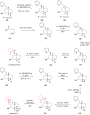
Scheme 20: Total synthesis of (+)-serratezomine E and the putative structure of huperzine N by Bonjoch and co-...

Scheme 21: Total synthesis of (±)-serralongamine A and the revised structure of huperzine N and N-epi-huperzin...

Scheme 22: Early attempts to indenopiperidine core.

Scheme 23: Homogeneous hydrogenation and completion of the synthesis.
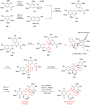
Scheme 24: Total synthesis of jorunnamycin A and jorumycin by Stoltz and co-workers.

Scheme 25: Early attempt towards (−)-finerenone by Aggarwal and co-workers.

Scheme 26: Enantioselective synthesis towards (−)-finerenone.

Scheme 27: Total synthesis of (+)-N-methylaspidospermidine by Smith, Grigolo and co-workers.

Scheme 28: Dearomatization approach towards matrine-type alkaloids.

Scheme 29: Asymmetric total synthesis to (−)-senepodine F via an asymmetric hydrogenation of pyridine.

Scheme 30: Selective hydrogenation of indole derivatives and application.
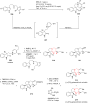
Scheme 31: Synthetic approaches to the oxindole alkaloids by Qi and co-workers.

Scheme 32: Total synthesis of annotinolide B by Smith and co-workers.
Photochemical reduction of acylimidazolium salts
- Michael Jakob,
- Nick Bechler,
- Hassan Abdelwahab,
- Fabian Weber,
- Janos Wasternack,
- Leonardo Kleebauer,
- Jan P. Götze and
- Matthew N. Hopkinson
Beilstein J. Org. Chem. 2025, 21, 1973–1983, doi:10.3762/bjoc.21.153
- ; carbonyls; NHCs; photochemistry; reduction; Introduction The introduction and exploration of N-heterocyclic carbenes (NHCs) ranks among the most important developments in chemistry research of the last 30 years [1][2][3]. In addition to their numerous valuable roles as ligands, including for important

Graphical Abstract

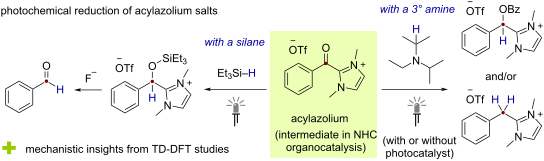
Figure 1: (a) Combining N-heterocyclic carbene (NHC) organocatalysis with photoredox catalysis for radical–ra...

Figure 2: Initial test reaction employing [Ir(dF(CF3)ppy)2(dtbpy)]PF6 as a photocatalyst in the presence of D...

Scheme 1: Plausible mechanism for the photocatalytic reduction of benzoylimidazolium salt 1 with DIPEA. [PC] ...

Scheme 2: Plausible mechanism for the photocatalyst-free reduction of benzoylimidazolium salt 1 into O-benzoy...

Figure 3: Reduction of 2-benzoylimidazolium triflate (1) under photocatalyst-free conditions monitored over 4...

Scheme 3: (a) Reduction of 2-benzoylimidazolium triflate (1) under photocatalyst-free conditions with DIPEA a...
Stereoselective electrochemical intramolecular imino-pinacol reaction: a straightforward entry to enantiopure piperazines
- Margherita Gazzotti,
- Fabrizio Medici,
- Valerio Chiroli,
- Laura Raimondi,
- Sergio Rossi and
- Maurizio Benaglia
Beilstein J. Org. Chem. 2025, 21, 1897–1908, doi:10.3762/bjoc.21.147
- development of technology-driven sustainable strategies to alfa and beta amination of carbonyls and carboxylic acids derivatives- TECHNO”, financed by EU - Next Generation EU, Mission 4 Component 1 CUP G53D23003280006. M. Gazzotti thanks Università degli Studi di Milano for a PhD fellowship.

Graphical Abstract

Scheme 1: Synthesis of vicinal diamines via imino-pinacol coupling in the presence of metal-based reductants.

Scheme 2: Light-promoted imino-pinacol coupling for the synthesis of vicinal diamines.
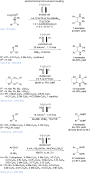
Scheme 3: Historical perspective on electrochemical imino-coupling protocols.

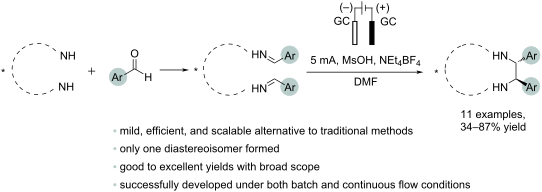
Scheme 4: Stereoselective electroreductive intramolecular imino-pinacol reaction.
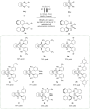
Scheme 5: Scope of the imino-pinacol coupling reaction. Reaction conditions: GC electrodes, NEt4BF4 (2.6 equi...

Figure 1: X-ray determined structure of chiral piperazine 2b.

Scheme 6: Continuous flow synthesis of piperazine 2a. The yield was determined by 1H NMR spectroscopy using 1...

Scheme 7: Proposed reaction mechanism.

Scheme 8: Cyclic voltammetry investigation. Cyclic voltammetry of a 0.325 M solution of Et4NBF4 in DMF (light...
Preparation of spirocyclic oxindoles by cyclisation of an oxime to a nitrone and dipolar cycloaddition
- Beth L. Ritchie,
- Alexandra Longcake and
- Iain Coldham
Beilstein J. Org. Chem. 2025, 21, 1890–1896, doi:10.3762/bjoc.21.146
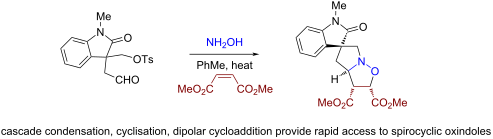
- stereoisomer has the ring-junction NC–H bond, the imide carbonyls, and the oxindole carbonyl all cis to one another across the two newly formed rings. This must arise from a preference for an exo transition state that places the incoming maleimide away from the oxindole carbonyl. The cascade chemistry allows
- same stereochemical outcome predominates. There are two possible exo transition states, both of which avoid steric (and electronic clash) of the dipolarophile carbonyls with the oxindole. Of these, the preference appears to be for the dipolarophile carbonyl groups, in this case for dimethyl maleate, to

Graphical Abstract

Figure 1: Representative oxindole alkaloids.

Scheme 1: Proposed synthetic approach.

Scheme 2: Preparation of the aldehyde 4.

Scheme 3: Cycloaddition with N-methylmaleimide.

Figure 2: Orientation for the cycloaddition (left) and the crystal structure of the major stereoisomer 5a (ri...

Scheme 4: Cycloaddition with N-phenylmaleimide.

Scheme 5: Cycloaddition with dimethyl fumarate and dimethyl maleate.
Oxetanes: formation, reactivity and total syntheses of natural products
- Peter Gabko,
- Martin Kalník and
- Maroš Bella
Beilstein J. Org. Chem. 2025, 21, 1324–1373, doi:10.3762/bjoc.21.101
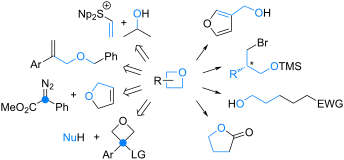
- base [5]. In fact, its hydrogen-bond-accepting ability is even stronger than that of the other 3-, 5- and 6-membered cyclic ethers, as well as the carbonyls of aldehydes, ketones, esters and carbonates [6][7][8]. The only better carbonyl-based hydrogen-bond acceptors are amides, carbamates and ureas [9
- (Figure 2) [10][11][12]. As for the analogy to carbonyls, oxetanes display comparable polarity, spatial arrangement of the oxygen lone pairs and hydrogen-bond-accepting ability. In addition, they possess one major advantage and that is greater metabolic stability: while carbonyl groups are susceptible to
- categorised into 6 synthetic strategies as depicted in Scheme 1: a) C–O bond-forming cyclisations, b) C–C bond-forming cyclisations, c) [2 + 2] cycloadditions between carbonyls and alkenes, d) ring expansions, e) ring contractions and f) O–H insertions. In the following subchapters, these strategies will be

Graphical Abstract

Figure 1: Bond lengths and bond angles in oxetane at 140 K [2].

Figure 2: Analogy of 3-substituted oxetanes to carbonyl and gem-dimethyl groups [12].

Figure 3: Use of oxetanes in drug design – selected examples.

Figure 4: Examples of oxetane-containing natural products.

Scheme 1: Synthetic strategies towards construction of the oxetane ring.

Scheme 2: Overview of intramolecular Williamson etherification and competing Grob fragmentation.

Scheme 3: Synthesis of spiro-oxetanes via 1,4-C–H insertion and Williamson etherification.

Scheme 4: Use of phenyl vinyl selenone in the synthesis of spirooxindole oxetanes.

Scheme 5: Synthesis of bicyclic 3,5-anhydrofuranoses via double epoxide opening/etherification.

Scheme 6: Preparation of spirooxetanes by cycloisomerisation via MHAT/RPC.

Scheme 7: Oxetane synthesis via alcohol C–H functionalisation.

Scheme 8: Access to oxetanes 38 from α-acetyloxy iodides.

Scheme 9: The kilogram-scale synthesis of oxetane intermediate 41.

Scheme 10: Overview of the intramolecular opening of 3-membered rings.

Scheme 11: Synthesis of 4,7-dioxatricyclo[3.2.1.03,6]octane skeletons.

Scheme 12: Silicon-directed electrophilic cyclisation of homoallylic alcohols.

Scheme 13: Hydrosilylation–iodocyclisation of homopropargylic alcohols.

Scheme 14: Cu-catalysed intramolecular O-vinylation of γ-bromohomoallylic alcohols.

Scheme 15: Cu-catalysed intramolecular cross-coupling of hydroxyvinylstannanes.

Scheme 16: Isomerisation of oxiranyl ethers containing weakly carbanion-stabilising groups.

Scheme 17: Cyclisation of diethyl haloalkoxymalonates.

Scheme 18: Synthesis of oxetanes through a 1,5-HAT/radical recombination sequence.

Scheme 19: General approach to oxetanes via [2 + 2] cycloadditions.

Scheme 20: Synthesis of tricyclic 4:4:4 oxetanes through a photochemical triple cascade reaction.

Scheme 21: Iridium-catalysed Paternò–Büchi reaction between α-ketoesters and simple alkenes.

Scheme 22: Three-step synthesis of spirocyclic oxetanes 83 via Paternò–Büchi reaction, nucleophilic ring openi...

Scheme 23: Enantioselective Paternò–Büchi reaction catalysed by a chiral iridium photocatalyst.

Scheme 24: Synthesis of polysubstituted oxetanes 92 via Cu(II)-mediated formal [2 + 2] cycloadditions.

Scheme 25: Synthesis of alkylideneoxetanes via NHC- and DBU-mediated formal [2 + 2] cycloadditions.

Scheme 26: Use of sulphur-stabilised carbanions in ring expansions.

Scheme 27: Synthesis of α,α-difluoro(arylthio)methyl oxetanes.

Scheme 28: Ring expansion in an industrial synthesis of PF-06878031.

Scheme 29: Ring contraction of triflated 2-hydroxy-γ-lactones.

Scheme 30: Ring contraction in an industrial synthesis of PF-06878031.

Scheme 31: Photochemical ring contraction of 2,5-dihydrofurans by aryldiazoacetic acid esters.

Scheme 32: Synthesis of 3-oxetanones via O-H insertion of carbenes.

Scheme 33: Synthesis of phosphonate oxetanones via gold-mediated alkyne oxidation/O–H insertion.

Scheme 34: Syntheses and common derivatisations of 3-oxetanone.

Scheme 35: SN1 substitution of 3-aryloxetan-3-ols by thiols and alcohols.

Scheme 36: Fe–Ni dual-catalytic olefin hydroarylation towards 3-alkyl-3-(hetero)aryloxetanes.

Scheme 37: Synthesis of 3-aryloxetan-3-carboxylic acids.

Scheme 38: Decarboxylative alkylation of 3-aryloxetan-3-carboxylic acids.

Scheme 39: Synthesis of 3-amino-3-aryloxetanes via photoredox/nickel cross-coupling catalysis.
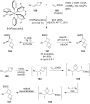
Scheme 40: Intermolecular cross-selective [2 + 2] photocycloaddition towards spirooxetanes.

Scheme 41: Synthesis of 3-aryl-3-aminooxetanes via defluorosulphonylative coupling.

Scheme 42: Two-step synthesis of amide bioisosteres via benzotriazolyl Mannich adducts 170.

Scheme 43: Functionalisation of oxetanyl trichloroacetimidates 172.

Scheme 44: Synthesis of oxetane-amino esters 176.

Scheme 45: Tandem Friedel–Crafts alkylation/intramolecular ring opening of 3-aryloxetan-3-ols.

Scheme 46: Synthesis of polysubstituted furans and pyrroles.

Scheme 47: Synthesis of oxazolines and bisoxazolines.

Scheme 48: Tandem, one-pot syntheses of various polycyclic heterocycles.

Scheme 49: Synthesis of 1,2-dihydroquinolines via skeletal reorganisation of oxetanes.

Scheme 50: Synthesis of benzoindolines and 2,3-dihydrobenzofurans and their derivatisations.

Scheme 51: Synthesis of polysubstituted 1,4-dioxanes.

Scheme 52: Preparation of various lactones via ring opening of oxetane-carboxylic acids 219.

Scheme 53: Tsuji-Trost allylation/ring opening of 3-aminooxetanes.

Scheme 54: Arylative skeletal rearrangement of 3-vinyloxetan-3-ols to 2,5-dihydrofurans.

Scheme 55: Reductive opening of oxetanes using catalytic Mg–H species.

Scheme 56: Opening of oxetanes by silyl ketene acetals.

Scheme 57: Rhodium-catalysed hydroacylation of oxetanes.

Scheme 58: Generation of radicals from oxetanes mediated by a vitamin B12-derived cobalt catalyst.

Scheme 59: Reductive opening of oxetanes by B–Si frustrated Lewis pairs.
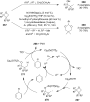
Scheme 60: Zirconocene-mediated reductive opening of oxetanes.

Scheme 61: Enantioselective syntheses of small and medium-size rings using chiral phosphoric acids.

Scheme 62: Asymmetric synthesis of 2,3-dihydrobenzo[b]oxepines catalysed by a chiral scandium complex.

Scheme 63: Enantioselective synthesis of 1,3-bromohydrins under a chiral squaramide catalysis.

Scheme 64: Enantioselective opening of 2-aryl-2-ethynyloxetanes by anilines.

Scheme 65: Ru-catalysed insertion of diazocarbonyls into oxetanes.

Scheme 66: Ring expansion of oxetanes by stabilised carbenes generated under blue light irradiation.

Scheme 67: Expansion of oxetanes via nickel-catalysed insertion of alkynyltrifluoroborates.

Scheme 68: Nickel-catalysed expansion of oxetanes into ε-caprolactones.

Scheme 69: Expansion of oxetanes via cobalt-catalysed carbonyl insertion.

Scheme 70: Gold-catalysed intramolecular 1,1-carboalkoxylation of oxetane-ynamides.

Scheme 71: Expansion of oxetanes by stabilised sulphoxonium ylides.

Scheme 72: Cu-catalysed ring expansion of 2-vinyloxetanes by diazoesters.

Scheme 73: Total synthesis of (+)-oxetin.

Scheme 74: Total synthesis of racemic oxetanocin A.

Scheme 75: Total synthesis of (−)-merrilactone A.
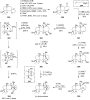
Scheme 76: Total synthesis of (+)-dictyoxetane.

Scheme 77: Total synthesis of ent-dichrocephone B.

Scheme 78: Total synthesis of (−)-mitrephorone A.
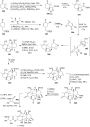
Scheme 79: Total synthesis of (−)-taxol.
Recent advances in oxidative radical difunctionalization of N-arylacrylamides enabled by carbon radical reagents
- Jiangfei Chen,
- Yi-Lin Qu,
- Ming Yuan,
- Xiang-Mei Wu,
- Heng-Pei Jiang,
- Ying Fu and
- Shengrong Guo
Beilstein J. Org. Chem. 2025, 21, 1207–1271, doi:10.3762/bjoc.21.98
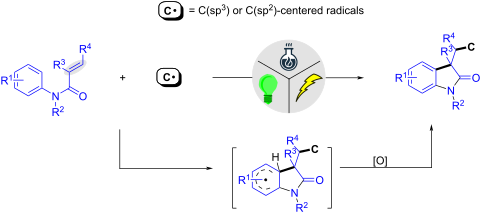
- olefinic carbonyls with α-bromoalkylcarbonyls promoted by tert-butyl hydroperoxide (TBHP) and Et3N was developed by Li’s group in 2019 (Scheme 31) [19]. The reaction relied on a Ag-catalyzed concomitant intramolecular annulation process, and presented a broad substrate scope, excellent levels of

Graphical Abstract

Scheme 1: DTBP-mediated oxidative alkylarylation of activated alkenes.

Scheme 2: Iron-catalyzed oxidative 1,2-alkylarylation.

Scheme 3: Possible mechanism for the iron-catalyzed oxidative 1,2-alkylation of activated alkenes.

Scheme 4: A metal-free strategy for synthesizing 3,3-disubstituted oxindoles.

Scheme 5: Iminoxyl radical-promoted cascade oxyalkylation/alkylarylation of alkenes.

Scheme 6: Proposed mechanism for the iminoxyl radical-promoted cascade oxyalkylation/alkylarylation of alkene...

Scheme 7: Bicyclization of 1,n-enynes with alkyl nitriles.

Scheme 8: Possible reaction mechanism for the bicyclization of 1,n-enynes with alkyl nitriles.

Scheme 9: Radical cyclization of N-arylacrylamides with isocyanides.

Scheme 10: Plausible mechanism for the radical cyclization of N-arylacrylamides with isocyanides.

Scheme 11: Electrochemical dehydrogenative cyclization of 1,3-dicarbonyl compounds.

Scheme 12: Plausible mechanism for the dehydrogenative cyclization of 1,3-dicarbonyl compounds.

Scheme 13: Photocatalyzed cyclization of N-arylacrylamide and N,N-dimethylaniline.

Scheme 14: Proposed mechanism for the photocatalyzed cyclization of N-arylacrylamides and N,N-dimethylanilines....

Scheme 15: Electrochemical monofluoroalkylation cyclization of N-arylacrylamides with dimethyl 2-fluoromalonat...
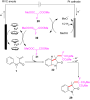
Scheme 16: Proposed mechanism for the electrochemical radical cyclization of N-arylacrylamides with dimethyl 2...

Scheme 17: Photoelectrocatalytic carbocyclization of unactivated alkenes using simple malonates.

Scheme 18: Plausible mechanism for the photoelectrocatalytic carbocyclization of unactivated alkenes with simp...

Scheme 19: Bromide-catalyzed electrochemical trifluoromethylation/cyclization of N-arylacrylamides.

Scheme 20: Proposed mechanism for the electrochemical trifluoromethylation/cyclization of N-arylacrylamides.

Scheme 21: Visible light-mediated trifluoromethylarylation of N-arylacrylamides.

Scheme 22: Plausible reaction mechanism for the visible light-mediated trifluoromethylarylation of N-arylacryl...

Scheme 23: Electrochemical difluoroethylation cyclization of N-arylacrylamides with sodium difluoroethylsulfin...

Scheme 24: Electrochemical difluoroethylation cyclization of N-methyacryloyl-N-alkylbenzamides with sodium dif...

Scheme 25: Photoredox-catalyzed radical aryldifluoromethylation of N-arylacrylamides with S-(difluoromethyl)su...

Scheme 26: Proposed mechanism for the photoredox-catalyzed radical aryldifluoromethylation of N-arylacrylamide...

Scheme 27: Visible-light-induced domino difluoroalkylation/cyclization of N-cyanamide alkenes.

Scheme 28: Proposed mechanism of photoredox-catalyzed radical domino difluoroalkylation/cyclization of N-cyana...

Scheme 29: Palladium-catalyzed oxidative difunctionalization of alkenes.

Scheme 30: Two possible mechanisms of palladium-catalyzed oxidative difunctionalization.

Scheme 31: Silver-catalyzed oxidative 1,2-alkyletherification of unactivated alkenes with α-bromoalkylcarbonyl...

Scheme 32: Photochemical radical cascade cyclization of dienes.

Scheme 33: Proposed mechanism for the photochemical radical cascade 6-endo cyclization of dienes with α-carbon...

Scheme 34: Photocatalyzed radical coupling/cyclization of N-arylacrylamides and.

Scheme 35: Photocatalyzed radical-type couplings/cyclization of N-arylacrylamides with sulfoxonium ylides.

Scheme 36: Possible mechanism of visible-light-induced radical-type couplings/cyclization of N-arylacrylamides...
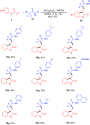
Scheme 37: Visible-light-promoted difluoroalkylated oxindoles systhesis via EDA complexes.

Scheme 38: Possible mechanism for the visible-light-promoted radical cyclization of N-arylacrylamides with bro...

Scheme 39: A dicumyl peroxide-initiated radical cascade reaction of N-arylacrylamide with DCM.

Scheme 40: Possible mechanism of radical cyclization of N-arylacrylamides with DCM.

Scheme 41: An AIBN-mediated radical cascade reaction of N-arylacrylamides with perfluoroalkyl iodides.

Scheme 42: Possible mechanism for the reaction with perfluoroalkyl iodides.

Scheme 43: Photoinduced palladium-catalyzed radical annulation of N-arylacrylamides with alkyl halides.

Scheme 44: Radical alkylation/cyclization of N-Alkyl-N-methacryloylbenzamides with alkyl halides.

Scheme 45: Possible mechanism for the alkylation/cyclization with unactivated alkyl chlorides.
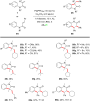
Scheme 46: Visible-light-driven palladium-catalyzed radical cascade cyclization of N-arylacrylamides with unac...

Scheme 47: NHC-catalyzed radical cascade cyclization of N-arylacrylamides with alkyl bromides.

Scheme 48: Possible mechanism of NHC-catalyzed radical cascade cyclization.

Scheme 49: Electrochemically mediated radical cyclization reaction of N-arylacrylamides with freon-type methan...

Scheme 50: Proposed mechanistic pathway of electrochemically induced radical cyclization reaction.

Scheme 51: Redox-neutral photoinduced radical cascade cylization of N-arylacrylamides with unactivated alkyl c...
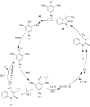
Scheme 52: Proposed mechanistic hypothesis of redox-neutral radical cascade cyclization.

Scheme 53: Thiol-mediated photochemical radical cascade cylization of N-arylacrylamides with aryl halides.

Scheme 54: Proposed possible mechanism of thiol-mediated photochemical radical cascade cyclization.

Scheme 55: Visible-light-induced radical cascade bromocyclization of N-arylacrylamides with NBS.

Scheme 56: Possible mechanism of visible-light-induced radical cascade cyclization.

Scheme 57: Decarboxylation/radical C–H functionalization by visible-light photoredox catalysis.

Scheme 58: Plausible mechanism of visible-light photoredox-catalyzed radical cascade cyclization.

Scheme 59: Visible-light-promoted tandem radical cyclization of N-arylacrylamides with N-(acyloxy)phthalimides....

Scheme 60: Plausible mechanism for the tandem radical cyclization reaction.

Scheme 61: Visible-light-induced aerobic radical cascade alkylation/cyclization of N-arylacrylamides with alde...

Scheme 62: Plausible mechanism for the aerobic radical alkylarylation of electron-deficient amides.

Scheme 63: Oxidative decarbonylative [3 + 2]/[5 + 2] annulation of N-arylacrylamide with vinyl acids.

Scheme 64: Plausible mechanism for the decarboxylative (3 + 2)/(5 + 2) annulation between N-arylacrylamides an...

Scheme 65: Rhenium-catalyzed alkylarylation of alkenes with PhI(O2CR)2.

Scheme 66: Plausible mechanism for the rhenium-catalyzed decarboxylative annulation of N-arylacrylamides with ...

Scheme 67: Visible-light-induced one-pot tandem reaction of N-arylacrylamides.

Scheme 68: Plausible mechanism for the visible-light-initiated tandem synthesis of difluoromethylated oxindole...

Scheme 69: Copper-catalyzed redox-neutral cyanoalkylarylation of activated alkenes with cyclobutanone oxime es...

Scheme 70: Plausible mechanism for the copper-catalyzed cyanoalkylarylation of activated alkenes.

Scheme 71: Photoinduced alkyl/aryl radical cascade for the synthesis of quaternary CF3-attached oxindoles.

Scheme 72: Plausible photoinduced electron-transfer (PET) mechanism.

Scheme 73: Photoinduced cerium-mediated decarboxylative alkylation cascade cyclization.

Scheme 74: Plausible reaction mechanism for the decarboxylative radical-cascade alkylation/cyclization.

Scheme 75: Metal-free oxidative tandem coupling of activated alkenes.

Scheme 76: Control experiments and possible mechanism for 1,2-carbonylarylation of alkenes with carbonyl C(sp2...

Scheme 77: Silver-catalyzed acyl-arylation of activated alkenes with α-oxocarboxylic acids.

Scheme 78: Proposed mechanism for the decarboxylative acylarylation of acrylamides.

Scheme 79: Visible-light-mediated tandem acylarylation of olefines with carboxylic acids.

Scheme 80: Proposed mechanism for the radical cascade cyclization with acyl radical via visible-light photored...

Scheme 81: Erythrosine B-catalyzed visible-light photoredox arylation-cyclization of N-arylacrylamides with ar...

Scheme 82: Electrochemical cobalt-catalyzed radical cyclization of N-arylacrylamides with arylhydrazines or po...

Scheme 83: Proposed mechanism of radical cascade cyclization via electrochemical cobalt catalysis.

Scheme 84: Copper-catalyzed oxidative tandem carbamoylation/cyclization of N-arylacrylamides with hydrazinecar...

Scheme 85: Proposed reaction mechanism for the radical cascade cyclization by copper catalysis.

Scheme 86: Visible-light-driven radical cascade cyclization reaction of N-arylacrylamides with α-keto acids.

Scheme 87: Proposed mechanism of visible-light-driven cascade cyclization reaction.

Scheme 88: Peroxide-induced radical carbonylation of N-(2-methylallyl)benzamides with methyl formate.

Scheme 89: Proposed cyclization mechanism of peroxide-induced radical carbonylation with N-(2-methylallyl)benz...

Scheme 90: Persulfate promoted carbamoylation of N-arylacrylamides and N-arylcinnamamides.

Scheme 91: Proposed mechanism for the persulfate promoted radical cascade cyclization reaction of N-arylacryla...
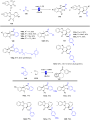
Scheme 92: Photocatalyzed carboacylation with N-arylpropiolamides/N-alkyl acrylamides.

Scheme 93: Plausible mechanism for the photoinduced carboacylation of N-arylpropiolamides/N-alkyl acrylamides.

Scheme 94: Electrochemical Fe-catalyzed radical cyclization with N-arylacrylamides.

Scheme 95: Plausible mechanism for the electrochemical Fe-catalysed radical cyclization of N-phenylacrylamide.

Scheme 96: Substrate scope of the selective functionalization of various α-ketoalkylsilyl peroxides with metha...

Scheme 97: Proposed reaction mechanism for the Fe-catalyzed reaction of alkylsilyl peroxides with methacrylami...

Scheme 98: EDA-complex mediated C(sp2)–C(sp3) cross-coupling of TTs and N-methyl-N-phenylmethacrylamides.

Scheme 99: Proposed mechanism for the synthesis of oxindoles via EDA complex.
Supramolecular assembly of hypervalent iodine macrocycles and alkali metals
- Krishna Pandey,
- Lucas X. Orton,
- Grayson Venus,
- Waseem A. Hussain,
- Toby Woods,
- Lichang Wang and
- Kyle N. Plunkett
Beilstein J. Org. Chem. 2025, 21, 1095–1103, doi:10.3762/bjoc.21.87
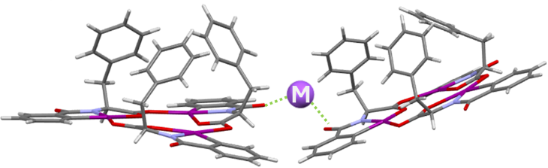
- conformation II projected only two vertically. One benzyl ring is pointed outside as highlighted by * (top). Oxygen, nitrogen, and iodine atoms are denoted by red, light blue, and purple color, respectively. A) Chemical structure of HIM 1: Three iodine atoms and three inward projected ester carbonyls

Graphical Abstract

Figure 1: (A) Our previous work: Assembly and disassembly of phenylalanine hypervalent iodine macrocycles (Ph...

Figure 2: Two conformations of the HIM were found. One conformation projected all three benzyl groups in a ve...

Figure 3: A) Chemical structure of HIM 1: Three iodine atoms and three inward projected ester carbonyls curcu...

Figure 4: 1H NMR titration experiment of 1 with LiBArF20 at an incremental equivalency in CDCl3 and (CD3)2CO ...

Figure 5: Crystal structures of HIM 1 and LiBArF20 (A) and NaBArF24 (B). BARF cation is omitted for clarity. ...

Figure 6: Alternative view of the crystal structure of the HIM 1 and LiBArF20 complex. BArF20 anion is omitte...

Figure 7: Isotherms of 1 titrated with NaBArF24 orLiBArF20. The solid lines are the predicted model fits for ...

Figure 8: Lithium complex 2 (red) overlaid with lithium complex 3 (blue). In lithium complex 2, one benzyl ri...
Recent total synthesis of natural products leveraging a strategy of enamide cyclization
- Chun-Yu Mi,
- Jia-Yuan Zhai and
- Xiao-Ming Zhang
Beilstein J. Org. Chem. 2025, 21, 999–1009, doi:10.3762/bjoc.21.81
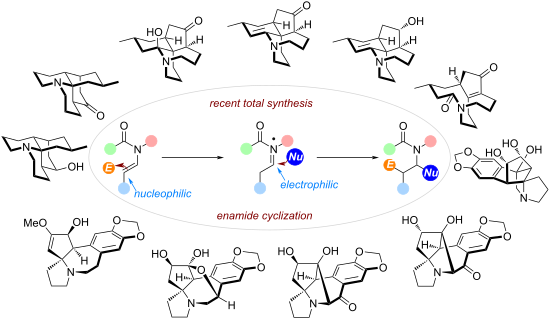
- triggered a Grob fragmentation process of hemiaminal 16 and afforded the imide compound 17. Final regioselective reduction of one of the two carbonyls on the imide completed the synthesis of (−)-phlegmariurine B. Annulation Total syntheses of cephalotaxine and cephalezomine H The [2 + 3] annulation of

Graphical Abstract

Figure 1: Reactivity of enamides and enamide cyclizations.

Scheme 1: Total synthesis of (−)-dihydrolycopodine and (−)-lycopodine.
Scheme 2: Collective total synthesis of fawcettimine-type alkaloids.

Scheme 3: Total syntheses of cephalotaxine and cephalezomine H.

Scheme 4: Collective total syntheses of Cephalotaxus alkaloids.

Scheme 5: Asymmetric tandem cyclization/Pictet–Spengler reaction of tertiary enamides.

Scheme 6: Tandem cyclization/Pictet–Spengler reaction for the synthesis of chiral tetracyclic compounds.

Scheme 7: Total synthesis of (−)-cephalocyclidin A.
Photocatalyzed elaboration of antibody-based bioconjugates
- Marine Le Stum,
- Eugénie Romero and
- Gary A. Molander
Beilstein J. Org. Chem. 2025, 21, 616–629, doi:10.3762/bjoc.21.49
- sulfhydryls can be conjugated by several means, including alkylation with α-halo carbonyls (in which case Lys may compete), and Michael additions (e.g., to maleimide, which is reversible and therefore may lead to incomplete conversion). The Michael adducts also present chemical instability in plasma and

Graphical Abstract

Figure 1: Representation of an antibody–drug conjugate. The antibody shown in this figure is from https://www...

Figure 2: a. Photoredox catalytic cycles; b. absorption spectrum of photosensitizers. Therapeutic window indi...

Figure 3: Graph representing the average number of publications focusing on photoredox chemistry applied to p...

Figure 4: Schematic procedure developed by Sato et al. on histidine photoinduced modification. The antibody s...

Figure 5: Schematic procedure of the divergent method developed by Sato et al. on histidine/tyrosine photoind...

Figure 6: Schematic procedure developed by Bräse et al. on photoinduced disulfide rebridging method.

Figure 7: Schematic procedure developed by Lang et al. on a photoinduced dual nickel photoredox-catalyzed app...

Figure 8: Schematic of the procedure developed by Chang et al. on photoinduced high affinity IgG Fc-binding s...

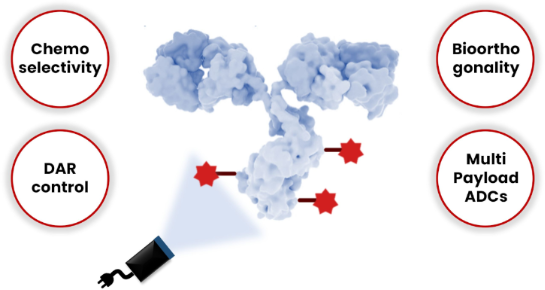
Figure 9: Potential advantages of photoredox chemistry for bioconjugation applied to antibodies. The antibody...

Figure 10: Representation of the photoinduced control of the DAR. The antibody shown in this figure is from ht...

Figure 11: Representation of a photoinduced control of multi-payloads ADC strategy. The antibody shown in this...
Beyond symmetric self-assembly and effective molarity: unlocking functional enzyme mimics with robust organic cages
- Keith G. Andrews
Beilstein J. Org. Chem. 2025, 21, 421–443, doi:10.3762/bjoc.21.30
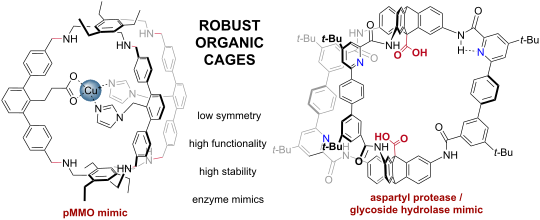
- ]. For instance, hexapyridine cage 2e (Figure 8B) shows exclusive occupation of C13 (all carbonyls out) due to six favorable NHamide → Npyr interactions [41], while trispyridyl containing cage 3e has three favorable NHamide → Npyr interactions and so shows a solution-state preference for a low-symmetry
- strong reinforcement of the geometrically preferred C5 conformer by coinciding pyridyl groups with “out” carbonyls. The result is a lowering of symmetry from D3h to CS. While observations of symmetry-lowering are commonplace in controlled environments [47][264][293][335][366][367][368][369], we believe

Graphical Abstract

Figure 1: Catalytic rate enhancements from a reduction in the Gibbs free energy transition barrier can be fra...

Figure 2: Typical catalysis modes using macrocycle cavities performing (non-specific) hydrophobic substrate b...
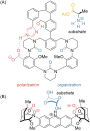
Figure 3: (A) Cram’s serine protease model system [87,88]. The macrocycle showed strong substrate binding (organizat...

Figure 4: (A) Self-assembling capsules can perform hydrophobic catalysis [116,117]. (B) Resorcin[4]arene building bloc...

Figure 5: (A) Metal-organic cages and key modes in catalysis. (B) Charged metals or ligands can result in +/−...

Figure 6: (A) Frameworks (MOFs, COFs) can be catalysts. (B) Example of a 2D-COF, assembled by dynamic covalen...

Figure 7: (A) Examples of dynamic covalent chemistry used to synthesize organic cages. (B) Organic cages are ...
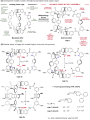
Figure 8: (A) Design and development of soluble, functionalized, robust organic cages. (B) Examples of modula...
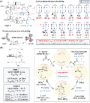
Figure 9: (A) There are 13 metastable conformers (symmetry-corrected) for cage 1 due to permutations of amide...
Cu(OTf)2-catalyzed multicomponent reactions
- Sara Colombo,
- Camilla Loro,
- Egle M. Beccalli,
- Gianluigi Broggini and
- Marta Papis
Beilstein J. Org. Chem. 2025, 21, 122–145, doi:10.3762/bjoc.21.7

- . Electron-poor and electron-rich aromatic aldehydes gave good results, whereas aliphatic aldehydes gave moderate yields (Scheme 11) [24]. The asymmetric conjugate addition of dialkylzinc and benzaldehyde to unsaturated carbonyls under copper catalysis in the presence of optically pure phosphanes was

Graphical Abstract

Figure 1: Plausible general catalytic activation for ionic or radical mechanisms.

Scheme 1: Synthesis of α-aminonitriles 1.

Scheme 2: Synthesis of β-amino ketone or β-amino ester derivatives 3.

Scheme 3: Synthesis of 1-(α-aminoalkyl)-2-naphthol derivatives 4.

Scheme 4: Synthesis of thioaminals 5.

Scheme 5: Synthesis of aryl- or amine-containing alkanes 6 and 7.
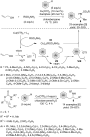
Scheme 6: Synthesis of 1-aryl-2-sulfonamidopropanes 8.

Scheme 7: Synthesis of α-substituted propargylamines 10.

Scheme 8: Synthesis of N-propargylcarbamates 11.

Scheme 9: Synthesis of (E)-vinyl sulfones 12.

Scheme 10: Synthesis of o-halo-substituted aryl chalcogenides 13.

Scheme 11: Synthesis of α-aminophosphonates 14.

Scheme 12: Synthesis of unsaturated furanones and pyranones 15–17.
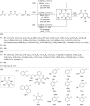
Scheme 13: Synthesis of substituted dihydropyrimidines 18.

Scheme 14: Regioselective synthesis of 1,4-dihydropyridines 20.

Scheme 15: Synthesis of tetrahydropyridines 21.

Scheme 16: Synthesis of furoquinoxalines 22.

Scheme 17: Synthesis of 2,4-substituted quinolines 23.

Scheme 18: Synthesis of cyclic ether-fused tetrahydroquinolines 24.

Scheme 19: Practical route for 1,2-dihydroisoquinolines 25.

Scheme 20: Synthesis of 2,3-dihydroquinazolin-4(1H)-one derivatives 26.

Scheme 21: Synthesis of polysubstituted pyrroles 27.

Scheme 22: Enantioselective synthesis of polysubstituted pyrrolidines 30 directed by the copper complex 29.

Scheme 23: Synthesis of 4,5-dihydropyrazoles 31.

Scheme 24: Synthesis of 2 arylisoindolinones 32.

Scheme 25: Synthesis of imidazo[1,2-a]pyridines 33.

Scheme 26: Synthesis of isoxazole-linked imidazo[1,2-a]azines 35.

Scheme 27: Synthesis of 2,3-dihydro-1,2,4-triazoles 36.

Scheme 28: Synthesis of naphthopyrans 37.

Scheme 29: Synthesis of benzo[g]chromene derivatives 38.

Scheme 30: Synthesis of naphthalene annulated 2-aminothiazoles 39, piperazinyl-thiazoloquinolines 40 and thiaz...

Scheme 31: Synthesis of furo[3,4-b]pyrazolo[4,3-f]quinolinones 42.

Scheme 32: Synthesis of spiroindoline-3,4’-pyrano[3,2-b]pyran-4-ones 43.

Scheme 33: Synthesis of N-(α-alkoxy)alkyl-1,2,3-triazoles 44.

Scheme 34: Synthesis of 4-(α-tetrasubstituted)alkyl-1,2,3-triazoles 45.
Discovery of ianthelliformisamines D–G from the sponge Suberea ianthelliformis and the total synthesis of ianthelliformisamine D
- Sasha Hayes,
- Yaoying Lu,
- Bernd H. A. Rehm and
- Rohan A. Davis
Beilstein J. Org. Chem. 2024, 20, 3205–3214, doi:10.3762/bjoc.20.266
- protons indicating the presence of a symmetrical aromatic moiety, were observed. The 13C NMR (Table 1) spectrum of 4 showed two carbonyls (δC 164.4, 173.9), with the carbonyl at δC 164.4 readily assigned to an acrylamide group, which is present in all previously published ianthelliformisamine molecules [7

Graphical Abstract

Figure 1: Chemical structures of ianthelliformisamines A–G (1–7) and aplysterol (8).

Figure 2:
Key COSY (![[Graphic 1]](/bjoc/content/inline/1860-5397-20-266-i2.svg?max-width=637&scale=1.18182) ), HMBC (
), HMBC (![[Graphic 2]](/bjoc/content/inline/1860-5397-20-266-i3.svg?max-width=637&scale=1.18182) ) and ROESY (
) and ROESY (![[Graphic 3]](/bjoc/content/inline/1860-5397-20-266-i4.svg?max-width=637&scale=1.18182) ) correlations for ianthelliformisamines D (4) and E (5).
) correlations for ianthelliformisamines D (4) and E (5).

Figure 3:
Key COSY (![[Graphic 4]](/bjoc/content/inline/1860-5397-20-266-i5.svg?max-width=637&scale=1.18182) ) and HMBC (
) and HMBC (![[Graphic 5]](/bjoc/content/inline/1860-5397-20-266-i6.svg?max-width=637&scale=1.18182) ) correlations for ianthelliformisamines F (6) and G (7).
) correlations for ianthelliformisamines F (6) and G (7).

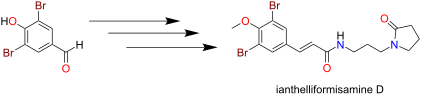
Scheme 1: Total synthesis of ianthelliformisamine D (4).
A review of recent advances in electrochemical and photoelectrochemical late-stage functionalization classified by anodic oxidation, cathodic reduction, and paired electrolysis
- Nian Li,
- Ruzal Sitdikov,
- Ajit Prabhakar Kale,
- Joost Steverlynck,
- Bo Li and
- Magnus Rueping
Beilstein J. Org. Chem. 2024, 20, 2500–2566, doi:10.3762/bjoc.20.214

Graphical Abstract

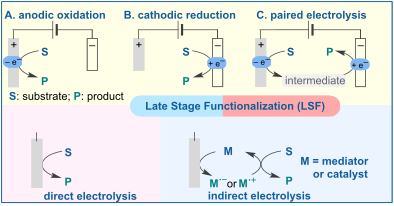
Figure 1: Classification of LSF reactions in this review.

Scheme 1: C(sp2)–H trifluoromethylation of heteroarenes.
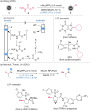
Scheme 2: C(sp2)–H and C(sp3)–H alkylation of complex molecules.

Scheme 3: Electrochemical oxidation-induced intermolecular aromatic C–H sulfonamidation.

Scheme 4: Bioconjugation of tyrosine with (a) phenothiazine and (b) urazole derivatives.

Scheme 5: Electrochemical iodoamination of indoles using unactivated amines.

Scheme 6: Allylic C(sp3)–H aminations with sulfonamides.

Scheme 7: Electrochemical benzylic oxidation of C–H bonds.
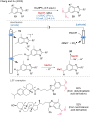
Scheme 8: Site-selective electrooxidation of methylarenes to aromatic acetals.

Scheme 9: Electrochemical activation of C–H by electron-deficient W2C nanocrystals.

Scheme 10: α-Acyloxy sulfide preparation via C–H/OH cross-dehydrogenative coupling.

Scheme 11: Aromatic C–H-bond thiolation.

Scheme 12: C(sp2)–H functionalization for the installation of sulfonamide groups.

Scheme 13: Preparation of (hetero)aryl chlorides and vinyl chloride with 1,2-dichloroethane. aCu(OAc)2 (0.05 e...

Scheme 14: Electrochemical dual-oxidation enables access to α-chlorosulfoxides.

Scheme 15: Regio- and chemoselective formyloxylation–bromination/chlorination/trifluoromethylation of alkenes.

Scheme 16: Aziridine formation by coupling amines and alkenes.

Scheme 17: Formation of iminosulfide ethers via difunctionalization of an isocyanide.

Scheme 18: Synthesis of 1,3-difunctionalized molecules via C–C-bond cleavage of arylcyclopropane.

Scheme 19: Electrooxidative amino- and oxyselenation of alkenes. VBImBr = 1-butyl-3-vinylimidazolium bromide.

Scheme 20: Electrooxidative dehydrogenative [4 + 2] annulation of indole derivatives.

Scheme 21: Electrochemical cyclization combined with alkoxylation of triticonazole.

Scheme 22: Electrochemically tuned oxidative [4 + 2] annulation of olefins with hydroxamic acids.

Scheme 23: Electrosynthesis of indole derivatives via cyclization of 2-ethynylanilines.

Scheme 24: Allylic C–H oxidation of mono-, di-, and sesquiterpenes.

Scheme 25: Oxidation of unactivated C–H bonds.

Scheme 26: Fluorination of C(sp3)–H bonds. rAP = rapid alternating polarity.

Scheme 27: C(sp3)–H α-cyanation of secondary piperidines.
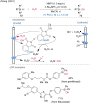
Scheme 28: Selective electrochemical hydrolysis of hydrosilanes to silanols.

Scheme 29: Organocatalytic electrochemical amination of benzylic C–H bonds.

Scheme 30: Iodide ion-initiated anodic oxidation reactions.

Scheme 31: Mn(III/IV) electro-catalyzed C(sp3)–H azidation.
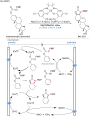
Scheme 32: Tailored cobalt–salen complexes enable electrocatalytic intramolecular allylic C–H functionalizatio...

Scheme 33: Cobalt–salen complexes-induced electrochemical (cyclo)additions.

Scheme 34: Electrochemical 1,2-diarylation of alkenes enabled by direct dual C–H functionalization of electron...

Scheme 35: Cobalt-electrocatalyzed atroposelective C–H annulation.

Scheme 36: Nickel-electrocatalyzed C(sp2)–H alkoxylation with secondary alcohols.

Scheme 37: Nickel-catalyzed electrochemical enantioselective amination.
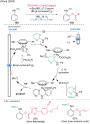
Scheme 38: Ruthenium-electrocatalyzed C(sp2)–H mono- and diacetoxylation.
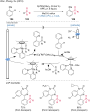
Scheme 39: Rhodium(III)-catalyzed aryl-C–H phosphorylation enabled by anodic oxidation-induced reductive elimi...

Scheme 40: Asymmetric Lewis-acid catalysis for the synthesis of non-racemic 1,4-dicarbonyl compounds.

Scheme 41: Electrochemical enantioselective C(sp3)–H alkenylation.

Scheme 42: Palladium-catalyzed electrochemical dehydrogenative cross-coupling.
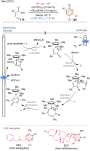
Scheme 43: Ir-electrocatalyzed vinylic C(sp2)–H activation for the annulation between acrylic acids and alkyne...

Scheme 44: Electrochemical gold-catalyzed C(sp3)–C(sp) coupling of alkynes and arylhydrazines.

Scheme 45: Photoelectrochemical alkylation of C–H heteroarenes using organotrifluoroborates.

Scheme 46: Mn-catalyzed photoelectro C(sp3)–H azidation.

Scheme 47: Photoelectrochemical undirected C–H trifluoromethylations of (Het)arenes.

Scheme 48: Photoelectrochemical dehydrogenative cross-coupling of heteroarenes with aliphatic C–H bonds.
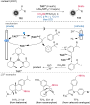
Scheme 49: C–H amination via photoelectrochemical Ritter-type reaction.

Scheme 50: Photoelectrochemical multiple oxygenation of C–H bonds.

Scheme 51: Accelerated C(sp3)–H heteroarylations by the f-EPC system.

Scheme 52: Photoelectrochemical cross-coupling of amines.

Scheme 53: Birch electroreduction of arenes. GSW = galvanized steel wire.

Scheme 54: Electroreductive deuterations.

Scheme 55: Chemoselective electrosynthesis using rapid alternating polarity.

Scheme 56: Electroreductive olefin–ketone coupling.

Scheme 57: Electroreductive approach to radical silylation.

Scheme 58: Electrochemical borylation of alkyl halides. CC = carbon close.

Scheme 59: Radical fluoroalkylation of alkenes.
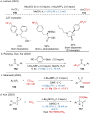
Scheme 60: Electrochemical defluorinative hydrogenation/carboxylation.

Scheme 61: Electrochemical decarboxylative olefination.

Scheme 62: Electrochemical decarboxylative Nozaki–Hiyama–Kishi coupling.
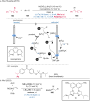
Scheme 63: Nickel-catalyzed electrochemical reductive relay cross-coupling.

Scheme 64: Electrochemical chemo- and regioselective difunctionalization of 1,3-enynes.

Scheme 65: Electrocatalytic doubly decarboxylative crosscoupling.

Scheme 66: Electrocatalytic decarboxylative crosscoupling with aryl halides.

Scheme 67: Nickel-catalyzed electrochemical reductive coupling of halides.

Scheme 68: Nickel-electrocatalyzed enantioselective carboxylation with CO2.

Scheme 69: Reductive electrophotocatalysis for borylation.
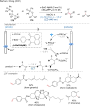
Scheme 70: Electromediated photoredox catalysis for selective C(sp3)–O cleavages of phosphinated alcohols to c...

Scheme 71: Stereoselective electro-2-deoxyglycosylation from glycals. MFE = methyl nonafluorobutyl ether.

Scheme 72: Electrochemical peptide modifications.

Scheme 73: Electrochemical α-deuteration of amides.

Scheme 74: Electrochemical synthesis of gem-diselenides.

Scheme 75: Site-selective electrochemical aromatic C–H amination.

Scheme 76: Electrochemical coupling of heteroarenes with heteroaryl phosphonium salts.
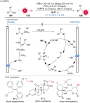
Scheme 77: Redox-neutral strategy for the dehydroxyarylation reaction.
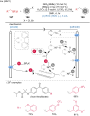
Scheme 78: Nickel-catalyzed electrochemical C(sp3)–C(sp2) cross-coupling of benzyl trifluoroborate and halides....
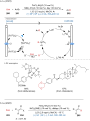
Scheme 79: Paired electrocatalysis for C(sp3)–C(sp2) coupling.

Scheme 80: Redox-neutral strategy for amination of aryl bromides.

Scheme 81: Redox-neutral cross-coupling of aryl halides with weak N-nucleophiles. aProtocol with (+) RVC | RVC...

Scheme 82: Nickel-catalyzed N-arylation of NH-sulfoximines with aryl halides.

Scheme 83: Esterification of carboxylic acids with aryl halides.

Scheme 84: Electrochemically promoted nickel-catalyzed carbon–sulfur-bond formation. GFE = graphite felt elect...

Scheme 85: Electrochemical deoxygenative thiolation by Ni-catalysis. GFE = graphite felt electrode; NFE = nick...
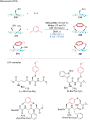
Scheme 86: Electrochemical coupling of peptides with aryl halides.

Scheme 87: Paired electrolysis for the phosphorylation of aryl halides. GFE = graphite felt electrode, FNE = f...

Scheme 88: Redox-neutral alkoxyhalogenation of alkenes.
Electrochemical allylations in a deep eutectic solvent
- Sophia Taylor and
- Scott T. Handy
Beilstein J. Org. Chem. 2024, 20, 2217–2224, doi:10.3762/bjoc.20.189
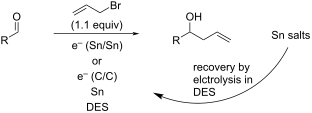
- application of simple, inexpensive, and recyclable deep eutectic solvents to the allylation of carbonyls. While several sets of conditions were developed, the goal of avoiding stoichiometric amounts of metal has proven elusive. Still, a deep eutectic solvent can be used to plate out and thus recover the metal
- , very little has been reported in terms of their use in electrosynthesis [20][21][22][23][24]. Given our interest in both electrosynthesis and DES, we opted to explore this combination in the area of electrochemical allylation. The allylation of carbonyls is a valuable reaction that has been explored

Heterocycle-guided synthesis of m-hetarylanilines via three-component benzannulation
- Andrey R. Galeev,
- Maksim V. Dmitriev,
- Alexander S. Novikov and
- Andrey N. Maslivets
Beilstein J. Org. Chem. 2024, 20, 2208–2216, doi:10.3762/bjoc.20.188
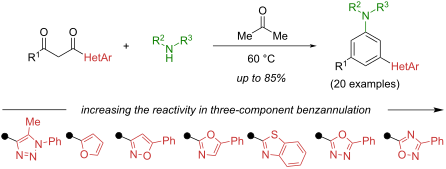
- interrupted Kröhnke reaction (Scheme 1B) [51][52]. The main step of this process is an intermolecular cyclization of the formed 1,5-diketone followed by aromatization. Previously we have shown that 1,3-diketones bearing an electron-withdrawing group (EWG) adjacent to one of the carbonyls readily react with in

Graphical Abstract

Figure 1: The meta-hetarylaniline motif in bioactive molecules.

Scheme 1: Strategies to access meta-substituted anilines.

Figure 2: The model series of synthesized 1,3-diketones and corresponding calculated Hammett constants of het...

Scheme 2: Synthesis of meta-substituted anilines from 1,2,4-oxadiazol-5-yl substituted 1,3-diketone 1a. Condi...

Scheme 3: Synthesis of meta-substituted anilines from 1,3,4-oxadiazol-substituted 1,3-diketone 1b. Conditions...

Scheme 4: Synthesis of meta-substituted anilines from benzothiazol-2-yl and oxazol-2-yl-substituted 1,3-diket...

Scheme 5: Synthesis of meta-substituted aniline from isoxazol-3-yl-substituted 1,3-diketone 1e. Conditions B: ...

Figure 3: Scope of functionalized amines in three-component condensation. Conditions A: 1a,b,h,i (0.2–0.5 mmo...

Scheme 6: Proposed mechanism for the formation of meta-substituted anilines 3 via three-component benzannulat...
From perfluoroalkyl aryl sulfoxides to ortho thioethers
- Yang Li,
- Guillaume Dagousset,
- Emmanuel Magnier and
- Bruce Pégot
Beilstein J. Org. Chem. 2024, 20, 2108–2113, doi:10.3762/bjoc.20.181
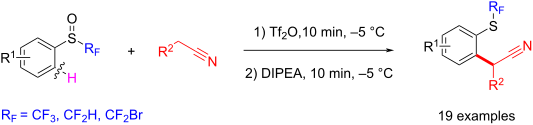
- ][16], anilines [17], carbonyls [18][19][20][21], propargyl/allylsilanes [22][23][24][25][26][27][28][29][30][31][32][33][34], ynamides [35][36][37], and alkyl nitriles [38][39][40], were found to be suitable for this process. Whereas the addition of fluorine atoms to molecules is a well-established

Graphical Abstract
Scheme 1: [3,3]-Rearrangement of aryl sulfoxides.

Scheme 2: The scope of aryl perfluoromethyl sulfoxides and a selenoxide.

Scheme 3: The scope of alkyl nitriles.
Harnessing the versatility of hydrazones through electrosynthetic oxidative transformations
- Aurélie Claraz
Beilstein J. Org. Chem. 2024, 20, 1988–2004, doi:10.3762/bjoc.20.175
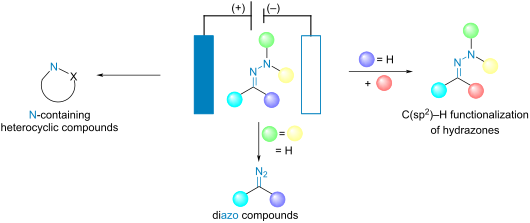
- as pivotal element during the total synthesis of natural products. Therefore, the development of mild and efficient methods to access this motif from readily available starting materials is a never-ending quest. With the aim to propose an alternative to the classical olefination of carbonyls through

Graphical Abstract

Scheme 1: Synthesis of triazolopyridinium salts [34-36].

Scheme 2: Synthesis of pyrazoles [37].
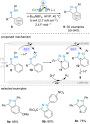
Scheme 3: Synthesis of indazoles from ketone-derived hydrazones [38].
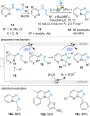
Scheme 4: Intramolecular C(sp2)–H functionalization of aldehyde-derived N-(2-pyridinyl)hydrazones for the syn...

Scheme 5: Synthesis of pyrazolo[4,3-c]quinoline derivatives [40].
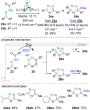
Scheme 6: Synthesis of 1,3,4-oxadiazoles and Δ3-1,3,4-oxadiazolines [41].
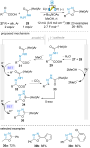
Scheme 7: Synthesis of 1,3,4-oxadiazoles [43].
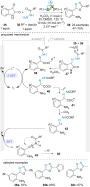
Scheme 8: Synthesis of 2-(1,3,4-oxadiazol-2-yl)anilines [44].
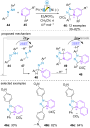
Scheme 9: Synthesis of fused s-triazolo perchlorates [45].
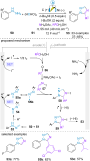
Scheme 10: Synthesis of 1-aryl and 1,5-disubstitued 1,2,4-triazoles [49].
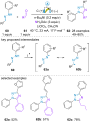
Scheme 11: Synthesis of 1,3,5-trisubstituted 1,2,4-triazoles [50].

Scheme 12: Alternative synthesis of 1,3,5-trisubstituted 1,2,4-triazoles [51].

Scheme 13: Synthesis of 5-amino 1,2,4-triazoles [55].
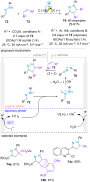
Scheme 14: Synthesis of 1-arylpyrazolines [58].
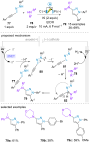
Scheme 15: Synthesis of 3‑aminopyrazoles [60].

Scheme 16: Synthesis of [1,2,4]triazolo[4,3-a]quinolines [61].·
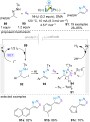
Scheme 17: Synthesis of 1,2,3-thiadiazoles [64].
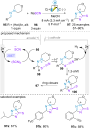
Scheme 18: Synthesis of 5-thioxo-1,2,4-triazolium inner salts [65].
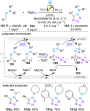
Scheme 19: Synthesis of 1-aminotetrazoles [66].
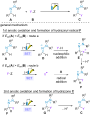
Scheme 20: C(sp2)–H functionalization of aldehyde-derived hydrazones: general mechanisms.

Scheme 21: C(sp2)–H functionalization of benzaldehyde diphenyl hydrazone [68,69].

Scheme 22: Phosphorylation of aldehyde-derived hydrazones [70].

Scheme 23: Azolation of aldehyde-derived hydrazones [72].

Scheme 24: Thiocyanation of benzaldehyde-derived hydrazone 122 [73].

Scheme 25: Sulfonylation of aromatic aldehyde-derived hydrazones [74].

Scheme 26: Trifluoromethylation of aromatic aldehyde-derived hydrazones [76].

Scheme 27: Electrooxidation of benzophenone hydrazones [77].

Scheme 28: Electrooxidative coupling of benzophenone hydrazones and alkenes [77].

Scheme 29: Electrosynthesis of α-diazoketones [78].
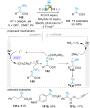
Scheme 30: Electrosynthesis of stable diazo compounds [80].
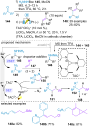
Scheme 31: Photoelectrochemical synthesis of alkenes through in situ generation of diazo compounds [81].

Scheme 32: Synthesis of nitriles [82].
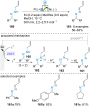
Scheme 33: Electrochemical oxidation of ketone-derived NH-allylhydrazone [83].
Oxidation of benzylic alcohols to carbonyls using N-heterocyclic stabilized λ3-iodanes
- Thomas J. Kuczmera,
- Pim Puylaert and
- Boris J. Nachtsheim
Beilstein J. Org. Chem. 2024, 20, 1677–1683, doi:10.3762/bjoc.20.149
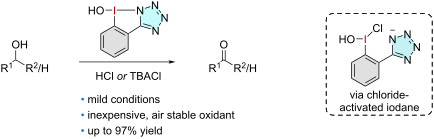
- on silica. Overview of common non-iodine-based (left) and iodine-based (right) oxidizing reagents for the generation of carbonyls from the corresponding alcohols. NHIs investigated for the oxidation of benzylic alcohols and the crystal structure (ORTEP drawing) of 1c (CCDC 2321313), showing the

Graphical Abstract

Figure 1: Overview of common non-iodine-based (left) and iodine-based (right) oxidizing reagents for the gene...

Figure 2: NHIs investigated for the oxidation of benzylic alcohols and the crystal structure (ORTEP drawing) ...
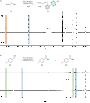
Figure 3: 1H NMR spectra of the time-dependent formation of a) an alkoxy-NHI which is causing a significant d...
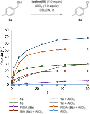
Figure 4: Oxidation of 3a to 4a using different iodine(III) reagents with AlCl3 as an additive. Conditions: T...

Figure 5: Substrate scope of aldehydes and ketones synthesized from the corresponding alcohols. Isolated yiel...

Scheme 1: Possible reaction mechanisms via the formation of a) a Cl(I) species and b) the formation of an alk...
Ring opening of photogenerated azetidinols as a strategy for the synthesis of aminodioxolanes
- Henning Maag,
- Daniel J. Lemcke and
- Johannes M. Wahl
Beilstein J. Org. Chem. 2024, 20, 1671–1676, doi:10.3762/bjoc.20.148
- have indicated the unique role of the benzhydryl group for azetidinol reactivity [32][33][34]. To our delight, 3l cleanly underwent ring opening via hemiketal 10 to deliver dioxolane 11 as a single diastereomer in 93% yield (Scheme 3b). With this result at hand, we tested several other carbonyls known

Graphical Abstract

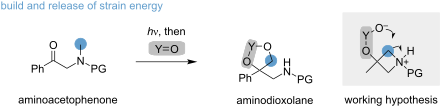
Scheme 1: Build and release approach for the functionalization of simple precursors. a) General overview. b) ...
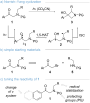
Scheme 2: Modularity of the Norrish–Yang cyclization for the synthesis of azetidines.

Scheme 3: Ring-opening reactions using electron-deficient ketones and boronic acids.
Electrophotochemical metal-catalyzed synthesis of alkylnitriles from simple aliphatic carboxylic acids
- Yukang Wang,
- Yan Yao and
- Niankai Fu
Beilstein J. Org. Chem. 2024, 20, 1497–1503, doi:10.3762/bjoc.20.133
- readily converted into a myriad of functional groups including carbonyls, amines, imines, and a variety of heterocyclic scaffolds with well-established procedures [4][5][6][7][8][9]. In particular, tertiary nitriles are common structural motifs in many bioactive compounds and are widely used as

Graphical Abstract
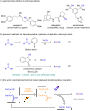
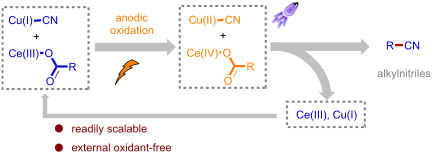
Figure 1: Decarboxylative cyanation: background and our working hypothesis.

Figure 2: Scope of electrophotochemical decarboxylative cyanation of aliphatic carboxylic acids. All yields a...
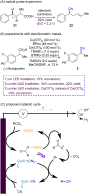
Figure 3: Mechanistic studies and proposed catalytic cycles.
Ligand effects, solvent cooperation, and large kinetic solvent deuterium isotope effects in gold(I)-catalyzed intramolecular alkene hydroamination
- Ruichen Lan,
- Brock Yager,
- Yoonsun Jee,
- Cynthia S. Day and
- Amanda C. Jones
Beilstein J. Org. Chem. 2024, 20, 479–496, doi:10.3762/bjoc.20.43
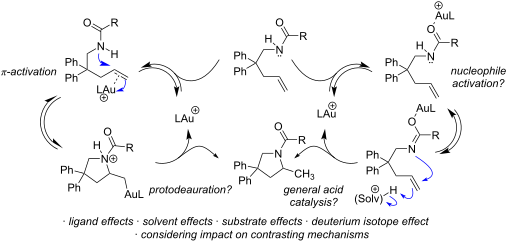
- ; there are similarities and differences in the way a sulfonamide or carbonyl impacts a neighboring nitrogen. Sulfonamides have different steric profiles from carbonyls [51]. According to Roush et al. the electron-withdrawing capability of the S(O2)Ph group is in between that of the C(O)Me and CO2Me
- -centered while being C-centered in analogous anions alpha to sulfonamides [51]. Sulfonamides are known to protonate at nitrogen [31]. Gold coordination to carbonyls would be predicted to retain N-centered nucleophilicity, while gold coordination to the sulfonamide nitrogen would not. Sulfonamides are less
- ; more basic carbonyls react faster and undergo N–H/D exchange faster in the presence of gold suggesting gold nucleophile interactions drive reactivity. • Rate inhibition is observed at the highest concentrations of urea 1a and amide 1b; the increasing basicity would slow down any acid mediated processes

Graphical Abstract
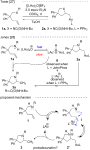
Scheme 1: Proposed mechanism and observation of alkylgold intermediates.

Figure 1: First order alkene decay for urea alkene 1a (0.05 M) hydroamination with [JPhosAu(NCCH3)]SbF6 (5, 2...

Figure 2: Cooperative effect of mixed CD2Cl2/MeOH on alkene 1a → 3a conversion with catalyst 5 (2.5 mol %). E...

Figure 3: Different additive impact on rate of 1a → 3a depending upon catalyst and co-solvent. The data for J...
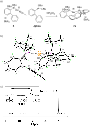
Figure 4: (a) Schematic for synthesis of [L–Au–L]SbF6 where L = JPhos. (b) Perspective drawing of the cation ...

Figure 5: (a) kobs for reaction of urea 1a (0.05 M) in DCM with catalyst 5 and titrated CH3OH/CH3OD. Data for...

Figure 6: Rate of urea 1a (0.05 M) hydroamination with JPhosAu(NCCH3)SbF6 (2.5 mol %) in CH2Cl2 with 5, 25, a...
Figure 7: Observed rates for the reaction of carbamate 1b (0.03–0.24 M) with JackiephosAuNTf2 (0.0013 M, 6a) ...

Figure 8: Influence of catalyst 5 concentration on rate of 1a (0.05 M in CH2Cl2 with 0, 10 μL MeOH). Error ba...

Scheme 2: Proposed alternate mechanism.
Morpholine-mediated defluorinative cycloaddition of gem-difluoroalkenes and organic azides
- Tzu-Yu Huang,
- Mario Djugovski,
- Sweta Adhikari,
- Destinee L. Manning and
- Sudeshna Roy
Beilstein J. Org. Chem. 2023, 19, 1545–1554, doi:10.3762/bjoc.19.111
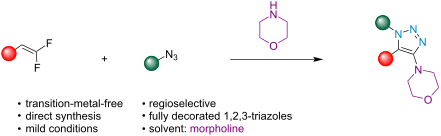
- generated via an azide–alkyne cycloaddition or a multicomponent reaction between carbonyls and azides [17]. α-Trifluoromethyl (α-CF3) carbonyls were recently utilized to generate NH-1,2,3-triazoles and fully substituted 1,2,3-triazoles [28][29]. However, there are no reports of a formal [3 + 2
- ] cycloaddition reaction utilizing gem-difluoroalkenes, which inherently exhibit attenuated activity compared to the activated α-CF3 carbonyls. This report provides a highly regioselective and novel way to access C-4-morpholine-functionalized fully decorated 1,2,3-triazoles from gem-difluoroalkenes and organic

Graphical Abstract

Figure 1: Functionalization of gem-difluoroalkenes with 1,3-dipoles and N-nucleophiles.

Figure 2: Substrate scope. Reaction conditions: 1 (1 equiv), 2 (1.5 equiv) 0.4 equiv of LiHMDS (1 M in THF), ...

Figure 3: Time course profile monitored by 19F NMR spectroscopy.

Figure 4: NOESY of 4e confirming the regiochemistry of the product.

Figure 5: Proposed mechanism.

Figure 6: Scale-up experiment.
Cassane diterpenoids with α-glucosidase inhibitory activity from the fruits of Pterolobium macropterum
- Sarot Cheenpracha,
- Ratchanaporn Chokchaisiri,
- Lucksagoon Ganranoo,
- Sareeya Bureekaew,
- Thunwadee Limtharakul and
- Surat Laphookhieo
Beilstein J. Org. Chem. 2023, 19, 658–665, doi:10.3762/bjoc.19.47
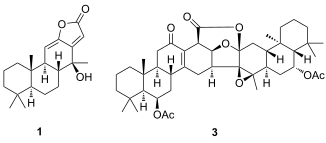
- -lactone functionality. The 13C NMR and DEPT spectra in combination with HMQC data (Table 1) showed resonances of 44 carbons which were classified as nine methyls, 11 methylenes, 11 methines (three oxygenated sp3 at δC 73.7, 69.4, 68.8), and 13 quaternary carbons (four carbonyls at δC 197.9, 170.7, 170.4

Graphical Abstract

Figure 1: Chemical structures of 1-3 isolated from P. macropterum.

Figure 2: Key 1H,1H-COSY, and HMBC correlations of 1 and 3.

Figure 3: Selected NOESY cross peaks of 1 and 3.

Figure 4: Measured and predicted ECD spectra of 1 and 3.



