Search results
Search for "catalysts" in Full Text gives 1322 result(s) in Beilstein Journal of Organic Chemistry. Showing first 200.
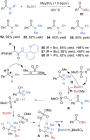
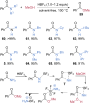
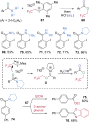
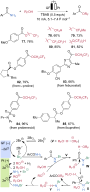
Z-Selective semihydrogenation of alkynes via Ni/Lewis acid synergistic catalyzed system using DMF as hydrogen source and solvent
Beilstein J. Org. Chem. 2026, 22, 1004–1012, doi:10.3762/bjoc.22.79
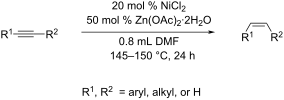
- available catalysts, and demonstrates broad applicability across a wide range of substrates. Keywords: alkynes; DMF; Ni/Lewis acid catalysis; Z-selective semihydrogenation; Introduction Z-Olefins represent important structural units in natural products, pharmaceuticals, and functional materials, making
- . outlined the state-of-the-art progress on stereoselective semihydrogenation of alkynes catalyzed by first-row (3d) transition metals, which attract substantial attention owing to their natural abundance and low toxicity [5]. In recent years, homogeneous catalysts based on Ni, Cu, Rh, and Co have shown
- intermediates, yet their combination with nickel catalysts has been little explored in alkyne semihydrogenation. We envisioned that merging nickel’s competence in alkyne activation and hydrogen transfer with a Lewis acid’s capacity to modulate reaction pathways could enhance both selectivity and efficiency



Electrochemical reduction of unsaturated carbon–carbon bonds via 3d transition-metal catalysis
Beilstein J. Org. Chem. 2026, 22, 955–981, doi:10.3762/bjoc.22.75
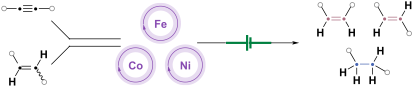
- conventionally achieved by exposing substrates to molecular hydrogen in the presence of homogeneous transition-metal catalysts or supported catalysts, thereby affording the corresponding alkanes. In sharp contrast, when selective reduction of alkynes is required, the use of Lindlar’s catalyst provides a
- through inner-sphere substrate organization. From this perspective, alkene reduction is relatively more challenging because of the lower π-basicity of alkenes. Alternatively, outer-sphere electron transfer, mediated by electrolysis, or the strategic use of redox mediators and co-catalysts could also
- mechanistic landscape, 3d transition-metal catalysts occupy a uniquely versatile position, as their accessible redox states and ligand-dependent electronic tunability enable engagement with both metal hydride-involved and hydride-free pathways. Consequently, electrochemical control over electron and proton








Synthesis of sterically shielded piperidine nitroxides via acid-catalyzed heterocyclization of β-aminoketone derivatives with ketones
Beilstein J. Org. Chem. 2026, 22, 948–954, doi:10.3762/bjoc.22.74
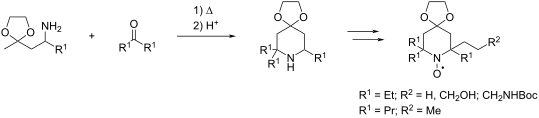
- use as catalysts for alcohol oxidation [8], electrode active materials in energy storage devices (batteries) [9], as well as antioxidants and superoxide dismutase (SOD) mimetics [10]. Their sterically shielded analogs, such as 2,2,6,6-tetraethylpiperidine-1-oxyl (TEEPO), were initially developed for


Recent advances in copper-catalyzed direct hydroamination of alkenes with (hetero)aromatic amines
Beilstein J. Org. Chem. 2026, 22, 925–947, doi:10.3762/bjoc.22.73
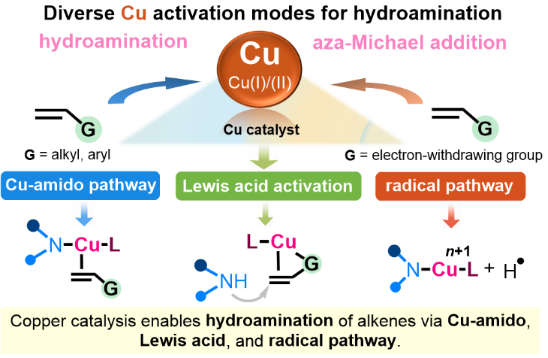
- reactivities of (hetero)aromatic N–H nucleophiles remains challenging. To address these issues, a range of transition metal catalysts have been explored [21][22][23], with copper emerging as a potent candidate [24][25][26][27]. Beyond its abundance, low cost, and comparatively low toxicity relative to precious
- provide complementary regioselectivity profiles and an expanded substrate scope compared to purely polar mechanisms. The ability of copper catalysts to operate across these mechanistic regimes has enabled significant progress in the hydroamination of activated and challenging alkenes using (hetero
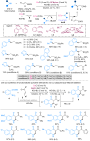
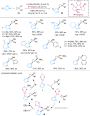
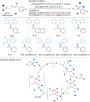
- been widely explored. Among the various catalytic systems, copper catalysts have attracted particular attention owing to their ability to activate amine components by forming copper–amido species. In this activation mode, deprotonation of the N–H bond generates a Cu–N intermediate with enhanced







A practical CO2-mediated synthesis of 5,6-carboxylated silicon-rhodamines for targeted probe development
Beilstein J. Org. Chem. 2026, 22, 915–924, doi:10.3762/bjoc.22.72
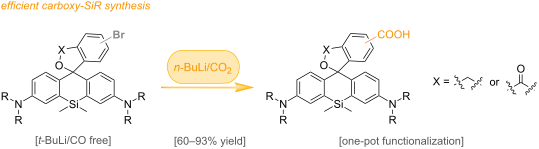
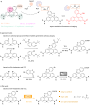
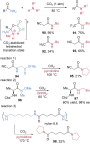
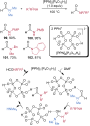
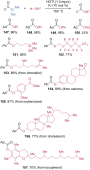
- readily available CO2, this method delivers carboxylated SiR derivatives in 60–93% yields while avoiding the use of t-BuLi, toxic CO, and expensive palladium catalysts. In addition, the crude carboxylation mixtures can be directly subjected to amide coupling without chromatographic purification, enabling
- -catalyzed carbonylation using in situ-generated CO then furnished the corresponding carboxylated SiRs in 50–90% yields. Although this approach significantly improved synthetic efficiency, it still relies on specialized setups for CO generation and expensive palladium catalysts, thereby increasing
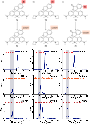
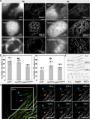
- relatively mild conditions. Compared with previous approaches, this strategy avoids the need for specialized apparatus for in situ CO generation as well as expensive palladium catalysts, thereby significantly reducing experimental complexity and synthetic cost. Importantly, the resulting carboxylated SiR



Palladium-catalyzed benzocyclization reactions of quinoline-2-carboxamides via sequential C–H/N–H functionalization
Beilstein J. Org. Chem. 2026, 22, 905–914, doi:10.3762/bjoc.22.71
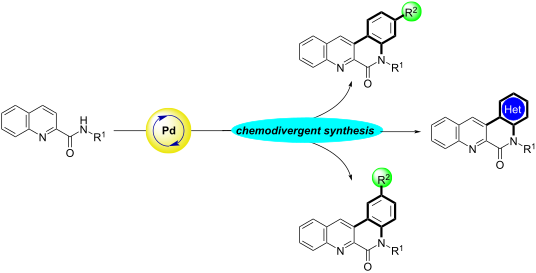
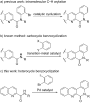
- -metal catalysts. This can reveal their selectivity in terms of reaction position(s) in chemodivergent synthesis (Scheme 2c). The present report explores benzocyclization reactions involving sequential C–H/N–H functionalization by a palladium catalyst. Results and Discussion First, the C–H/N–H annulation




Chiral cyclopropenimine-catalyzed enantioselective Michael reactions of phenol and benzofuran-derived α,β-unsaturated pyrazolamides with benzophenone-imine of glycine esters
Beilstein J. Org. Chem. 2026, 22, 888–896, doi:10.3762/bjoc.22.69
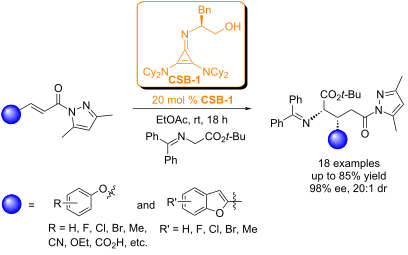
- asymmetric Michael reactions between β-substituted α,β-unsaturated ester 1a and benzophenone-imine of glycine tert-butyl ester 2a in the presence of 20 mol % of CSB-1 and other chiral tertiary amine catalysts including quinine, levamisole, (+)-sparteine (Scheme 1). To our disappointment, the results showed
- that the chiral catalysts quinine and CSB-1 can give the corresponding product 3a in high yields but in its racemic form in the presence of 1 equiv LiBr. Based on our previous research [7][8], β-aryl-substituted α,β-unsaturated isoxazoles and pyrazolamide can be used as Michael acceptors to produce
- -unsaturated pyrazolamide 5a and benzophenone-imine of glycine ester 2a was performed as a model reaction for reaction conditions screening with nine chiral organocatalysts (Figure 3) including five Lambert catalysts (CSB-1–CSB-5), quinine, levamisole, (+)-sparteine, and chiral imidazole (CID-OH). Among these






Site-specific labelling of native peptides and proteins: chemical and enzymatic strategies
Beilstein J. Org. Chem. 2026, 22, 857–881, doi:10.3762/bjoc.22.67
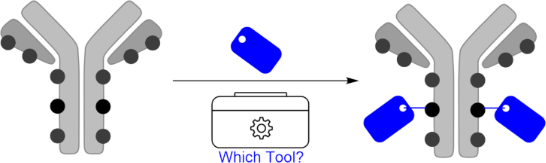
- mass intensity (PMI). Reagents should be near-stoichiometric, purification steps minimal, and catalysts effective in substoichiometric quantities. Compatibility with one-pot system and automation, such as flow chemistry and robotic synthesis, further enhance scalability. Existing tools and techniques
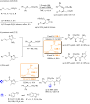
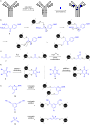
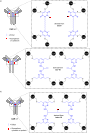
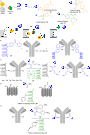
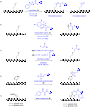
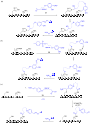
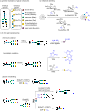
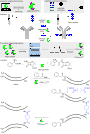
- substrate profiling. Affinity-guided labelling. a) Reagents and catalysts appended to the binder include electrophilic motifs 14–17 as well as b) benzophenone 18, c) rhodium complexes 19, d) 4-dimethylaminopyridine 20 (DMAP), and e) pyridinium aldoxime 21 (PyOx). Chemical sequence to convert subtilisin









The trans-influence in gold chemistry from a catalytic perspective
Beilstein J. Org. Chem. 2026, 22, 838–856, doi:10.3762/bjoc.22.66
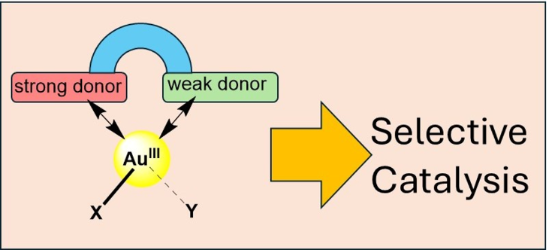
- recent mechanistic insights. Keywords: catalysis; gold; ligands; reaction mechanism; trans-influence; Introduction Gold catalysts have emerged as catalysts of choice in a multitude of organic transformations, not least due to their high functional group tolerance. Their applications have been widely
- platinum in heterogeneous water–gas shift catalysts and is able to work at lower temperatures [57][58]. The water-gas shift could be mimicked by the reaction of (C^N^C)AuOH with CO, which gives CO2 together with the gold hydride (C^N^C)AuH. However, closing the cycle by reacting the hydride with water
- bonds [20][84]. Catalytic acetylene functionalisation [86][87]. Examples of alkene insertions into Au–C bonds [88][89]. Examples of β-H elimination and chain walking processes in (C^P)-ligated gold alkyls [90]. Mechanism of alkyne hydroarylation with (C^P) gold catalysts [92]. Vinylic triflate esters by


Knoevenagel condensation of 4,5- and 1,8-diazafluorenes
Beilstein J. Org. Chem. 2026, 22, 803–812, doi:10.3762/bjoc.22.62
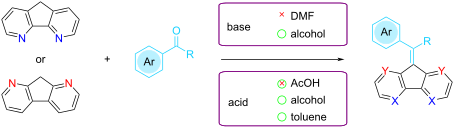
- be applied as antitumor agents [1][2][3], emitters and sensors [4][5]. They have also been extensively used as ligands yielding a wide library of transition-metal complexes [6][7][8], catalysts [9][10], light-driven molecular motors [11][12], nonlinear optical chromophores [13], and electrochromic


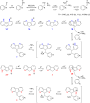


Synthesis of heterocycles based on azomethine ylides from α-amino acids (or amines) and carbonyl compounds
Beilstein J. Org. Chem. 2026, 22, 705–741, doi:10.3762/bjoc.22.55
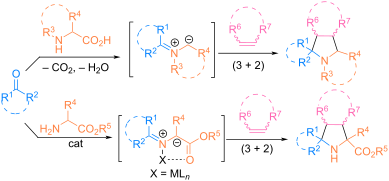
- from imino esters, catalyzed by chiral Cu(I,II) and Ag(I) complexes, are widely used. Reactions using α-amino acids proceed, in most cases, without the use of catalysts, with high yields and high stereoselectivity. Electrophilic alkenes of various structures, (hetero)aromatic olefins and benzofulvenes


Photoorganocatalytic trifluoromethylation of (het)arenes in green conditions
Beilstein J. Org. Chem. 2026, 22, 662–671, doi:10.3762/bjoc.22.50
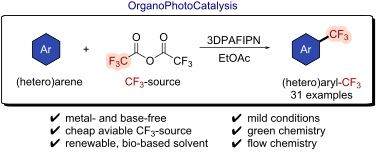
- trifluoromethyl-substituted compounds. Over the past decade, numerous photocatalytic protocols for the trifluoromethylation of arenes and heteroarenes have been developed, including approaches employing microflow techniques [6]. These transformations utilize a broad spectrum of catalysts, ranging from Ru- and Ir
- -based complexes to other transition metals and organic photocatalysts, as well as diverse CF3 sources. The major limitations of these methodologies include the high cost of catalysts and trifluoromethylating reagents, along with the use of toxic species such as transition-metal complexes and hazardous
- for the photochemical trifluoromethylation of (hetero)arenes using an Ir-based photocatalyst under blue-light irradiation (Scheme 1c) [16]. Although these approaches employed inexpensive CF3 sources, they relied on costly noble-metal catalysts with loadings of up to 3 mol %. Moreover, all of these


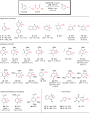


Hydrogen production from formic acid catalyzed by NHC–Cu complexes
Beilstein J. Org. Chem. 2026, 22, 620–627, doi:10.3762/bjoc.22.48
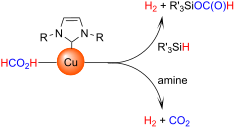
- ]. Finally, a Cu(I)–formato complex able to promote FA dehydrogenation in the absence of any additive was very recently reported by Berthet, Cantat and co-workers [48]. During the past decades, NHC–Cu complexes have shown to be efficient catalysts in a plethora of reactions. Indeed, they guarantee better
- that the reaction mixture is composed of more than one species presenting different ammonium/formato ratios [63]. Compared to other Cu-based catalysts employed in FA dehydrogenation, the complex 5/aniline system exhibited higher activity (TOF 14 h−1) than monomeric formate species bearing bulky
- phenanthroline ligands (TOF 4 h−1) [48] as well as Cu(0), Cu(I), and Cu(II) precursors/NEt3 (TOFs < 1 h−1) [44]. In contrast, [Cu(NCMe)4][PF6]/phosphine ligands/(t-BuNC–NEt3) systems represent the most active Cu-based catalysts reported to date for this transformation, exhibiting TOFs spanning from 10 to 240 h−1



Computational prediction of C–H hydricities and their use in predicting the regioselectivity of electron-rich C–H functionalisation reactions
Beilstein J. Org. Chem. 2026, 22, 603–610, doi:10.3762/bjoc.22.46
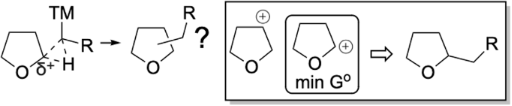
- tertiary > secondary > primary reactivity pattern; it is thus not clear whether hydricities offer an advantage over BDEs. Furthermore, for reactions involving bulky catalysts and/or functional groups the regioselectivity will also be dictated by the steric accessibility of the C–H site (Figure 1). In this


![[Graphic 6]](/bjoc/content/inline/1860-5397-22-46-i8.svg?max-width=637&scale=1.18182)


Continuous-flow carbonyl hydrogenation under subatmospheric to atmospheric hydrogen pressure enabled by robust heterogeneous Pt–Fe catalysts
Beilstein J. Org. Chem. 2026, 22, 575–582, doi:10.3762/bjoc.22.43
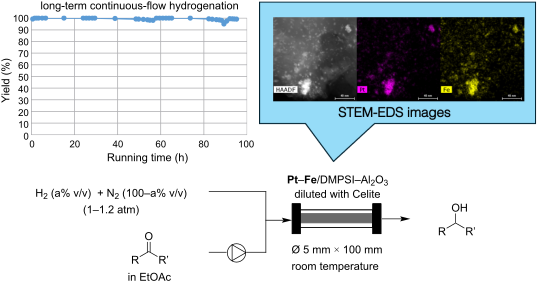
- bimetallic Pt–Fe nanoparticle catalyst immobilized on a composite support of dimethylpolysilane and alumina. Both ketones and aldehydes, including highly bulky and sterically hindered substrates, were smoothly hydrogenated using the newly developed catalysts under continuous-flow conditions at room
- temperature and under subatmospheric to atmospheric hydrogen pressure. High durability of the heterogeneous catalysts was confirmed by a long-term continuous-flow operation. Interestingly, both the combination of metal species and the metal ratio strongly influenced the catalytic performance. Keywords
- heterogeneous catalysts are used in a continuous-flow system, the catalyst included in a column allows semi-permanent use without recovery and reuse operations that are usually needed in a batch system. The integration of multiple column reactors also enables multistep continuous production. In addition, an


Kinetic resolution of racemic planar-chiral vinylcymantrenes by molybdenum-catalyzed asymmetric metathesis dimerization
Beilstein J. Org. Chem. 2026, 22, 568–574, doi:10.3762/bjoc.22.42
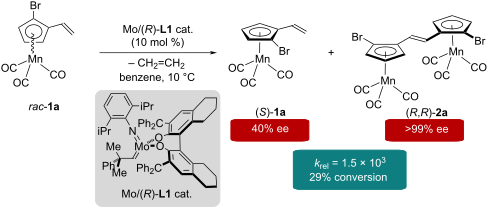
- resolution; molybdenum; olefin metathesis; planar chirality; Introduction The development of the well-defined molybdenum- [1][2] or ruthenium-alkylidene [3][4][5] catalysts has proven the olefin metathesis reaction to be a powerful tool in organic synthesis. Asymmetric extension is a recent trend in
- metathesis chemistry, and various chiral metal-alkylidene catalysts have been prepared over the past two decades [6][7][8][9]. Since 2002, our group and others have been interested in utilizing the olefin metathesis reaction for the modulation of various transition-metal complexes [10][11][12][13] thanks to
- the excellent tolerance of the Mo-/Ru-metathesis catalysts toward the organometallic substrates. The olefin metathesis protocols could be extended to the asymmetric synthesis of diverse planar-chiral transition metal complexes either by the kinetic resolution of the racemic substrates [14][15][16] or


Modern synthetic pathways towards eribulin and its subunits
Beilstein J. Org. Chem. 2026, 22, 495–526, doi:10.3762/bjoc.22.37
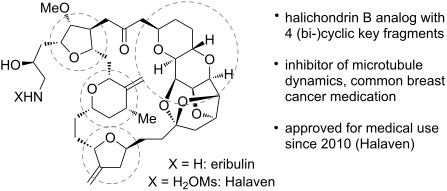
- . Eventual change of the two PNB- with TBDMS-protecting groups yielded 45 in 58%. Notably, by this technique, the central pyran motif was assembled in one step and required only the stereoinformation of 42`s alcohol unit, while in former works two individual steps and the use of expensive metal catalysts
- competitive reaction sequence for the large-scale process currently applied by Eisai [66]. Furthermore, this method stands out for its cost-efficiency, since only an enantiomeric pair of ruthenium catalysts is needed in addition to other standard chemicals. A similar building block as from Kaghad and co
- field of the synthesis of 1. This is especially observable for the synthesis of the 4 heterocyclic key fragments or intermediates obtained during the Eisai process. Here, the major progresses can be registered in terms of enhancing the sustainability of pathways through the removal of metal catalysts








Recent advances in the stereoselective synthesis of distal biaxially chiral molecules
Beilstein J. Org. Chem. 2026, 22, 461–479, doi:10.3762/bjoc.22.34
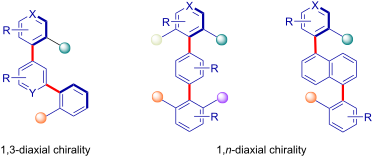
- studies have further broadened the synthetic toolbox for remote biaxial chirality. Du and co-workers designed a series of chiral phosphoric acid catalysts derived from protected axially chiral diols 13, employing a boronic acid-mediated coupling strategy to construct remote biaxially chiral phosphoric
- ligands (Scheme 3) [44]. The resulting catalysts 18 demonstrated remarkable efficiency in the asymmetric transfer hydrogenation of quinoline derivatives. Along similar lines, Zhang and co-workers introduced an additional axial chirality element into a ligand framework, affording a pair of diastereomeric
- utility of machine learning in predicting the synthetic feasibility of ligands. By integrating a wide range of Pd catalysis data with limited Ni/Sadphos data through a co-modeling approach, this work pioneered a few-shot learning strategy for the design of molecular catalysts. Transformation from central


A facile and practical method for the synthesis of trans-(±)-taxifolin and its derivatives via Darzens reaction
Beilstein J. Org. Chem. 2026, 22, 443–450, doi:10.3762/bjoc.22.31
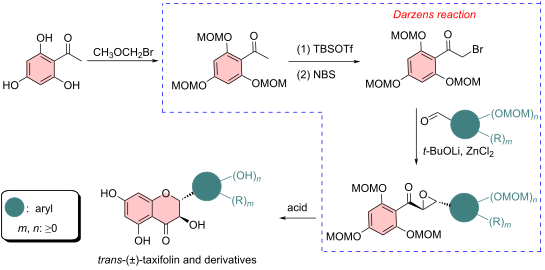
- readily available. Additionally, Xiang et al. [17] and Jew et al. [18] reported asymmetric syntheses of taxifolin, which suffer from long-step operation and the use of complicated and expensive metal-ligand catalysts. Currently, the most widely used chemical method is the synthesis of trans-(±)-taxifolin


Recent advances in the cleavage of non-activated amides
Beilstein J. Org. Chem. 2026, 22, 352–369, doi:10.3762/bjoc.22.23
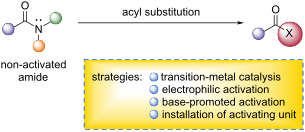
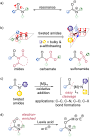
- remains a significant and persistent challenge in synthetic chemistry [41][42][43][44]. Classical approaches for activating non-activated amides typically rely on transition-metal catalysts acting as Lewis acids, which coordinate to the carbonyl oxygen and enhance electrophilicity (Scheme 1d). However
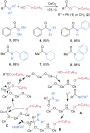
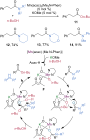
- can also serve as efficient catalysts for activating amide C–N bonds. SanMartin et al. investigated a palladium-catalyzed transamidation of non-activated amides 5, 27–29 with benzylamines, in which molecular oxygen acted as the palladium-activating agent (Scheme 6) [50]. Notably, high yields of the


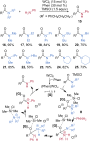
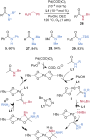


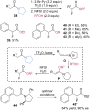
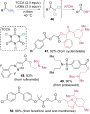






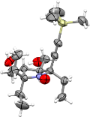
Synthesis of tricyclic fused pyrrolidine nitroxides from 2-alkynylpyrrolidine-1-oxyls
Beilstein J. Org. Chem. 2026, 22, 344–351, doi:10.3762/bjoc.22.22

- components of many high-tech materials, such as energy storage and organoelectronics devices [1][2][3][4][5][6][7][8], catalysts [9][10], bioactive coatings and nanoparticles [11][12], organic radical contrast agents (ORCAs) for magnetic resonance imaging (MRI) [13][14], etc. For these applications, numerous




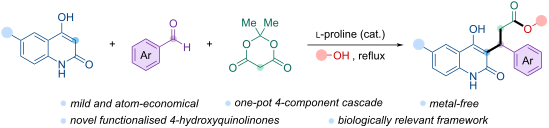
A mild and atom-efficient four-component cascade strategy for the construction of biologically relevant 4-hydroxyquinolin-2(1H)-one derivatives
Beilstein J. Org. Chem. 2026, 22, 244–256, doi:10.3762/bjoc.22.18
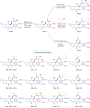
- with α,β-unsaturated esters, such as (E)-3-(3,4-dimethoxyphenyl)acrylic acid esters 3 (see Supporting Information File 1) exemplified by compound 4. Different solvents and catalysts, both acidic and basic, were screened at room temperature, including refluxing in pyridine with piperidine, but the


Synthesis of diaryl phosphates using phytic acid as a phosphorus source
Beilstein J. Org. Chem. 2026, 22, 213–223, doi:10.3762/bjoc.22.15
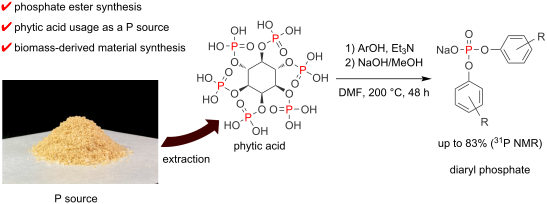
- utilization in metal-chelating agents, flame retardants, and catalysts [3][6][7][8][9][10][11][12][13][14]. However, these applications involved the use of either phytic acid itself or its derivatives. Our group has previously reported a method for synthesizing diaryl phosphates using phosphoric acid as the
- [22] and as insecticides [23]. Particularly, phosphate diesters are among the most important synthetic catalysts, such as the Akiyama–Terada catalyst that serves as a chiral Brønsted acid catalyst [24][25] and promotes a variety of stereoselective reactions. Phosphate diesters also catalyze the ring




Screwing the helical chirality through terminal peri-functionalization
Beilstein J. Org. Chem. 2026, 22, 205–212, doi:10.3762/bjoc.22.14
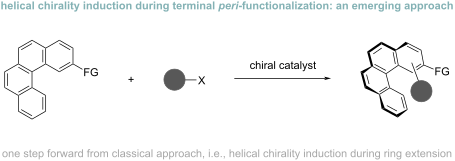
- catalysts [33]. A domino reaction was developed, beginning with a PPS L2-catalyzed Michael addition of phosphine oxides 7 to nitro-substituted oxa[5]helicenes 6, followed by a copper-promoted aromatization. This sequence efficiently produced phosphorus-containing oxa[5]helicene derivatives 8 in high yields
- nanoscale phenomenon that requires the design of advanced catalysts to achieve high enantioselectivity. Although the parallel approach is still in its infancy, it holds immense promise. With the continued and widespread efforts of synthetic chemists, we anticipate that the existing challenges will be


Circumventing Mukaiyama oxidation: selective S–O bond formation via sulfenamide–alcohol coupling
Beilstein J. Org. Chem. 2026, 22, 158–166, doi:10.3762/bjoc.22.9
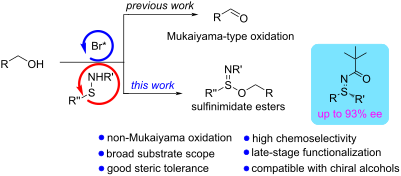
- , such transformations remain synthetically challenging. This is primarily due to the well-known Mukaiyama-type oxidation, wherein sulfenamides serve as redox catalysts for NBS- or NCS-mediated oxidations of alcohols to aldehydes or ketones (Scheme 1b, top) [38][39][40][41][42]. Under such oxidative