


Search results
Search for "olefins" in Full Text gives 342 result(s) in Beilstein Journal of Organic Chemistry. Showing first 200.
Z-Selective semihydrogenation of alkynes via Ni/Lewis acid synergistic catalyzed system using DMF as hydrogen source and solvent
- Lei Kang,
- Haifeng Gao and
- Luo Yang
Beilstein J. Org. Chem. 2026, 22, 1004–1012, doi:10.3762/bjoc.22.79
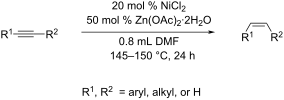
- available catalysts, and demonstrates broad applicability across a wide range of substrates. Keywords: alkynes; DMF; Ni/Lewis acid catalysis; Z-selective semihydrogenation; Introduction Z-Olefins represent important structural units in natural products, pharmaceuticals, and functional materials, making
- Z-olefins. Beyond expanding the toolbox for stereocontrolled alkyne semihydrogenation, this study offers fresh perspectives on the design of Lewis acid–metal synergistic catalytic systems. Results and Discussion We began by developing a base metal catalytic system for the semihydrogenation of

Graphical Abstract
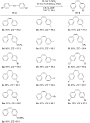
Scheme 1: NiCl2/Zn(AcO)2·2H2O-co-catalyzed Z-selective semihydrogenation of internal alkynes to Z-internal al...

Scheme 2: NiCl2/Zn(AcO)2·2H2O-co-catalyzed semihydrogenation of terminal alkynes to terminal alkenes.

Scheme 3: NiCl2/Zn(AcO)2·2H2O-co-catalyzed semihydrogenation of alkylarylacetylene and dialkylacetylene to (Z...

Scheme 4: Control experiment using DMA as solvent together with exogenous formic acid instead of DMF.

Scheme 5: Proposed catalytic cycle for the Ni/Lewis acid-catalyzed semihydrogenation of alkynes with DMF.
Electrochemical reduction of unsaturated carbon–carbon bonds via 3d transition-metal catalysis
- Geon Kang,
- Minki Jeon,
- Pooja Kumari Jat,
- Cheoljae Kim and
- Isaac Choi
Beilstein J. Org. Chem. 2026, 22, 955–981, doi:10.3762/bjoc.22.75
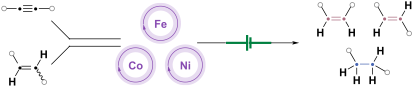
- fundamentally suppress deleterious side reactions associated with cathodic metal deposition (Scheme 16A) [131]. Through this reaction design, an efficient and selective alkene-to-alkane reduction was achieved. Substrate scope studies demonstrated broad applicability across structurally diverse olefins, and the
- method proved readily amenable to late-stage functionalization of complex molecules (Scheme 16B). The broad functional-group tolerance observed in this system was attributed to the ability of the nickel catalyst to effectively inhibit direct cathodic reduction of olefins. Furthermore, the electrochemical
- complete reduction of alkenes to single C–C bonds (Scheme 17A) [126]. This method exhibits broad substrate generality with a wide range of functional groups that remain fully intact under the reaction conditions (Scheme 17B). Both activated and unactivated olefins, including internal and terminal

Graphical Abstract

Figure 1: A design for electroorganic synthesis.

Figure 2: Modes of transition-metal-catalyzed electrochemical reduction of unsaturated C–C bonds.
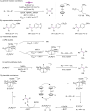
Scheme 1: Electroreductive iron catalysis for alkyne semihydrogenation enabled by a cobaltocene redox mediato...

Scheme 2: Electrochemical reduction of unactivated alkenes via iron catalysis.
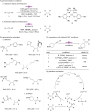
Scheme 3: Cobalt-catalyzed e-HAT for the reduction of alkynes.

Scheme 4: Dual cobalt catalyses for Z-selective semihydrogenation of alkynes.
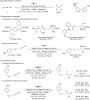
Scheme 5: Electrochemical cobalt-catalyzed semideuteration of alkynes.
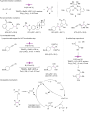
Scheme 6: Electrochemical cobalt catalysis for E-selective semihydrogenation of alkynes.

Scheme 7: Concerted proton–electron transfer-driven electrocatalytic reduction of alkenes.

Scheme 8: Electrochemical deuteration of alkenes via HAT using Co–H.

Scheme 9: Electrocatalytic reduction of alkynes by hydride transfer via PCET.

Scheme 10: Ni–H-free electrocatalytic semihydrogenation of alkynes by nickel catalysis.
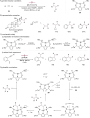
Scheme 11: Ligand-based proton and electron transfer enabling electrocatalytic semihydrogenation of alkynes.

Scheme 12: Proton-modulated electrochemical Ni–H formation for the hydrogenation of alkynes.

Scheme 13: Nickel-catalyzed electrochemical semireduction of terminal alkynes.

Scheme 14: Full hydrogenation of alkynes via nickel hydride electrocatalysis.

Scheme 15: Ni–H-mediated electrochemical reduction of alkynes to alkanes.

Scheme 16: Electrochemical nickel-catalyzed hydrogenation of alkenes.
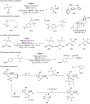
Scheme 17: Electrochemical Ni–H formation and hydrogenation of alkenes using a bifunctional ligand.
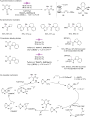
Scheme 18: Nickel hydride electrocatalysis for the hydrogenation of alkenes.
Recent advances in copper-catalyzed direct hydroamination of alkenes with (hetero)aromatic amines
- Hyejeong Lee and
- Yunmi Lee
Beilstein J. Org. Chem. 2026, 22, 925–947, doi:10.3762/bjoc.22.73
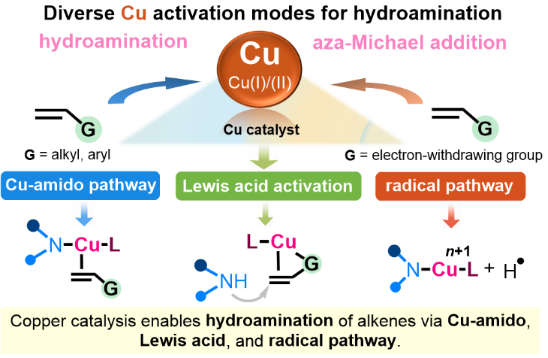
- selective hydroamination chemistry. Review Copper-catalyzed aza-Michael addition Early studies on copper–amido complexes by Gunnoe The aza-Michael addition of (hetero)aromatic amines to electron-deficient olefins provides a straightforward and atom-economical route to β-amino carbonyl, β-amino sulfone, and
- ) were subsequently evaluated by adding aniline to activated olefins (Scheme 3) [35][36]. Using 5 mol % of the copper–amido catalyst at room temperature, the α,β-unsaturated substrates including acrylonitrile, methyl vinyl ketone, methyl acrylate, and cyclic enones were converted to the corresponding β
- isolating the products, and the substrate scope was not explored extensively. Mechanistic investigations suggest two possible pathways for the copper-catalyzed aza-Michael addition of anilines to electron-deficient olefins (Scheme 3). In path A, the copper amido complex II initially coordinated to the

Graphical Abstract

Scheme 1: Mechanistic pathways in copper-catalyzed hydroamination.

Scheme 2: Synthesis of copper–amido complexes.

Scheme 3: Cu–amido catalysts studied for the aza-Michael addition of aniline to electron-deficient olefins.
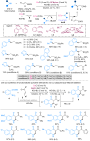
Scheme 4: Copper-catalyzed aza-Michael addition of (hetero)aromatic amines to α,β-unsaturated alkenes.

Scheme 5: Copper-catalyzed 1,6-conjugate addition of aza-heterocycles to sulfonyl dienes.

Scheme 6: Cu-catalyzed aza-Michael addition of arylamines to allylic sulfones.

Scheme 7: Cyclic(alkyl)(amino)carbene-copper-catalyzed aza-Michael addition.

Scheme 8: Aza-Michael addition enabled by Lewis acidic copper catalyst. a20 mol % bpy, 50 mol % Na2CO3.

Scheme 9: One-pot cyclization via aza-Michael addition enabled by Lewis acidic copper catalyst.

Scheme 10: Lewis acidic Cu-catalyzed tandem reaction via aza-Michael addition.

Scheme 11: Copper nanomaterials-catalyzed aza-Michael addition via Lewis acid activation and radical pathways.

Scheme 12: Copper–amido-mediated hydroamination of aniline with vinylarenes.

Scheme 13: Copper-catalyzed anti-Markovnikov hydroamination of (hetero)aromatic N–H with vinylarenes.

Scheme 14: Hydroamination of oxa- and azabenzonorbornadienes with pyrazoles.
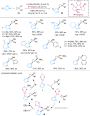
Scheme 15: Copper-catalyzed enantioselective hydroamination of cyclopropenes with pyrazoles.

Scheme 16: Copper/Brønsted acid system for hydroamination of strained alkenes.

Scheme 17: Hydroamination of allenes enabled by Lewis acidic copper catalyst.

Scheme 18: Enantioselective intramolecular hydroamination through aminocupration followed by radical processes....
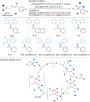
Scheme 19: Visible-light-induced copper-catalyzed hydroamination of styrenes.

Scheme 20: Lewis acid-catalyzed radical hydroamination of styrenes with isatins.
The trans-influence in gold chemistry from a catalytic perspective
- Manfred Bochmann
Beilstein J. Org. Chem. 2026, 22, 838–856, doi:10.3762/bjoc.22.66
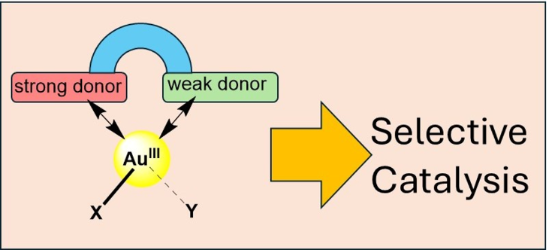
- been claimed to explain the (MeDalPhos)Au-catalysed synthesis of Heck-type olefins, including migratory alkene 2,1-insertion into a Au–aryl bond, followed by β-H elimination, to give non-conjugated benzyl alkenes [94]. This reactivity scenario has been extended to include chain walking [95]. The main
- alkene insertions invariably show 1,2-insertions to be energetically more favourable. However, these do not generate Heck-type arylated olefins. A detailed spectroscopic, kinetic and computational study by Budzelaar et al. has recently clarified that these reactions in fact follow a nucleophile addition
- gold-catalysed nucleophilic attack on alkynes [94]. Gold-catalysed and gold-free steps in the formation of Heck-type olefins [97][99]. Funding MB thanks the Leverhulme Trust for an Emeritus Fellowship (EM-2024-028\4).

Graphical Abstract

Scheme 1: Assessment of ligand influence by kinetic competition experiments.

Scheme 2: Ligand types employed in the stabilisation of gold(III) complexes.

Scheme 3: Au(III) π- and σ-complexes stabilised by C^N^C and C^N chelate ligands [28-32] and an example of a gold(II...

Scheme 4: Gold(III) C^C chelate complexes.

Figure 1: Examples of photoemissive gold(III) pyrazine complexes. Dr. J. Fernandez-Cestau is gratefully ackno...

Scheme 5: Gold hydride complexes supported by tridentate pincer ligands and corresponding1H NMR chemical shif...

Scheme 6: Gold(III) hydride formation by oxygen transfer.

Scheme 7: Heterolytic H–H bond cleavage by cationic Au(III) complexes [32,56].

Scheme 8: Gold(III) models of the water-gas shift reaction [30].

Scheme 9: Gold(III) hydride complexes supported by C^C and C^N chelate ligands [32,50].

Scheme 10: O2 insertions into Au–H bonds.

Scheme 11: Alkyne, alkene and isocyanide hydroauration by a bimolecular gold radical mechanism [49,65,66].

Scheme 12: Reactions of (C^C)Au–H with DMAD [50].

Scheme 13: Alkyne hydroauration by a bimolecular Au(III)–Au(I)-assisted process [69].

Scheme 14: Gold(III) π-allyl complexes.

Scheme 15: Outer-sphere mechanism of ethylene insertion into Au–O bonds [20,84].

Scheme 16: Catalytic acetylene functionalisation [86,87].

Scheme 17: Examples of alkene insertions into Au–C bonds [88,89].

Scheme 18: Examples of β-H elimination and chain walking processes in (C^P)-ligated gold alkyls [90].

Scheme 19: Mechanism of alkyne hydroarylation with (C^P) gold catalysts [92].

Scheme 20: Vinylic triflate esters by gold-catalysed nucleophilic attack on alkynes [94].

Scheme 21: Gold-catalysed and gold-free steps in the formation of Heck-type olefins [97,99].
Synthesis of heterocycles based on azomethine ylides from α-amino acids (or amines) and carbonyl compounds
- Ekaterina V. Berezhnaya,
- Alexander I. Ponyaev,
- Vitali M. Boitsov and
- Alexander V. Stepakov
Beilstein J. Org. Chem. 2026, 22, 705–741, doi:10.3762/bjoc.22.55
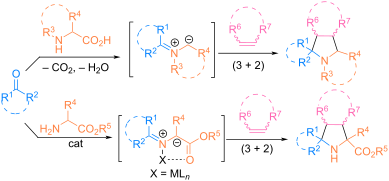
- from imino esters, catalyzed by chiral Cu(I,II) and Ag(I) complexes, are widely used. Reactions using α-amino acids proceed, in most cases, without the use of catalysts, with high yields and high stereoselectivity. Electrophilic alkenes of various structures, (hetero)aromatic olefins and benzofulvenes
- electron-withdrawing substituents have been widely studied; acrylates, vinyl sulfones, maleimides, β-nitrostyrenes, fumarates, and maleates have been used most frequently [28][29]. Reactions of aromatic and heteroaromatic olefins containing both electron-donating and electron-withdrawing groups in the
- dipolarophile can lead to a change in the mechanism and to an effective electrophilicity polarization toward the terminal carbon atom. This finding strongly supports the suitability of moderately activated olefins as dipolarophiles for the catalyzed asymmetric cycloaddition reactions involving azomethine ylides

Graphical Abstract

Scheme 1: Strategies for the preparation of pyrrolidine derivatives by (3 + 2) cycloaddition of azomethine yl...

Scheme 2: (3 + 2) Cycloaddition of iminoesters to dimethylmaleate.

Scheme 3: Cycloaddition of 1 with various dipolarophiles catalyzed by Ag(I)-L1.

Scheme 4: Cycloaddition of 1 with tert-butyl acrylate catalyzed by Ag(I)-L2.

Scheme 5: Cycloaddition of 1 with dimethyl maleate catalyzed by Cu(I)-L3.

Scheme 6: Cycloaddition of 1 with alkenes catalyzed by Zn(II)-t-Bu-BOX (L4).

Scheme 7: (3 + 2) Cycloaddition of iminoesters to acrylates.

Scheme 8: Catalytic double (3 + 2) cycloaddition to form pyrrolizidine derivatives.

Scheme 9: (3 + 2) Cycloaddition of iminoethers to vinyl phenyl sulfone.

Scheme 10: Regiodivergent and enantioselective synthesis of pyrrolidines 16 and 17.

Scheme 11: Substrate-controlled regioreversible "normal" and "incomplete" 1,3-dipolar cycloaddition.

Scheme 12: Enantioselective synthesis of exo-/endo-pyrrolidines.

Scheme 13: (3 + 2) Cycloaddition of iminoethers 21 to dipolarophiles 22–24.

Scheme 14: Synthesis of bicyclic pyrrolidines 29 from cyclopentene-1,3-diones.

Scheme 15: (3 + 2) Cycloaddition of aldimine esters and allyl alcohols using copper-ruthenium catalysis.

Scheme 16: Synthesis of 3,3-difluoro- and 3,3,4-trifluoropyrrolidine derivatives.

Scheme 17: Use of iminoesters from natural compounds and pharmaceuticals for reactions with 1,1-difluoro- and ...

Scheme 18: Reaction of iminoesters with 1,3-enynes.

Scheme 19: Synthesis of pyrrolidines from iminoesters and vinyl(hetero)arenes.

Scheme 20: Synthesis of exo-pyrrolidines 42 and 43.

Scheme 21: Enantioselective synthesis of heteroarylpyrrolidines 45 and 46.

Scheme 22: Catalytic reaction of (3 + 2) cycloaddition of imines 12 to benzofulvenes 47.

Scheme 23: Fullerene as a dipolarophile in (3 + 2) cycloaddition reactions.

Scheme 24: Asymmetric synthesis of optically active tetrasubstituted pyrrolidines 54.

Scheme 25: (3 + 2) Cycloaddition reaction of imines 55 and α,β-unsaturated aldehydes.

Scheme 26: Probable mechanism of enantioselective (3 + 2) cycloaddition of azomethine ylides to α,β-unsaturate...

Scheme 27: Cycloaddition between iminoesters 12 and sulfinylimines 58.

Scheme 28: (3 + 2) Cycloaddition between triarylideneacetylacetone and azomethine ylides in the presence of ti...

Scheme 29: Stereoselective synthesis of decahydropyrrolo[2,1,5-cd]indolizine 66.

Scheme 30: Synthesis of policyclic derivatives 71 and 72.

Scheme 31: Catalytic аsymmetric (3 + 2) сycloaddition of 2-pyridylimines with N-methylmaleimide.

Scheme 32: Catalytic аsymmetric (3 + 2) сycloaddition of 2-pyridylimines 1 with other dipolarophiles.

Scheme 33: Enantioselective (3 + 2) cycloaddition of silylimine with various dipolarophiles.

Scheme 34: Proposed mechanism of formation of pyrrolidines 78.

Scheme 35: Synthesis of polyheterocyclic pyrrolidines 82–91.

Scheme 36: Synthesis of spirocyclic (95) and fused (96) pyrrolidines.

Scheme 37: (3 + 2) Cycloaddition involving aromatic aldehydes 97, N-propargylmaleimide (98) and α-amino acids ...

Scheme 38: Synthesis of pyrrolizidines 106 and by-product 107.

Scheme 39: Iridium-catalyzed three-component cascade (3 + 2) cycloaddition.

Scheme 40: Intramolecular (3 + 2) cycloaddition of N-alkenylpyrrole-2-carbaldehyde 110 and α-amino acids.

Scheme 41: Three-component (3 + 2) cycloaddition involving fullerene.

Scheme 42: Four-component stereoselective one-pot synthesis of spiro-cycloadducts 119–122.

Scheme 43: Reactions of azomethine ylide 123 with cyclopropenes.

Scheme 44: Three-component reactions involving ninhydrin, cyclopropenes and acyclic α-amino acids.

Scheme 45: Reaction of cyclopropenes 138 with the N-protonated form of Ruhemann purple 137.

Scheme 46: Enantioselective (3 + 2) cycloaddition of azomethine ylides generated in situ from isatins and amin...

Scheme 47: (3 + 2) Cycloaddition of cyclohexenone 143, isatins 140 and aminomalonic diesters 141, catalyzed by...

Scheme 48: Enantioselective (3 + 2) cycloaddition of azomethine ylides generated in situ from isatins and amin...

Scheme 49: Enantioselective (3 + 2) cycloaddition of azomethine ylides generated in situ from isatins and benz...

Scheme 50: (3 + 2) Cycloaddition involving isatins, azetidine-2-carboxylic acid, maleimides or itaconimides.

Scheme 51: (3 + 2) Cycloaddition involving isatins, amino acids and tetraethylvinylidenebis(phosphonate).

Scheme 52: Synthesis of spirooxindoles 156 from triarylideneacetylacetones 155.

Scheme 53: Synthesis of spirooxindole derivatives 157–160.

Scheme 54: Synthesis of hybrid spiro-heterocycles 164–166.

Scheme 55: Formation of azomethine ylide from isatin and sarcosine.

Scheme 56: (3 + 2) Cycloaddition involving isatins, amino acids and trans-3-benzoylacrylic acid.

Scheme 57: Regioselective synthesis of spirooxindoles 170.

Scheme 58: Synthesis of hybrid spiro-heterocycles 86.

Scheme 59: (3 + 2) Cycloaddition involving acenaphthenequinones, amino acids and cyclopropenes.

Scheme 60: Synthesis of hybrid glyco-3-nitrochromane cycloadducts 179.

Scheme 61: Synthesis of spiro[indenoquinoxaline-(thia)pyrrolizidines] 90a.

Scheme 62: Three-component reactions of cyclopropenes, 11H-indeno[1,2-b]quinoxalin-11-onesand α-amino acids, s...

Scheme 63: Synthesis of hybrid glyco-3-nitrochromane cycloadducts 92.

Scheme 64: (3 + 2) Cycloaddition of 11H-benzo[4,5]imidazo[1,2-a]indol-11-one (189) with cyclopropenes and male...

Scheme 65: Diastereoselective synthesis of spiro derivatives of barbituric acid from alloxan 193, α-amino acid...

Scheme 66: Probable mechanism of formation of azomethine ylide from alloxan and ʟ-proline.

Scheme 67: Three-component reactions involving tryptanthrin 196, α-amino acids and cyclopropenes.
Kinetic resolution of racemic planar-chiral vinylcymantrenes by molybdenum-catalyzed asymmetric metathesis dimerization
- Haruna Imazu,
- Hitoshi Izu,
- Yasuhiro Ohki and
- Masamichi Ogasawara
Beilstein J. Org. Chem. 2026, 22, 568–574, doi:10.3762/bjoc.22.42
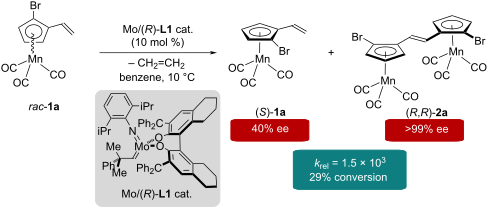
- (I). Indeed, the Friedel–Crafts acetylation of cymantrene, a typical electrophilic aromatic substitution reaction, is much slower than that of ferrocene. Consequently, vinylcymantrenes are electron-deficient olefins and less reactive in olefin metathesis. For this reason, the present AMD/KR reactions
- of up to >99% ee. Vinylcymantrenes are electron-deficient olefins, and they are poorer substrates in olefin metathesis. For this reason, the AMD/KR reactions of rac-1a–c require a relatively high catalyst loading and the conversions tend to be lower. This study, together with our previous reports [29

Graphical Abstract

Scheme 1: Asymmetric metathesis dimerization/kinetic resolution of racemic planar-chiral vinylferrocene/vinyl...

Scheme 2: Preparation of racemic planar-chiral vinylcymantrene substrates rac-1a–c.

Figure 1: ORTEP drawing of the X-ray structure of (S,S)-(–)-2b with atom numbering (thermal ellipsoids set at...

Figure 2: Structures of less-reactive enantiomers in three representative planar-chiral vinylmetallocene subs...
Ring contraction and ring expansion reactions in terpenoid biosynthesis and their application to total synthesis
- Nicolas Kratena,
- Nicolas Heinzig and
- Peter Gärtner
Beilstein J. Org. Chem. 2026, 22, 289–343, doi:10.3762/bjoc.22.21
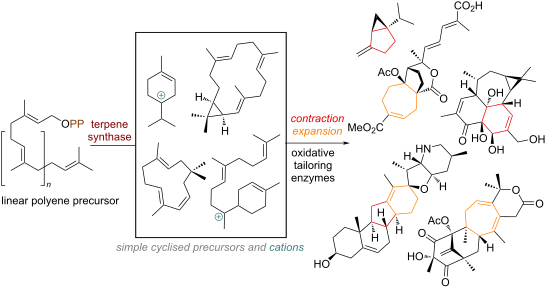
- the activation of the diphosphate group and ionisation) [25][37] and Class II (ionisation by olefin or epoxide protonation via a carboxylic acid in the active site) [26][38][39] and their reactions thus are mediated by carbocations and olefins, through careful preorganisation of the linear substrate
- intermediate luchudiene (21). One of the olefins in 21 is then reactivated by re-protonation, initiating a second cyclisation sequence that proceeds via cations 21a and 21b. Finally, a remarkable sacrificial carbocyclisation (rupture of the cyclopropane ring) at an aliphatic centre then generates cation 21c
- cyclopropyl system after nucleophilic attack by one of the olefins in 59. After a 1,2-hydride shift (59a to 59b) and nucleophilic capture of the tertiary cation to give 60, the full skeleton of tiglianes (e.g., phorbol (61)) would be assembled. An early example of a puzzling ring contraction observed in

Graphical Abstract

Scheme 1: Mechanistic overview of enzymes involved in ring-size-altering reactions: A: Difference in ionisati...

Scheme 2: A: Ring contraction through involvement of carbocationic intermediates in thujane monoterpene biosy...

Scheme 3: Examples of concerted ring expansions of carbocation intermediates in PxaTPS8-catalysed cyclisation...

Scheme 4: Sequential ring expansions during astellifadiene (17) synthesis reported by Abe and co-workers.

Scheme 5: Cyclobutane ring expansion and sequential ring contractions catalysed by the synthase AITS in the b...

Scheme 6: Ring expansion and transannular ring contraction of a cyclopentane to cyclobutane in the biosynthes...

Scheme 7: Computationally elucidated concerted cyclisations/alkyl/hydride shifts during the biosynthesis of t...

Scheme 8: Cyclisation events and 6→5-ring contraction during the construction of epi-isozizaene (26) catalyse...

Scheme 9: Transannular cyclisations and 4→5-membered ring expansion through dyotropic 1,2-rearrangement of al...

Scheme 10: Ring expansion in presilphiperfolan-8b-ol (31) biosynthesis and ring contraction of the presilphipe...

Scheme 11: Ring contraction via transannular cyclopropanation and opening of cyclopropane in the biosynthesis ...

Scheme 12: The crucial CYP450-catalysed oxidative rearrangement defining the skeleton in gibberellin biosynthe...

Scheme 13: CYP450-mediated oxidation of cyclopentane methylene expanding the 8-membered ring in the biosynthes...

Scheme 14: CYP450-mediated oxidation of an exocyclic methyl group to effect transannular cyclisation across th...

Scheme 15: Non-enzymatic transannular aldol reaction enables the formation of the 5/13/3-tricyclic ring system...

Scheme 16: A: Oxidative ring expansion of a cyclopentane by incorporation of a methyl group in the biosynthesi...

Scheme 17: Rearrangement and ring expansion in the construction of the complex bridged carbon framework of and...

Scheme 18: Ketoglutarate-mediated oxidations of preaustinoid A1 (53) en route to complex meroterpenoids, B-rin...

Scheme 19: Proposed putative biosynthetic formation of the tigliane skeleton from an E,E,Z-triene.

Scheme 20: Photocatalytic tandem ring expansion/contraction of santonin to give photosantonin products and gua...

Scheme 21: A: Proposed biosynthesis of stelleroid B (66) from stelleranoid I (65) by ketol rearrangement; B: o...

Scheme 22: Singular examples of A,B-ring contractions and expansions in the biosynthesis of sesquiterpenoids e...

Scheme 23: A: plausible proposed biosynthetic pathway for the tigliane/ingenane skeletal rearrangement and 1,2...

Scheme 24: A: Multiple ring-size alterations during xenovulene A (90) biosynthesis; B: Ring contraction and re...

Scheme 25: Proposed biosyntheses of the complex, polycyclic terpenoid illisimonin A (97) and the bridged antro...

Scheme 26: Proposed biogenetic origin for the meroterpenoid liphagal (104) via epoxide-mediated ring expansion....

Scheme 27: Proposed biogenetic origin for the ring-contracted members of the taiwaniaquinol family.
Scheme 28: A: Schenck ene/Hock/Aldol cascade effecting B-ring contraction in atheronal B (113); B: Selective C...
Scheme 29: A: D-ring expansion of buxenone (118) via cyclopropanation towards buxaustroine A (119); B: Propose...

Scheme 30: Biosynthetic origin of alstoscholarinoids A (124) and B (125) via cascade oxidative rearrangement c...

Scheme 31: Biogenetic origin of the hedgehog signalling inhibitor cyclopamine (129) by tandem ring contraction...

Scheme 32: Proposed biogenetic origin of the B-ring contracted spirocyclic triterpenoid spirochensilide A (131...

Scheme 33: A: Proposed B-ring contraction during the biosynthesis of holophyllane A (133); B: B-ring contracti...

Scheme 34: Radical and ionic/polar mechanisms for the C-ring-contracted triterpenoids phomopsterone B (139) an...

Scheme 35: A: Plausible mechanism for the formation of schiglautone A (144) from anwuweizic acid (145); B: Pro...

Scheme 36: Reported biosynthetic proposal for the formation of B-ring expanded triterpenoids rhodoterpenoids A...

Scheme 37: A: Final reaction step in the synthesis of euphorikanin A (154), benzilic acid-type ring contractio...

Scheme 38: Tricyclic ring expansion in the Gui synthesis of gibbosterol A (158) and sarocladione (160) via Ru-...

Scheme 39: A: A-ring expansion during the Gui synthesis of rubriflordilactone B (161); B: Mechanism for the bi...

Scheme 40: Photosantonin rearrangement effects A/B ring contraction/expansion in Li’s synthesis of the complex...

Scheme 41: Tandem A/B ring expansion/contraction of an ergosterol derivative via pinacol rearrangement in the ...

Scheme 42: Synthetic studies towards cyclocitrinol (179) by A) the semisynthetic approach by Gui et al. using ...

Scheme 43: A: Bioinspired synthesis of spirochensilide A (131) by the Heretsch group via selective 8,9-epoxida...
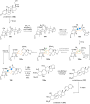
Scheme 44: Baran’s synthesis of cortistatin A (191), expanding the B-ring through a cyclopropane fragmentation....

Scheme 45: Ding’s total synthesis of retigeranic acid (198) showcasing sequential 6→5 ring contractions.

Scheme 46: A: Oxa-di-π-methane (ODPM) rearrangement of a bicyclic ketone en route to silphiperfolenone (203); ...

Scheme 47: Biomimetic synthesis of liphagal (104) from sclareolide (221) by George and co-workers.

Scheme 48: Wu’s bioinspired synthesis of cucurbalsaminones B (224) and C (225) by photocatalytic oxa-di-π-meth...

Scheme 49: Baran’s total synthesis of maoecrystal V (230) featuring a pinacol rearrangement for ring expansion...

Scheme 50: A: Ketol rearrangement leading to ring contraction in the total synthesis of preaustinoid B; B: Ben...

Scheme 51: A: Scheidt’s synthesis of isovelleral (251) by pinacol rearrangement triggered by Mitsunobu conditi...

Scheme 52: Biomimetic transformations of simplified test substrates related to Euphorbia diterpenoids.

Scheme 53: A: First generation synthesis of taiwaniaquinones by benzilic acid-type rearrangement of the B-ring...

Scheme 54: A: Norrish type 1 radical recombination leading to ring contraction en route to cuparenone (272): 1...

Scheme 55: Ring contraction of a bridged D-ring system in the total synthesis of andrastatin D (280), terrenoi...

Scheme 56: Biomimetic synthesis of hyperjapone A (284) and hyperjaponol C (285) by George et al.

Scheme 57: Heretsch’ synthesis of dankastarones A (288) and B (289), swinhoeisterol A (290), and periconiaston...

Scheme 58: A: Zhang’s ring contraction during the synthesis of stemar-13-ene (295) by pinacol rearrangement; B...

Scheme 59: Trauner’s biomimetic synthesis of preuisolactone A (307) featuring a ring contraction via benzilic ...

Scheme 60: Bioinspired approaches for ring contraction/expansion reactions in the synthesis of alstoscholarino...

Scheme 61: A: Sarpong and Li, Wang and co-workers’ ring expansion of cephanolide A (313) to reach harringtonol...
Spirobarbiturates with a pyrrolizidine moiety: synthesis, structure and biological evaluation
- Arthur A. Puzyrkov,
- Andrew S. Drachuk,
- Ekaterina A. Popova,
- Alexander V. Stepakov and
- Vitali M. Boitsov
Beilstein J. Org. Chem. 2026, 22, 274–288, doi:10.3762/bjoc.22.20
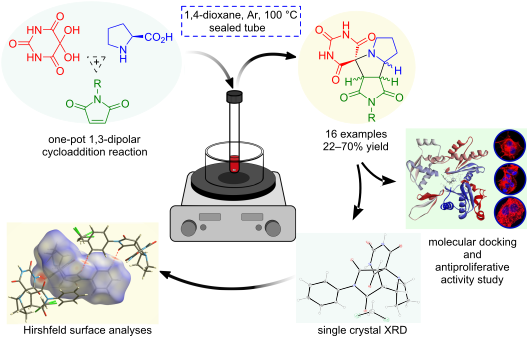
- barbiturates [25]. Other methods include the DBU-mediated stereospecific cyclopropanation of barbiturate-based olefins with benzyl chlorides, developed by Chang’s group for the synthesis of spirobarbiturate-cyclopropanes [26]. Another interesting structural fragment is the pyrrolizidine heterocycle, which is a

Graphical Abstract

Scheme 1: Biologically active compounds with a spirobarbiturate moiety in their structure [7-12].

Scheme 2: Biologically active alkaloids with a pyrrolizidine moiety.

Scheme 3: Previous studies on the three-component synthesis of spirobarbiturates.
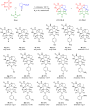
Scheme 4: Synthesis of racemic spirobarbiturates 4a–p via one-pot three-component reaction of alloxan (1), ʟ-...

Scheme 5: A plausible mechanism of spirobarbiturate formation from alloxan (1), ʟ-proline (2), and N-substitu...

Figure 1: Schematic structures of endo- and exo-adducts of spirobarbiturates 4.

Figure 2: X-ray crystal structures of compounds 4b (CCDC 2391172, left) and 4c (CCDC 2391171, right).

Figure 3: Unit cell packing of products 4b (left) and 4c (right).

Figure 4: HS mapped with dnorm for compounds 4b (left) and 4c (right).

Figure 5: A segment of the crystal structure of compound 4b with the HS (dnorm), showing intermolecular conta...

Figure 6: A segment of the crystal structure of compound 4c with the HS (dnorm), showing intermolecular conta...
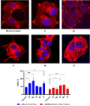
Figure 7: Microscopic images of treated cells and state of the actin cytoskeleton of Sk-mel-2 cells after cul...
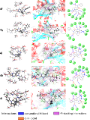
Figure 8: Docked view of compounds 4f, 4g, 4i, 4k, and 4l with the target protein (PDB ID: 8DNH).
Arene activation via π-bond localization: concepts and opportunities
- Paul Meiners,
- Julian J. Melder and
- Tobias Morack
Beilstein J. Org. Chem. 2026, 22, 257–273, doi:10.3762/bjoc.22.19
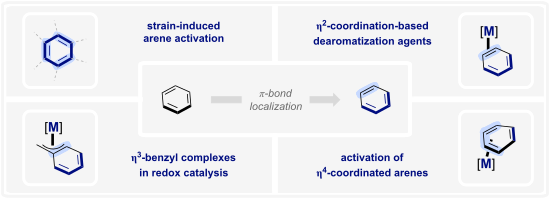
- -coordination of pyrrole transforms the aromatic framework into an azomethine ylide intermediate. This reactive species can engage in a [3 + 2] cycloaddition with activated olefins such as maleic anhydride to form 7-azabicycloheptene complex 8 rather than an electrophilic addition product. An analogous scenario

Graphical Abstract

Figure 1: Aromatic molecules as the foundation of modern molecular chemistry.

Figure 2: Arenes as springboards to three-dimensional chemical space and strategies toward arene activation v...

Figure 3: Structure and synthetic utilization of strained arenes; NICS: nucleus independent chemical shifts [26-28].

Figure 4: Bonding and reactivity of η2-coordinated aromatic systems [44,46].

Figure 5: Illustrative selection of η2-coordinating dearomatization agents; MeIm: N-methylimidazole, NHE: nor...

Figure 6: Preparation, lability and most stable linkage isomers of pentaammineosmium(II) complexes.

Scheme 1: Heteroatom-directed reactions of η2-arene complexes [45,50].

Figure 7: Latent functionality through transient metal binding.
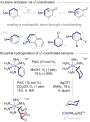
Figure 8: Selective hydrogenation of η2-coordinated benzene to cyclohexene under ambient conditions [53,54].

Scheme 2: Synthesis and utilization of enantioenrichted Mo(η2-arene) complexes in enantioselective synthesis [55]....

Scheme 3: Synthesis of trisubstituted cyclohexenes from phenyl sulfones enabled by tungsten-mediated dearomat...

Scheme 4: Diels–Alder reactions of η2-arene complexes with alkenes and alkynes; NMM: N-methylmaleimide [64,65].

Scheme 5: Binding characteristics and pioneering examples of isolable η3-benzyl complexes.

Figure 9: Divergent functionalization of benzyl electrophiles leveraging η3-benzyl complexes toward benzylic ...

Scheme 6: p-Selective allylation of benzyl chlorides with allylstannanes and subsequent synthetic expansion o...

Figure 10: Strategies for para- and ortho-selective arene functionalization/dearomatization via η3-benzyl comp...

Scheme 7: Substrate-dependent ortho- and para-selective dearomatization of naphthyl chlorides and leveraging ...

Figure 11: η4-Arene coordination as an underexplored but promising pathway for arene activation [96,98-100].
Total synthesis of natural products based on hydrogenation of aromatic rings
- Haoxiang Wu and
- Xiangbing Qi
Beilstein J. Org. Chem. 2026, 22, 88–122, doi:10.3762/bjoc.22.4
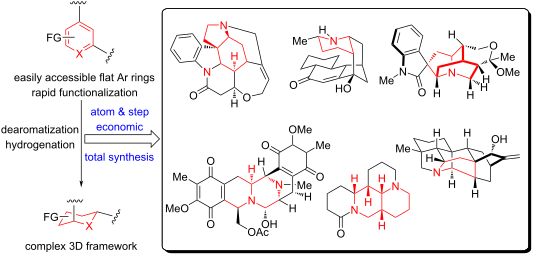
- olefins or carbonyls are present, often requiring fine-tuning of the reaction conditions to prevent overreduction. Disruption of aromaticity also creates multiple potential reduction sites, and subtle electronic or substituent differences can lead to regioisomers, especially in polysubstituted or fused

Graphical Abstract

Scheme 1: The association between dearomatization and natural product synthesis.

Scheme 2: Key challenges in hydrogenation of aromatic rings.
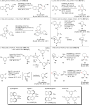
Scheme 3: Hydrogenation of heterocyclic aromatic rings.
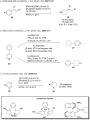
Scheme 4: Hydrogenation of the carbocyclic aromatic rings.
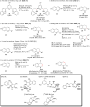
Scheme 5: Hydrogenation of the heterocycle part in bicyclic aromatic rings.
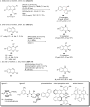
Scheme 6: Hydrogenation of the heterocycle part in bicyclic aromatic rings.
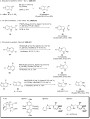
Scheme 7: Hydrogenation of benzofuran, indole, and their analogues.
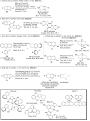
Scheme 8: Hydrogenation of benzofuran, indole, and their analogues.

Scheme 9: Total synthesis of (±)-keramaphidin B by Baldwin and co-workers.

Scheme 10: Total synthesis of (±)-LSD by Vollhardt and co-workers.

Scheme 11: Total synthesis of (±)-dihydrolysergic acid by Boger and co-workers.

Scheme 12: Total synthesis of (±)-lysergic acid by Smith and co-workers.

Scheme 13: Hydrogenation of (−)-tabersonine to (−)-decahydrotabersonine by Catherine Dacquet and co-workers.

Scheme 14: Total synthesis of (±)-nominine by Natsume and co-workers.
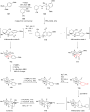
Scheme 15: Total synthesis of (+)-nominine by Gin and co-workers.

Scheme 16: Total synthesis of (±)-lemonomycinone and (±)-renieramycin by Magnus.

Scheme 17: Total synthesis of GB13 by Sarpong and co-workers.

Scheme 18: Total synthesis of GB13 by Shenvi and co-workers.

Scheme 19: Total synthesis of (±)-corynoxine and (±)-corynoxine B by Xia and co-workers.
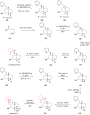
Scheme 20: Total synthesis of (+)-serratezomine E and the putative structure of huperzine N by Bonjoch and co-...

Scheme 21: Total synthesis of (±)-serralongamine A and the revised structure of huperzine N and N-epi-huperzin...

Scheme 22: Early attempts to indenopiperidine core.

Scheme 23: Homogeneous hydrogenation and completion of the synthesis.
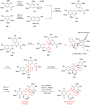
Scheme 24: Total synthesis of jorunnamycin A and jorumycin by Stoltz and co-workers.

Scheme 25: Early attempt towards (−)-finerenone by Aggarwal and co-workers.

Scheme 26: Enantioselective synthesis towards (−)-finerenone.

Scheme 27: Total synthesis of (+)-N-methylaspidospermidine by Smith, Grigolo and co-workers.

Scheme 28: Dearomatization approach towards matrine-type alkaloids.

Scheme 29: Asymmetric total synthesis to (−)-senepodine F via an asymmetric hydrogenation of pyridine.

Scheme 30: Selective hydrogenation of indole derivatives and application.
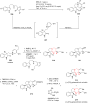
Scheme 31: Synthetic approaches to the oxindole alkaloids by Qi and co-workers.

Scheme 32: Total synthesis of annotinolide B by Smith and co-workers.
Advances in Zr-mediated radical transformations and applications to total synthesis
- Hiroshige Ogawa and
- Hugh Nakamura
Beilstein J. Org. Chem. 2026, 22, 71–87, doi:10.3762/bjoc.22.3
- alkyl radicals 46. When γ-terpinene was employed as a hydrogen donor, the radicals were reduced to the corresponding alkanes 47. Alternatively, in the presence of olefins, radical addition proceeded smoothly to furnish functionalized products 48. This methodology proved broadly applicable to a wide
- range of α-fluorocarbonyl substrates and olefins (Scheme 9B). In 2025, Ota and Yamaguchi et al. reported a zirconocene-mediated selective cleavage of C–O bonds (Scheme 10A) [35]. The authors had previously demonstrated regioselective ring-opening reactions of epoxides and oxetanes by exploiting the

Graphical Abstract

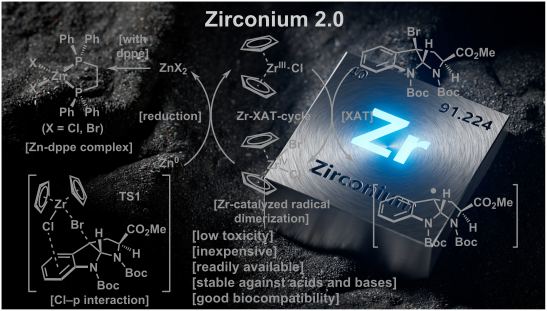
Figure 1: Historical background of zirconium and its physical properties. Image depicted in the background of ...

Scheme 1: Zr-mediated radical cyclization.
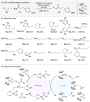
Scheme 2: Ni/Zr-mediated one-pot ketone synthesis.

Scheme 3: Zirconocene-catalyzed alkylative dimerization of 2-methylene-1,3-dithiane.

Scheme 4: Zirconium complexes as a photoredox catalyst.
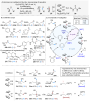
Scheme 5: Zr-catalyzed reductive ring opening of epoxides.

Scheme 6: Zr-catalyzed reductive ring opening of oxetanes. a10 mol % of Cp2Zr(OTf)2·THF was used. bPhCF3 was ...
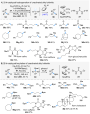
Scheme 7: Zr-catalyzed halogen atom transfer of alkyl chlorides.
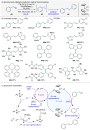
Scheme 8: Zr-catalyzed radical homo coupling of alkyl chlorides.

Scheme 9: Zr-catalyzed fluorine atom transfer.

Scheme 10: Zr-catalyzed C–O bond cleavage. aYield without the use of P(OEt)3.
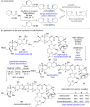
Scheme 11: Application to the total synthesis of halichondrins.
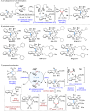
Scheme 12: Zr-catalyzed C3 dimerization of 3-bromotryptophan derivatives. aCp2ZrCl2 was used.

Scheme 13: Mechanistic studies.
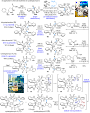
Scheme 14: Application to the total synthesis of cyctetryptomycins. A photo of compound 61b was taken by the a...
Synthesis and applications of alkenyl chlorides (vinyl chlorides): a review
- Daniel S. Müller
Beilstein J. Org. Chem. 2026, 22, 1–63, doi:10.3762/bjoc.22.1
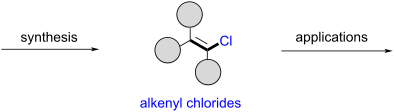
- important and versatile functional group. Keywords: alkenyl chloride; chloroalkenes; chloro olefins; vinyl chlorides; Introduction Alkenyl chlorides, while less extensively investigated than their brominated analogues, constitute a synthetically valuable class of organohalides with distinct reactivity
- (Scheme 37). However, no experimental details for these transformations are provided in the supporting information [138]. Engman reported the synthesis of alkenyl chlorides in a regiocontrolled way from terminal olefins by a sequence involving addition of PhSeCl, chlorination of the resulting selenides
- also be applied to hydroxy- or carboxylic acid-containing olefins by adding 1.1 equivalents of HB(pin) to perform traceless protection of these functional groups, which are otherwise incompatible with molybdenum metathesis catalysts. The in situ-generated boronic ester is conveniently cleaved by silica

Graphical Abstract
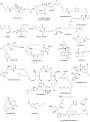
Figure 1: Representative alkenyl chloride motifs in natural products. References: Pinnaic acid [8], haterumalide ...

Figure 2: Representative alkenyl chloride motifs in pharmaceuticals and pesticides. References: clomifene [25], e...
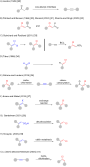
Figure 3: Graphical overview of previously published reviews addressing the synthesis of alkenyl chlorides.

Figure 4: Classification of synthetic approaches to alkenyl chlorides.

Scheme 1: Early works by Friedel, Henry, and Favorsky.

Scheme 2: Product distribution obtained by H NMR integration of crude compound as observed by Kagan and co-wo...

Scheme 3: Side reactions observed for the reaction of 14 with PCl5.

Scheme 4: Only compounds 15 and 18 were observed in the presence of Hünig’s base.

Scheme 5: Efficient synthesis of dichloride 15 at low temperatures.
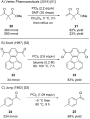
Scheme 6: Various syntheses of alkenyl chlorides on larger scale.

Scheme 7: Scope of the reaction of ketones with PCl5 in boiling cyclohexane.

Scheme 8: Side reactions occur when using excess amounts of PCl5.

Scheme 9: Formation of versatile β-chlorovinyl ketones.

Scheme 10: Mixture of PCl5 and PCl3 used for the synthesis of 49.

Scheme 11: Catechol–PCl3 reagents for the synthesis of alkenyl chlorides.

Scheme 12: (PhO)3P–halogen-based reagents for the synthesis of alkenyl halides.

Scheme 13: Preparation of alkenyl chlorides from alkenyl phosphates.

Scheme 14: Preparation of alkenyl chlorides by treatment of ketones with the Vilsmeier reagent.

Scheme 15: Preparation of electron-rich alkenyl chlorides by treatment of ketones with the Vilsmeier reagent.

Scheme 16: Cu-promoted synthesis of alkenyl chlorides from ketones and POCl3.

Figure 5: GC yield of 9 depending on time and reaction temperature.

Figure 6: Broken reaction flask after attempts to clean the polymerized residue.

Figure 7: GC yield of 9 depending on the amount of CuCl and time.

Scheme 17: Treatment of 4-chromanones with PCl3.

Scheme 18: Synthesis of alkenyl chlorides from the reaction of ketones with acyl chlorides.

Scheme 19: ZnCl2-promoted alkenyl chloride synthesis.
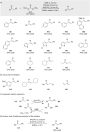
Scheme 20: Regeneration of acid chlorides by triphosgene.

Scheme 21: Alkenyl chlorides from ketones and triphosgene.
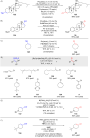
Scheme 22: Various substitution reactions.

Scheme 23: Vinylic Finkelstein reactions reported by Evano and co-workers.

Scheme 24: Challenge of selective monohydrochlorination of alkynes.

Scheme 25: Sterically encumbered internal alkynes furnish the hydrochlorination products in high yield.

Scheme 26: Recent work by Kropp with HCl absorbed on alumina.

Scheme 27: High selectivities for monhydrochlorination with nitromethane/acetic acid as solvent.

Figure 8: Functionalized alkynes which typically afford the monhydrochlorinated products.
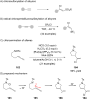
Scheme 28: Related chorosulfonylation and chloroamination reactions.
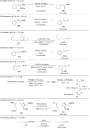
Scheme 29: Reaction of organometallic reagents with chlorine electrophiles.

Scheme 30: Elimination reactions of dichlorides to furnish alkenyl chlorides.

Scheme 31: Elimination reactions of allyl chloride 182 to furnish alkenyl chloride 183.

Scheme 32: Detailed studies by Schlosser on the elimination of dichloro compounds.

Scheme 33: Stereoselective variation caused by change of solvent.

Scheme 34: Elimination of gem-dichloride 189 to afford alkene 190.

Scheme 35: Oxidation of enones to dichlorides and in situ elimination thereof.

Scheme 36: Oxidation of allylic alcohols to dichlorides and in situ elimination thereof.

Scheme 37: Chlorination of styrenes with SOCl2 and elimination thereof.

Scheme 38: Chlorination of styrenes with SOCl2 and elimination thereof.

Scheme 39: Fluorine–chlorine exchange followed by elimination.

Scheme 40: Intercepting cations with alkynes and trapping of the alkenyl cation intermediate with chloride.

Scheme 41: Investigations by Mayr and co-workers.

Scheme 42: In situ activation of benzyl alcohol 230 with BCl3.

Scheme 43: In situ activation of benzylic alcohols with TiCl4.
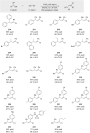
Scheme 44: In situ activation of benzylic alcohols with FeCl3.

Scheme 45: In situ activation of benzylic alcohols with FeCl3.

Scheme 46: In situ activation of aliphatic chlorides and alcohols with ZnCl2, InCl3, and FeCl3.

Scheme 47: In situ generation of benzylic cations and trapping thereof with alkynes.
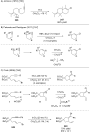
Scheme 48: Intramolecular trapping reactions affording alkenyl halides.

Scheme 49: Intramolecular trapping reactions affording alkenyl chlorides.

Scheme 50: Intramolecular trapping reactions of oxonium and iminium ions affording alkenyl chlorides.
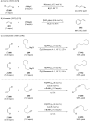
Scheme 51: Palladium and nickel-catalyzed coupling reactions to afford alkenyl chlorides.

Scheme 52: Rhodium-catalyzed couplings of 1,2-trans-dichloroethene with arylboronic esters.

Scheme 53: First report on monoselective coupling reactions for 1,1-dichloroalkenes.

Scheme 54: Negishi’s and Barluenga’s contributions.

Scheme 55: First mechanistic investigation by Johnson and co-workers.

Scheme 56: First successful cross-metathesis with choroalkene 260.

Scheme 57: Subsequent studies by Johnson.
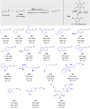
Scheme 58: Hoveyda and Schrock’s work on stereoretentive cross-metathesis with molybdenum-based catalysts.
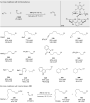
Scheme 59: Related work with (Z)-dichloroethene.
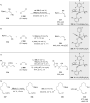
Scheme 60: Further ligand refinement and traceless protection of functional groups with HBpin.

Scheme 61: Alkenyl chloride synthesis by Wittig reaction.

Scheme 62: Alkenyl chloride synthesis by Julia olefination.

Scheme 63: Alkenyl chloride synthesis by reaction of ketones with Mg/TiCl4 mixture.

Scheme 64: Frequently used allylic substitution reactions which lead to alkenyl chlorides.
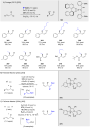
Scheme 65: Enantioselective allylic substitutions.

Scheme 66: Synthesis of alkenyl chlorides bearing an electron-withdrawing group.

Scheme 67: Synthesis of α-nitroalkenyl chlorides from aldehydes.

Scheme 68: Synthesis of alkenyl chlorides via elimination of an in situ generated geminal dihalide.

Scheme 69: Carbenoid approach reported by Pace.

Scheme 70: Carbenoid approach reported by Pace.

Scheme 71: Ring opening of cyclopropenes in the presence of MgCl2.

Scheme 72: Electrophilic chlorination of alkenyl MIDA boronates to Z- or E-alkenyl chlorides.

Scheme 73: Hydroalumination and hydroboration of alkynyl chlorides.

Scheme 74: Carbolithiation of chloroalkynes.

Scheme 75: Chlorination of enamine 420.

Scheme 76: Alkyne synthesis by elimination of alkenyl chlorides.

Scheme 77: Reductive lithiation of akenyl chlorides.

Scheme 78: Reactions of alkenyl chlorides with organolithium reagents.

Scheme 79: Reactions of alkenyl chlorides with organolithium reagents.

Scheme 80: Addition–elimination reaction of alkenyl chloride 9 with organolithium reagents.

Scheme 81: C–H insertions of lithiumcarbenoids.
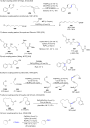
Scheme 82: Pd-catalyzed coupling reactions with alkenyl chlorides as coupling partner.

Scheme 83: Ni-catalyzed coupling of alkenylcopper reagent with alkenyl chloride 183.

Scheme 84: Ni-catalyzed coupling of heterocycle 472 with alkenyl chloride 473.

Scheme 85: Synthesis of α-chloroketones by oxidation of alkenyl chlorides.

Scheme 86: Tetrahalogenoferrate(III)-promoted oxidation of alkenyl chlorides.

Scheme 87: Chlorine–deuterium exchange promoted by a palladium catalyst.

Scheme 88: Reaction of alkenyl chlorides with thiols in the presence of AIBN (azobisisobutyronitrile).

Scheme 89: Chloroalkene annulation.
Total synthesis of asperdinones B, C, D, E and terezine D
- Ravi Devarajappa and
- Stephen Hanessian
Beilstein J. Org. Chem. 2025, 21, 2730–2738, doi:10.3762/bjoc.21.210
- product 11 in 37% yield (Scheme 2). Despite the modest yield, product 11 was transformed to the corresponding tertiary alcohol 12. Removal of the N-Piv group and dehydration with the Burgess reagent [35] led to an inseparable mixture of olefins slightly in favor of the exo-olefin isomer. Dehydration in

Graphical Abstract

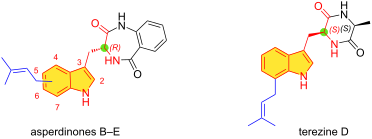
Figure 1: Structures of prenylindole alkaloids derived from tryptophan.

Figure 2: Representative retrosynthetic considerations for 7-prenyl- and 7-allyltryptophan.

Scheme 1: C-7 Functionalization of 7-iodo-Nα-Boc-tryptophan methyl ester.

Scheme 2: C-7 Prenylation via C–H activation.

Figure 3: Negishi cross-coupling of allyl- and prenyl(iodo)indoles.

Scheme 3: Synthesis of prenyl- and allylindoles.

Scheme 4: Markovnikov hydrochlorination and hydrotrifluoroacetylation.

Scheme 5: Synthesis of asperdinones B–E 1–4.

Scheme 6: Control experiment.

Scheme 7: Control experiment of the Negishi cross-coupling reaction.

Scheme 8: Synthesis of terezine D and ent-asperdinone E.
Visible-light-driven NHC and organophotoredox dual catalysis for the synthesis of carbonyl compounds
- Vasudevan Dhayalan
Beilstein J. Org. Chem. 2025, 21, 2584–2603, doi:10.3762/bjoc.21.200
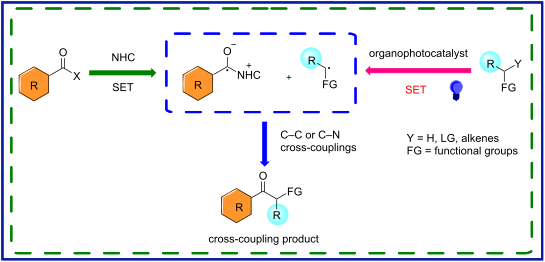
- in biological and materials sciences (Scheme 8) [58]. In 2025, Xuan and colleagues, for the first time, developed a visible-light-driven dual catalytic method enabling the three-component borylacylation of substituted olefins 21. This novel strategy allows the rapid and efficient preparation of boryl

Graphical Abstract
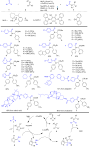
Scheme 1: NHC-catalyzed umpolung strategy for the metal-free synthesis of amide via dual catalysis.
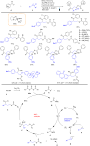
Scheme 2: Visible-light promoted cooperative NHC/photoredox catalyzed ring-opening of aryl cyclopropanes.
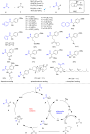
Scheme 3: NHC-catalyzed benzylic C–H acylation by dual catalysis.
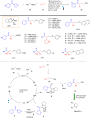
Scheme 4: NHC/photoredox-catalyzed three-component coupling reaction for the preparation of γ-aryloxy ketones....
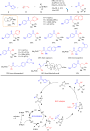
Scheme 5: NHC-catalyzed silyl radical generation from silylboronate via dual catalysis.
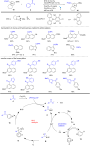
Scheme 6: NHC-catalyzed C–H acylation of arenes and heteroarenes through photocatalysis.

Scheme 7: NHC-catalyzed iminoacylation of alkenes via photoredox dual organocatalysis.
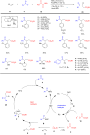
Scheme 8: NHC/photoredox catalyzed direct synthesis of β-arylketoesters.
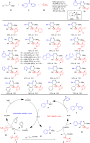
Scheme 9: Visible-light-driven NHC/photoredox catalyzed borylacylation of alkenes.

Scheme 10: NHC-catalyzed oxidative functionalization of cinnamaldehyde.
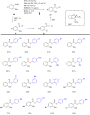
Scheme 11: NHC/photocatalyzed oxidative Smiles rearrangement.

Scheme 12: NHC-catalyzed synthesis of cyclohexanones through photocatalyzed annulation.
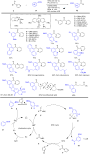
Scheme 13: Dual organocatalyzed meta-selective acylation of electron-rich arenes and heteroarenes using blue L...

Scheme 14: Asymmetric synthesis of fused pyrrolidinones via organophotoredox/N‑heterocyclic carbene dual catal...
Catalytic enantioselective synthesis of selenium-containing atropisomers via C–Se bond formations
- Qi-Sen Gao,
- Zheng-Wei Wei and
- Zhi-Min Chen
Beilstein J. Org. Chem. 2025, 21, 2447–2455, doi:10.3762/bjoc.21.186
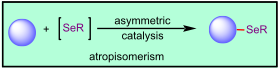
- hydroselenation of alkynes can provide an efficient and direct method for the synthesis of chiral vinyl selenides. However, to date, the enantioselective hydroselenation of alkynes remains underexplored. Building upon recent advances in rhodium-catalyzed asymmetric hydroselenation of olefins, in 2024, Li and co

Graphical Abstract

Figure 1: Representative examples of chiral selenium-containing compounds.

Scheme 1: Rhodium-catalyzed atroposelective C–H selenylation reported by You’s group [18].
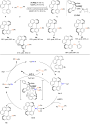
Scheme 2: Rhodium-catalyzed atroposelective C–H selenylation reported by Li et al. [19].
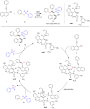
Scheme 3: Organocatalytic asymmetric selenosulfonylation of alkynes.

Scheme 4: Rhodium-catalyzed asymmetric hydroselenation of 1-alkynylindoles. *DCE/DCM 2:1 (v/v), −50 °C.

Scheme 5: Organocatalytic atroposelective hydroselenation of alkynes. *Using cat.3, 4 h.
Transformation of the cyclohexane ring to the cyclopentane fragment of biologically active compounds
- Natalya Akhmetdinova,
- Ilgiz Biktagirov and
- Liliya Kh. Faizullina
Beilstein J. Org. Chem. 2025, 21, 2416–2446, doi:10.3762/bjoc.21.185
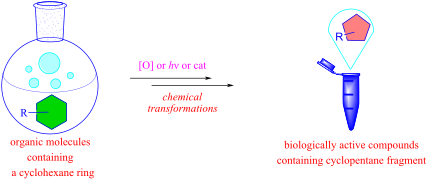
- unseparated mixture of abeolupanes 245 and 246, in a ratio of 1.5–3:1, with a total yield of 89%. The interaction of compound 243 with BF3·Et2O in benzene at 70 °C gave a mixture of olefins 245 and 246 in a 1:2 ratio, with an overall yield of 88%. Similar transformations were carried out with methyl
- dihydrobetulinate 247. In the presence of montmorillonite K10, a ring contraction was observed to form an unseparated mixture of olefins 248 and 249 at a ratio

Graphical Abstract

Scheme 1: Ozonolysis–cyclization sequence in the synthesis of echinopine A (3).

Scheme 2: Ozonolysis–cyclization sequence in the synthesis of taiwaniaquinoids 7–12.

Figure 1: Iridoid skeleton.

Scheme 3: Ozonolysis–cyclization sequence in the synthesis of compounds 17a,b, 18 and 19 with iridoid topolog...

Scheme 4: Oxidation–aldol condensation sequence in the synthesis of compounds 21 and 23 with iridoid topology....

Scheme 5: Oxidation–aldol condensation sequence in the synthesis of compounds 29 and 30 with iridoid topology....

Scheme 6: Method for ring contraction in the absence of a double bond in a six-membered ring of triterpenoids....

Scheme 7: Oxidation–Dieckmann cyclization sequence in the synthesis of a new nortriterpenoid 39.

Scheme 8: Oxidation–Dieckmann cyclization sequence in the synthesis of 18,19-di-nor-cholesterol (40).

Scheme 9: Oxidation–cyclization sequence in the synthesis of 3-ethyl-substituted betulinic acid derivatives 49...

Scheme 10: Benzilic acid-type rearrangement in the synthesis of 4β-acetoxyprobotryane-9β,15α-diol (52).

Scheme 11: Benzilic acid-type rearrangement in the synthesis of (−)-taiwaniaquinone H (11).

Scheme 12: Benzilic acid-type rearrangement in the synthesis of dactylicapnosines A (63) and B (64).

Scheme 13: Aza-benzilic acid-type rearrangement in the synthesis of (+)-stephadiamine (71).

Scheme 14: α-Ketol rearrangement in the synthesis of saffloneoside (73).

Scheme 15: Conversion of (−)-preaustinoid A (80) to (−)-preaustinoid B (81) via α-ketol rearrangement.

Scheme 16: α-Ketol rearrangement in the synthesis of 2,8-oxymethano-bridged diquinane 90.

Scheme 17: Oxidative ring contraction during the synthesis of (+)-cuparene (91) and (+)-tochuinylacetate (92).

Scheme 18: Semipinacol rearrangement in the synthesis of diterpenoids 97–100.

Scheme 19: Co-catalyzed homoallyl-type rearrangement in the syntheses of meroterpenes 106–109.

Scheme 20: Ring contraction reaction promoted by TTN·3H2O and HTIB in the synthesis of indanes.

Scheme 21: Rearrangement involving a hypervalent iodine compound in the synthesis of derivative 120.

Scheme 22: Wolff rearrangement in the synthesis of taiwaniaquinones A (7), F (8), taiwaniaquinols B (10), D (1...

Scheme 23: Wolff rearrangement in the synthesis of cheloviolene C (128), seconorrisolide B (129), and seconorr...

Scheme 24: Wolff rearrangement in the synthesis of (−)-pavidolide B (134).

Scheme 25: Wolff rearrangement in the synthesis of presilphiperfolan-8-ol (141).

Scheme 26: Photochemical rearrangement in the synthesis of cyclopentane derivatives 147a,b.

Scheme 27: Synthesis of cyclopentane derivatives 147a and 151.

Scheme 28: Photochemical rearrangement in the synthesis of cyclopentane derivative 153.

Scheme 29: Photochemical rearrangement in the synthesis of tricyclic ketones 155, 156.

Scheme 30: Photochemical rearrangement in the synthesis of cis/trans salts 160.

Figure 2: Scope of the photoinduced carboborative ring contraction of steroids. Reaction conditions: steroid ...

Scheme 31: Photoinduced carboborative ring contraction in the synthesis of artalbic acid (180).

Scheme 32: Synthetic versatility of the photoinduced carboborative ring contraction.

Scheme 33: Methods of disclosure of epoxide 189.

Scheme 34: Methods of disclosure of epoxide 190.

Scheme 35: Rearrangement of α,β-epoxy ketone 197.

Scheme 36: Acid-induced rearrangement in the synthesis of perhydrindane ketones 202 and 205.

Scheme 37: Rearrangement of epoxyketone 208 in the synthesis of huperzine Q (206).

Scheme 38: Rearrangement of epoxide 212 under the action of Grignard reagent.

Scheme 39: Semipinacol rearrangement of epoxide 220 in the synthesis of (−)-citrinadin A (217) and (+)-citrina...

Scheme 40: Semipinacol rearrangement of epoxide 225 in the synthesis of hamigeran G (223).

Scheme 41: Semipinacol rearrangement of epoxide 231 in the synthesis of (−)-spirochensilide A (228).

Scheme 42: Wagner–Meerwein rearrangement in the synthesis of compound 234 with iridoid topology.

Scheme 43: Wagner–Meerwein rearrangement in the synthesis of compound 238 with iridoid topology.

Scheme 44: Wagner–Meerwein rearrangement in the synthesis of compound 241 with iridoid topology.

Scheme 45: Wagner–Meerwein rearrangement in the synthesis of lupane derivatives 245, 246, 248, and 249.

Scheme 46: Wagner–Meerwein rearrangement in the synthesis of weisaconitine D (252) and cardiopetaline (255).

Scheme 47: Wagner–Meerwein rearrangement in the synthesis of cardiopetaline (255).
Enantioselective radical chemistry: a bright future ahead
- Anna C. Renner,
- Sagar S. Thorat,
- Hariharaputhiran Subramanian and
- Mukund P. Sibi
Beilstein J. Org. Chem. 2025, 21, 2283–2296, doi:10.3762/bjoc.21.174
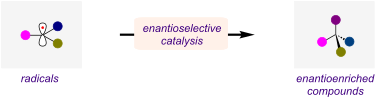
- , initial examples of catalytic methodologies were based on chiral Lewis acid catalysis, with catalysts used in stoichiometric or sub-stoichiometric amounts [38][39]. Porter and Sibi disclosed the first enantioselective examples of conjugate additions to electron-deficient olefins by nucleophilic radicals
- transformations [43][44][45][46][47][48]. Using SOMO catalysis, MacMillan and co-workers developed a method for the synthesis of substituted pyrrolidines from β-aminoaldehydes and olefins in a formal [3 + 2] cycloaddition (Scheme 2) [44]. The transformation was proposed to proceed via a radical–polar crossover
- polycyclic products in a highly diastereo- and enantioselective manner [45]. The polyene substrates were designed to facilitate a radical cyclization process, with alternating electron-poor and electron-rich olefins so as to enable polarity matching of the olefins and radical intermediates. With this design

Graphical Abstract

Figure 1: Methods of radical generation (A) and general types of radical reactions (B).

Figure 2: Chiral catalysis in enantioselective radical chemistry [13-37].

Scheme 1: Diastereo- and enantioselective additions of nucleophilic radicals to N-enoyloxazolidinone and pyrr...

Scheme 2: Organocatalyzed formal [3 + 2] cycloadditions affording substituted pyrrolidines.

Scheme 3: Synthesis of a hexacyclic compound via an organocatalyzed enantioselective polyene cyclization.

Scheme 4: Nickel-catalyzed asymmetric cross-coupling reactions.

Scheme 5: Chiral cobalt–porphyrin metalloradical-catalyzed radical cyclization reactions.

Scheme 6: Enantioselective radical chaperone catalysis.

Scheme 7: Enantioselective radical addition by decatungstate/iminium catalysis.

Scheme 8: An ene-reductase-catalyzed photoenzymatic enantioselective radical cyclization/enantioselective HAT...

Scheme 9: Photoenzymatic oxidative C(sp3)–C(sp3) coupling reactions between organoboron compounds and amino a...

Scheme 10: Electrochemical α-alkenylation reactions of 2-acylimidazoles catalyzed by a chiral-at-rhodium Lewis...

Scheme 11: Regio- and enantioselective electrochemical reactions of silyl polyenolates catalyzed by a chiral n...
A chiral LC–MS strategy for stereochemical assignment of natural products sharing a 3-methylpent-4-en-2-ol moiety in their terminal structures
- Rei Suo,
- Raku Irie,
- Hinako Nakayama,
- Yuta Ishimaru,
- Yuya Akama,
- Masato Oikawa and
- Shiro Itoi
Beilstein J. Org. Chem. 2025, 21, 2243–2249, doi:10.3762/bjoc.21.171
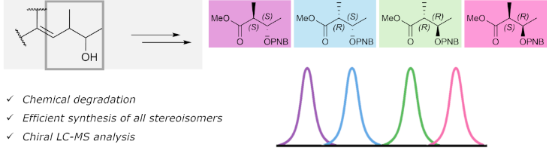
- methods. We had also independently re-isolated compound 1 (1.2 mg) from the fungus Fusarium sp. (see Supporting Information File 1) and subsequently subjected 100 μg of 1 to the sequential degradation steps; (1) p-nitrobenzoylation of the two hydroxy groups, (2) RuO4 oxidation to cleave olefins including

Graphical Abstract

Figure 1: Representative natural products sharing the 3-methylpent-4-en-2-ol (MPO) moiety in their terminal s...

Scheme 1: (A) General strategy for the preparation of the fragment from an MPO-containing natural product. (B...

Scheme 2: Preparation of the C9–C12 fragment (7) from capsulactone (1).

Scheme 3: Synthesis of 4-methoxy-3-methyl-4-oxobutan-2-yl 4-nitrobenzoates (2S,3S)-8, (2S,3R)-9, (2R,3R)-10, ...

Figure 2: Extracted LC–MS chromatograms (m/z 304.1) of 4-methoxy-3-methyl-4-oxobutan-2-yl 4-nitrobenzoates. C...
C2 to C6 biobased carbonyl platforms for fine chemistry
- Jingjing Jiang,
- Muhammad Noman Haider Tariq,
- Florence Popowycz,
- Yanlong Gu and
- Yves Queneau
Beilstein J. Org. Chem. 2025, 21, 2103–2172, doi:10.3762/bjoc.21.165

Graphical Abstract

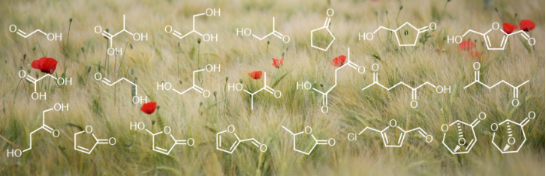
Figure 1: C2–C6 biobased carbonyl building blocks.

Scheme 1: Proposed (2 + 2) route to glycolaldehyde and glycolic acid from erythritol by Cu/AC catalyst (AC = ...

Scheme 2: Reductive amination of GCA.

Scheme 3: N-Formylation of secondary amines by reaction with GCA.

Scheme 4: Synthesis and conversion of hydroxy acetals to cyclic acetals.

Scheme 5: Synthesis of 3-(indol-3-yl)-2,3-dihydrofurans via three-component reaction of glycolaldehyde, indol...

Scheme 6: BiCl3-catalyzed synthesis of benzo[a]carbazoles from 2-arylindoles and α-bromoacetaldehyde ethylene...

Scheme 7: Cu/NCNSs-based conversion of glycerol to glycolic acid and other short biobased acids.

Scheme 8: E. coli-based biotransformation of C1 source molecules (CH4, CO2 and CO) towards C2 glycolic acid.

Scheme 9: N-Formylation of amines with C2 (a) or C3 (b) biomass-based feedstocks.

Scheme 10: Methods for the formation of propanoic acid (PA) from lactic acid (LA).

Scheme 11: Co-polymerization of biobased lactic acid and glycolic acid via a bicatalytic process.

Scheme 12: Oxidation of α-hydroxy acids by tetrachloroaurate(III) in acetic acid–sodium acetate buffer medium.

Figure 2: Selective catalytic pathways for the conversion of lactic acid (LA).

Scheme 13: Synthesis of 1,3-PDO via cross-aldol reaction between formaldehyde and acetaldehyde to 3-hydroxypro...

Scheme 14: Hydrothermal conversion of 1,3-dihydroxy-2-propane and 2,3-dihydroxypropanal to methylglyoxal.

Scheme 15: FLS-catalyzed formose reaction to synthesize GA and DHA.

Scheme 16: GCA and DHA oxidation products of glycerol and isomerization of GCA to DHA under flow conditions us...

Scheme 17: Acid-catalyzed reactions of DHA with alcohols.

Scheme 18: Synthesis of dihydroxyacetone phosphate from dihydroxyacetone.

Scheme 19: Bifunctional acid–base catalyst DHA conversion into lactic acid via pyruvaldehyde or fructose forma...

Scheme 20: Catalytic one-pot synthesis of GA and co-synthesis of formamides and formates from DHA.

Scheme 21: (a) Synthesis of furan derivatives and (b) synthesis of thiophene derivative by cascade [3 + 2] ann...

Scheme 22: Brønsted acidic ionic liquid catalyzed synthesis of benzo[a]carbazole from renewable acetol and 2-p...

Scheme 23: Asymmetric hydrogenation of α-hydroxy ketones to 1,2-diols.

Scheme 24: Synthesis of novel 6-(substituted benzylidene)-2-methylthiazolo [2,3-b]oxazol-5(6H)-one from 1-hydr...

Scheme 25: ʟ-Proline-catalyzed synthesis of anti-diols from hydroxyacetone and aldehydes.

Scheme 26: C–C-bond-formation reactions of a biomass-based feedstock aromatic aldehyde (C5) and hydroxyacetone...

Scheme 27: Ethanol upgrading to C4 bulk chemicals via the thiamine (VB1)-catalyzed acetoin condensation.

Scheme 28: One-pot sequential chemoenzymatic synthesis of 2-aminobutane-1,4-diol and 1,2,4-butanetriol via 1,4...

Scheme 29: Synthesis of 1,4-dihydroxybutan-2-one by microbial transformation.

Scheme 30: Conversion of polyols by [neocuproine)Pd(OAc)]2(OTf)2] to α-hydroxy ketones.

Scheme 31: Chemoselective oxidation of alcohols with chiral palladium-based catalyst 2.

Scheme 32: Electrochemical transformation of furfural to 5-hydroxy-2(5H)-furanone (HFO).

Scheme 33: Selective hydrodeoxygenation of HFO and oxidation to γ-butyrolactone (GBL).

Scheme 34: Photosensitized oxygenation of furan towards HFO via ozonide intermediates.

Scheme 35: Conversion of furfural to HFO and MAN by using mesoporous carbon nitride (SGCN) as photocatalyst.

Scheme 36: Synthesis of HFO from furan derivatives.

Scheme 37: Photooxidation of furfural to 5-hydroxy-2(5H)-furanone (HFO).

Scheme 38: Synthesis of Friedel–Crafts indole adduct from HFO.

Scheme 39: Conversion of HFO to α,γ-substituted chiral γ-lactones.

Scheme 40: Tautomeric transformation of HFO to formylacrylic acid.

Scheme 41: Hydrolysis of HFO to succinic acid in aqueous solution.

Scheme 42: Substitution and condensation reactions of 5-hydroxy-2(5H)-furanone (HFO).

Scheme 43: (a) Conversion of HFO towards valuable C4 chemicals and (b) anodic oxidation of 5-hydroxy-2(5H)-fur...

Figure 3: Conversion of HFO towards other natural and synthetic substances.

Scheme 44: Conversion of furfural to maleic anhydride (reaction a: VOx/Al2O3; reaction b: VPO).

Scheme 45: Conversion of furfural into succinic acid.

Scheme 46: Electro‑, photo‑, and biocatalysis for one-pot selective conversions of furfural into C4 chemicals.

Scheme 47: Production route of furfural from hemicellulose.

Scheme 48: Mechanism for xylose dehydration to furfural through a choline xyloside intermediate.

Scheme 49: Conversion of furfural to furfuryl alcohol and its derivatives.

Scheme 50: Conversion of furfural to furfuryl alcohol and 3-(2-furyl)acrolein.

Scheme 51: The aerobic oxidative condensation of biomass-derived furfural and linear alcohols.

Scheme 52: The single-step synthesis of 2-pentanone from furfural.

Scheme 53: Electrocatalytic coupling reaction of furfural and levulinic acid.

Scheme 54: Conversion of furfural to m-xylylenediamine.

Scheme 55: Conversion of furfural to tetrahydrofuran-derived amines.

Scheme 56: Formation of trans-4,5-diamino-cyclopent-2-enones from furfural.

Scheme 57: Production of pyrrole and proline from furfural.

Scheme 58: Synthesis of 1‑(trifluoromethyl)-8-oxabicyclo[3.2.1]oct-3-en-2-ones from furfural.

Scheme 59: Conversion of furfural to furfural-derived diacids.

Scheme 60: A telescope protocol derived from furfural and glycerol.

Scheme 61: A tandem cyclization of furfural and 5,5-dimethyl-1,3-cyclohexanedione.

Scheme 62: A Ugi four-component reaction to construct furfural-based polyamides.

Scheme 63: One-pot synthesis of γ-acyloxy-Cy7 from furfural.

Scheme 64: Dimerization–Piancatelli sequence toward humins precursors from furfural.

Scheme 65: Conversion of furfural to CPN.

Scheme 66: Synthesis of jet fuels range cycloalkanes from CPN and lignin-derived vanillin.

Scheme 67: Solar-energy-driven synthesis of high-density biofuels from CPN.

Scheme 68: Reductive amination of CPN to cyclopentylamine.

Scheme 69: Asymmetric hydrogenation of C=O bonds of exocyclic α,β-unsaturated cyclopentanones.

Scheme 70: Preparation of levulinic acid via the C5 route (route a) or C6 route (routes b1 and b2).

Scheme 71: Mechanism of the rehydration of HMF to levulinic acid and formic acid.

Scheme 72: Important levulinic acid-derived chemicals.

Scheme 73: Direct conversion of levulinic acid to pentanoic acid.

Scheme 74: Catalytic aerobic oxidation of levulinic acid to citramalic acid.

Scheme 75: Conversion of levulinic acid to 1,4-pentanediol (a) see ref. [236]; b) see ref. [237]; c) see ref. [238]; d) see r...

Scheme 76: Selective production of 2-butanol through hydrogenolysis of levulinic acid.

Scheme 77: General reaction pathways proposed for the formation of 5MPs from levulinic acid.

Scheme 78: Selective reductive amination of levulinic acid to N-substituted pyrroles.

Scheme 79: Reductive amination of levulinic acid to chiral pyrrolidinone.

Scheme 80: Reductive amination of levulinic acid to non-natural chiral γ-amino acid.

Scheme 81: Nitrogen-containing chemicals derived from levulinic acid.

Scheme 82: Preparation of GVL from levulinic acid by dehydration and hydrogenation.

Scheme 83: Ruthenium-catalyzed levulinic acid to chiral γ-valerolactone.

Scheme 84: Catalytic asymmetric hydrogenation of levulinic acid to chiral GVL.

Scheme 85: Three steps synthesis of ε-caprolactam from GVL.

Scheme 86: Multistep synthesis of nylon 6,6 from GVL.

Scheme 87: Preparation of MeGVL by α-alkylation of GVL.

Scheme 88: Ring-opening polymerization of five-membered lactones.

Scheme 89: Synthesis of GVL-based ionic liquids.

Scheme 90: Preparation of butene isomers from GVL under Lewis acid conditions.

Scheme 91: Construction of C5–C12 fuels from GVL over nano-HZSM-5 catalysts.

Scheme 92: Preparation of alkyl valerate from GVL via ring opening/reduction/esterification sequence.

Scheme 93: Construction of 4-acyloxypentanoic acids from GVL.

Scheme 94: Synthesis of 1,4-pentanediol (PDO) from GVL.

Scheme 95: Construction of novel cyclic hemiketal platforms via self-Claisen condensation of GVL.

Scheme 96: Copper-catalyzed lactamization of GVL.

Figure 4: Main scaffolds obtained from HMF.

Scheme 97: Biginelli reactions towards HMF-containing dihydropyrimidinones.

Scheme 98: Hantzsch dihydropyridine synthesis involving HMF.

Scheme 99: The Kabachnik–Fields reaction involving HMF.

Scheme 100: Construction of oxazolidinone from HMF.

Scheme 101: Construction of rhodamine-furan hybrids from HMF.

Scheme 102: A Groebke–Blackburn–Bienaymé reaction involving HMF.

Scheme 103: HMF-containing benzodiazepines by [4 + 2 + 1] cycloadditions.

Scheme 104: Synthesis of fluorinated analogues of α-aryl ketones.

Scheme 105: Synthesis of HMF derived disubstituted γ-butyrolactone.

Scheme 106: Functionalized aromatics from furfural and HMF.

Scheme 107: Diels–Alder adducts from HMF or furfural with N-methylmaleimide.

Scheme 108: Pathway of the one-pot conversion of HMF into phthalic anhydride.

Scheme 109: Photocatalyzed preparation of humins (L-H) from HMF mixed with spoiled HMF residues (LMW-H) and fur...

Scheme 110: Asymmetric dipolar cycloadditions on HMF.

Scheme 111: Dipolar cycloadditions of HMF based nitrones to 3,4- and 3,5-substituted isoxazolidines.

Scheme 112: Production of δ-lactone-fused cyclopenten-2-ones from HMF.

Scheme 113: Aza-Piancatelli access to aza-spirocycles from HMF-derived intermediates.

Scheme 114: Cross-condensation of furfural, acetone and HMF into C13, C14 and C15 products.

Scheme 115: Base-catalyzed aldol condensation/dehydration sequences from HMF.

Scheme 116: Condensation of HMF and active methylene nitrile.

Scheme 117: MBH reactions involving HMF.

Scheme 118: Synthesis of HMF-derived ionic liquids.

Scheme 119: Reductive amination/enzymatic acylation sequence towards HMF-based surfactants.

Scheme 120: The formation of 5-chloromethylfurfural (CMF).

Scheme 121: Conversion of CMF to HMF, levulinic acid, and alkyl levulinates.

Scheme 122: Conversion of CMF to CMFCC and FDCC.

Scheme 123: Conversion of CMF to BHMF.

Scheme 124: Conversion of CMF to DMF.

Scheme 125: CMF chlorine atom substitutions toward HMF ethers and esters.

Scheme 126: Introduction of carbon nucleophiles in CMF.

Scheme 127: NHC-catalyzed remote enantioselective Mannich-type reactions of CMF.

Scheme 128: Conversion of CMF to promising biomass-derived dyes.

Scheme 129: Radical transformation of CMF with styrenes.

Scheme 130: Synthesis of natural herbicide δ-aminolevulinic acid from CMF.

Scheme 131: Four step synthesis of the drug ranitidine from CMF.

Scheme 132: Pd/CO2 cooperative catalysis for the production of HHD and HXD.

Scheme 133: Different ruthenium (Ru) catalysts for the ring-opening of 5-HMF to HHD.

Scheme 134: Proposed pathways for preparing HXD from HMF.

Scheme 135: MCP formation and uses.

Scheme 136: Cu(I)-catalyzed highly selective oxidation of HHD to 2,5-dioxohexanal.

Scheme 137: Synthesis of N‑substituted 3‑hydroxypyridinium salts from 2,5-dioxohexanal.

Scheme 138: Ru catalyzed hydrogenations of HHD to 1,2,5-hexanetriol (a) see ref. [396]; b) see ref. [397]).

Scheme 139: Aviation fuel range quadricyclanes produced by HXD.

Scheme 140: Synthesis of HDGK from HXD and glycerol as a chain extender.

Scheme 141: Synthesis of serinol pyrrole from HXD and serinol.

Scheme 142: Synthesis of pyrroles from HXD and nitroarenes.

Scheme 143: Two-step production of PX from cellulose via HXD.

Scheme 144: Preparation of HCPN from HMF via hydrogenation and ring rearrangement.

Scheme 145: Suggested pathways from HMF to HCPN.

Scheme 146: α-Alkylation of HCPN with ethylene gas.

Scheme 147: Synthesis of 3-(hydroxymethyl)cyclopentylamine from HMF via reductive amination of HCPN.

Scheme 148: Production of LGO and Cyrene® from biomass.

Scheme 149: Synthesis of HBO from LGO and other applications.

Scheme 150: Construction of m-Cyrene® homopolymer.

Scheme 151: Conversion of Cyrene® to THFDM and 1,6-hexanediol.

Scheme 152: RAFT co-polymerization of LGO and butadienes.

Scheme 153: Polycondensation of HO-LGOL and diols with dimethyl adipate.

Scheme 154: Self-condensation of Cyrene® and Claisen–Schmidt reactions.

Scheme 155: Synthesis of 5-amino-2-(hydroxymethyl)tetrahydropyran from Cyrene®.
The application of desymmetric enantioselective reduction of cyclic 1,3-dicarbonyl compounds in the total synthesis of terpenoid and alkaloid natural products
- Dong-Xing Tan and
- Fu-She Han
Beilstein J. Org. Chem. 2025, 21, 2085–2102, doi:10.3762/bjoc.21.164
- 69 and lactone 70 at 456 nm with fac-Ir(ppy)3 as the photocatalyst furnished a mixture of isomeric olefins. Finally, DBU-promoted the isomeric olefins conjugation and removal of the two silyl ether completed the first total synthesis of (+)-randainin D (13). Total synthesis of (−)-hunterine A and

Graphical Abstract

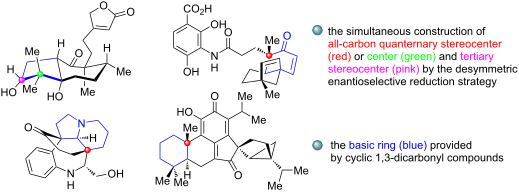
Figure 1: Several representative terpenoid and alkaloid natural products synthesized by applying desymmetric ...
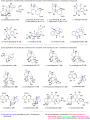
Figure 2: Selected terpenoid and alkaloid natural products synthesized by applying desymmetric enantioselecti...

Scheme 1: The total synthesis of (+)-aplysiasecosterol A (6) by Li [14].

Scheme 2: The total synthesis of (−)-cyrneine A by Han [31].

Scheme 3: The total syntheses of three cyrneine diterpenoids by Han [31,32].

Scheme 4: The total synthesis of (−)-hamigeran B and (−)-4-bromohamigeran B by Han [51].

Scheme 5: The total synthesis of (+)-randainin D by Baudoin [53].
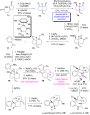
Scheme 6: The total synthesis of (−)-hunterine A and (−)-aspidospermidine by Stoltz [58].

Scheme 7: The total synthesis of (+)-toxicodenane A by Han [65,66].
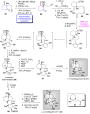
Scheme 8: The formal total synthesis of (−)-conidiogeone B and total synthesis of (−)-conidiogeone F by Lee a...

Scheme 9: The total syntheses of four conidiogenones natural products by Lee and Han [72].

Scheme 10: The total synthesis of (−)-platensilin by Lou and Xu [82].

Scheme 11: The total synthesis of (−)-platencin and (−)-platensimycin by Lou and Xu [82].

Scheme 12: The total synthesis of (+)-isochamaecydin and (+)-chamaecydin by Han [86].
Facile synthesis of hydantoin/1,2,4-oxadiazoline spiro-compounds via 1,3-dipolar cycloaddition of nitrile oxides to 5-iminohydantoins
- Juliana V. Petrova,
- Varvara T. Tkachenko,
- Victor A. Tafeenko,
- Anna S. Pestretsova,
- Vadim S. Pokrovsky,
- Maxim E. Kukushkin and
- Elena K. Beloglazkina
Beilstein J. Org. Chem. 2025, 21, 1552–1560, doi:10.3762/bjoc.21.118

- processes. It is worth noting that, in some cases, due to the high reactivity of nitrile oxides towards certain types of dipolarophiles, such as monosubstituted or activated by electron-acceptor groups olefins [31], no additional attention to this is required. However, when introducing obstructed

Graphical Abstract
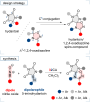
Figure 1: Design and synthetic strategies for the target hydantoin/1,2,4-oxadiazoline spiro-compounds.

Scheme 1: Synthesis of dipolarophiles (5-iminohydantoins 2a–i).

Scheme 2: Preparation of the dipole precursors 4a–d.

Scheme 3: 32CA reactions of nitrile oxides with 5-iminohydantoins (synthesis of spiro-compounds 5a–l). Isolat...

Scheme 4: Cycloaddition of nitrile oxide to 5-iminothiohydantoin 2j. aTriethylamine dropwise addition (2.4 eq...

Figure 2: Atropoisomerism of ortho-substituted spiro-compounds 5b and 5d.

Figure 3: Cytotoxicity investigation of hydantoin/1,2,4-oxadiazolines 5 (MTT test, HCT116 cell line) and sele...
Wittig reaction of cyclobisbiphenylenecarbonyl
- Taito Moribe,
- Junichiro Hirano,
- Hideaki Takano,
- Hiroshi Shinokubo and
- Norihito Fukui
Beilstein J. Org. Chem. 2025, 21, 1454–1461, doi:10.3762/bjoc.21.107
- (Supporting Information File 1, Figures S22–S24). The decrease of CD intensity was fitted by a single exponential curve, affording half-lifes of 1.3 h for 1, 6.4 h for 3, and 29 h for 5. These results indicate that the transformation of carbonyl groups to exocyclic olefins is effective to retard racemization
- optical HOMO–LUMO gap of 5 despite the presence of 26 sp2 carbons is due to the cross-conjugation at the exocyclic olefins. Mono-olefin 3 is virtually non-emissive, similarly to CBBC 1, which could originate from the non-radiative decay via intersystem crossing due to the carbonyl group. In sharp contrast

Graphical Abstract

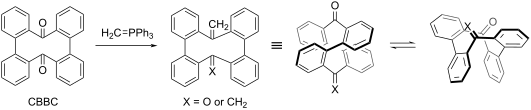
Figure 1: Synthesis and structures of CBBC 1.

Scheme 1: Wittig reactions of CBBC 1.

Figure 2: X-ray crystal structures of (a) 3, (b) 4, and (c) 5 with thermal ellipsoids at 50% probability; all...

Figure 3: VT 1H NMR spectra of 5 in CD2Cl2 at (a) 298 K, (b) 243 K, and (c) 203 K. Blue circle and red triang...

Figure 4: Simulated dynamics of bis-olefin 5 at the B3LYP/6-31G(d) level of theory. The description for the c...
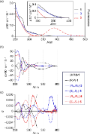
Figure 5: (a) UV–vis absorption (solid lines) and emission (dashed lines) spectra of 1 (black), 3 (blue), and ...

Scheme 2: Conversion of mono-olefin 3 to internally functionalized DBC derivative 6.
Oxetanes: formation, reactivity and total syntheses of natural products
- Peter Gabko,
- Martin Kalník and
- Maroš Bella
Beilstein J. Org. Chem. 2025, 21, 1324–1373, doi:10.3762/bjoc.21.101
- ] Cycloadditions Another widely used method for oxetane synthesis is the [2 + 2] cycloaddition between carbonyls and olefins (Scheme 19), and the two main variations include light-induced Paternò–Büchi reactions and Lewis acid- or base-catalysed formal [2 + 2] cycloadditions. The main advantages of these reactions
- unprecedented Fe–Ni dual catalysis (Scheme 36) [86], which constitutes a more versatile alternative to Minisci or Friedel–Crafts alkylations. The reaction couples mono-, di- and trisubstituted olefins with (hetero)aryl halides, and it was used to prepare a relatively large library of 3-alkyl-3-(hetero

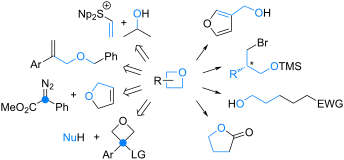
Graphical Abstract

Figure 1: Bond lengths and bond angles in oxetane at 140 K [2].

Figure 2: Analogy of 3-substituted oxetanes to carbonyl and gem-dimethyl groups [12].

Figure 3: Use of oxetanes in drug design – selected examples.

Figure 4: Examples of oxetane-containing natural products.

Scheme 1: Synthetic strategies towards construction of the oxetane ring.

Scheme 2: Overview of intramolecular Williamson etherification and competing Grob fragmentation.

Scheme 3: Synthesis of spiro-oxetanes via 1,4-C–H insertion and Williamson etherification.

Scheme 4: Use of phenyl vinyl selenone in the synthesis of spirooxindole oxetanes.

Scheme 5: Synthesis of bicyclic 3,5-anhydrofuranoses via double epoxide opening/etherification.

Scheme 6: Preparation of spirooxetanes by cycloisomerisation via MHAT/RPC.

Scheme 7: Oxetane synthesis via alcohol C–H functionalisation.

Scheme 8: Access to oxetanes 38 from α-acetyloxy iodides.

Scheme 9: The kilogram-scale synthesis of oxetane intermediate 41.

Scheme 10: Overview of the intramolecular opening of 3-membered rings.

Scheme 11: Synthesis of 4,7-dioxatricyclo[3.2.1.03,6]octane skeletons.

Scheme 12: Silicon-directed electrophilic cyclisation of homoallylic alcohols.

Scheme 13: Hydrosilylation–iodocyclisation of homopropargylic alcohols.

Scheme 14: Cu-catalysed intramolecular O-vinylation of γ-bromohomoallylic alcohols.

Scheme 15: Cu-catalysed intramolecular cross-coupling of hydroxyvinylstannanes.

Scheme 16: Isomerisation of oxiranyl ethers containing weakly carbanion-stabilising groups.

Scheme 17: Cyclisation of diethyl haloalkoxymalonates.

Scheme 18: Synthesis of oxetanes through a 1,5-HAT/radical recombination sequence.

Scheme 19: General approach to oxetanes via [2 + 2] cycloadditions.

Scheme 20: Synthesis of tricyclic 4:4:4 oxetanes through a photochemical triple cascade reaction.

Scheme 21: Iridium-catalysed Paternò–Büchi reaction between α-ketoesters and simple alkenes.

Scheme 22: Three-step synthesis of spirocyclic oxetanes 83 via Paternò–Büchi reaction, nucleophilic ring openi...

Scheme 23: Enantioselective Paternò–Büchi reaction catalysed by a chiral iridium photocatalyst.

Scheme 24: Synthesis of polysubstituted oxetanes 92 via Cu(II)-mediated formal [2 + 2] cycloadditions.

Scheme 25: Synthesis of alkylideneoxetanes via NHC- and DBU-mediated formal [2 + 2] cycloadditions.

Scheme 26: Use of sulphur-stabilised carbanions in ring expansions.

Scheme 27: Synthesis of α,α-difluoro(arylthio)methyl oxetanes.

Scheme 28: Ring expansion in an industrial synthesis of PF-06878031.

Scheme 29: Ring contraction of triflated 2-hydroxy-γ-lactones.

Scheme 30: Ring contraction in an industrial synthesis of PF-06878031.

Scheme 31: Photochemical ring contraction of 2,5-dihydrofurans by aryldiazoacetic acid esters.

Scheme 32: Synthesis of 3-oxetanones via O-H insertion of carbenes.

Scheme 33: Synthesis of phosphonate oxetanones via gold-mediated alkyne oxidation/O–H insertion.

Scheme 34: Syntheses and common derivatisations of 3-oxetanone.

Scheme 35: SN1 substitution of 3-aryloxetan-3-ols by thiols and alcohols.

Scheme 36: Fe–Ni dual-catalytic olefin hydroarylation towards 3-alkyl-3-(hetero)aryloxetanes.

Scheme 37: Synthesis of 3-aryloxetan-3-carboxylic acids.

Scheme 38: Decarboxylative alkylation of 3-aryloxetan-3-carboxylic acids.

Scheme 39: Synthesis of 3-amino-3-aryloxetanes via photoredox/nickel cross-coupling catalysis.
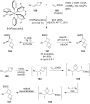
Scheme 40: Intermolecular cross-selective [2 + 2] photocycloaddition towards spirooxetanes.

Scheme 41: Synthesis of 3-aryl-3-aminooxetanes via defluorosulphonylative coupling.

Scheme 42: Two-step synthesis of amide bioisosteres via benzotriazolyl Mannich adducts 170.

Scheme 43: Functionalisation of oxetanyl trichloroacetimidates 172.

Scheme 44: Synthesis of oxetane-amino esters 176.

Scheme 45: Tandem Friedel–Crafts alkylation/intramolecular ring opening of 3-aryloxetan-3-ols.

Scheme 46: Synthesis of polysubstituted furans and pyrroles.

Scheme 47: Synthesis of oxazolines and bisoxazolines.

Scheme 48: Tandem, one-pot syntheses of various polycyclic heterocycles.

Scheme 49: Synthesis of 1,2-dihydroquinolines via skeletal reorganisation of oxetanes.

Scheme 50: Synthesis of benzoindolines and 2,3-dihydrobenzofurans and their derivatisations.

Scheme 51: Synthesis of polysubstituted 1,4-dioxanes.

Scheme 52: Preparation of various lactones via ring opening of oxetane-carboxylic acids 219.

Scheme 53: Tsuji-Trost allylation/ring opening of 3-aminooxetanes.

Scheme 54: Arylative skeletal rearrangement of 3-vinyloxetan-3-ols to 2,5-dihydrofurans.

Scheme 55: Reductive opening of oxetanes using catalytic Mg–H species.

Scheme 56: Opening of oxetanes by silyl ketene acetals.

Scheme 57: Rhodium-catalysed hydroacylation of oxetanes.

Scheme 58: Generation of radicals from oxetanes mediated by a vitamin B12-derived cobalt catalyst.

Scheme 59: Reductive opening of oxetanes by B–Si frustrated Lewis pairs.
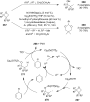
Scheme 60: Zirconocene-mediated reductive opening of oxetanes.

Scheme 61: Enantioselective syntheses of small and medium-size rings using chiral phosphoric acids.

Scheme 62: Asymmetric synthesis of 2,3-dihydrobenzo[b]oxepines catalysed by a chiral scandium complex.

Scheme 63: Enantioselective synthesis of 1,3-bromohydrins under a chiral squaramide catalysis.

Scheme 64: Enantioselective opening of 2-aryl-2-ethynyloxetanes by anilines.

Scheme 65: Ru-catalysed insertion of diazocarbonyls into oxetanes.

Scheme 66: Ring expansion of oxetanes by stabilised carbenes generated under blue light irradiation.

Scheme 67: Expansion of oxetanes via nickel-catalysed insertion of alkynyltrifluoroborates.

Scheme 68: Nickel-catalysed expansion of oxetanes into ε-caprolactones.

Scheme 69: Expansion of oxetanes via cobalt-catalysed carbonyl insertion.

Scheme 70: Gold-catalysed intramolecular 1,1-carboalkoxylation of oxetane-ynamides.

Scheme 71: Expansion of oxetanes by stabilised sulphoxonium ylides.

Scheme 72: Cu-catalysed ring expansion of 2-vinyloxetanes by diazoesters.

Scheme 73: Total synthesis of (+)-oxetin.

Scheme 74: Total synthesis of racemic oxetanocin A.

Scheme 75: Total synthesis of (−)-merrilactone A.
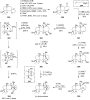
Scheme 76: Total synthesis of (+)-dictyoxetane.

Scheme 77: Total synthesis of ent-dichrocephone B.

Scheme 78: Total synthesis of (−)-mitrephorone A.
Scheme 79: Total synthesis of (−)-taxol.
Recent advances in oxidative radical difunctionalization of N-arylacrylamides enabled by carbon radical reagents
- Jiangfei Chen,
- Yi-Lin Qu,
- Ming Yuan,
- Xiang-Mei Wu,
- Heng-Pei Jiang,
- Ying Fu and
- Shengrong Guo
Beilstein J. Org. Chem. 2025, 21, 1207–1271, doi:10.3762/bjoc.21.98
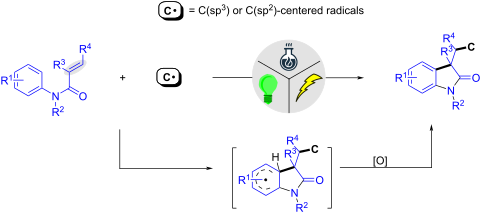
- yields (80f,g). Perfluoroalkyl iodides, ranging from trifluoromethyl to longer perfluorinated chains, also performed well (80h). However, substrates with unprotected N–H bonds (80i) and monosubstituted olefins (80j) exhibited limited reactivity. Mechanistic investigations suggested a radical-mediated

Graphical Abstract

Scheme 1: DTBP-mediated oxidative alkylarylation of activated alkenes.

Scheme 2: Iron-catalyzed oxidative 1,2-alkylarylation.

Scheme 3: Possible mechanism for the iron-catalyzed oxidative 1,2-alkylation of activated alkenes.

Scheme 4: A metal-free strategy for synthesizing 3,3-disubstituted oxindoles.

Scheme 5: Iminoxyl radical-promoted cascade oxyalkylation/alkylarylation of alkenes.

Scheme 6: Proposed mechanism for the iminoxyl radical-promoted cascade oxyalkylation/alkylarylation of alkene...

Scheme 7: Bicyclization of 1,n-enynes with alkyl nitriles.

Scheme 8: Possible reaction mechanism for the bicyclization of 1,n-enynes with alkyl nitriles.

Scheme 9: Radical cyclization of N-arylacrylamides with isocyanides.

Scheme 10: Plausible mechanism for the radical cyclization of N-arylacrylamides with isocyanides.

Scheme 11: Electrochemical dehydrogenative cyclization of 1,3-dicarbonyl compounds.

Scheme 12: Plausible mechanism for the dehydrogenative cyclization of 1,3-dicarbonyl compounds.

Scheme 13: Photocatalyzed cyclization of N-arylacrylamide and N,N-dimethylaniline.

Scheme 14: Proposed mechanism for the photocatalyzed cyclization of N-arylacrylamides and N,N-dimethylanilines....

Scheme 15: Electrochemical monofluoroalkylation cyclization of N-arylacrylamides with dimethyl 2-fluoromalonat...
Scheme 16: Proposed mechanism for the electrochemical radical cyclization of N-arylacrylamides with dimethyl 2...

Scheme 17: Photoelectrocatalytic carbocyclization of unactivated alkenes using simple malonates.

Scheme 18: Plausible mechanism for the photoelectrocatalytic carbocyclization of unactivated alkenes with simp...

Scheme 19: Bromide-catalyzed electrochemical trifluoromethylation/cyclization of N-arylacrylamides.

Scheme 20: Proposed mechanism for the electrochemical trifluoromethylation/cyclization of N-arylacrylamides.

Scheme 21: Visible light-mediated trifluoromethylarylation of N-arylacrylamides.

Scheme 22: Plausible reaction mechanism for the visible light-mediated trifluoromethylarylation of N-arylacryl...

Scheme 23: Electrochemical difluoroethylation cyclization of N-arylacrylamides with sodium difluoroethylsulfin...

Scheme 24: Electrochemical difluoroethylation cyclization of N-methyacryloyl-N-alkylbenzamides with sodium dif...

Scheme 25: Photoredox-catalyzed radical aryldifluoromethylation of N-arylacrylamides with S-(difluoromethyl)su...

Scheme 26: Proposed mechanism for the photoredox-catalyzed radical aryldifluoromethylation of N-arylacrylamide...

Scheme 27: Visible-light-induced domino difluoroalkylation/cyclization of N-cyanamide alkenes.

Scheme 28: Proposed mechanism of photoredox-catalyzed radical domino difluoroalkylation/cyclization of N-cyana...

Scheme 29: Palladium-catalyzed oxidative difunctionalization of alkenes.

Scheme 30: Two possible mechanisms of palladium-catalyzed oxidative difunctionalization.

Scheme 31: Silver-catalyzed oxidative 1,2-alkyletherification of unactivated alkenes with α-bromoalkylcarbonyl...

Scheme 32: Photochemical radical cascade cyclization of dienes.

Scheme 33: Proposed mechanism for the photochemical radical cascade 6-endo cyclization of dienes with α-carbon...

Scheme 34: Photocatalyzed radical coupling/cyclization of N-arylacrylamides and.

Scheme 35: Photocatalyzed radical-type couplings/cyclization of N-arylacrylamides with sulfoxonium ylides.

Scheme 36: Possible mechanism of visible-light-induced radical-type couplings/cyclization of N-arylacrylamides...
Scheme 37: Visible-light-promoted difluoroalkylated oxindoles systhesis via EDA complexes.

Scheme 38: Possible mechanism for the visible-light-promoted radical cyclization of N-arylacrylamides with bro...

Scheme 39: A dicumyl peroxide-initiated radical cascade reaction of N-arylacrylamide with DCM.

Scheme 40: Possible mechanism of radical cyclization of N-arylacrylamides with DCM.

Scheme 41: An AIBN-mediated radical cascade reaction of N-arylacrylamides with perfluoroalkyl iodides.

Scheme 42: Possible mechanism for the reaction with perfluoroalkyl iodides.

Scheme 43: Photoinduced palladium-catalyzed radical annulation of N-arylacrylamides with alkyl halides.

Scheme 44: Radical alkylation/cyclization of N-Alkyl-N-methacryloylbenzamides with alkyl halides.

Scheme 45: Possible mechanism for the alkylation/cyclization with unactivated alkyl chlorides.
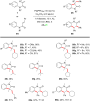
Scheme 46: Visible-light-driven palladium-catalyzed radical cascade cyclization of N-arylacrylamides with unac...

Scheme 47: NHC-catalyzed radical cascade cyclization of N-arylacrylamides with alkyl bromides.

Scheme 48: Possible mechanism of NHC-catalyzed radical cascade cyclization.

Scheme 49: Electrochemically mediated radical cyclization reaction of N-arylacrylamides with freon-type methan...

Scheme 50: Proposed mechanistic pathway of electrochemically induced radical cyclization reaction.

Scheme 51: Redox-neutral photoinduced radical cascade cylization of N-arylacrylamides with unactivated alkyl c...
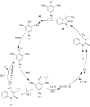
Scheme 52: Proposed mechanistic hypothesis of redox-neutral radical cascade cyclization.

Scheme 53: Thiol-mediated photochemical radical cascade cylization of N-arylacrylamides with aryl halides.

Scheme 54: Proposed possible mechanism of thiol-mediated photochemical radical cascade cyclization.

Scheme 55: Visible-light-induced radical cascade bromocyclization of N-arylacrylamides with NBS.

Scheme 56: Possible mechanism of visible-light-induced radical cascade cyclization.

Scheme 57: Decarboxylation/radical C–H functionalization by visible-light photoredox catalysis.

Scheme 58: Plausible mechanism of visible-light photoredox-catalyzed radical cascade cyclization.

Scheme 59: Visible-light-promoted tandem radical cyclization of N-arylacrylamides with N-(acyloxy)phthalimides....

Scheme 60: Plausible mechanism for the tandem radical cyclization reaction.

Scheme 61: Visible-light-induced aerobic radical cascade alkylation/cyclization of N-arylacrylamides with alde...

Scheme 62: Plausible mechanism for the aerobic radical alkylarylation of electron-deficient amides.

Scheme 63: Oxidative decarbonylative [3 + 2]/[5 + 2] annulation of N-arylacrylamide with vinyl acids.

Scheme 64: Plausible mechanism for the decarboxylative (3 + 2)/(5 + 2) annulation between N-arylacrylamides an...

Scheme 65: Rhenium-catalyzed alkylarylation of alkenes with PhI(O2CR)2.

Scheme 66: Plausible mechanism for the rhenium-catalyzed decarboxylative annulation of N-arylacrylamides with ...

Scheme 67: Visible-light-induced one-pot tandem reaction of N-arylacrylamides.

Scheme 68: Plausible mechanism for the visible-light-initiated tandem synthesis of difluoromethylated oxindole...

Scheme 69: Copper-catalyzed redox-neutral cyanoalkylarylation of activated alkenes with cyclobutanone oxime es...

Scheme 70: Plausible mechanism for the copper-catalyzed cyanoalkylarylation of activated alkenes.

Scheme 71: Photoinduced alkyl/aryl radical cascade for the synthesis of quaternary CF3-attached oxindoles.

Scheme 72: Plausible photoinduced electron-transfer (PET) mechanism.

Scheme 73: Photoinduced cerium-mediated decarboxylative alkylation cascade cyclization.

Scheme 74: Plausible reaction mechanism for the decarboxylative radical-cascade alkylation/cyclization.

Scheme 75: Metal-free oxidative tandem coupling of activated alkenes.

Scheme 76: Control experiments and possible mechanism for 1,2-carbonylarylation of alkenes with carbonyl C(sp2...

Scheme 77: Silver-catalyzed acyl-arylation of activated alkenes with α-oxocarboxylic acids.

Scheme 78: Proposed mechanism for the decarboxylative acylarylation of acrylamides.

Scheme 79: Visible-light-mediated tandem acylarylation of olefines with carboxylic acids.

Scheme 80: Proposed mechanism for the radical cascade cyclization with acyl radical via visible-light photored...

Scheme 81: Erythrosine B-catalyzed visible-light photoredox arylation-cyclization of N-arylacrylamides with ar...

Scheme 82: Electrochemical cobalt-catalyzed radical cyclization of N-arylacrylamides with arylhydrazines or po...

Scheme 83: Proposed mechanism of radical cascade cyclization via electrochemical cobalt catalysis.

Scheme 84: Copper-catalyzed oxidative tandem carbamoylation/cyclization of N-arylacrylamides with hydrazinecar...

Scheme 85: Proposed reaction mechanism for the radical cascade cyclization by copper catalysis.

Scheme 86: Visible-light-driven radical cascade cyclization reaction of N-arylacrylamides with α-keto acids.

Scheme 87: Proposed mechanism of visible-light-driven cascade cyclization reaction.

Scheme 88: Peroxide-induced radical carbonylation of N-(2-methylallyl)benzamides with methyl formate.

Scheme 89: Proposed cyclization mechanism of peroxide-induced radical carbonylation with N-(2-methylallyl)benz...

Scheme 90: Persulfate promoted carbamoylation of N-arylacrylamides and N-arylcinnamamides.

Scheme 91: Proposed mechanism for the persulfate promoted radical cascade cyclization reaction of N-arylacryla...
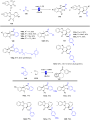
Scheme 92: Photocatalyzed carboacylation with N-arylpropiolamides/N-alkyl acrylamides.

Scheme 93: Plausible mechanism for the photoinduced carboacylation of N-arylpropiolamides/N-alkyl acrylamides.

Scheme 94: Electrochemical Fe-catalyzed radical cyclization with N-arylacrylamides.

Scheme 95: Plausible mechanism for the electrochemical Fe-catalysed radical cyclization of N-phenylacrylamide.

Scheme 96: Substrate scope of the selective functionalization of various α-ketoalkylsilyl peroxides with metha...

Scheme 97: Proposed reaction mechanism for the Fe-catalyzed reaction of alkylsilyl peroxides with methacrylami...

Scheme 98: EDA-complex mediated C(sp2)–C(sp3) cross-coupling of TTs and N-methyl-N-phenylmethacrylamides.

Scheme 99: Proposed mechanism for the synthesis of oxindoles via EDA complex.
Recent advances in synthetic approaches for bioactive cinnamic acid derivatives
- Betty A. Kustiana,
- Galuh Widiyarti and
- Teni Ernawati
Beilstein J. Org. Chem. 2025, 21, 1031–1086, doi:10.3762/bjoc.21.85
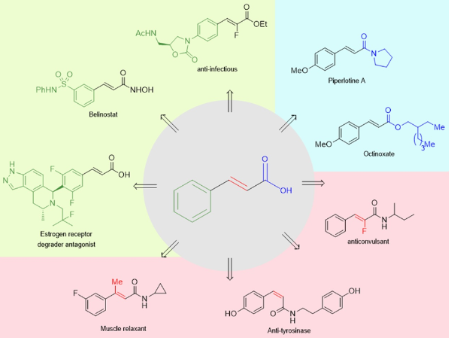
- /carbenoid reactions: α-Diazocarbonyl compounds are useful reagents especially to synthesize aziridine compounds through reactive carbene species. A few examples of utilizing α-diazocarbonyl compounds to prepare olefins have also been reported, either mediated by metal catalysts or through a more sustainable
- are cis-coplanar resulting in the Z-isomer product. 3.1.4 Metathesis reactions: Metathesis reactions are one of the most crucial approaches to preparing olefins. Grubbs and Grubbs–Hoveyda catalysts are among the most frequently used catalysts for the stereoselective construction of C=C bonds. Moreover

Graphical Abstract

Figure 1: Biologically active cinnamic acid derivatives.

Scheme 1: General synthetic strategies for cinnamic acid derivatizations.

Scheme 2: Cinnamic acid coupling via isobutyl anhydride formation.
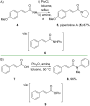
Scheme 3: Amidation reaction via O/N-pivaloyl activation.

Scheme 4: Cinnamic acid amidation using TCCA/PPh3 reagent.
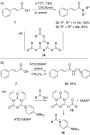
Scheme 5: Cinnamic acid amidation using triazine-based reagents.

Scheme 6: Cinnamic acid amidation using continuous flow mechanochemistry.

Scheme 7: Cinnamic acid amidation using COMU as coupling reagent.
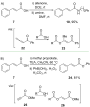
Scheme 8: Cinnamic acid amidation using allenone coupling reagent.

Scheme 9: Cinnamic acid amidation using 4-acetamidophenyl triflimide as reagent.

Scheme 10: Cinnamic acid amidation using methyltrimethoxysilane (MTM).

Scheme 11: Cinnamic acid amidation utilizing amine–borane reagent.

Scheme 12: Cinnamic acid amidation using TCCA/PPh3 reagent.

Scheme 13: Cinnamic acid amidation using PPh3/I2 reagent.

Scheme 14: Cinnamic acid amidation using PCl3 reagent.

Scheme 15: Cinnamic acid amidation utilizing pentafluoropyridine (PFP) as reagent.

Scheme 16: Cinnamic acid amidation using hypervalent iodine(III).

Scheme 17: Mechanochemical amidation using 1,1,2,2-tetrafluoroethyl-N,N-dimethylamine (TFEDMA) reagent.

Scheme 18: Methyl ester preparation using tris(2,4,6-trimethoxyphenyl)phosphine (TMPP).

Scheme 19: N-Trifluoromethyl amide preparation using isothiocyanate and AgF.

Scheme 20: POCl3-mediated amide coupling of carboxylic acid and DMF.

Scheme 21: O-Alkylation of cinnamic acid using alkylating agents.

Scheme 22: Glycoside preparation via Mitsunobu reaction.

Scheme 23: O/N-Acylation via rearrangement reactions.

Scheme 24: Amidation reactions using sulfur-based alkylating agents.

Scheme 25: Amidation reaction catalyzed by Pd0 via C–N cleavage.

Scheme 26: Amidation reaction catalyzed by CuCl/PPh3.

Scheme 27: Cu(II) triflate-catalyzed N-difluoroethylimide synthesis.

Scheme 28: Cu/Selectfluor-catalyzed transamidation reaction.

Scheme 29: CuO–CaCO3-catalyzed amidation reaction.

Scheme 30: Ni-catalyzed reductive amidation.

Scheme 31: Lewis acidic transition-metal-catalyzed O/N-acylations.

Scheme 32: Visible-light-promoted amidation of cinnamic acid.

Scheme 33: Sunlight/LED-promoted amidation of cinnamic acid.

Scheme 34: Organophotocatalyst-promoted N–O cleavage of Weinreb amides to synthesize primary amides.

Scheme 35: Cinnamamide synthesis through [Ir] photocatalyst-promoted C–N-bond cleavage of tertiary amines.

Scheme 36: Blue LED-promoted FeCl3-catalyzed reductive transamidation.

Scheme 37: FPyr/TCT-catalyzed amidation of cinnamic acid derivative 121.

Scheme 38: Cs2CO3/DMAP-mediated esterification.

Scheme 39: HBTM organocatalyzed atroposelective N-acylation.

Scheme 40: BH3-catalyzed N-acylation reactions.
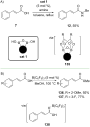
Scheme 41: Borane-catalyzed N-acylation reactions.

Scheme 42: Catalytic N-acylation reactions via H/F bonding activation.

Scheme 43: Brønsted base-catalyzed synthesis of cinnamic acid esters.

Scheme 44: DABCO/Fe3O4-catalyzed N-methyl amidation of cinnamic acid 122.

Scheme 45: Catalytic oxidation reactions of acylating agents.

Scheme 46: Preparation of cinnamamide-substituted benzocyclooctene using I(I)/I(III) catalysis.

Scheme 47: Pd-colloids-catalyzed oxidative esterification of cinnamyl alcohol.

Scheme 48: Graphene-supported Pd/Au alloy-catalyzed oxidative esterification via hemiacetal intermediate.

Scheme 49: Au-supported on A) carbon nanotubes (CNT) and B) on porous boron nitride (pBN) as catalyst for the ...

Scheme 50: Cr-based catalyzed oxidative esterification of cinnamyl alcohols with H2O2 as the oxidant.

Scheme 51: Co-based catalysts used for oxidative esterification of cinnamyl alcohol.

Scheme 52: Iron (A) and copper (B)-catalyzed oxidative esterification of cinnamaldehyde.

Scheme 53: NiHPMA-catalyzed oxidative esterification of cinnamaldehyde.

Scheme 54: Synthesis of cinammic acid esters through NHC-catalyzed oxidative esterification via intermolecular...
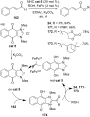
Scheme 55: Redox-active NHC-catalyzed esterification via intramolecular oxidation.

Scheme 56: Electrochemical conversion of cinnamaldehyde to methyl cinnamate.

Scheme 57: Bu4NI/TBHP-catalyzed synthesis of bisamides from cinnamalaldehyde N-tosylhydrazone.

Scheme 58: Zn/NC-950-catalyzed oxidative esterification of ketone 182.

Scheme 59: Ru-catalyzed oxidative carboxylation of terminal alkenes.

Scheme 60: Direct carboxylation of alkenes using CO2.

Scheme 61: Carboxylation of alkenylboronic acid/ester.

Scheme 62: Carboxylation of gem-difluoroalkenes with CO2.

Scheme 63: Photoredox-catalyzed carboxylation of difluoroalkenes.

Scheme 64: Ru-catalyzed carboxylation of alkenyl halide.
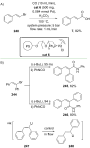
Scheme 65: Carboxylation of alkenyl halides under flow conditions.

Scheme 66: Cinnamic acid ester syntheses through carboxylation of alkenyl sulfides/sulfones.

Scheme 67: Cinnamic acid derivatives synthesis through a Ag-catalyzed decarboxylative cross-coupling proceedin...
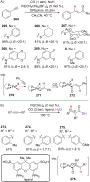
Scheme 68: Pd-catalyzed alkyne hydrocarbonylation.

Scheme 69: Fe-catalyzed alkyne hydrocarbonylation.

Scheme 70: Alkyne hydrocarboxylation using CO2.
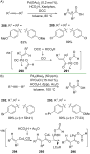
Scheme 71: Alkyne hydrocarboxylation using HCO2H as CO surrogate.

Scheme 72: Co/AlMe3-catalyzed alkyne hydrocarboxylation using DMF.

Scheme 73: Au-catalyzed oxidation of Au–allenylidenes.
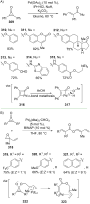
Scheme 74: Pd-catalyzed C–C-bond activation of cyclopropenones to synthesize unsaturated esters and amides.
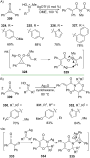
Scheme 75: Ag-catalyzed C–C-bond activation of diphenylcyclopropenone.

Scheme 76: Cu-catalyzed C–C bond activation of diphenylcyclopropenone.

Scheme 77: PPh3-catalyzed C–C-bond activation of diphenylcyclopropenone.

Scheme 78: Catalyst-free C–C-bond activation of diphenylcyclopropenone.

Scheme 79: Cu-catalyzed dioxolane cleavage.

Scheme 80: Multicomponent coupling reactions.

Scheme 81: Pd-catalyzed partial hydrogenation of electrophilic alkynes.

Scheme 82: Nickel and cobalt as earth-abundant transition metals used as catalysts for the partial hydrogenati...
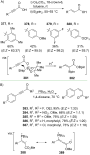
Scheme 83: Metal-free-catalyzed partial hydrogenation of conjugated alkynes.

Scheme 84: Horner–Wadsworth–Emmons reaction between triethyl 2-fluoro-2-phosphonoacetate and aldehydes with ei...

Scheme 85: Preparation of E/Z-cinnamates using thiouronium ylides.

Scheme 86: Transition-metal-catalyzed ylide reactions.

Scheme 87: Redox-driven ylide reactions.
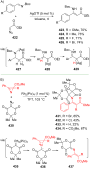
Scheme 88: Noble transition-metal-catalyzed olefination via carbenoid species.

Scheme 89: TrBF4-catalyzed olefination via carbene species.

Scheme 90: Grubbs catalyst (cat 7)/photocatalyst-mediated metathesis reactions.

Scheme 91: Elemental I2-catalyzed carbonyl-olefin metathesis.

Scheme 92: Cu-photocatalyzed E-to-Z isomerization of cinnamic acid derivatives.

Scheme 93: Ni-catalyzed E-to-Z isomerization.

Scheme 94: Dehydration of β-hydroxy esters via an E1cB mechanism to access (E)-cinnamic acid esters.

Scheme 95: Domino ring-opening reaction induced by a base.
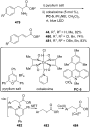
Scheme 96: Dehydroamination of α-aminoester derivatives.

Scheme 97: Accessing methyl cinnamate (44) via metal-free deamination or decarboxylation.

Scheme 98: The core–shell magnetic nanosupport-catalyzed condensation reaction.
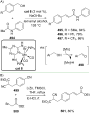
Scheme 99: Accessing cinnamic acid derivatives from acetic acid esters/amides through α-olefination.
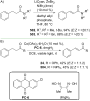
Scheme 100: Accessing cinnamic acid derivatives via acceptorless α,β-dehydrogenation.

Scheme 101: Cu-catalyzed formal [3 + 2] cycloaddition.

Scheme 102: Pd-catalyzed C–C bond formation via 1,4-Pd-shift.

Scheme 103: NHC-catalyzed Rauhut–Currier reactions.
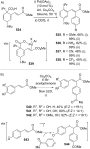
Scheme 104: Heck-type reaction for Cα arylation.

Scheme 105: Cu-catalyzed trifluoromethylation of cinnamamide.

Scheme 106: Ru-catalyzed alkenylation of arenes using directing groups.

Scheme 107: Earth-abundant transition-metal-catalyzed hydroarylation of α,β-alkynyl ester 374.

Scheme 108: Precious transition-metal-catalyzed β-arylation of cinnamic acid amide/ester.

Scheme 109: Pd-catalyzed β-amination of cinnamamide.

Scheme 110: S8-mediated β-amination of methyl cinnamate (44).

Scheme 111: Pd-catalyzed cross-coupling reaction of alkynyl esters with phenylsilanes.

Scheme 112: Pd-catalyzed β-cyanation of alkynyl amide/ester.

Scheme 113: Au-catalyzed β-amination of alkynyl ester 374.
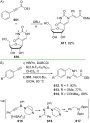
Scheme 114: Metal-free-catalyzed Cβ-functionalizations of alkynyl esters.

Scheme 115: Heck-type reactions.

Scheme 116: Mizoroki–Heck coupling reactions using unconventional functionalized arenes.
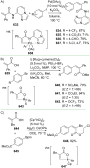
Scheme 117: Functional group-directed Mizoroki–Heck coupling reactions.
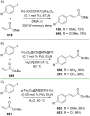
Scheme 118: Pd nanoparticles-catalyzed Mizoroki–Heck coupling reactions.

Scheme 119: Catellani-type reactions to access methyl cinnamate with multifunctionalized arene.
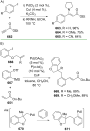
Scheme 120: Multicomponent coupling reactions.

Scheme 121: Single atom Pt-catalyzed Heck coupling reaction.

Scheme 122: Earth-abundant transition metal-catalyzed Heck coupling reactions.
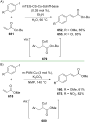
Scheme 123: Polymer-coated earth-abundant transition metals-catalyzed Heck coupling reactions.

Scheme 124: Earth-abundant transition-metal-based nanoparticles as catalysts for Heck coupling reactions.

Scheme 125: CN- and Si-based directing groups to access o-selective cinnamic acid derivatives.
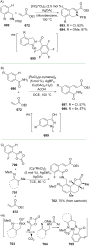
Scheme 126: Amide-based directing group to access o-selective cinnamic acid derivatives.

Scheme 127: Carbonyl-based directing group to access o-selective cinnamic acid derivatives.

Scheme 128: Stereoselective preparation of atropisomers via o-selective C(sp2)–H functionalization.

Scheme 129: meta-Selective C(sp2)–H functionalization using directing group-tethered arenes.

Scheme 130: para-Selective C(sp2)–H functionalization using directing group-tethered arenes.

Scheme 131: Non-directed C(sp2)–H functionalization via electrooxidative Fujiwara–Moritani reaction.
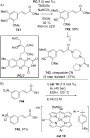
Scheme 132: Interconversion of functional groups attached to cinnamic acid.

Scheme 133: meta-Selective C(sp2)–H functionalization of cinnamate ester.

Scheme 134: C(sp2)–F arylation using Grignard reagents.

Scheme 135: Truce–Smiles rearrangement of N-aryl metacrylamides.

Scheme 136: Phosphine-catalyzed cyclization of γ-vinyl allenoate with enamino esters.



