


Search results
Search for "cytotoxicity" in Full Text gives 292 result(s) in Beilstein Journal of Organic Chemistry. Showing first 200.
Investigations of amination reactions on an antimalarial 1,2,4-triazolo[4,3-a]pyrazine scaffold
Beilstein J. Org. Chem. 2025, 21, 1126–1134, doi:10.3762/bjoc.21.90
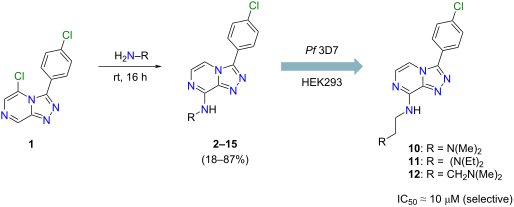
- have demonstrated in vitro potency against P. falciparum with IC50 values in the micromolar and low nanomolar range and appear to have little polypharmacology or cytotoxicity [6][7][8]. Some members of series 4 have also proven effective for the rapid clearance of the P. falciparum 3D7 strain in mice
- -PfATP4 activity would be required to definitively assess the tolerability of tertiary alkylamines at position 8. Whilst compounds 1, 2 and 4–12 showed no cytotoxicity against HEK293 cells at the top concentration tested (80 µM), for those compounds with concomitant antimalarial activity (1, 10–12), their
- using an Opera PhenixPlus™ High Content Screening System (PerkinElmer, Waltham, MA, USA). Images were analysed using the Harmony software (PerkinElmer, Waltham, MA, USA). In vitro cytotoxicity assay Human embryonic kidney (HEK293) cells were maintained in DMEM (Life Technologies, Camarillo, CA, USA




Pd-Catalyzed asymmetric allylic amination with isatin using a P,olefin-type chiral ligand with C–N bond axial chirality
Beilstein J. Org. Chem. 2025, 21, 1018–1023, doi:10.3762/bjoc.21.83
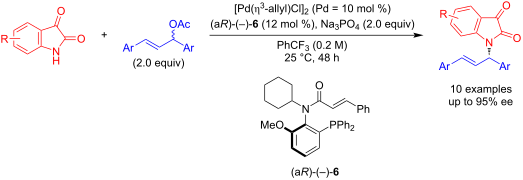
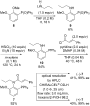
- in medicinal chemistry. For example, racemic compound 1 (Figure 1) was evaluated for its cytotoxicity against human breast cancer cells (MCF7) in comparison to the standard doxorubicin and exhibited excellent activity against the MCF7 cell line [12]. The optically active compound 2 also showed




4-(1-Methylamino)ethylidene-1,5-disubstituted pyrrolidine-2,3-diones: synthesis, anti-inflammatory effect and in silico approaches
Beilstein J. Org. Chem. 2025, 21, 817–829, doi:10.3762/bjoc.21.65

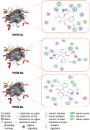
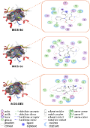
- -position of that heterocyclic core in compound 5e resulted in a dramatic increase in the NO inhibitory capability. More importantly, all studied compounds 5a–e did not show cytotoxicity to macrophage cells; 90.35–95.74% cells survived at the concentration of 100 µM of 5a–e (Table S3 in Supporting


Semisynthetic derivatives of massarilactone D with cytotoxic and nematicidal activities
Beilstein J. Org. Chem. 2025, 21, 607–615, doi:10.3762/bjoc.21.48
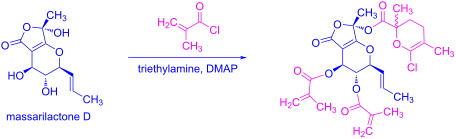
- , epidermoid carcinoma A431, ovarian carcinoma SKOV-3, and breast cancer MCF-7 cell lines. Compounds 2 and 3 exhibited significant cytotoxicity against all the tested cells. Some of the semisynthetic derivatives were also tested for their nematicidal activity and compound 4 displayed significant and selective
- [14]. Massarilactones A and B were earlier shown to exhibit antimicrobial activity against Bacillus subtilis (ATCC 6051) and Staphylococcus aureus (ATCC 29213), affording zones of inhibition varying from 12 to 19 mm at 200 μg/disk [8], while massarilactone H displayed moderate cytotoxicity against
- activity of this polyketide. Seven analogues of massarilactone D, compounds 2–8, were synthetized through acylation modifications aimed at enhancing the compound’s interactions with biological targets (Scheme 1). These acylated analogues were subsequently screened for their cytotoxicity against a panel of


Cryptophycin unit B analogues
Beilstein J. Org. Chem. 2025, 21, 526–532, doi:10.3762/bjoc.21.40
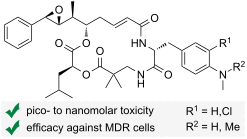
- ongoing challenge. Cryptophycins are a class of cyclic depsipeptides renowned for their high cytotoxicity in the picomolar range often combined with efficacy against multidrug-resistant tumour cell lines. However, cryptophycins failed as stand-alone drugs in cancer treatment, and their naturally occurring
- isolation from cyanobacteria [2], their extraordinarily high cytotoxicity was apparent and attracted attention, not least because of their still high efficacy against multidrug-resistant (MDR) cells [3]. Cryptophycin-52, a synthetic development candidate by Eli Lilly based on the initially discovered
- relationship (SAR) studies between derivatisations of all four units (A to D) (Figure 1A) of cryptophycin-52 analogues with functional groups [8]. While many modifications of cryptophycin decrease the cytotoxicity drastically, some viable attachment points for conjugation were found, mainly including the para



Synthesis, structure, ionochromic and cytotoxic properties of new 2-(indolin-2-yl)-1,3-tropolones
Beilstein J. Org. Chem. 2025, 21, 358–368, doi:10.3762/bjoc.21.26
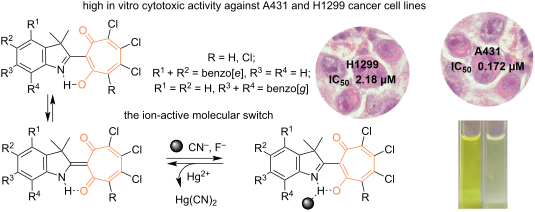
- prepare concentrations sufficient for studying cellular cytotoxicity. In this regard, 1,3-tropolone 7a, which has an acceptable level of solubility in water, was used for biological testing. The in vitro cytotoxic activity was investigated with A431 skin cancer and H1299 lung cancer cell lines. A standard




Antibiofilm and cytotoxic metabolites from the entomopathogenic fungus Samsoniella aurantia
Beilstein J. Org. Chem. 2025, 21, 327–339, doi:10.3762/bjoc.21.23
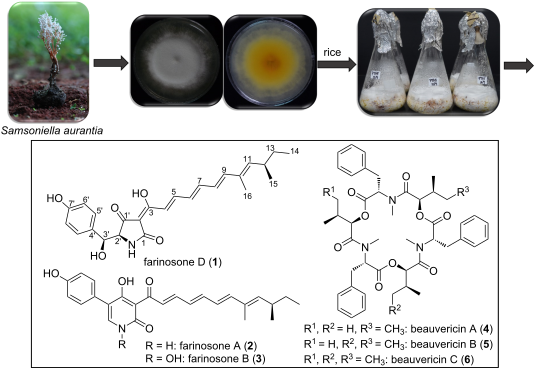
- cell viability. Conclusion Among the isolated compounds, and based on the results of bioassays, farinosones D (1) and A (2) were selected as potential candidates for biofilm assays due to their minimal to weak cytotoxicity. Microbiological assays aimed at identifying potential targets within the S
- microorganisms (A. baumannii, B. subtilis, and M. smegmatis), ciprofloxacin, oxytetracycline, and kanamycin were used as positive controls. Cytotoxicity assays The cytotoxic potential of the isolated compounds was determined using the MTT assay over a concentration range of 1 to 37 µg/mL against two mammalian
- with farinosones D (1) and A (2), microporenic acid A (MAA) as a positive control and methanol as a solvent control and taken as 100%. 1H and 13C NMR data of farinosone D (1). Cytotoxicity (IC50) and antimicrobial activity (MIC) of 1–6. Inhibition of biofilm formation of S. aureus by 1 and 2


Red light excitation: illuminating photocatalysis in a new spectrum
Beilstein J. Org. Chem. 2025, 21, 296–326, doi:10.3762/bjoc.21.22

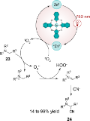
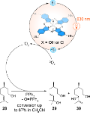
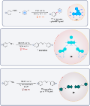
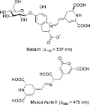
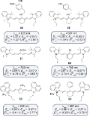
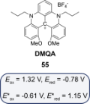
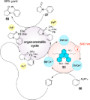
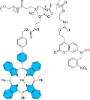
- , red-light photocatalysis enables innovative applications in phototherapy and controlled drug release, exploiting its tissue penetration and low cytotoxicity. Together, these developments underscore the versatility and impact of red-light photocatalysis, positioning it as a cornerstone of green organic















Recent advances in organocatalytic atroposelective reactions
Beilstein J. Org. Chem. 2025, 21, 55–121, doi:10.3762/bjoc.21.6
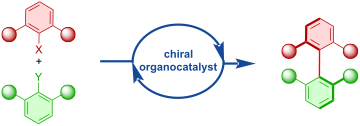
- results in one case, providing high cytotoxicity toward the MCF-7 cancer cell line. The stable axial chirality of the products 71 and 73 was confirmed by calculations of the rotational barriers ranging from 30.2 to 46.3 kcal/mol. Kinetic resolution by amino group protection of biaryls (R,S)-74a–r with
- and stereoselectivities (85%, 90% ee, >95:5 E/Z). A biological activity investigation led to promising results in the case of one substrate displaying cytotoxicity towards several cancer cell lines. Organocatalytic enantioselective construction of axially chiral styrenes 175 and 177 was done utilizing
- enantiopurity at 130 °C for 48 h in toluene. Investigating the biological activity for a number of compounds, good cytotoxicity was reported for five kinds of cancer cells. The mechanistic study suggests that the indole ring of the substrate is having a crucial role in the reaction mechanism because replacing






Ceratinadin G, a new psammaplysin derivative possessing a cyano group from a sponge of the genus Pseudoceratina
Beilstein J. Org. Chem. 2024, 20, 3215–3220, doi:10.3762/bjoc.20.267
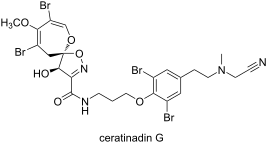
- cytotoxicity against L1210 murine leukemia cells and KB epidermoid carcinoma cells. Keywords: ceratinadin; cytotoxicity; marine sponge; psammaplysin; Pseudoceratina sp.; Introduction Marine sponges are widely recognized as a rich source of unique bioactive natural products. For instance, marine sponges
- data of the 8,10-dibromo-9-methoxy-1,6-dioxa-2-azaspiro[4.6]undeca-2,7,9-trien-4-ol moiety of 1 and the ECD spectrum pattern of 1 matched those of compound 2 (Figure 3). Consequently, the absolute configuration of 1 was assigned as 6R and 7R, identical to that of 2. The in vitro cytotoxicity of
- C24H2679Br281Br2N4O6Na, 808.84426; found, 808.84502. Cytotoxicity assay L1210 murine leukemia cells were cultured in RPMI-1640 supplemented with 10% FBS, and KB epidermoid carcinoma cells were cultured in DMEM supplemented with 10% FBS. All cells were incubated at 37 °C in a humidified atmosphere of 5% CO2 and 95% air


N-Glycosides of indigo, indirubin, and isoindigo: blue, red, and yellow sugars and their cancerostatic activity
Beilstein J. Org. Chem. 2024, 20, 2840–2869, doi:10.3762/bjoc.20.240
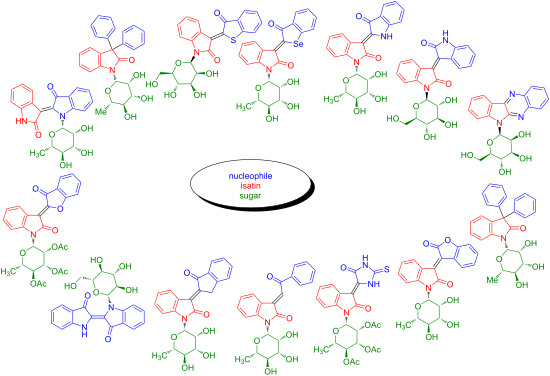
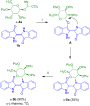
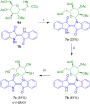
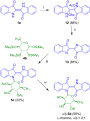
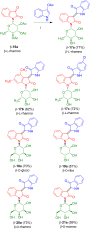
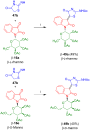
- be inactive. The activities of β-33b and 34 on the cell viability was independently studied by using crystal violet as a dye for viable cells following a 48 h incubation of A375 melanoma cells and A431 squamous carcinoma cells. Interestingly, a concentration-dependent cytotoxicity was again observed
- ). While isoindigo-N-glycosides did not show cytotoxicity, two azaisoindigo-N-glycosides exhibited significant antiproliferative activities with cell proliferation inhibition of all the cell lines tested in a 75–80% range. The best activity was observed, in fact, for compound β-58d. Isoindigo-N,N










Synthesis and cytotoxicity studies of novel N-arylbenzo[h]quinazolin-2-amines
Beilstein J. Org. Chem. 2024, 20, 2592–2598, doi:10.3762/bjoc.20.218
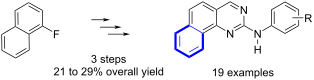
- this paper, we report a short and efficient synthesis of novel N-arylbenzo[h]quinazoline-2-amines. We have prepared a focused library of nineteen representative examples which have been submitted to cytotoxicity assays against a representative panel of eight cancer cell lines and several molecules gave
- attractive results in this area. Keywords: Buchwald–Hartwig coupling; cytotoxicity; heterocycles; Pd catalysis; quinazolines; Introduction Nitrogen-containing heterocyclic molecules are ubiquitous in living systems. Among them, quinazolines, and especially the 4-aminoquinazolines (type A molecules, Figure
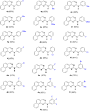
- compounds with two substituents or with three fluorine atoms. All these compounds have been obtained in fair yields (51–70%) and they have spectral and analytical data in agreement with the indicated structures, as given in the experimental section and Supporting Information File 1. Cytotoxicity studies


Natural resorcylic lactones derived from alternariol
Beilstein J. Org. Chem. 2024, 20, 2171–2207, doi:10.3762/bjoc.20.187
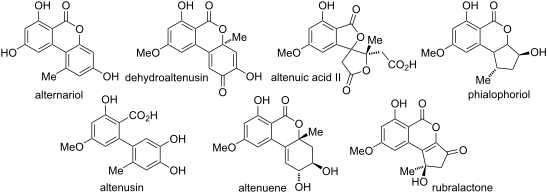
- turned out that induced cytotoxicity [75] is mediated by activation of the mitochondrial pathway of apoptosis in human colon carcinoma cells [76][77] and that cytotoxicity on HCT116 cells is increased, when AOH is combined with 9-O-methylalternariol (2, AME) [78]. AOH further showed to have a detrimental
- tested for cytotoxicity, but turned out to be inactive. Altertenuol (31) has already been mentioned in one of the first reports on metabolites isolated from Alternaria tenuis (synonymous to A. alternata) [42][54]. Its structure was determined by chemical methods and has later been confirmed after total
- weight) [11][74], and showed toxicity against brine shrimp larvae (Artemia salina) with an LD50 value of 375 µg/mL [256][257]. It exhibited cytotoxicity against HeLa cells (ID25: 28 µg/mL) [74], the HCT116 cancer cell line (IC50: 3.13 μM) [232], and against MG-63 cells (IC50: 17.8 µg/mL) [123]. An






Allostreptopyrroles A–E, β-alkylpyrrole derivatives from an actinomycete Allostreptomyces sp. RD068384
Beilstein J. Org. Chem. 2024, 20, 1981–1987, doi:10.3762/bjoc.20.174
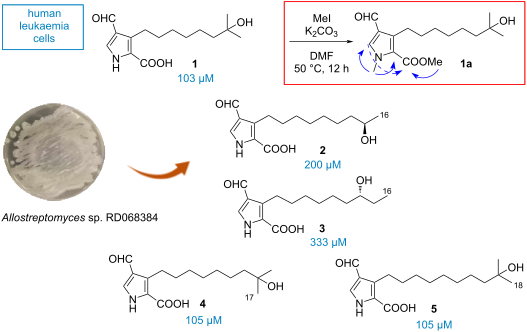
- by formyl and carboxyl functionalities. Compounds 1, 4, and 5 showed cytotoxicity against Kasumi-1 human acute myeloblastic leukemia cells with IC50 values of 103, 105, and 105 μM, respectively, which are less active than the anticancer agent cisplatin, with an IC50 value of 70 μM. Keywords
- cytotoxicity against Kasumi-1 human acute myeloblastic leukemia cells with IC50 values of 103, 105, and 105 while 2 and 3 were less active with IC50 values of 200 and 333 μM, respectively. Under the same experimental conditions, cisplatin, a positive control, inhibited the cell growth with an IC50 value of 70
- substitution patterns are different (Figure 1). Natural alkylpyrroles were shown to have cytotoxicity [27], antidiabetic activity [28], anti-lipid peroxidation [12], in vivo antihypoxic activity [12], and antibacterial activity [15]. Though not impressive in cytotoxicity and tyrosinase-inhibitory evaluations


The Groebke–Blackburn–Bienaymé reaction in its maturity: innovation and improvements since its 21st birthday (2019–2023)
Beilstein J. Org. Chem. 2024, 20, 1839–1879, doi:10.3762/bjoc.20.162






Syntheses and medicinal chemistry of spiro heterocyclic steroids
Beilstein J. Org. Chem. 2024, 20, 1713–1745, doi:10.3762/bjoc.20.152
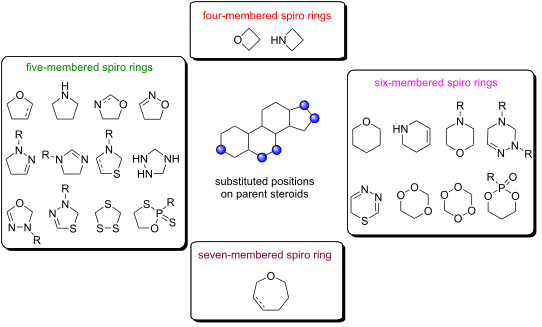
- with IC50 values ranging from 0.7 to 43 µM, some of them exhibiting significantly more potent activity than the reference compound 5-fluorouracil (5-FU). More recently, similar compounds were evaluated for their cytotoxicity using a brine shrimp bioassay, with LC50 values ranging from 6.19 to 27.2 µg
- /mL. Since the cytotoxicity of the parent 16-arylidene steroids was LC50 > 100 µg/mL, it was concluded that the presence of the pyrrolidine moiety was essential for the activity [28]. Additional derivatives have been reported on different steroidal positions [29] or with variations in the methodology
- . Chromatographic purification was not required post-reaction. Some spiro products exhibited high binding affinity towards DNA, while others showed good cytotoxicity against different cancer cells (A545, MCF-7, HeLa, HL-60, SW480, HepG2, HT-29, and A549) with IC50 values within the micromolar range (2.18–18.54 µM


Methyltransferases from RiPP pathways: shaping the landscape of natural product chemistry
Beilstein J. Org. Chem. 2024, 20, 1652–1670, doi:10.3762/bjoc.20.147
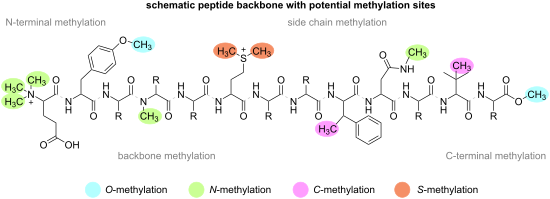
- proteusin family of RiPPs. They are produced by the tunicate symbiont Candidatus Entotheonella factor and exhibit membrane activity against Gram-positive bacteria and are highly cytotoxic. Cytotoxicity was tested with murine leukaemia cells; polytheonamide A, B, and C showed IC50 values between 68 and 78 pg


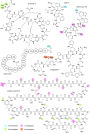


Polymer degrading marine Microbulbifer bacteria: an un(der)utilized source of chemical and biocatalytic novelty
Beilstein J. Org. Chem. 2024, 20, 1635–1651, doi:10.3762/bjoc.20.146
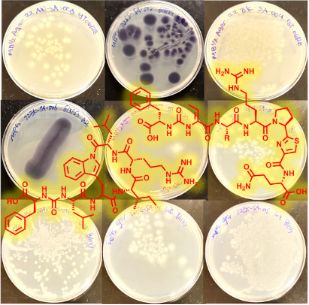
- Gram-positive bacteria Kocuria rhizophila and S. aureus, Gram-negative bacterium Tenacibaculum maritimum, and a panel of fungi. These molecules also demonstrated moderate cytotoxicity against P388 murine leukemia cells. The bisindole alkaloid violacein (24, Figure 8) was isolated and characterized from


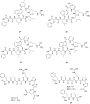


Supramolecular assemblies of amphiphilic donor–acceptor Stenhouse adducts as macroscopic soft scaffolds
Beilstein J. Org. Chem. 2024, 20, 1590–1603, doi:10.3762/bjoc.20.142
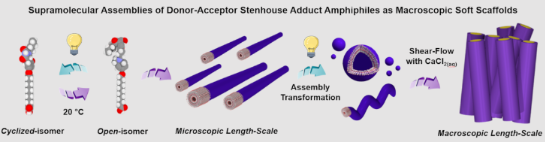
- systematically by visible light irradiation. On a macroscopic length scale, the soft DAn scaffolds were able to perform macroscopic structure disassembly upon visible-light irradiation. The biocompatibility of the macroscopic soft DAn scaffolds was investigated, revealing limited cytotoxicity. The current work
- scaffolds were further incubated with hBM-MSCs cells, promoting the attachment of cells onto the surface. The limited cytotoxicity and good stability of DAn macroscopic soft scaffolds points at an application as cell–material interface and even offers opportunities for the fabrication of biomedical




Computation-guided scaffold exploration of 2E,6E-1,10-trans/cis-eunicellanes
Beilstein J. Org. Chem. 2024, 20, 1320–1326, doi:10.3762/bjoc.20.115

- minor products and mostly starting material, hence we decided these products were not worth further purification. The minor isomers of the halogenated derivatives were presumably detected but in too low yields to purify. Since 6/6/6-tricyclic diterpenes are known to show cytotoxicity [26], we tested our
- seven analogs for cytotoxicity against human colon carcinoma HCT-116 cells. Unfortunately, none of the compounds up to 10 μM showed any activity when tested in MTT-based cell viability assays. Conclusion Eunicellane diterpenoids have been known for over 50 years, but it was not until recently that their


Bismuth(III) triflate: an economical and environmentally friendly catalyst for the Nazarov reaction
Beilstein J. Org. Chem. 2024, 20, 1167–1178, doi:10.3762/bjoc.20.99
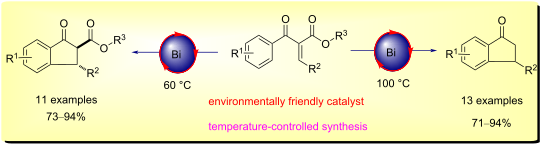
- ) being active at 5 μg/mL, using a 75% cutoff inhibition at each concentration. On the other hand, MCF-7 and SK-MEL-28 cells were the most resistant ones, with no compound being active at the lower concentration (Figure 5). This evidence of selective cytotoxicity for a specific histological tumor subtype




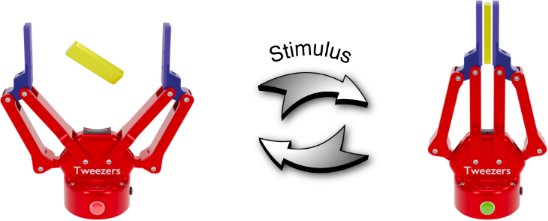
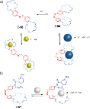
Switchable molecular tweezers: design and applications
Beilstein J. Org. Chem. 2024, 20, 504–539, doi:10.3762/bjoc.20.45




Green and sustainable approaches for the Friedel–Crafts reaction between aldehydes and indoles
Beilstein J. Org. Chem. 2024, 20, 379–426, doi:10.3762/bjoc.20.36
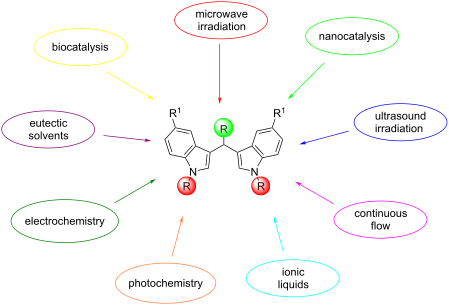
- ]. DIM has also been found to initiate the expression of tumor suppressing proteins (ATM, p21, p27kip), which control cell growth and protect cells against ionizing radiation, which can cause DNA mutations, decreasing the overall risk of breast cancer [1][5][6]. The cytotoxicity of DIM and BIMs in




Cycloaddition reactions of heterocyclic azides with 2-cyanoacetamidines as a new route to C,N-diheteroarylcarbamidines
Beilstein J. Org. Chem. 2024, 20, 17–24, doi:10.3762/bjoc.20.3
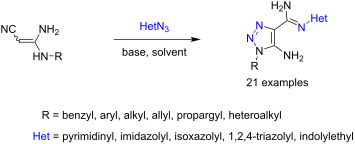
- cells within the concentration range. This indicates the low cytotoxicity of these compounds. Meanwhile, compounds 3m,l are characterized by a borderline inhibition of cell culture viability. Attention is drawn to the increased toxic effect of 3m on cells of tumor origin, in comparison with normal human
- (method A)a; 1 (0.5 mmol), 2 (0.5 mmol), NaOH (0.5 mmol), EtOH (2 mL), 0 °C → rt, 30 min (method B)b. Proposed mechanism for the formation of triazoles 3. Optimization of the reaction of amidine 1a with 6-azidopyrimidine-2,4-dione 2a.a Cytotoxicity index (IC50 ± SE) in µM of the studied compounds on human



Synthetic approach to 2-alkyl-4-quinolones and 2-alkyl-4-quinolone-3-carboxamides based on common β-keto amide precursors
Beilstein J. Org. Chem. 2023, 19, 1804–1810, doi:10.3762/bjoc.19.132
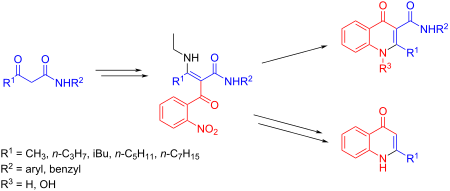
- monoamine oxidase [14], cytotoxicity against cancer cell lines [15], activity against nuclear factor of activated T cells [16], and anti-inflammatory activity [17]. Alkaloids with similar structure and anti-inflammatory activity have been isolated from another member of the Rutaceae family – Zanthoxylum





