


Search results
Search for "release" in Full Text gives 604 result(s) in Beilstein Journal of Organic Chemistry. Showing first 200.
Synthesis of the tetracyclic skeleton of Aspidosperma alkaloids via PET-initiated cationic radical-derived interrupted [2 + 2]/retro-Mannich reaction
- Ru-Dong Liu,
- Jian-Yu Long,
- Zhi-Lin Song,
- Zhen Yang and
- Zhong-Chao Zhang
Beilstein J. Org. Chem. 2025, 21, 2470–2478, doi:10.3762/bjoc.21.189
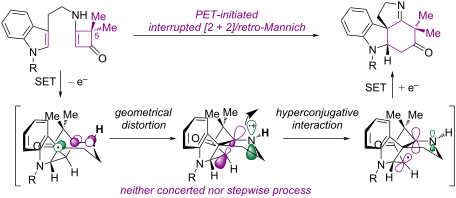
- leads to ketene D, which can undergo cycloaddition with an alkene to yield E. This fragmentation pathway dominates under various conditions (e.g., transition-metal catalysis, nucleophilic addition) and is driven by ring-strain release [11]. PET, an alternative to direct excitation and EnT, enables the
- generates the cationic radical G, which initiates formation of H, which has a strained bicyclo [3.2.0]heptane core. Strain release of H triggers a downstream radical-driven retro-Mannich reaction, which ultimately results in the formation of J via reductive quenching of intermediate I. As part of our
- intermediacy of IN4 was ruled out. We assume that the overlap between the sp2-hybridized N spin center and σ* (C19–C3) in TS2, and the ring-strain release of the transient bicyclo[2.2.0]hexane unit, play essential roles that enable the reaction to occur. Thus, natural bond orbital (NBO) [33] and Mayer bond

Graphical Abstract
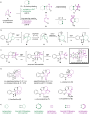
Figure 1: Synthetic plan. a) General model of cyclobutenone bond cleavage; b) our previously reported method;...

Scheme 1: Substrate scope.
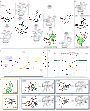
Figure 2: Computational study. a) Energy profiles from IN1 to IN3 and spin density of TS2 (isovalue = 0.004),...
Ex-situ generation of gaseous nitriles in two-chamber glassware for facile haloacetimidate synthesis
- Nikolai B. Akselvoll,
- Jonas T. Larsen and
- Christian M. Pedersen
Beilstein J. Org. Chem. 2025, 21, 2465–2469, doi:10.3762/bjoc.21.188
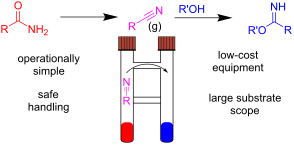
- is not easily done as the system is now under pressure. The chamber was then opened to release excess gas (on small scale) and the product in chamber B can be obtained by concentration and purification. The use of other bases than DBU, was also investigated. Similar to the synthesis of

Graphical Abstract

Figure 1: Examples of methods for the synthesis of trifluoroacetonitrile and our set-up using a two-chamber r...

Scheme 1: Reactions in chambers A and B. Chamber A: generation of the haloacetonitrile by dehydration of the ...

Figure 2: Glycosyl haloacetimidates synthesized using the two-chamber method.

Figure 3: Synthesis of arylmethylene fluoroacetimidates using the two-chamber method.
Rotaxanes with integrated photoswitches: design principles, functional behavior, and emerging applications
- Jullyane Emi Matsushima,
- Khushbu,
- Zuliah Abdulsalam,
- Udyogi Navodya Kulathilaka Conthagamage and
- Víctor García-López
Beilstein J. Org. Chem. 2025, 21, 2345–2366, doi:10.3762/bjoc.21.179

- for drug delivery, therapeutics, and various biotechnological applications [85][86][87][88]. As a proof of principle, this rotaxane was used to trigger the light-induced release of hydrophilic cargo from large vesicles, highlighting its potential as a platform for controlled drug delivery. Recently
- photoswitchable rotaxanes into lipid membranes has revealed exciting opportunities for future biooriented applications. These applications include light-controlled systems for drug release, ion transport, rotaxane-based therapeutics, and molecular tools capable of modulating biological processes in living cells

Graphical Abstract

Figure 1: Schematic of common rotaxanes (left) and depiction of the macrocycle shuttling (right).

Figure 2: Structure of some common photoswitches integrated into rotaxanes.

Figure 3: Rotaxane with an acridane photoswitch on the axle modulates the translation of a CBQT4+ macrocycle ...

Figure 4: Hydrogel composed of [2]rotaxanes featuring a central azobenzene in the axle and a cyclodextrin mac...

Figure 5: Dendrimer composed of [2]rotaxane with an azobenzene photoswitch functioning as a macroscopic actua...

Figure 6: (a) Structure of the [2]rotaxane and (b) mechanism for K+ cations transport across lipid bilayers. Figure 6...

Figure 7: Dithienylethene-based [2]rotaxane used in writing patterning applications: (a) rotaxane with open d...

Figure 8: Dithienylethene-based [1]rotaxane shuttling motion triggered by pH changes (top). Dithienylethene p...

Figure 9: Depiction of a fumaramide-based [2]rotaxane photoswitching cycle and deposition on glass and mica s...

Figure 10: Hydrazone-based rotaxane controls helical pitch in a liquid crystal. Figure 10 was adapted from [73] (© 2024 S. ...

Figure 11: (a) Light- and pH-responsive Förster resonance energy transfer observed on a spiropyran-based [2]ro...

Figure 12: Photoresponsive bending of artificial muscle with [c2]daisy chain reported by Harada and collaborat...

Figure 13: Light-responsive shuttling motion of [2]rotaxane based on a stiff-stilbene photoswitch. Figure 13 was reprod...

Figure 14: Azobenzene-based rotaxane modulating lipid bilayers upon photoisomerization. Figure 14 was adapted from [23] (© ...

Figure 15: Depiction of fluorescence quenching processes upon external stimuli of a dithienylethene-based [2]r...

Figure 16: Diagrammatic illustration of rotaxane 1-H-SP depicting interconversions between the four isomeric s...

Figure 17: Representation of [2]rotaxane chloride binding modulated by photoisomerization of a stiff-stilbene. ...
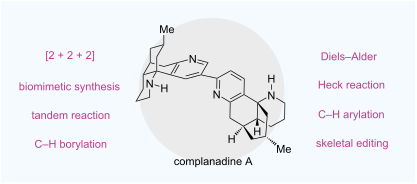
Comparative analysis of complanadine A total syntheses
- Reem Al-Ahmad and
- Mingji Dai
Beilstein J. Org. Chem. 2025, 21, 2334–2344, doi:10.3762/bjoc.21.178
- underwent ketone release and amine-ketone condensation to form iminium ion 27. Under the same acidic conditions, enamide 26 underwent hydrolysis and tautomerization to form enol 28. Conjugate addition of enol 28 to iminium ion 27 gave 29 for the subsequent intramolecular Mannich cyclization to deliver 30

Graphical Abstract
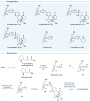
Scheme 1: Complanadine natural products and their plausible biosynthesis.

Scheme 2: The Siegel total synthesis of complanadine A enabled by [2 + 2 + 2] cycloadditions.
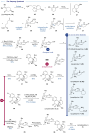
Scheme 3: The Sarpong total synthesis of complanadine A enabled by a biomimetic strategy and C–H activation.
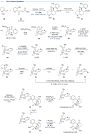
Scheme 4: The Tsukano total synthesis of complanadine A enabled by Diels–Alder cycloaddition, Heck cyclizatio...
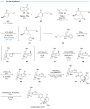
Scheme 5: The Dai total synthesis of complanadine A using single-atom skeletal editing.

Scheme 6: Comparative summary of the four complanadine A total syntheses.
Recent advances in Norrish–Yang cyclization and dicarbonyl photoredox reactions for natural product synthesis
- Peng-Xi Luo,
- Jin-Xuan Yang,
- Shao-Min Fu and
- Bo Liu
Beilstein J. Org. Chem. 2025, 21, 2315–2333, doi:10.3762/bjoc.21.177
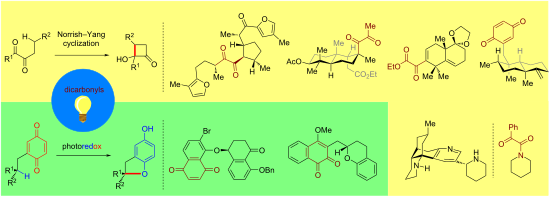
- ingeniously leverages the high selectivity of photochemical reactions and the strain-release property of rearrangement reactions, enabling the precise construction of multiple stereocenters in one step and overcoming the synthetic challenges posed by contiguous quaternary carbon centers and sterically
- Norrish–Yang cyclization, followed by a strain-release Pd-catalyzed C–C cleavage/cross-coupling protocol [9][11]; the strategy was subsequently applied to the total synthesis of lycoplatyrine A (89) in 2021 [38]. Isolated by Low’s group [39], lycoplatyrine A (89) belongs to the lycodine-type Lycopodium

Graphical Abstract

Scheme 1: a) The mechanism of Norrish type II reaction and Norrish–Yang cyclization; b) The mechanism of the ...

Scheme 2: Total synthesis of (+)-cyclobutastellettolide B.

Scheme 3: Norrish–Yang cyclization and 1,2-methyl migration.

Scheme 4: Synthetic study toward phainanoids.

Scheme 5: a) Mitsunobu reaction of the C9 ketal; b) Norrish–Yang cyclization of the saturated C5–C6; c) calcu...

Scheme 6: Total synthesis of avarane-type meroterpenoids.

Scheme 7: Total synthesis of gracilisoid A.
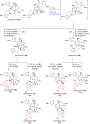
Scheme 8: Divergent total synthesis of gracilisoids B–I.

Scheme 9: Mechanism of the late-stage biomimetic photooxidation.

Scheme 10: Asymmetric total synthesis of lycoplatyrine A.

Scheme 11: Photoreaction of pyrrolidine-derived phenyl keto amide.

Scheme 12: Photoredox reactions of naphthoquinones.

Scheme 13: Synthetic study toward γ-rubromycin.

Scheme 14: Substituent-dependent conformational preferences.

Scheme 15: Total synthesis of preussomerins EG1, EG2, and EG3.
The application of desymmetric enantioselective reduction of cyclic 1,3-dicarbonyl compounds in the total synthesis of terpenoid and alkaloid natural products
- Dong-Xing Tan and
- Fu-She Han
Beilstein J. Org. Chem. 2025, 21, 2085–2102, doi:10.3762/bjoc.21.164
- elastase release and superoxide-anion generation. In 2024, Baudoin and co-workers presented an efficient route for the first total synthesis (+)-randainin D (13) by utilizing an early-staged Ru-catalyzed desymmetric enantioselective reduction as the key transformation [53]. As shown in Scheme 5 [53], based

Graphical Abstract

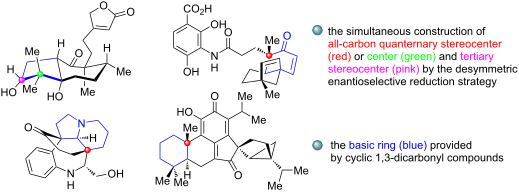
Figure 1: Several representative terpenoid and alkaloid natural products synthesized by applying desymmetric ...
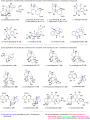
Figure 2: Selected terpenoid and alkaloid natural products synthesized by applying desymmetric enantioselecti...

Scheme 1: The total synthesis of (+)-aplysiasecosterol A (6) by Li [14].

Scheme 2: The total synthesis of (−)-cyrneine A by Han [31].

Scheme 3: The total syntheses of three cyrneine diterpenoids by Han [31,32].

Scheme 4: The total synthesis of (−)-hamigeran B and (−)-4-bromohamigeran B by Han [51].

Scheme 5: The total synthesis of (+)-randainin D by Baudoin [53].
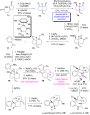
Scheme 6: The total synthesis of (−)-hunterine A and (−)-aspidospermidine by Stoltz [58].

Scheme 7: The total synthesis of (+)-toxicodenane A by Han [65,66].
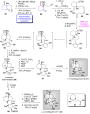
Scheme 8: The formal total synthesis of (−)-conidiogeone B and total synthesis of (−)-conidiogeone F by Lee a...

Scheme 9: The total syntheses of four conidiogenones natural products by Lee and Han [72].

Scheme 10: The total synthesis of (−)-platensilin by Lou and Xu [82].

Scheme 11: The total synthesis of (−)-platencin and (−)-platensimycin by Lou and Xu [82].

Scheme 12: The total synthesis of (+)-isochamaecydin and (+)-chamaecydin by Han [86].
Solar thermal fuels: azobenzene as a cyclic photon–heat transduction platform
- Jie Yan,
- Shaodong Sun,
- Minghao Wang and
- Si Wu
Beilstein J. Org. Chem. 2025, 21, 2036–2047, doi:10.3762/bjoc.21.159
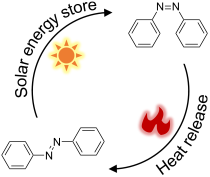
- comparisons highlight future directions for cross-material integration. The reversible trans–cis isomerization of azobenzene makes it an ideal model system for studying solar thermal fuels, as it enables both solar energy storage and heat release. While significant advances have been made, critical challenges
- , and hinders practical deployment. Third, azobenzene groups release energy through a process involving thermal relaxation or thermally induced cis–trans isomerization. Temperature critically governs the efficiency and kinetics of this process: elevated temperatures accelerate uncontrolled instantaneous
- heat release, while low temperatures induce phase transition-induced failures that compromise structural stability. Despite tunable photothermal parameters, achieving controlled heat release and structural robustness under extreme temperatures remains a pivotal challenge for azobenzene systems. Looking

Graphical Abstract

Figure 1: Schematic diagram of molecular solar thermal energy storage system.

Figure 2: Photoisomerization of different types of molecular optical switches. Figure 2 was redrawn from [8].

Figure 3: Nanocarbon-based azobenzene polymer solar thermal fuels: (a) SWCNT templating. Figure 3a is from [43] (T. J. Kuc...
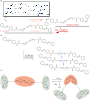
Figure 4: Conjugated azobenzene polymer solar thermal fuels: (a) Photoisomerization and thermally induced rev...
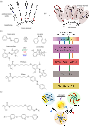
Figure 5: Linear azobenzene polymer solar thermal fuels: (a) Schematic illustration of the trans-to-cis isome...

Figure 6: Representative examples of azobenzene small-molecule derivative solar thermal fuels. (a) Polarized ...

Figure 7: (a) Deicing test of charged solar thermal fuels under green light irradiation (550 nm). Figure 7a was reprin...
Understanding the origin of stereoselectivity in the photochemical denitrogenation of 2,3-diazabicyclo[2.2.1]heptene and its derivatives with non-adiabatic molecular dynamics
- Leticia A. Gomes and
- Steven A. Lopez
Beilstein J. Org. Chem. 2025, 21, 2007–2020, doi:10.3762/bjoc.21.156
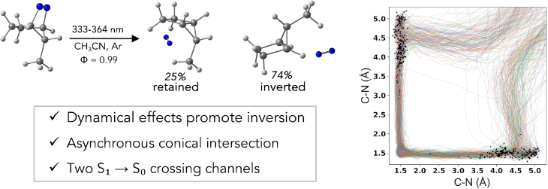
- been employed to release carbon monoxide at relatively safer doses in biological systems using photoresponsive CO-releasing molecules (photo-CORMs) [4] because these have shown anti-inflammatory activity [5][6]. Photochemical denitrogenation of azoalkanes has been utilized in the stereoselective

Graphical Abstract

Scheme 1: Applications of bicyclo[1.1.0]butane (a) and bicyclo[2.1.0]pentane (b). Molecules with biological a...

Scheme 2: Diastereoselectivity in the direct photolysis of 2,3-diazabicyclo[2.2.1]hept-2-enes.

Scheme 3: Mechanism for the photodenitrogenation of DBH proposed in the literature.

Figure 1: CASSCF(8,9) active space of 1 with average electron occupancies. Orbitals were calculated at the SA...

Figure 2: Absorption spectra and geometric overlays corresponding to Wigner-sampled geometries of 1 (a), 3 (b...

Figure 3: Minimum energy path using XMS-CASPT2(8,9)/ANO-S-VDZP for 1 (a), 3 (b), and 5 (c). The dots on the g...

Figure 4: (a) The bond lengths we calculated are depicted. σCN bonds plotted against each other for 1 (b), 3 ...

Figure 5: (a) Geometrical parameters. Plots show trajectories for a 1 ps NAMD simulation with CASSCF (8,9)/AN...

Figure 6: (a) Geometrical parameters. H–C–C–C dihedral angles plotted against each other for S1-to-S0 hopping...

Figure 7: The minimum energy conical intersection geometries are shown for the partially inverted hopping poi...
Chiral phosphoric acid-catalyzed asymmetric synthesis of helically chiral, planarly chiral and inherently chiral molecules
- Wei Liu and
- Xiaoyu Yang
Beilstein J. Org. Chem. 2025, 21, 1864–1889, doi:10.3762/bjoc.21.145
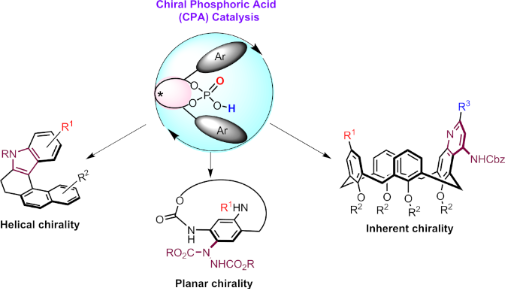
- inherently chiral eight-membered azaheterocycles 72 with moderate to good enantioselectivity, along with the release of CO2 (Scheme 20). While the enantioselectivity using certain substrates was initially unsatisfactory, simple phase separation significantly enhanced the enantiopurity of the products by
- 71 yielded the cyclic intermediate INT-B, which then underwent addition with aniline co-catalyst 73 to form INT-C. The CPA-enabled release of CO2 from INT-C yielded the imine-containing intermediate INT-D, which underwent iterative addition with INT-B, followed by release of CO2 to afford INT-E. The

Graphical Abstract

Figure 1: General structure of CPAs and selected CPAs with various chiral scaffolds.
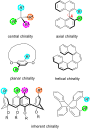
Figure 2: Representative elements of molecular chirality.

Scheme 1: CPA-catalyzed asymmetric synthesis of azahelicenes via Fischer indole synthesis.
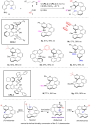
Scheme 2: CPA-catalyzed asymmetric synthesis of azahelicenes via sequential Povarov reaction and oxidative ar...

Scheme 3: CPA-catalyzed asymmetric synthesis of azahelicenes via sequential Povarov reaction involving 3-viny...
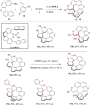
Scheme 4: CPA-catalyzed asymmetric synthesis of heterohelicenes via sequential Povarov reaction involving 2-v...

Scheme 5: Diverse enantioselective synthesis of hetero[7]helicenes via a CPA-catalyzed double annulation stra...

Scheme 6: CPA-catalyzed asymmetric synthesis of indolohelicenoids through enantioselective cycloaddition and ...

Scheme 7: Kinetic resolution of helical polycyclic phenols via CPA-catalyzed enantioselective aminative dearo...

Scheme 8: Kinetic resolution of azahelicenes via CPA-catalyzed transfer hydrogenation.

Scheme 9: Asymmetric synthesis of planarly chiral macrocycles via CPA-catalyzed electrophilic aromatic aminat...

Scheme 10: Enantioselective synthesis of planarly chiral macrocycles via CPA-catalyzed macrocyclization.

Scheme 11: (Dynamic) kinetic resolution of planarly chiral paracyclophanes via CPA-catalyzed asymmetric reduct...

Scheme 12: Kinetic resolution of macrocyclic paracyclophanes through CPA/Bi-catalyzed asymmetric allylation.

Scheme 13: Enantioselective synthesis of planarly chiral macrocycles via CPA-catalyzed coupling of carboxylic ...
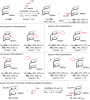
Scheme 14: Kinetic resolution of substituted amido[2.2]paracyclophanes via CPA-catalyzed asymmetric electrophi...
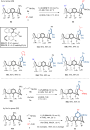
Scheme 15: Enantioselective synthesis of inherently chiral calix[4]arenes via sequential CPA-catalyzed Povarov...

Scheme 16: Asymmetric synthesis of inherently chiral calix[4]arenes via CPA-catalyzed aminative desymmetrizati...

Scheme 17: Asymmetric synthesis of chiral heterocalix[4]arenes via CPA-catalyzed intramolecular SNAr reaction.
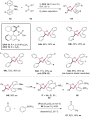
Scheme 18: Enantioselective synthesis of inherently chiral DDDs via CPA-catalyzed cyclocondensation.
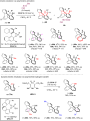
Scheme 19: Asymmetric synthesis of saddle-shaped inherently chiral 9,10-dihydrotribenzoazocines via CPA-cataly...

Scheme 20: Enantioselective synthesis of inherently chiral saddle-shaped dibenzo[b,f][1,5]diazocines via CPA-c...
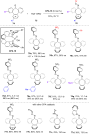
Scheme 21: Enantioselective synthesis of inherent chiral 7-membered tribenzocycloheptene oximes via CPA-cataly...
Photoswitches beyond azobenzene: a beginner’s guide
- Michela Marcon,
- Christoph Haag and
- Burkhard König
Beilstein J. Org. Chem. 2025, 21, 1808–1853, doi:10.3762/bjoc.21.143
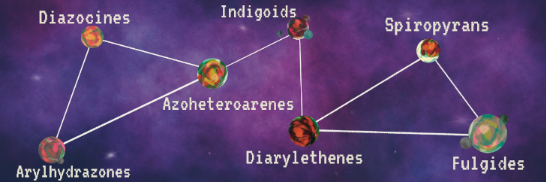

Graphical Abstract

Figure 1: Energy diagram of a two-state photoswitch. Figure 1 was redrawn from [2].

Figure 2: Example of the absorption spectra of the isomers of a photoswitch with most efficient irradiation w...

Scheme 1: Photoswitch classes described in this review.

Figure 3: Azoheteroarenes.

Scheme 2: E–Z Isomerisation (top) and mechanisms of thermal Z–E isomerisation (bottom).

Scheme 3: Rotation mechanism favoured by the electron displacement in push–pull systems. Selected examples of...

Figure 4: A) T-shaped and twisted Z-isomers determine the thermal stability and the Z–E-PSS (selected example...

Figure 5: Effect of di-ortho-substitution on thermal half-life and PSS.

Figure 6: Selected thermal lifetimes of azoindoles in different solvents and concentrations. aConcentration o...

Figure 7: Aryliminopyrazoles: N-pyrazoles (top) and N-phenyl (bottom).

Scheme 4: Synthesis of symmetrical heteroarenes through oxidation (A), reduction (B), and the Bayer–Mills rea...

Scheme 5: Synthesis of diazonium salt (A); different strategies of azo-coupling: with a nucleophilic ring (B)...

Scheme 6: Synthesis of arylazothiazoles 25 (A) and heteroaryltriazoles 28 (B).

Scheme 7: Synthesis of heteroarylimines 31a,b [36-38].

Figure 8: Push–pull non-ionic azo dye developed by Velasco and co-workers [45].

Scheme 8: Azopyridine reported by Herges and co-workers [46].

Scheme 9: Photoinduced phase transitioning azobispyrazoles [47].

Figure 9: Diazocines.

Scheme 10: Isomers, conformers and enantiomers of diazocine.

Scheme 11: Partial overlap of the ππ* band with electron-donating substituents and effect on the PSS. Scheme 11 was ada...

Figure 10: Main properties of diazocines with different bridges. aMeasured in n-hexane [56]. bMeasured in THF. cMe...

Scheme 12: Synthesis of symmetric diazocines.

Scheme 13: Synthesis of asymmetric diazocines.

Scheme 14: Synthesis of O- and S-heterodiazocines.

Scheme 15: Synthesis of N-heterodiazocines.

Scheme 16: Puromycin diazocine photoswitch [60].

Figure 11: Indigoids.

Figure 12: The main representatives of the indigoid photoswitch class.

Scheme 17: Deactivation process that prevents Z-isomerisation of indigo.

Figure 13: Stable Z-indigo derivative synthesised by Wyman and Zenhäusern [67].

Figure 14: Selected examples of indigos with aliphatic and aromatic substituents [68]. Dashed box: proposed π–π in...

Scheme 18: Resonance structures of indigo and thioindigo involving the phenyl ring.

Scheme 19: Possible deactivation mechanism for 4,4'-dihydroxythioindigo [76].

Scheme 20: Effect of different heteroaryl rings on the stability and the photophysical properties of hemiindig...

Figure 15: Thermal half-lives of red-shifted hemithioindigos in toluene [79]. aMeasured in toluene-d8.

Scheme 21: Structures of pyrrole [81] and imidazole hemithioindigo [64].

Figure 16: Examples of fully substituted double bond hemithioindigo (left), oxidised hemithioindigos (centre),...

Scheme 22: Structure of iminothioindoxyl 72 (top) and acylated phenyliminoindolinone photoswitch 73 (bottom). ...

Scheme 23: (top) Transition states of iminothioindoxyl 72. The planar transition state is associated with a lo...

Scheme 24: Baeyer–Drewsen synthesis of indigo (top) and N-functionalisation strategies (bottom).

Scheme 25: Synthesis of hemiindigo.

Scheme 26: Synthesis of hemithioindigo and iminothioindoxyl.

Scheme 27: Synthesis of double-bond-substituted hemithioindigos.

Scheme 28: Synthesis of phenyliminoindolinone.

Scheme 29: Hemithioindigo molecular motor [85].

Figure 17: Arylhydrazones.

Scheme 30: Switching of arylhydrazones. Note: The definitions of stator and rotor are arbitrary.

Scheme 31: Photo- and acidochromism of pyridine-based phenylhydrazones.

Scheme 32: A) E–Z thermal inversion of a thermally stable push–pull hydrazone [109]. B) Rotation mechanism favoured...

Scheme 33: Effect of planarisation on the half-life.

Scheme 34: The longest thermally stable hydrazone switches reported so far (left). Modulation of thermal half-...

Figure 18: Dependency of t1/2 on concentration and hypothesised aggregation-induced isomerisation.

Figure 19: Structure–property relationship of acylhydrazones.

Scheme 35: Synthesis of arylhydrazones.

Scheme 36: Synthesis of acylhydrazones.

Scheme 37: Photoswitchable fluorophore by Aprahamian et al. [115].

Scheme 38: The four-state photoswitch synthesised by the Cigáň group [116].

Figure 20: Diarylethenes.

Scheme 39: Isomerisation and oxidation pathway of E-stilbene to phenanthrene.

Scheme 40: Strategies adapted to avoid E–Z isomerisation and oxidation.
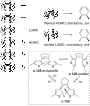
Scheme 41: Molecular orbitals and mechanism of electrocyclisation for a 6π system.

Figure 21: Aromatic stabilisation energy correlated with the thermal stability of the diarylethenes [127,129].

Figure 22: Half-lives of diarylethenes with increasing electron-withdrawing groups [128,129].

Scheme 42: Photochemical degradation pathway promoted by electron-donating groups [130].

Figure 23: The diarylethenes studied by Hanazawa et al. [134]. Increased rigidity leads to bathochromic shift.

Scheme 43: The dithienylethene synthesised by Nakatani's group [135].

Scheme 44: Synthesis of perfluoroalkylated diarylethenes.

Scheme 45: Synthesis of 139 and 142 via McMurry coupling.

Scheme 46: Synthesis of symmetrical derivatives 145 via Suzuki–Miyaura coupling.

Scheme 47: Synthesis of acyclic 148, malonic anhydride 149, and maleimide derivatives 154.

Figure 24: Gramicidin S (top left) and two of the modified diarylethene derivatives: first generation (bottom ...

Scheme 48: Pyridoxal 5'-phosphate and its reaction with an amino acid (top). The analogous dithienylethene der...

Figure 25: Fulgides.

Scheme 49: The three isomers of fulgides.

Scheme 50: Thermal and photochemical side products of unsubstituted fulgide [150].

Figure 26: Maximum absorption λc of the closed isomer compared with the nature of the aromatic ring and the su...

Scheme 51: Possible rearrangement of the excited state of 5-dimethylaminoindolylfulgide [153].

Figure 27: Quantum yields of ring closure (ΦE→C) and E–Z isomerisation (ΦE→Z) correlated with the increasing s...

Scheme 52: Active (Eα) and inactive (Eβ) conformers (left) and the bicyclic sterically blocked fulgide 169 (ri...

Scheme 53: Quantum yield of ring-opening (ΦC→E) and E–Z isomerisation (ΦE→Z) for different substitution patter...

Scheme 54: Stobbe condensation pathway for the synthesis of fulgides 179, fulgimides 181 and fulgenates 178.

Scheme 55: Alternative synthesis of fulgides through Pd-catalysed carbonylation.

Scheme 56: Optimised synthesis of fulgimides [166].

Scheme 57: Photoswitchable FRET with a fulgimide photoswitch [167].

Scheme 58: Three-state fulgimide strategy by Slanina's group.

Figure 28: Spiropyrans.

Scheme 59: Photochemical (left) and thermal (right) ring-opening mechanisms for an exemplary spiropyran with a...

Figure 29: Eight possible isomers of the open merocyanine according to the E/Z configurations of the bonds hig...

Scheme 60: pH-Controlled photoisomerisation between the closed spiropyran 191-SP and the open E-merocyanine 19...

Scheme 61: Behaviour of spiropyran in water buffer according to Andréasson and co-workers [180]. 192-SP in an aqueo...

Scheme 62: (left box) Proposed mechanism of basic hydrolysis of MC [184]. (right box) Introduction of electron-dona...

Scheme 63: Photochemical interconversion of naphthopyran 194 (top) and spirooxazine 195 (bottom) photoswitches...

Scheme 64: Synthesis of spiropyrans and spirooxazines 198 and the dicondensation by-product 199.

Scheme 65: Alternative synthesis of spiropyrans and spirooxazines with indolenylium salt 200.

Scheme 66: Synthesis of 4’-substituted spiropyrans 203 by condensation of an acylated methylene indoline 201 w...

Scheme 67: Synthesis of spironaphthopyrans 210 by acid-catalysed condensation of naphthols and diarylpropargyl...

Scheme 68: Photoswitchable surface wettability [194].

Figure 30: Some guiding principles for the choice of the most suitable photoswitch. Note that this guide is ve...
Research progress on calixarene/pillararene-based controlled drug release systems
- Liu-Huan Yi,
- Jian Qin,
- Si-Ran Lu,
- Liu-Pan Yang,
- Li-Li Wang and
- Huan Yao
Beilstein J. Org. Chem. 2025, 21, 1757–1785, doi:10.3762/bjoc.21.139
- Liu-Huan Yi Jian Qin Si-Ran Lu Liu-Pan Yang Li-Li Wang Huan Yao School of Pharmaceutical Science, Hengyang Medical School, University of South China, Hengyang 421001, China 10.3762/bjoc.21.139 Abstract Intelligent controlled-release drug delivery systems that are responsive to various external
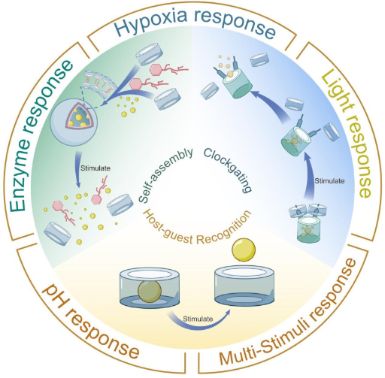
- release systems based on host–guest selective recognition, self-assembly, and nano-valves by the use of of calixarenes and pillararenes from five perspectives: pH, light, enzyme, hypoxia, and multi-stimuli combination responses. Furthermore, the article projects the future clinical application prospects
- of controlled-release technologies, with the aim of offering a reference for the utilization of aromatic macrocycles in drug-controlled release applications. Keywords: aromatic macrocycle; controlled-release drug delivery systems; stimulus response; supramolecular chemistry; Introduction Drugs are

Graphical Abstract

Figure 1: Schematic diagram of drug-controlled release mechanisms based on aromatic macrocycles.

Figure 2: Chemical structure of a) calix[n]arene (m = 1,3,5), and b) pillar[n]arene (m = 1,2,3).

Figure 3: Changes in pH conditions cause the release of drugs from CA8 host–guest complexes [101]. Figure 3 was adapted wi...

Figure 4: The illustration of the pH-mediated 1:1 complex formation between the host and guest molecules in a...

Figure 5: Illustration of the pH-responsive self-assembly of mannose-modified CA4 into micelles and the subse...

Figure 6: Illustration of the assembly of supramolecular prodrug nanoparticles from WP6 and DOX-derived prodr...

Figure 7: Illustration of the formation of supramolecular vesicles and their pH-dependent drug release [93]. Figure 7 was...

Figure 8: Schematic illustration of the application of the multifunctional nanoplatform CyCA@POPD in combined...

Figure 9: Illustration of the photolysis of an amphiphilic assembly via CA-induced aggregation [114]. Figure 9 was reprint...
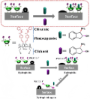
Figure 10: Schematic illustration of drug release controlled by the photo-responsive macroscopic switch based ...

Figure 11: Schematic illustration of the formation process of Azo-SMX and its photoisomerization reaction unde...

Figure 12: Schematic illustration of the enzyme-responsive behavior of supramolecular polymers [95]. Figure 12 was used wit...

Figure 13: Schematic illustration of the amphiphilic assembly of SC4A and its enzyme-responsive applications [119]. ...

Figure 14: Stimuli-responsive nanovalves based on MSNs and choline-SC4A[2]pseudorotaxanes, MSN-C1 with ester-l...

Figure 15: A schematic diagram showing the construction of a supramolecular system by host–guest interaction b...
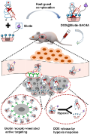
Figure 16: A schematic diagram showing the formation of the host–guest complex DOX@Biotin-SAC4A by biotin modi...

Figure 17: A schematic diagram showing the self-assembly of CA4 into a hypoxia-responsive peptide hydrogel, wh...

Figure 18: Schematic illustration of the formation process of Lip@GluAC4A and the release of Lip under hypoxic...

Figure 19: Schematic illustration of the construction of a supramolecular vesicle based on the host–guest comp...

Figure 20: Schematic illustration of WP6 self-assembly at pH > 7, and the stimulus-responsive drug release beh...

Figure 21: Schematic illustration of the formation of supramolecular vesicles based on the WP5⊃G super-amphiph...

Figure 22: Schematic illustrations of the host–guest recognition of QAP5⊃SXD, the formation of the nanoparticl...

Figure 23: Schematic illustration of the activation of T-SRNs by acid, alkali, or Zn2+ stimuli to regulate the...

Figure 24: Illustration of the triggered release of BH from CP[5]A@MSNs-Q NPs in response to a drop in pH or a...

Figure 25: Illustration of the supramolecular amphiphiles TPENCn@1 (n = 6 and 12) self-assembling with disulfi...
Continuous-flow-enabled intensification in nitration processes: a review of technological developments and practical applications over the past decade
- Feng Zhou,
- Chuansong Duanmu,
- Yanxing Li,
- Jin Li,
- Haiqing Xu,
- Pan Wang and
- Kai Zhu
Beilstein J. Org. Chem. 2025, 21, 1678–1699, doi:10.3762/bjoc.21.132
- (e.g., safety) and fundamental challenges (e.g., mass/heat transfer limitations). Process safety assessment: Nitration reactions pose significant safety risks due to their highly exothermic nature (ΔH ≈ −73 to −253 kJ/mol) [35], which can trigger thermal runaway if heat release is uncontrolled, and the
- the material [70]. Oxygen balance (OB), a critical parameter quantifying how well an explosive provides its own oxidant, reveals potential safety risks when OB values exceed the threshold of −200. Since the energy release predominantly originates from oxidation reactions, the available oxygen content
- in a nitric acid/acetic anhydride system under semi-batch conditions, revealing an average reaction enthalpy of −173.63 kJ·mol−1 – significantly more exothermic than conventional nitration processes, with this enhanced exothermicity likely arising from concurrent heat release during acetic anhydride

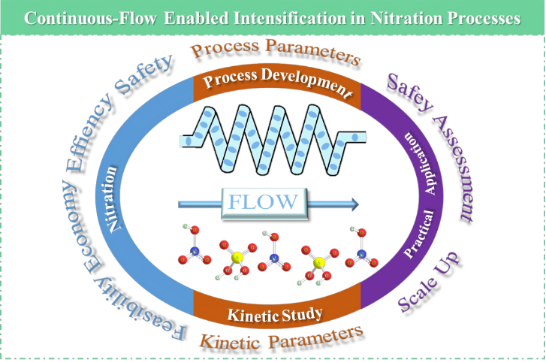
Graphical Abstract

Figure 1: Three key dimensions of a complete nitration process.

Figure 2: A typical continuous-flow nitration reaction system.

Figure 3: Corrosion characteristics of common wetted materials used in continuous-flow nitration system. Note...

Figure 4: Analysis of the literature on continuous-flow nitration reaction over the past decade.

Scheme 1: Model reaction for the homogeneous nitration by nitric acid/mixed acid.

Figure 5: Safety assessment criteria for nitration reactions. Notes: apressure-independent; bno hazards arisi...
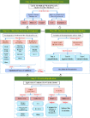
Figure 6: Guide for the investigation of continuous-flow nitration processes.
Chemical synthesis of glycan motifs from the antitumor agent PI-88 through an orthogonal one-pot glycosylation strategy
- Shaokang Yang,
- Xingchun Sun,
- Hanyingzi Fan and
- Guozhi Xiao
Beilstein J. Org. Chem. 2025, 21, 1587–1594, doi:10.3762/bjoc.21.122

- antitumor agent PI-88 (muparfostat), which retards tumor growth via inhibiting angiogenesis in two ways: 1) interaction with pro-angiogenic growth factors such as vascular endothelial growth factor (VEGF) and fibroblast growth factor (FGF) and 2) by prevention of the release of angiogenic growth factors

Graphical Abstract

Scheme 1: (A) Glycan structures of PI-88 and (B) retrosynthetic analysis of PI-88 glycan motifs 1–4.
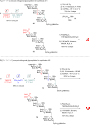
Scheme 2: One-pot synthesis of glycans 1 and 2.
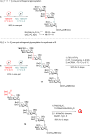
Scheme 3: One-pot synthesis of glycan 3.

Scheme 4: One-pot synthesis of glycan 4.
Highly distinguishable isomeric states of a tripodal arylazopyrazole derivative on graphite through electron/hole-induced switching at ambient conditions
- Himani Malik,
- Sudha Devi,
- Debapriya Gupta,
- Ankit Kumar Gaur,
- Sugumar Venkataramani and
- Thiruvancheril G. Gopakumar
Beilstein J. Org. Chem. 2025, 21, 1496–1507, doi:10.3762/bjoc.21.112
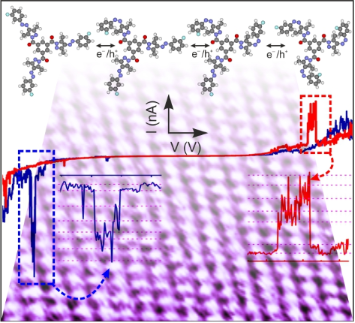
- switches with multiple states [3], logic-in-memory operations using single-metallofullerenes [4], multistate molecular switches [5], molecular memory and logic processing based on guest capture/release [6], etc., have demonstrated the possibility of using single molecules in logic operations. Manipulating

Graphical Abstract

Figure 1: Top panel: Chemical structures of EEE, and ZZZ isomers of (FNAAP). Lower panel: Geometry-optimized ...

Figure 2: AFM phase images (a, b and c) of ultra-thin films of FNAAP deposited from ethanolic solution on HOP...

Figure 3: Constant current STM topographs (300 pA, 0.3 V) of the FNAAP adlayer on HOPG (a, b) deposited from ...
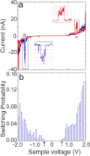
Figure 4: (a) Current versus sample voltage (I–V) recorded on a single FNAAP within the assembly. The I–V mea...

Figure 5: (a) Current versus time (time trace) at selected voltage intervals acquired on the adlayer of FNAAP...
N-Salicyl-amino acid derivatives with antiparasitic activity from Pseudomonas sp. UIAU-6B
- Joy E. Rajakulendran,
- Emmanuel Tope Oluwabusola,
- Michela Cerone,
- Terry K. Smith,
- Olusoji O. Adebisi,
- Adefolalu Adedotun,
- Gagan Preet,
- Sylvia Soldatou,
- Hai Deng,
- Rainer Ebel and
- Marcel Jaspars
Beilstein J. Org. Chem. 2025, 21, 1388–1396, doi:10.3762/bjoc.21.103
- released by microorganisms into their surrounding extracellular environment to chelate iron and selectively import it into the microbial cells [12][13]. It has been suggested that the release of siderophores by soil-dwelling pseudomonads give them an ecological edge by creating an iron-deprived environment
- ]. The biosynthetic route of compound 1 leads to the amide-bond formation step between the PmsG-tethered threonine and salicylic acyl group leading to intramolecular dehydration. The decarboxylated product of histidine, histamine serves as a nucleophilic substrate to release the corresponding uncyclised

Graphical Abstract

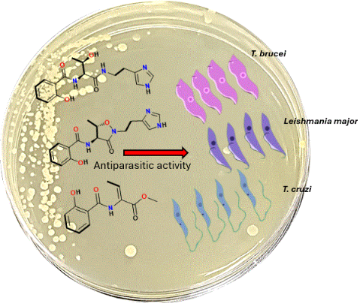
Figure 1: Structures of the pseudomonins D–G (1–4), pseudomonine (5), pseudomonin B (6) and salicylic acid (7...

Figure 2: Key HMBC, 1H-1H COSY and NOE correlations.

Figure 3: Extracted ion chromatogram and corresponding mass spectrum of compound 4 in the crude extract.

Figure 4: Proposed biosynthetic scheme for the formation of compounds (1–4).
Oxetanes: formation, reactivity and total syntheses of natural products
- Peter Gabko,
- Martin Kalník and
- Maroš Bella
Beilstein J. Org. Chem. 2025, 21, 1324–1373, doi:10.3762/bjoc.21.101
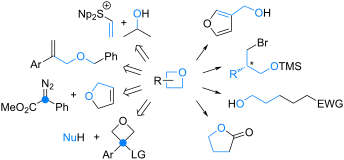
- 175 in a divergent synthesis of 3,3-disubstituted oxetane amino esters 176 based on a facile, strain-release-driven Giese addition of nitrogen- or oxygen-stabilised radicals (Scheme 44) [96]. The radicals were generated through a photochemical oxidative decarboxylation of amino- or alkoxycarboxylic

Graphical Abstract

Figure 1: Bond lengths and bond angles in oxetane at 140 K [2].

Figure 2: Analogy of 3-substituted oxetanes to carbonyl and gem-dimethyl groups [12].

Figure 3: Use of oxetanes in drug design – selected examples.

Figure 4: Examples of oxetane-containing natural products.

Scheme 1: Synthetic strategies towards construction of the oxetane ring.

Scheme 2: Overview of intramolecular Williamson etherification and competing Grob fragmentation.

Scheme 3: Synthesis of spiro-oxetanes via 1,4-C–H insertion and Williamson etherification.

Scheme 4: Use of phenyl vinyl selenone in the synthesis of spirooxindole oxetanes.

Scheme 5: Synthesis of bicyclic 3,5-anhydrofuranoses via double epoxide opening/etherification.

Scheme 6: Preparation of spirooxetanes by cycloisomerisation via MHAT/RPC.

Scheme 7: Oxetane synthesis via alcohol C–H functionalisation.

Scheme 8: Access to oxetanes 38 from α-acetyloxy iodides.

Scheme 9: The kilogram-scale synthesis of oxetane intermediate 41.

Scheme 10: Overview of the intramolecular opening of 3-membered rings.

Scheme 11: Synthesis of 4,7-dioxatricyclo[3.2.1.03,6]octane skeletons.

Scheme 12: Silicon-directed electrophilic cyclisation of homoallylic alcohols.

Scheme 13: Hydrosilylation–iodocyclisation of homopropargylic alcohols.

Scheme 14: Cu-catalysed intramolecular O-vinylation of γ-bromohomoallylic alcohols.

Scheme 15: Cu-catalysed intramolecular cross-coupling of hydroxyvinylstannanes.

Scheme 16: Isomerisation of oxiranyl ethers containing weakly carbanion-stabilising groups.

Scheme 17: Cyclisation of diethyl haloalkoxymalonates.

Scheme 18: Synthesis of oxetanes through a 1,5-HAT/radical recombination sequence.

Scheme 19: General approach to oxetanes via [2 + 2] cycloadditions.

Scheme 20: Synthesis of tricyclic 4:4:4 oxetanes through a photochemical triple cascade reaction.

Scheme 21: Iridium-catalysed Paternò–Büchi reaction between α-ketoesters and simple alkenes.

Scheme 22: Three-step synthesis of spirocyclic oxetanes 83 via Paternò–Büchi reaction, nucleophilic ring openi...

Scheme 23: Enantioselective Paternò–Büchi reaction catalysed by a chiral iridium photocatalyst.

Scheme 24: Synthesis of polysubstituted oxetanes 92 via Cu(II)-mediated formal [2 + 2] cycloadditions.

Scheme 25: Synthesis of alkylideneoxetanes via NHC- and DBU-mediated formal [2 + 2] cycloadditions.

Scheme 26: Use of sulphur-stabilised carbanions in ring expansions.

Scheme 27: Synthesis of α,α-difluoro(arylthio)methyl oxetanes.

Scheme 28: Ring expansion in an industrial synthesis of PF-06878031.

Scheme 29: Ring contraction of triflated 2-hydroxy-γ-lactones.

Scheme 30: Ring contraction in an industrial synthesis of PF-06878031.

Scheme 31: Photochemical ring contraction of 2,5-dihydrofurans by aryldiazoacetic acid esters.

Scheme 32: Synthesis of 3-oxetanones via O-H insertion of carbenes.

Scheme 33: Synthesis of phosphonate oxetanones via gold-mediated alkyne oxidation/O–H insertion.

Scheme 34: Syntheses and common derivatisations of 3-oxetanone.

Scheme 35: SN1 substitution of 3-aryloxetan-3-ols by thiols and alcohols.

Scheme 36: Fe–Ni dual-catalytic olefin hydroarylation towards 3-alkyl-3-(hetero)aryloxetanes.

Scheme 37: Synthesis of 3-aryloxetan-3-carboxylic acids.

Scheme 38: Decarboxylative alkylation of 3-aryloxetan-3-carboxylic acids.

Scheme 39: Synthesis of 3-amino-3-aryloxetanes via photoredox/nickel cross-coupling catalysis.
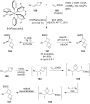
Scheme 40: Intermolecular cross-selective [2 + 2] photocycloaddition towards spirooxetanes.

Scheme 41: Synthesis of 3-aryl-3-aminooxetanes via defluorosulphonylative coupling.

Scheme 42: Two-step synthesis of amide bioisosteres via benzotriazolyl Mannich adducts 170.

Scheme 43: Functionalisation of oxetanyl trichloroacetimidates 172.

Scheme 44: Synthesis of oxetane-amino esters 176.

Scheme 45: Tandem Friedel–Crafts alkylation/intramolecular ring opening of 3-aryloxetan-3-ols.

Scheme 46: Synthesis of polysubstituted furans and pyrroles.

Scheme 47: Synthesis of oxazolines and bisoxazolines.

Scheme 48: Tandem, one-pot syntheses of various polycyclic heterocycles.

Scheme 49: Synthesis of 1,2-dihydroquinolines via skeletal reorganisation of oxetanes.

Scheme 50: Synthesis of benzoindolines and 2,3-dihydrobenzofurans and their derivatisations.

Scheme 51: Synthesis of polysubstituted 1,4-dioxanes.

Scheme 52: Preparation of various lactones via ring opening of oxetane-carboxylic acids 219.

Scheme 53: Tsuji-Trost allylation/ring opening of 3-aminooxetanes.

Scheme 54: Arylative skeletal rearrangement of 3-vinyloxetan-3-ols to 2,5-dihydrofurans.

Scheme 55: Reductive opening of oxetanes using catalytic Mg–H species.

Scheme 56: Opening of oxetanes by silyl ketene acetals.

Scheme 57: Rhodium-catalysed hydroacylation of oxetanes.

Scheme 58: Generation of radicals from oxetanes mediated by a vitamin B12-derived cobalt catalyst.

Scheme 59: Reductive opening of oxetanes by B–Si frustrated Lewis pairs.
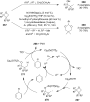
Scheme 60: Zirconocene-mediated reductive opening of oxetanes.

Scheme 61: Enantioselective syntheses of small and medium-size rings using chiral phosphoric acids.

Scheme 62: Asymmetric synthesis of 2,3-dihydrobenzo[b]oxepines catalysed by a chiral scandium complex.

Scheme 63: Enantioselective synthesis of 1,3-bromohydrins under a chiral squaramide catalysis.

Scheme 64: Enantioselective opening of 2-aryl-2-ethynyloxetanes by anilines.

Scheme 65: Ru-catalysed insertion of diazocarbonyls into oxetanes.

Scheme 66: Ring expansion of oxetanes by stabilised carbenes generated under blue light irradiation.

Scheme 67: Expansion of oxetanes via nickel-catalysed insertion of alkynyltrifluoroborates.

Scheme 68: Nickel-catalysed expansion of oxetanes into ε-caprolactones.

Scheme 69: Expansion of oxetanes via cobalt-catalysed carbonyl insertion.

Scheme 70: Gold-catalysed intramolecular 1,1-carboalkoxylation of oxetane-ynamides.

Scheme 71: Expansion of oxetanes by stabilised sulphoxonium ylides.

Scheme 72: Cu-catalysed ring expansion of 2-vinyloxetanes by diazoesters.

Scheme 73: Total synthesis of (+)-oxetin.

Scheme 74: Total synthesis of racemic oxetanocin A.

Scheme 75: Total synthesis of (−)-merrilactone A.
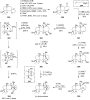
Scheme 76: Total synthesis of (+)-dictyoxetane.

Scheme 77: Total synthesis of ent-dichrocephone B.

Scheme 78: Total synthesis of (−)-mitrephorone A.
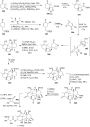
Scheme 79: Total synthesis of (−)-taxol.
Recent advances in amidyl radical-mediated photocatalytic direct intermolecular hydrogen atom transfer
- Hao-Sen Wang,
- Lin Li,
- Xin Chen,
- Jian-Li Wu,
- Kai Sun,
- Xiao-Lan Chen,
- Ling-Bo Qu and
- Bing Yu
Beilstein J. Org. Chem. 2025, 21, 1306–1323, doi:10.3762/bjoc.21.100
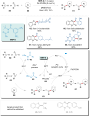
- radical anion 15 was reduced by the photocatalyst Ir(Fppy)3 from the reagent 11. The resulting anion 14 underwent aromatization to release a nitrile anion, subsequently yielding product 12. This strategy also successfully produced products 16 and 17 with yields of 85% and 56%, respectively, from
- able to abstract a hydrogen atom from substrate 1. The addition of the corresponding radical 4 to HRP-5 facilitated the release of amidyl radical 36, which simultaneously produced the final product 35. Amidyl radical 36 was capable of abstracting hydrogen atoms from both substrate 1 and AQ–H. The HAT
- radical 47 can be intercepted by species 43, simultaneously releasing radical 48 and product 44. Radical 48 reacts with HRP-6, leading to the regeneration of amidyl radical 45, the release of byproduct 49, and the initiation of a chain reaction pathway. Notably, this system could give rise to the

Graphical Abstract

Figure 1: (a) BDE of C–H. (b) Direct functionalization of C–H catalyzed by transition-metal. (c) Direct funct...
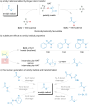
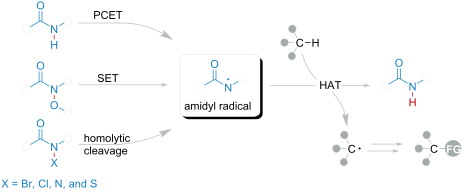
Figure 2: (a) Amidyl radical-enabled hydrogen atom transfer. (b) Substituent effects to amidyl radical proper...

Figure 3: Representative photocatalysts discussed in this review.

Scheme 1: Alkylation of C(sp3)–H catalyzed by amidyl radical under visible light.

Scheme 2: Direct heteroarylation of C(sp3)–H catalyzed by amidyl radical under visible light.

Scheme 3: Alkylation of C(sp3)–H catalyzed by amidyl radical and metal-free photocatalyst under visible light....

Scheme 4: Alkylation of C(sp3)–H, Si–H, and Ge–H catalyzed by amidyl radical under visible light.

Scheme 5: Direct heteroarylation of C(sp3)–H catalyzed by synergistic promotion of amidyl radical and photoca...

Scheme 6: Direct B–H functionalization of icosahedral carboranes catalyzed by amidyl radical under visible li...

Scheme 7: Nucleophilic amination of C(sp3)–H enabled by amidyl radical under visible light.
Scheme 8: Direct heteroarylation of C(sp3)–H and C(sp3)–H without the presence of strong bases, acids, or oxi...

Scheme 9: Xanthylation of C(sp3)–H addressed by amidyl radical under visible light.

Scheme 10: Xanthylation of C(sp3)–H in polyolefins addressed by amidyl radical under visible light.

Scheme 11: Site-selective C(sp3)–H bromination implemented by amidyl radical under visible light.

Scheme 12: Site-selective chlorination of C(sp3)–H in natural products implemented by amidyl radical under vis...

Scheme 13: Alkylation of C(sp3)–H catalyzed by amidyl radical photocatalyst under visible light.
Recent advances in oxidative radical difunctionalization of N-arylacrylamides enabled by carbon radical reagents
- Jiangfei Chen,
- Yi-Lin Qu,
- Ming Yuan,
- Xiang-Mei Wu,
- Heng-Pei Jiang,
- Ying Fu and
- Shengrong Guo
Beilstein J. Org. Chem. 2025, 21, 1207–1271, doi:10.3762/bjoc.21.98
- the starting material 28 to yield an alkyl radical intermediate 31. This radical undergoes C=C-bond addition, cyclization, and deprotonation, ultimately leading to the formation of the desired products. Simultaneously, MeOH is reduced at the cathode to release H2, maintaining the electronic balance of

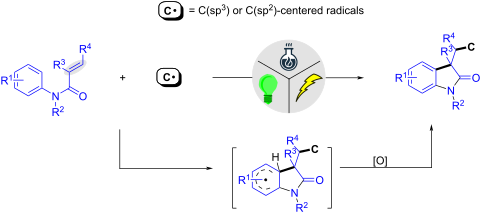
Graphical Abstract

Scheme 1: DTBP-mediated oxidative alkylarylation of activated alkenes.

Scheme 2: Iron-catalyzed oxidative 1,2-alkylarylation.

Scheme 3: Possible mechanism for the iron-catalyzed oxidative 1,2-alkylation of activated alkenes.

Scheme 4: A metal-free strategy for synthesizing 3,3-disubstituted oxindoles.

Scheme 5: Iminoxyl radical-promoted cascade oxyalkylation/alkylarylation of alkenes.

Scheme 6: Proposed mechanism for the iminoxyl radical-promoted cascade oxyalkylation/alkylarylation of alkene...

Scheme 7: Bicyclization of 1,n-enynes with alkyl nitriles.

Scheme 8: Possible reaction mechanism for the bicyclization of 1,n-enynes with alkyl nitriles.

Scheme 9: Radical cyclization of N-arylacrylamides with isocyanides.

Scheme 10: Plausible mechanism for the radical cyclization of N-arylacrylamides with isocyanides.

Scheme 11: Electrochemical dehydrogenative cyclization of 1,3-dicarbonyl compounds.

Scheme 12: Plausible mechanism for the dehydrogenative cyclization of 1,3-dicarbonyl compounds.

Scheme 13: Photocatalyzed cyclization of N-arylacrylamide and N,N-dimethylaniline.

Scheme 14: Proposed mechanism for the photocatalyzed cyclization of N-arylacrylamides and N,N-dimethylanilines....

Scheme 15: Electrochemical monofluoroalkylation cyclization of N-arylacrylamides with dimethyl 2-fluoromalonat...
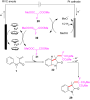
Scheme 16: Proposed mechanism for the electrochemical radical cyclization of N-arylacrylamides with dimethyl 2...

Scheme 17: Photoelectrocatalytic carbocyclization of unactivated alkenes using simple malonates.

Scheme 18: Plausible mechanism for the photoelectrocatalytic carbocyclization of unactivated alkenes with simp...

Scheme 19: Bromide-catalyzed electrochemical trifluoromethylation/cyclization of N-arylacrylamides.

Scheme 20: Proposed mechanism for the electrochemical trifluoromethylation/cyclization of N-arylacrylamides.

Scheme 21: Visible light-mediated trifluoromethylarylation of N-arylacrylamides.

Scheme 22: Plausible reaction mechanism for the visible light-mediated trifluoromethylarylation of N-arylacryl...

Scheme 23: Electrochemical difluoroethylation cyclization of N-arylacrylamides with sodium difluoroethylsulfin...

Scheme 24: Electrochemical difluoroethylation cyclization of N-methyacryloyl-N-alkylbenzamides with sodium dif...

Scheme 25: Photoredox-catalyzed radical aryldifluoromethylation of N-arylacrylamides with S-(difluoromethyl)su...

Scheme 26: Proposed mechanism for the photoredox-catalyzed radical aryldifluoromethylation of N-arylacrylamide...

Scheme 27: Visible-light-induced domino difluoroalkylation/cyclization of N-cyanamide alkenes.

Scheme 28: Proposed mechanism of photoredox-catalyzed radical domino difluoroalkylation/cyclization of N-cyana...

Scheme 29: Palladium-catalyzed oxidative difunctionalization of alkenes.

Scheme 30: Two possible mechanisms of palladium-catalyzed oxidative difunctionalization.

Scheme 31: Silver-catalyzed oxidative 1,2-alkyletherification of unactivated alkenes with α-bromoalkylcarbonyl...

Scheme 32: Photochemical radical cascade cyclization of dienes.

Scheme 33: Proposed mechanism for the photochemical radical cascade 6-endo cyclization of dienes with α-carbon...

Scheme 34: Photocatalyzed radical coupling/cyclization of N-arylacrylamides and.

Scheme 35: Photocatalyzed radical-type couplings/cyclization of N-arylacrylamides with sulfoxonium ylides.

Scheme 36: Possible mechanism of visible-light-induced radical-type couplings/cyclization of N-arylacrylamides...
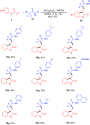
Scheme 37: Visible-light-promoted difluoroalkylated oxindoles systhesis via EDA complexes.

Scheme 38: Possible mechanism for the visible-light-promoted radical cyclization of N-arylacrylamides with bro...

Scheme 39: A dicumyl peroxide-initiated radical cascade reaction of N-arylacrylamide with DCM.

Scheme 40: Possible mechanism of radical cyclization of N-arylacrylamides with DCM.

Scheme 41: An AIBN-mediated radical cascade reaction of N-arylacrylamides with perfluoroalkyl iodides.

Scheme 42: Possible mechanism for the reaction with perfluoroalkyl iodides.

Scheme 43: Photoinduced palladium-catalyzed radical annulation of N-arylacrylamides with alkyl halides.

Scheme 44: Radical alkylation/cyclization of N-Alkyl-N-methacryloylbenzamides with alkyl halides.

Scheme 45: Possible mechanism for the alkylation/cyclization with unactivated alkyl chlorides.
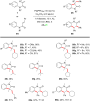
Scheme 46: Visible-light-driven palladium-catalyzed radical cascade cyclization of N-arylacrylamides with unac...

Scheme 47: NHC-catalyzed radical cascade cyclization of N-arylacrylamides with alkyl bromides.

Scheme 48: Possible mechanism of NHC-catalyzed radical cascade cyclization.

Scheme 49: Electrochemically mediated radical cyclization reaction of N-arylacrylamides with freon-type methan...

Scheme 50: Proposed mechanistic pathway of electrochemically induced radical cyclization reaction.

Scheme 51: Redox-neutral photoinduced radical cascade cylization of N-arylacrylamides with unactivated alkyl c...
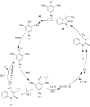
Scheme 52: Proposed mechanistic hypothesis of redox-neutral radical cascade cyclization.

Scheme 53: Thiol-mediated photochemical radical cascade cylization of N-arylacrylamides with aryl halides.

Scheme 54: Proposed possible mechanism of thiol-mediated photochemical radical cascade cyclization.

Scheme 55: Visible-light-induced radical cascade bromocyclization of N-arylacrylamides with NBS.

Scheme 56: Possible mechanism of visible-light-induced radical cascade cyclization.

Scheme 57: Decarboxylation/radical C–H functionalization by visible-light photoredox catalysis.

Scheme 58: Plausible mechanism of visible-light photoredox-catalyzed radical cascade cyclization.

Scheme 59: Visible-light-promoted tandem radical cyclization of N-arylacrylamides with N-(acyloxy)phthalimides....

Scheme 60: Plausible mechanism for the tandem radical cyclization reaction.

Scheme 61: Visible-light-induced aerobic radical cascade alkylation/cyclization of N-arylacrylamides with alde...

Scheme 62: Plausible mechanism for the aerobic radical alkylarylation of electron-deficient amides.

Scheme 63: Oxidative decarbonylative [3 + 2]/[5 + 2] annulation of N-arylacrylamide with vinyl acids.

Scheme 64: Plausible mechanism for the decarboxylative (3 + 2)/(5 + 2) annulation between N-arylacrylamides an...

Scheme 65: Rhenium-catalyzed alkylarylation of alkenes with PhI(O2CR)2.

Scheme 66: Plausible mechanism for the rhenium-catalyzed decarboxylative annulation of N-arylacrylamides with ...

Scheme 67: Visible-light-induced one-pot tandem reaction of N-arylacrylamides.

Scheme 68: Plausible mechanism for the visible-light-initiated tandem synthesis of difluoromethylated oxindole...

Scheme 69: Copper-catalyzed redox-neutral cyanoalkylarylation of activated alkenes with cyclobutanone oxime es...

Scheme 70: Plausible mechanism for the copper-catalyzed cyanoalkylarylation of activated alkenes.

Scheme 71: Photoinduced alkyl/aryl radical cascade for the synthesis of quaternary CF3-attached oxindoles.

Scheme 72: Plausible photoinduced electron-transfer (PET) mechanism.

Scheme 73: Photoinduced cerium-mediated decarboxylative alkylation cascade cyclization.

Scheme 74: Plausible reaction mechanism for the decarboxylative radical-cascade alkylation/cyclization.

Scheme 75: Metal-free oxidative tandem coupling of activated alkenes.

Scheme 76: Control experiments and possible mechanism for 1,2-carbonylarylation of alkenes with carbonyl C(sp2...

Scheme 77: Silver-catalyzed acyl-arylation of activated alkenes with α-oxocarboxylic acids.

Scheme 78: Proposed mechanism for the decarboxylative acylarylation of acrylamides.

Scheme 79: Visible-light-mediated tandem acylarylation of olefines with carboxylic acids.

Scheme 80: Proposed mechanism for the radical cascade cyclization with acyl radical via visible-light photored...

Scheme 81: Erythrosine B-catalyzed visible-light photoredox arylation-cyclization of N-arylacrylamides with ar...

Scheme 82: Electrochemical cobalt-catalyzed radical cyclization of N-arylacrylamides with arylhydrazines or po...

Scheme 83: Proposed mechanism of radical cascade cyclization via electrochemical cobalt catalysis.

Scheme 84: Copper-catalyzed oxidative tandem carbamoylation/cyclization of N-arylacrylamides with hydrazinecar...

Scheme 85: Proposed reaction mechanism for the radical cascade cyclization by copper catalysis.

Scheme 86: Visible-light-driven radical cascade cyclization reaction of N-arylacrylamides with α-keto acids.

Scheme 87: Proposed mechanism of visible-light-driven cascade cyclization reaction.

Scheme 88: Peroxide-induced radical carbonylation of N-(2-methylallyl)benzamides with methyl formate.

Scheme 89: Proposed cyclization mechanism of peroxide-induced radical carbonylation with N-(2-methylallyl)benz...

Scheme 90: Persulfate promoted carbamoylation of N-arylacrylamides and N-arylcinnamamides.

Scheme 91: Proposed mechanism for the persulfate promoted radical cascade cyclization reaction of N-arylacryla...
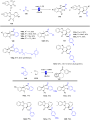
Scheme 92: Photocatalyzed carboacylation with N-arylpropiolamides/N-alkyl acrylamides.

Scheme 93: Plausible mechanism for the photoinduced carboacylation of N-arylpropiolamides/N-alkyl acrylamides.

Scheme 94: Electrochemical Fe-catalyzed radical cyclization with N-arylacrylamides.

Scheme 95: Plausible mechanism for the electrochemical Fe-catalysed radical cyclization of N-phenylacrylamide.

Scheme 96: Substrate scope of the selective functionalization of various α-ketoalkylsilyl peroxides with metha...

Scheme 97: Proposed reaction mechanism for the Fe-catalyzed reaction of alkylsilyl peroxides with methacrylami...

Scheme 98: EDA-complex mediated C(sp2)–C(sp3) cross-coupling of TTs and N-methyl-N-phenylmethacrylamides.

Scheme 99: Proposed mechanism for the synthesis of oxindoles via EDA complex.
Salen–scandium(III) complex-catalyzed asymmetric (3 + 2) annulation of aziridines and aldehydes
- Linqiang Wang and
- Jiaxi Xu
Beilstein J. Org. Chem. 2025, 21, 1087–1094, doi:10.3762/bjoc.21.86
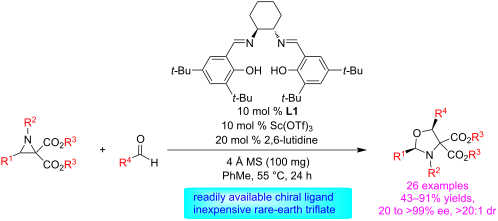
- carboxylate groups followed by a ring opening of the aziridine ring, forming azomethine ylide intermediates A. The intermediates A further undergo a [2 + 3] annulation (or cycloaddition) with aldehydes 2 through endo transition state TS to generate intermediates B, which release products 3 with regeneration

Graphical Abstract

Figure 1: Oxazolidine-containing bioactive compounds.

Scheme 1: Asymmetric catalytic synthetic methods of oxazolidine derivatives.
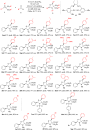
Scheme 2: Scope of aziridines and aldehydes.
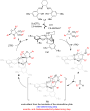
Scheme 3: Proposed reaction mechanism.

Scheme 4: Gram-scale synthesis.
Recent advances in synthetic approaches for bioactive cinnamic acid derivatives
- Betty A. Kustiana,
- Galuh Widiyarti and
- Teni Ernawati
Beilstein J. Org. Chem. 2025, 21, 1031–1086, doi:10.3762/bjoc.21.85
- using tris(2,4,6-trimethoxyphenyl)phosphine (TMPP) to obtain methyl cinnamate (44) in good yield (Scheme 18) [50]. Herein, the phosphine group attacks the acid fluoride to give intermediate 55, fluoride attack then triggers methoxy group release. Toste and co-workers (2021) synthesized N-trifluoromethyl
- trimethylsulfoxonium iodide (TMSOI) with DMSO-d6, resulting in CH3/CD3 exchange. Furthermore, Chisholm and co-workers (2019) synthesized bulky cinnamate esters 61–64 utilizing a trichloroacetimidate-based alkylating agent in moderate to excellent yields via carbocation 65 formation upon trichloroacetamide release
- ) utilized isothiocyanate and cinnamic acid (7) to prepare the corresponding amide 47 in good yield via a carbamothioic anhydride 74 formation followed by carbonyl sulfide (COS) release (Scheme 24A) [59]. Similarly, Zhao and co-workers (2020) employed tetraalkylthiuram disulfides to synthesize amides via COS

Graphical Abstract

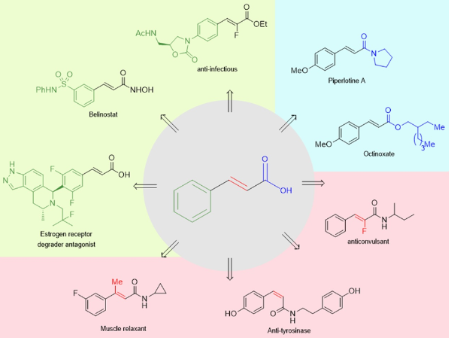
Figure 1: Biologically active cinnamic acid derivatives.

Scheme 1: General synthetic strategies for cinnamic acid derivatizations.

Scheme 2: Cinnamic acid coupling via isobutyl anhydride formation.
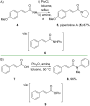
Scheme 3: Amidation reaction via O/N-pivaloyl activation.

Scheme 4: Cinnamic acid amidation using TCCA/PPh3 reagent.
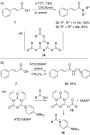
Scheme 5: Cinnamic acid amidation using triazine-based reagents.

Scheme 6: Cinnamic acid amidation using continuous flow mechanochemistry.

Scheme 7: Cinnamic acid amidation using COMU as coupling reagent.
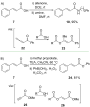
Scheme 8: Cinnamic acid amidation using allenone coupling reagent.

Scheme 9: Cinnamic acid amidation using 4-acetamidophenyl triflimide as reagent.

Scheme 10: Cinnamic acid amidation using methyltrimethoxysilane (MTM).

Scheme 11: Cinnamic acid amidation utilizing amine–borane reagent.

Scheme 12: Cinnamic acid amidation using TCCA/PPh3 reagent.

Scheme 13: Cinnamic acid amidation using PPh3/I2 reagent.

Scheme 14: Cinnamic acid amidation using PCl3 reagent.

Scheme 15: Cinnamic acid amidation utilizing pentafluoropyridine (PFP) as reagent.

Scheme 16: Cinnamic acid amidation using hypervalent iodine(III).

Scheme 17: Mechanochemical amidation using 1,1,2,2-tetrafluoroethyl-N,N-dimethylamine (TFEDMA) reagent.

Scheme 18: Methyl ester preparation using tris(2,4,6-trimethoxyphenyl)phosphine (TMPP).

Scheme 19: N-Trifluoromethyl amide preparation using isothiocyanate and AgF.

Scheme 20: POCl3-mediated amide coupling of carboxylic acid and DMF.

Scheme 21: O-Alkylation of cinnamic acid using alkylating agents.

Scheme 22: Glycoside preparation via Mitsunobu reaction.

Scheme 23: O/N-Acylation via rearrangement reactions.

Scheme 24: Amidation reactions using sulfur-based alkylating agents.

Scheme 25: Amidation reaction catalyzed by Pd0 via C–N cleavage.

Scheme 26: Amidation reaction catalyzed by CuCl/PPh3.

Scheme 27: Cu(II) triflate-catalyzed N-difluoroethylimide synthesis.

Scheme 28: Cu/Selectfluor-catalyzed transamidation reaction.

Scheme 29: CuO–CaCO3-catalyzed amidation reaction.

Scheme 30: Ni-catalyzed reductive amidation.

Scheme 31: Lewis acidic transition-metal-catalyzed O/N-acylations.

Scheme 32: Visible-light-promoted amidation of cinnamic acid.

Scheme 33: Sunlight/LED-promoted amidation of cinnamic acid.

Scheme 34: Organophotocatalyst-promoted N–O cleavage of Weinreb amides to synthesize primary amides.

Scheme 35: Cinnamamide synthesis through [Ir] photocatalyst-promoted C–N-bond cleavage of tertiary amines.

Scheme 36: Blue LED-promoted FeCl3-catalyzed reductive transamidation.

Scheme 37: FPyr/TCT-catalyzed amidation of cinnamic acid derivative 121.

Scheme 38: Cs2CO3/DMAP-mediated esterification.

Scheme 39: HBTM organocatalyzed atroposelective N-acylation.

Scheme 40: BH3-catalyzed N-acylation reactions.
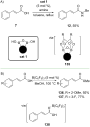
Scheme 41: Borane-catalyzed N-acylation reactions.

Scheme 42: Catalytic N-acylation reactions via H/F bonding activation.

Scheme 43: Brønsted base-catalyzed synthesis of cinnamic acid esters.

Scheme 44: DABCO/Fe3O4-catalyzed N-methyl amidation of cinnamic acid 122.

Scheme 45: Catalytic oxidation reactions of acylating agents.

Scheme 46: Preparation of cinnamamide-substituted benzocyclooctene using I(I)/I(III) catalysis.

Scheme 47: Pd-colloids-catalyzed oxidative esterification of cinnamyl alcohol.

Scheme 48: Graphene-supported Pd/Au alloy-catalyzed oxidative esterification via hemiacetal intermediate.

Scheme 49: Au-supported on A) carbon nanotubes (CNT) and B) on porous boron nitride (pBN) as catalyst for the ...

Scheme 50: Cr-based catalyzed oxidative esterification of cinnamyl alcohols with H2O2 as the oxidant.

Scheme 51: Co-based catalysts used for oxidative esterification of cinnamyl alcohol.

Scheme 52: Iron (A) and copper (B)-catalyzed oxidative esterification of cinnamaldehyde.

Scheme 53: NiHPMA-catalyzed oxidative esterification of cinnamaldehyde.

Scheme 54: Synthesis of cinammic acid esters through NHC-catalyzed oxidative esterification via intermolecular...
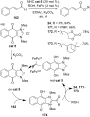
Scheme 55: Redox-active NHC-catalyzed esterification via intramolecular oxidation.

Scheme 56: Electrochemical conversion of cinnamaldehyde to methyl cinnamate.

Scheme 57: Bu4NI/TBHP-catalyzed synthesis of bisamides from cinnamalaldehyde N-tosylhydrazone.

Scheme 58: Zn/NC-950-catalyzed oxidative esterification of ketone 182.

Scheme 59: Ru-catalyzed oxidative carboxylation of terminal alkenes.

Scheme 60: Direct carboxylation of alkenes using CO2.

Scheme 61: Carboxylation of alkenylboronic acid/ester.

Scheme 62: Carboxylation of gem-difluoroalkenes with CO2.

Scheme 63: Photoredox-catalyzed carboxylation of difluoroalkenes.

Scheme 64: Ru-catalyzed carboxylation of alkenyl halide.
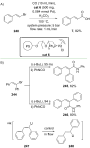
Scheme 65: Carboxylation of alkenyl halides under flow conditions.

Scheme 66: Cinnamic acid ester syntheses through carboxylation of alkenyl sulfides/sulfones.

Scheme 67: Cinnamic acid derivatives synthesis through a Ag-catalyzed decarboxylative cross-coupling proceedin...
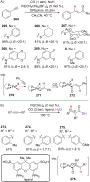
Scheme 68: Pd-catalyzed alkyne hydrocarbonylation.

Scheme 69: Fe-catalyzed alkyne hydrocarbonylation.

Scheme 70: Alkyne hydrocarboxylation using CO2.
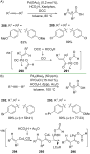
Scheme 71: Alkyne hydrocarboxylation using HCO2H as CO surrogate.

Scheme 72: Co/AlMe3-catalyzed alkyne hydrocarboxylation using DMF.

Scheme 73: Au-catalyzed oxidation of Au–allenylidenes.
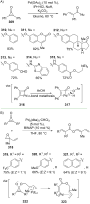
Scheme 74: Pd-catalyzed C–C-bond activation of cyclopropenones to synthesize unsaturated esters and amides.
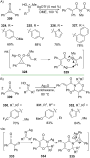
Scheme 75: Ag-catalyzed C–C-bond activation of diphenylcyclopropenone.

Scheme 76: Cu-catalyzed C–C bond activation of diphenylcyclopropenone.

Scheme 77: PPh3-catalyzed C–C-bond activation of diphenylcyclopropenone.

Scheme 78: Catalyst-free C–C-bond activation of diphenylcyclopropenone.

Scheme 79: Cu-catalyzed dioxolane cleavage.

Scheme 80: Multicomponent coupling reactions.

Scheme 81: Pd-catalyzed partial hydrogenation of electrophilic alkynes.

Scheme 82: Nickel and cobalt as earth-abundant transition metals used as catalysts for the partial hydrogenati...
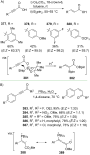
Scheme 83: Metal-free-catalyzed partial hydrogenation of conjugated alkynes.

Scheme 84: Horner–Wadsworth–Emmons reaction between triethyl 2-fluoro-2-phosphonoacetate and aldehydes with ei...

Scheme 85: Preparation of E/Z-cinnamates using thiouronium ylides.

Scheme 86: Transition-metal-catalyzed ylide reactions.

Scheme 87: Redox-driven ylide reactions.
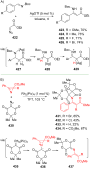
Scheme 88: Noble transition-metal-catalyzed olefination via carbenoid species.

Scheme 89: TrBF4-catalyzed olefination via carbene species.

Scheme 90: Grubbs catalyst (cat 7)/photocatalyst-mediated metathesis reactions.

Scheme 91: Elemental I2-catalyzed carbonyl-olefin metathesis.

Scheme 92: Cu-photocatalyzed E-to-Z isomerization of cinnamic acid derivatives.

Scheme 93: Ni-catalyzed E-to-Z isomerization.

Scheme 94: Dehydration of β-hydroxy esters via an E1cB mechanism to access (E)-cinnamic acid esters.

Scheme 95: Domino ring-opening reaction induced by a base.
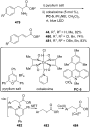
Scheme 96: Dehydroamination of α-aminoester derivatives.

Scheme 97: Accessing methyl cinnamate (44) via metal-free deamination or decarboxylation.

Scheme 98: The core–shell magnetic nanosupport-catalyzed condensation reaction.
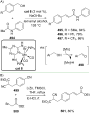
Scheme 99: Accessing cinnamic acid derivatives from acetic acid esters/amides through α-olefination.
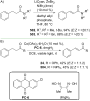
Scheme 100: Accessing cinnamic acid derivatives via acceptorless α,β-dehydrogenation.

Scheme 101: Cu-catalyzed formal [3 + 2] cycloaddition.

Scheme 102: Pd-catalyzed C–C bond formation via 1,4-Pd-shift.

Scheme 103: NHC-catalyzed Rauhut–Currier reactions.
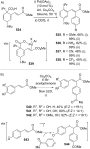
Scheme 104: Heck-type reaction for Cα arylation.

Scheme 105: Cu-catalyzed trifluoromethylation of cinnamamide.

Scheme 106: Ru-catalyzed alkenylation of arenes using directing groups.

Scheme 107: Earth-abundant transition-metal-catalyzed hydroarylation of α,β-alkynyl ester 374.

Scheme 108: Precious transition-metal-catalyzed β-arylation of cinnamic acid amide/ester.

Scheme 109: Pd-catalyzed β-amination of cinnamamide.

Scheme 110: S8-mediated β-amination of methyl cinnamate (44).

Scheme 111: Pd-catalyzed cross-coupling reaction of alkynyl esters with phenylsilanes.

Scheme 112: Pd-catalyzed β-cyanation of alkynyl amide/ester.

Scheme 113: Au-catalyzed β-amination of alkynyl ester 374.
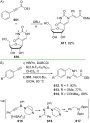
Scheme 114: Metal-free-catalyzed Cβ-functionalizations of alkynyl esters.

Scheme 115: Heck-type reactions.

Scheme 116: Mizoroki–Heck coupling reactions using unconventional functionalized arenes.
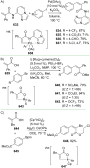
Scheme 117: Functional group-directed Mizoroki–Heck coupling reactions.
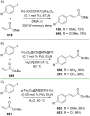
Scheme 118: Pd nanoparticles-catalyzed Mizoroki–Heck coupling reactions.

Scheme 119: Catellani-type reactions to access methyl cinnamate with multifunctionalized arene.
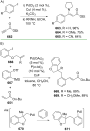
Scheme 120: Multicomponent coupling reactions.

Scheme 121: Single atom Pt-catalyzed Heck coupling reaction.

Scheme 122: Earth-abundant transition metal-catalyzed Heck coupling reactions.
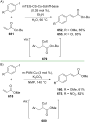
Scheme 123: Polymer-coated earth-abundant transition metals-catalyzed Heck coupling reactions.

Scheme 124: Earth-abundant transition-metal-based nanoparticles as catalysts for Heck coupling reactions.

Scheme 125: CN- and Si-based directing groups to access o-selective cinnamic acid derivatives.
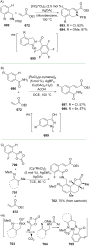
Scheme 126: Amide-based directing group to access o-selective cinnamic acid derivatives.

Scheme 127: Carbonyl-based directing group to access o-selective cinnamic acid derivatives.

Scheme 128: Stereoselective preparation of atropisomers via o-selective C(sp2)–H functionalization.

Scheme 129: meta-Selective C(sp2)–H functionalization using directing group-tethered arenes.

Scheme 130: para-Selective C(sp2)–H functionalization using directing group-tethered arenes.

Scheme 131: Non-directed C(sp2)–H functionalization via electrooxidative Fujiwara–Moritani reaction.
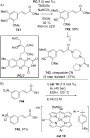
Scheme 132: Interconversion of functional groups attached to cinnamic acid.

Scheme 133: meta-Selective C(sp2)–H functionalization of cinnamate ester.

Scheme 134: C(sp2)–F arylation using Grignard reagents.

Scheme 135: Truce–Smiles rearrangement of N-aryl metacrylamides.

Scheme 136: Phosphine-catalyzed cyclization of γ-vinyl allenoate with enamino esters.
Silver(I) triflate-catalyzed post-Ugi synthesis of pyrazolodiazepines
- Muhammad Hasan,
- Anatoly A. Peshkov,
- Syed Anis Ali Shah,
- Andrey Belyaev,
- Chang-Keun Lim,
- Shunyi Wang and
- Vsevolod A. Peshkov
Beilstein J. Org. Chem. 2025, 21, 915–925, doi:10.3762/bjoc.21.74
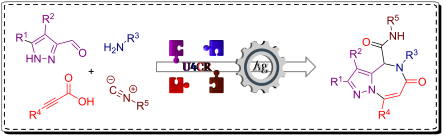
- ]. In 2015, García-Valverde and co-workers described an alternative synthesis of benzo[e][1,4]diazepines 6, exploring the nitro group of 2-nitrobenzoic acid as a masked amino group. The release was achieved through the post-Ugi reduction of the nitro group with SnCl2 triggering concomitant

Graphical Abstract

Figure 1: Representative diazepine-fused heterocycles.

Scheme 1: Post-Ugi synthesis of benzodiazepines and heteroaryl-fused diazepines.

Scheme 2: Synthesis of pyrazole-tethered propargylamides 15 via U4CR. Conditions: Unless otherwise specified,...
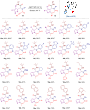
Scheme 3: Scope of the silver(I) triflate-catalyzed synthesis of pyrazolo[1,5-a][1,4]diazepines. Conditions: ...

Scheme 4: Telescope procedure for the synthesis of 16a.

Scheme 5: Tentative mechanism for the silver-catalyzed heteroannulation.

Scheme 6: Reductive post-assembly modifications of the pyrazolo[1,5-a][1,4]diazepine core. aDetermined by 1H ...
Recent advances in controllable/divergent synthesis
- Jilei Cao,
- Leiyang Bai and
- Xuefeng Jiang
Beilstein J. Org. Chem. 2025, 21, 890–914, doi:10.3762/bjoc.21.73

- afforded phenanthridinones. Intriguingly, switching to the electron-rich bidentate ligand bis(diphenylphosphino)methane (dppm) redirected the pathway to yield acridones. Time-dependent NMR studies revealed that the selectivity hinges on the aryne release kinetics from its precursor. Employing CsF
- , oxidative addition of the C–I bond to palladium formed the four-membered aryl–palladium complex Int-5. Steric hindrance from the bulky dppm ligand, combined with slower aryne release (using KF as the fluoride source), attenuated aryne coordination. Under these electron-deficient conditions, CO
- to substrate 11, followed by oxidative addition and release of carbon dioxide to form the zwitterionic π-allylpalladium intermediate Int-21. Under the reaction conditions, silyl triflate 12 undergoes a fluoride-mediated 1,2-elimination to generate the cyclic allene intermediate Int-22. Through a

Graphical Abstract

Scheme 1: Ligand-controlled regiodivergent C1 insertion into arynes [19].

Scheme 2: Ligand effect in homogenous gold catalysis enabling regiodivergent π-bond-activated cyclization [20].

Scheme 3: Ligand-controlled palladium(II)-catalyzed regiodivergent carbonylation of alkynes [21].
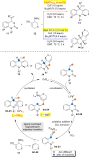
Scheme 4: Catalyst-controlled annulations of strained cyclic allenes with π-allyl palladium complexes and pro...

Scheme 5: Ring expansion of benzosilacyclobutenes with alkynes [23].

Scheme 6: Photoinduced regiodivergent and enantioselective cross-coupling [24].

Scheme 7: Catalyst-controlled regiodivergent and enantioselective formal hydroamination of N,N-disubstituted ...

Scheme 8: Catalyst-tuned regio- and enantioselective C(sp3)–C(sp3) coupling [31].

Scheme 9: Catalyst-controlled annulations of bicyclo[1.1.0]butanes with vinyl azides [32].

Scheme 10: Solvent-driven reversible macrocycle-to-macrocycle interconversion [39].

Scheme 11: Unexpected solvent-dependent reactivity of cyclic diazo imides and mechanism [40].

Scheme 12: Palladium-catalyzed annulation of prochiral N-arylphosphonamides with aromatic iodides [41].

Scheme 13: Time-dependent enantiodivergent synthesis [42].

Scheme 14: Time-controlled palladium-catalyzed divergent synthesis of silacycles via C–H activation [43].

Scheme 15: Proposed mechanism for the time-controlled palladium-catalyzed divergent synthesis of silacycles [43].

Scheme 16: Metal-free temperature-controlled regiodivergent borylative cyclizations of enynes [45].

Scheme 17: Nickel-catalyzed switchable site-selective alkene hydroalkylation by temperature regulation [46].

Scheme 18: Copper-catalyzed decarboxylative amination/hydroamination sequence [48].

Scheme 19: Proposed mechanism of copper-catalyzed decarboxylative amination/hydroamination sequence [48].

Scheme 20: Enantioselective chemodivergent three-component radical tandem reactions [49].

Scheme 21: Substrate-controlled synthesis of indoles and 3H-indoles [52].

Scheme 22: Controlled mono- and double methylene insertions into nitrogen–boron bonds [53].

Scheme 23: Copper-catalyzed substrate-controlled carbonylative synthesis of α-keto amides and amides [54].

Scheme 24: Divergent sulfur(VI) fluoride exchange linkage of sulfonimidoyl fluorides and alkynes [55].

Scheme 25: Modular and divergent syntheses of protoberberine and protonitidine alkaloids [56].
Unraveling cooperative interactions between complexed ions in dual-host strategy for cesium salt separation
- Zhihua Liu,
- Ya-Zhi Chen,
- Ji Wang,
- Qingling Nie,
- Wei Zhao and
- Biao Wu
Beilstein J. Org. Chem. 2025, 21, 845–853, doi:10.3762/bjoc.21.68

- solution into chloroform and controllable release into acidic solution [32]. Very recently, it was found that the receptor L alone can further extract solid Li2SO4 into DMSO solution [33], where sulfate binding is sufficiently strong to drive the solid–liquid extraction. DFT calculations suggest that an

Graphical Abstract

Figure 1: (a) Schematic illustration of the dual-host strategy for ion pair extraction via solid–liquid metho...

Figure 2: Single crystal structure of complexed Cs2SO4 with 18-crown-6 and tripodal receptor L (CCDC: 2411573...

Figure 3: Stacked 1H NMR spectra of (a) free anion receptor L and its complexes with one equivalent of (b) Cs2...

Figure 4: Single crystal structure of complexed Cs2CO3 (CCDC: 2411574) with 18-crown-6 and tripodal receptor L...

Figure 5: (a) Single crystal structure of complexed Cs3PO4 with 18-crown-6 and tripodal receptor (CCDC: 24115...
4-(1-Methylamino)ethylidene-1,5-disubstituted pyrrolidine-2,3-diones: synthesis, anti-inflammatory effect and in silico approaches
- Nguyen Tran Nguyen,
- Vo Viet Dai,
- Luc Van Meervelt,
- Do Thi Thao and
- Nguyen Minh Thong
Beilstein J. Org. Chem. 2025, 21, 817–829, doi:10.3762/bjoc.21.65

- isoforms of NOS named according to their site of existence and include inducible NOS (iNOS), endothelial NOS (eNOS), and neuronal NOS (nNOS) [4]. For example, upon bacterial infection in humans, immune cells express iNOS which promotes the release of NO causing inflammation [5] and NO supports defense to

Graphical Abstract

Figure 1: Natural products and synthetic medicinal compounds containing a 2-pyrrolidinone subunit.

Scheme 1: Synthesis of 4-[1-(4-methoxybenzyl)amino]ethylidene-1,5-disubstituted pyrrolidine-2,3-diones 3a–e.

Scheme 2: Synthesis of 4-(1-methylamino)ethylidene-1,5-disubstituted pyrrolidine-2,3-diones 5a–e.

Scheme 3: Proposed mechanism for the reaction between 4-[1-(4-methoxybenzyl)amino]ethylidene-1,5-disubstitute...

Figure 2: The molecular structure of 5a, showing the atom-labelling scheme and displacement ellipsoids at the...

Figure 3: The bioavailability radar of studied compounds 5a–e.
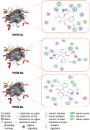
Figure 4: The interactions of potential drugs 5a–c in the active site of enzyme iNOS.
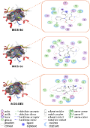
Figure 5: The interactions of potential drugs 5d and 5e and control drug (DEX) in the active site of enzyme i...
Recent advances in allylation of chiral secondary alkylcopper species
- Minjae Kim,
- Gwanggyun Kim,
- Doyoon Kim,
- Jun Hee Lee and
- Seung Hwan Cho
Beilstein J. Org. Chem. 2025, 21, 639–658, doi:10.3762/bjoc.21.51
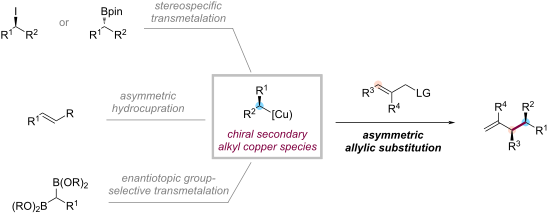
- species Int C or Int D, which undergoes an SN2'-like pathway with allylic phosphates 23 to generate the chiral products 43 or 44 along with the release of L*CuOR species. A σ-bond metathesis of this alkoxycopper species with HBpin and/or PMHS regenerates the L*CuH catalyst, completing the secondary

Graphical Abstract

Scheme 1: Representative transition-metal catalysis for allylic substitution.

Scheme 2: Formation of stereogenic centers in copper-catalyzed allylic alkylation reactions.

Scheme 3: Copper-mediated, stereospecific SN2-selective allylic substitution through retentive transmetalatio...

Scheme 4: ZnCl2-promoted stereospecific SN2' allylic substitution of secondary alkylcopper species via sequen...

Scheme 5: Temperature and time-dependent configurational stability of chiral secondary organocopper species.

Scheme 6: DFT analysis of B–C bond lengths in various boronate complexes and correlation with reactivity.

Scheme 7: Copper-catalyzed stereospecific allylic alkylation of secondary alkylboronic esters via tert-butyll...

Scheme 8: Copper-catalyzed stereospecific allylic alkylation of chiral tertiary alkylboronic esters via adama...

Scheme 9: DFT-calculated energy surface for boron-to-copper transmetalation of either the tert-butyl group or...

Scheme 10: CuH-catalyzed enantioselective allylic substitution and postulated catalytic cycle.

Scheme 11: CuH-catalyzed enantioselective allylic substitution of vinylarenes.

Scheme 12: CuH-catalyzed stereoselective allylic substitution of vinylboronic esters.

Scheme 13: (a) Generation of chiral copper species via enantioselective CuH addition to vinylBpin. (b) Regardi...

Scheme 14: CuH-catalyzed enantioselective allylic substitution of 1‐trifluoromethylalkenes with 18-crown-6.

Scheme 15: CuH-catalyzed enantioselective allylic substitution of terminal alkynes.

Scheme 16: Copper-catalyzed enantiotopic-group-selective allylic substitution of 1,1-diborylalkanes.
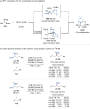
Scheme 17: (a) Computational and (b) experimental studies to elucidate the mechanistic details of the enantiot...

Scheme 18: Copper-catalyzed regio-, diastereo- and enantioselective allylic substitution of 1,1-diborylalkanes....

Scheme 19: (a) Experimental and (b) computational studies to understand the stereoselectivities in oxidative a...



