


Search results
Search for "imide" in Full Text gives 94 result(s) in Beilstein Journal of Organic Chemistry.
Hypervalent iodine compounds for anti-Markovnikov-type iodo-oxyimidation of vinylarenes
Beilstein J. Org. Chem. 2018, 14, 2146–2155, doi:10.3762/bjoc.14.188
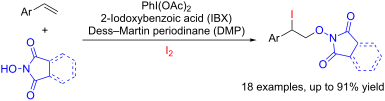
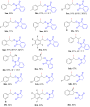
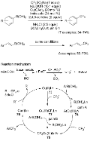
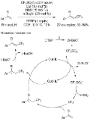
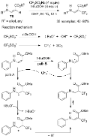
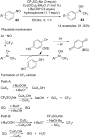
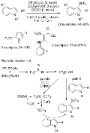
- the examined hypervalent iodine oxidants (PIDA, PIFA, IBX, DMP) PhI(OAc)2 proved to be the most effective; yields of iodo-oxyimides are 34–91%. A plausible reaction pathway includes the addition of an imide-N-oxyl radical to the double C=C bond and trapping of the resultant benzylic radical by iodine
- . It was shown that the iodine atom in the prepared iodo-oxyimides can be substituted by various nucleophiles. Keywords: free radicals; hypervalent iodine; imide-N-oxyl radicals; iodination; N-hydroxyimides; oxidative functionalization; Introduction The presented work opens a new chapter in the
- chemistry of N-hydroxyimides in combination with hypervalent iodine compounds with formation of imide-N-oxyl radicals. These radicals were used as reagents for the addition to a terminal position of the double bond of styrenes with subsequent iodination of the resulting benzylic radical. It is important to




Imide arylation with aryl(TMP)iodonium tosylates
Beilstein J. Org. Chem. 2018, 14, 1034–1038, doi:10.3762/bjoc.14.90
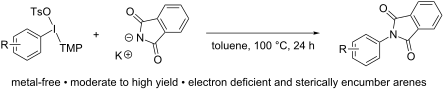
- -aryl imide derivatives are relatively rare in such compounds. We were surprised by this disparity, but found that a lack of methods to synthesize N-aryl imides may explain their scarcity; this is particularly true relative to other N-aryl compounds. The survey of methods revealed that the dominant
- approach to N-aryl imides is to employ aniline starting materials (Scheme 1b, left), as was done in the synthesis of pentoxazone and related herbicides [2]. The alternative aromatic substitution approach with imide anions (Scheme 1b, right) is hampered by their low nucleophilicity [3]. Therefore


CF3SO2X (X = Na, Cl) as reagents for trifluoromethylation, trifluoromethylsulfenyl-, -sulfinyl- and -sulfonylation. Part 1: Use of CF3SO2Na
Beilstein J. Org. Chem. 2017, 13, 2764–2799, doi:10.3762/bjoc.13.272
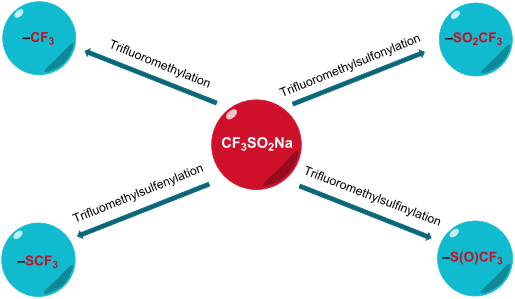
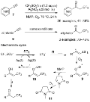
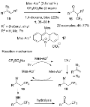
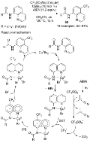
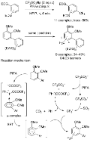
- ,b or N-trifluoromethylthiosaccharin 43 in the presence of N-methyl-9-mesitylacridinium under visible light irradiation at room temperature. Terminal, internal, and gem-substituted alkenes bearing imide, ester, amide, ketone, aldehyde and electron-rich aryl functional groups were suitable substrates



















A novel synthetic approach to hydroimidazo[1,5-b]pyridazines by the recyclization of itaconimides and HPLC–HRMS monitoring of the reaction pathway
Beilstein J. Org. Chem. 2017, 13, 2561–2568, doi:10.3762/bjoc.13.252
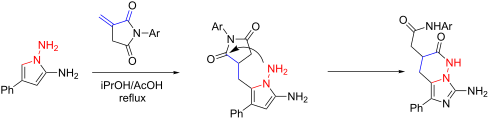
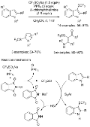
- (NH2-N1-C2-NH2) as well as with the polyelectrophilicity of itaconimides 1 due to the presence of three electrophilic C atoms: the terminal atom of the exocyclic activated multiple bond and two atoms of the imide group. Due to this, at the first step of the reaction between diaminoimidazole and
- ]. Mechanistically, further intramolecular recyclization of the succinimide fragments in intermediates 5–8 could proceed by any of the two imide C atoms (Scheme 5). Thus, for products 5 of the reaction of diaminoimidazole 4 as a 1,3-C,N-dinucleophile in the routes A and B, imidazo[1,5-b]pyridazines 9 and imidazo[1,5
- process includes the steps of Michael’s initial C-addition of diaminoimidazole to the activated multiple bond of the imide followed by recyclization of the primary adducts. The availability of the reagents needed, the simplicity of the synthetic procedures, and the possibility of further functionalization


Diastereoselective Mannich reactions of pseudo-C2-symmetric glutarimide with activated imines
Beilstein J. Org. Chem. 2017, 13, 2473–2477, doi:10.3762/bjoc.13.244
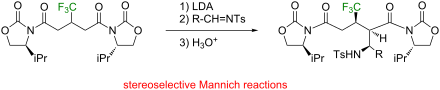
- imines seemed to match favorably with a construction of the least sterically demanding conformation, leading to formation of the obtained diastereoisomer 3a. Conclusion As shown above, the oxazolidinone-installed imide from 3-(trifluoromethyl)glutaric acid 1a was found to afford the corresponding adducts


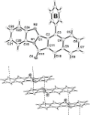
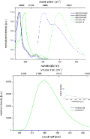
One-pot syntheses of blue-luminescent 4-aryl-1H-benzo[f]isoindole-1,3(2H)-diones by T3P® activation of 3-arylpropiolic acids
Beilstein J. Org. Chem. 2017, 13, 2340–2351, doi:10.3762/bjoc.13.231
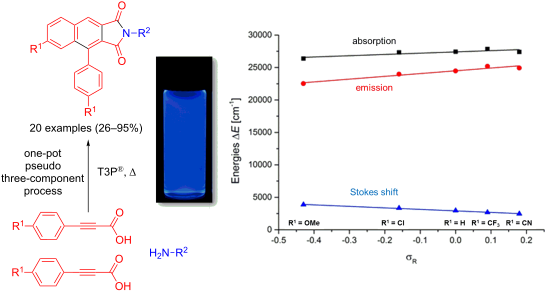
- aniline (3a) as model substrates (Scheme 3, Table 3). In dichloromethane at only slightly elevated temperatures imide 4a is not formed (Table 3, entry 1). Upon addition of N,N-dimethylformamide as a cosolvent at 80 °C the desired product 4a can be isolated in 15% yield (Table 3, entry 2). The yield of 4a




Homologated amino acids with three vicinal fluorines positioned along the backbone: development of a stereoselective synthesis
Beilstein J. Org. Chem. 2017, 13, 2316–2325, doi:10.3762/bjoc.13.228

- (see Supporting Information File 1) was accompanied by varying quantities of a side-product that was tentatively identified either as an alternative rotamer of the acetanilide, or the corresponding imide (i.e., ArNAc2, see Supporting Information File 1). Although the formation of this imide would be


Mechanochemical N-alkylation of imides
Beilstein J. Org. Chem. 2017, 13, 1745–1752, doi:10.3762/bjoc.13.169
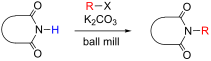
- Anamarija Bris Mateja Dud Davor Margetic Laboratory for Physical-organic Chemistry, Division of Organic Chemistry and Biochemistry, Ruđer Bošković Institute, Bijenička c. 54, 10000 Zagreb, Croatia 10.3762/bjoc.13.169 Abstract The mechanochemical N-alkylation of imide derivatives was studied
- the literature. The aim of this study was to establish simple and effective imide alkylation mechanochemical protocols. Imides are usually alkylated with alkyl halides in solution (DMF, acetone, DMSO) and the reactions were heated for several hours in the presence of a base [24]. Results and
- Discussion The reaction of the norbornene endo-succinimide 1 [25] with 1,3-dibromopropane (2) was used as a model system for the optimization of the reaction conditions [26]. Here, imide 1 is a solid, while dibromopropane is a liquid reagent. It was found that during the ball-milling process (Retsch MM400


1-Imidoalkylphosphonium salts with modulated Cα–P+ bond strength: synthesis and application as new active α-imidoalkylating agents
Beilstein J. Org. Chem. 2017, 13, 1446–1455, doi:10.3762/bjoc.13.142
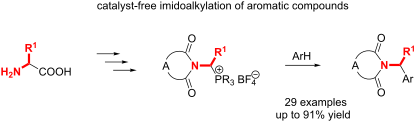
- . The crucial step in the method included the decarboxylative α-methoxylation of N-phthaloyl- or N-succinylamino acids to the corresponding N-(1-methoxyalkyl)imides, followed by the displacement of the methoxy group by the triarylphosphonium group through melting of the imide derivative with
- )imide 7 with triarylphosphonium tetrafluoroborate was melted at 85–140 °C in the presence of NaBr as a catalyst under reduced pressure (0.1–0.2 mmHg) for 0.5–10 h (Table 2). Phthalimide-derived phosphonium salts 5 (A = o-C6H4) were usually obtained in good to excellent yields, whereas the yields of
- was isolated in 73% yield accompanied by only trace amounts of the expected phosphonium salt 5o (Table 2, last entry). It is assumed that both the extraordinary effective resonance stabilization of the imide anion and the excessive steric congestion in the transition state make the splitting of the Cα


Brønsted acid-mediated cyclization–dehydrosulfonylation/reduction sequences: An easy access to pyrazinoisoquinolines and pyridopyrazines
Beilstein J. Org. Chem. 2017, 13, 428–440, doi:10.3762/bjoc.13.46
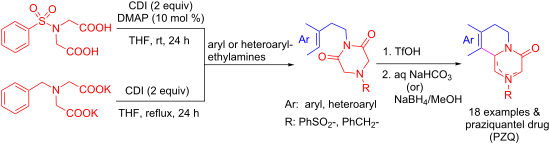
- -benzenesulfonyliminodiacetic acid and primary amines using carbonyldiimidazole in the presence of a catalytic amount of DMAP at ambient temperature. Piperazine-2,6-diones are successfully transformed to pharmaceutically useful pyridopyrazines or pyrazinoisoquinolines and ene-diamides via an imide carbonyl group activation
- , recently, we have reported the activation of an imide carbonyl group with TfOH, for the synthesis of tetrahydroisoquinoline (THIQ) and tetrahydro-β-carboline (THBC) skeletons and related alkaloids [22][23][24][25][26]. The present study, describes the synthesis of 4-benzenesulfonylpiperazine-2,6-dione
- corresponding products. Further, these 4-benzenesulfonylpiperazine-2,6-diones were subjected to an imide carbonyl group activation strategy, to develop a practical approach to synthesize pyrazinoisoquinoline and pyridopyrazines via Brønsted acid assisted 6-exo-trig cyclization of arylethylpiperazine-2,6-diones




β-Amino functionalization of cinnamic Weinreb amides in ionic liquid
Beilstein J. Org. Chem. 2016, 12, 2372–2377, doi:10.3762/bjoc.12.231

- liquid, 1-n-butyl-3-methylimidazolium bis(trifluoromethanesulfonyl)imide ([BMIM][NTf2]). Processed without the use of metal catalysts or the need of an inert gas atmosphere, the presented process can be readily performed as a one-pot synthesis at room temperature. Moreover, the preparation has the
- (trifluoromethanesulfonyl)imide, Tf = SO2CF3), a series of α-chloro-β-amino ketone derivatives 4 could be obtained with excellent regioselectivities (Scheme 2) [32]. Encouraged by these promising results, we thought that the α,β-unsaturated Weinreb amides could be potential substrates for the preparation of β-amino Weinreb


Conjugate addition–enantioselective protonation reactions
Beilstein J. Org. Chem. 2016, 12, 1203–1228, doi:10.3762/bjoc.12.116
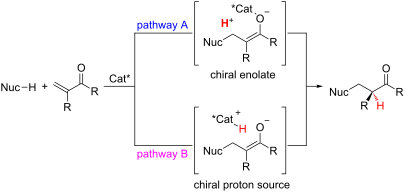
- their previous work on enantioselective additions to α-substituted acrylates (vide ante), Sibi and colleagues reported the first example of Friedel–Crafts alkylation of an α-substituted-α,β-unsaturated imide followed by enantioselective protonation (Scheme 20) [43]. Using an in situ generated complex
- enatiofacial selectivity, the use of a cyclic imide ensured exclusive formation of the Z-enolate. During optimization, it was found that an N-aryl group containing 2,6-disubstitution was crucial for obtaining high levels of enantioselectivity. Addition of a variety of bis-aryl secondary phosphine oxides


Recent advances in copper-catalyzed C–H bond amidation
Beilstein J. Org. Chem. 2015, 11, 2209–2222, doi:10.3762/bjoc.11.240

- , respectively. The imide products 64 and 65 could both be efficiently hydrolyzed to provide ureas 66 and 67. The presence of the pyridine ring in substrates 62 and 63 was crucial for the conversion of the inert carbonyl C–H bond in 61 by chelating the copper catalyst (Scheme 17). The C–H bond sulfonamidation of


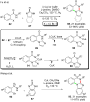


Reaction of allene esters with Selectfluor/TMSX (X = I, Br, Cl) and Selectfluor/NH4SCN: Competing oxidative/electrophilic dihalogenation and nucleophilic/conjugate addition
Beilstein J. Org. Chem. 2015, 11, 1641–1648, doi:10.3762/bjoc.11.180
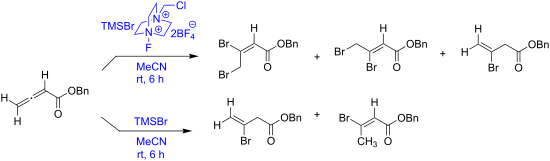
- Selectfluor/KBr [13], and the thiocyanation of representative heteroarenes and ketones with NH4SCN [14][15]. Oxidative transformations such as amide to imide mediated by Selectfluor in combination with CuBr have also been shown [16][17]. In an earlier study, we reported on the potential of Selectfluor to act


A hybrid electron donor comprising cyclopentadithiophene and dithiafulvenyl for dye-sensitized solar cells
Beilstein J. Org. Chem. 2015, 11, 1052–1059, doi:10.3762/bjoc.11.118
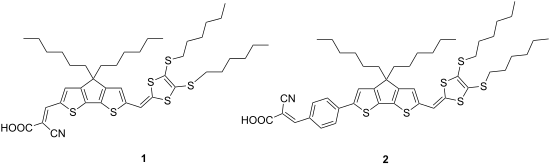
- . The composition of the cobalt complex-based electrolyte of this study is 0.2 M [Co(bpy)3][B(CN)4]2, 0.05 M [Co(bpy)3][B(CN)4]3, 0.1 M lithium bis(trifluoromethanesulfonyl)imide, 0.5 M 4-tert-butylpyridine in acetonitrile. The composition of the iodine-based electrolyte is 1-methyl-3-propylimidazolium


Radical-mediated dehydrative preparation of cyclic imides using (NH4)2S2O8–DMSO: application to the synthesis of vernakalant
Beilstein J. Org. Chem. 2015, 11, 1008–1016, doi:10.3762/bjoc.11.113
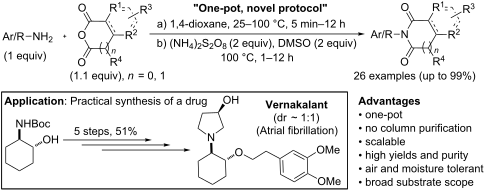
- convenient one-pot process for the synthesis of miscellaneous cyclic imides in high yields starting from readily available primary amines and cyclic anhydrides. A plausible radical mechanism involving DMSO has been proposed. The application of this facile one-pot imide forming process has been demonstrated
- polymers. Migrastatin, lamprolobine, julocrotine, cladoniamide A, palasimide and salfredin C-1 are few of the important natural products having the imide motif [1][2][3][4]. Imides have been extensively used in the synthesis of several bioactive natural products [5][6][7][8][9][10][11][12]. Various drugs
- such as lurasidone, phensuximide, buspirone, (R/S)-thalidomide, lenalidomide and apremilast contain cyclic imide moieties and possess a wide range of biological properties (Figure 1) [13][14][15][16][17]. Cyclic imides have found immense applications in agrochemicals such as chlorophthalim (herbicide


Diastereoselective and enantioselective conjugate addition reactions utilizing α,β-unsaturated amides and lactams
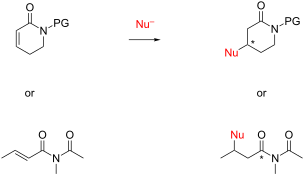
Beilstein J. Org. Chem. 2015, 11, 530–562, doi:10.3762/bjoc.11.60




Azirinium ylides from α-diazoketones and 2H-azirines on the route to 2H-1,4-oxazines: three-membered ring opening vs 1,5-cyclization
Beilstein J. Org. Chem. 2015, 11, 302–312, doi:10.3762/bjoc.11.35
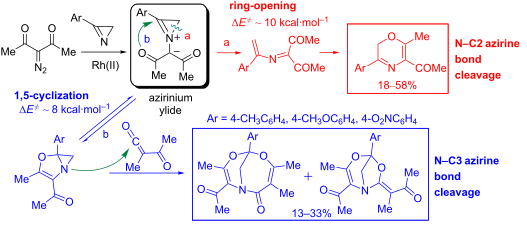
- (Scheme 2, Table 1, entry 8). Unfortunately, [3.2.1] adduct 6g and imide 8g were too unstable to be isolated by chromatography on silica gel, even using Et3N-doped eluents. Their presence in the reaction mixture was unambiguously confirmed by 1H NMR spectroscopy (Table 1, entry 8). At the same time


Chemistry of polyhalogenated nitrobutadienes, 14: Efficient synthesis of functionalized (Z)-2-allylidenethiazolidin-4-ones
Beilstein J. Org. Chem. 2014, 10, 1638–1644, doi:10.3762/bjoc.10.170
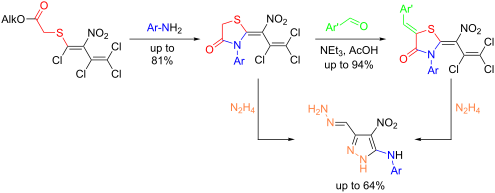
- . Subsequently, the thus introduced amino group attacks the carbonyl carbon of the mercaptoacetate moiety. This ring closure affords the temporary imide hemiacetal B which is then stabilized upon elimination of the corresponding alcohol to give the desired thiazolidin-4-ones 7–18 (Scheme 3). Furthermore, in


Staudinger ligation towards cyclodextrin dimers in aqueous/organic media. Synthesis, conformations and guest-encapsulation ability
Beilstein J. Org. Chem. 2014, 10, 774–783, doi:10.3762/bjoc.10.73
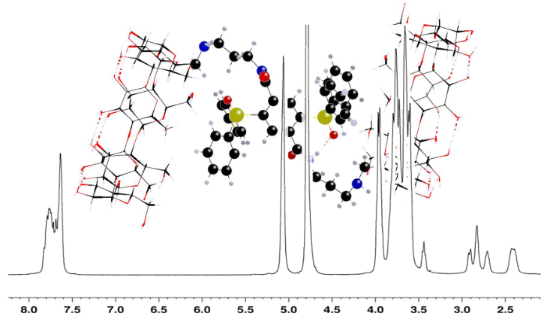
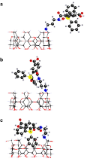
- couplings [16][23], the classical formation of ester [12][17], amide [25][26] or imide [27] bonds between CDs or amino CDs and acid- or anhydride-linkers, and finally urea/thiourea bonds [28][29]. However, the obvious advantages of the Staudinger ligation (high reaction rates, absence of a catalyst, aqueous



Direct and indirect single electron transfer (SET)-photochemical approaches for the preparation of novel phthalimide and naphthalimide-based lariat-type crown ethers
Beilstein J. Org. Chem. 2014, 10, 514–527, doi:10.3762/bjoc.10.47
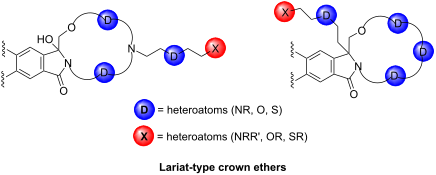
- efficient fashion. Previous studies [31][32][33][34][62][63][64][65][66][67] in our laboratories resulted in the development, mechanistic elucidation, and synthetic application of various kinds of SET-promoted photocyclization reactions of α-trialkylsilyl donor-linked imide acceptor systems and led to an
- , direct and indirect photochemical approaches that we have devised for the preparation of imide- (e.g., phthalimide and naphthalimide) derived lariat-type crown ethers are described. The direct route utilizes a strategy in which nitrogen-linked side chains containing polyethoxy-tethered phthalimides and
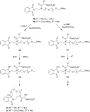
- macrocyclization reactions of the α-trialkylsilyl-terminated, polyethoxy-tethered phthalimides and naphthalimides are followed by a side chain introduction through substitution reactions at the amidol centers in the macrocyclic ethers (Scheme 6). Direct approaches for the preparation of imide-derived lariat-type




Towards stereochemical control: A short formal enantioselective total synthesis of pumiliotoxins 251D and 237A
Beilstein J. Org. Chem. 2013, 9, 2358–2366, doi:10.3762/bjoc.9.271
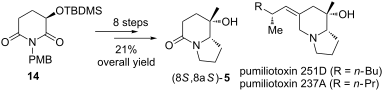
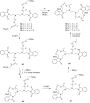
- -hydroxyglutarimide-based regio- and trans-diastereoselective reductive alkylation, a synthetic methodology developed from our laboratory [32][38][45][46], as the starting point. Our synthesis started from the addition of a freshly prepared 3-butenylmagnesium bromide to imide 13 [47] in dichloromethane at −78 °C for
- -hydroxyglutarimide 19 (prepared from (R)-glutamic acid in 69% overall yield over 4 steps [47]) in a yield of 95%. Successive treatment of imide 14 with 3-butenylmagnesium bromide (CH2Cl2, −20 °C, 3 h) and the resulting hemi-aminal with Et3SiH/BF3·Et2O (CH2Cl2, −78 °C, 2 h, then −20 °C, 2 h) gave a diastereomeric


Synthesis and characterization of novel bioactive 1,2,4-oxadiazole natural product analogs bearing the N-phenylmaleimide and N-phenylsuccinimide moieties
Beilstein J. Org. Chem. 2013, 9, 2202–2215, doi:10.3762/bjoc.9.259
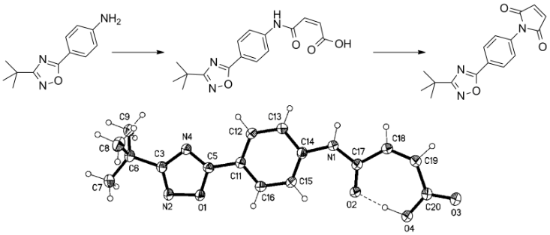
- determination (Figure 5 and Figure 6). The interplanar angle in compound 2 is only 3° and the molecules are linked to ribbons parallel to the b axis by two C–H···O interactions. Imide derivatives have been found to possess a broad spectrum of biological activities. A variety of methods have been reported for
- 5 was afforded in a quantitative amount. For the synthesis of imide 4 the starting material, amide 3, was mixed with an equimolar amount of sodium acetate in acetic anhydride and the mixture was heated for 4 h at 80–85 °C; resulting in the corresponding N-arylsuccinimide 4 (87%). The structures of
- dichloromethane (Scheme 5). The amide 6 was obtained with a good yield (84%). For the synthesis of imide 7 the amide 6 was mixed with an equimolar amount of sodium acetate in acetic anhydride and the mixture was heated for 4 h at 80–85 °C resulting in the corresponding N-arylmaleimide 7 (75%). The structure of



Synthesis and spectroscopic properties of 4-amino-1,8-naphthalimide derivatives involving the carboxylic group: a new molecular probe for ZnO nanoparticles with unusual fluorescence features
Beilstein J. Org. Chem. 2013, 9, 1311–1318, doi:10.3762/bjoc.9.147
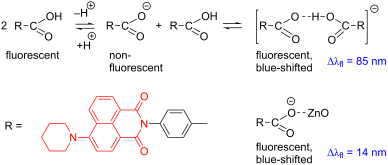
- involve the benzoic acid moiety at the N-atom of the 1,8-naphthalimide. At first we used a general straightforward method involving the hydrolysis of the chloro substituted imide 1 and eventual substitution of the chlorine atom by piperidine. (Scheme 1, Pathway A). The pathway A has two major


Enhancement of efficiency in organic photovoltaic devices containing self-complementary hydrogen-bonding domains
Beilstein J. Org. Chem. 2013, 9, 1102–1110, doi:10.3762/bjoc.9.122
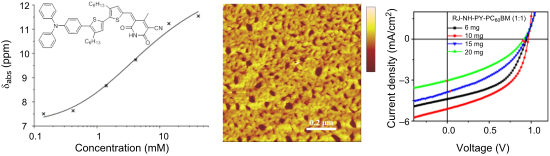
- molecules bearing a self-complementary imide motif has been well studied by 1H NMR, as reported in the literature [21][22][23][24][25][26]. Given this precedent, the observed concentration-dependent downfield change in the NH chemical shift is assigned to intermolecular hydrogen bonding. The downfield





