


Search results
Search for "nucleotides" in Full Text gives 110 result(s) in Beilstein Journal of Organic Chemistry.
An uracil-linked hydroxyflavone probe for the recognition of ATP
Beilstein J. Org. Chem. 2018, 14, 747–755, doi:10.3762/bjoc.14.63
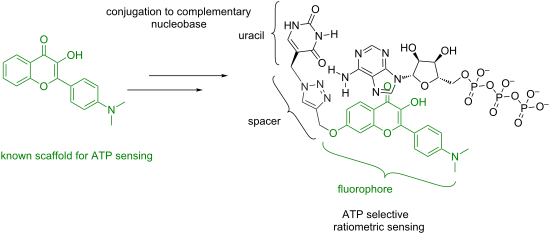
- and Materials Science, Budapest University of Technology and Economics, 1521 Budapest, Hungary 10.3762/bjoc.14.63 Abstract Background: Nucleotides are essential molecules in living systems due to their paramount importance in various physiological processes. In the past years, numerous attempts were
- made to selectively recognize and detect these analytes, especially ATP using small-molecule fluorescent chemosensors. Despite the various solutions, the selective detection of ATP is still challenging due to the structural similarity of various nucleotides. In this paper, we report the conjugation of
- ; nucleotide recognition; Introduction Nucleotides play essential roles in various physiological processes, such as energy transportation [1], DNA synthesis [2] and cell signaling events [3]. Especially, adenosine-5’-triphosphate (ATP) is vital, since it is the main energy source in living systems [4]. The




Enzyme-free genetic copying of DNA and RNA sequences
Beilstein J. Org. Chem. 2018, 14, 603–617, doi:10.3762/bjoc.14.47
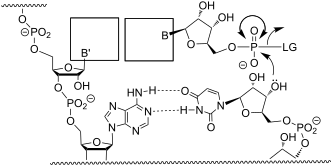
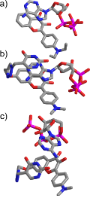
- . It involves the incorporation of nucleotides at the terminus of a primer and is directed by base pairing. The reaction occurs in aqueous medium and leads to phosphodiester formation after attack of a nucleophilic group of the primer. Two aspects of this reaction will be discussed in this review. One
- suggest that enzyme-free primer extension is a more powerful reaction than previously thought. Keywords: base pairing; DNA; enzyme-free primer extension; nucleotides; oligonucleotides; replication; RNA; Introduction Replication of genetic information is critical for all living systems. In the cell, this
- examples can also be found in the literature of the 1960s [12]. The early monomer-based work on copying RNA focused on oligomerization of nucleotides on homosequences as templates [13][14]. The best results were observed for poly(C) as template, the 2-methylimidazolide of guanosine as activated monomer


Stimuli-responsive oligonucleotides in prodrug-based approaches for gene silencing
Beilstein J. Org. Chem. 2018, 14, 436–469, doi:10.3762/bjoc.14.32
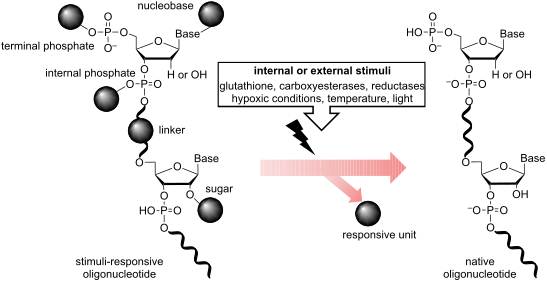
- strategies include antisense oligonucleotides (AONs), ribozymes, DNAzymes, small interfering RNAs (siRNAs) and micro RNAs (miRNAs) that specifically target the complementary mRNA sequence of the relevant undesired gene before translation. AONs are single-stranded DNA of 15 to 25 nucleotides in length that
- , more potent than AONs or ribozymes for gene knockdown, is centered on the RNA interference (RNAi) mechanism, which uses two natural pathways for gene silencing. One is guided by double-stranded siRNAs of 19–23 nucleotides in length that are fully complementary to the mRNA targets, and the other is
- guided by miRNAs (22 nucleotides in length) that bind incorrectly within the 3’-untranslated region (3’-UTR) of the target mRNAs [7]. miRNAs also represent interesting targets, and inhibition of their function was obtained using anti-miRNA AONs via an antisense approach or via the blocking of the mRNA


Preparation of trinucleotide phosphoramidites as synthons for the synthesis of gene libraries
Beilstein J. Org. Chem. 2018, 14, 397–406, doi:10.3762/bjoc.14.28
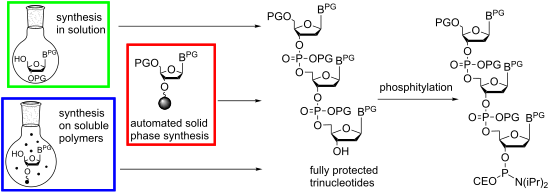
- possibility to control randomization. The basic principle consists of using chemically synthesized primers of mixed composition for introducing subsets of the 20 canonical amino acids at a defined position of the protein [9]. In the simplest way, a mixture of the four standard nucleotides is used for coupling


Polarization spectroscopy methods in the determination of interactions of small molecules with nucleic acids – tutorial
Beilstein J. Org. Chem. 2018, 14, 84–105, doi:10.3762/bjoc.14.5
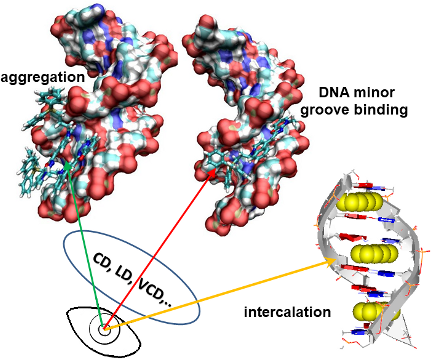
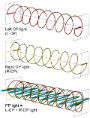
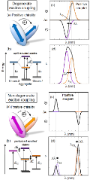
- derivatives are optically active. The π→π* transitions of the bases (Scheme 1) contribute to the electronic circular dichroism mostly as a result of the chiral perturbation exerted by the sugar moiety. The ECD signals of single nucleosides/nucleotides are, accordingly, quite small. Coupling into






Synthetic mRNA capping
Beilstein J. Org. Chem. 2017, 13, 2819–2832, doi:10.3762/bjoc.13.274
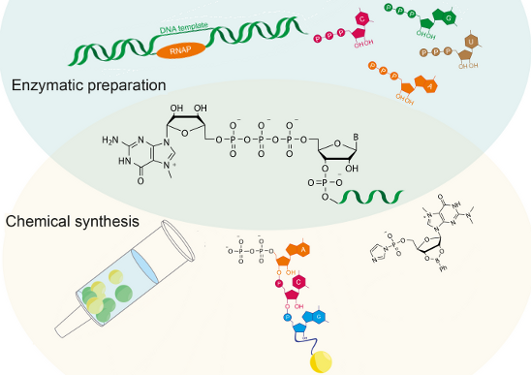
- first nucleotide (cap1), a modification which is commonly observed in eukaryotes [13][14][15]. Besides cap0 and cap1, cap structures with further modifications exist. Additional methyl groups are often found at the second nucleotide (cap2) while in trypanosomes up to four methylated nucleotides are
- solid-phase synthesis is limited in its maximum length, RNAs with a length of several thousand nucleotides can easily be prepared through IVT. On the other hand, enzymatically produced RNA is often inhomogeneous in length and for short RNAs the yields obtained after purification may be low. This impedes
- cosubstrate [31]. In nature, these capping enzymes act co-transcriptionally once the transcript has reached a length of 20–30 nucleotides [32], which is enabled by their recruitment to the C-terminal domain of the RNA polymerase II [33]. In higher eukaryotes, cap1 and cap2 structures are generated by



Metal-mediated base pairs in parallel-stranded DNA
Beilstein J. Org. Chem. 2017, 13, 2671–2681, doi:10.3762/bjoc.13.265
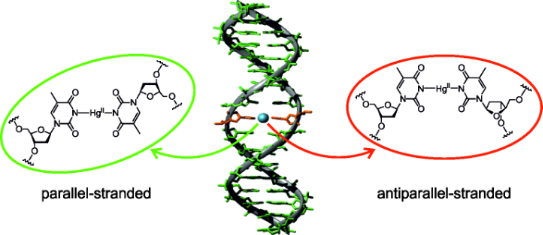
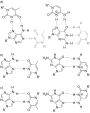
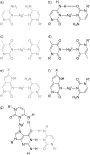
- parallel-stranded one is the formal dissociation of one of its component strands into nucleotides, the rotation of each nucleotide by 180° along the long axis of the base pair, and reconnection of the backbone of that strand. This essentially reverts the Watson–Crick base pairs to give reversed Watson
- adopted for cisoid Hoogsteen base pairing (Scheme 2b) when both nucleotides involved in the base pair adopt an identical glycosidic bond conformation, i.e., when both are oriented anti or both are oriented syn [44][45][46]. If they adopt opposing glycosidic bond conformations, an antiparallel strand





Pyrene–nucleobase conjugates: synthesis, oligonucleotide binding and confocal bioimaging studies
Beilstein J. Org. Chem. 2017, 13, 2521–2534, doi:10.3762/bjoc.13.249
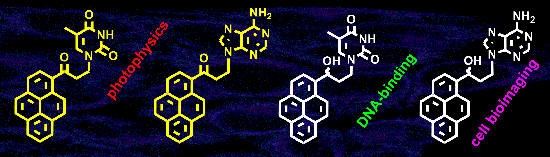
- [4], pyrene-modified peptide nucleic acids (PNA) [5], locked nucleic acids (LNA) [6][7], invader LNA [8], and twisted intercalating nucleic acids (TINA) [9]. Furthermore pyrene-modified nucleotides have been used for the construction of DNA-based multichromophore systems [10][11][12][13], as cancer




Chemical systems, chemical contiguity and the emergence of life
Beilstein J. Org. Chem. 2017, 13, 1551–1563, doi:10.3762/bjoc.13.155
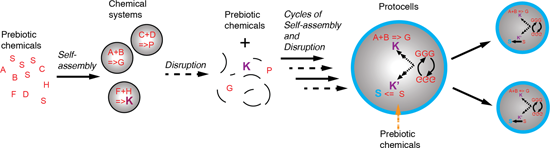
- acid monomers has been achieved in this manner: When amphiphile vesicles or liposomes are dried in the presence of solutes on a silicate support, a system of stacked lipid bilayers with intercalated solutes is formed [52]. In this arrangement, the nucleotides are optimally spaced to react and form


Grip on complexity in chemical reaction networks
Beilstein J. Org. Chem. 2017, 13, 1486–1497, doi:10.3762/bjoc.13.147
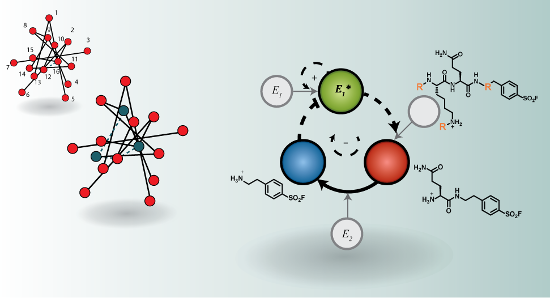
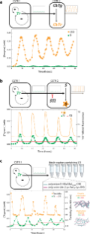
- dynamics could be achieved by transcription and translation processes. Dissipation arises from an approximated constant supply of nucleotides, amino acids, and enzymes among other cellular machinery (see Figure 4d) [92]. Arguably, the ability to rationally assemble test tube CRNs lags behind that for in




Framing major prebiotic transitions as stages of protocell development: three challenges for origins-of-life research
Beilstein J. Org. Chem. 2017, 13, 1388–1395, doi:10.3762/bjoc.13.135
- compartmentalised chemistries run by poly-nucleotides (e.g., the ‘ribocell’ model), protocell systems with molecular components of much lower molecular complexity should be investigated as units of pre-Darwinian evolution. The overarching question then becomes: how can far-from-equilibrium chemical assemblies that

Towards open-ended evolution in self-replicating molecular systems
Beilstein J. Org. Chem. 2017, 13, 1189–1203, doi:10.3762/bjoc.13.118
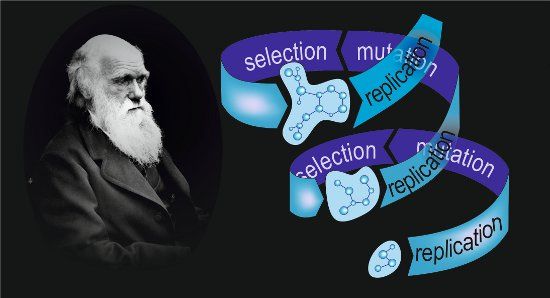
- that of DNA. A DNA molecule consists of two strands of nucleotides that are intertwined to form a double helix. During the replication process of DNA, each of these strands can act as a template for the formation of a complementary strand. In this way an exact copy of the original structure of DNA is
- , depicted in Figure 5, an oligonucleotide template strand is immobilized via an irreversible interaction with a solid support. A complementary strand is then produced via the template-directed binding of free nucleotides from the solution. The copied strand is released from the template and is in turn
- the individual ribozymes. Moreover, cooperative systems are generally more stable towards parasites then autocatalytic self-replicators and are, in principle, able to gain in complexity [46][47]. In the study a ribozyme of around 200 nucleotides called Azoarcus was used. This ribozyme is made from




Glycoscience@Synchrotron: Synchrotron radiation applied to structural glycoscience
Beilstein J. Org. Chem. 2017, 13, 1145–1167, doi:10.3762/bjoc.13.114
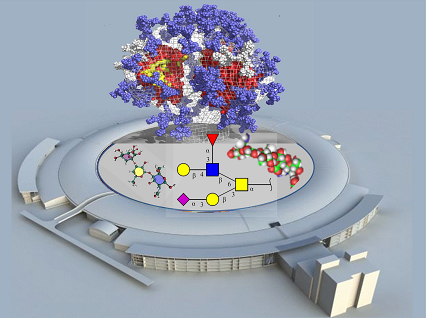
- the biosynthesis of glycosidic linkage requires the transfer of a sugar residue from a donor to an acceptor [35]. Acceptor substrates are carbohydrates, proteins, lipids, DNA, flavonol, antibiotics and steroids. In contrast, glycosyl donor substrates are mostly sugar nucleotides, such as UDP-GlcNAc




From chemical metabolism to life: the origin of the genetic coding process
Beilstein J. Org. Chem. 2017, 13, 1119–1135, doi:10.3762/bjoc.13.111
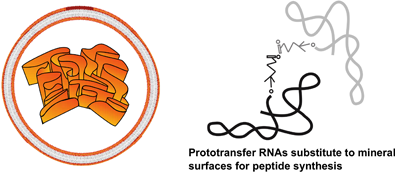
- chemical metabolism using these basic chemicals is the most likely beginning in which amino acids, coenzymes and phosphate-based small carbon molecules were built up. Nucleotides, and of course RNAs, must have come to being much later. As a consequence, the key question to account for life is to understand
- convincing way [31]. Other coenzymes, possibly generated by such a swinging-arm thioester-dependent catalysis, may have been precursors of nucleotides, the essential building blocks of nucleic acids. As a matter of fact, extant biosynthesis of nucleotides (built on purine and pyrimidine carbon–nitrogen
- nucleotides (and even more RNA) at the origin of life should be able to account for a steady synthesis of this molecule. In passing, this also argues fairly strongly against an origin involving hot temperatures, because heat considerably increases ribose instability [32]. Another argument for a late



How and why kinetics, thermodynamics, and chemistry induce the logic of biological evolution
Beilstein J. Org. Chem. 2017, 13, 665–674, doi:10.3762/bjoc.13.66
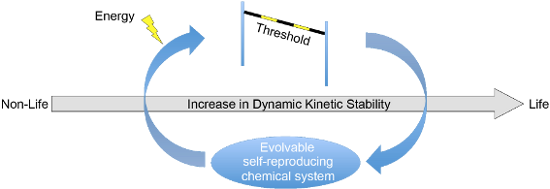
- pathways, a wide range of precursors similar to those found in biochemistry (amino acids, nucleotides and lipid precursors). Conclusion This paper attempts to place life and its emergence within a general physicochemical context. Once it is appreciated that life emerged from inanimate beginnings in a well



Biosynthetic origin of butyrolactol A, an antifungal polyketide produced by a marine-derived Streptomyces
Beilstein J. Org. Chem. 2017, 13, 441–450, doi:10.3762/bjoc.13.47
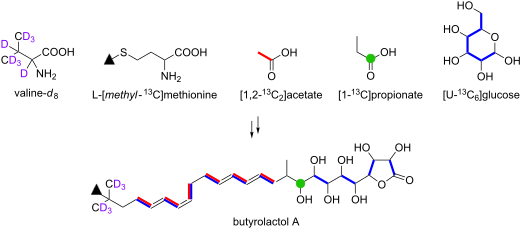
- 99.9% 16S rRNA gene sequence identity (1533 nucleotides; NCBI GneBank number BBOK01000029.1) with Streptomyces diastaticus subsp. ardesiacus NRRL B-1773T (accession number DQ026631). Fermentation Strain TP-A0882 growing on a plate culture was inoculated into a 500 mL K-1 flask containing 100 mL of the



Adsorption of RNA on mineral surfaces and mineral precipitates
Beilstein J. Org. Chem. 2017, 13, 393–404, doi:10.3762/bjoc.13.42
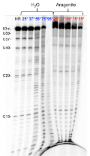
- thermal degradation in aqueous solution. 18% denaturing PAGE of a 83-mer ssRNA incubated for 2 hours at 25, 37, 55, 75, and 95 °C, either free (left) or adsorbed to aragonite (right). Full length RNA and nucleotides in the sequence that are hot spots for degradation are indicated on the left. Adsorption


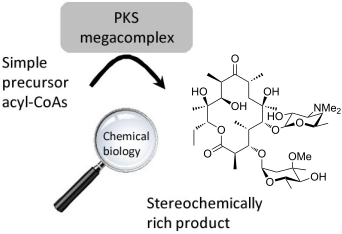
Polyketide stereocontrol: a study in chemical biology
Beilstein J. Org. Chem. 2017, 13, 348–371, doi:10.3762/bjoc.13.39




Interactions between cyclodextrins and cellular components: Towards greener medical applications?
Beilstein J. Org. Chem. 2016, 12, 2644–2662, doi:10.3762/bjoc.12.261
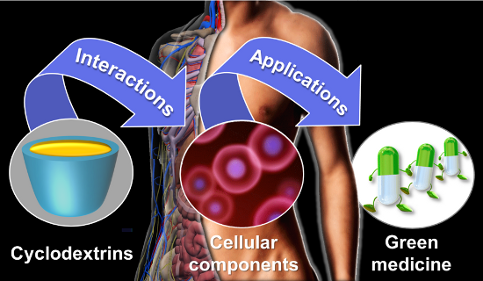
- neglected. Similar conclusions were made by Paal and Szeijtli [103]. iv) Complexation of nucleic acids Nucleic acids are macromolecules, where the monomer is the nucleotide. Each nucleotide has three components: a 5-carbon sugar, a phosphate group, and a nitrogenous base. These nucleotides are joined by
- cavity of this molecule is too small to accommodate DNA base pairs. All these results support the work of Hoffmann and Bock who examined the complex formation between different CDs and nucleotides [107]. In contrast, in a more recent work, Jaffer et al. have found that α-CD can form H-bonds with DNA base
- pairs that flip out spontaneously at room temperature leading to DNA denaturation [108]. Consequently, exclusion and inclusion complexes are achieved with α- and β-CD, respectively. Nevertheless, it is noteworthy that when a complex is formed with β-CD, the ribose and phosphate groups of the nucleotides


From supramolecular chemistry to the nucleosome: studies in biomolecular recognition
Beilstein J. Org. Chem. 2016, 12, 1863–1869, doi:10.3762/bjoc.12.175
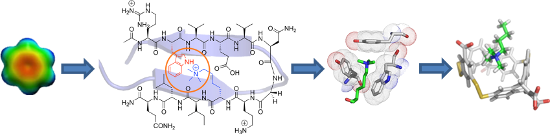
- organic chemistry, we also developed some of the first functional β-hairpins that bound nucleotides and ssDNA, mimicking a class of β-sheet proteins, thus expanding on the sequence-structure-function paradigm with minimalist structures (Figure 5) [33][34][35][36]. More recently this work has been extended


Beta-hydroxyphosphonate ribonucleoside analogues derived from 4-substituted-1,2,3-triazoles as IMP/GMP mimics: synthesis and biological evaluation
Beilstein J. Org. Chem. 2016, 12, 1476–1486, doi:10.3762/bjoc.12.144
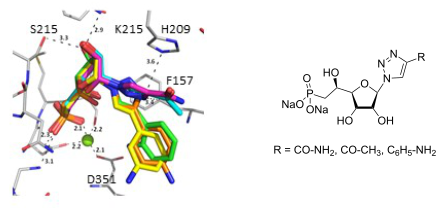
- : cancer; cN-II inhibitors; nucleotide; phosphonate; triazole; Introduction Nucleotidases are an important family of enzymes involved in the metabolism of nucleotides [1]. In particular, human cytosolic 5’-nucleotidase II (cN-II) catalyses the dephosphorylation of purine 5’-monophosphate derivatives to
- -protected nucleotides 3a–o (Scheme 2) in moderate to good yields. Removal of the sugar protecting groups (acetyl and benzoyl) in basic conditions resulted in the formation of the nucleotides 4a–q (Scheme 2), which were then treated by trimethylsilyl bromide (TMSBr) to generate the corresponding phosphonic


Antibiotics from predatory bacteria
Beilstein J. Org. Chem. 2016, 12, 594–607, doi:10.3762/bjoc.12.58
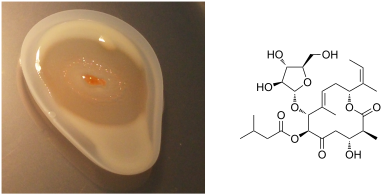
- , it becomes obvious that the Cystobacterineae strains consistently possess more biosynthesis gene clusters per Mbp of DNA than the analyzed Sorangiineae and that they also devote a larger percentage of their total nucleotides to natural product biosynthesis. Noteworthy in this context, the genera




Effective in silico prediction of new oxazolidinone antibiotics: force field simulations of the antibiotic–ribosome complex supervised by experiment and electronic structure methods
Beilstein J. Org. Chem. 2016, 12, 415–428, doi:10.3762/bjoc.12.45
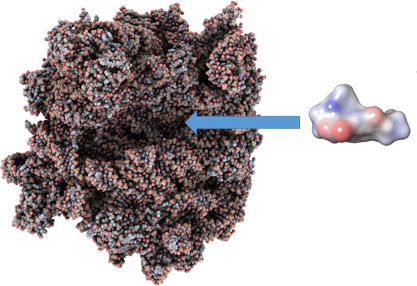
- pocket for the oxazolidinone ring is characterized by universally conserved 23S-rRNA nucleotides, leading to very similar ligand-bound conformations in different bacterial ribosomes [23]. From a theoretical point of view, the simulation of recognition processes employing nucleotide-based receptors is
- explicitly if they were part of the hydrogen bond network. This working shell was the starting point for the construction of all complexes models used during our MC scans. It includes linezolid, the CCA-N-Phe unit, nucleotides belonging to the r-RNA backbone, a few amino acids, water molecules and cations


Synthesis of cyclic N1-pentylinosine phosphate, a new structurally reduced cADPR analogue with calcium-mobilizing activity on PC12 cells
Beilstein J. Org. Chem. 2015, 11, 2689–2695, doi:10.3762/bjoc.11.289
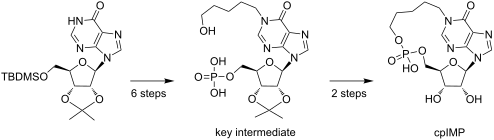
- neuronal cells. Keywords: calcium mobilization; cIDPR analogues; cyclic ADP-ribose (cADPR); cyclization; Introduction Nucleosides and nucleotides (NNs) are widely used as key intermediates and important core structures in the field of synthetic medicinal chemistry [1][2]. They represent versatile


Smart molecules for imaging, sensing and health (SMITH)
Beilstein J. Org. Chem. 2015, 11, 2540–2548, doi:10.3762/bjoc.11.274
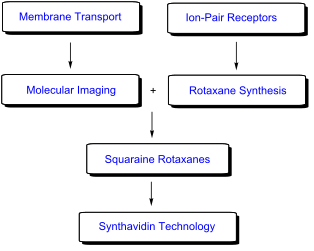
- inexperienced group, we started out looking at synthetic transport carriers for biomolecules such as sugars, nucleotides, amino acids, and catecholamines [5] (Scheme 2). Later on we started looking at chloride transport and we enjoyed a very productive collaboration with the British group of A. P. Davis to





