Search results
Search for "catalysts" in Full Text gives 1322 result(s) in Beilstein Journal of Organic Chemistry. Showing first 200.
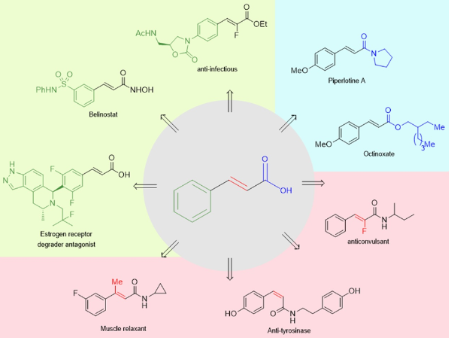
Recent advances in synthetic approaches for bioactive cinnamic acid derivatives
Beilstein J. Org. Chem. 2025, 21, 1031–1086, doi:10.3762/bjoc.21.85
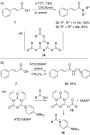
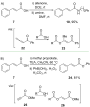
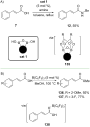
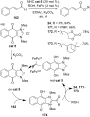
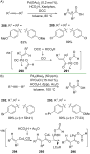
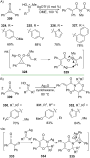
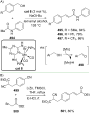
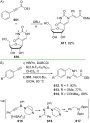
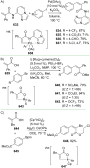
- compounds and N-acylbenzotriazole 97 (Scheme 36) [71]. In this work, the photoactive [FeCl4]− formed in situ triggered silyl radical 119 generation, leading to N-silylamine 120 as the active amine nucleophile. 2.1.4 Metal-free catalysis: Despite the wide applications of metal-based catalysts in developing O
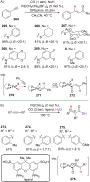
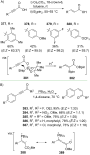
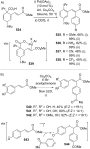
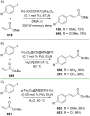
- /N-acylation reactions, metal catalysts, particularly precious transition metals, are considered less sustainable due to their limited availability. Therefore, metal-free catalysis methods have emerged as an alternative to respond to the green chemistry agenda. For instance, Huy and Mbouhom (2019
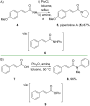
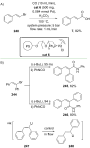
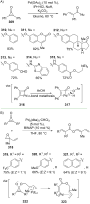
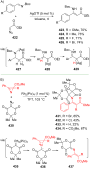
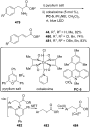
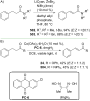
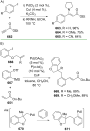
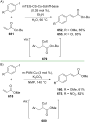
- metal catalysts, such as earth-abundant transition metals (Ni and Co), have also been used to catalyze partial hydrogenation reactions of conjugated alkynes using environmentally benign water as the hydrogen source. For instance, Fan and co-workers (2019) reported the Co-catalyzed partial hydrogenation








































Biobased carbon dots as photoreductants – an investigation by using triarylsulfonium salts
Beilstein J. Org. Chem. 2025, 21, 1024–1030, doi:10.3762/bjoc.21.84
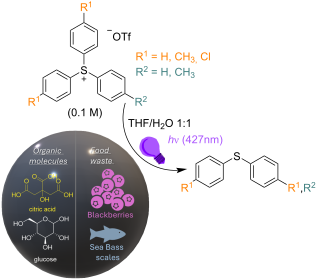
- most promising catalysts in photoreduction, regardless of the fact that they are amorphous or graphitic. Comparable results were obtained from both undoped and nitrogen-doped citric acid derived CDs (compare for instance results depicted in entries 1, 2, 4 in Table 4). On the other hand, carbon


Pd-Catalyzed asymmetric allylic amination with isatin using a P,olefin-type chiral ligand with C–N bond axial chirality
Beilstein J. Org. Chem. 2025, 21, 1018–1023, doi:10.3762/bjoc.21.83
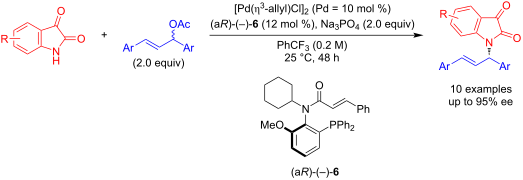
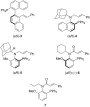
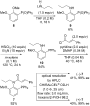
- palladium catalysts with amines as nucleophiles have been reported [14][15][16][17][18][19][20][21][22][23][24][25], there have been only a few reports on the N-substitution of isatin using asymmetric methods. Recently, Wolf’s group reported a transition-metal-catalyzed (Pd-catalyzed) asymmetric allylic




Study of tribenzo[b,d,f]azepine as donor in D–A photocatalysts
Beilstein J. Org. Chem. 2025, 21, 935–944, doi:10.3762/bjoc.21.76

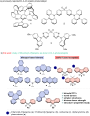
- nitrogen donors have gained increasing attention for their use as photoredox catalysts. This study introduces a new family of D–A molecules by exploring various sulfur-based acceptors and nitrogen donors, including a novel tribenzo[b,d,f]azepine (TBA) unit and 5H-dibenz[b,f]azepine (IMD). Our findings



Recent advances in controllable/divergent synthesis
Beilstein J. Org. Chem. 2025, 21, 890–914, doi:10.3762/bjoc.21.73

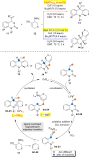
- literatures focusing on key regulatory factors for product divergent formation, in which controlling chemical selectivity primarily relies on ligands, metal catalysts, solvents, time, temperature, acids/bases, and subtle modifications of substrates. To gain a deeper understanding of the mechanisms underlying
- review systematically examines, how these multidimensional control elements (including ligands, metal catalysts, solvents, time, temperature, acids/bases, and subtle modifications of substrates) synergize to achieve predictable product diversification. In addition, mechanistic insights are discussed
- C(sp3)–C(sp3) coupling via distal stereocontrol, efficiently producing C3-alkylated pyrrolidines, while the nickel catalytic system afforded C2-alkylated pyrrolidines through a tandem alkene isomerization/hydroalkylation process. This method utilized readily accessible catalysts, chiral BOX ligands




Cu–Bpin-mediated dimerization of 4,4-dichloro-2-butenoic acid derivatives enables the synthesis of densely functionalized cyclopropanes
Beilstein J. Org. Chem. 2025, 21, 877–883, doi:10.3762/bjoc.21.71
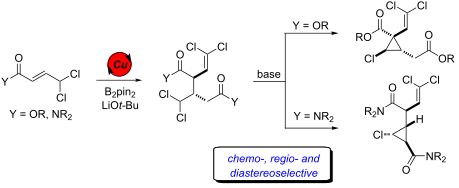
- a mixture of Z:E isomers (Table 1, entry 8). Having identified the proper combination of base and solvent, we then screened different copper catalysts. Different NHCs, bisphosphines and phosphines were tested (Table 1, entries 9–14) and excellent chemo- and diastereoselectivity was observed in all


Light-enabled intramolecular [2 + 2] cycloaddition via photoactivation of simple alkenylboronic esters
Beilstein J. Org. Chem. 2025, 21, 854–863, doi:10.3762/bjoc.21.69
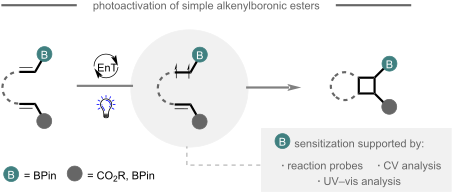
- high excited state energies and short lifetimes [29]. However, with notable strides in catalyst design, leading to catalysts with high excited state energies [30][31][32][33], in combination with concomitant advances in machine learning excited state predictions [34], it is anticipated that perhaps
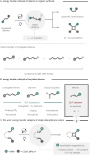
- translate 2D to 3D chemical space have also been explored [48][49][50][51][52]. Here, efficient excitation, via EnT catalysis, is typically contingent on extended chromophores ≥ 4π electrons, with less conjugated systems requiring more powerful catalysts. A recent elegant example by Masarwa and co-workers
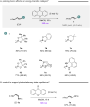
- strategies for cyclobutyl scaffolds [53][54][55], products 6 and 7 could be synthesized via mild conditions [68]. Inspired by recent advances by Nolan and co-workers demonstrating the synthetic power of gold catalysts in EnT catalysis [31][69][70][71][72], we probed the reactivity of [Au(SIPr)(Cbz)] in our



Chitosan-supported CuI-catalyzed cascade reaction of 2-halobenzoic acids and amidines for the synthesis of quinazolinones
Beilstein J. Org. Chem. 2025, 21, 839–844, doi:10.3762/bjoc.21.67
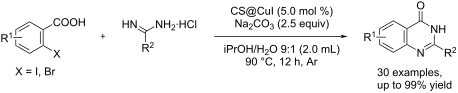
- promote this cascade reaction for the synthesis of quinazolinones without the need for additional ligands or additives (Scheme 1a) [7][10]. Since then, various copper-based catalysts, both homogeneous and heterogeneous, have been explored (Scheme 1b) [11][12][13][14][15][16]. For example, Wang’s group
- ]. Furthermore, dicopper(I) complexes can also be used as an effective catalyst in Ullmann-type N-arylation/cyclization of 2-bromobenzoic acids with amidines, providing the corresponding quinazolinones in good yields [15]. Despite the high efficiency of the above-mentioned copper catalysts in the synthesis of
- quinazolinones, and the wide application of the chitosan-supported copper catalyst in various organic transformations [19][20][21], the use of chitosan-supported copper for quinazolinone synthesis has not been reported. As part of our ongoing research interest in chitosan and chitosan-supported copper catalysts


Regioselective formal hydrocyanation of allenes: synthesis of β,γ-unsaturated nitriles with α-all-carbon quaternary centers
Beilstein J. Org. Chem. 2025, 21, 800–806, doi:10.3762/bjoc.21.63
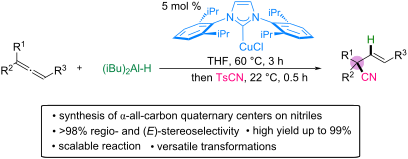
- catalytic hydrocyanation of alkenes [22], including the industrially relevant DuPont adiponitrile process from 1,3-butadiene using nickel catalysts [23], the hydrocyanation of allenes to produce functionalized β,γ-unsaturated nitriles with quaternary carbon centers has not been investigated extensively [24




Recent advances in the electrochemical synthesis of organophosphorus compounds
Beilstein J. Org. Chem. 2025, 21, 770–797, doi:10.3762/bjoc.21.61
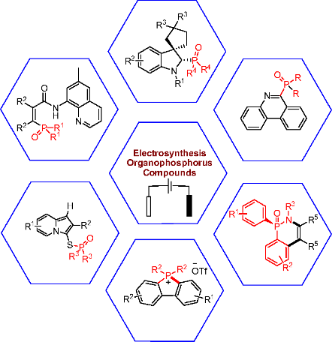
- that controls reaction selectivity by adjusting voltage or current [13]. Simple synthetic systems in electrochemical methods are limited to electrodes, cells, electrolytes, and power supplies. Today, in addition to the above, light, metallic, and organic catalysts are also used to increase the
- activities. Budnikova et al. [50] reported a C–P bond formation via the reaction of acridine compounds with trialkyl phosphites in electrochemical conditions without metal catalysts and strong oxidizing reagents, conducting selective C9 phosphorylation with high yield. The reaction was carried out in an
- this process. Arylphosphonates are essential compounds with a wide range of applications in pharmaceutical, biological, and agricultural materials. Therefore, finding new methods for preparing arylphosphonates is a significant challenge for scientists. Usually, metal catalysts are used to synthesize


New advances in asymmetric organocatalysis II
Beilstein J. Org. Chem. 2025, 21, 766–769, doi:10.3762/bjoc.21.60
- commonly defined as a form of catalysis where a small organic molecule, an organocatalyst, accelerates a chemical reaction. Unlike previously regarded traditional catalysts involving metals or enzymes, organocatalysts are composed of nonmetal elements, such as carbon, hydrogen, nitrogen, oxygen, phosphorus
- , or sulfur. The year 2000 is typically regarded as the birth of organocatalysis, which was at that time regarded as a new mode of action for chemical catalysts. In that year, List and MacMillan et al. published their landmark studies on proline- and imidazolidine-catalyzed aldol, Mannich, and
- contributions in stereoselective organocatalytic transformations. The collection contains nine articles featuring various aspects of asymmetric organocatalysis. In the first contribution, Waser et al. examined how chiral phase-transfer catalysts promote β-selective additions of azlactones to allenoates. Maruoka

Development and mechanistic studies of calcium–BINOL phosphate-catalyzed hydrocyanation of hydrazones
Beilstein J. Org. Chem. 2025, 21, 755–765, doi:10.3762/bjoc.21.59
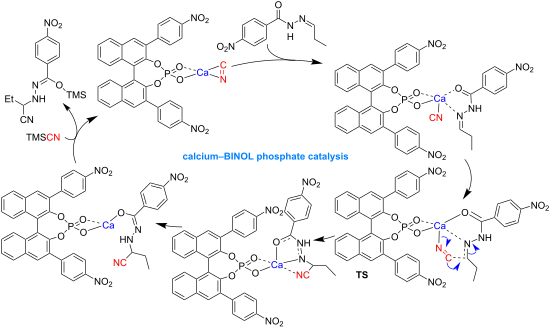
- in elucidating the mechanism by which these bifunctional compounds act as powerful catalysts [21][22][23][24][25][26][27][28][29]. Since Ishihara disclosed the crucial role of calcium in many purportedly purely organocatalytic BINOL phosphate-catalyzed reactions [30][31], several asymmetric synthesis


Origami with small molecules: exploiting the C–F bond as a conformational tool
Beilstein J. Org. Chem. 2025, 21, 680–716, doi:10.3762/bjoc.21.54


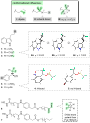
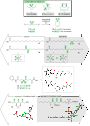
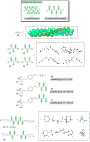
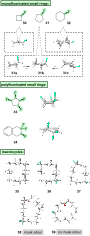


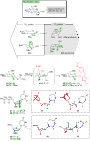
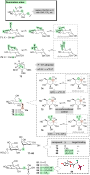
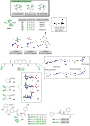
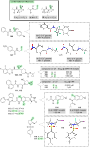




Recent advances in allylation of chiral secondary alkylcopper species
Beilstein J. Org. Chem. 2025, 21, 639–658, doi:10.3762/bjoc.21.51
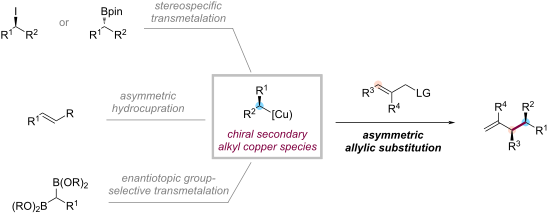
- inception (Scheme 1). Early studies were mainly focused on palladium catalysts [5][6][7][8], as demonstrated by the independent pioneering works of Tsuji and Trost in the 1960s and 1970s, respectively. While palladium catalysts demonstrated excellent reactivity with soft stabilized nucleophiles in the
- substitution reactions began to develop with the groundbreaking work of Takeuchi and Kashio, and subsequent research has revealed that iridium catalysts behave quite differently from their palladium counterparts [18]. The most notable distinction lies in their contrasting regioselectivity patterns. Palladium
- catalysts generally produce straight-chain products lacking chirality when reacting with monosubstituted allylic substrates, whereas iridium catalysts selectively generate branched products with high optical purity and precise control over the reaction site. Furthermore, the development of chiral




Photocatalyzed elaboration of antibody-based bioconjugates
Beilstein J. Org. Chem. 2025, 21, 616–629, doi:10.3762/bjoc.21.49
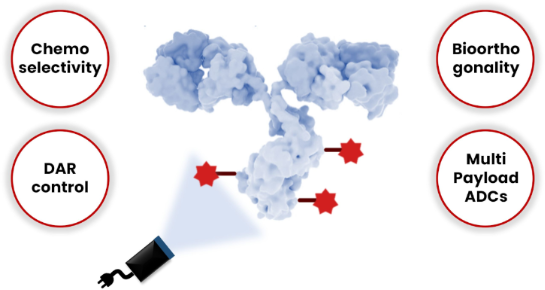
- emerged as a transformative approach in the modification of proteins, enabling researchers to achieve selective and efficient conjugation under mild conditions [37]. By utilizing visible light and transition-metal catalysts, this technique allows the generation of reactive intermediates that can
- catalysts, including photoredox catalysts, energy-transfer catalysts, and genetically encoded photocatalysts, highlighting their distinct features, mechanisms, applications, and prospects [41]. This thorough analysis showcased the promising advancements in the chemical modification of proteins. As this
- field continues to expand, ongoing research efforts are focusing on optimizing reaction conditions, understanding mechanistic pathways, and exploring new catalysts to broaden the scope of photoredox applications in protein chemistry. The integration of photoredox chemistry with protein modification has


Formaldehyde surrogates in multicomponent reactions
Beilstein J. Org. Chem. 2025, 21, 564–595, doi:10.3762/bjoc.21.45
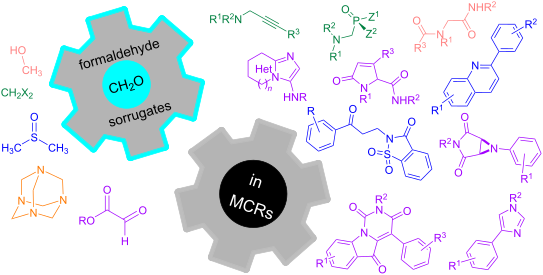
- remarkable example, when formaldehyde was used, the reaction did not provide the desired quinoline 6 as the main product but rather julolidines 7 (Scheme 7) [31]. However, the use of paraformaldehyde and glycine can produce the desired products with low yields, but very expensive catalysts and complex
- notably. Later, the same group developed an alternative method by using glyoxylic acid immobilized on silica, and the reaction conditions were optimized using microwave irradiation and avoiding the use of solvent or additional catalysts [93]. In this way, derivatives of 42a were obtained in good yields


Asymmetric synthesis of β-amino cyanoesters with contiguous tetrasubstituted carbon centers by halogen-bonding catalysis with chiral halonium salt
Beilstein J. Org. Chem. 2025, 21, 547–555, doi:10.3762/bjoc.21.43
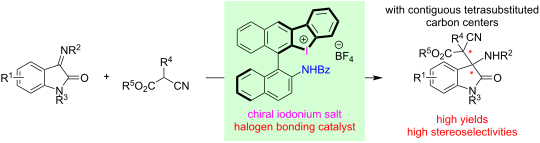
- of its unique interaction in organic synthesis. Chiral halonium salts have been found to have strong halogen-bonding-donor abilities and work as powerful asymmetric catalysts. Recently, we have developed binaphthyl-based chiral halonium salts and applied them in several enantioselective reactions
- ]. Hypervalent halogen compounds have been utilized as highly reactive substrates [21][22][23][24][25][26][27] and have recently been reported to work as halogen-bonding catalysts [28][29][30][31]. Previously, chiral halonium salts have been utilized in asymmetric catalysis [32][33][34][35], and we have
- alcohols [38]. In this context, their asymmetric syntheses are important and have also been researched mainly using chiral catalysts [39][40]. Previously, the Mannich reaction has been applied in the construction of contiguous stereogenic centers (Figure 2). In 2005, Jørgensen and co-workers reported the


Organocatalytic kinetic resolution of 1,5-dicarbonyl compounds through a retro-Michael reaction
Beilstein J. Org. Chem. 2025, 21, 473–482, doi:10.3762/bjoc.21.34
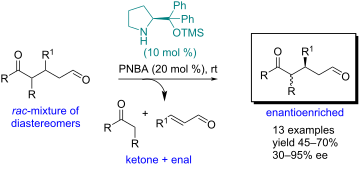
- processes with low catalyst loading. It involves the kinetic resolution of alcohols, amines, and esters using chiral phosphoric acids [6][7][8][9][10][11][12][13] and sulfoximines with enals using chiral N-heterocyclic carbene (NHC) catalysts [14]. Additionally, these processes have been conducted using
- yields [27]. These reactions have been utilized in the enantioselective synthesis of aryl sulfoxides through the arylation of sulfonate anions in the presence of palladium catalysts [28][29]. They have also been used in the synthesis of the neuraminidase inhibitor (−)-oseltamivir [30] and the


Beyond symmetric self-assembly and effective molarity: unlocking functional enzyme mimics with robust organic cages
Beilstein J. Org. Chem. 2025, 21, 421–443, doi:10.3762/bjoc.21.30
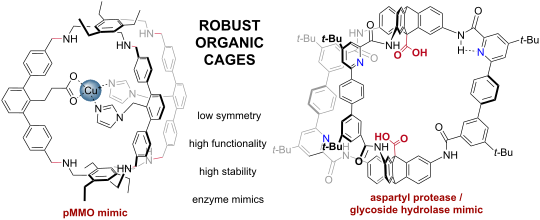
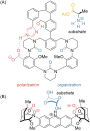
- demonstrating enzyme-like rate accelerations remain rare. This perspective will briefly highlight some of the key advances in traditional cavity catalysis, by cavity type, in order to contextualize the recent development of robust organic cage catalysts, which can exploit stability, functionality, and reduced
- enzyme dynamics. The wider history of supramolecular and cavity catalysis [3][13][15][16][17][18][19][21][48][49], and catalysis using confined transition-metal catalysts [50][51][52], dendrimers [53] or synzymes [54], micelles [55] or vesicles [56], catalytic antibodies [57][58][59] or molecularly
- proximal electrostatic potential, even when the charges are flexibly arranged, remote, and solvated in water. Metal-organic cages The exploration of metal-organic cages (MOCs), also known as supramolecular coordination cages (SCCs), as catalysts is thriving [22][36][138][139][140][141]. The reversible bond




Red light excitation: illuminating photocatalysis in a new spectrum
Beilstein J. Org. Chem. 2025, 21, 296–326, doi:10.3762/bjoc.21.22

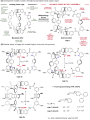
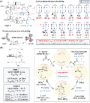
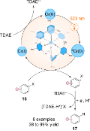
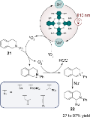
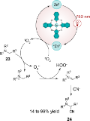
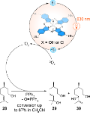
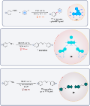
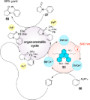
- , making it particularly suited for large-scale applications. Recent advances highlight the unique advantages of both metal-based and metal-free catalysts under red-light irradiation, broadening the range of possible reactions, from selective oxidations to complex polymerizations. In biological contexts
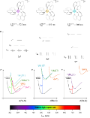
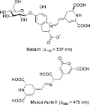
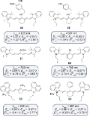
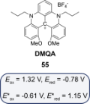
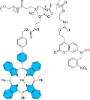
- organic photocatalysts. Unlike metal-based systems, organic photocatalysts such as phthalocyanins, squaraines and cyanins, offer effective electron and energy transfer under red-light irradiation without relying on transition metals. This shift towards organic catalysts opens new possibilities for
- sustainable photocatalysis, with applications ranging from selective oxidation to cross-dehydrogenative coupling. These organic systems are valued for their reduced environmental impact, their wide availability, and tunability, making them viable alternatives to traditional metal-based catalysts for red-light















Synthesis of disulfides and 3-sulfenylchromones from sodium sulfinates catalyzed by TBAI
Beilstein J. Org. Chem. 2025, 21, 253–261, doi:10.3762/bjoc.21.17
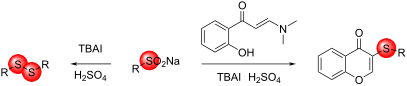
- catalysts in conjunction with oxygen [17][18][19][20][21][22], electrochemical oxidation [23][24], and photochemical oxidation techniques [25] have emerged as alternative methods. However, these approaches have a significant limitation: the substrates must be thiols, which have unpleasant odors. This has
- [48][49]. However, some of the previously reported methods have limitations such as the use of strong oxidants, expensive reagents/catalysts, and lengthy work-up procedures, so there is still a need for simpler and more environmentally friendly methods for the preparation of 3-sulfenylchromones. In


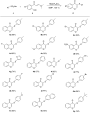


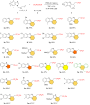
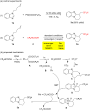
Visible-light-promoted radical cyclisation of unactivated alkenes in benzimidazoles: synthesis of difluoromethyl- and aryldifluoromethyl-substituted polycyclic imidazoles
Beilstein J. Org. Chem. 2025, 21, 234–241, doi:10.3762/bjoc.21.15
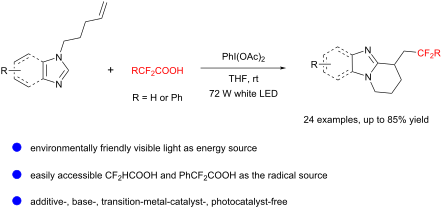
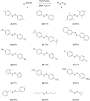
- −), respectively (Scheme 1a). Despite these advances, the above methods still suffer from several limitations, including a narrow substrate scope, the reliance on expensive metal catalysts and excess additives, and the need for multistep synthesis of difluoromethylating reagents. These drawbacks restrict their


Dioxazolones as electrophilic amide sources in copper-catalyzed and -mediated transformations
Beilstein J. Org. Chem. 2025, 21, 200–216, doi:10.3762/bjoc.21.12
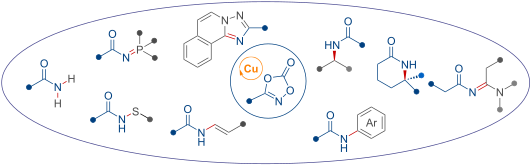
- catalysts have been gaining increasing attention owing to their abundance, cost-effectiveness, and sustainability. Recently, these catalytic systems have been applied to the chemical transformation of dioxazolones, conferring a convenient protocol towards amidated products. This review highlights recent
- electrophiles in various nucleophilic transformations due to their susceptibility to rapid decomposition into the corresponding isocyanates (Scheme 1a) [2][3]. They have attracted increasing interest as electrophilic amide sources in amidation using transition-metal catalysts such as ruthenium, rhodium, and
- iridium (Scheme 1b) [4][5][6][7][8][9][10][11][12][13][14][15][16][17][18][19]. Notably, dioxazolones have primarily been studied in directed carbon–hydrogen amidation processes, which can circumvent the need for tedious prefunctionalizations. Copper catalysts have gained recognition and attracted


Recent advances in electrochemical copper catalysis for modern organic synthesis
Beilstein J. Org. Chem. 2025, 21, 155–178, doi:10.3762/bjoc.21.9

- ], however, no comprehensive review focusing on Cu-catalyzed electrochemistry has been reported to date. Copper catalysts are potential candidates for pharmaceutical applications owing to their abundance, low cost, and lower toxicity compared with noble transition metals such as palladium [39]. In terms of
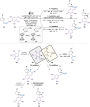
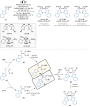
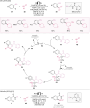
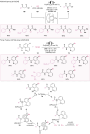
- the product are accessible by adjusting the two distinct chiral catalysts. C–N Bond formation In 2018, Mei et al. developed the electrochemical C–H amination of arenes with amine electrophiles using copper catalysis, which provided a step-economical approach for the synthesis of aromatic amines by
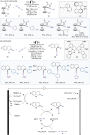
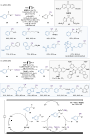
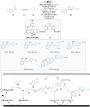
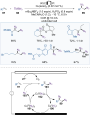
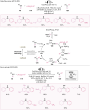
- reactions of copper catalysts without ligands face limitations owing to slow electron transfer kinetics, irreversible copper plating, and competing substrate oxidation. To overcome these challenges, Sevov et al. developed a ligand-free, Cu-catalyzed electrochemical Chan–Lam coupling using a ferrocenium salt








Cu(OTf)2-catalyzed multicomponent reactions
Beilstein J. Org. Chem. 2025, 21, 122–145, doi:10.3762/bjoc.21.7

- emerged among copper catalysts because it can act as a precursor to triflic acid in addition to a powerful copper-catalytic effect. Indeed, Cu(OTf)2 has proven to be an excellent surrogate for triflic acid compared with other metal triflates because it is inexpensive and exhibits high activity with low
- transition-metal catalysts provides synthetic tools even more advantageously. Copper has also become very interesting in this field, mainly in processes aimed at synthesizing heterocyclic compounds. Among the various catalysts, Cu(OTf)2 stands out in heterocyclic synthesis and ring transformations due to its
- counteranion. The use of a carbamate among the substrates instead of the amine allowed the synthesis of propargylcarbamates 11. This reaction, effective only for the aromatic aldehydes, did not require other co-catalysts or ligands (Scheme 8) [21]. Three-component reactions of alkynes, alkyltrifluoroborates